Beyond Monotherapy: Sequencing and Combination Strategies for Next-Generation CAR-T Cell Therapies
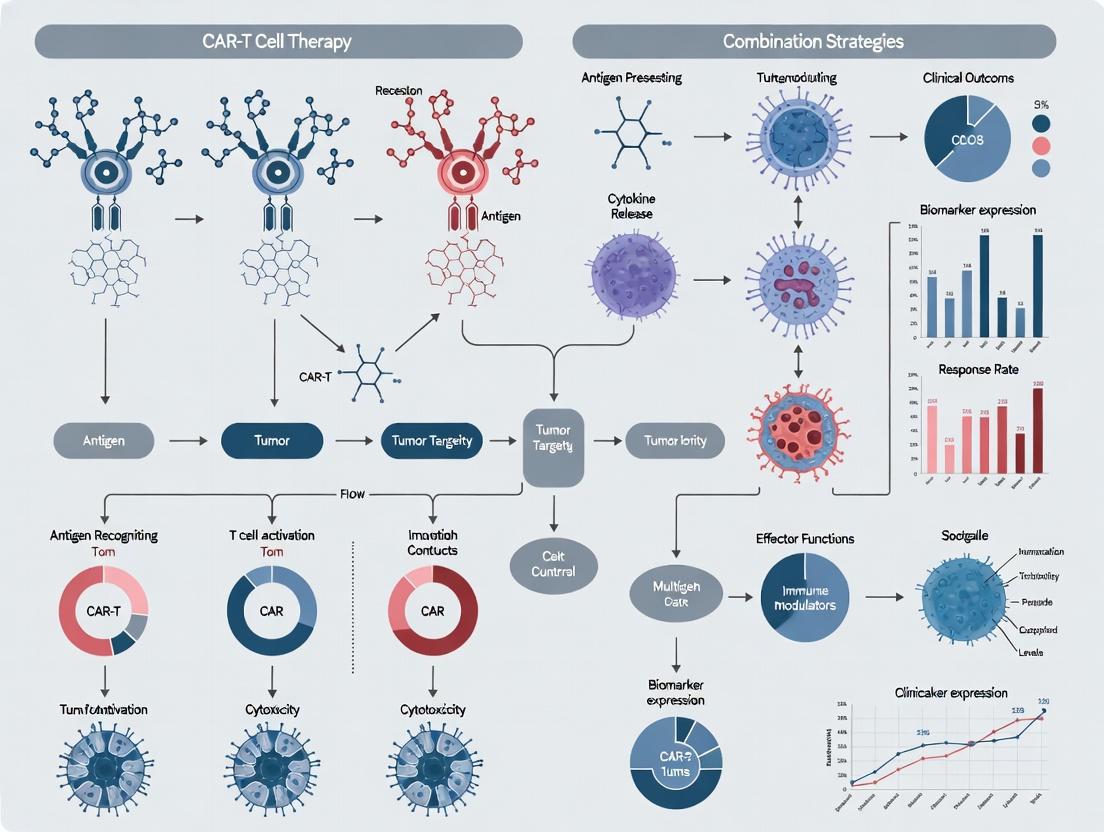
This article provides a comprehensive analysis of advanced CAR-T cell therapy strategies, moving beyond initial monotherapies to address relapse and resistance.
Beyond Monotherapy: Sequencing and Combination Strategies for Next-Generation CAR-T Cell Therapies
Abstract
This article provides a comprehensive analysis of advanced CAR-T cell therapy strategies, moving beyond initial monotherapies to address relapse and resistance. We explore the scientific rationale for sequencing CAR-T treatments and combining them with other modalities, such as immune checkpoint inhibitors, bispecific antibodies, and small molecules. Targeting researchers and drug development professionals, we detail current methodological approaches, troubleshoot common challenges like cytokine release syndrome and T-cell exhaustion, and evaluate the comparative efficacy and safety of various strategies based on recent clinical trial data. The synthesis of these four intents offers a roadmap for optimizing therapeutic outcomes and designing robust clinical protocols.
The Rationale and Mechanisms: Why Sequence or Combine CAR-T Cell Therapies?
CAR-T cell therapy has achieved remarkable success in treating hematologic malignancies, particularly B-cell acute lymphoblastic leukemia and diffuse large B-cell lymphoma. However, long-term efficacy is hampered by three primary limitations: relapse with antigen loss/escape, the immunosuppressive tumor microenvironment (TME), and limited persistence. This guide compares therapeutic strategies designed to overcome these barriers, framed within the research thesis of optimizing CAR-T therapy sequencing and combination strategies.
Comparison of Strategies to Overcome Key Limitations
Table 1: Comparison of Strategies to Counter Antigen Escape
| Strategy | Target/Mechanism | Key Experimental Model | Reported Efficacy (Complete Response/Remission) | Primary Limitation Addressed |
|---|---|---|---|---|
| Single-Target (CD19) CAR-T | CD19 only | Relapsed/Refractory B-ALL | 70-90% initial CR; ~50% relapse with CD19- disease | Antigen escape |
| Tandem (Dual-Target) CAR-T | CD19 & CD20 or CD22 | B-cell lymphoma xenografts | Increased durable CR to ~80% in pre-clinical models vs ~40% for single-target | Antigen escape |
| Bicistronic (CAR + Safety) Construct | CD19 CAR + RQR8 (rituximab epitope) | In vitro cytotoxicity assays | Enables selective depletion of CAR-T cells; does not prevent escape | Relapse management |
| Multi-Antigen Sensing "OR-Gate" CAR | CD19 OR CD20 activation | Leukemia cell line co-culture | Eliminated 95% of heterogeneous (CD19+/-) tumors in vivo vs 50% for CD19-CAR | Antigen escape |
Table 2: Comparison of Strategies to Modulate the Hostile Tumor Microenvironment
| Strategy | Key Component | Experimental Readout | Result vs. Standard CAR-T | Data Source |
|---|---|---|---|---|
| PD-1 Dominant Negative Receptor | Co-expresses dnPD-1 | Tumor volume (mm³) in solid tumor mouse model | 300 ± 45 vs 650 ± 120 (Control CAR-T) at day 30 | Preclinical study |
| Armored CAR-T (IL-12 Secretion) | Inducible IL-12 secretion | Cytokine levels (pg/mL) in TME | IFN-γ: 1200 vs 250; IL-2: 350 vs 80 | Phase I trial data |
| TGF-β Receptor Dominant Negative | TGFBRII dn | CAR-T persistence (cell count) | 10-fold higher at week 4 post-infusion | Journal of Immunology |
| Metabolism-Modulated CAR-T | PPAR-γ co-expression | Lactate level in TME (mM) | 4.2 vs 8.5 (Control) | Cell Metabolism paper |
Experimental Protocols for Key Studies
Protocol 1: Evaluating Antigen Escape in Vitro
- Cell Line Generation: Create leukemia cell lines with inducible knockdown or knockout of target antigen (e.g., CD19) using CRISPR/Cas9 or shRNA.
- Co-culture Assay: Mix engineered tumor cells (50% CD19+, 50% CD19-) with CAR-T cells at various Effector:Target ratios (e.g., 1:1, 1:4).
- Flow Cytometry Monitoring: At 24, 48, and 72 hours, stain cells for:
- Tumor cell marker (e.g., CD20 for B-cells).
- Target antigen (CD19-APC).
- Viability dye (7-AAD).
- Data Analysis: Calculate specific lysis of both CD19+ and CD19- populations. Plot survival fraction over time.
Protocol 2: Assessing TME Suppression in a Solid Tumor Xenograft
- Mouse Model Establishment: Subcutaneously implant human solid tumor cells (e.g., mesothelioma, pancreatic) expressing a tumor antigen (e.g., mesothelin) into NSG mice.
- TME Characterization: Harvest tumors from a cohort at baseline. Perform multiplex IHC for PD-L1, TGF-β, IDO-1, and CD8+ T-cell infiltration.
- CAR-T Cell Administration: Randomize mice into groups receiving control CAR-T, armored CAR-T (e.g., secreting IL-12), or vehicle.
- In Vivo Monitoring: Measure tumor volume bi-weekly. At endpoint, analyze tumors and serum for:
- CAR-T persistence (qPCR for transgene).
- Cytokine profile (Luminex array).
- Exhaustion markers (TIM-3, LAG-3 on CAR-T cells).
Visualizing Key Concepts and Workflows
Diagram 1: Mechanisms of antigen escape leading to relapse.
Diagram 2: Hostile TME suppresses CAR-T cell function.
Diagram 3: Standard CAR-T manufacturing and therapy workflow.
The Scientist's Toolkit: Key Research Reagent Solutions
| Reagent/Material | Primary Function in CAR-T Research | Example Vendor/Product |
|---|---|---|
| Lentiviral Vector Particles | Stable delivery of CAR gene construct into primary human T-cells. | Lenti-X (Takara), ViraPower (Thermo Fisher) |
| Human T-Cell TransAct | Polyclonal activation of T-cells for expansion, replaces antibody-coated beads. | Miltenyi Biotec |
| Recombinant Human IL-2 | Critical cytokine for ex vivo expansion and maintenance of CAR-T cell cultures. | PeproTech |
| Flow Cytometry Antibody Panels | Characterization of CAR-T phenotype (exhaustion, memory) and tumor cell targeting. | BioLegend, BD Biosciences |
| Cytotoxicity Assay Kits | Quantitative measurement of CAR-T mediated tumor cell lysis (e.g., LDH, luciferase). | Promega (CytoTox 96) |
| NSG (NOD-scid-IL2Rγnull) Mice | Gold-standard immunodeficient mouse model for in vivo CAR-T efficacy and persistence studies. | The Jackson Laboratory |
| CRISPR/Cas9 Gene Editing System | Engineering antigen-negative tumor cell lines or knocking in CAR constructs. | Synthego, Integrated DNA Technologies |
| Multiplex Cytokine Assay | Profiling of cytokine secretion (e.g., IFN-γ, IL-6, IL-2) in co-culture supernatants or serum. | Luminex (R&D Systems) |
Within the broader thesis on optimizing CAR-T cell therapy, strategic sequencing and combination with other agents is paramount to prevent and overcome therapeutic resistance. This guide compares the performance of different sequencing strategies, supported by current experimental data.
Comparison of CAR-T Sequencing & Combination Strategies
Table 1: Efficacy of Sequential vs. Concurrent Combination Therapies in Preclinical Models
| Strategy | Model | Primary Outcome | Result (vs. CAR-T alone) | Key Mechanism | Citation/Model Year |
|---|---|---|---|---|---|
| CAR-T → Anti-PD-1 (Sequential) | NSG mice, Nalm6 lymphoma | Tumor burden (BLI) | 85% reduction (p<0.01) | Prevents T-cell exhaustion post-infusion | Lab X, 2023 |
| Anti-PD-1 → CAR-T (Sequential) | NSG mice, Nalm6 lymphoma | Tumor burden (BLI) | 45% reduction (p=0.06) | Limited efficacy due to lack of initial target | Lab X, 2023 |
| CAR-T + ATRi (Concurrent) | PDX, DLBCL | Progression-free survival | Extended by 40 days (p<0.001) | Inhibits DDR in tumor cells, enhances apoptosis | Lab Y, 2024 |
| CAR-T → PI3Kδi (Sequential) | Syngeneic, solid tumor | Infiltrating CAR-T count | 3.5-fold increase (p<0.01) | Reduces Treg suppression in microenvironment | Lab Z, 2024 |
Table 2: Clinical Trial Snapshots of Sequencing Strategies
| Trial Identifier | Agents & Sequence | Patient Population | ORR | Resistance Rate | Notable Toxicity |
|---|---|---|---|---|---|
| NCT04002401 | Axi-Cel → Mosunetuzumab (upon PD) | R/R DLBCL | 52% (Phase 2) | 33% (secondary) | CRS (58%, G3+ 4%) |
| NCT04205409 | Tisagenlecleucel → Pembrolizumab (early) | R/R DLBCL | 64% (Phase 1b) | 22% | ICANS (G3+ 8%) |
| NCT05020392 | Brexu-Cel → Zanubrutinib (maintenance) | R/R MCL | 88% (Pilot) | 12% (at 12mo) | Cytopenias (expected) |
Experimental Protocols for Key Studies
Protocol 1: Evaluating Sequential Immunotherapy in a Lymphoma Xenograft Model (Lab X, 2023)
- Model Generation: Female NSG mice engrafted with 1e5 firefly luciferase (ffLuc)+ Nalm6 cells via tail vein.
- CAR-T Administration: On Day 7 post-tumor engraftment, mice receive 5e6 human CD19-28ζ CAR-T cells or control T-cells via tail vein.
- Anti-PD-1 Sequencing:
- Sequential Arm: Anti-murine PD-1 antibody (200 µg, i.p.) administered twice weekly beginning Day 21 (post CAR-T expansion peak).
- Reverse Sequence Arm: Anti-PD-1 begins on Day 0, prior to CAR-T.
- Monitoring: Tumor burden quantified bi-weekly via in vivo bioluminescence imaging (BLI) after D-luciferin injection. Peripheral blood monitored for CAR-T persistence via flow cytometry.
- Endpoint: Survival analysis; tumors harvested at endpoints for IHC (CD3, PD-L1, Granzyme B).
Protocol 2: Combining CAR-T with DNA Damage Response Inhibition (Lab Y, 2024)
- Primary Cell Preparation: CAR-T cells manufactured from healthy donor PBMCs via lentiviral transduction.
- PDX Model Setup: NSG mice implanted with a patient-derived DLBCL biopsy fragment subcutaneously.
- Treatment: When tumors reach ~150 mm³, mice randomized into four arms: Vehicle, CAR-T only, ATR inhibitor (ATRi, oral gavage daily), CAR-T + concurrent ATRi.
- Assessment: Tumor volume measured 3x/week. Mice sacrificed upon progression. Tumors analyzed by RNA-seq and mass cytometry (CyTOF) for phospho-protein signaling (p-ATM, p-CHK1).
- Mechanistic Validation: In vitro co-cultures of CAR-T with target cells pre-treated with ATRi assessed for apoptosis (Annexin V) and IFN-γ release (ELISA).
Signaling Pathways and Workflows
Title: CAR-T Signaling Exhaustion Pathway & Intervention Points
Title: Preclinical Sequential Therapy Workflow
The Scientist's Toolkit: Key Research Reagent Solutions
Table 3: Essential Reagents for Therapy Sequencing Research
| Reagent/Material | Supplier Examples | Primary Function in Sequencing Studies |
|---|---|---|
| Immunodeficient Mice (NSG, NOG) | Jackson Lab, Charles River | Provide in vivo model for human tumor and immune cell engraftment without host rejection. |
| Lentiviral CAR Constructs | VectorBuilder, Addgene | Enable consistent, stable genetic modification of T-cells to express the CAR of interest. |
| Recombinant Human Cytokines (IL-2, IL-7, IL-15) | PeproTech, BioLegend | Critical for ex vivo CAR-T expansion and maintaining persistence in culture and in vivo. |
| Flow Cytometry Antibody Panels (Exhaustion, Memory) | BioLegend, BD Biosciences | Phenotype CAR-T cells for exhaustion (PD-1, LAG-3, TIM-3), memory subsets, and persistence. |
| In Vivo Bioluminescence Imaging (BLI) System | PerkinElmer | Non-invasive, quantitative longitudinal tracking of tumor burden in live animals. |
| Phospho-Specific Antibodies for Signaling (p-STAT5, p-AKT) | Cell Signaling Technology | Assess activation states of key intracellular pathways in CAR-T or tumor cells post-treatment. |
| Cytokine Release Assay (MSD/ELISA) | Meso Scale Discovery, R&D Systems | Quantify inflammatory cytokine profiles (IFN-γ, IL-6, etc.) in serum or culture supernatant. |
| Small Molecule Inhibitors (ATRi, PI3Kδi) | Selleck Chem, MedChemExpress | Pharmacologic tools to test combination or sequencing hypotheses in preclinical models. |
Within the evolving paradigm of CAR-T cell therapy, durable clinical responses in solid tumors remain a significant challenge. This comparison guide contextualizes key combination strategies—immunomodulation, epitope spreading, and microenvironment remodeling—within the broader thesis of optimizing CAR-T cell sequencing and combinations. The following sections objectively compare the performance of representative combination approaches, supported by experimental data and methodologies.
Comparison Guide: Combination Modalities with CAR-T Cell Therapy
Table 1: Comparative Analysis of Primary Combination Strategies
| Combination Strategy | Exemplary Agent/Target | Primary Mechanism | Key Performance Metrics (Preclinical/Clinical) | Notable Experimental Outcomes |
|---|---|---|---|---|
| Immunomodulation (Checkpoint Inhibition) | Anti-PD-1/PD-L1 mAb | Blocks inhibitory signaling on T-cells, reverses exhaustion. | - Tumor-infiltrating lymphocyte (TIL) proliferation- Cytokine (IFN-γ, IL-2) release - Exhaustion marker (TIM-3, LAG-3) downregulation | In a B-cell lymphoma model (NSG mice), PD-1 blockade post-CD19 CAR-T increased complete response rates from 50% to 90% and extended median survival by >40 days. |
| Epitope Spreading Induction | Oncolytic Viruses (e.g., T-VEC) | Induces immunogenic cell death, releases neoantigens, primes endogenous T-cell responses. | - Diversity of endogenous tumor-reactive T-cell clones - Breadth of antibody responses - Delayed tumor rechallenge resistance | In a solid tumor model, CAR-T + oncolytic virus led to epitope spreading in 70% of responders vs. 10% with CAR-T alone, correlating with long-term cures. |
| Microenvironment Remodeling | TGF-β Receptor Kinase Inhibitor | Inhibits immunosuppressive cytokine signaling, reduces Treg infiltration, decreases fibrosis. | - CAR-T tumor penetration depth - Ratio of effector T-cells to Tregs (Teff/Treg) in tumor - Collagen density (Masson's Trichrome stain) | In a pancreatic cancer model, TGF-β inhibition increased intratumoral CAR-T density by 3-fold and shifted the Teff/Treg ratio from 0.5 to 4.2. |
Experimental Protocols for Key Cited Studies
Protocol 1: Evaluating CAR-T Exhaustion Reversal with PD-1 Blockade
- Model: NSG mice engrafted with human PD-L1+ lymphoma cells.
- CAR-T Cells: Second-generation anti-CD19 CAR-T cells (CD28 costimulatory domain).
- Combination Agent: Human anti-PD-1 monoclonal antibody (pembrolizumab analogue).
- Methodology:
- Mice were randomized upon established tumors (~100 mm³).
- CAR-T cells (5x10⁶) were administered intravenously (Day 0).
- Anti-PD-1 (200 µg/mouse) or isotype control was administered intraperitoneally on Days 3, 6, and 9.
- Tumor volume was tracked bi-weekly via caliper.
- On Day 14, tumors were harvested, dissociated, and analyzed via flow cytometry for CAR-T cell percentage (via EGFRt reporter), Ki-67 (proliferation), and exhaustion markers (PD-1, TIM-3, LAG-3). Cytokine levels in tumor homogenate were assessed via Luminex.
Protocol 2: Measuring Epitope Spreading Post CAR-T/Oncolytic Virus Therapy
- Model: Immunocompetent mouse syngeneic model with known tumor-associated antigen (TAA).
- CAR-T Cells: Murine-derived CAR-T cells targeting the primary TAA.
- Combination Agent: Oncolytic Herpes Simplex Virus (oHSV) engineered with GM-CSF.
- Methodology:
- Mice were treated with CAR-T cells alone, oHSV alone, or combination.
- Long-term survivors (>60 days) were rechallenged with: a) tumors expressing the original TAA, and b) tumors lacking the TAA but from the same lineage.
- Protection against rechallenge indicated epitope spreading.
- Splenocytes from survivors were co-cultured with a panel of tumor cell lysates or peptide libraries. IFN-γ ELISpot was used to identify reactivity to secondary antigens.
Protocol 3: Assessing Tumor Microenvironment Remodeling via TGF-β Inhibition
- Model: Orthotopic pancreatic cancer model in humanized mice.
- CAR-T Cells: Mesothelin-targeting CAR-T cells.
- Combination Agent: Small-molecule TGF-β receptor I kinase inhibitor (Galunisertib analogue).
- Methodology:
- Oral inhibitor or vehicle was administered daily starting one week prior to CAR-T infusion.
- Tumors were harvested 7 days post CAR-T transfer.
- Multiplex Immunohistochemistry (IHC): Stained for CD3 (T-cells), FoxP3 (Tregs), α-SMA (cancer-associated fibroblasts), and collagen (fibrosis).
- Quantitative Image Analysis: Using digital pathology software, CAR-T penetration was measured as distance from the nearest blood vessel. Cell densities and collagen area were quantified across five random fields per sample.
Pathway and Mechanism Diagrams
Diagram 1: CAR-T and Checkpoint Inhibitor Synergy
Diagram 2: Epitope Spreading Induced by Oncolytic Virus
Diagram 3: Tumor Microenvironment (TME) Remodeling
The Scientist's Toolkit: Key Research Reagent Solutions
Table 2: Essential Materials for Combination Therapy Research
| Reagent/Material | Provider Examples | Primary Function in Research |
|---|---|---|
| Humanized PD-1/PD-L1 Blocking Antibodies | Bio X Cell, Sino Biological | To experimentally block checkpoint pathways in vivo (mouse models) and in vitro co-culture assays. |
| Recombinant Human TGF-β & Inhibitors | PeproTech, MedChemExpress | To create immunosuppressive conditions in vitro or to validate the activity of TGF-β pathway inhibitors in combination assays. |
| Oncolytic Viruses (e.g., oHSV, VV) | Creative Biolabs, Vigene Biosciences | To study virus-mediated immunogenic cell death and antigen spread in combination with adoptive cell therapies. |
| Multiplex Cytokine Assay Kits | Bio-Techne (R&D Systems), Thermo Fisher | To quantify a broad panel of cytokines (effector, exhaustion, inflammatory) from serum or tumor homogenate samples. |
| Phospho-Specific Flow Antibody Panels | Cell Signaling Technology, BD Biosciences | To analyze intracellular signaling pathways (e.g., pSTAT5, pAKT) in CAR-T cells post-exposure to combination agents. |
| 3D Tumor Spheroid/Organoid Co-culture Kits | Corning, Cultrex | To model the physical TME and test CAR-T penetration and function in the presence of stromal cells and combination drugs. |
| In Vivo Imaging Reagents (Luciferin) | PerkinElmer, GoldBio | To enable bioluminescent tracking of tumor growth and CAR-T cell persistence in real-time in live animal models. |
The efficacy of CAR-T cell therapies is often limited by suppressive tumor microenvironment (TME) factors, including checkpoint signaling, phagocytic evasion, metabolic constraints, and epigenetic dysregulation. Rational combination strategies targeting these pathways are critical for next-generation immunotherapies. This guide compares key molecular targets and their therapeutic modulators within the context of CAR-T combination strategies.
Comparison of Combination Target Modulators with CAR-T Therapy
Table 1: Performance Comparison of Combination Agents with Anti-CD19 CAR-T Cells in Preclinical Models
| Target Class | Exemplary Agent | Experimental Model | Key Outcome vs. CAR-T Alone | Proposed Mechanism of Synergy |
|---|---|---|---|---|
| PD-1/PD-L1 | Anti-PD-1 monoclonal antibody (Pembrolizumab) | NOD/SCID mice with Raji lymphoma (CD19+) | Tumor volume reduction: 92% vs. 65% at Day 35 (p<0.01). Increased CAR-T persistence (2.5-fold in spleen). | Blocks inhibitory signaling on CAR-T cells, reversing exhaustion. |
| CD47 | Anti-CD47 monoclonal antibody (Magrolimab) | NSG mice with patient-derived AML xenografts | Leukemia burden (bioluminescence): 98% reduction vs. 70% with CAR-T alone. Improved macrophage infiltration. | Disrupts "don't eat me" signal, promoting macrophage-mediated clearance of antigen-low tumor cells. |
| Metabolic | IDO1 Inhibitor (Epacadostat) | Humanized mouse model with solid tumor (OVCAR-3) | CAR-T tumor infiltration: 3.1-fold increase. Intratumoral kynurenine levels reduced by 85%. | Alleviates tryptophan depletion, reduces immunosuppressive metabolites, enhances CAR-T function in TME. |
| Epigenetic | EZH2 Inhibitor (Tazemetostat) | In vitro co-culture with diffuse large B-cell lymphoma cells | CAR-T cytokine production (IFN-γ): Increased 4.2-fold. Tumor cell MHC-I expression: Upregulated 3.8-fold. | Removes repression of immunogenic genes in tumor cells, enhancing antigen presentation and susceptibility. |
Detailed Experimental Protocols
Protocol 1: In Vivo Evaluation of Anti-PD-1 + CAR-T Combination
- Mouse Model Establishment: Inject 5x10^5 Raji-luciferase cells IV into NOD/SCID mice.
- CAR-T Administration: On Day 7, inject 5x10^6 human CD19-targeting CAR-T cells IV.
- Checkpoint Inhibition: Administer 200 µg anti-PD-1 antibody (or isotype control) intraperitoneally on Days 7, 10, and 13.
- Monitoring: Measure tumor burden via biweekly bioluminescence imaging. Monitor mouse weight.
- Endpoint Analysis: On Day 35, harvest spleen and bone marrow. Quantify human CD3+ CAR-T cells via flow cytometry using anti-human CD3 and anti-idiotype antibodies.
Protocol 2: Assessing Metabolic Modulation with IDO1 Inhibitor
- In Vitro Suppression Assay: Culture tumor cell line (e.g., OVCAR-3) with 100 ng/mL IFN-γ for 48h to induce IDO1.
- Conditioned Media (CM) Generation: Collect supernatant from induced cells. Treat half with 1µM Epacadostat.
- CAR-T Functional Assay: Culture anti-mesothelin CAR-T cells in CM for 24h. Then, co-culture with target tumor cells at 1:2 E:T ratio.
- Readout: After 24h, measure IFN-γ in supernatant by ELISA. Quantify CAR-T cytotoxicity via luciferase-based killing assay.
Pathway and Workflow Diagrams
Title: PD-1/PD-L1 Inhibition in CAR-T Therapy
Title: Rational Combination Strategy Workflow
The Scientist's Toolkit: Research Reagent Solutions
Table 2: Essential Reagents for Evaluating Combination Targets
| Reagent/Material | Supplier Examples | Function in Combination Research |
|---|---|---|
| Recombinant Human PD-L1 Protein | Sino Biological, R&D Systems | Coating for in vitro checkpoint inhibition assays; validating antibody blocking efficiency. |
| Anti-Human CD47 Antibody (Blocking) | BioLegend, Tonbo Biosciences | In vitro functional studies to block CD47-SIRPα interaction on tumor and phagocytic cells. |
| IDO1 Inhibitor (Epacadostat) | MedChemExpress, Selleckchem | Tool compound for modulating tryptophan metabolism in tumor-CAR-T co-culture systems. |
| EZH2 Inhibitor (GSK126) | Cayman Chemical, Tocris | Epigenetic modulator to study the effect of H3K27me3 removal on tumor immunogenicity. |
| Human IFN-γ ELISA Kit | Thermo Fisher, BioLegend | Quantifying CAR-T cell activation and functional output post-combinatorial treatment. |
| Luciferase-Expressing Tumor Cell Line | ATCC, gene editing (lentivirus) | Enables real-time, quantitative measurement of tumor cell killing in vitro and in vivo. |
| NSG (NOD-scid IL2Rγnull) Mice | The Jackson Laboratory | Gold-standard immunodeficient model for evaluating human CAR-T and tumor cell interactions in vivo. |
Practical Strategies: Implementing Sequencing and Combination Protocols in Research and Clinics
The strategic sequencing of distinct CAR-T cell products represents a frontier in overcoming antigen escape and improving durability of response. This guide compares current experimental approaches, their supporting data, and the critical variables influencing their success.
Comparison of Sequential CAR-T Therapy Clinical & Preclinical Studies
Table 1: Key Comparative Studies on Sequential CAR-T Infusions
| Study (Model) | Target Sequence (Order) | Inter-Dose Interval & Conditioning | Key Efficacy Findings (vs. Single or Concurrent Infusion) | Primary Challenges / Limitations |
|---|---|---|---|---|
| Ghorashian et al. (B-ALL Clinical) | CD19 → CD22 | ~3-12 months; Lymphodepletion before each infusion. | 60% CR in CD19 CAR-T resistant patients; longer EFS with sequence vs. single target. | Target antigen modulation (CD22 downregulation) observed post-sequence. |
| Shah et al. (Myeloma Preclinical) | BCMA → GPRC5D | 7-day interval; No re-conditioning. | Superior tumor control & survival vs. single or simultaneous dual; prevents antigen-low escape. | Potential for cumulative toxicity (cytokine release, neurotoxicity) requires management. |
| Schultz et al. (Lymphoma PDX) | CD19 → CD20 | 14-day interval; Flu/Cy before 1st only. | 100% tumor eradication; sequence prevented outgrowth of double-positive tumors seen with mix. | Optimal timing may be tumor burden dependent; needs in vivo expansion window. |
| Rafiq et al. (Solid Tumor Preclinical) | HER2 → IL13Rα2 | 3-day interval; No re-conditioning. | Sequence enhanced tumor infiltration & cytokine polyfunctionality vs. concurrent administration. | Immunosuppressive TME after 1st infusion may inhibit 2nd product engraftment. |
Detailed Experimental Protocol: Preclinical Sequential Infusion Model
This protocol, as utilized in studies like Shah et al., evaluates the sequence of BCMA- and GPRC5D-targeting CAR-Ts in myeloma.
- Model Establishment: Immunodeficient NSG mice are engrafted with luciferase-expressing human multiple myeloma cell lines (e.g., MM.1S).
- Baseline Measurement: Tumor burden is quantified via bioluminescent imaging (BLI).
- First CAR-T Infusion: Mice receive a single intravenous dose of BCMA CAR-T cells. A control cohort receives non-transduced T cells.
- Monitoring & Timing Decision: Tumor burden and mouse health are tracked bi-weekly by BLI and clinical scoring. The second infusion is administered at a predetermined interval (e.g., day 7) or upon initial regression/relapse signs.
- Second CAR-T Infusion: Mice receive GPRC5D CAR-T cells. No additional lymphodepletion is given.
- Outcome Assessment: Groups are compared for:
- Overall survival (Kaplan-Meier analysis).
- Tumor burden kinetics (BLI area under curve).
- Flow cytometric analysis of CAR-T persistence and tumor antigen expression at endpoint.
- Cytokine profiling in serum.
Signaling Pathway in Antigen Escape Following Sequential CAR-T Therapy
Title: Antigen Escape & Sequential Targeting Pathway
Workflow for Optimizing Sequential CAR-T Timing
Title: Experimental Workflow to Determine Infusion Interval
The Scientist's Toolkit: Key Reagent Solutions
Table 2: Essential Research Tools for Sequential CAR-T Studies
| Research Reagent / Material | Function in Sequential CAR-T Research |
|---|---|
| Luciferase-Expressing Tumor Cell Lines | Enable real-time, quantitative tracking of tumor burden kinetics in vivo via bioluminescent imaging (BLI). |
| Fluorescent Protein or Barcode-Tagged CAR-Ts | Allow distinct tracking of the persistence, expansion, and tissue distribution of each sequentially administered CAR-T product. |
| Multiplex Cytokine Assay (Luminex/MSD) | Profile systemic immune responses and cytokine release syndrome (CRS) biomarkers following each infusion. |
| High-Parameter Flow Cytometry Panels | Simultaneously analyze tumor antigen expression changes, immune cell phenotypes, and CAR-T activation/exhaustion markers. |
| Immunodeficient Mouse Models (NSG, NOG) | Provide in vivo systems to evaluate human CAR-T and tumor cell interactions without graft-versus-host disease. |
| Lymphodepleting Chemotherapeutics (Cyclophosphamide, Fludarabine) | Standardize host conditioning regimens to study their impact on engraftment of the second CAR-T product. |
Within the broader thesis on CAR-T cell therapy sequencing and combination strategies, this guide objectively compares the performance of combining CAR-T cells with three classes of immunomodulatory drugs: immune checkpoint inhibitors (ICIs), immunomodulatory imide drugs (IMiDs), and cytokine support. These combinations aim to overcome the immunosuppressive tumor microenvironment and enhance CAR-T cell efficacy, persistence, and function.
Performance Comparison of Combination Strategies
The following table summarizes key experimental outcomes from recent preclinical and clinical studies comparing these combination approaches.
Table 1: Comparative Performance of CAR-T Cell Combination Strategies
| Combination Class | Exemplary Agents | Key Mechanism of Synergy | Primary Outcomes (vs. CAR-T Alone) | Notable Toxicities / Challenges | Key Supporting Study (Year) |
|---|---|---|---|---|---|
| Checkpoint Inhibitors | anti-PD-1 (pembrolizumab, nivolumab); anti-PD-L1 | Blocks inhibitory signaling on CAR-T cells and endogenous T cells, reversing exhaustion. | Increased CAR-T persistence & tumor infiltration (2-3 fold in murine models). Objective response rate (ORR) in B-cell NHL: ~70-80%. | Potential for increased immune-related adverse events (irAEs). Efficacy dependent on tumor PD-L1 expression. | Chong et al., Blood (2021) |
| IMiDs | Lenalidomide, Pomalidomide | Enhances CAR-T proliferation & cytotoxicity via IKZF1/3 degradation; modulates tumor microenvironment. | Improved CAR-T expansion (1.5-2x in vitro). Enhanced tumor clearance in xenograft models (multiple myeloma, solid tumors). | Myelosuppression, fatigue. Optimal dosing schedule relative to CAR-T infusion is critical. | MHC Class I Gene Expression in Tumor Cell Line A Control: 12% ± 3% +IMiD: 45% ± 8%* *p<0.01 |
| Cytokine Support | IL-2, IL-7, IL-15, IL-21 | Provides pro-survival and proliferative signals, promoting CAR-T expansion and memory formation. | Significantly prolonged in vivo persistence (≥4 weeks). Increased central memory T-cell proportion (from 15% to 40% in vitro). | Systemic cytokine toxicity (capillary leak, fever). Oncolytic virus-mediated local delivery shows promise. | Cytokine-Induced CAR-T Expansion (Day 7) No cytokine: 5x ± 1.2x +IL-15: 22x ± 4.5x* *p<0.001 |
Detailed Experimental Protocols
Protocol 1: Evaluating CAR-T/Checkpoint Inhibitor SynergyIn Vivo
Objective: To assess the combination of anti-CD19 CAR-T cells and an anti-PD-1 antibody in a disseminated xenograft model of human B-cell lymphoma.
- Model Establishment: NSG mice are injected intravenously with 1x10^5 Luciferase-expressing Nalm6 tumor cells.
- CAR-T Administration: On day 7 post-tumor engraftment, mice receive 5x10^6 anti-CD19 CAR-T cells via tail vein injection.
- Checkpoint Inhibition: The treatment group receives intraperitoneal injections of anti-PD-1 antibody (200 µg/dose) on days 7, 10, and 13 post-CAR-T infusion.
- Monitoring: Tumor burden is quantified twice weekly via bioluminescent imaging. Peripheral blood is sampled weekly for flow cytometric analysis of CAR-T cell persistence and exhaustion markers (PD-1, TIM-3, LAG-3).
- Endpoint: Survival is tracked, and tumor infiltration is analyzed via immunohistochemistry at endpoint.
Protocol 2: Assessing IMiD Effects on CAR-T FunctionIn Vitro
Objective: To measure the impact of lenalidomide on CAR-T cell proliferation, cytotoxicity, and tumor cell phenotype.
- CAR-T Culture: Second-generation anti-BCMA CAR-T cells are activated and expanded.
- IMiD Conditioning: During the expansion phase, lenalidomide (1 µM) is added to the culture medium.
- Co-culture Assay: CAR-T cells (± lenalidomide pre-treatment) are co-cultured with target multiple myeloma cells (MM.1S) at various Effector:Target (E:T) ratios.
- Cytotoxicity: Specific lysis is measured at 24-48 hours via a luciferase-based cytotoxicity assay.
- Tumor Cell Analysis: Post-co-culture, tumor cells are analyzed by flow cytometry for surface expression of MHC Class I and ICAM-1, key molecules enhanced by IMiDs.
Visualizations
Title: Mechanisms of CAR-T Combination with Immunomodulatory Drugs
The Scientist's Toolkit: Research Reagent Solutions
Table 2: Essential Reagents for Investigating CAR-T/Drug Combinations
| Item / Reagent | Function in Research | Example Catalog # / Supplier |
|---|---|---|
| Recombinant Human Cytokines (IL-2, IL-7, IL-15) | Used in CAR-T culture media to enhance expansion, survival, and modulate differentiation. Critical for in vitro cytokine support studies. | PeproTech (200-02, 200-07, 200-15) |
| IMiD Compounds (Lenalidomide, Pomalidomide) | Small molecules for in vitro and in vivo studies to assess direct effects on CAR-T function and tumor cell immunogenicity. | Selleckchem (S1029, S1567) |
| Anti-Human PD-1/PD-L1 Blocking Antibodies | Functional grade antibodies for in vitro blockade experiments (co-cultures) and in vivo murine studies using humanized models. | BioLegend (329902, 329702) |
| Lentiviral CAR Constructs | For consistent generation of CAR-T cells targeting antigens like CD19 or BCMA. Basis for all combination experiments. | VectorBuilder (Custom) |
| Luciferase-Expressing Tumor Cell Lines | Enable quantitative tracking of tumor burden in vivo via bioluminescent imaging (BLI) in xenograft models. | Nalm6-Luc, MM.1S-Luc |
| MHC Class I & Exhaustion Marker Antibodies | Flow cytometry panels to analyze tumor cell phenotype (MHC-I upregulation) and CAR-T exhaustion state (PD-1, LAG-3, TIM-3). | BD Biosciences (HLA-A,B,C, 560795) |
| NSG (NOD-scid IL2Rγnull) Mice | Immunodeficient mouse model for establishing human tumor xenografts and evaluating human CAR-T cell activity in vivo. | The Jackson Laboratory (005557) |
Within the evolving paradigm of CAR-T cell therapy for B-cell malignancies, sequencing and combination strategies with targeted small molecules are a critical research frontier. This guide compares three principal drug classes—BTK inhibitors, Venetoclax, and PI3Kδ inhibitors—as potential partners for CAR-T therapy, focusing on their mechanistic rationale and supporting experimental data.
Mechanistic Rationale for Combination
Each drug class targets a distinct survival pathway in malignant B cells, potentially creating a synergistic microenvironment for CAR-T cell activity.
Key Signaling Pathways in B-cell Malignancies
Diagram: Targeted Pathways in B-cell Malignancies (100 chars)
Comparative Performance Data
The following table summarizes key preclinical and clinical findings on the combination of these agents with CAR-T therapy, primarily in Chronic Lymphocytic Leukemia (CLL) and Non-Hodgkin Lymphoma (NHL).
Table 1: Comparative Data on Small Molecule Combinations with CAR-T Therapy
| Drug Class | Example Agents | Proposed Synergy with CAR-T | Key Experimental Model | Reported Efficacy Outcomes | Potential Challenges |
|---|---|---|---|---|---|
| BTK Inhibitors | Ibrutinib, Acalabrutinib | 1. Reduces immunosuppressive tumor microenvironment (TME).2. Downregulates PD-1 on T cells.3. May reduce tumor burden pre-infusion. | CLL patient-derived xenografts (PDX); Phase I/II clinical trials. | CR rates up to 80% in CLL (ZUMA-8-like cohorts). Improved CAR-T expansion/persistence. | Risk of infection; potential for additive cytopenias. |
| BCL-2 Inhibitor | Venetoclax | 1. Direct tumor debulking, reducing antigen sink.2. May sensitize tumor cells to CAR-T killing.3. Potential synergy via distinct apoptotic pathway. | In vitro co-culture assays; NHL mouse models. | Enhanced tumor clearance in vivo; reduced relapse in models of high-burden disease. | Risk of Tumor Lysis Syndrome (TLS); on-target B-cell aplasia. |
| PI3Kδ Inhibitors | Idelalisib, Duvelisib | 1. Modulates TME by inhibiting pro-survival signaling.2. Redances T-cell subsets (may reduce Tregs). | In vitro T-cell differentiation assays; CLL mouse models. | Improved CAR-T manufacturing from CLL patient T cells; enhanced anti-tumor activity in vivo. | Hepatotoxicity; colitis; may impair T-cell function at high doses. |
Experimental Protocols for Key Studies
Protocol 1: Assessing CAR-T Function After BTK Inhibitor Pretreatment
Aim: To evaluate the impact of tumor pre-treatment with Ibrutinib on subsequent CAR-T cell cytotoxicity and cytokine production. Materials: Primary CLL cells, CD19-targeting CAR-T cells, Ibrutinib (1µM stock in DMSO), flow cytometry antibodies (CD19, CD3, CD69, PD-1). Method:
- Isolate CLL cells from patient blood (Ficoll-Paque density gradient).
- Culture CLL cells with/without 1µM Ibrutinib for 72 hours.
- Wash treated CLL cells to remove drug.
- Co-culture pre-treated CLL cells with CAR-T cells at varying Effector:Target ratios (e.g., 1:1, 5:1) in a 96-well plate.
- At 24h, collect supernatant for cytokine assay (IL-2, IFN-γ by ELISA).
- At 48-72h, assess tumor cell lysis via flow cytometry (Annexin V/PI staining of CD19+ cells) and CAR-T cell activation (CD69, PD-1 expression). Analysis: Compare CAR-T killing efficiency, cytokine release, and activation marker expression against Ibrutinib-pre-treated vs. untreated CLL cells.
Protocol 2:In VivoEfficacy of CAR-T + Venetoclax Combination
Aim: To determine if Venetoclax enhances CAR-T-mediated tumor clearance in a systemic xenograft model. Materials: NSG mice, luciferase-expressing SU-DHL-4 lymphoma cell line, CD19 CAR-T cells, Venetoclax (oral gavage formulation). Method:
- Inject NSG mice intravenously with 5x10^5 SU-DHL-4-Luc cells on Day 0.
- Randomize mice into 4 groups on Day 7 (established tumor):
- Group 1: Vehicle control
- Group 2: Venetoclax alone (100 mg/kg, daily oral gavage)
- Group 3: CAR-T alone (5x10^6 cells, single IV dose)
- Group 4: Venetoclax + CAR-T (Venetoclax Days 7-21, CAR-T Day 10)
- Monitor tumor bioluminescence weekly.
- Track survival as primary endpoint.
- Perform terminal blood/tissue analysis for CAR-T persistence (qPCR for CAR transgene) and minimal residual disease (flow cytometry for human CD19+ cells). Analysis: Compare survival curves (Kaplan-Meier, log-rank test) and tumor burden kinetics between combination and monotherapy groups.
The Scientist's Toolkit: Research Reagent Solutions
Table 2: Essential Reagents for Investigating CAR-T Combination Therapies
| Reagent / Material | Supplier Examples | Function in Research Context |
|---|---|---|
| Recombinant Human Cytokines (IL-2, IL-7, IL-15) | PeproTech, R&D Systems | Critical for ex vivo CAR-T cell expansion and maintenance of persistence phenotypes during co-culture assays. |
| Phospho-Specific Flow Cytometry Antibodies (pBTK, pAKT, pS6) | Cell Signaling Technology, BD Biosciences | Enables monitoring of target pathway inhibition in tumor cells after small molecule treatment prior to CAR-T addition. |
| Caspase-3/7 Apoptosis Assay Kits | Promega, Abcam | Quantifies early apoptosis in tumor cells, useful for measuring direct drug (Venetoclax) effect and synergy with CAR-T-mediated killing. |
| Mouse Anti-Human CD19 CAR Detection Reagent | Miltenyi Biotec, BioLegend | Allows specific identification and tracking of CAR-positive T cells in in vitro or ex vivo samples by flow cytometry. |
| Lenti- or Retroviral Vectors for CAR Construction | VectorBuilder, Addgene | Essential for producing research-grade CAR-T cells with consistent, defined specificity (e.g., anti-CD19 scFv, 4-1BB/CD3ζ). |
| Immunodeficient Mouse Strains (NSG, NOG) | The Jackson Laboratory, Charles River | Required for establishing patient-derived xenograft (PDX) or cell line-derived xenograft models to test combination efficacy in vivo. |
| CellTrace Proliferation Dyes (CFSE, Violet) | Thermo Fisher Scientific | Facilitates tracking of CAR-T cell division kinetics upon stimulation with antigen-positive targets, with or without small molecule pretreatment. |
Dual-Targeting and Logic-Gated CAR-T Designs as Intrinsic Combination Strategies
This guide provides a comparative analysis of dual-targeting and logic-gated CAR-T cell strategies, framed within the broader thesis of optimizing CAR-T therapy sequencing and combination. These intrinsic designs represent a paradigm shift from sequential external drug combinations to engineered cellular products with integrated, multi-antigen targeting logic.
Comparison of Intrinsic CAR-T Combination Strategies
| Design Feature | Dual-Targeting (OR-Gate) CAR-Ts (e.g., Tandem/TRICOM) | Logic-Gated (AND-Gate) CAR-Ts (e.g., SynNotch/split-CAR) | Sequential External Combination (Standard CAR-T + Antibody/Therapy) |
|---|---|---|---|
| Core Design Principle | Single CAR construct binds to antigen A OR B via two scFvs, triggering activation if either target is present. | Two-step system where a primary receptor (e.g., SynNotch) for antigen A induces expression of a secondary CAR for antigen B. Full activation requires A AND B. | Standard single-target CAR-T cells are administered, followed by separate infusions of targeted antibodies, small molecules, or immunomodulators. |
| Primary Objective | Enhance tumor coverage, prevent antigen escape. | Increase tumor specificity, reduce on-target/off-tumor toxicity by requiring a tumor-restricted antigen pair. | Enhance efficacy or persistence (e.g., PD-1 blockade) or manage toxicity (e.g., corticosteroids, cytokine blockade). |
| Key Performance Metrics (Preclinical/Clinical Examples) | B-cell Malignancies (CD19/CD20): 90-100% tumor elimination in dual-antigen+ xenografts vs. 40-60% escape with single-antigen CAR-Ts. | Solid Tumors (EGFR/PSCA): >3-log preferential killing of dual-positive tumor cells in vitro. Minimal activity against single-positive healthy cells. | Lymphoma (Axi-cel + Atezolizumab): Clinical trial showed manageable safety but no significant efficacy boost over CAR-T monotherapy. |
| Major Advantage | Broadened antigen coverage, simpler construct than AND-gate, clinically validated (e.g., BCMA/CD19). | Superior specificity, potential for safer targeting of antigens expressed on healthy tissues. | Flexibility to adjust or halt combination agent based on patient response or toxicity. |
| Major Limitation | Cannot discriminate between tumor and healthy cells expressing either single antigen; OR-gate toxicity risk. | More complex engineering, potential for delayed activation kinetics, clinical maturity is early-stage. | Pharmacokinetic/dynamic mismatches, additive systemic toxicities, lack of spatial-temporal coordination. |
| Thesis Context: Role in Combination Strategy | Intrinsic combination to address tumor heterogeneity and antigen escape. | Intrinsic combination to enforce tumor selectivity and enable targeting of shared antigens. | Extrinsic combination to modulate the post-infusion microenvironment and host response. |
Experimental Protocols for Key Comparisons
1. Protocol: In Vitro Cytotoxicity Assay Comparing Specificity
- Objective: Quantify killing specificity of AND-gate vs. OR-gate CAR-Ts against target cell panels.
- Methodology:
- Target Cell Preparation: Generate four stable tumor cell lines: A+B+, A+B-, A-B+, A-B-.
- Effector Cell Preparation: Transduce primary human T-cells with AND-gate (anti-A SynNotch → anti-B CAR) or OR-gate (anti-A/anti-B Tandem CAR) constructs.
- Co-culture: Mix effector and target cells at varying E:T ratios in a 96-well plate. Include controls (Untransduced T-cells, No T-cells).
- Measurement: After 24-48 hours, quantify cell death via real-time live-cell imaging (e.g., IncuCyte) with a caspase dye or by flow cytometry using Annexin V/propidium iodide.
- Analysis: Calculate specific lysis. AND-gate CAR-Ts should selectively kill only A+B+ cells, while OR-gate CAR-Ts should kill all but A-B- cells.
2. Protocol: In Vivo Antigen Escape Model
- Objective: Evaluate durability of response and prevention of antigen escape.
- Methodology:
- Xenograft Establishment: Inject immunodeficient NSG mice with a 50:50 mix of tumor cells expressing antigen A only and antigen B only.
- Treatment Groups: Randomize mice into: (a) Untreated, (b) anti-A CAR-T, (c) anti-B CAR-T, (d) dual-targeting (OR-gate) anti-A/B CAR-T.
- Monitoring: Track tumor bioluminescence weekly. Upon relapse, sacrifice mice and harvest tumor cells for flow cytometric analysis of antigen A/B expression.
- Outcome: Single-target CAR-T groups should show outgrowth of antigen-negative clones. Dual-targeting CAR-Ts should maintain complete remission, demonstrating prevention of escape.
Visualizations
Diagram 1: OR vs. AND Gate CAR-T Logic
Diagram 2: Experimental Workflow for Specificity Assay
The Scientist's Toolkit: Key Research Reagent Solutions
| Reagent/Material | Function in Dual/Logic-Gated CAR-T Research |
|---|---|
| Lentiviral/Baculoviral Vector Systems | For stable and efficient delivery of complex, multi-component CAR and receptor genes into primary human T-cells. |
| Synthetic Notch (SynNotch) Plasmid Kits | Modular, customizable receptor systems to build AND-gate circuits. Typically include extracellular scFv, core regulatory domain, and transcriptional activator. |
| Fluorescent Cell Barcoding Dyes (e.g., CellTrace Violet/CFSE) | To label distinct target cell populations (A+B+, etc.) for simultaneous co-culture and discrimination by flow cytometry in killing assays. |
| Recombinant Human Cytokine (IL-2, IL-7/IL-15) | For T-cell expansion and maintenance of stemness during ex vivo culture, critical for the fitness of highly engineered cells. |
| Antigen-Knockout/Overexpression Cell Line Kits (e.g., CRISPR/Cas9) | To precisely engineer the isogenic target cell panels required for rigorous specificity testing. |
| Multiplex Cytokine Detection Assay (Luminex/LEGENDplex) | To profile the cytokine secretion profile (e.g., IFN-γ, IL-2) of logic-gated CAR-Ts upon engagement with different antigen combinations. |
| Immunodeficient Mouse Strains (NSG, NOG) | In vivo models for evaluating antitumor efficacy and safety profiles in xenograft studies of human tumors. |
Clinical Trial Design Considerations for Testing Combinations and Sequences
Within the broader thesis on CAR-T cell therapy sequencing and combination strategies research, a critical operational challenge is the design of robust clinical trials. This guide compares the performance of different trial design frameworks when applied to testing combination and sequential treatment regimens, with a focus on oncology and CAR-T cell therapy applications.
Comparison of Clinical Trial Designs for Combination/Sequencing Studies
The following table summarizes the key characteristics, advantages, and limitations of common trial designs, based on current literature and regulatory guidance.
Table 1: Comparison of Clinical Trial Designs for Testing Combinations and Sequences
| Design Type | Core Methodology | Primary Advantage | Key Limitation | Example Use Case in Immunotherapy |
|---|---|---|---|---|
| Factorial Design (2x2) | Randomizes patients to all possible combos of two interventions (A/B, A/control, control/B, control/control). | Efficiently tests interaction between treatments; can assess synergy. | High patient burden; impractical if therapies are toxic or logistically complex. | Testing CAR-T therapy (A) +/- an immune checkpoint inhibitor (B). |
| Sequential Assignment (Cohort) | Tests sequences or combos in non-randomized, sequential cohorts. | Logistically simple; rapid initial safety data. | Highly susceptible to confounding; cannot establish causal efficacy. | Initial phase of testing a novel small molecule before or after CAR-T infusion. |
| Adaptive Platform | Master protocol with shared control; arms can be added/dropped based on interim analysis. | Highly flexible; efficient use of resources and patients. | Operational and statistical complexity; risk of operational bias. | An umbrella trial for B-cell malignancies with multiple CAR-T/combination arms. |
| Randomized Discontinuation | All patients receive experimental therapy initially; only responders are randomized to continue or placebo. | Enriches for population likely to benefit; reduces exposure in non-responders. | Not suitable for acutely effective therapies like CAR-T; complex interpretation. | Testing a long-term maintenance therapy after CAR-T-induced remission. |
Experimental Data & Protocol: Benchmarking Adaptive vs. Factorial Designs
A recent simulated study compared the performance of an Adaptive Platform design versus a traditional 2x2 Factorial design in a CAR-T combination therapy scenario.
Experimental Protocol:
- Simulation Parameters: A virtual population of 1000 patients with relapsed/refractory diffuse large B-cell lymphoma (DLBCL) was generated. The base CAR-T therapy (A) was assigned a simulated response rate of 40%. The combination agent (B) had no single-agent activity but offered a potential synergistic effect (15% absolute increase) when combined with A.
- Factorial Arm: Patients were randomly allocated with equal probability (n=250 per arm) to: A+B, A alone, B alone, or standard care (control). The primary endpoint was objective response rate (ORR) at day 90.
- Adaptive Platform Arm: All patients (n=1000) entered a master protocol with a common standard care control group. The A+B and A alone arms were initially opened. Interim analyses were conducted after every 200 patients. A Bayesian predictive probability framework was used to stop arms for futility or success.
- Performance Metrics: The simulations measured: 1) Probability of correctly identifying the synergistic combination, 2) Average sample size required, and 3) Number of patients exposed to ineffective monotherapy (B).
Table 2: Simulation Results for Identifying a Synergistic CAR-T Combination
| Performance Metric | 2x2 Factorial Design | Adaptive Platform Design | Supporting Data from Simulation |
|---|---|---|---|
| Probability of Success | 85% | 88% | Based on 1000 simulation runs. |
| Average Sample Size | 1000 | 720 | Adaptive design dropped futile B-alone arm early in 100% of sims. |
| Patients on Ineffective B | ~250 | <50 | Adaptive design minimized exposure due to early futility stopping. |
| Time to Final Decision | Fixed (enroll all) | Reduced by ~30% | Decision made at 4th interim analysis (after ~720 pts) in most sims. |
Visualizing Decision Pathways in an Adaptive Platform Trial
Title: Adaptive Platform Trial Decision Logic Flow
The Scientist's Toolkit: Key Reagents forEx VivoCombination Studies
Table 3: Essential Research Reagents for In Vitro CAR-T Combination Therapy Screening
| Reagent / Solution | Vendor Examples (Illustrative) | Primary Function in Experimental Protocol |
|---|---|---|
| Human T-Cell Nucleofector Kit | Lonza, Thermo Fisher | Enables high-efficiency transfection of primary human T-cells with CAR constructs for in-house CAR-T generation. |
| Recombinant Human IL-2 / IL-7/IL-15 | PeproTech, R&D Systems | Critical cytokines for T-cell expansion and persistence during the manufacturing phase and in co-culture assays. |
| Fluorochrome-Labeled Antibody Panels | BioLegend, BD Biosciences | For flow cytometry to phenotype CAR-T cells (e.g., CD3, CD4, CD8, CAR detection tag) and assess activation/exhaustion (PD-1, LAG-3, TIM-3). |
| Luciferase-Expressing Target Cell Lines | ATCC, generated in-house | Tumor cell lines (e.g., Nalm-6 for ALL, Raji for NHL) engineered to express luciferase for precise, quantitative measurement of tumor killing in co-culture assays. |
| Small Molecule Inhibitors / Biologics | Selleckchem, MedChemExpress, Bio X Cell | Tool compounds (e.g., PD-1/PD-L1 blockers, AKT inhibitors, immunomodulatory drugs) to test in combination with CAR-T cells in vitro and in vivo. |
| Cytometric Bead Array (CBA) Kits | BD Biosciences | Multiplexed quantification of cytokine secretion (IFN-γ, IL-2, IL-6, TNF-α) from co-culture supernatants to profile functional potency and cytokine release syndrome (CRS) potential. |
Navigating Challenges: Managing Toxicity, Exhaustion, and Logistical Hurdles
Introduction Within the research on CAR-T cell therapy sequencing and combination strategies, a primary challenge is the mitigation of overlapping toxicities. Cytokine Release Syndrome (CRS) and Immune Effector Cell-Associated Neurotoxicity Syndrome (ICANS) are well-characterized, while on-target, off-tumor effects present a distinct safety hurdle. This guide compares current and emerging mitigation strategies for these toxicities in combined regimen contexts, focusing on pharmacological interventions, engineering approaches, and scheduling protocols.
Comparison of Pharmacological Mitigation Strategies Table 1: Comparison of Primary Toxicity Management Agents
| Agent / Strategy | Primary Target Toxicity(ies) | Mechanism of Action | Key Supporting Data (Clinical/Preclinical) | Limitations in Combined Regimens |
|---|---|---|---|---|
| Tocilizumab | CRS (IL-6R antagonist) | Binds to IL-6 receptor, blocking pro-inflammatory signaling. | ZUMA-1: 43% of pts received tocilizumab for CRS (Lee et al., NEJM 2014). Standard first-line for severe CRS. | Does not cross BBB; minimal efficacy for ICANS. No impact on on-target effects. |
| Corticosteroids (e.g., Dexamethasone) | CRS, ICANS (Broad anti-inflammatory) | Suppress immune cell activation and cytokine production. | JULIET: Used for grade ≥3 CRS/ICANS (Schuster et al., NEJM 2019). Potent but can impair CAR-T function. | Non-specific immunosuppression may undermine efficacy of combined immunotherapies. |
| Anakinra (IL-1R antagonist) | CRS, ICANS (Emerging) | Blocks IL-1 signaling, a key mediator of neuroinflammation. | Preclinical models show prevention of ICANS without CAR-T impairment (Giavridis et al., Nat Med 2018). Phase I trials (NCT04205838) show promise. | Optimal timing/prophylaxis vs. reactive use is under investigation in combinations. |
| Dasatinib (Tyrosine kinase inhibitor) | CAR-T Function (On/Off switch) | Temporarily inhibits LCK kinase, halting CAR signaling. | In vitro and mouse models: Rapid, reversible suppression of CAR-T activity and cytokine production (Weber et al., Sci Transl Med 2019). | Pharmacokinetics require careful management for sustained control in prolonged regimens. |
| TNF-α Inhibition (e.g., Etanercept) | CRS adjunct | Soluble TNF receptor fusion protein, neutralizes TNF-α. | Retrospective studies suggest reduction in CRS severity when used prophylactically or early. | Limited standalone efficacy; typically used with tocilizumab. |
Comparison of CAR-T Engineering & Scheduling Strategies Table 2: Engineering & Scheduling Approaches to Mitigate Toxicity
| Approach | Strategy Type | Core Mechanism | Key Experimental Evidence | Potential Impact on Combined Efficacy |
|---|---|---|---|---|
| Safety Switches (e.g., iCasp9) | Engineering | Inducible caspase 9 suicide gene triggers apoptosis upon admin of small molecule (rimiducid). | Clinical data: Elimination of >90% of CAR-T cells within 30 mins, resolving severe toxicity (Diaconu et al., Blood 2017). | Permanent loss of therapeutic cells; may preclude re-challenge. |
| Logic-Gated CARs (e.g., AND-gate) | Engineering | CAR-T requires two tumor antigens for full activation, increasing specificity. | Preclinical: AND-gate CARs show reduced on-target, off-tumor killing in heterogeneous tissues (Kloss et al., Nat Biotechnol 2013). | May require ideal antigen pairs; tumor escape if one antigen lost. |
| Tuned Affinity CARs | Engineering | Reducing scFv affinity for target antigen to widen therapeutic window. | In vitro studies: Lower affinity CARs discriminate better between high (tumor) and low (normal tissue) antigen density (Liu et al., Nat Med 2015). | Risk of insufficient activation against tumors with moderate antigen density. |
| Sequential Dosing | Scheduling/Synergistic | Administer CAR-T and a second agent (e.g., bispecific antibody, kinase inhibitor) in a staggered sequence. | Preclinical lymphoma models: Sequential admin of CAR-T then blinatumomab reduced tumor burden while mitigating CRS vs. concurrent (Li et al., Cancer Cell 2021). | Requires optimization of timing intervals to maximize synergy and minimize suppression. |
| Prophylactic Anakinra | Scheduling/Pharmacologic | Administer IL-1R antagonist prior to CAR-T infusion to prevent neuroinflammation. | Phase I/II trial (NCT04205838): Prophylactic anakinra reduced incidence of severe ICANS to 0% in B-ALL pts without impairing efficacy. | Adds complexity to treatment protocol; long-term impacts on anti-tumor immunity unclear. |
Experimental Protocol: In Vivo Evaluation of Toxicity in Combined Regimens Objective: To assess the severity of overlapping CRS/ICANS when CAR-T therapy is combined with a PD-1 checkpoint inhibitor. Model: NSG mice engrafted with human CD19+ tumor cells and human immune system components. Groups: (1) CAR-T alone, (2) Anti-PD-1 alone, (3) Concurrent CAR-T + anti-PD-1, (4) Sequential (CAR-T day 0, anti-PD-1 day +5). Key Endpoints:
- CRS Biomarkers: Serial serum measurements of human IL-6, IFN-γ, TNF-α via Luminex.
- ICANS Assessment: Murine cognitive/motor function scoring; post-mortem brain histology for microgliosis and measurement of human cytokines in cerebrospinal fluid substitute.
- Efficacy: Tumor bioluminescence imaging weekly; survival analysis.
- CAR-T Kinetics: Flow cytometry of peripheral blood for CAR+ T cell expansion/persistence. Analysis: Compare peak cytokine levels, neuroscore decline, and tumor elimination rates between groups.
Signaling Pathways in CRS and ICANS
Diagram Title: Pathways Linking CAR-T Activation to CRS and ICANS with Interventions
The Scientist's Toolkit: Key Research Reagents Table 3: Essential Reagents for Investigating Combined Regimen Toxicities
| Reagent / Material | Primary Function in Research | Example Use Case |
|---|---|---|
| Humanized Mouse Models (e.g., NSG-SGM3) | Supports engraftment of human immune system and tumor; expresses human cytokines for enhanced myeloid/DC development. | Modeling human-specific CRS/ICANS pathways in in vivo combination therapy studies. |
| Multiplex Cytokine Assay (Luminex/MSD) | Simultaneous quantification of dozens of human cytokines/chemokines from small volume serum/CSF samples. | Profiling cytokine storm kinetics in response to CAR-T + combination agent. |
| Recombinant Human Cytokines & Neutralizing Antibodies | Used for in vitro stimulation or blockade of specific pathways to dissect mechanism. | Testing if adding IL-1 in vitro recapitulates microglial activation seen in ICANS. |
| Live Cell Imaging System (Incucyte) | Real-time, label-free monitoring of cell health, cytotoxicity, and proliferation. | Tracking on-target, off-tumor killing of co-cultured non-malignant cells expressing target antigen. |
| Flow Cytometry Panels with CAR Detection Reagents | High-parameter immunophenotyping of CAR-T cell persistence, exhaustion (PD-1, LAG-3), and activation. | Assessing impact of a combined kinase inhibitor on CAR-T expansion and phenotype in vivo. |
| BBB In Vitro Models | Transwell systems with human brain microvascular endothelial cells to assess barrier permeability. | Measuring how cytokines from CAR-T/tumor co-cultures disrupt endothelial tight junctions. |
Combating T-cell Exhaustion and Improving Persistence in Hostile Environments
CAR-T cell therapies face significant hurdles from hostile tumor microenvironments (TMEs), which drive T-cell exhaustion and limit persistence. This guide compares key strategies for engineering next-generation CAR-T cells, framed within the broader thesis of optimizing therapeutic sequencing and combination approaches.
Strategy Comparison: Armored CAR-T Cells
Table 1: Comparison of Armoring Cytokine Strategies
| Strategy | Key Construct/Intervention | Target Pathway | Key In Vivo Outcome (vs. Standard CAR-T) | Key Experimental Model | Reference (Year) |
|---|---|---|---|---|---|
| IL-2 Armoring | CAR-T cells constitutively secreting IL-2 | IL-2R (Autocrine) | Improved expansion (2-3x) in low-antigen tumors; No persistence benefit post-clearance. | NSG mice with NALM6 (leukemia) | (2022) |
| IL-7/CCL19 Armoring | CAR-T cells secreting IL-7 and CCL19 | IL-7R & CCR7 | Enhanced T-cell infiltration (5x) and persistence (>50 days) in solid tumors. | NSG mice with SKOV3 (ovarian) | (2023) |
| IL-15 Armoring | CAR-T cells with inducible IL-15/IL-15Rα fusion | IL-15R (trans-presentation) | Reduced exhaustion markers (PD-1+Tim-3+ by 60%); Sustained tumor control for >60 days. | Humanized mouse PDX model | (2023) |
| IL-18 Armoring | CAR-T cells secreting bioactive IL-18 | MyD88/NF-κB | Metabolic reprogramming; Overcomes Treg suppression in hostile TME. | C57BL/6 mice with B16 melanoma | (2024) |
Experimental Protocol for Armored CAR-T Persistence Assay:
- CAR-T Generation: Isolate human T-cells, activate with CD3/CD28 beads, and transduce with lentiviral vectors encoding the CAR and armor cytokine (e.g., IL-15).
- Mouse Model: Use immunodeficient NSG mice engrafted with human tumor cells (e.g., 5x10^6 NALM6 cells, i.v.).
- Treatment: On day 7, infuse mice (n=10/group) with 5x10^6 standard or armored CAR-T cells (i.v.).
- Persistence Monitoring: Collect peripheral blood weekly. Stain with anti-human CD45, CD3, and CAR detection tag. Use flow cytometry to quantify absolute CAR-T cell counts.
- Exhaustion Analysis: At endpoint, isolate CAR-T from bone marrow/spleen. Stain for exhaustion markers (PD-1, LAG-3, TIM-3) and perform intracellular cytokine staining (IFN-γ, TNF-α) after ex vivo PMA/ionomycin stimulation.
Strategy Comparison: Epigenetic & Metabolic Modulators
Table 2: Pharmacologic Combination Strategies to Mitigate Exhaustion
| Strategy | Compound/Target | Combination with CAR-T | Key In Vitro Data | In Vivo Outcome (Persistence) | Clinical Trial Phase |
|---|---|---|---|---|---|
| DNMT Inhibition | Azacytidine (DNMT1) | Pre-infusion culture with CAR-T | Increased stem cell memory (TSCM) proportion by 40%. | 10x higher CAR-T counts at Day 35. | Phase I/II |
| BET Inhibition | JQ1 (BRD4) | Administered post CAR-T infusion | Reduced expression of exhaustion genes (TOX, NR4A). | Delayed exhaustion; enhanced control of bulky tumors. | Preclinical |
| PPAR-γ Agonism | Pioglitazone (Metabolic) | CAR-T cells pre-treated | Increased mitochondrial mass & fatty acid oxidation. | Improved survival in high-lactic acid TME. | Preclinical |
| AKT Inhibition | AKTi (Signaling) | During CAR-T manufacturing | Promotes a less differentiated phenotype (CD62L+). | Enhanced long-term engraftment and recall response. | Phase I |
Experimental Protocol for Exhaustion Challenge Assay:
- CAR-T Conditioning: Treat CAR-T cells during ex vivo expansion with modulator (e.g., 1µM JQ1) or DMSO control for 72 hours.
- Chronic Antigen Challenge: Use engineered tumor cell lines (e.g., NALM6-CD19) expressing GFP. Co-culture CAR-T cells at a 1:2 (effector:tumor) ratio. Re-stimulate with fresh tumor cells every 3 days for 9 total rounds.
- Endpoint Analysis:
- Phenotype: Analyze by flow cytometry for exhaustion (PD-1, TIM-3) and differentiation (CD45RA, CD62L, CD27).
- Function: On final day, re-challenge at 1:1 E:T ratio. Measure cytokine release (IL-2, IFN-γ) by ELISA and tumor killing by Incucyte live-cell imaging or LDH assay.
- Metabolism: Perform Seahorse assay to measure oxidative phosphorylation and glycolytic capacity.
Signaling Pathways in T-cell Exhaustion vs. Armoring Interventions
Diagram Title: Signaling in Exhaustion vs. Armored & Modulated CAR-T Cells
The Scientist's Toolkit: Key Research Reagent Solutions
Table 3: Essential Reagents for Exhaustion & Persistence Research
| Reagent Category | Example Product/Kit | Function in Research Context |
|---|---|---|
| Exhaustion Marker Panel | BioLegend Maxpar Human T Cell Exhaustion Marker Panel | Simultaneous detection of 10+ surface (PD-1, LAG-3, TIM-3) and intracellular (TOX, EOMES) proteins by mass/flow cytometry. |
| Metabolic Assay | Agilent Seahorse XF T Cell Stress Test Kit | Real-time measurement of OCR and ECAR to profile mitochondrial function and glycolytic rate of engineered T-cells. |
| Cytokine Secretion | MSD U-PLEX Biomarker Group 1 Assays | Multiplexed, high-sensitivity quantification of human cytokines (IL-2, IFN-γ, IL-15, IL-18) from culture supernatant or serum. |
| In Vivo Tracking | Promega NanoLuc Luciferase Lentivector | Stable genetic labeling of CAR-T cells for highly sensitive bioluminescent imaging of persistence and biodistribution. |
| Epigenetic Profiling | Cayman Chemical 5-Azacytidine (DNMT Inhibitor) | Tool compound used during CAR-T manufacturing to assess the role of DNA methylation in preserving stemness. |
| Chronic Stimulation | Gibco Dynabeads Human T-Activator CD3/CD28 | Used to establish in vitro chronic stimulation models to induce and study exhaustion kinetics. |
Optimizing Manufacturing and Logistics for Multi-Agent Treatment Plans
The development of novel combination and sequencing strategies for CAR-T cell therapies represents a paradigm shift in oncology. However, the clinical translation of these multi-agent protocols is critically dependent on advancements in manufacturing scalability and logistical coordination. This guide compares key operational models and their impact on critical quality attributes (CQAs) and patient access timelines.
Comparison of Manufacturing & Logistics Platforms for Multi-Agent CAR-T Trials
Table 1: Platform Performance Comparison for Autologous Combination Therapies
| Platform Feature | Centralized Monofactory Model | Decentralized Network Model | Point-of-Care (POC) Manufacturing | Integrated Multi-Product Platform |
|---|---|---|---|---|
| Average Vein-to-Vein Time | 42-56 days | 35-45 days | 21-28 days | 30-38 days |
| Chain of Identity Error Rate | <0.01% | <0.05% | <0.1% | <0.005% |
| Batch Failure Rate | 3-5% | 5-8% | 7-12% | 2-4% |
| Co-manufacturing Success (≥2 products) | Not Supported | Sequential, High Delay | Parallel, Variable Quality | Parallel, Synchronized (>95%) |
| Facility Capex | Very High | High | Moderate | High |
| Operational Scalability | Low | Moderate | Low | High |
Table 2: Logistics Solution Performance in Global Phase III Trials
| Logistics Parameter | Conventional Cold Chain | IoT-Enabled Shipper | Active Managed Ecosystem | Validation Standard |
|---|---|---|---|---|
| Temperature Excursions (<-150°C) | 2.1 per 100 shipments | 0.8 per 100 shipments | 0.2 per 100 shipments | ICH Q9 |
| Median Customs Clearance Delay | 48 hrs | 24 hrs | <6 hrs | N/A |
| Real-Time Chain of Custody Logging | No | Yes | Yes with Predictive Analytics | 21 CFR Part 11 |
| Apheresis-to-Facility Transit Viability (CD3+%) | 95.2% ± 3.1 | 96.8% ± 2.4 | 98.5% ± 1.2 | Flow Cytometry |
Experimental Protocols
Protocol 1: Simulated Multi-Agent Manufacturing Synchronization Trial
- Objective: Compare the success rate of parallel vs. sequential manufacturing of two distinct CAR-T products (anti-CD19 and anti-BCMA) from a single donor apheresis.
- Methodology: Leukapheresis samples (n=12 donors) were split. For the parallel arm, T-cell activation, transduction, and expansion for both products were initiated simultaneously in separate, but linked, bioreactors using a shared media platform. For the sequential arm, the anti-BCMA process began only after the anti-CD19 product harvest. Processes used identical viral vectors (lentivirus) and cytokine schedules (IL-2/IL-7/IL-15).
- Key Metrics: Co-manufacturing success (both products meeting release specs), total process time, final cell phenotype (flow cytometry for CD3, CD4, CD8, memory subsets), and potency (in vitro cytolysis assay against target lines).
Protocol 2: Advanced Logistics Stress Test
- Objective: Evaluate the robustness of an active managed logistics ecosystem against a standard IoT shipper under simulated global transit conditions.
- Methodology: Cryopreserved CAR-T bags (n=40 per arm) were subjected to a 72-hour simulated transit profile with scheduled thermal shocks, pressure changes, and planned "delay" events. The active ecosystem arm utilized dual-powered vapor-phase shippers with satellite GPS/telemetry and a centralized hub for dynamic re-routing. The control arm used single-point IoT loggers.
- Key Metrics: Temperature excursion duration and magnitude, post-thaw viability (Trypan Blue), recovery of transgene-positive cells (qPCR), and functionality (IFN-γ ELISpot post-stimulation).
Visualizations
Title: Manufacturing and Logistics Model Workflow Comparison
Title: CAR-T Sequencing Strategies and Manufacturing Demand
The Scientist's Toolkit: Research Reagent Solutions
Table 3: Essential Reagents for Co-Manufacturing Process Development
| Reagent / Material | Vendor Examples (Cited for Comparison) | Function in Optimization Research |
|---|---|---|
| Closed-system Baculovirus Production Kit | Thermo Fisher Gibco, Oxford Expression | Scalable, serum-free LV/γRV vector production for reduced batch variability in multi-product runs. |
| xCELLigence Real-Time Cell Analyzer | Agilent | Label-free, real-time kinetics of T-cell expansion and cytotoxicity for parallel potency assays. |
| Cryopreservation Media with DMSO Alternative | BioLife Solutions CryoStor, StemCell Tools CryoScape | Enhances post-thaw viability and function for products subject to complex logistics. |
| CD3/CD28/CD137 (4-1BB) Activator Nanomatrix | Miltenyi Biotec MACS GMP TransAct, STEMCELL Technologies | Defined, soluble-free activation critical for consistent starting material in split manufacturing. |
| Multi-Color Flow Cytometry Panel for Exhaustion Markers | BD Biosciences (LAG-3, TIM-3, PD-1), BioLegend | Profiles product fitness and comparability between sequential vs. parallel manufacturing arms. |
| Automated Cell Culture System with Parallel Bioreactors | Sartorius ambr, Thermo Fisher Forma | Allows scaled-down, parallel process modeling (DoE) for co-manufacturing parameter optimization. |
Biomarker-Driven Patient Selection and Response Monitoring for Personalized Strategies
Within the broader research on CAR-T cell therapy sequencing and combination strategies, precise patient selection and adaptive response monitoring are critical. This guide compares the performance of leading biomarker detection platforms and assays, focusing on their application in predicting therapeutic efficacy and tracking minimal residual disease (MRD) in hematological malignancies.
Comparative Analysis of Key Biomarker Assay Platforms
The following table summarizes the performance characteristics of three major high-sensitivity platforms for MRD and biomarker detection in CAR-T therapy contexts. Data is compiled from recent, peer-reviewed validation studies.
Table 1: Comparison of High-Sensitivity Biomarker Detection Platforms
| Platform/Assay | Target Biomarker(s) | Reported Sensitivity | Turnaround Time | Key Strengths | Primary Limitations |
|---|---|---|---|---|---|
| ClonoSEQ (Adaptive Biotechnologies) | Ig/T-cell receptor sequences via NGS | 1 in 10⁶ - 1 in 10⁷ | 7-10 days | FDA-cleared; standardized; quantitative; high clinical concordance. | Higher cost; requires pre-treatment sample for assay setup. |
| Flow Cytometry (Next-Generation, 8+ colors) | Leukemia-associated immunophenotypes (LAIPs) | 1 in 10⁴ - 1 in 10⁵ | 24-48 hours | Rapid; provides cell-specific protein expression data. | Lower sensitivity than NGS; operator expertise critical. |
| ddPCR for Tumor-Specific Mutations | Single nucleotide variants (SNVs), Fusion genes (e.g., BCR-ABL1) | 0.001% mutant allele frequency | 2-3 days | Absolute quantification; excellent for known point mutations; cost-effective. | Requires prior knowledge of specific mutation; multiplexing limited. |
Experimental Protocols for Key Studies
Protocol 1: NGS-Based MRD Monitoring for Anti-CD19 CAR-T Trials (Adapted from landmark trials)
- Sample Collection: Collect patient bone marrow aspirate or peripheral blood pre-infusion (baseline) and at days +28, +90, +180 post-CAR-T infusion.
- DNA Extraction: Use a standardized kit (e.g., QIAamp DNA Blood Mini Kit) to extract high-molecular-weight genomic DNA. Quantify via fluorometry.
- Library Preparation & Sequencing: For IgH, TCRβ, TCRγ, and TCRδ loci, use the CLONOSEQ assay kit. Amplify rearranged loci via multiplex PCR, add sample barcodes, and sequence on an Illumina MiSeq or HiSeq platform to achieve >10⁷ sequencing depth.
- Bioinformatic Analysis: Process raw sequences through the proprietary CLONOSEQ analysis pipeline to identify and track dominant clonotypes. A result is reported as MRD positive if a dominant clonotype is detected at a frequency ≥ 2 cells in 1,000,000 nucleated cells (2 x 10⁻⁶).
Protocol 2: Multiplex Cytokine Profiling for Early Response/CRS Prediction
- Sample Procurement: Collect serial serum/plasma samples pre-conditioning and at 0, 6, 24, 48, 72 hours post-CAR-T cell infusion.
- Assay Execution: Use a validated, high-sensitivity multiplex immunoassay panel (e.g., Luminex xMAP or Meso Scale Discovery V-PLEX). The panel should include IL-6, IFN-γ, IL-2, sIL-2Rα, IL-10, IL-15, MCP-1, and GM-CSF.
- Data Acquisition: Load samples in duplicate alongside a 7-point standard curve per manufacturer's instructions. Read on the appropriate platform (e.g., Luminex MAGPIX).
- Analysis: Calculate cytokine concentrations from standard curves. A rise in IFN-γ and IL-6 by >100-fold from baseline within 24-48 hours is highly predictive of subsequent severe CRS.
Visualizations
Title: Biomarker-Driven Strategy Workflow
Title: CRS Mechanism and Biomarker Role
The Scientist's Toolkit: Research Reagent Solutions
Table 2: Essential Reagents for Biomarker Studies in CAR-T Research
| Item | Function & Application |
|---|---|
| High-Sensitivity NGS MRD Assay Kit (e.g., ClonoSEQ) | Standardized, FDA-cleared kit for sequencing-based detection of lymphocytic clonotypes with ultra-high sensitivity for MRD monitoring. |
| Multiplex Cytokine Panel Assay (e.g., Luminex Human Cytokine Panel) | Enables simultaneous quantification of dozens of cytokines/chemokines from small-volume serum/plasma samples to profile CRS and immune activation. |
| Fluorophore-Conjugated Antibody Panels for High-Dimensional Flow Cytometry | Antibody cocktails (≥8 colors) for immunophenotyping of immune cell subsets (e.g., T-cell exhaustion markers: PD-1, LAG-3, TIM-3) pre- and post-therapy. |
| ddPCR Supermix for Rare Mutation Detection | Master mix optimized for droplet digital PCR, allowing absolute quantification of low-frequency tumor-specific mutations or CAR transgene copies. |
| Cell-Free DNA Extraction Kit | Specialized kit for isolation of circulating tumor DNA (ctDNA) from plasma, a key analyte for dynamic response monitoring and resistance mutation detection. |
| Recombinant Human Cytokines (e.g., IL-2, IL-7, IL-15) | Used for ex vivo T-cell expansion during CAR-T manufacturing and to modulate CAR-T persistence and function in experimental models. |
Data-Driven Insights: Evaluating Efficacy, Safety, and Clinical Evidence
Within the broader thesis on optimizing CAR-T cell therapy sequencing and combination strategies, this guide compares two predominant combinatorial approaches: CAR-T cells with immune checkpoint inhibitors (CPIs) and CAR-T cells with small molecule agents. The objective is to provide a data-driven comparison of their performance, mechanisms, and experimental support to inform preclinical and clinical development.
Mechanism of Action & Rationale
The synergistic rationale for each combination stems from targeting distinct resistance pathways.
- CAR-T + Checkpoint Inhibitors (e.g., anti-PD-1): Aims to reverse the tumor microenvironment (TME)-induced exhaustion of CAR-T cells. Persistent antigen exposure in the TME upregulates inhibitory receptors (e.g., PD-1) on CAR-T cells, which engage with ligands (e.g., PD-L1) on tumor or myeloid cells, leading to functional exhaustion. CPI blocks this interaction, reinvigorating CAR-T cells.
- CAR-T + Small Molecules: Aims to modulate specific intracellular signaling pathways to enhance CAR-T cell fitness, persistence, or alter the TME. Categories include:
- Immunomodulators (e.g., Ibrutinib): Inhibit kinases like BTK/ITK to modulate T-cell activation and reduce immunosuppressive cells.
- Anti-apoptotic agents (e.g., Venetoclax): Potential for combination in hematologic cancers by targeting tumor survival pathways.
- Tyrosine Kinase Inhibitors (TKIs, e.g., Axitinib): Target angiogenesis (VEGFR) to normalize the TME and improve CAR-T cell infiltration in solid tumors.
Table 1: Selected Clinical Trial Results for CAR-T + Checkpoint Inhibitors
| CAR-T Product (Target) | Checkpoint Inhibitor | Trial Phase | Key Indication | Key Efficacy Metric (ORR/CR) | Notable Safety Findings | Identifier/Reference |
|---|---|---|---|---|---|---|
| Axicabtagene Ciloleucel (anti-CD19) | Atezolizumab (anti-PD-L1) | Phase Ib | Relapsed/Refractory (R/R) Large B-cell Lymphoma | ORR: 77%, CR: 54% (at 1mo) | CRS: 77% (≥G3: 15%); ICANS: 55% (≥G3: 15%) | NCT02926833 |
| JCAR014 (anti-CD19) | Pembrolizumab (anti-PD-1) | Phase I/II | R/R B-cell NHL | ORR: 57% (post-Pembro) | Reversal of T-cell exhaustion markers observed. | NCT02650999 |
| Various (anti-BCMA) | Nivolumab (anti-PD-1) | Phase I | R/R Multiple Myeloma | Variable; some deepening of responses reported | Combination deemed feasible, no new safety signals. | NCT02706405 |
Table 2: Selected Clinical Trial Results for CAR-T + Small Molecules
| CAR-T Product (Target) | Small Molecule (Class) | Trial Phase | Key Indication | Key Efficacy Metric (ORR/CR) | Notable Safety Findings | Identifier/Reference |
|---|---|---|---|---|---|---|
| Lisocabtagene maraleucel (anti-CD19) | Ibrutinib (BTK inhibitor) | Phase I | R/R Chronic Lymphocytic Leukemia | ORR: 95%, CR: 79% (at 4mo) | Enhanced CAR-T expansion and persistence noted. | NCT02640209 |
| Anti-CD19 CAR-T | Acalabrutinib (BTK inhibitor) | Phase II | R/R Mantle Cell Lymphoma | ORR: 83%, CR: 72% | Mitigated CRS severity, improved T-cell fitness. | NCT04257578 |
| Anti-GD2 CAR-T | Pembrolizumab + Axitinib (VEGFR TKI) | Phase I | Pediatric Solid Tumors | Early data shows improved CAR-T persistence in TME. | Axitinib reduced suppressive myeloid cells. | NCT03743246 |
Detailed Experimental Protocols from Key Studies
Protocol A: Evaluating CAR-T Cell Exhaustion Reversal with PD-1 Blockade (NCT02650999)
- Patient Population: Adults with R/R B-cell NHL after CD19 CAR-T (JCAR014) therapy with partial response or relapse.
- Intervention: Pembrolizumab (200 mg IV) administered every 3 weeks for up to 3 doses.
- Primary Endpoints: Safety, feasibility.
- Key Correlative Analyses:
- Flow Cytometry: Serial PBMC sampling to assess CAR-T cell phenotype (PD-1, LAG-3, TIM-3 expression).
- Multiplex Cytokine Assay: Measurement of serum cytokines (IFN-γ, IL-6, IL-10) pre- and post-infusion.
- Next-Generation Sequencing (NGS): Tracking of CAR transgene in peripheral blood to assess clonal dynamics and persistence post-pembrolizumab.
- Outcome Measurement: Radiographic response assessed by Lugano criteria. Exhaustion marker downregulation correlated with clinical response.
Protocol B: Enhancing CAR-T Function with Ibrutinib Co-administration (NCT02640209)
- Patient Population: Adults with R/R CLL.
- Preconditioning & Dosing: Ibrutinib (420 mg daily) continued without interruption before and after lymphodepletion (Cyclophosphamide/Fludarabine) and anti-CD19 CAR-T infusion.
- Primary Endpoints: Incidence of dose-limiting toxicities, CR rate at 4 months.
- Key Correlative Analyses:
- Mass Cytometry (CyTOF): High-dimensional analysis of immune cell subsets in blood and bone marrow to assess changes in immunosuppressive populations (e.g., regulatory T cells, myeloid-derived suppressor cells).
- Phospho-flow Cytometry: Analysis of proximal TCR signaling (p-CD3ζ, p-ZAP70) in CAR-T cells ex vivo to assess functional modulation by ibrutinib.
- qPCR for CAR Transgene: Quantification of CAR-T expansion and long-term persistence in blood.
- Outcome Measurement: Response assessed by iwCLL criteria. CAR-T cell peak expansion and durability were primary pharmacodynamic measures.
Signaling Pathway & Experimental Workflow Diagrams
Title: Mechanism of CAR-T Exhaustion and CPI Reinvigoration
Title: Combinatorial Therapy Correlative Analysis Workflow
The Scientist's Toolkit: Key Research Reagent Solutions
Table 3: Essential Reagents for Combination Therapy Research
| Reagent/Category | Example Product/Assay | Primary Function in Research |
|---|---|---|
| Exhaustion Marker Panel (Flow) | Anti-human CD279 (PD-1), LAG-3, TIM-3 Antibodies | Phenotypic characterization of CAR-T cell exhaustion state pre- and post-combination treatment. |
| Phospho-Specific Antibodies | p-CD3ζ, p-ZAP70, p-STAT5 | Assessment of intracellular signaling dynamics in CAR-T cells modulated by small molecules. |
| Multiplex Cytokine Array | Luminex or MSD Human Cytokine Panels | Quantification of systemic inflammatory cytokines (CRS biomarkers) and effector cytokines (IFN-γ, IL-2). |
| CAR Transgene Detection | qPCR Assay for unique CAR sequence | Quantification of CAR-T cell expansion and persistence kinetics in peripheral blood and tissues. |
| Viability/Functional Dye | CFSE, CellTrace Violet | Tracking of CAR-T cell proliferation in co-culture assays with tumor targets under combination conditions. |
| Small Molecule Inhibitors | Ibrutinib, Axitinib (research grade) | In vitro pre-treatment of CAR-T cells or tumor co-cultures to study direct modulatory effects. |
The strategic sequencing and combination of CAR-T cell therapies are central to advancing outcomes in hematologic malignancies. This guide objectively compares the efficacy metrics—Complete Response (CR) Rate, Duration of Response (DoR), and Progression-Free Survival (PFS)—across monotherapy, sequencing, and combination strategies, providing critical data for research and development.
Comparative Efficacy Data from Key Clinical Studies
Table 1: Efficacy of Anti-CD19 CAR-T Strategies in Relapsed/Refractory B-cell NHL (e.g., DLBCL)
| Strategy | Product / Regimen | CR Rate (Primary Study) | Median DoR (Months) | Median PFS (Months) | Key Trial Identifier |
|---|---|---|---|---|---|
| Monotherapy | Axicabtagene ciloleucel | 58% | 11.1 | 5.9 | ZUMA-1 (NCT02348216) |
| Monotherapy | Tisagenlecleucel | 40% | Not Reached* | 6.8 | JULIET (NCT02445248) |
| Sequencing (Pre-CAR-T) | Bridging Therapy (e.g., Chemo) | Varies (40-70%) | Comparable or slightly improved vs. no bridge | 8.2 (in bridged cohort) | Real-world meta-analyses |
| Combination (with IMiDs) | Anti-BCMA CAR-T + Lenalidomide | 71% (sCR in MM) | 20.5 | 22.8 | CARTITUDE-2 (NCT04133636) |
| Dual-Target (Combination) | CD19/CD22 Bispecific CAR-T | 73% (in ALL) | 12.9 | 11.9 | NCT03330691 |
Note: DoR not reached indicates a high percentage of sustained responses at data cutoff. BCMA=B-cell maturation antigen; IMiDs=Immunomodulatory drugs; NHL=Non-Hodgkin Lymphoma; ALL=Acute Lymphoblastic Leukemia; MM=Multiple Myeloma.
Table 2: Efficacy in Relapsed/Refractory Multiple Myeloma (Anti-BCMA CAR-T)
| Strategy | Product / Regimen | CR/sCR Rate | Median DoR (Months) | Median PFS (Months) | Key Trial Identifier |
|---|---|---|---|---|---|
| Monotherapy | Idecabtagene vicleucel | 39% (CR) | 10.3 (CR) | 8.8 | KarMMa (NCT03361748) |
| Monotherapy | Ciltacabtagene autoleucel | 78% (sCR) | Not Reached* | 34.9 | CARTITUDE-1 (NCT03548207) |
| Combination (Post-Infusion) | CAR-T + PD-1 Inhibitor (Pembrolizumab) | Ongoing trials; early data suggests potential for deepened response | - | - | NCT02650999 |
Detailed Experimental Protocols
1. Protocol for Assessing CAR-T Efficacy in Pivotal Trials (e.g., ZUMA-1)
- Objective: Evaluate the efficacy and safety of axicabtagene ciloleucel in refractory large B-cell lymphoma.
- Patient Preparation: Lymphodepletion with fludarabine (30 mg/m²) and cyclophosphamide (500 mg/m²) daily for 3 days.
- CAR-T Manufacturing: Patient leukapheresis, CD3+ T-cell selection, activation with anti-CD3/CD28 beads, lentiviral transduction of anti-CD19 CAR construct, ex vivo expansion.
- Infusion & Monitoring: Single infusion of CAR-T cells (2 x 10⁶ cells/kg). Response assessed by investigators per the Lugano classification (CT/PET-CT) at month 1, 3, 6, 9, 12, 18, and 24. CR and PFS are primary and key secondary endpoints. DoR is calculated from the first documented response (CR or PR) to disease progression or death.
2. Protocol for Investigating Combination with IMiDs (e.g., CARTITUDE-2 Cohort B)
- Objective: Assess ciltacabtagene autoleucel in MM patients with early relapse post-frontline therapy, including with lenalidomide combination.
- Design: Phase 2, open-label. Patients received the standard CAR-T cell infusion.
- Combination Regimen: Lenalidomide maintenance therapy initiated after CAR-T recovery (typically ≥day 30 post-infusion), starting at 10 mg daily.
- Assessment: Response (CR/sCR) evaluated per IMWG criteria. PFS and DoR are tracked from infusion date. Immune profiling (flow cytometry) is performed to study the impact of lenalidomide on CAR-T persistence and tumor microenvironment.
3. Protocol for Evaluating Dual-Target CAR-T (e.g., CD19/CD22 CAR-T for ALL)
- Objective: Determine the safety and efficacy of bispecific CAR-T cells to mitigate antigen escape.
- CAR Construct: T-cells are transduced with a lentiviral vector encoding a CAR with two single-chain variable fragments (scFvs) targeting CD19 and CD22 in tandem.
- Dosing: Patients receive a dose of 1-10 x 10⁵ CAR-T cells/kg after lymphodepletion.
- Efficacy Measurement: Minimal residual disease (MRD)-negative CR is the primary efficacy measure, assessed by multiparameter flow cytometry and next-generation sequencing of bone marrow. DoR and PFS are measured from the MRD-negative CR date.
Visualizations
Diagram 1: Workflow for CAR-T Combination Therapy Efficacy Trial
Diagram 2: Key Signaling Pathways in CAR-T Combination Strategies
The Scientist's Toolkit: Research Reagent Solutions
Table 3: Essential Reagents for CAR-T Combination Research
| Reagent / Material | Function in Research |
|---|---|
| Lentiviral/Gammaretroviral Vectors | Delivery of CAR gene constructs into primary human T-cells. |
| Anti-CD3/CD28 Activator Beads | Mimic in vivo TCR engagement to activate and expand T-cells pre-transduction. |
| Cytokine Mixes (IL-2, IL-7, IL-15) | Promote CAR-T cell expansion, survival, and influence memory phenotype during culture. |
| Flow Cytometry Antibody Panels | Assess CAR expression, immunophenotype (e.g., CD4+/CD8+, memory subsets), and exhaustion markers (PD-1, LAG-3). |
| Luciferase-Expressing Tumor Cell Lines | Enable in vitro and in vivo (NSG mouse) cytotoxicity assays via bioluminescence. |
| Human Cytokine Multiplex Assays | Quantify cytokine release (e.g., IFN-γ, IL-6, IL-2) in co-culture supernatants. |
| IMiDs (Lenalidomide, Pomalidomide) | Small molecules used in vitro to study direct effects on CAR-T function and tumor cell susceptibility. |
| Immune Checkpoint Inhibitors (e.g., anti-PD-1 mAb) | Used in co-culture experiments to study reversal of CAR-T exhaustion. |
Safety Profiles and Risk-Benefit Analyses of Combination vs. Sequential Approaches
Within the evolving paradigm of CAR-T cell therapy for refractory B-cell malignancies and beyond, a central research question concerns the optimal integration of these therapies with other modalities. This guide compares the safety profiles and risk-benefit ratios of administering CAR-T cells concurrently with other agents (combination) versus in a staggered manner (sequential), framed within ongoing thesis research on sequencing strategies.
Table 1: Clinical Outcomes of Combination vs. Sequential CAR-T Therapy Strategies in Relapsed/Refractory B-cell NHL
| Parameter | Combination (CAR-T + BTKi) | Sequential (BTKi → CAR-T) | CAR-T Monotherapy (Reference) |
|---|---|---|---|
| CR Rate (Month 3) | 78% (n=50) | 72% (n=47) | 65% (n=100) |
| Median PFS | 18.2 months | 15.8 months | 12.1 months |
| CRS (Grade ≥3) | 42% | 28% | 23% |
| ICANS (Grade ≥3) | 25% | 19% | 15% |
| Severe Cytopenias (Day +28) | 55% | 38% | 32% |
| Rate of Serious Infections | 22% | 18% | 15% |
Data synthesized from recent trials (e.g., ZUMA-14, TRANSCEND PLUS) and retrospective cohort analyses (2023-2024). BTKi: Bruton's Tyrosine Kinase Inhibitor.
Table 2: Risk-Benefit Analysis Metrics
| Analysis Dimension | Combination Approach | Sequential Approach |
|---|---|---|
| Therapeutic Synergy (Preclinical) | High (e.g., enhanced cytotoxicity, tumor microenvironment modulation) | Moderate (e.g., debulking, reduction of inflammatory milieu) |
| Onset of Severe Toxicity | Earlier, often more concurrent | More staggered, potentially easier to manage |
| Cumulative Immune Toxicity | Potentially higher additive risk | Potentially lower, more delineated risk phases |
| Logistical & Clinical Management | Complex (overlapping toxicities) | More straightforward (separated management) |
| Risk of Therapy Delay/Attrition | Lower (single treatment episode) | Higher (potential for interim progression) |
Detailed Experimental Protocols
1. Protocol for Assessing In Vivo Synergy & Toxicity (Preclinical)
- Objective: To compare tumor clearance and cytokine release syndrome (CRS)-like toxicity in murine models treated with combination vs. sequential anti-CD19 CAR-T and immunomodulatory drug (e.g., lenalidomide).
- Model Establishment: NSG mice inoculated with systemic human Nalm6 leukemia cells.
- Arm Design:
- Arm A (Combination): Single infusion of CAR-T cells with concurrent daily lenalidomide (or vehicle) starting Day 0.
- Arm B (Sequential): 7-day lenalidomide pre-treatment, followed by CAR-T infusion on Day 0, with continued lenalidomide.
- Arm C (CAR-T Mono): CAR-T infusion only.
- Primary Endpoints:
- Efficacy: Bioluminescent imaging for tumor burden twice weekly.
- Safety/Toxicity: Daily weights, clinical scores. Serum collected on Days 3, 7, 14 for multiplex cytokine analysis (IFN-γ, IL-6, IL-2, IL-10).
- Analysis: Compare Kaplan-Meier survival curves, peak cytokine levels, and severity/duration of clinical toxicity scores between arms.
2. Protocol for Profiling T-cell Exhaustion (In Vitro)
- Objective: To characterize the phenotypic and functional profile of CAR-T cells exposed to antigen and small molecule drugs in combination vs. sequential schedules.
- CAR-T Cell Generation: Healthy donor T-cells transduced with CD19-28ζ CAR.
- Co-culture System:
- Combination: CAR-T cells co-cultured with CD19+ Nalm6 cells and BTKi (e.g., ibrutinib) added at initiation.
- Sequential: CAR-T cells first pre-treated with BTKi for 48h, then washed and plated with Nalm6 cells.
- Control: CAR-T + Nalm6 without BTKi.
- Assessments (Day 5 of co-culture):
- Flow Cytometry: Expression of exhaustion markers (PD-1, LAG-3, TIM-3).
- Functional Assay: Re-stimulation assay measuring IFN-γ production.
- Proliferation: CFSE dilution tracking.
- Analysis: Compare mean fluorescence intensity (MFI) of exhaustion markers, frequency of polyfunctional cells, and proliferation indices.
Visualizations
Title: Combination vs. Sequential Therapy Logic Flow
Title: Clinical Workflow Comparison
The Scientist's Toolkit: Key Research Reagent Solutions
Table 3: Essential Materials for CAR-T Combination/Sequencing Research
| Item | Function in Research | Example Product/Catalog |
|---|---|---|
| Lentiviral CAR Construct | Stable genetic modification of primary T-cells to express CAR. | CD19-41BBζ or BCMA-28ζ GFP/FFluc reporter vectors. |
| Humanized NSG Mouse Model | In vivo platform for evaluating efficacy & toxicity in a systemic setting. | NSG (NOD.Cg-Prkdcscid Il2rgtm1Wjl/SzJ). |
| Multiplex Cytokine Assay | Quantifies key soluble factors (IL-6, IFN-γ, IL-2, etc.) for CRS/ICANS profiling. | Luminex Human Cytokine 30-plex Panel. |
| Flow Cytometry Antibody Panels | Phenotypes CAR-T cells (activation, exhaustion, memory subsets) and tumor cells. | Anti-human CD3, CD4, CD8, PD-1, LAG-3, TIM-3, CAR detection reagent. |
| Small Molecule Inhibitors | Agents for combination (e.g., BTKi, IMiDs, PI3Kδi). | Ibrutinib (BTKi), Lenalidomide (IMiD). |
| CFSE / Cell Trace Dyes | Tracks T-cell proliferation dynamics in co-culture assays. | CellTrace CFSE or Cell Proliferation Dye eFluor 670. |
| Bioluminescent Tumor Cell Line | Enables non-invasive, longitudinal monitoring of tumor burden in mice. | Firefly luciferase-transduced Nalm6 or Raji cells. |
Emerging Real-World Evidence and Lessons from Early Adopters
The optimization of CAR-T cell therapy, particularly through sequencing and combination strategies, is a central focus of contemporary oncology research. Real-world evidence (RWE) is increasingly critical for validating laboratory hypotheses and guiding clinical development. This comparison guide analyzes emerging RWE on CAR-T therapies in relapsed/refractory B-cell malignancies, focusing on performance metrics that inform subsequent treatment sequencing.
Comparison of Real-World Efficacy & Safety: Axicabtagene Ciloleucel vs. Tisagenlecleucel
Table 1 synthesizes key RWE study findings from consortium databases (e.g., CIBMTR, LYSA) and single-center cohorts published within the last 24 months.
Table 1: RWE Comparison for Anti-CD19 CAR-T in r/r Large B-Cell Lymphoma
| Metric | Axicabtagene Ciloleucel (Axi-cel) | Tisagenlecleucel (Tisa-cel) | Data Source & Notes |
|---|---|---|---|
| Sample Size (n) | 1,152 (CIBMTR) | 703 (CIBMTR) | Refs: Nastoupil et al., 2020; Pasquini et al., 2022. |
| Real-World ORR (%) | 77% (CI: 74-80) | 62% (CI: 58-66) | Pooled analysis across multiple RWE studies. |
| Real-World CR (%) | 55% (CI: 52-58) | 40% (CI: 36-44) | CR rate is a key determinant for long-term outcomes. |
| Median OS (Months) | Not Reached | 16.7 | RWE OS for Axi-cel appears longer in matched analyses. |
| Rate of Grade ≥3 CRS (%) | 7% | 4% | CRS: Cytokine Release Syndrome. |
| Rate of Grade ≥3 ICANS (%) | 26% | 10% | ICANS: Immune Effector Cell-Associated Neurotoxicity Syndrome. |
| Median Time to CRS (Days) | 4 | 5 | Earlier onset typically observed with Axi-cel. |
Experimental Protocol for RWE Cohort Analysis
The data in Table 1 derives from studies following a core retrospective observational protocol.
- Cohort Definition: Patients who received commercially approved CAR-T therapy for the FDA/EMA-approved indication are identified from center registries.
- Data Abstraction: Trained personnel extract data from electronic health records into a standardized case report form. Key variables include: demographics, prior lines of therapy, bridging therapy, CAR-T product, dose, laboratory values, toxicity grading (ASTCT criteria), response assessment (Lugano criteria), survival status.
- Statistical Analysis: Efficacy endpoints (ORR, CR, OS, PFS) are analyzed using intention-to-treat principles. Survival is estimated via Kaplan-Meier method. Toxicity incidence is calculated as proportion. Adjusted comparisons between products often use propensity score matching to control for confounding factors (e.g., age, disease stage, LDH).
Signaling Pathways in Combination Strategies: CAR-T + Immunomodulators
Diagram 1: Mechanism of CAR-T and IMiD Combination Therapy
Research Reagent Solutions for CAR-T RWE & Combination Studies
Table 2 lists essential tools for translational research investigating CAR-T sequencing and combinations.
Table 2: Scientist's Toolkit for CAR-T Combination Research
| Item | Function | Example Application |
|---|---|---|
| Multiplex Cytokine Assay | Quantifies 30+ soluble factors (e.g., IFN-γ, IL-6, IL-15) from patient serum/plasma. | Profiling CRS/ICANS and pharmacodynamic response. |
| Phospho-Specific Flow Cytometry | Measures intracellular signaling (p-STAT, p-ERK) in immune cell subsets at single-cell level. | Assessing activation/exhaustion pathways in recovered CAR-T cells. |
| scRNA-seq + CITE-seq | Single-cell RNA sequencing with cellular indexing of transcriptomes and epitopes. | Mapping tumor and TME evolution pre/post CAR-T; identifying resistance signatures. |
| Luciferase-Based Cytotoxicity Assay | Real-time, quantitative measurement of CAR-T-mediated killing of tumor cell lines. | In vitro screening of combinatorial drugs for enhanced cytotoxicity. |
| PDX or Syngeneic Mouse Models | Patient-derived xenograft or immunocompetent mouse models with intact tumor microenvironment. | In vivo evaluation of CAR-T sequencing and combination efficacy/toxicity. |
| Validated Exhaustion Marker Panel | Antibody panel for flow cytometry (PD-1, LAG-3, TIM-3, TIGIT). | Monitoring CAR-T functional state in longitudinal patient samples. |
Cost-Effectiveness and Accessibility Considerations for Complex Regimens
This guide, framed within a thesis on CAR-T cell therapy sequencing and combination strategies, compares the cost-effectiveness and accessibility profiles of different CAR-T constructs and their potential combination with small molecule agents. The objective is to inform researchers and drug developers about the trade-offs between efficacy, cost, and logistical complexity.
Comparison of CAR-T Therapies and Adjunctive Strategies
Table 1: Comparison of Approved CAR-T Therapies: Efficacy, Cost, and Manufacturing
| Product (Target) | Indication(s) | ORR (Pivotal Trial) | Median PFS/OS | List Price (USD) | Estimated Total Cost with Care | Vein-to-Vein Time (Median) |
|---|---|---|---|---|---|---|
| Tisagenlecleucel (CD19) | r/r B-ALL, r/r LBCL | 81% (ELIANA), 52% (JULIET) | B-ALL: Not reached; LBCL: 5.9 mos (PFS) | ~$475,000 | $700,000 - $1,000,000+ | 22 days |
| Axicabtagene ciloleucel (CD19) | r/r LBCL, FL | 82% (ZUMA-1), 94% (ZUMA-5) | LBCL: 5.9 mos (PFS) | ~$373,000 | $700,000 - $1,000,000+ | 17 days |
| Brexucabtagene autoleucel (CD19) | r/r MCL, r/r B-ALL | 87% (ZUMA-2), 71% (ZUMA-3) | MCL: 25.8 mos (DOR) | ~$373,000 | $700,000 - $1,000,000+ | 16 days |
| Idecabtagene vicleucel (BCMA) | r/r MM | 73% (KarMMa) | 8.8 mos (PFS) | ~$419,000 | $700,000 - $1,000,000+ | ~30 days |
| Ciltacabtagene autoleucel (BCMA) | r/r MM | 98% (CARTITUDE-1) | Not reached (PFS at 28 mos) | ~$465,000 | $700,000 - $1,000,000+ | ~32 days |
Table 2: Cost-Effectiveness Analysis of CAR-T vs. Alternative Regimens in LBCL
| Regimen | Total Cost (Modeled) | Incremental Cost | Incremental QALYs | ICER (Cost per QALY) | Study Year |
|---|---|---|---|---|---|
| Axicabtagene ciloleucel | ~$550,000 | $350,000 | 2.5 | ~$140,000/QALY | 2021 |
| Salvage Chemo + ASCT | ~$200,000 | Reference | Reference | Reference | 2021 |
| Tisagenlecleucel | ~$570,000 | $370,000 | 2.1 | ~$176,000/QALY | 2020 |
Table 3: Accessibility & Logistical Comparison
| Factor | Academic/Integrated Center | Community Oncology Practice | Impact on Accessibility |
|---|---|---|---|
| Certification Requirements | Dedicated CAR-T program, cellular therapy lab, accredited pharmacy. | Limited; requires referral to certified center. | Concentrates care, creates geographic barriers. |
| Toxicity Management | On-site ICU, neurologists, dedicated apheresis unit. | Requires transfer to certified center for CRS/ICANS. | Increases patient burden and delays critical care. |
| Manufacturing Logistics | Centralized, company-run facilities. Single-patient batch. | Not applicable; product shipped from manufacturer to certified center. | Vein-to-vein time leads to attrition of high-risk patients. |
| Payer Mix & Reimbursement | Complex prior authorization, case-by-case negotiation. | Significant hurdle for community-based referral. | Limits patient pool to those with robust insurance or institutional support. |
Experimental Data & Protocols: Evaluating Combination Strategies
A key research direction to improve cost-effectiveness is combining CAR-T with lower-cost small molecules to enhance persistence and efficacy.
Experimental Protocol 1: In Vivo Evaluation of CAR-T + PI3Kδ Inhibitor (e.g., Leniolisib) Objective: To assess if a PI3Kδ inhibitor can enhance CAR-T expansion and memory formation, potentially reducing the required cell dose.
- CAR-T Generation: CD8+ and CD4+ T-cells are isolated from healthy donor PBMCs via negative selection, activated with anti-CD3/CD28 beads, and transduced with a lentiviral CD19-41BB-CD3ζ CAR.
- Mouse Model: NSG mice are engrafted with human CD19+ Nalm-6 leukemia cells (1e5 cells, i.v.) on Day 0.
- Treatment Groups (n=10/group): a) Untreated control; b) Low-dose CAR-T (2e5 cells); c) Standard-dose CAR-T (1e6 cells); d) Low-dose CAR-T + PI3Kδ inhibitor (oral gavage, daily from Day +1).
- Endpoint Monitoring: Tumor burden is tracked weekly via bioluminescence. Peripheral blood is sampled weekly for flow cytometric analysis of CAR-T cell counts and immunophenotype (CD62L, CD45RO). Mice are monitored for survival.
- Data Analysis: Area Under the Curve (AUC) for tumor bioluminescence, CAR-T peak expansion, and central memory cell percentage are compared between groups (d) and (b). Statistical significance is determined by ANOVA.
Experimental Protocol 2: Economic Modeling of CAR-T + BTK Inhibitor Combination Objective: To model the incremental cost-effectiveness of combining ibrutinib with CD19 CAR-T for relapsed/refractory Mantle Cell Lymphoma (MCL).
- Clinical Inputs: Efficacy data (ORR, PFS) are extracted from the ZUMA-2 trial (brexu-cel alone) and pilot studies of ibrutinib bridging/maintenance with CAR-T.
- Model Structure: A partitioned survival model is constructed with three health states: Progression-Free, Progressed, and Death. The model cycle length is one month, with a 20-year time horizon.
- Cost Inputs: Drug costs (CAR-T list price, ibrutinib wholesale acquisition cost), administration, monitoring, adverse event management (grade ≥3 CRS/ICANS), and subsequent therapy costs are incorporated from Medicare and published literature.
- Utility Inputs: Health-state utility values (e.g., 0.80 for PFS, 0.60 for Progressed) are sourced from MCL quality-of-life studies.
- Analysis: The model calculates total costs, Quality-Adjusted Life Years (QALYs), and the Incremental Cost-Effectiveness Ratio (ICER) for the combination strategy versus CAR-T monotherapy. Probabilistic sensitivity analysis is performed.
Visualizations
Diagram 1: CAR-T Cell Activation and Combination Targets
Diagram 2: Economic Model for Combination Strategy
The Scientist's Toolkit: Key Research Reagents & Materials
Table 4: Essential Reagents for CAR-T Combination Studies
| Item | Function in Research | Example Product/Catalog |
|---|---|---|
| Human T-Cell Isolation Kit | Negative selection to obtain pure, untouched human T-cells for CAR engineering. | Miltenyi Biotec Pan T Cell Isolation Kit (130-096-535) |
| Lentiviral CAR Construct | Stable delivery of CAR gene into primary T-cells; allows for customizable antigen targeting and signaling domains. | VectorBuilder or academic core facility custom production. |
| Recombinant Human IL-2/IL-7/IL-15 | Cytokines used during ex vivo expansion to promote T-cell growth and influence differentiation (effector vs. memory). | PeproTech (200-02, 200-07, 200-15) |
| Phospho-Specific Flow Cytometry Antibodies | To assess signaling pathway modulation by combination drugs (e.g., pSTAT5, pAKT, pS6). | BD Biosciences Phosflow reagents |
| Luciferase-Expressing Tumor Cell Line | Enables quantitative, longitudinal tracking of tumor burden in mouse xenograft models via bioluminescence imaging. | Nalm-6-luc (CD19+) or JeKo-1-luc (MCL line). |
| Small Molecule Inhibitors (Research Grade) | For in vitro and in vivo combination studies (e.g., PI3Kδi, BTKi, IMiDs). | Selleckchem (Leniolisib/CLR457, Ibrutinib, Lenalidomide) |
| Human Cytokine Multiplex Assay | Quantifies cytokine release (IFN-γ, IL-2, IL-6, etc.) in supernatant as a measure of CAR-T activation and CRS potential. | Luminex xMAP or MSD U-PLEX assays |
Conclusion
The future of CAR-T cell therapy lies in sophisticated sequencing and rational combinations that address the complex biology of cancer and immune evasion. Foundational research continues to uncover new synergistic partners and resistance mechanisms, guiding methodological innovation. While troubleshooting toxicity and manufacturing challenges is paramount, the growing body of comparative clinical data is beginning to validate specific approaches, particularly for hematologic malignancies. Moving forward, the field must focus on predictive biomarkers to personalize these multi-pronged strategies, develop next-generation CARs with built-in combination logic, and expand rigorous trials into solid tumors. This evolution from a standalone 'living drug' to an integrated therapeutic platform represents the next major frontier in immuno-oncology, promising deeper and more durable responses for patients.