Breaking Down Resistance: Understanding KRAS-G12C Inhibitor Failure in Colorectal Cancer
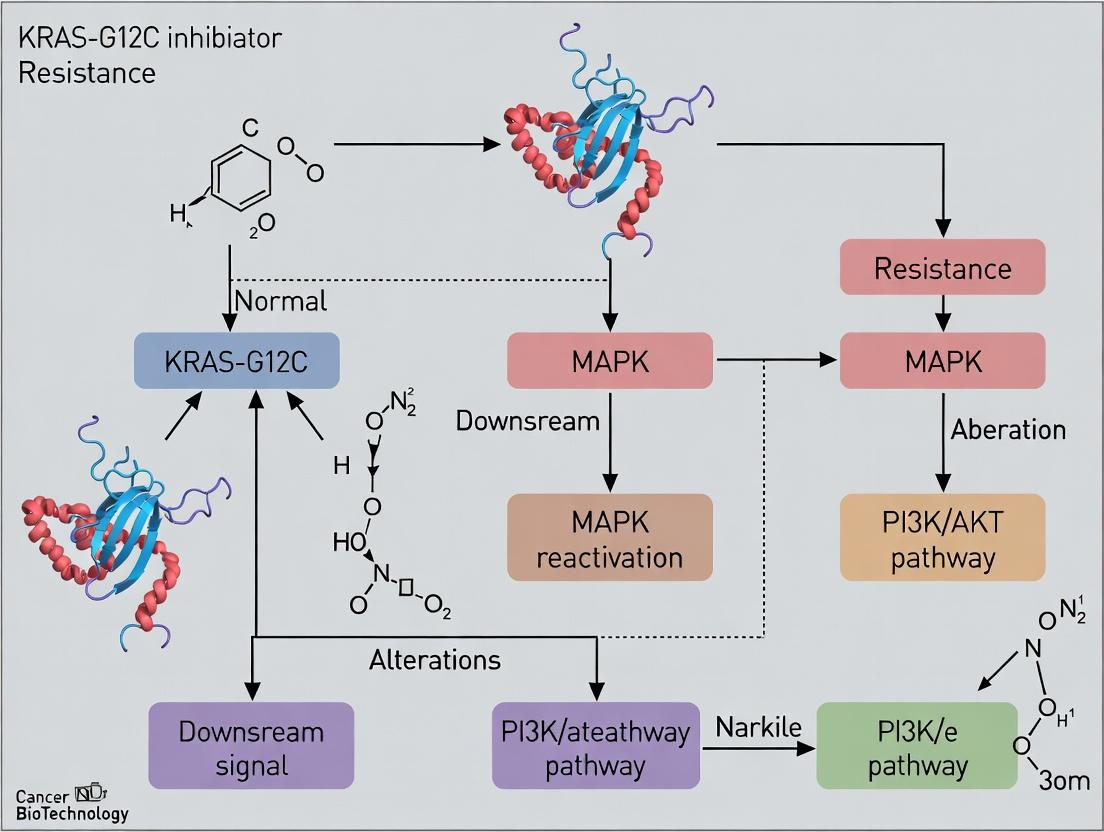
This article provides a comprehensive review of the molecular and adaptive resistance mechanisms that limit the efficacy of KRAS-G12C inhibitors in colorectal cancer (CRC).
Breaking Down Resistance: Understanding KRAS-G12C Inhibitor Failure in Colorectal Cancer
Abstract
This article provides a comprehensive review of the molecular and adaptive resistance mechanisms that limit the efficacy of KRAS-G12C inhibitors in colorectal cancer (CRC). It explores the foundational biology of KRAS-G12C signaling, details current methodologies for studying resistance in vitro and in vivo, discusses strategies to overcome or prevent therapeutic failure, and validates findings through comparative analysis of clinical trial data and alternative inhibitors. Aimed at researchers and drug development professionals, this analysis synthesizes the latest research to inform the development of next-generation combination therapies.
Unraveling the Core: Key Resistance Mechanisms to KRAS-G12C Inhibition in CRC
Introduction to KRAS-G12C in CRC and the Clinical Impact of Sotorasib and Adagrasib
KRAS mutations occur in approximately 45% of colorectal cancers (CRC), with the G12C variant accounting for roughly 3-4% of all CRC cases. KRAS-G12C is a point mutation that results in a glycine-to-cysteine substitution at codon 12, locking the protein in an active, GTP-bound state. This leads to constitutive signaling through downstream effectors, promoting uncontrolled cellular proliferation, survival, and metastasis. While KRAS was historically considered "undruggable," the discovery of allele-specific inhibitors targeting the G12C variant represents a landmark in targeted oncology.
Clinical Efficacy of Approved G12C Inhibitors: Sotorasib and Adagrasib
The clinical development of sotorasib (AMG 510) and adagrasib (MRTX849) has demonstrated activity in KRAS G12C-mutant CRC, though with significantly lower efficacy compared to non-small cell lung cancer (NSCLC). This differential response is a focal point of current research into intrinsic and acquired resistance mechanisms.
Table 1: Clinical Trial Data for KRAS-G12C Inhibitors in CRC
| Agent | Trial Name/Phase | Objective Response Rate (ORR) | Disease Control Rate (DCR) | Median Progression-Free Survival (mPFS) | Key Comparator in CRC |
|---|---|---|---|---|---|
| Sotorasib | CodeBreaK 100 (Phase I/II) | 9.7% (monotherapy) | 82.3% | 4.0 months | Historical Chemo ± Biologics (2-4 months) |
| Adagrasib | KRYSTAL-1 (Phase I/II) | 19% (monotherapy) | 86% | 5.6 months | Historical Chemo ± Biologics (2-4 months) |
| Adagrasib + Cetuximab | KRYSTAL-1 (Phase I/II) | 46% | 100% | 6.9 months | Demonstrates synergy with EGFR inhibition |
Core Resistance Pathways: A Thesis Context
Within the broader thesis on resistance pathways in CRC, the attenuated response to G12C inhibitors is attributed to several key mechanisms intrinsic to the colorectal cancer ecosystem:
- Receptor Tyrosine Kinase (RTK) Feedback Reactivation: Rapid rebound of EGFR and other RTK signaling bypasses KRAS-G12C inhibition.
- Adaptive RAS Pathway Reactivation: Acquisition of secondary KRAS mutations (e.g., G12D/R, G13D, Y96C), KRAS amplification, or oncogenic switching to NRAS or MRAS.
- Epigenetic and Transcriptional Remodeling: Induction of a drug-tolerant persister state.
- Tumor Microenvironment (TME) Interactions: CRC stromal cells secrete growth factors that sustain tumor cells.
Experimental Protocols for Investigating Resistance
Protocol 1: Evaluating RTK Feedback and Combination Strategies
- Objective: Assess the effect of EGFR co-inhibition on the efficacy of adagrasib.
- Cell Model: Patient-derived organoids (PDOs) or cell lines (e.g., LoVo, SW837) harboring KRAS G12C.
- Methodology:
- Seed cells in 96-well plates.
- Treat with a matrix of serial dilutions of adagrasib (0.001-10 µM) ± cetuximab (10 µg/mL) or EGFR inhibitor gefitinib (0.01-5 µM).
- After 72-96 hours, measure cell viability via CellTiter-Glo luminescent assay.
- Perform western blot analysis on parallel samples at 6h and 24h to assess pathway inhibition (p-EGFR, p-ERK, p-S6, p-AKT).
- Analysis: Calculate combination indices (CI) using the Chou-Talalay method. Synergy is defined as CI < 1.
Protocol 2: Detecting Secondary On-Target KRAS Mutations
- Objective: Identify genomic mechanisms of acquired resistance in relapsed patient samples or in vitro models.
- Sample: Pre-treatment and post-progression tumor biopsies or longitudinally sampled cell lines.
- Methodology:
- Extract genomic DNA.
- Perform targeted next-generation sequencing (NGS) using a custom panel covering full KRAS, NRAS, BRAF, and MAP2K1 exons, and key RTKs.
- For low-allele-frequency variants, use digital droplet PCR (ddPCR) with mutation-specific probes (e.g., for G12D, G13D, Y96C).
- Analysis: Compare variant allele frequencies (VAF) pre- and post-treatment. Validate functional impact via ectopic expression in naive cells.
Signaling Pathway Diagrams
Title: KRAS-G12C Signaling and Inhibitor Mechanism
Title: Major KRAS-G12C Inhibitor Resistance Pathways
The Scientist's Toolkit: Key Research Reagent Solutions
Table 2: Essential Reagents for Investigating KRAS-G12C Biology & Resistance
| Item/Category | Example Product/Catalog # | Function in Research |
|---|---|---|
| KRAS-G12C Inhibitors (Tool Compounds) | Sotorasib (HY-114311), Adagrasib (HY-130489) | Positive controls for in vitro assays; used to generate resistant models. |
| KRAS-G12C Mutant Cell Lines | LoVo (ATCC CCL-229), SW837 (ATCC CCL-235) | Isogenic pairs (G12C vs. WT) are critical for mechanistic studies. |
| Phospho-Specific Antibodies | p-ERK (Thr202/Tyr204) #4370, p-AKT (Ser473) #4060 (CST) | Readouts for pathway inhibition/ reactivation in Western blot. |
| EGFR Inhibitors | Cetuximab (Biological), Gefitinib (HY-50895) | For combination studies to block RTK feedback. |
| Patient-Derived Organoid (PDO) Media Kits | IntestiCult Organoid Growth Medium (STEMCELL #06010) | To culture and study patient-specific tumor biology. |
| NGS Panels for Resistance | Oncomine Comprehensive Assay Plus, custom Archer panels | Detecting co-mutations and secondary resistance mutations. |
| ddPCR Mutation Assays | ddPCR KRAS G12C Screening Kit (Bio-Rad #12002338) | Ultra-sensitive quantification of mutant allele frequency. |
| Cell Viability Assays | CellTiter-Glo 3D (Promega #G9683) | Measures ATP for viability in 2D/3D models post-treatment. |
The efficacy of KRAS-G12C inhibitors in colorectal cancer (CRC) is fundamentally limited by both primary (intrinsic) and acquired (adaptive) resistance mechanisms. Within the broader thesis of understanding KRAS-G12C inhibitor resistance pathways in CRC, defining this clinical challenge is paramount for guiding next-generation therapeutic strategies.
Mechanisms of Resistance: A Comparative Analysis
Resistance mechanisms are categorized by their temporal onset and molecular underpinnings.
Table 1: Primary vs. Acquired Resistance to KRAS-G12C Inhibitors in CRC
| Feature | Primary Resistance | Acquired Resistance |
|---|---|---|
| Definition | Lack of initial tumor response. | Tumor regression followed by progression on therapy. |
| Temporal Onset | Present prior to treatment initiation. | Emerges during treatment, typically after months. |
| Prevalence in CRC | High (~80-85% of cases). | Near-universal in initially responding tumors. |
| Key Molecular Mechanisms | • Preexisting KRAS amplifications• Co-mutations (e.g., KEAP1, SMAD4)• Upstream RTK activation (EGFR)• Alternative pathway activation (PI3K, YAP) | • Secondary KRAS mutations (G12D/V/R, G13D, R68S, H95D/Q/R)• KRAS G12C amplification• Bypass via RTK/MAPK reactivation (EGFR, MET, BRAF)• Phenotypic transformation |
| Therapeutic Implications | Requires upfront combination therapy. | Requires sequential or novel combination strategies. |
Key Experimental Protocols for Studying Resistance
Protocol for Generating Acquired Resistance Cell Lines
Objective: To establish isogenic cell line models with acquired resistance to KRAS-G12C inhibitors (e.g., sotorasib, adagrasib). Methodology:
- Cell Culture: Begin with a KRAS-G12C mutant CRC cell line (e.g., LIM1215, HCT116 G12C engineered).
- Chronic Drug Exposure: Treat cells with increasing concentrations of the inhibitor over 6-9 months, starting at IC~50~ and escalating as cells proliferate.
- Clonal Selection: Isolate single-cell clones from the resistant pool via limiting dilution.
- Validation: Confirm resistant phenotype by comparing IC~50~ values of resistant vs. parental clones using CellTiter-Glo viability assays.
- Genomic Characterization: Perform whole-exome sequencing (WES) and RNA sequencing on resistant clones to identify acquired genetic and transcriptomic alterations.
Protocol forIn VivoAssessment of Adaptive Resistance
Objective: To model the tumor microenvironment's role in driving primary/adaptive resistance. Methodology:
- Mouse Model: Implant KRAS-G12C CRC patient-derived xenografts (PDXs) or cell line-derived xenografts (CDXs) into immunocompromised mice.
- Treatment Cohort: Once tumors reach ~200 mm³, randomize into vehicle and KRAS-G12C inhibitor treatment groups (oral gavage, daily).
- Pharmacodynamic Analysis: Harvest tumors at early time points (e.g., 6 hours, 24 hours, 7 days) post-treatment initiation.
- Biomarker Analysis: Perform immunohistochemistry (IHC) or Western blot on tumor lysates for p-ERK, p-S6, and p-EGFR to assess pathway reactivation.
- Longitudinal Sequencing: Perform deep targeted sequencing on plasma ctDNA or sequential tumor biopsies at progression to identify emerging resistance clones.
Signaling Pathway Visualizations
Title: KRAS-G12Ci Resistance Pathways in CRC
Title: Generating Acquired Resistance Models Workflow
The Scientist's Toolkit: Research Reagent Solutions
Table 2: Essential Reagents for Studying KRAS-G12C Inhibitor Resistance
| Item & Catalog Example | Function in Research |
|---|---|
| KRAS-G12C Inhibitors (Clinical):Sotorasib (AMG-510), Adagrasib (MRTX849) | Benchmark compounds for in vitro and in vivo studies to establish baseline sensitivity and induce resistance. |
| KRAS-G12C Mutant Cell Lines:LIM1215 (CRC, endogenous G12C),HCT116 KRAS G12C engineered | Essential isogenic models for mechanistic studies and generating resistant derivatives. |
| Phospho-Specific Antibodies:p-ERK1/2 (T202/Y204), p-S6 (S235/236), p-EGFR (Y1068) | Critical for pharmacodynamic assessment of MAPK pathway inhibition and reactivation via Western blot or IHC. |
| Patient-Derived Xenografts (PDXs):CRC models with KRAS G12C mutation | Gold-standard in vivo models that recapitulate tumor heterogeneity and microenvironmental influences on resistance. |
| ctDNA Isolation Kits & NGS Panels:Panels covering KRAS, NRAS, BRAF, EGFR, MET | Enable longitudinal, non-invasive monitoring of clonal evolution and resistance mutation emergence in plasma. |
| CRISPR-Cas9 Knockout Libraries/Kits:Whole-genome or focused (kinase) libraries | For performing genetic screens to identify genes whose loss confers resistance or sensitization. |
| Recombinant Growth Factors:EGF, HGF, FGF | Used to stimulate upstream RTK pathways in vitro to model microenvironment-driven primary resistance. |
1. Introduction The clinical success of covalent KRAS-G12C inhibitors (e.g., sotorasib, adagrasib) represents a breakthrough in targeted therapy. However, acquired resistance rapidly limits durable responses, particularly in colorectal cancer (CRC). A predominant resistance mechanism is the emergence of secondary, on-target KRAS mutations that alter the inhibitor-binding pocket or nucleotide affinity, bypassing therapeutic inhibition. This whitepaper details these mutations, their mechanisms, and experimental approaches for their study, framed within the broader thesis of understanding KRAS-G12C inhibitor resistance pathways in CRC.
2. Mechanisms and Prevalence of Secondary KRAS Mutations Secondary mutations occur in cis with the primary G12C mutation. They function via distinct biophysical mechanisms to confer resistance, as summarized in Table 1.
Table 1: Characterized Secondary KRAS Mutations in G12C-Inhibitor Resistance
| Mutation | Structural/Functional Impact | Proposed Resistance Mechanism | Reported In Vivo Prevalence (CRC Context) |
|---|---|---|---|
| R68S | Switch II region, distal to binding site | Alters GTPase conformation, increasing intrinsic GTPase activity and GTP loading. | ~7-10% of resistant CRC cases |
| H95D/Q/R | α3-helix, interacts with inhibitor | Disrupts key hydrophobic interactions with the drug, directly impairing binding. | ~10-15% of resistant CRC cases |
| Y96C/D | Directly forms part of the inhibitor pocket | Steric clash or loss of π-stacking with the inhibitor, directly abolishing binding. | ~5-8% of resistant CRC cases (common in NSCLC) |
| G13D | P-loop, affects nucleotide binding | Increases GTP affinity and basal activity, overwhelming inhibitor. | Reported in case studies, frequency being defined |
| G12D/V/R | Alters codon 12 identity | Prevents covalent binding of G12C-specific inhibitors; switches to a different oncogenic variant. | ~5% of resistant cases (allelic switching) |
| Q99L | Interacts with switch II | Stabilizes active GTP-bound state, increasing signaling output. | Emerging data from cell-free DNA sequencing |
3. Experimental Protocols for Characterization
3.1. In Vitro Ba/F3 Cell Proliferation Assay
- Purpose: Functional validation of mutation-driven resistance.
- Methodology:
- Construct Generation: Clone KRAS^G12C with and without secondary mutations (e.g., G12C/H95D) into lentiviral expression vectors.
- Cell Transduction: Transduce IL-3-dependent Ba/F3 cells. Select stable polyclonal pools with puromycin.
- Proliferation Assay: Plate cells in 96-well plates in IL-3-free media containing a titration series of G12C inhibitor (e.g., 1 nM – 10 µM). Include DMSO control.
- Incubation & Readout: Culture for 72 hours. Measure cell viability using CellTiter-Glo luminescent assay.
- Analysis: Calculate IC₅₀ values. Resistance factor = IC₅₀ (double mutant) / IC₅₀ (G12C alone).
3.2. Biochemical GTPase Activity and Inhibitor Binding Assays
- Purpose: Quantify kinetic parameters and direct binding affinity.
- Methodology (GTPase):
- Protein Purification: Express and purify recombinant KRAS proteins (WT, G12C, G12C/R68S, etc.).
- GTP Loading: Load KRAS with [γ-³²P]GTP via nucleotide exchange.
- Reaction: Initiate hydrolysis by adding Mg²⁺ at 25°C. Aliquot reactions at time points (0-120 min).
- Detection: Stop reaction with charcoal. Quantify remaining [γ-³²P]GTP via scintillation counting.
- Analysis: Fit data to exponential decay to determine khyd (hydrolysis rate).
- Methodology (Binding - Biolayer Interferometry):
- Immobilize biotinylated KRAS proteins on streptavidin biosensors.
- Dip sensors into solutions of inhibitor at varying concentrations.
- Measure binding kinetics (kon, koff) and equilibrium dissociation constant (KD).
4. Signaling Pathway Diagrams
Diagram Title: KRAS Signaling Under Primary and On-Target Resistance
5. The Scientist's Toolkit: Essential Research Reagents
Table 2: Key Reagent Solutions for On-Target Resistance Studies
| Reagent / Material | Function / Application | Example / Notes |
|---|---|---|
| Ba/F3 Cell Line | IL-3-dependent murine pro-B cell line; gold standard for oncogene transformation assays. | Enables functional testing of KRAS mutants in an isogenic, cytokine-independent background. |
| KRAS-G12C Inhibitors | Tool compounds for in vitro and in vivo resistance studies. | Sotorasib (AMG 510), Adagrasib (MRTX849), MRTX1133 (non-covalent G12D inhibitor for combo studies). |
| Lentiviral ORF Clones | For stable expression of KRAS single and double mutants. | Available from repositories (e.g., Addgene, Horizon Discovery) or generated via site-directed mutagenesis. |
| Recombinant KRAS Proteins | For biochemical assays (GTPase, nucleotide exchange, binding). | Purified from E. coli or using cell-free expression systems; ensure proper post-translational prenylation. |
| Phospho-ERK1/2 Antibody | Key readout for MAPK pathway reactivation in immunoblotting. | Validate signaling bypass in resistant cell lines or patient-derived models. |
| ddPCR or NGS Panels | Ultrasensitive detection of low-frequency secondary mutations in plasma or tissue. | Critical for monitoring clonal evolution in patient samples during therapy. |
| Patient-Derived Organoids (PDOs) | Preclinical model retaining patient tumor genetics and histology. | Ideal for validating resistance mechanisms and testing next-line strategies in a CRC-relevant context. |
6. Conclusion & Future Directions On-target secondary KRAS mutations constitute a major, mechanistically diverse challenge to the long-term efficacy of G12C inhibitors in CRC. Overcoming this requires a deep biochemical understanding of each variant combined with robust preclinical models. Future strategies include the development of next-generation KRAS inhibitors with broader allele specificity, combinational approaches targeting upstream (EGFR) or downstream (SHP2) nodes, and vigilant monitoring via liquid biopsy to inform adaptive therapeutic interventions.
Within the paradigm of KRAS-G12C inhibitor resistance in colorectal cancer (CRC), off-target bypass represents a critical adaptive mechanism. This resistance pathway involves the reactivation of the core RAS/MAPK signaling axis through mechanisms that circumvent direct KRAS-G12C inhibition, primarily via Receptor Tyrosine Kinase (RTK) upregulation or KRAS gene amplification. This whitepaper details the molecular underpinnings, experimental validation, and research methodologies central to this resistance phenotype.
Core Mechanisms of Off-Target Bypass
RTK Upregulation & Adaptive Feedback
Inhibition of KRAS-G12C often relieves negative feedback loops on upstream RTKs (e.g., EGFR, HER2, MET). This leads to their transcriptional upregulation or enhanced surface expression, resulting in sustained signaling through wild-type RAS isoforms (HRAS, NRAS) or dimeric forms of inhibited KRAS-G12C.
KRASAmplification
Genomic amplification of the KRAS(^{G12C}) allele leads to gene copy number gain and subsequent overexpression of the mutant protein. This creates a scenario where the intracellular concentration of KRAS-G12C exceeds the binding capacity of the inhibitor, allowing uninhibited mutant protein to engage downstream effectors.
Table 1: Key Clinical and Preclinical Observations of Off-Target Bypass in CRC
| Mechanism | Observed Frequency in Resistant Models/Patients | Key RTKs Involved | Primary Experimental Model | Reference (Example) |
|---|---|---|---|---|
| RTK Upregulation/Adaptation | ~40-60% of acquired resistance | EGFR, HER2, MET, FGFR1 | CRC Patient-Derived Organoids (PDOs), Cell Line Xenografts | Awad et al., Nature, 2021 |
| KRAS(^{G12C}) Amplification | ~10-20% of acquired resistance | N/A (Direct genomic change) | CRC Cell Lines, Circulating Tumor DNA (ctDNA) Analysis | Amodio et al., Cancer Discov, 2020 |
| Combined RTK Upregulation & KRAS Overexpression | ~15-25% (as co-mechanisms) | EGFR, MET | In Vitro Drug Persistence Models | Tanaka et al., Sci. Transl. Med., 2021 |
Table 2: Common Experimental Readouts for Quantifying Bypass Signaling
| Readout | Technique | Target of Measurement | Interpretation in Bypass Context |
|---|---|---|---|
| pERK1/2 (T202/Y204) | Western Blot, Phospho-flow Cytometry | MAPK Pathway Activity | Reactivation indicates successful bypass of KRAS-G12C inhibition. |
| pS6 (S235/236) | Immunofluorescence, IHC | mTORC1 Activity (Downstream of PI3K/AKT) | Indicates PI3K pathway reactivation, often co-occurring. |
| RTK Phosphorylation (e.g., pEGFR) | Luminex Assay, Phospho-RTK Array | Upstream RTK Activity | Identifies which RTKs are driving the bypass signal. |
| KRAS Copy Number | ddPCR, FISH, NGS | Genomic Amplification | Copy number >4-6 suggests amplification as a resistance driver. |
Detailed Experimental Protocols
Protocol 1: Assessing RTK-Driven Bypass via Phospho-RTK Array
Objective: To identify which RTKs are hyperphosphorylated/activated upon development of resistance to KRAS-G12C inhibitors in CRC models.
- Cell Lysis: Harvest resistant and parental isogenic CRC cells (e.g., HCT116-KRAS(^{G12C}) or LIM1215-KRAS(^{G12C})) under normal growth conditions. Lyse 10 x 10^6 cells per sample in Lysis Buffer (supplemented with PhosSTOP and protease inhibitors).
- Array Processing: Apply 500 µg of clarified lysate to a human Phospho-RTK array membrane (e.g., R&D Systems, ARY001B). Follow manufacturer’s protocol for overnight incubation at 4°C.
- Detection: Incubate with anti-phospho-tyrosine-HRP antibody (1:2000) for 2 hours at RT. Develop using enhanced chemiluminescence substrate and image with a chemiluminescence imager.
- Analysis: Quantify spot density using ImageJ. Normalize to positive control spots on the same membrane. Compare resistant vs. parental signal for each RTK. A >2-fold increase in spot density is considered significant upregulation.
Protocol 2: ValidatingKRASAmplification via Droplet Digital PCR (ddPCR)
Objective: To precisely quantify KRAS(^{G12C}) allele copy number in resistant cell lines or patient ctDNA.
- DNA Isolation: Extract genomic DNA from cell pellets or ctDNA from plasma using a column-based kit. Quantify using a fluorometric assay.
- Assay Design: Use a duplex ddPCR assay. FAM Channel: Probe targeting the KRAS G12C mutation (c.34G>T). HEX Channel: Reference probe targeting a wild-type locus on chromosome 12 (e.g., RPP30) for copy number reference.
- Reaction Setup: Prepare 20 µL reactions with ddPCR Supermix for Probes, 900 nM primers, 250 nM probes, and 20 ng of DNA sample.
- Droplet Generation & PCR: Generate droplets using a QX200 Droplet Generator. Perform PCR: 95°C for 10 min, 40 cycles of (94°C for 30s, 55°C for 60s), 98°C for 10 min, 4°C hold.
- Analysis: Read droplets on a QX200 Droplet Reader. Using QuantaSoft software, calculate the copy number of the mutant allele: CN({mut}) = 2 x (Concentration({FAM}) / Concentration({HEX})). A CN({mut}) > 2.5 suggests amplification.
Signaling Pathway & Experimental Workflow Diagrams
Title: Mechanism of Off-Target Bypass Reactivating RAS Signaling
Title: Experimental Workflow to Characterize Off-Target Bypass
The Scientist's Toolkit: Research Reagent Solutions
Table 3: Essential Reagents for Studying Off-Target Bypass
| Reagent/Category | Example Product (Vendor) | Function in Research | Key Application |
|---|---|---|---|
| KRAS-G12C Inhibitors | Adagrasib (MRTX849), Sotorasib (AMG510) | Selective covalent inhibitors to establish inhibition baseline and induce resistance in models. | In vitro and in vivo resistance model generation. |
| Phospho-Specific Antibodies | pERK1/2 (CST #4370), pS6 Ribosomal Protein (CST #4858) | Detect reactivation of downstream effector pathways via Western Blot, IF, or Flow Cytometry. | Phenotypic validation of signaling bypass. |
| Phospho-RTK Array Kit | Proteome Profiler Human Phospho-RTK Array (R&D Systems, ARY001B) | Simultaneously screen for activation/phosphorylation of 49 different RTKs from a single lysate. | Identification of upregulated RTKs driving resistance. |
| ddPCR Assay Kits | ddPCR Mutation Assay for KRAS G12C (Bio-Rad, dHsaMDV2010587), Copy Number Assay for KRAS (Bio-Rad, dHsaCP1000499) | Absolute, sensitive quantification of mutant allele frequency and gene copy number variation. | Detection and validation of KRAS(^{G12C}) amplification in cells or ctDNA. |
| CRC PDO/PDX Models | KRAS-G12C Mutant CRC PDOs (e.g., from Horizon Discovery, Ximbio), Patient-Derived Xenografts. | Physiologically relevant models that maintain tumor heterogeneity and patient-specific signaling. | Studying resistance mechanisms in a clinically relevant context. |
| RTK Inhibitors/ Ligands | EGFRi (Cetuximab, Gefitinib), Recombinant Human HGF (for MET activation). | Tools to perturb upstream signaling to test causal roles of specific RTKs in the bypass mechanism. | Functional validation experiments (e.g., combination therapy screens). |
Off-target bypass through RTK upregulation and KRAS amplification is a formidable clinical resistance mechanism to KRAS-G12C inhibitors in colorectal cancer. Robust experimental frameworks combining genomic, proteomic, and functional validation are essential to identify these pathways in patient-derived models. This understanding directly informs the development of rational combination therapies, such as KRAS-G12C inhibitors with RTK or SHP2 inhibitors, to delay or prevent resistance in the clinic.
1. Introduction Within the paradigm of KRAS-G12C inhibitor resistance in colorectal cancer (CRC), a dominant adaptive mechanism is the activation of parallel, compensatory signaling pathways that bypass the KRAS oncogene dependency. While on-target KRAS mutations (e.g., secondary G12C mutations) are prevalent in lung cancer, CRC exhibits a marked reliance on off-target bypass. This whitepaper provides an in-depth technical analysis of two critical parallel pathways—PI3K/AKT and YAP/TAZ—detailing their activation mechanisms, experimental validation, and quantitative impact on sustaining CRC cell proliferation and survival despite effective KRAS-G12C inhibition.
2. Quantitative Data Summary
Table 1: Prevalence of Parallel Pathway Alterations in KRAS-G12C Inhibitor-Resistant CRC Models
| Pathway/Component | Alteration Type | Approximate Frequency in Resistant Models | Key Supporting Study (Year) |
|---|---|---|---|
| PI3K/AKT/mTOR | PIK3CA mutations (e.g., E545K, H1047R) | 20-30% | Xue et al., Cancer Discov. 2024 |
| PI3K/AKT/mTOR | PTEN loss (genomic or protein) | 15-25% | Amodio et al., Nat Commun. 2023 |
| YAP/TAZ | Nuclear YAP/TAZ stabilization & translocation | 40-60% | Martin et al., Cell. 2024 |
| YAP/TAZ | Upregulation of YAP/TAZ-TEAD target genes (e.g., CYR61, CTGF) | >50% | Tanaka et al., Sci. Adv. 2023 |
| Receptor Tyrosine Kinases (RTKs) | ERBB2/3 amplifications or overexpression | 10-20% | Awad et al., Nat Med. 2023 |
| Receptor Tyrosine Kinases (RTKs) | FGFR or MET upregulation | 10-15% | Same as above |
Table 2: Efficacy of Combinatorial Therapies in Preclinical Resistant CRC Models
| Therapy Combination (vs. KRAS-G12Ci monotherapy) | Model System | Key Efficacy Metric (Change vs. Vehicle) | Result Summary |
|---|---|---|---|
| KRAS-G12Ci + PI3Kα inhibitor (Alpelisib) | Patient-derived organoids (PDOs) with PIK3CA mut | Tumor volume (Day 21) | -85% (vs. -40% with KRASi alone) |
| KRAS-G12Ci + AKT inhibitor (Capivasertib) | Cell line xenografts with PTEN loss | Apoptosis (Cleaved Caspase-3 IHC) | +400% increase |
| KRAS-G12Ci + TEAD inhibitor (VT3989) | In vivo metastasis model | Number of liver metastases | -92% reduction |
| KRAS-G12Ci + SRC inhibitor (Dasatinib) | 3D spheroid culture (YAP-driven) | Spheroid growth inhibition (IC50 shift) | 15-fold potentiation |
3. Pathway Activation Mechanisms & Experimental Protocols
3.1 PI3K/AKT/mTOR Pathway Activation Mechanism: In CRC, KRAS-G12C inhibition relieves negative feedback on upstream RTKs (e.g., EGFR, HER2/3). This leads to robust re-activation of PI3K signaling, particularly in cells with pre-existing or acquired PIK3CA mutations or PTEN loss. The pathway sustains pro-survival signals and protein synthesis independently of KRAS-G12C-GTP.
Key Protocol: Assessing PI3K Pathway Activity by Reverse Phase Protein Array (RPPA)
- Cell Treatment & Lysis: Generate isogenic KRAS-G12Ci-resistant CRC cells via chronic exposure (e.g., 6 months to Adagrasib). Treat parental and resistant cells with DMSO or KRAS-G12Ci (1 µM, 6h). Harvest cells in a modified RIPA lysis buffer containing phosphatase and protease inhibitors.
- Array Printing: Serial dilute lysates (5-point dilution curve) and print onto nitrocellulose-coated slides using an arrayer.
- Immunostaining: Perform automated immunostaining with validated, high-specificity primary antibodies against p-AKT (S473), p-S6 (S235/236), p-4EBP1 (T37/46), total AKT, and β-actin. Use fluorescence-conjugated secondary antibodies.
- Data Acquisition & Normalization: Scan slides using a laser scanner (e.g., InnoScan 710). Extract spot intensities with MicroVigene software. Normalize phospho-protein signals to total protein and then to β-actin loading control.
- Analysis: Compare normalized signal intensities between conditions. A sustained or increased p-AKT/S6 signal in resistant cells post-KRASi treatment confirms PI3K/AKT pathway bypass.
3.2 YAP/TAZ Pathway Activation Mechanism: KRAS inhibition in CRC often leads to a rapid reduction in MAPK signaling, which derepresses the Hippo pathway and promotes YAP/TAZ dephosphorylation, nuclear translocation, and partnership with TEAD transcription factors. This drives a pro-proliferative and anti-apoptotic gene program.
Key Protocol: Quantifying Nuclear YAP/TAZ Translocation by High-Content Imaging
- Cell Seeding & Treatment: Seed KRAS-G12C CRC cells (e.g., SW837) in black-walled, clear-bottom 96-well plates. Treat with KRAS-G12Ci (e.g., Sotorasib, 1 µM) or DMSO for 24-72 hours.
- Immunofluorescence Staining: Fix cells with 4% PFA, permeabilize with 0.3% Triton X-100, and block with 5% BSA. Incubate with primary antibodies: anti-YAP/TAZ (1:200) and anti-phospho-ERK (1:500, as a KRASi efficacy control). Use Alexa Fluor 488 (green) and 594 (red) secondaries. Counterstain nuclei with Hoechst 33342.
- Automated Imaging: Image using a high-content microscope (e.g., ImageXpress Micro) with a 20x objective, capturing ≥9 sites per well.
- Image Analysis: Use software (e.g., CellProfiler or MetaXpress):
- Identify nuclei using the Hoechst channel.
- Define a cytoplasmic ring expansion from the nuclear mask.
- Measure mean YAP/TAZ fluorescence intensity in the nuclear and cytoplasmic compartments.
- Calculate the Nuclear/Cytoplasmic (N/C) ratio for YAP/TAZ.
- Output: A significant increase in the YAP/TAZ N/C ratio in treated vs. control cells indicates pathway activation as a bypass mechanism.
4. Diagrams
Diagram 1: Parallel pathway activation upon KRAS-G12C inhibition.
Diagram 2: Experimental workflow for RPPA-based pathway analysis.
5. The Scientist's Toolkit: Essential Research Reagents
Table 3: Key Reagents for Studying Parallel Bypass Pathways
| Reagent | Category | Example Product/Catalog # (if common) | Primary Function in Research |
|---|---|---|---|
| KRAS-G12C Inhibitors | Small Molecule Inhibitor | Sotorasib (AMG510), Adagrasib (MRTX849) | Induce selective pressure to elicit bypass resistance in CRC models. |
| PI3Kα/δ/β Inhibitors | Small Molecule Inhibitor | Alpelisib (BYL719), Taselisib (GDC-0032) | Test combinatorial efficacy against PI3K-dependent bypass. |
| AKT Inhibitors | Small Molecule Inhibitor | Capivasertib (AZD5363), Ipatasertib (GDC-0068) | Target AKT node to confirm pathway dependency. |
| TEAD Inhibitors | Small Molecule Inhibitor | VT3989, K-975 | Block YAP/TAZ transcriptional output. |
| Anti-p-AKT (S473) | Antibody (IF/IHC/WB) | Cell Signaling #4060 | Readout for PI3K/AKT pathway activity. |
| Anti-YAP/TAZ | Antibody (IF/IHC/IP) | Santa Cruz sc-101199 | Detect total YAP/TAZ localization and abundance. |
| Anti-Ki-67 | Antibody (IHC) | Agilent M7240 | Assess proliferative response to combination therapies in vivo. |
| Patient-Derived Organoid (PDO) Media Kit | Cell Culture | Various commercial & custom kits | Maintain patient-specific CRC tumor architecture and genetics for functional assays. |
| Live-Cell Imaging Dyes | Chemical Dye Incucyte Cytotox Dye | (e.g., ) | Quantify real-time cell death in response to combinatorial treatments. |
This whitepaper examines the tumor microenvironment (TME) as a critical mediator of resistance to KRAS-G12C inhibitors (e.g., sotorasib, adagrasib) in colorectal cancer (CRC). While direct KRAS-G12C targeting shows promise, the dense, immunosuppressive CRC TME, rich in cancer-associated fibroblasts (CAFs) and regulatory immune cells, facilitates adaptive resistance, limiting therapeutic durability.
Stromal Protection Mechanisms
The stromal compartment, primarily CAFs, creates a physical and biochemical barrier that protects KRAS-G12C-mutant CRC cells.
CAF-Mediated Extracellular Matrix (ECM) Remodeling
CAFs secrete excessive collagen and fibronectin, creating a dense physical barrier that impedes drug penetration and activates pro-survival integrin signaling in cancer cells.
Key Experimental Protocol: Collagen Density & Drug Penetration Assay
- Objective: Quantify the barrier effect of CAF-derived ECM on KRAS-G12C inhibitor diffusion.
- Methodology:
- 3D Co-culture Setup: Seed primary human colon CAFs in a transwell insert coated with a thin layer of Matrigel. Allow them to deposit ECM for 7-10 days.
- Cancer Cell Seeding: Seed KRAS-G12C mutant CRC cell lines (e.g., SW837, LoVo) in the bottom chamber.
- Drug Treatment: Add a fluorescently tagged KRAS-G12C inhibitor (e.g., Cy5-sotorasib) to the top chamber.
- Quantification: At time points (1h, 4h, 24h), use confocal microscopy to measure fluorescence intensity in the bottom chamber and within cancer cell clusters. Use second harmonic generation (SHG) microscopy to quantify fibrillar collagen density in the CAF layer.
- Key Reagents: Primary human colon CAFs, KRAS-G12C CRC lines, fluorescent KRAS-G12Ci, Matrigel.
Paracrine Cytokine Signaling
CAFs and tumor-associated macrophages (TAMs) secrete growth factors (e.g., HGF, IGF-1) that reactivate MAPK and PI3K-AKT pathways downstream of inhibited KRAS-G12C.
Table 1: Key Stromal-Derived Resistance Factors
| Factor | Source in TME | Primary Receptor on CRC Cell | Bypass Signaling Pathway | Measurable Effect on IC50 Shift* |
|---|---|---|---|---|
| Hepatocyte Growth Factor (HGF) | CAFs, TAMs | c-MET | MAPK/ERK, PI3K/AKT | 4.8 to 12.1-fold increase |
| Insulin-like Growth Factor-1 (IGF-1) | CAFs | IGF-1R | PI3K/AKT, mTOR | 3.2 to 6.7-fold increase |
| Interleukin-6 (IL-6) | CAFs, TAMs, T cells | IL-6R/gp130 | JAK/STAT3 | 2.5 to 5.5-fold increase |
| EGF | Macrophages | EGFR | MAPK/ERK | Reactivation of p-ERK post-inhibition |
*Data synthesized from recent co-culture studies (2022-2024) using sotorasib in KRAS-G12C CRC models.
Diagram 1: Stromal-Mediated KRASi Bypass Signaling
Title: Stromal factors reactivate pathways post-KRAS inhibition.
Adaptive Immune Evasion
The TME adapts to KRAS-G12Ci therapy by upregulating immunosuppressive networks that inactivate cytotoxic T cells.
Myeloid Cell Recruitment & Polarization
Therapy-induced chemokine release (e.g., CCL2, CSF1) recruits monocytes, differentiating them into M2-like TAMs and myeloid-derived suppressor cells (MDSCs).
Key Experimental Protocol: Flow Cytometry for Immunophenotyping TME
- Objective: Characterize changes in immune cell populations in KRAS-G12C CRC murine tumors post-treatment.
- Methodology:
- In Vivo Model: Treat KrasG12C/fl; Apcfl/fl (iKC) or PDX-derived mouse models with a KRAS-G12Ci (adagrasib, 30 mg/kg BID) for 14 days.
- Tumor Digestion: Harvest tumors, mince, and digest with a cocktail of Collagenase IV, Hyaluronidase, and DNase I for 45 mins at 37°C.
- Cell Staining: Stain single-cell suspensions with fluorescent antibodies:
- Lineage: CD45 (pan-immune), CD3 (T cells), CD4/CD8, CD11b (myeloid).
- Suppressive Phenotype: For TAMs: CD206, F4/80, ARG1. For MDSCs: Ly6G, Ly6C, ARG1, iNOS.
- Checkpoints: PD-1, LAG-3 on T cells; PD-L1 on CD11b+ cells.
- Analysis: Use a 15+ parameter flow cytometer. Apply sequential gating to identify and quantify each population relative to vehicle-treated controls.
T-cell Exhaustion & Exclusion
Upregulation of PD-L1 on CAFs and myeloid cells engages PD-1 on tumor-infiltrating lymphocytes (TILs), inducing an exhausted phenotype. TGF-β from CAFs promotes T-regulatory cell (Treg) expansion and converts ECM to exclude CD8+ T cells.
Table 2: Immunosuppressive Shifts Post-KRAS-G12Ci in CRC Models
| Immune Population | Marker Set | Change Post-KRAS-G12Ci* | Functional Consequence |
|---|---|---|---|
| M2-like TAMs | CD11b+ F4/80+ CD206+ | +40-60% | Secretes IL-10, TGF-β; promotes Treg activity |
| Granulocytic MDSCs | CD11b+ Ly6G+ Ly6Cmid | +30-50% | Depletes arginine, produces ROS, inhibits T cell function |
| T-regulatory Cells | CD4+ CD25+ FoxP3+ | +25-45% | Suppresses effector T cell proliferation/cytotoxicity |
| Exhausted CD8+ T cells | CD8+ PD-1+ TIM-3+ | +35-70% | Loss of cytokine (IFN-γ, TNF-α) production & cytotoxicity |
*Representative percentage increases from recent syngeneic/GEMM studies (2023-2024).
Diagram 2: TME-Driven Immune Evasion Post-KRASi
Title: KRAS inhibition triggers immunosuppressive myeloid recruitment.
Integrated Experimental Workflow for TME Resistance
Diagram 3: Integrated TME Resistance Analysis Workflow
Title: Integrated workflow to dissect TME-mediated KRASi resistance.
The Scientist's Toolkit: Key Research Reagent Solutions
| Category | Item/Reagent | Function in TME/KRASi Research |
|---|---|---|
| In Vivo Models | KRASG12C; APC-/- GEMM | Genetically accurate model with intact immune system and stroma. |
| Patient-Derived Organoids (PDOs) + CAFs | 3D co-culture for patient-specific stromal interaction studies. | |
| Cell Culture | Primary Human Colon CAFs (e.g., ScienCell) | Critical for modeling authentic stromal crosstalk, avoid immortalized lines. |
| Recombinant Human HGF, IGF-1, TGF-β | To stimulate bypass signaling pathways in rescue assays. | |
| Inhibitors & Antibodies | c-MET inhibitor (capmatinib), IGF-1R inhibitor (linsitinib) | Used in combination studies to block stromal-derived resistance signals. |
| Anti-PD-L1, Anti-CSF1R Antibodies | For in vivo combo therapy testing to overcome immune evasion. | |
| Assay Kits | Phospho-ERK (pT202/pY204) & Phospho-AKT (pS473) ELISA | Quantify pathway reactivation in co-culture systems. |
| Collagen Quantification Kit (Hydroxyproline Assay) | Measures CAF-mediated ECM deposition. | |
| Analysis | Multiplex IHC Panel (e.g., PanCK, αSMA, CD8, CD163, PD-L1) | Profiles spatial relationships between tumor, stroma, and immune cells. |
| Mouse/Rat MDSC Isolation Kit | Isulate suppressive myeloid populations for functional assays. |
KRAS-G12C inhibitors represent a breakthrough in targeted therapy for colorectal cancer (CRC). However, durable responses are limited by the rapid emergence of resistance. A dominant, non-mutational mechanism driving this resistance is cellular plasticity, encompassing Epithelial-to-Mesenchymal Transition (EMT) and lineage switching. These phenotypic shifts allow cancer cells to evade targeted therapy, adopt a stem-like state, and alter lineage dependencies, facilitating tumor adaptation and survival. This whitepaper details the mechanisms, experimental study, and therapeutic implications of these plasticity programs within the specific context of KRAS-G12C inhibitor resistance in CRC.
Core Mechanisms of Plasticity in Resistance
Epithelial-to-Mesenchymal Transition (EMT)
EMT is a reversible developmental program co-opted by carcinoma cells. Upon KRAS-G12C inhibition, adaptive signaling reactivation triggers a transcriptional reprogramming that downregulates epithelial markers (e.g., E-cadherin) and upregulates mesenchymal markers (e.g., Vimentin, N-cadherin). This shift decreases drug sensitivity and increases invasive and metastatic potential.
Key Drivers in KRASi Resistance:
- MAPK Pathway Reactivation: Bypass signaling via RTKs (EGFR, MET, FGFR) or parallel pathways (YAP/TAZ, PI3K) reactivates ERK, driving EMT transcription factors (EMT-TFs).
- EMT-TF Upregulation: SNAIL, SLUG, TWIST, and ZEB1 are induced, repressing epithelial genes and activating mesenchymal programs.
- TGF-β Pathway Synergy: The TGF-β pathway is frequently upregulated in resistant cells and acts as a potent inducer of EMT, often in concert with sustained ERK signaling.
Lineage Switching (Cell Fate Plasticity)
Beyond EMT, cancer cells can shift between differentiated states. In CRC, KRAS inhibition can pressure cells to de-differentiate into a stem-like (LGR5+) state or alter lineage specifiers.
Key Mechanisms:
- Stemness Program Activation: Wnt/β-catenin signaling is commonly upregulated upon KRAS inhibition, promoting expansion of drug-tolerant LGR5+ cancer stem cells (CSCs).
- Altered Transcriptional Circuits: Changes in the expression of key lineage transcription factors (e.g., ASCL2, CDX2, HNF4α) can drive cells toward alternative differentiation states that are less dependent on oncogenic KRAS signaling.
- Histological Transformation: Rare but documented shifts from adenocarcinoma to neuroendocrine or squamous phenotypes, associated with profound therapy resistance.
Table 1: Common Molecular Changes in CRC Cells with Acquired KRAS-G12C Inhibitor Resistance
| Molecular Marker / Pathway | Change in Resistant vs. Parental Cells | Assay Type | Typical Fold-Change/Incidence |
|---|---|---|---|
| p-ERK (Reactivated) | Increase (after initial suppression) | Western Blot / Phospho-ELISA | 2-5 fold (by 72h-7d post-treatment) |
| EMT-TF (SNAIL, ZEB1) | Upregulation | qRT-PCR / RNA-Seq | 3-10 fold increase |
| E-cadherin (CDH1) | Downregulation | IHC / Flow Cytometry | 50-80% reduction |
| Vimentin (VIM) | Upregulation | IHC / Flow Cytometry | 5-20 fold increase |
| LGR5 (Stemness) | Upregulation | qRT-PCR / FACS | 2-8 fold increase |
| Active β-catenin | Nuclear Accumulation | IHC / IF | 60-90% of resistant cells |
| TGF-β Pathway Activity | Increase | SMAD2/3 phosphorylation assay | 2-4 fold increase |
Table 2: In Vivo Efficacy Impact of Plasticity in KRAS-G12C Models
| Intervention (in KRAS-G12C CRC model) | Effect on Tumor Growth (vs. KRASi alone) | Effect on Metastatic Burden | Reference Model (Typical) |
|---|---|---|---|
| KRAS-G12C inhibitor monotherapy (e.g., Adagrasib) | Initial regression, followed by relapse in 4-8 weeks | No reduction, or increase | PDX, GEMM |
| KRASi + EMT Inhibitor (e.g., TGF-βRi) | Delayed relapse by 3-4 weeks | 40-60% reduction | Lung metastasis model |
| KRASi + Wnt/β-catenin inhibitor | Reduced CSC frequency, slowed relapse | Moderate reduction (20-30%) | Organoid transplant model |
| KRASi + EGFR inhibitor | Delayed resistance but does not prevent EMT | Variable | Cell line-derived xenograft |
Experimental Protocols for Studying Plasticity in Resistance
Protocol 4.1: Generating and Characterizing KRAS-G12C Inhibitor-Resistant Cell Lines
Objective: Establish in vitro models of acquired resistance and assess plasticity markers. Materials: KRAS-G12C mutant CRC cell line (e.g., SW837, LIM1215), KRAS-G12C inhibitor (e.g., Sotorasib, Adagrasib), DMSO, cell culture reagents. Procedure:
- Dose Escalation: Culture cells in increasing concentrations of inhibitor (starting at IC~50~) over 6-9 months.
- Maintenance: Maintain resistant pools (Res) at a constant, clinically relevant concentration (e.g., 1-2 µM).
- Phenotypic Confirmation: Treat parental (Par) and Res cells with inhibitor for 72h. Assess viability via CellTiter-Glo assay to confirm resistance index (IC~50~-Res / IC~50~-Par).
- Plasticity Characterization:
- Immunoblotting: Lyse cells. Probe for p-ERK, total ERK, E-cadherin, Vimentin, SNAIL.
- qRT-PCR: Extract RNA, reverse transcribe. Perform SYBR Green assays for CDH1, VIM, SNAI1, ZEB1, LGR5.
- Immunofluorescence: Plate cells on coverslips, fix, permeabilize, stain for E-cadherin and Vimentin. Image using confocal microscopy.
Protocol 4.2: Lineage Tracing and Stemness Assessment in Organoids
Objective: Track lineage commitment and stem cell dynamics upon KRAS inhibition. Materials: Patient-derived CRC organoids (KRAS-G12C mutant), KRAS-G12C inhibitor, 3D culture Matrigel, flow cytometer. Procedure:
- Organoid Treatment: Embed organoids in Matrigel and treat with DMSO or inhibitor for 7-14 days, refreshing media/drug every 3 days.
- Dissociation: Mechanically and enzymatically dissociate organoids to single cells.
- Flow Cytometry for Stemness:
- Stain cells with anti-LGR5-APC antibody (or use LGR5-GFP reporter organoids).
- Analyze the percentage of LGR5+ cells in DMSO vs. treated conditions.
- Sort LGR5+ and LGR5- populations for downstream functional assays (re-plating efficiency).
- Single-Cell RNA-Seq (scRNA-seq): Prepare single-cell suspensions from treated and untreated organoids. Use 10x Genomics platform for library prep and sequencing. Analyze data for clustering, trajectory inference (Monocle3, PAGA), and differential expression of lineage genes.
Signaling Pathway Diagrams
The Scientist's Toolkit: Key Research Reagent Solutions
Table 3: Essential Reagents for Studying Plasticity in KRASi Resistance
| Reagent / Solution | Vendor Examples (for identification) | Primary Function in Research |
|---|---|---|
| KRAS-G12C Inhibitors (Tool Compounds) | Sotorasib (AMG510), Adagrasib (MRTX849) | Selective inhibitors to induce adaptive pressure and generate resistant models. |
| TGF-β Receptor I Kinase Inhibitor | Galunisertib (LY2157299), SB-431542 | To inhibit the TGF-β-induced EMT program and test combination therapies. |
| Wnt/β-catenin Pathway Inhibitor | XAV-939 (Tankyrase Inhibitor), PRI-724 (CBP/β-catenin antagonist) | To target stemness pathways upregulated in resistant, dedifferentiated cells. |
| EMT Antibody Sampler Kit | Cell Signaling Technology #9782 | Contains antibodies for E-cadherin, N-cadherin, Vimentin, Snail, Slug, Twist for immunoblotting. |
| LGR5 Antibody (for FACS/IHC) | Clone D1B9Q (CST) or Anti-OLFM4 (for stemness) | To identify and isolate cancer stem cell populations from organoids or tumors. |
| Matrigel, Growth Factor Reduced | Corning (#356231) | Basement membrane matrix for 3D culture of patient-derived organoids. |
| Cell Recovery Solution | Corning (#354253) | For digesting Matrigel to recover organoids without damaging cells. |
| Live-Cell EMT Biosensor (IF) | SNAI1 promoter-mCherry / E-cadherin promoter-GFP | Lentiviral reporters to dynamically track EMT at single-cell level in live cultures. |
| Single-Cell RNA-Seq Library Prep Kit | 10x Genomics Chromium Next GEM | For high-throughput transcriptomic profiling of heterogeneous resistant populations. |
| CRISPR Cas9 Knockout Kit for EMT-TFs | Lenticrispr v2 (SNAI1, ZEB1 gRNAs) | To genetically validate the functional role of specific EMT drivers in resistance. |
From Bench to Bedside: Methods for Studying and Modeling Inhibitor Resistance
This whitepaper details the application of advanced in vitro models to dissect mechanisms of resistance to KRAS-G12C inhibitors in colorectal cancer (CRC). Despite the clinical success of covalent KRAS-G12C inhibitors like sotorasib and adagrasib, primary and acquired resistance remains a significant challenge in CRC, highlighting the need for sophisticated models to identify and validate resistance pathways and combinatorial therapeutic strategies.
CRISPR-Cas9 Functional Genomic Screens
CRISPR knockout or activation screens are pivotal for unbiased identification of genes whose loss or gain confers resistance to KRAS-G12C inhibition.
Key Experimental Protocol: Pooled CRISPR-KO Screen for Resistance Genes
Objective: To identify genes whose knockout promotes survival and proliferation in CRC cell lines treated with a KRAS-G12C inhibitor.
Materials & Workflow:
- Library Transduction: Transduce a CRC cell line harboring the KRAS-G12C mutation (e.g., SW837, LIM1215) with a genome-wide CRISPR knockout library (e.g., Brunello or Avana; ~75,000 sgRNAs).
- Selection & Expansion: Select transduced cells with puromycin for 7 days. Expand cells for at least 14 days to ensure library representation.
- Treatment Arms: Split cells into two arms:
- Treatment: Maintained in media containing the KRAS-G12C inhibitor (e.g., 1 µM sotorasib).
- Control: Maintained in DMSO vehicle.
- Duration: Culture cells for multiple cell doublings (typically 14-21 days) to allow for depletion of sgRNAs targeting genes essential for survival under treatment.
- Genomic DNA Extraction & Sequencing: Harvest cells at endpoint (and optionally at baseline post-selection). Extract gDNA, amplify sgRNA regions via PCR, and perform next-generation sequencing.
- Bioinformatic Analysis: Use algorithms (MAGeCK, DESeq2) to compare sgRNA abundance between treatment and control arms, identifying significantly depleted or enriched sgRNAs and their target genes.
Table 1: Example sgRNA Enrichment Analysis from a Hypothetical CRC KRAS-G12Ci Resistance Screen
| Gene Target | sgRNA Sequence (Depleted) | Log2 Fold Change (Treatment/Control) | p-value | Adjusted p-value | Proposed Resistance Mechanism |
|---|---|---|---|---|---|
| RMC1 | GTACATGATCTCCGCATCCA | -3.45 | 2.1E-08 | 4.5E-05 | Cysteine scavenger, depletes inhibitor |
| ARHGEF2 | GCTGACCAACTGCTTCGAGA | -2.89 | 5.7E-07 | 1.2E-03 | Activates parallel GTPase signaling |
| NF1 | GCTGAAGATCTTGCCAACAA | +2.12 | 1.8E-05 | 8.9E-03 | Loss increases RAS-GTP, reactivating pathway |
Isogenic Cell Line Engineering
Isogenic pairs (KRAS-G12C mutant vs. wild-type) are essential for cleanly attributing phenotypes and signaling changes specifically to the oncogenic allele.
Key Experimental Protocol: Generating Isogenic CRC Lines via CRISPR-HDR
Objective: To introduce the KRAS c.34G>T (p.G12C) mutation into a KRAS wild-type CRC cell line (e.g., DLD-1, which is KRAS G13D mutant, or a diploid line).
Materials & Workflow:
- Design Components: Design an sgRNA targeting the KRAS locus near codon 12. Synthesize a single-stranded DNA (ssODN) donor template containing the G12C mutation, a silent mutation to prevent Cas9 re-cutting, and optionally a flanking homology arm (~90 nt each side).
- Transfection: Co-transfect cells with plasmids encoding Cas9, the sgRNA, and the ssODN donor template using a high-efficiency method (e.g., nucleofection).
- Clonal Isolation: 48-72 hours post-transfection, seed cells at low density for single-cell-derived clonal expansion in 96-well plates.
- Genotype Validation: Extract genomic DNA from clones. Perform Sanger sequencing of the KRAS exon 2 region. Confirm bi-allelic editing.
- Functional Validation: Validate the isogenic pair by immunoblotting for p-ERK sensitivity to KRAS-G12C inhibition.
Signaling Pathway Analysis in Isogenic Pairs
Pathway reactivation via RTK feedback or parallel pathways is a common resistance mechanism. Isogenic lines allow precise mapping.
Diagram: RTK-driven KRAS-WT Bypass Signaling in Resistance.
3D Patient-Derived Organoid (PDO) Cultures
PDOs retain the genetic, phenotypic, and heterogeneity of patient tumors, making them premier models for validating resistance mechanisms and testing combination therapies.
Key Experimental Protocol: Drug Response Assay in CRC PDOs
Objective: To assess the efficacy of KRAS-G12C inhibitors alone and in combination in matched treatment-naïve and post-relapse CRC PDOs.
Materials & Workflow:
- Organoid Culture: Embed CRC PDOs in basement membrane extract (BME) and culture in defined, Wnt-niche factor supplemented medium.
- Drug Treatment: Dissociate PDOs to single cells/small clusters. Seed into BME in 96-well plates. After reformation (3-5 days), treat with a dose-response matrix of KRAS-G12Ci ± combination agents (e.g., EGFR, SHP2, or ERK inhibitors).
- Viability Readout: After 5-7 days of treatment, assay viability using CellTiter-Glo 3D.
- Analysis: Calculate IC50 values and synergy scores (e.g., using Bliss Independence or Loewe Additivity models).
Table 2: Example Drug Response in a Matched CRC PDO Pair
| PDO Model (Patient-Derived) | Treatment (72h) | IC50 (nM) | Max Inhibition (%) | Synergy Score (Bliss) with G12Ci |
|---|---|---|---|---|
| Pre-Treatment (Naïve) | Sotorasib | 125 | 95 | - |
| Sotorasib + EGFRi | 45 | 99 | +15.2 | |
| Post-Relapse | Sotorasib | >10,000 | 25 | - |
| Sotorasib + ERKi | 850 | 82 | +28.7 |
The Scientist's Toolkit: Research Reagent Solutions
Table 3: Essential Materials for KRAS-G12C Resistance Research
| Item | Example Product/Name | Function in Research |
|---|---|---|
| CRISPR Library | Brunello Human CRISPR Knockout Pooled Library | Genome-wide loss-of-function screening for resistance gene discovery. |
| KRAS-G12C Inhibitor | Sotorasib (AMG 510) / Adagrasib (MRTX849) | Tool compound for in vitro selection pressure and pathway inhibition studies. |
| ssODN Donor Template | Custom-designed 200nt ssDNA oligo | Precise knock-in of the G12C mutation via CRISPR-HDR for isogenic line generation. |
| Basement Membrane Extract | Cultrex Reduced Growth Factor BME, Type 2 | 3D extracellular matrix for supporting patient-derived organoid growth and structure. |
| Organoid Culture Medium | Advanced DMEM/F12 + niche factors (R-spondin1, Noggin, EGF) | Defined medium maintaining stemness and lineage differentiation in CRC PDOs. |
| Viability Assay (3D) | CellTiter-Glo 3D Assay | Luminescent assay quantifying ATP levels as a proxy for viable cell number in organoids. |
| Phospho-Specific Antibody | Anti-phospho-ERK1/2 (Thr202/Tyr204) | Key readout for MAPK pathway activity and its reactivation in resistance. |
| EGFR Inhibitor | Cetuximab (antibody) or Gefitinib (small molecule) | Tool for testing combination strategies to overcome RTK-mediated feedback reactivation. |
This technical guide details the application of Patient-Derived Xenografts (PDXs) and Genetically Engineered Mouse Models (GEMMs) within the critical research context of elucidating and overcoming KRAS-G12C inhibitor resistance pathways in colorectal cancer (CRC). Both models are indispensable for preclinical validation of therapeutic strategies and for understanding the complex, adaptive mechanisms tumors employ to evade targeted therapy.
Core Characteristics and Applications
The choice between PDX and GEMM is dictated by the specific research question. The following table outlines their primary attributes.
Table 1: Comparison of PDX and GEMM for KRAS-G12C CRC Research
| Feature | Patient-Derived Xenograft (PDX) | Genetically Engineered Mouse Model (GEMM) |
|---|---|---|
| Genetic Origin | Human tumor tissue, maintains patient-specific genomics and intratumor heterogeneity. | Mouse tumor, driven by defined oncogenic drivers (e.g., conditional KrasG12C/+; Apcfl/fl; Trp53fl/fl). |
| Tumor Microenvironment | Initially human stroma, replaced by murine stroma over passages. Potentially alters cytokine signaling. | Murine from inception. Allows study of immune context and stromal interactions in immunocompetent hosts. |
| Time to Tumor Development | Months (engraftment and expansion). | Weeks to months, depending on driver combination. |
| Primary Application | Drug efficacy testing, biomarker discovery, co-clinical trials, studying de novo and acquired resistance mechanisms from patient samples. | Mechanistic studies of tumor initiation, progression, and cell-autonomous resistance; evaluation of immunotherapy combinations. |
| Throughput | Lower, more resource-intensive. | Higher for defined genotypes; suitable for larger cohort studies. |
| Cost | High (patient acquisition, NSG mice). | Moderate to high (breeding, genotyping). |
| Key Strength for KRAS-G12C | Captures the full spectrum of human CRC biology and pre-existing resistance mechanisms. | Enables controlled, longitudinal study of resistance evolution in an intact immune system. |
Quantitative Performance Metrics
Recent studies highlight the differential utility of these models in resistance research.
Table 2: Performance Data in KRAS-G12C Inhibitor Studies
| Metric | PDX Model Data (Representative) | GEMM Model Data (Representative) |
|---|---|---|
| Engraftment/Modeling Success Rate | ~40-70% for colorectal cancers in NSG mice. KRAS mutant subtypes may have variable take rates. | Near 100% for animals with correct genotype combination (e.g., Villin-Cre; KrasLSL-G12C/+; Apcfl/fl). |
| Initial Response Rate to KRAS-G12C Inhibitor (e.g., sotorasib, adagrasib) | ~50-80% of KRAS-G12C CRC PDXs show significant tumor regression (≥30% volume reduction). | Rapid tumor regression (often >50% in 1-2 weeks) in autochthonous intestinal tumors. |
| Median Time to Acquired Resistance | Variable; 2-6 months of continuous treatment in PDX cohorts. | 4-8 weeks of continuous treatment, allowing for rapid-cycle studies. |
| Common Identified Resistance Mechanisms | RAS pathway reactivation (acquired KRAS mutations, NRAS upregulation, RTK bypass), histological transformation. | RAS/MAPK pathway reactivation, adaptive RTK (EGFR, FGFR) signaling, YAP/TAZ activation, immune microenvironment remodeling. |
Detailed Experimental Protocols
Protocol: Establishing a KRAS-G12C CRC PDX Cohort for Resistance Studies
Objective: To generate a biobank of PDX models from KRAS-G12C CRC patients for evaluating inhibitor efficacy and profiling resistance.
Materials:
- Fresh or viably frozen patient tumor tissue (surgical or biopsy specimen).
- NOD.Cg-Prkdcscid Il2rgtm1Wjl/SzJ (NSG) mice, 6-8 weeks old, female.
- Sterile PBS, Matrigel (Corning) on ice.
- Dissociation kit (e.g., Miltenyi Biotec Tumor Dissociation Kit).
- 14-gauge biopsy trocar.
- Isoflurane anesthesia system.
- Analgesic (e.g., buprenorphine sustained-release).
Method:
- Tumor Processing: Under sterile conditions, mince fresh tissue into ~2 mm³ fragments in cold PBS. Alternatively, use a mechanical/ enzymatic dissociator to create a single-cell suspension if needed for orthotopic injection.
- Implantation: Anesthetize mouse. For subcutaneous implantation, load one fragment into a trocar and insert into a small flank incision. For orthotopic (cecum/colon) implantation, perform a laparotomy and suture fragment onto the serosal surface. Close incision.
- Monitoring: Allow 2-6 months for engraftment. Measure tumor volume (V = (L x W²)/2) twice weekly.
- Passaging: Upon reaching ~1000 mm³, harvest tumor, similarly fragment, and re-implant into new NSG mice (P1 generation). Cryopreserve fragments in 90% FBS/10% DMSO.
- Drug Study (P3+): Randomize mice bearing established tumors (~150-200 mm³) into vehicle and treatment groups (n=5-8). Administer KRAS-G12C inhibitor (e.g., adagrasib, 30 mg/kg, BID, oral gavage). Monitor tumor volume and body weight.
- Endpoint Analysis: At progression or study endpoint, harvest tumors. Split for: a) snap-freezing (RNA/DNA/protein), b) FFPE (IHC), c) re-implantation for subsequent passage or ex vivo studies.
Protocol: Inducing and Analyzing Resistance in a KRAS-G12C GEMM
Objective: To model acquired resistance to KRAS-G12C inhibition in an immunocompetent, autochthonous CRC GEMM.
Materials:
- GEMM strain (e.g., Villin-CreERT2; KrasLSL-G12C/+; Apcfl/fl).
- Tamoxifen (for Cre induction).
- KRAS-G12C inhibitor formulated for oral gavage.
- Tissue culture media for organoid establishment.
- Flow cytometry antibodies (CD45, CD3, CD4, CD8, F4/80, etc.).
Method:
- Tumor Initiation: Administer tamoxifen (e.g., 3 daily IP injections) to 6-8 week old mice to activate Cre recombinase, inducing stochastic KrasG12C expression and Apc loss in intestinal epithelium.
- Monitoring & Treatment: Monitor for signs of tumor burden (weight loss, rectal prolapse). Via colonoscopy or MRI, identify mice with established intestinal tumors. Begin treatment with KRAS-G12C inhibitor once tumors are detectable.
- Longitudinal Sampling: Perform serial mini-laparotomies or endoscopic biopsies at baseline, during response, and at resistance to collect tumor tissue for multi-omics analysis.
- Resistance Analysis:
- Genomics: Perform WES/RNA-seq on paired baseline and resistant tumors to identify acquired mutations/expression changes.
- Signaling: Analyze phospho-proteomics (RPPA or mass spectrometry) to identify adaptive pathway activation (e.g., EGFR, PI3K, YAP).
- Microenvironment: By flow cytometry and IHC, quantify changes in immune infiltrate (T cells, macrophages, neutrophils) and fibrosis.
- Organoid Derivation: Establish tumor-derived organoids from each timepoint. Use these for ex vivo drug screening (e.g., inhibitor + EGFRi combo) and functional validation of resistance mechanisms via CRISPR.
Signaling Pathways in KRAS-G12C Inhibitor Resistance
Diagram Title: KRAS-G12C Inhibitor Resistance Pathways in CRC
Experimental Workflow for Resistance Modeling
Diagram Title: PDX & GEMM Workflow for KRAS-G12Ci Resistance Studies
The Scientist's Toolkit: Key Research Reagent Solutions
Table 3: Essential Reagents for KRAS-G12C Resistance Modeling
| Item / Solution | Function / Application | Example Product / Vendor |
|---|---|---|
| NSG Mice | Immunodeficient host for PDX engraftment and expansion. Lack T, B, NK cells, enabling high take rates. | The Jackson Laboratory (Stock #: 005557) |
| Matrigel Basement Membrane Matrix | Enhances engraftment of tumor fragments or cells by providing a supportive extracellular matrix. | Corning, #356231 |
| Tumor Dissociation Kit | Generates single-cell suspensions from PDX or GEMM tumors for flow cytometry or organoid culture. | Miltenyi Biotec, Human or Mouse Tumor Dissociation Kits |
| KRAS-G12C Inhibitors (Tool Compounds) | For in vivo administration to model treatment and resistance. Critical for co-clinical trials. | Adagrasib (MRTX849, MedChemExpress), Sotorasib (AMG510, MedChemExpress) |
| Tamoxifen | Induces Cre recombinase activity in Cre-ERT2 GEMMs, allowing temporal control of oncogene activation. | Sigma-Aldrich, T5648 (prepare in corn oil) |
| Organoid Culture Media Kit | For establishing and maintaining 3D cultures from PDX/GEMM tumors for ex vivo drug testing. | STEMCELL Technologies, IntestiCult Organoid Growth Medium |
| Phospho-ERK1/2 (Thr202/Tyr204) Antibody | Key IHC/immunoblot reagent to assess MAPK pathway inhibition/reactivation in treated tumors. | Cell Signaling Technology, #4370 |
| Nucleic Acid Preservation Reagent | Stabilizes RNA/DNA in tumor tissues during collection for downstream sequencing. | Thermo Fisher Scientific, RNAlater |
| Multiplex Immunofluorescence Panel | Enables simultaneous spatial profiling of tumor cells and immune microenvironment (e.g., CD8, PD-L1, cytokeratin) in precious FFPE samples. | Akoya Biosciences, Phenocycler or CODEX panels |
| In Vivo Imaging System (IVIS) | For longitudinal tracking of luciferase-tagged tumors in GEMMs, assessing drug distribution and efficacy. | PerkinElmer, IVIS Spectrum |
In colorectal cancer (CRC) research, the emergence of resistance to KRAS-G12C inhibitors represents a critical therapeutic challenge. This whitepaper frames liquid biopsy-based ctDNA analysis as an indispensable technical guide for elucidating resistance pathways. The non-invasive, serial sampling capability of liquid biopsies enables real-time monitoring of clonal evolution, providing insights into on-target and bypass resistance mechanisms that undermine clinical efficacy.
Table 1: Common Resistance Mechanisms to KRAS-G12C Inhibitors in CRC Detected via ctDNA
| Resistance Mechanism Category | Specific Genomic Alteration | Approximate Frequency in CRC Resistance | Detection Method in ctDNA |
|---|---|---|---|
| On-Target KRAS Alterations | KRAS G12C secondary mutations (e.g., R68S, H95D, Y96C) | 15-30% | NGS, ddPCR |
| KRAS G12D/R/V/W amplification | 10-20% | NGS (copy number analysis) | |
| Bypass Pathway Activation | MET Amplification | 10-15% | NGS |
| EGFR Amplification | 5-10% | NGS | |
| BRAF V600E Mutation | 5-10% | NGS, ddPCR | |
| PIK3CA Mutations | 5-10% | NGS | |
| Histologic Transformation | Small Cell Neuroendocrine Transformation | 5-10% | NGS (with phenotypic clues) |
Table 2: Performance Characteristics of Key ctDNA Assay Platforms
| Assay Technology | Typical Input Plasma Volume | Limit of Detection (VAF) | Reported Sensitivity in mCRC | Primary Use Case |
|---|---|---|---|---|
| Tumor-Informed NGS (e.g., Signatera) | 10-20 mL | 0.01% | >90% for MRD | MRD detection, longitudinal monitoring |
| Tumor-Agnostic NGS Panel (~100 genes) | 10-20 mL | 0.1%-1.0% | 70-85% | Resistance mutation discovery |
| ddPCR (Single target) | 3-5 mL | 0.01%-0.1% | High for known variant | Tracking known mutations (e.g., KRAS G12C) |
Detailed Experimental Protocols
Protocol 1: Longitudinal ctDNA Monitoring for Resistance in a KRAS G12C CRC Cohort
- Objective: To track genomic evolution and identify resistance mechanisms via serial plasma sampling.
- Materials: Blood collection tubes (cfDNA-specific, e.g., Streck Cell-Free DNA BCT), plasma extraction kit, ctDNA purification kit, NGS library prep kit for low-input DNA, targeted NGS panel (covering KRAS, EGFR, MET, BRAF, PIK3CA, etc.), bioinformatics pipeline.
- Procedure:
- Sample Collection: Collect 20mL peripheral blood in cfDNA BCTs at baseline (pre-treatment), on-treatment (cycle 3), and at progression. Process within 6 hours.
- Plasma Separation: Double-centrifugation (1,600 x g for 20 min at 4°C, then 16,000 x g for 10 min at 4°C). Aliquot and store at -80°C.
- ctDNA Extraction: Use silica-membrane or magnetic bead-based kit optimized for 1-5 mL plasma. Elute in 20-50 µL.
- Quantification: Use fluorometric assay (e.g., Qubit hsDNA).
- Library Preparation & Sequencing: Use a hybridization-capture-based NGS kit designed for low-input (5-30 ng) ctDNA. Include unique molecular identifiers (UMIs) for error suppression. Sequence to a minimum depth of 5,000-10,000x.
- Bioinformatic Analysis: Align reads, apply UMI consensus building, call variants (SNVs, indels, CNVs). Track variant allele frequencies (VAFs) longitudinally.
Protocol 2: Orthogonal Validation of Putative Resistance Mutations via ddPCR
- Objective: To confirm low-VAF resistance mutations (e.g., secondary KRAS mutations) identified by NGS.
- Materials: ddPCR Supermix for probes (no dUTP), KRAS mutation-specific FAM/HEX probe assays (e.g., for G12C, R68S, Y96C), droplet generator, thermal cycler, droplet reader.
- Procedure:
- Assay Design: Use validated assays for wild-type and mutant sequences.
- Reaction Setup: Combine 10-20 ng ctDNA, Supermix, and primers/probes in a 20 µL reaction. Include no-template controls and positive controls.
- Droplet Generation: Generate 20,000 droplets per sample using a droplet generator.
- PCR Amplification: Run endpoint PCR: 95°C for 10 min; 40 cycles of 94°C for 30s, 55-60°C (assay-specific) for 60s; 98°C for 10 min.
- Droplet Reading & Analysis: Quantify fluorescent signals (FAM/HEX) in each droplet. Use Poisson statistics to calculate the concentration (copies/µL) and VAF of the mutant allele.
Pathway and Workflow Visualizations
Diagram 1: KRAS-G12Ci Resistance Pathways in CRC
Diagram 2: Liquid Biopsy Workflow for Resistance Monitoring
The Scientist's Toolkit: Research Reagent Solutions
Table 3: Essential Materials for ctDNA-Based Resistance Studies
| Item | Function & Importance |
|---|---|
| Cell-Free DNA Blood Collection Tubes (e.g., Streck, PAXgene) | Stabilizes nucleated blood cells to prevent genomic DNA contamination, preserving the true ctDNA profile for up to 14 days. Critical for multisite trials. |
| Magnetic Bead-Based ctDNA Extraction Kits (e.g., Circulating Nucleic Acid kits) | Efficient recovery of short-fragment ctDNA from large plasma volumes (5-10 mL), providing sufficient input for NGS. |
| UMI-Integrated NGS Library Prep Kits for Low Input (e.g., KAPA HyperPrep, Twist cfDNA) | Enables accurate sequencing from <30 ng ctDNA. Unique Molecular Identifiers (UMIs) correct for PCR and sequencing errors, essential for low-VAF variant calling. |
| Hybridization Capture Panels (e.g., Illumina TSO-500 ctDNA, Agilent SureSelect) | Enriches for a targeted gene set (50-200 genes) relevant to CRC and resistance, allowing deep, cost-effective sequencing for mutation discovery. |
| Tumor-Informed Assay Services (e.g., Natera Signatera, Personalis NeXT) | Creates a patient-specific multiplex PCR assay tracking up to 16 clonal mutations. Offers ultra-high sensitivity for MRD and recurrence monitoring. |
| ddPCR Mutation Assays (Bio-Rad, Bio-Rad) | Provides absolute quantification of specific mutant alleles (e.g., KRAS G12C, secondary mutations) for orthogonal validation and tracking below NGS detection limits. |
| Digital NGS Platforms (e.g., Roche AVENIO, Guardian360) | Standardized, CLIA-validated panels for harmonized analysis across clinical cohorts, facilitating data comparison in collaborative resistance studies. |
Proteomic and Phosphoproteomic Profiling to Map Adaptive Signaling Networks
The clinical emergence of KRAS-G12C covalent inhibitors represents a breakthrough in targeted oncology. However, in colorectal cancer (CRC), the efficacy of these agents is often limited by both intrinsic and acquired resistance. A central thesis in the field posits that tumor cells rapidly rewire their signaling networks through proteomic and phosphoproteomic adaptations, bypassing KRAS oncogene dependency. Mapping these adaptive pathways is critical for understanding resistance mechanisms and designing rational combination therapies. This technical guide details the application of mass spectrometry (MS)-based proteomics and phosphoproteomics to systematically characterize these dynamic signaling networks in CRC models treated with KRAS-G12C inhibitors.
Core Experimental Workflow
The following integrated workflow enables comprehensive profiling of proteomic and signaling adaptations.
Diagram Title: Integrated Proteomic and Phosphoproteomic Profiling Workflow
Detailed Methodologies for Key Experiments
Cell Line Treatment and Lysis for Resistance Studies
- Purpose: To model adaptive signaling in response to KRAS-G12C inhibition.
- Protocol:
- Culture KRAS-G12C mutant CRC cell lines (e.g., LIM1215, SW837) in appropriate media.
- Treat cells with a clinically relevant KRAS-G12C inhibitor (e.g., sotorasib, adagrasib) at the IC50 (e.g., 100 nM - 1 µM) or vehicle (DMSO) control.
- Establish resistant clones by chronic exposure (>8 weeks) to increasing drug concentrations.
- At designated time points (e.g., 2h, 24h, 72h, 7d), rapidly wash cells with ice-cold PBS.
- Lyse cells in a denaturing buffer: 8 M Urea, 50 mM Tris-HCl (pH 8.0), 150 mM NaCl, 1x phosphatase inhibitors, 1x protease inhibitors. Scrape and sonicate.
- Clear lysates by centrifugation (16,000 x g, 15 min, 4°C). Determine protein concentration via BCA assay.
TMT Multiplexing for Quantitative Proteomics
- Purpose: To enable precise, multiplexed quantification of proteins and phosphosites across multiple conditions (e.g., parental vs. resistant, time courses).
- Protocol:
- Reduce and alkylate proteins from 100 µg of lysate using DTT (5 mM, 30°C, 60 min) and iodoacetamide (15 mM, RT, 30 min in dark).
- Digest proteins with Lys-C (1:100 w/w, 2h) followed by trypsin (1:50 w/w, overnight).
- Desalt peptides using C18 solid-phase extraction (SPE) cartridges.
- Label 25 µg of peptides from each condition with a unique Tandem Mass Tag (TMTpro 16-plex or 18-plex) reagent, following manufacturer's instructions. Pool labeled samples.
- For phosphoproteomics, subject the pooled sample to phosphopeptide enrichment (see 3.3).
- Fractionate the enriched phosphopeptides or total proteome peptides using high-pH reverse-phase chromatography (e.g., 12-14 fractions).
TiO2-Based Phosphopeptide Enrichment
- Purpose: To selectively isolate phosphorylated peptides for phosphoproteomic analysis.
- Protocol:
- Acidify the pooled TMT-labeled peptide sample to 1% trifluoroacetic acid (TFA).
- Prepare TiO2 beads (5 µm) in a loading buffer: 80% acetonitrile (ACN), 5% TFA, 1 M glycolic acid.
- Incubate the acidified sample with TiO2 beads (1:4 peptide:bead ratio) for 30 min with rotation.
- Load bead slurry onto a C8 StageTip. Wash sequentially with: a) Loading buffer, b) 80% ACN/1% TFA, c) 10% ACN/0.2% TFA.
- Elute phosphopeptides with 1% NH4OH solution (pH ~10.5), then immediately acidify with formic acid.
- Dry down eluents in a vacuum concentrator.
LC-MS/MS Data Acquisition (DIA)
- Purpose: To acquire comprehensive, reproducible MS data suitable for deep profiling.
- Protocol:
- Reconstitute peptides in 0.1% formic acid.
- Load onto a 50 cm C18 column (75 µm ID, 1.6 µm beads) using a nanoflow UPLC system.
- Separate peptides over a 90-min gradient from 2% to 30% ACN in 0.1% formic acid.
- Perform data acquisition on an Orbitrap Eclipse or Exploris mass spectrometer.
- For Data-Independent Acquisition (DIA): Use a variable window scheme covering 400-1000 m/z. Set MS1 resolution to 120,000; MS2 resolution to 30,000. Use a normalized collision energy of 30%.
Key Data and Analysis Outputs
Table 1: Representative Quantitative Proteomic Changes in KRAS-G12C Inhibitor-Resistant CRC
Data from a hypothetical study comparing parental vs. chronically resistant (8-week) cell lines (n=4 biological replicates). Thresholds: |log2(FC)| > 0.58, adjusted p-value < 0.05.
| Protein/Gene | Parental Mean (TMT Intensity) | Resistant Mean (TMT Intensity) | Log2(Fold Change) | Adjusted p-value (q-value) | Proposed Role in Resistance |
|---|---|---|---|---|---|
| EGFR | 18.5 | 22.7 | +0.30 | 0.12 | Upstream RTK Reactivation |
| HER2 (ERBB2) | 16.2 | 19.8 | +0.29 | 0.15 | Upstream RTK Reactivation |
| AXL | 15.1 | 18.9 | +0.32 | 0.03 | By-pass RTK Signaling |
| SHP2 (PTPN11) | 19.4 | 22.1 | +0.19 | 0.04 | RAS Pathway Reactivation |
| c-MYC | 21.5 | 18.2 | -0.24 | 0.01 | Transcriptional Rewiring |
| PD-L1 (CD274) | 14.3 | 17.6 | +0.30 | 0.02 | Immune Evasion |
| KRAS (G12C) | 20.8 | 20.5 | -0.02 | 0.89 | Target |
Table 2: Key Phosphorylation Site Dynamics in Adaptive Signaling
Phosphosite changes at 24h post-KRAS-G12C inhibitor treatment in sensitive vs. intrinsically resistant CRC lines. FC relative to DMSO control.
| Phosphosite (Protein) | Sensitive Line Log2(FC) | Intrinsically Resistant Line Log2(FC) | Kinase Prediction | Network Implication |
|---|---|---|---|---|
| pY1068 (EGFR) | -0.8 | +1.2 | Autophosphorylation | Compensatory EGFR Activation |
| pY542 (SHP2) | -1.1 | +0.9 | EGFR/SRC | RAS-GEF Pathway Engagement |
| pS235/S236 (S6 Ribosomal Protein) | -2.5 | -0.7 | mTORC1/p70S6K | Persistent mTOR Signaling |
| pT202/Y204 (ERK1/2) | -2.8 | -0.5 | MEK1/2 | RTK-mediated MAPK Reactivation |
| pY416 (SRC) | -0.5 | +1.0 | Autophosphorylation | Alternative Tyrosine Kinase Signaling |
| pS473 (AKT) | -1.5 | +0.3 | mTORC2/PDK1 | PI3K-AKT Pathway Sustenance |
Mapping the Adaptive Signaling Network
Analysis of proteomic and phosphoproteomic data reveals a coherent adaptive network. Key nodes and pathways are integrated into the following resistance map.
Diagram Title: Adaptive Bypass Signaling Network in KRAS-G12C Inhibitor Resistance
The Scientist's Toolkit: Essential Research Reagents & Solutions
| Reagent/Solution | Vendor Examples (Illustrative) | Key Function in Experiment |
|---|---|---|
| KRAS-G12C Inhibitors (Sotorasib, Adagrasib) | Selleckchem, MedChemExpress, Cayman Chemical | Primary Tool Compound: Induces selective pressure to study acute and chronic adaptive signaling. |
| Tandem Mass Tag (TMT) Kits (TMTpro 16/18-plex) | Thermo Fisher Scientific | Multiplexed Quantification: Enables precise, parallel comparison of up to 18 conditions (e.g., time course, dose response) in a single MS run, minimizing batch effects. |
| TiO2 or IMAC Magnetic Beads | GL Sciences, Thermo Fisher (Pierce), Cytiva | Phosphopeptide Enrichment: Selective binding of phosphopeptides via affinity for phosphate groups, critical for deep phosphoproteome coverage. |
| Phosphatase & Protease Inhibitor Cocktails | Roche (cOmplete, PhosSTOP), Sigma-Aldrich | Sample Integrity: Preserve the native phosphorylation state and prevent protein degradation during cell lysis and preparation. |
| High-pH Reverse-Phase Peptide Fractionation Kits | Pierce High pH Reversal-Phase Kit, Waters XBridge BEH C18 Columns | Sample Complexity Reduction: Fractionates peptides prior to LC-MS/MS, increasing proteome/phosphoproteome depth. |
| Data-Independent Acquisition (DIA) Libraries | Generated in-house or via platforms like Spectronaut (Biognosys) | DIA Analysis: Spectral library containing fragment ion patterns for peptides, required for quantifying peptides from DIA MS data. |
| Pathway & Network Analysis Software | Perseus, Cytoscape, STRING, PhosphositePlus | Bioinformatics: Statistical analysis of omics data, visualization of interaction networks, and annotation of phosphosites. |
| KRAS-G12C Mutant CRC Cell Lines | ATCC, DSMZ | Biological Model: LIM1215, SW837, etc. Provide a genetically relevant context for resistance studies. |
| Validated Antibodies for WB/IF (pERK, pAKT, pS6, AXL, pEGFR) | Cell Signaling Technology, Abcam | Orthogonal Validation: Essential for confirming key proteomic/phosphoproteomic findings via western blot or immunofluorescence. |
Single-Cell RNA Sequencing (scRNA-seq) to Decipher Tumor Heterogeneity and Evolution
The clinical emergence of KRAS-G12C covalent inhibitors represents a paradigm shift in targeted therapy for non-small cell lung cancer and, with ongoing trials, colorectal cancer (CRC). However, primary and acquired resistance remains a formidable barrier. Resistance is not monolithic; it emerges from pre-existing minor subclones or adaptive reprogramming under therapeutic pressure. This technical guide outlines how single-cell RNA sequencing (scRNA-seq) serves as an indispensable tool to deconvolute this intratumoral heterogeneity and trace the evolutionary trajectories that lead to KRAS-G12C inhibitor resistance in colorectal cancer. By moving beyond bulk sequencing, scRNA-seq enables the identification of rare resistant cell states, plasticity events, and the tumor microenvironment's co-evolutionary role.
I. Core scRNA-seq Experimental Workflow for Resistance Studies
Protocol: Droplet-Based scRNA-seq (10x Genomics Chromium Platform) from CRC Patient-Derived Models
Sample Preparation & Single-Cell Suspension:
- Source Material: KRAS-G12C mutant CRC patient-derived xenografts (PDXs) or organoids, treated in vitro/vivo with vehicle vs. KRAS-G12C inhibitor (e.g., sotorasib, adagrasib) until resistance emergence.
- Dissociation: Use a gentle tumor dissociation kit (e.g., Miltenyi Biotec GentleMACS). Mince tissue, incubate with enzyme mix (Collagenase/Hyaluronidase/DNase I) at 37°C for 20-45 min with agitation. Filter through a 40-μm strainer.
- Cell Viability & Quality Control: Assess viability (>80%) using Trypan Blue or an automated cell counter. Remove dead cells and debris using a dead cell removal kit. Adjust concentration to 700-1,200 cells/μL in PBS + 0.04% BSA.
Library Preparation & Sequencing:
- Use the Chromium Next GEM Single Cell 3' or 5' Kit v3.1. Load cells, gel beads, and partitioning oil onto a Chromium Chip B.
- Within each droplet, reverse transcription occurs, adding a cell barcode and unique molecular identifier (UMI) to each cDNA molecule.
- Break droplets, amplify cDNA via PCR, and enzymatically fragment and size-select to construct libraries.
- Sequencing: Aim for a minimum of 20,000 reads per cell on an Illumina NovaSeq platform. Target 10,000 cells per sample for robust rare population detection.
Diagram 1: scRNA-seq Workflow for KRAS-G12C Resistance
II. Computational & Bioinformatic Analysis Pipeline
Protocol: From Raw Data to Biological Insights
Preprocessing & Alignment:
- Use
Cell Ranger(10x Genomics) to demultiplex, align reads to a reference genome (GRCh38), and generate a feature-barcode matrix (genes x cells). Filter out empty droplets usingEmptyDrops(R package:DropletUtils).
- Use
Quality Control & Normalization:
- Filter cells with low unique gene counts (<500) or high mitochondrial gene fraction (>20%), indicating stress/death.
- Normalize data using
SCTransform(recommended) orLogNormalizeinSeuratR package to correct for sequencing depth.
Dimensionality Reduction, Clustering, and Annotation:
- Perform Principal Component Analysis (PCA) on highly variable genes.
- Cluster cells using a shared nearest neighbor graph (e.g., Louvain algorithm) in UMAP/t-SNE space.
- Annotate clusters using known marker genes: Epithelial (EPCAM, CDH1), T-cells (CD3D, CD8A), Fibroblasts (DCN, COL1A1), Myeloid cells (CD14, FCGR3A).
Advanced Trajectory & Heterogeneity Analysis:
- Pseudotime Analysis: Use
Monocle3orSlingshotto order cells along a developmental trajectory, revealing transitions from sensitive to resistant states. - Copy Number Variation (CNV) Inference: Use
InferCNVto deduce large-scale chromosomal alterations in tumor cells vs. a normal reference (e.g., stromal cells), identifying subclones. - Differential Expression & Pathway Analysis: Identify marker genes for resistant clusters. Perform Gene Set Enrichment Analysis (GSEA) using hallmark or KEGG pathways (e.g., EMT, KRAS signaling, inflammatory response).
- Pseudotime Analysis: Use
III. Key Applications in Decoding KRAS-G12C Inhibitor Resistance
Table 1: Key Resistance Mechanisms Identified via scRNA-seq in CRC Models
| Resistance Mechanism | scRNA-seq Signature | Validated Functional Pathways | Therapeutic Implication |
|---|---|---|---|
| Pre-existing Rare Subclones | Discrete cluster(s) in pre-treatment sample with unique CNV profile and high expression of bypass tracks (e.g., MET, EGFR, AXL). | RTK-mediated re-activation of MAPK/PI3K. | Upfront combination therapy targeting RTKs. |
| Drug-Tolerant Persister State | A transient, metabolically quiescent state post-treatment with low cycling (MKI67) and high stress/autophagy genes (SQSTM1, HSPA). | Lysosomal/autophagy pathways, YAP/TAZ signaling. | Co-targeting autophagy or YAP/TAZ to eliminate persisters. |
| Lineage Plasticity & Phenotypic Switch | Loss of epithelial (CDH1) and gain of mesenchymal (VIM) or neuroendocrine (CHGA, SYP) markers in a tumor cell cluster. | EMT-TF upregulation (ZEB1, SNAI2), Notch signaling. | Inhibition of EMT or neuroendocrine differentiation drivers. |
| Microenvironment-Mediated Protection | Emergence of an inflammatory cancer-associated fibroblast (iCAF) subset expressing IL6, CXCL12. Concurrent myeloid cluster with S100A8/9 expression. | IL6/JAK/STAT, CXCR4, and pro-survival signaling in tumor cells. | Neutralizing IL6 or CXCR4 to block paracrine support. |
Diagram 2: KRAS-G12C Resistance Pathways in CRC Cells
Table 2: Key Research Reagent Solutions for scRNA-seq in CRC Resistance
| Item | Function/Description | Example Product (Supplier) |
|---|---|---|
| Gentle Tissue Dissociation Kit | Enzymatically dissociates solid tumor tissue into single-cell suspensions while preserving cell viability and surface epitopes. | Human Tumor Dissociation Kit (Miltenyi Biotec) |
| Dead Cell Removal Kit | Magnetic bead-based removal of apoptotic/dead cells to improve sequencing library quality and data integrity. | Dead Cell Removal Kit (STEMCELL Technologies) |
| Chromium Next GEM Kit | Reagents for droplet-based partitioning, barcoding, and library construction of single-cell transcripts. | Chromium Next GEM Single Cell 3' Kit v3.1 (10x Genomics) |
| Single Cell Multimodal ATAC + Gene Exp. | Enables simultaneous profiling of gene expression and chromatin accessibility in the same single cell. | Chromium Single Cell Multiome ATAC + Gene Exp. (10x Genomics) |
| Cell Hashing Antibodies | Oligo-tagged antibodies allow multiplexing of samples (e.g., treated vs. control) in one run, reducing batch effects. | BioLegend TotalSeq-A Anti-Human Hashtag Antibodies |
| Feature Barcoding Kit | For coupled protein surface marker detection (CITE-seq) alongside transcriptome, using antibody-derived tags (ADTs). | Chromium Single Cell 5' Feature Barcode Kit (10x Genomics) |
| Validated CRC Organoid Media | Chemically defined medium for the culture and maintenance of patient-derived CRC organoids for in vitro perturbation. | IntestiCult Organoid Growth Medium (STEMCELL) |
| KRAS-G12C Inhibitor (Research Grade) | Selective covalent inhibitor for in vitro and in vivo treatment studies to model resistance. | Sotorasib (MedChemExpress) |
| Single-Cell Analysis Software | Integrated suite for QC, clustering, differential expression, and trajectory analysis of scRNA-seq data. | Seurat R Toolkit (Satija Lab) / Partek Flow |
KRAS-G12C inhibitors (G12Ci), such as sotorasib and adagrasib, have demonstrated clinical efficacy, yet their impact in colorectal cancer (CRC) is markedly limited due to inherent and acquired resistance. This whitepaper outlines a rigorous preclinical framework for identifying and validating rational combination therapies designed to circumvent these resistance mechanisms. The approach is anchored in a deep understanding of the adaptive signaling rewiring and feedback loops that characterize the CRC tumor microenvironment.
Key Resistance Pathways in KRAS-G12C CRC
The primary resistance pathways necessitate combined targeting. Central nodes include RTK reactivation (EGFR, MET), parallel pathway activation (PI3K/AKT, YAP/TAZ), and adaptive immune suppression.
Table 1: Major KRAS-G12Ci Resistance Mechanisms in CRC and Rational Co-Targets
| Resistance Mechanism | Key Effector Molecules | Proposed Rational Combination Target | Supporting Evidence (Key PMID/DOI) |
|---|---|---|---|
| RTK Feedback Reactivation | EGFR, HER2, MET, FGFR | EGFR inhibitors (cetuximab), pan-HER, MET inhibitors | 34916836, 36608652 |
| MAPK Pathway Bypass | CRAF, ARAF, BRAF, MEK | Vertical inhibition with RAF/MEK inhibitors | 35675831 |
| Parallel Survival Pathway Activation | PI3K, AKT, mTOR | PI3K/AKT/mTOR pathway inhibitors | 35121646 |
| Transcriptional/ Phenotypic Switching | YAP1, TAZ, TEAD | TEAD inhibitors, FAK inhibitors | 36289327 |
| Immune Evasion | PD-L1, CD8+ T-cell exclusion, M2 Macrophages | Immune checkpoint inhibitors (anti-PD-1/PD-L1) | 36712074 |
Experimental Protocols forIn VitroValidation
Protocol: High-Throughput Combinatorial Drug Screening
Objective: Identify synergistic drug pairs across a panel of KRAS-G12C CRC cell lines (e.g., SW837, LoVo, patient-derived organoids). Methodology:
- Cell Seeding: Seed cells in 384-well plates at optimal density (500-1000 cells/well).
- Compound Addition: Using a D300e Digital Dispenser, treat cells with a 6x6 matrix of serial dilutions for G12Ci (A) and combination agent (B).
- Incubation: Incubate for 72-96 hours at 37°C, 5% CO₂.
- Viability Assay: Add CellTiter-Glo 3D reagent, shake, and measure luminescence.
- Data Analysis: Calculate synergy using the Zero Interaction Potency (ZIP) model (SynergyFinder 3.0). A ZIP score >10 indicates synergy.
Protocol: Phosphoproteomics & Signaling Pathway Interrogation
Objective: Quantify adaptive signaling changes post-treatment to identify compensatory nodes. Methodology:
- Treatment: Treat cells with DMSO, G12Ci monotherapy, and combination for 2, 6, and 24 hours.
- Lysis & Digestion: Lyse cells in urea buffer, reduce, alkylate, and digest with trypsin/Lys-C.
- Phosphopeptide Enrichment: Enrich using Fe-NTA or TiO₂ magnetic beads.
- LC-MS/MS Analysis: Analyze on a timsTOF Pro mass spectrometer with PASEF.
- Bioinformatics: Process data with MaxQuant, map to kinase-substrate databases (PhosphoSitePlus), and visualize with Ingenuity Pathway Analysis.
0In VivoEfficacy & PD Studies
Model Selection: Use immunocompromised (NSG) mice for CDX/PDX models and humanized NSG-SGM3 mice for immunotherapy combinations. Dosing Regimen: Administer drugs at their maximum tolerated dose (MTD) or human equivalent dose (HED) via oral gavage or IP injection. Endpoints: Tumor volume (caliper measurement), pharmacodynamic (PD) biomarker analysis (Western blot/IHC from harvested tumors), and tolerability (body weight, histopathology). Analysis: Compare treatment arms via two-way ANOVA with Tukey's post-hoc test. Generate Kaplan-Meier curves for survival studies.
Visualizing Signaling Networks & Experimental Workflows
Title: KRAS-G12Ci Resistance Signaling Network in CRC
Title: Preclinical Combo Therapy Testing Workflow
The Scientist's Toolkit: Research Reagent Solutions
Table 2: Essential Reagents for Combination Therapy Studies
| Reagent Category | Specific Example(s) | Function/Application |
|---|---|---|
| KRAS-G12C Inhibitors | Sotorasib (AMG 510), Adagrasib (MRTX849) | Benchmark covalent inhibitors for in vitro and in vivo studies. |
| Combination Agents | Cetuximab (anti-EGFR), Trametinib (MEKi), Capivasertib (AKTi), Anti-PD-1 | Co-targets for overcoming specific resistance pathways. |
| Cell Viability Assays | CellTiter-Glo 2.0/3D, RealTime-Glo MT | Luminescent/fluorescent assays for measuring cell health and proliferation. |
| PDX/CDX Models | KRAS-G12C CRC PDX models (e.g., JAX) | Physiologically relevant in vivo models with preserved tumor heterogeneity. |
| Phospho-Specific Antibodies | p-ERK (T202/Y204), p-AKT (S473), p-S6 (S235/236), p-EGFR (Y1068) | Key tools for validating target engagement and signaling modulation via Western/IHC. |
| Multiplex IHC/IF Platforms | Akoya Phenocycler/CODEX, Visium Spatial Gene Expression | Enable high-plex profiling of tumor-immune interactions and spatial biology. |
| Organoid Culture Media | IntestiCult Organoid Growth Medium, Advanced DMEM/F-12 with niche factors | Maintain patient-derived organoids for high-fidelity ex vivo drug testing. |
Overcoming the Hurdles: Strategic Approaches to Circumvent or Delay Resistance
Within colorectal cancer (CRC) research, a central thesis posits that intrinsic and acquired resistance mechanisms severely limit the efficacy of monotherapies targeting the KRAS-G12C oncoprotein. A dominant resistance pathway involves the reactivation of upstream Receptor Tyrosine Kinases (RTKs), notably the Epidermal Growth Factor Receptor (EGFR), which bypasses KRAS-G12C inhibition by signaling through wild-type RAS alleles or parallel pathways. This whitepaper provides a technical guide to the vertical inhibition strategy that co-targets KRAS-G12C and upstream RTKs to achieve deeper and more durable pathway suppression.
Mechanism of Resistance and Rationale for Vertical Inhibition
In CRC, feedback reactivation of RTKs, particularly EGFR, upon KRAS-G12C inhibition is a primary resistance mechanism. Inhibition of KRAS-G12C relieves negative feedback on EGFR, leading to its rapid phosphorylation and subsequent recruitment and activation of wild-type RAS (HRAS, NRAS), enabling continued MAPK pathway signaling and cell proliferation.
Table 1: Key Evidence for RTK-Mediated Resistance to KRAS-G12Ci in CRC Models
| Evidence Type | Experimental Model | Key Finding | Quantitative Data |
|---|---|---|---|
| Phospho-RTK Array | CRC Cell Lines (e.g., LIM1215) | Rapid EGFR (Y1068) phosphorylation post-KRAS-G12Ci | EGFR pY1068 increased >5-fold within 1 hour |
| siRNA Screening | KRAS-G12C CRC lines | Knockdown of EGFR, but not other RTKs, sensitizes to KRAS-G12Ci | Combination Index (CI) shifted from 1.2 (single agent) to 0.3 (with EGFR siRNA) |
| In Vivo Studies | Patient-Derived Xenografts (PDXs) | KRAS-G12Ci alone causes tumor stasis; combination with EGFRi drives regression | Tumor Volume: Control=1000mm³, G12Ci=450mm³, Combo=150mm³ (Day 21) |
Detailed Experimental Protocols
Protocol: Assessing RTK Reactivation via Phospho-RTK Array
Objective: To systematically identify RTKs activated upon KRAS-G12C inhibition. Materials: KRAS-G12C CRC cell line, KRAS-G12Ci (e.g., sotorasib, adagrasib), Phospho-RTK Array Kit (e.g., R&D Systems, Ary007). Procedure:
- Seed cells in complete medium and allow to adhere for 24 hours.
- Serum-starve cells for 4-6 hours in low-serum (0.5% FBS) medium.
- Treat cells with DMSO (control) or a clinically relevant concentration of KRAS-G12Ci (e.g., 1 µM) for 1, 4, and 24 hours.
- Lyse cells using the kit's lysis buffer supplemented with protease and phosphatase inhibitors.
- Determine lysate protein concentration and normalize.
- Incubate the array membrane with 500 µg of lysate overnight at 4°C.
- Wash, incubate with anti-phospho-tyrosine detection antibody, followed by streptavidin-HRP.
- Develop using chemiluminescence and quantify spot density using image analysis software. Normalize to positive controls on the array.
Protocol:In VitroCombination Synergy Assay
Objective: To quantify the synergistic effect of KRAS-G12Ci + EGFR inhibitor. Materials: KRAS-G12C CRC cell lines, KRAS-G12Ci, EGFRi (e.g., cetuximab, gefitinib), Cell Titer-Glo kit. Procedure:
- Seed cells in 96-well plates at an optimized density (e.g., 2000 cells/well).
- After 24 hours, treat with a matrix of serial dilutions of KRAS-G12Ci and EGFRi (e.g., 8x8 concentrations) in triplicate. Include single-agent and DMSO controls.
- Incubate for 72-96 hours.
- Assess cell viability using Cell Titer-Glo according to manufacturer instructions.
- Analyze data using software such as SynergyFinder or CompuSyn to calculate Combination Index (CI) values via the Chou-Talalay method. CI < 1 indicates synergy.
Protocol:In VivoEfficacy Study in PDX Models
Objective: To evaluate the antitumor efficacy of the combination in vivo. Materials: KRAS-G12C mutant CRC PDX model, KRAS-G12Ci, anti-EGFR antibody (cetuximab), calipers. Procedure:
- Implant PDX tumor fragments subcutaneously into immunodeficient mice (e.g., NSG).
- Randomize mice into four groups (n=8-10) when tumors reach ~150-200 mm³.
- Group 1: Vehicle control
- Group 2: KRAS-G12Ci (e.g., adagrasib, 30 mg/kg BID, oral gavage)
- Group 3: EGFRi (e.g., cetuximab, 10 mg/kg, IP, twice weekly)
- Group 4: Combination
- Monitor tumor volume (TV = (L x W²)/2) and body weight 2-3 times weekly.
- At endpoint (e.g., Day 28 or when control TV reaches limit), harvest tumors. Weigh and snap-freeze for downstream phospho-protein (pERK, pEGFR) analysis via Western blot or IHC.
- Perform statistical analysis (ANOVA with post-hoc test) on tumor volumes and weights.
Signaling Pathway and Strategy Visualization
Diagram 1: Vertical Inhibition Overcomes RTK Feedback
The Scientist's Toolkit: Research Reagent Solutions
Table 2: Essential Reagents for Vertical Inhibition Research
| Reagent / Material | Supplier Examples | Function in Research |
|---|---|---|
| KRAS-G12C Inhibitors (Tool Compounds) | Selleckchem, MedChemExpress, Cayman Chemical | Selective allosteric inhibitors of KRAS-G12C GDP for in vitro and in vivo studies. |
| EGFR Inhibitors (Tyrosine Kinase Inhibitors) | AstraZeneca (Gefitinib), Selleckchem (Erlotinib) | Small molecule inhibitors of EGFR kinase activity for combination experiments. |
| Anti-EGFR Therapeutic Antibodies | National Cancer Institute (Cetuximab biosimilar for research) | Block ligand binding and induce receptor internalization; critical for modeling clinical CRC regimens. |
| Phospho-RTK Array Kit | R&D Systems (Ary007), Proteome Profiler | Simultaneously detect phosphorylation of up to 49 RTKs to identify feedback reactivation. |
| KRAS-G12C Mutant CRC Cell Lines | ATCC (SW837, NCI-H508), DSMZ | Authenticated cellular models for in vitro mechanism and synergy studies. |
| Patient-Derived Xenograft (PDX) Models | The Jackson Laboratory, Champions Oncology, Crown Bioscience | Preclinical in vivo models that retain tumor stroma and genetic heterogeneity of patient tumors. |
| Synergy Analysis Software | SynergyFinder (web application), CompuSyn | Calculate Combination Index (CI), Loewe scores, and generate 3D synergy plots from dose-response matrices. |
| Phospho-ERK1/2 (T202/Y204) ELISA Kit | Cell Signaling Technology, Abcam | Quantify MAPK pathway inhibition depth in treated cells or tumor lysates. |
Vertical inhibition combining KRAS-G12Ci with upstream EGFR blockade represents a rationally designed strategy to preempt a major resistance pathway in colorectal cancer. The experimental frameworks outlined herein—from phospho-RTK screening to in vivo PDX studies—provide a roadmap for validating this approach. Future work must refine this strategy by investigating intermittent dosing schedules to mitigate toxicity, identifying biomarkers for patient selection beyond KRAS mutation status, and exploring triple combinations with MEK or SHP2 inhibitors to further suppress adaptive resilience. This strategy underscores the broader thesis in KRAS research that overcoming dynamic tumor adaptations requires sophisticated, multi-layered therapeutic interventions.
KRAS-G12C inhibitors have emerged as a promising therapeutic strategy for a subset of colorectal cancer (CRC) patients. However, rapid acquisition of resistance limits their clinical efficacy. A primary mechanism of this resistance is the activation of parallel, compensatory signaling pathways that bypass KRAS-G12C inhibition. This whitepaper details the rationale and technical approaches for targeting three key parallel pathways—PI3K/AKT/mTOR, YAP/TAZ, and Wnt/β-catenin—in combination with KRAS-G12C inhibition to overcome or prevent resistance in colorectal cancer models.
Pathway Biology & Resistance Mechanisms
In KRAS-G12C-inhibited CRC cells, feedback loops and pathway crosstalk lead to the reactivation of downstream effector networks. The PI3K pathway provides a critical survival signal. Simultaneously, Hippo pathway effectors YAP/TAZ become activated, promoting transcriptional programs for proliferation and stemness. The Wnt/β-catenin pathway, often already dysregulated in CRC, is further engaged, driving tumor cell plasticity and regeneration. These pathways operate in a largely horizontal, non-linear fashion, necessitating multi-pronged targeting.
Diagram 1: Parallel Pathway Crosstalk in KRAS-G12C Resistance
Quantitative Evidence for Pathway Activation Post-KRAS-G12C Inhibition
Recent studies in isogenic CRC cell lines and patient-derived organoids (PDOs) treated with sotorasib (AMG 510) or adagrasib (MRTX849) show consistent upregulation of these parallel pathways.
Table 1: Quantification of Pathway Activation Upon KRAS-G12C Inhibition in CRC Models
| Pathway Readout | Assay Type | Fold Increase vs. Control (Mean ± SD) | Time Point Post-Treatment | Model System |
|---|---|---|---|---|
| p-AKT (Ser473) | Wes/Immunoblot | 3.2 ± 0.8 | 72 hours | LIM1215 KRAS-G12C |
| p-S6 (Ser240/244) | Immunofluorescence | 4.5 ± 1.2 | 48 hours | Patient-Derived Organoid (PDO) #12 |
| YAP Nuclear Localization | Confocal Imaging | 2.8 ± 0.5 | 96 hours | HCT116 KRAS-G12C |
| TAZ Protein Level | Wes/Immunoblot | 2.1 ± 0.4 | 72 hours | SW837 KRAS-G12C |
| Active β-Catenin (Non-phospho) | ELISA | 2.7 ± 0.6 | 120 hours | LoVo KRAS-G12C |
| AXIN2 mRNA | qRT-PCR | 5.1 ± 1.3 | 48 hours | PDO #07 |
Experimental Protocols for Validating Combination Therapy
Protocol: High-Throughput Viability Screening with Triple Combination
Objective: To assess the synergistic effect of KRAS-G12Ci + PI3Ki + YAP/TAZi or Wnti on CRC cell viability.
- Cell Seeding: Plate KRAS-G12C mutant CRC cells (e.g., HCT116 G13D/G12C engineered) in 384-well plates at 500 cells/well in 50 µL complete medium. Incubate for 24 hours.
- Compound Preparation: Prepare 10mM stocks of KRAS-G12C inhibitor (e.g., MRTX849), PI3K inhibitor (e.g., alpelisib, BYL719), TEAD inhibitor (e.g., VT-103, to block YAP/TAZ transcription), or tankyrase inhibitor (e.g., G007-LK, to modulate Wnt). Create a 8x intermediate concentration series in DMSO.
- Compound Addition & Treatment: Using a liquid handler, add 6.25 µL of each 8x compound stock to achieve final desired concentrations in 50 µL total volume. Include monotherapy and dual therapy controls. Each condition has n=8 replicates.
- Incubation: Incubate plates at 37°C, 5% CO2 for 120 hours.
- Viability Readout: Add 12.5 µL of CellTiter-Glo 2.0 reagent, shake for 2 minutes, incubate in dark for 10 minutes, measure luminescence.
- Data Analysis: Calculate % viability relative to DMSO control. Analyze synergy using the Bliss Independence or Loewe additivity model.
Protocol: Western Blot Analysis of Pathway Inhibition Dynamics
Objective: To confirm target engagement and pathway suppression in combination therapy.
- Cell Treatment & Lysis: Treat cells in 6-well plates with vehicle, single agents, or combinations for 2, 6, 24, and 48 hours. Wash with PBS and lyse in 150 µL RIPA buffer supplemented with protease/phosphatase inhibitors on ice for 30 minutes.
- Protein Quantification: Clear lysates by centrifugation. Quantify protein using BCA assay. Prepare samples with 4X Laemmli buffer, denature at 95°C for 5 min.
- Gel Electrophoresis: Load 20 µg protein per lane on 4-12% Bis-Tris gels. Run at 120V for 90 minutes in MOPS buffer.
- Transfer & Blocking: Transfer to PVDF membrane using iBlot2 system (P0, 7 min). Block in 5% BSA in TBST for 1 hour at RT.
- Antibody Incubation: Incubate with primary antibodies (1:1000 in 5% BSA) overnight at 4°C: p-ERK, total ERK, p-AKT (Ser473), total AKT, YAP/TAZ, active β-catenin, LATS1, GAPDH.
- Detection: Incubate with HRP-conjugated secondary antibody (1:5000) for 1h at RT. Develop with ECL Prime and image on ChemiDoc.
The Scientist's Toolkit: Research Reagent Solutions
Table 2: Essential Reagents for Investigating Parallel Pathway Resistance
| Item/Catalog (Example) | Vendor | Function in This Research Context |
|---|---|---|
| Sotorasib (HY-114277) | MedChemExpress | Benchmark KRAS-G12C inhibitor for establishing resistance models. |
| Adagrasib (HY-138545) | MedChemExpress | Alternative KRAS-G12C inhibitor to test compound-specific resistance. |
| Alpelisib (BYL719, HY-15244) | MedChemExpress | PI3Kα-specific inhibitor to block the compensatory PI3K-AKT axis. |
| VT-103 / VT-104 (TEAD inhibitors) | Selleckchem | Inhibits YAP/TAZ transcriptional output by blocking TEAD binding. |
| G007-LK (Tankyrase Inhibitor) | Tocris | Modulates Wnt signaling by stabilizing AXIN, promoting β-catenin degradation. |
| CellTiter-Glo 3D | Promega | Luminescent viability assay optimized for 3D cultures like organoids. |
| RIPA Lysis Buffer (9806) | Cell Signaling | Comprehensive buffer for extracting total protein, including phospho-proteins. |
| Phosphatase Inhibitor Cocktail 2/3 (P5726/P0044) | Sigma-Aldrich | Crucial for preserving phosphorylation states during lysis. |
| Anti-YAP/TAZ Antibody (8418) | Cell Signaling | Detects total YAP/TAZ; used for immunoblot/IF to monitor expression/localization. |
| Anti-Active β-Catenin (Non-phospho) (19807) | Cell Signaling | Specifically detects transcriptionally active β-catenin. |
| Matrigel (356231) | Corning | Basement membrane matrix for 3D organoid culture and drug testing. |
| CRC Patient-Derived Organoids (e.g., biobanks) | Various (e.g., ATCC, Hubrecht) | Physiologically relevant models for studying resistance and combination efficacy. |
Diagram 2: Experimental Workflow for Combination Therapy Validation
Proposed Combination Strategies & Rationale
Horizontal combination requires simultaneous, non-overlapping target engagement. The proposed strategy is KRAS-G12Ci + PI3Kαi + (YAP/TAZ or Wnt)i, tailored to the tumor's genomic background (e.g., PIK3CA mutation, APC status).
Table 3: Proposed Combination Regimens Based on Tumor Context
| Tumor Subtype/Feature | Primary Combination Rationale | Example Drug Cocktail | Expected Outcome Metric |
|---|---|---|---|
| KRAS-G12C; PIK3CA Mutant | Block primary mutant KRAS and co-occurring PI3Kα driver; add YAP/TAZi for adaptive resistance. | MRTX849 + Alpelisib + VT-103 | >80% tumor regression in PDX model vs. <30% with KRASi alone. |
| KRAS-G12C; APC Wild-type | Inhibit KRAS-G12C and target potentially active Wnt signaling. | Adagrasib + G007-LK (Tankyrasei) | Reduction in stemness marker (LGR5) by >60% in organoids. |
| KRAS-G12C; Acquired YAP/TAZ Activation | Target the emergent resistance pathway directly. | Sotorasib + Verteporfin (YAP inhibitor) | Re-sensitization index (IC50 fold change) < 0.2. |
Diagram 3: Logic for Selecting a Horizontal Combination
Targeting the parallel activation of PI3K, YAP/TAZ, and Wnt/β-catenin pathways represents a rational and necessary strategy to combat the inevitable resistance to KRAS-G12C monotherapy in colorectal cancer. The experimental frameworks and toolkits outlined here provide a roadmap for researchers to validate these horizontal combinations, with the goal of translating more durable therapeutic regimens to the clinic.
KRAS-G12C inhibitors, such as sotorasib (AMG 510) and adagrasib (MRTX849), have shown clinical efficacy in non-small cell lung cancer. However, their monotherapy activity in colorectal cancer (CRC) is limited, with objective response rates of only 6.7% and 19%, respectively. This stark differential efficacy highlights intrinsic and adaptive resistance mechanisms prevalent in CRC. A primary resistance pathway is the reactivation of the MAPK (RAS-RAF-MEK-ERK) signaling cascade through upstream receptor tyrosine kinase (RTK) feedback, ERK-mediated transcriptional adaptation, and parallel pathway activation. Consequently, the vertical inhibition of MEK and ERK downstream of mutant KRAS represents a rational combinatorial strategy to achieve deeper and more durable pathway suppression.
The MAPK Pathway: Dynamics of Feedback and Reactivation
The canonical MAPK pathway is a sequential phosphorylation cascade: KRAS activates RAF (ARAF, BRAF, CRAF), which phosphorylates and activates MEK1/2 (MAP2K1/2), which in turn phosphorylates and activates ERK1/2 (MAPK3/1). Active ERK governs hundreds of cytoplasmic and nuclear substrates regulating proliferation, survival, and differentiation.
Key Resistance Dynamics in CRC:
- RTK Feedback Upregulation: KRAS-G12C inhibition relieves negative feedback on upstream RTKs (e.g., EGFR, HER2, MET), leading to rapid re-phosphorylation of wild-type RAS and subsequent pathway reactivation.
- ERK-Dependent Transcriptional Adaptation: Active ERK phosphorylates transcription factors and regulators, leading to the expression of genes that promote drug tolerance.
- Heterogeneity in Pathway Dependencies: CRC tumors exhibit co-alterations (e.g., PIK3CA, SMAD4) that influence MAPK dependency and the efficacy of downstream inhibition.
Quantitative Comparison of MEK and ERK Inhibitors in Clinical Development
Table 1: Selected MEK and ERK Inhibitors in Clinical Development for KRAS-Mutant Cancers
| Inhibitor Name (Target) | Development Stage (as of 2024) | Key Monotherapy Efficacy in KRAS-mutant CRC | Rationale for Combination with KRAS-G12Ci | Notable Toxicities |
|---|---|---|---|---|
| Trametinib (MEK1/2) | Approved (BRAF V600E mCRC with BRAFi) | Limited activity | Prevents MEK reactivation post-KRAS inhibition; well-characterized safety profile. | Rash, diarrhea, CPK elevation, retinal vein occlusion, cardiomyopathy. |
| Cobimetinib (MEK1/2) | Approved (BRAF V600E melanoma with BRAFi) | Minimal single-agent activity | Potent MEK inhibition; tested in CodeBreaK 101 trial with sotorasib. | Acneiform rash, diarrhea, retinopathy. |
| Ulixertinib (ERK1/2) | Phase I/II (e.g., NCT04824673) | Early evidence of activity in MAPK-altered solid tumors | Directly targets terminal kinase, overcoming potential RAF/MEK adaptive feedback. | Skin rash, diarrhea, fatigue, nausea (QTc prolongation noted). |
| LY3214996 (ERK1/2) | Phase I (NCT02857270) | Modest activity in NRAS/BRAF mutant cancers | Suppresses ERK activity and downstream transcriptional output more completely. | Rash, acneiform dermatitis, increased amylase/lipase. |
Table 2: Summary of Preclinical Combination Studies (G12C + MEK/ERKi) in CRC Models
| Study Citation (Year) | Cell Line/PDX Model | KRAS-G12Ci Used | MEK/ERKi Used | Key Outcome Metrics | Conclusion |
|---|---|---|---|---|---|
| Ryan et al., Nature (2020) | CRC PDX (multiple) | MRTX849 | Trametinib (MEKi) | Tumor Growth Inhibition (TGI): G12Ci (27%), Combo (98%) | Combination prevented RTK-driven adaptive resistance and induced regression. |
| Amodio et al., Cancer Discov (2020) | LIM1215, SW837 | AMG 510 | SCH772984 (ERKi) | Apoptosis (% increase): G12Ci (15%), Combo (62%) | ERKi prevented rebound phosphorylation of RSK and S6, enhancing cell death. |
| KPC CRC Organoid Study (2023)* | Patient-derived organoids | Sotorasib | Ulixertinib (ERKi) | Viability IC50 Shift: G12Ci (>10 µM), Combo (0.7 µM) | ERK inhibition overcame intrinsic resistance in KRAS-G12C/PIK3CA co-mutant organoids. |
*Based on recent conference proceedings (AACR 2023).
Experimental Protocols for Validating Combination Efficacy
Protocol: In Vitro Assessment of MAPK Pathway Inhibition and Rebound
Objective: To quantify the depth and durability of MAPK pathway suppression by KRAS-G12C ± MEK/ERK inhibitors over time. Materials:
- CRC cell lines (e.g., HCT116 G12C-engineered, SW837 endogenous G12C).
- Inhibitors: KRAS-G12C inhibitor (e.g., MRTX849, 100 nM), MEK inhibitor (e.g., Trametinib, 10 nM), ERK inhibitor (e.g., Ulixertinib, 500 nM).
- Antibodies for Western Blot: p-ERK1/2 (T202/Y204), total ERK, p-MEK (S217/221), p-S6 (S235/236), p-RSK (S380), cleaved PARP, β-actin.
- Lysis Buffer: RIPA buffer supplemented with phosphatase/protease inhibitors.
Procedure:
- Seed cells in 6-well plates and allow to adhere for 24 hours.
- Treat cells in triplicate with DMSO, single agents, or combination for durations of 2, 6, 24, and 48 hours.
- At each time point, aspirate media, wash with PBS, and lyse cells directly in the well with 150 µL of cold lysis buffer.
- Centrifuge lysates at 13,000 rpm for 15 min at 4°C.
- Perform BCA assay for protein quantification. Load equal protein amounts (20-30 µg) on 4-12% Bis-Tris gels.
- Transfer to PVDF membranes, block, and incubate with primary antibodies overnight at 4°C.
- Visualize using HRP-conjugated secondary antibodies and ECL reagent. Analyze band intensity via densitometry.
Protocol: Patient-Derived Organoid (PDO) Viability Assay
Objective: To test combinatorial sensitivity in a clinically relevant, ex vivo model. Materials:
- Matrigel, Advanced DMEM/F12 culture medium, defined growth factors (EGF, Noggin, R-spondin).
- KRAS-G12C and MEK/ERK inhibitors in 10 mM DMSO stocks.
- CellTiter-Glo 3D reagent.
Procedure:
- Dissociate CRC PDOs into single cells/small clusters.
- Mix cells with Matrigel and plate 10 µL domes in 96-well plates. Allow to polymerize.
- Overlay with organoid growth medium. Culture for 3-5 days until organoids form.
- Prepare inhibitor treatments in medium (e.g., 8-point half-log dilution series). Include DMSO controls (0.1% final).
- Aspirate old medium and add 150 µL of treatment medium per well. Treat for 96-120 hours.
- Add 50 µL of CellTiter-Glo 3D reagent per well. Shake for 5 min, then incubate for 25 min at room temperature.
- Record luminescence. Calculate IC50 values using non-linear regression (e.g., GraphPad Prism). Assess synergy via Bliss Independence or Loewe models.
Signaling Pathway and Experimental Workflow Diagrams
Diagram 1: MAPK Pathway and Inhibitor Combination Rationale in CRC
Diagram 2: Experimental Workflow for Evaluating KRASi + MEK/ERKi
The Scientist's Toolkit: Key Research Reagent Solutions
Table 3: Essential Reagents for Investigating MEK/ERK Combination Therapy
| Reagent Category | Specific Product/Assay | Function & Application in Research |
|---|---|---|
| Targeted Inhibitors | MRTX849 (Adagrasib), Sotorasib (AMG 510), Trametinib, Ulixertinib (BVD-523) | Benchmarks for in vitro and in vivo combination studies; used to establish pharmacodynamic benchmarks. |
| Phospho-Specific Antibodies | Phospho-ERK1/2 (Thr202/Tyr204) (CST #4370), Phospho-MEK1/2 (Ser217/221) (CST #9154), Phospho-p90RSK (Ser380) (CST #11989) | Critical for monitoring MAPK pathway activity and adaptive feedback via Western blot or immunofluorescence. |
| 3D Culture Systems | Corning Matrigel, Cultrex BME, CellTiter-Glo 3D Cell Viability Assay | Enables culture of patient-derived organoids (PDOs) for high-fidelity, ex vivo drug sensitivity testing. |
| Synergy Analysis Software | Combenefit (free), SynergyFinder (web tool), GraphPad Prism (Chou-Talalay/Bliss) | Quantifies drug interaction effects (additive, synergistic, antagonistic) from dose-matrix viability data. |
| In Vivo PDX Models | KRAS-G12C CRC Patient-Derived Xenografts (e.g., from Champions Oncology, Jackson Labs) | Gold-standard preclinical models for evaluating tumor growth inhibition and pharmacodynamics of combinations. |
| Multiplex IHC/Kits | Akoya/CODEX Multiplex Imaging, R&D Systems Phospho-ERK IHC Kit | Allows spatial analysis of pathway inhibition and tumor heterogeneity within treated xenograft or patient samples. |
The clinical success of covalent KRAS-G12C inhibitors (e.g., sotorasib, adagrasib) represents a landmark in oncology. However, in colorectal cancer (CRC), primary and acquired resistance mechanisms severely limit their efficacy. A dominant resistance pathway is the emergence of secondary on-target KRAS mutations that bypass G12C inhibition. These include mutations at the switch-II pocket (e.g., G12D, G12V, G13D, R68S, H95D/Q/R) and reversion mutations (e.g., Cys to Ser, Asp, or Arg) that abolish covalent binding. This landscape underscores the urgent need for therapeutic strategies targeting multiple KRAS variants concurrently, driving the development of pan-KRAS or multi-specific inhibitors.
Landscape of On-Target Resistance Mutations Post-G12C Inhibition
Key secondary mutations identified in CRC patients and models after G12C inhibitor treatment restore KRAS signaling.
Table 1: Common On-Target KRAS Resistance Mutations in CRC
| Mutation | Location/Type | Proposed Resistance Mechanism | Preclinical Model Identified |
|---|---|---|---|
| G12D/V/R | Switch I (Allellic) | Prevents covalent binding; alters inhibitor affinity. | Patient-derived organoids, cell lines. |
| G13D | Switch I (Allellic) | Stabilizes GTP-bound state; reduces GAP-mediated hydrolysis. | Circulating tumor DNA (ctDNA) analysis. |
| R68S | Switch II | Alters pocket conformation, impairing inhibitor binding. | CRISPR-based mutagenesis screens. |
| H95D/Q/R | Switch II | Disrupts key hydrophobic interactions with inhibitors. | In vitro resistance selection. |
| Y96C/D | Switch II | Changes pocket surface, reducing drug affinity. | Clinical ctDNA cohorts. |
| Cys Reversion (G12S/R) | Covalent site | Eliminates the reactive cysteine targeted by G12C inhibitors. | Patient progression samples. |
Strategic Approaches for Pan-KRAS/Multi-Specific Inhibition
Pan-KRAS Strategies Targeting the Switch-I/II Pocket
These aim to inhibit multiple mutants by exploiting common structural features.
- MRNA-ON KRAS (G12D) Inhibitor (MRTX1133): A non-covalent, selective inhibitor demonstrating high potency against G12D but limited against G12V/R.
- Pan-KRAS (ON) Inhibitors (e.g., BI-2865, RMC-6236): Use tricomplex strategies, binding to a shared pocket beneath the switch-I/II region in active (GTP-bound) KRAS, often in partnership with cyclophilin A.
- Pan-KRAS (OFF) Inhibitors: Target the inactive (GDP-bound) state common to all KRAS mutants, though achieving potency is challenging.
Table 2: Comparison of Leading Pan-KRAS/Multi-Specific Candidates
| Compound (Example) | Developer | Target Profile | Mechanism | Development Stage (as of 2024) |
|---|---|---|---|---|
| RMC-6236 | Revolution Med | RAS(ON) multi-specific | RAS•GTP•Cyclophilin A tricomplex inhibitor | Phase 1/1b clinical trials. |
| BI 2865 | Boehringer Ingelheim | Pan-KRAS (ON) | Non-covalent, selective for active KRAS. | Preclinical/IND-enabling. |
| JNJ-74699157 (ARS-3248) | J&J / Wellspring | Pan-KRAS (ON) | Irreversible covalent inhibitor targeting a conserved cysteine (Cys12). | Phase 1 (terminated). |
| ASP3082 | AstraZeneca | KRAS G12D selective | Non-covalent, high-affinity binder. | Phase 1 trials. |
Multi-Specific & Degrader Strategies
- RAS Multi-Specifics: Combine KRAS binding with targeting of upstream (SHP2) or downstream (SOS1) nodes to overcome adaptive feedback.
- PROTAC Degraders: Engineered molecules to ubiquitinate and degrade KRAS protein irrespective of mutation (e.g., LC-2, based on MRTX1133 warhead).
Core Experimental Protocols for Evaluating Pan-KRAS Inhibitors
Protocol 4.1: In Vitro Nucleotide Exchange (GEF) and Hydrolysis (GAP) Assays
Objective: Quantify the impact of inhibitors on KRAS biochemical activity across mutants. Methodology:
- Protein Purification: Express and purify recombinant KRAS proteins (WT, G12C, G12D, G12V, G13D) with an N-terminal His-tag.
- Nucleotide Loading: Load KRAS with fluorescent mant-GDP (for GEF assays) or mant-GTP (for GAP assays).
- GEF Assay: In a 96-well plate, mix 100 nM mant-GDP-KRAS with inhibitor (dose range: 1 nM – 100 µM) for 30 min. Initiate reaction by adding 500 nM SOS1 cat. domain. Monitor mant fluorescence decrease (ex 360 nm, em 440 nm) for 60 min.
- GAP Assay: Mix 100 nM mant-GTP-KRAS with inhibitor. Initiate reaction with 50 nM NF1 GAP domain. Monitor fluorescence increase as mant-GTP hydrolyzes to mant-GDP.
- Analysis: Fit data to calculate kobs. Determine IC50 for inhibition of SOS1-catalyzed exchange or GAP-mediated hydrolysis.
Protocol 4.2: CRISPR-Mediated Saturation Mutagenesis Resistance Screen
Objective: Identify potential on-target resistance mutations de novo. Methodology:
- Library Design: Create a lentiviral sgRNA library tiling all possible amino acid substitutions at residues 12, 13, 61, 68, 95, 96 of KRAS.
- Infection: Transduce an isogenic KRAS-G12C mutant CRC cell line (e.g., LIM1215 G12C) at low MOI to ensure single integration.
- Selection: Treat pools of transduced cells with a pan-KRAS inhibitor (e.g., RMC-6236) at IC90 for 2-3 weeks. Maintain a DMSO-treated control.
- Sequencing & Analysis: Harvest genomic DNA, amplify sgRNA regions via PCR, and perform next-generation sequencing. Enriched sgRNAs in treated vs. control indicate mutations conferring resistance.
Visualizing Resistance Pathways and Experimental Workflows
(Diagram 1: KRAS On-Target Resistance & Drug Development Cascade)
(Diagram 2: CRISPR Saturation Mutagenesis Screen Workflow)
The Scientist's Toolkit: Essential Research Reagents
Table 3: Key Reagents for Pan-KRAS Inhibitor Research
| Reagent / Material | Provider Examples | Function in Research |
|---|---|---|
| Recombinant KRAS Mutant Proteins | Cytoskeleton, Inc.; Sigma | Substrate for biochemical assays (GEF/GAP, SPR) to measure direct compound binding and inhibition. |
| MANT-GDP / MANT-GTP | Jena Bioscience; Cytoskeleton | Fluorescent nucleotides for real-time monitoring of GTP exchange and hydrolysis kinetics. |
| SOS1 cat. & NF1 GAP Domain Proteins | R&D Systems; Abcam | Catalytic domains for driving nucleotide exchange or hydrolysis in biochemical assays. |
| KRAS Mutant Isogenic Cell Lines | Horizon Discovery; ATCC | Genetically engineered paired cell lines (e.g., G12C vs. G12D) for cellular potency assays. |
| CRC Patient-Derived Organoids (PDOs) | In-house biobanks; commercial providers | Ex vivo models retaining tumor microenvironment and genetics for drug response profiling. |
| Lentiviral sgRNA Saturation Library | Custom synthesis (Twist Bioscience) | For comprehensive identification of drug resistance mutations via CRISPR screening. |
| Phospho-ERK (pERK) & pS6 Antibodies | Cell Signaling Technology | Readout antibodies for Western blot/IF to assess MAPK pathway inhibition in cells/tissue. |
| KRAS G12D/X Mutant-Specific Antibodies | RevMab; Cell Signaling | For selective detection of specific KRAS mutant proteins in immunohistochemistry or WB. |
| Cyclophilin A Recombinant Protein | Abcam; Sino Biological | Essential co-factor for studying tricomplex-dependent pan-KRAS(ON) inhibitors. |
Intermittent Dosing Strategies to Prevent Adaptive Feedback and Clonal Selection
Within the broader research thesis on KRAS-G12C inhibitor resistance pathways in colorectal cancer (CRC), two dominant adaptive resistance mechanisms emerge: 1) rapid adaptive feedback reactivation of the MAPK pathway, and 2) clonal selection of pre-existing or acquired resistant cell populations under continuous drug pressure. This whitepaper details the rationale and technical implementation of intermittent dosing (also called drug holidays or pulsed dosing) as a strategic countermeasure to delay or prevent these resistance outcomes.
Mechanistic Rationale for Intermittent Dosing
- Against Adaptive Feedback: KRAS-G12C inhibition in CRC often leads to rapid RTK-mediated (e.g., EGFR, HER2, MET) rebound signaling, reactivating ERK within hours. Continuous inhibition sustains this feedback loop pressure. An intermittent schedule, allowing for a drug-free period, can transiently relieve this pressure, potentially preventing the stabilization of a chronically rewired signaling state.
- Against Clonal Selection: Continuous, non-curative drug exposure provides a potent selective advantage for resistant clones (e.g., those with secondary KRAS mutations, BRAF amplification, or NRG1 fusions). Intermittent dosing, by allowing drug-sensitive cells to repopulate during off periods, can competitively suppress the outgrowth of less fit resistant clones, a concept grounded in evolutionary therapy models.
Quantitative Data on Adaptive Feedback in CRC Models
Table 1: KRAS-G12Ci-Induced Adaptive Feedback in Colorectal Cancer Cell Lines (Representative Data)
| Cell Line Model | KRAS-G12Ci Used | Time to ERK Rebound (Continuous Dosing) | Key Mediator (e.g., RTK) | Citation (Example) |
|---|---|---|---|---|
| LIM1215 (CRC) | Adagrasib (MRTX849) | 6-24 hours | EGFR, HER3 | Amodio et al., Cancer Discov 2020 |
| SW837 (CRC) | Sotorasib (AMG 510) | 12-48 hours | EGFR, FGFR | Ryan et al., Nature 2023 |
| Patient-Derived Organoid (CRC) | Adagrasib | 24-72 hours | EGFR, MET | Tanaka et al., Sci Transl Med 2021 |
Quantitative Data on Intermittent Dosing Efficacy
Table 2: Preclinical Efficacy of Intermittent vs. Continuous Dosing in KRAS-G12C Models
| Study Model | Treatment Arm | Outcome (Tumor Volume/ Survival) | Resistant Clones Detected | Key Finding |
|---|---|---|---|---|
| KRAS-G12C CRC PDX | Continuous Adagrasib | Initial regression, then progression at Day ~40 | High frequency of KRAS ampl./mut. | Clonal selection dominant |
| Same PDX Model | Intermittent (4 days on/3 days off) | Delayed regression, sustained suppression to Day ~60 | Delayed emergence & reduced diversity | Competitive suppression |
| KRAS-G12C/TP53-/- GEMM | Continuous Sotorasib + Anti-EGFR | Prolonged response, eventual relapse | Yes | Feedback bypass via YAP/TAZ |
| Same GEMM | Pulsed High-Dose Sotorasib + Anti-EGFR | Deepened initial response, prolonged PFS | Delayed | Prevents adaptive YAP/TAZ activation |
Experimental Protocols for Key Studies
Protocol 1: Evaluating Adaptive Feedback Dynamics Objective: To measure the kinetics of pathway rebound after KRAS-G12C inhibition. Methodology:
- Plate KRAS-G12C CRC cells (e.g., LIM1215) in 6-well plates.
- At ~70% confluency, treat with a clinically relevant concentration of inhibitor (e.g., 100 nM MRTX849) or vehicle (DMSO).
- Lyse cells in RIPA buffer at precise time points (0, 1, 2, 4, 8, 12, 24, 48h post-treatment).
- Perform Western Blot analysis for pERK1/2 (T202/Y204), total ERK, pRSK, pS6, and relevant RTKs (pEGFR Y1068, pHER3 Y1289).
- Quantify band intensity normalized to loading control (e.g., GAPDH, Vinculin). Rebound time is defined as the point where pERK levels return to ≥50% of baseline.
Protocol 2: Comparing Clonal Evolution Under Dosing Schedules In Vivo Objective: To assess the impact of dosing schedule on resistant clone outgrowth. Methodology:
- Implant KRAS-G12C CRC PDX or cell line-derived xenografts into immunocompromised mice (e.g., NSG).
- Randomize mice into cohorts upon tumors reaching ~200 mm³:
- Cohort A: Vehicle control.
- Cohort B: Continuous daily dosing of KRAS-G12Ci at MTD.
- Cohort C: Intermittent dosing (e.g., 5 days on/2 days off, or 1 week on/1 week off).
- Measure tumor volume bi-weekly. Perform endpoint or serial biopsy.
- For clonal analysis: extract genomic DNA from tumor samples. Perform deep targeted NGS (e.g., using a custom panel covering KRAS, NRAS, BRAF, MAP2K1, RTKs) at baseline, mid-study, and progression.
- Analyze variant allele frequencies (VAFs) to track clonal dynamics. Use computational tools (e.g., PyClone, PhyloWGS) to infer clonal architecture.
Pathway and Workflow Diagrams
Title: KRAS-G12Ci Triggers Feedback and Drives Resistance in CRC.
Title: In Vivo Workflow to Test Intermittent Dosing Schedules.
The Scientist's Toolkit: Key Research Reagent Solutions
Table 3: Essential Reagents for Investigating Intermittent Dosing & Resistance
| Item | Function & Application | Example Product/Catalog # (Representative) |
|---|---|---|
| KRAS-G12C Inhibitors (Tool Compounds) | In vitro and in vivo inhibition of KRAS-G12C for mechanistic and efficacy studies. | MRTX849 (Adagrasib, MedChemExpress HY-130066); AMG 510 (Sotorasib, Selleckchem S8830) |
| Phospho-Specific Antibodies (MAPK Pathway) | Detection of adaptive feedback reactivation via Western Blot or IF. | Anti-pERK1/2 (T202/Y204) [CST #4370]; Anti-pEGFR (Y1068) [CST #3777]; Anti-pHER3 (Y1289) [CST #4791] |
| EGFR/RTK Inhibitors | Used in rational combination to block feedback and test intermittent combo schedules. | Cetuximab (anti-EGFR mAb); Erlotinib (EGFR TKI, Selleckchem S1023) |
| Live-Cell ERK Biosensor (FRET-based) | Real-time, continuous monitoring of ERK activity dynamics under intermittent treatment. | EKAR-EV-NLS (Addgene plasmid #18679) |
| Targeted NGS Panel (Oncology) | Tracking clonal selection by measuring variant allele frequency (VAF) changes over time. | Illumina TruSight Oncology 500; Custom AmpliSeq panel for KRAS pathway genes. |
| Patient-Derived Organoid (PDO) Culture Media | Maintaining clinically relevant CRC models for high-throughput dosing schedule testing. | IntestiCult Organoid Growth Medium (STEMCELL Tech #06010) |
| Barcoded Cell Lines (Clonal Tracking) | Quantifying clonal population dynamics in vitro under different dosing regimens. | CellTrace Far Red (Thermo Fisher C34564) or lentiviral barcode libraries. |
KRAS-G12C mutations occur in approximately 3-4% of colorectal cancer (CRC) cases. Despite the success of KRAS-G12C inhibitors (G12Ci) like sotorasib and adavosertib in non-small cell lung cancer, monotherapy responses in CRC have been modest, with objective response rates (ORR) of ~7-22% and median progression-free survival (mPFS) of ~4 months. This whitepaper positions G12Ci within the evolving CRC treatment paradigm, framed by the central thesis that intrinsic and adaptive resistance mechanisms dictate the necessity for rational therapeutic sequencing and combination strategies.
Current Clinical Efficacy Data & Landscape
Table 1: Key Clinical Trial Data for KRAS-G12Ci in CRC
| Trial (Phase) | Agent(s) | Line of Therapy | ORR (%) | DCR (%) | mPFS (months) | Key Resistance Notes |
|---|---|---|---|---|---|---|
| CodeBreaK 100 (I/II) | Sotorasib (mono) | ≥3 prior lines | 9.7 | 82.3 | 4.0 | EGFR feedback reactivation dominant |
| KRYSTAL-1 (I/II) | Adagrasib (mono) | ≥3 prior lines | 19 | 86 | 5.6 | RTK bypass & acquired secondary mutations |
| KRYSTAL-1 (Ib) | Adagrasib + Cetuximab | ≥3 prior lines | 34 | 85 | 6.9 | EGFR co-targeting improves outcome |
| CodeBreaK 101 (I/II) | Sotorasib + Panitumumab | ≥3 prior lines | 30 | 93 | 5.7 | Confirms EGFR blockade synergy |
Core Resistance Pathways Informing Sequence Logic
Resistance to G12Ci in CRC is multifactorial, driven by:
- Pre-existing Genomic Landscape: Co-alterations in PIK3CA, SMAD4, APC, and TP53.
- Adaptive Feedback Reactivation: Rapid rebound of ERK signaling via EGFR, MET, or other receptor tyrosine kinases (RTKs).
- Acquired Genomic Alterations: Secondary KRAS mutations (G12D/V/R, G13D, Y96C), NRAS or MRAS mutations, BRAF fusions, and MAP2K1 mutations.
- Phenotypic Transformation: Epithelial-to-mesenchymal transition (EMT) and lineage plasticity.
Key Experimental Protocols for Resistance Study
Protocol 1: In Vitro Assessment of Adaptive RTK Feedback
- Objective: Measure phospho-ERK/MEK rebound post-G12Ci treatment.
- Methodology:
- Seed KRAS-G12C mutant CRC cell lines (e.g., SW837, LoVo) in 6-well plates.
- Treat with clinical-relevant dose of G12Ci (e.g., 1µM sotorasib) for 0, 1, 6, 24, 48, and 72 hours.
- Lyse cells at each time point using RIPA buffer with protease/phosphatase inhibitors.
- Perform Western Blot analysis for p-EGFR, p-MET, p-MEK, p-ERK, total ERK, and loading control (β-actin).
- Quantify band intensity via densitometry; normalize p-protein to total protein.
Protocol 2: In Vivo Evaluation of Combination Sequencing
- Objective: Compare efficacy of concurrent vs. sequenced G12Ci + anti-EGFR.
- Methodology:
- Establish patient-derived xenograft (PDX) models from KRAS-G12C CRC patients.
- Randomize mice (n=8-10/group) into: Vehicle, G12Ci monotherapy, anti-EGFR monotherapy, concurrent combination, sequenced (G12Ci lead → add anti-EGFR at progression), sequenced (anti-EGFR lead → add G12Ci).
- Administer agents at human-equivalent doses via oral gavage or IP injection.
- Measure tumor volume bi-weekly. Harvest tumors at endpoint for RNA-seq and phospho-proteomics.
- Primary endpoint: Time to progression (doubling of baseline volume).
Protocol 3: CRISPR Screening for Synthetic Lethal Partners
- Objective: Identify genes whose loss enhances G12Ci sensitivity.
- Methodology:
- Transduce KRAS-G12C CRC cells with a genome-wide sgRNA library (e.g., Brunello).
- Treat cells with DMSO (control) or G12Ci at IC50 for 14-21 days.
- Harvest genomic DNA, amplify integrated sgRNA sequences via PCR, and perform next-generation sequencing.
- Analyze sequencing data with MAGeCK or similar algorithm to identify sgRNAs enriched/depleted in G12Ci-treated vs. control.
- Validate top hits (e.g., SHOC2, SHP2, ERBB3) via individual sgRNA knockout and viability assays.
Signaling Pathway Diagrams
Title: KRAS-G12Ci Resistance via RTK Feedback & Bypass
Title: Decision Logic for G12Ci Sequencing Based on Baseline Profile
The Scientist's Toolkit: Key Research Reagents
Table 2: Essential Reagents for KRAS-G12C CRC Research
| Reagent Category | Specific Example(s) | Function in Research | Key Provider(s) |
|---|---|---|---|
| KRAS-G12C Mutant Cell Lines | SW837, LoVo, NCI-H508, MIA PaCa-2 (control) | In vitro modeling of drug response & resistance mechanisms. | ATCC, DSMZ |
| Covalent KRAS-G12C Inhibitors | Sotorasib (AMG 510), Adagrasib (MRTX849), MRTX1133 (G12D) | Tool compounds for target validation and combination studies. | MedChemExpress, Selleckchem, Cayman Chemical |
| Phospho-Specific Antibodies | p-ERK1/2 (Thr202/Tyr204), p-MEK1/2 (Ser217/221), p-EGFR (Tyr1068) | Detect adaptive signaling feedback via Western Blot/IHC. | Cell Signaling Technology, CST |
| EGFR Inhibitors (for Combo) | Cetuximab (chimeric mAb), Panitumumab (human mAb), Gefitinib (TKI) | Block vertical RTK-mediated escape pathways. | Selleckchem, BioVision |
| In Vivo PDX Models | KRAS-G12C CRC with documented co-mutations (e.g., PIK3CA, APC) | Preclinical assessment of therapeutic sequencing in a native tumor microenvironment. | Champions Oncology, The Jackson Laboratory, CrownBio |
| ctDNA Assay Kits | ddPCR assays for KRAS G12C/V/D, NRAS Q61, BRAF V600E | Monitor clonal dynamics & emergent resistance in plasma. | Bio-Rad, Qiagen, IDT |
| SHP2/Allosteric RAS Inhibitors | RMC-4550 (SHP2i), RMC-6236 (RAS(ON) Multi), BI-2865 (Pan-KRAS) | Investigate horizontal pathway blockade to prevent bypass. | Revolution Medicines (collaborative), MedChemExpress |
Data in Context: Validating Resistance Mechanisms and Comparing Therapeutic Strategies
The clinical development of KRAS-G12C inhibitors (G12Ci) represents a landmark in targeted oncology. However, in colorectal cancer (CRC), monotherapy responses are markedly inferior compared to non-small cell lung cancer, highlighting intrinsic and adaptive resistance pathways. This analysis synthesizes quantitative data and experimental methodologies from pivotal combination trials—KRYSTAL-1 (adagrasib) and CodeBreaK 101 (sotorasib)—framed within the thesis that vertical pathway inhibition and immune modulation are critical to overcoming resistance.
Quantitative Trial Data Synthesis
Table 1: Key Efficacy Outcomes from Recent Clinical Trials
| Trial (Agent) | Phase | Regimen | Patient Population | N | ORR (%) | mPFS (months) | mOS (months) | Key Reference |
|---|---|---|---|---|---|---|---|---|
| KRYSTAL-1 (Adagrasib) | 1/2 | Adagrasib + Cetuximab (anti-EGFR) | KRAS G12C-mutated CRC | 94 | 34.0 | 5.8 | 15.9 | Yaeger et al., NEJM 2024 |
| CodeBreaK 101 (Sotorasib) | 1b | Sotorasib + Panitumumab (anti-EGFR) | KRAS G12C-mutated CRC | 40 | 30.0 | 5.7 | 14.5 | Fakih et al., ASCO 2024 |
| KRYSTAL-1 (Adagrasib) | 1/2 | Adagrasib Monotherapy | KRAS G12C-mutated CRC (Historical) | 43 | 19.0 | 5.6 | 19.8 | Yaeger et al., NEJM 2022 |
| CodeBreaK 100 (Sotorasib) | 1/2 | Sotorasib Monotherapy | KRAS G12C-mutated CRC (Historical) | 62 | 9.7 | 4.0 | 10.6 | Kuboki et al., JCO 2023 |
Table 2: Common Treatment-Emergent Adverse Events (Grade ≥3, Combination Arms)
| Adverse Event | Adagrasib + Cetuximab (N=94) % | Sotorasib + Panitumumab (N=40) % |
|---|---|---|
| Dermatologic (Rash/Acne) | 35.1 | 32.5 |
| Gastrointestinal (Diarrhea) | 28.7 | 20.0 |
| Fatigue | 11.7 | 12.5 |
| Hypomagnesemia | 18.1 | 22.5 |
| Liver Enzyme Elevation (AST/ALT) | 14.9 | 15.0 |
Experimental Protocols for Key Translational Analyses
Protocol 1: In Vivo Efficacy and Pharmacodynamic Assessment (Typical Co-clinical Trial Design)
- PDX Model Generation: Fresh patient-derived CRC tumor fragments (G12C-mutant) are implanted subcutaneously in immunodeficient NSG mice.
- Randomization & Dosing: Upon tumor engraftment (~150-200 mm³), mice are randomized into cohorts (n=8-10). Treatments include vehicle, G12Ci monotherapy (e.g., adagrasib, 30 mg/kg BID PO), anti-EGFR (cetuximab, 10 mg/kg IP biweekly), and combination.
- Tumor Monitoring: Tumor volume is measured by caliper 2-3 times weekly. Statistical comparison via two-way ANOVA.
- Pharmacodynamic Analysis: Tumors are harvested 2-4 hours post-last dose. Lysates are analyzed via Western blot for p-ERK, total ERK, and cleaved PARP to confirm pathway suppression and apoptosis induction.
Protocol 2: Multiplex Immunofluorescence (mIF) for Tumor Microenvironment Profiling
- Tissue Sectioning: Formalin-fixed, paraffin-embedded (FFPE) pre- and on-treatment tumor biopsies are cut at 4-5 µm.
- Multiplex Staining: Automated staining platform (e.g., Akoya Biosciences) cycles through primary antibodies: CD8 (cytotoxic T cells), CD68 (macrophages), PD-L1, Pan-CK (tumor cells), DAPI (nuclei). Tyramide signal amplification is used.
- Imaging & Analysis: Slides are scanned using a multispectral imager. Spectral unmixing is performed. Cell phenotypes are segmented and classified using AI-based image analysis software (e.g., HALO, Indica Labs). Data output includes cell density, spatial relationships (e.g., CD8+ cell distance to tumor cells).
Signaling Pathways and Conceptual Workflows
Diagram 1: RTK Feedback Drives G12C Inhibitor Resistance in CRC
Diagram 2: Translational Research Workflow from Trial Data
The Scientist's Toolkit: Key Research Reagents & Materials
Table 3: Essential Reagents for Investigating G12Ci Resistance in CRC
| Reagent / Solution | Function & Application in Research | Example (Vendor) |
|---|---|---|
| KRAS G12C Mutant-Specific Inhibitors | Tool compounds for in vitro and in vivo mechanistic studies. | MRTX1133 (Revolution Medicines), ARS-1620 (Cayman Chemical) |
| Phospho-Specific Antibodies | Detect activation status of key signaling nodes in PD analyses. | p-ERK1/2 (T202/Y204), p-S6 (S235/236), p-EGFR (Y1068) (Cell Signaling Technology) |
| Patient-Derived Organoid (PDO) Culture Media | Supports the growth and maintenance of CRC tumor organoids for functional drug testing. | IntestiCult Organoid Growth Medium (STEMCELL Technologies) |
| Multiplex Immunofluorescence Antibody Panels | Enable simultaneous spatial profiling of 6+ markers (immune, tumor, stroma) on a single FFPE section. | Opal 7-Color Automation IHC Kit (Akoya Biosciences) |
| NSG (NOD-scid-IL2Rγnull) Mice | Immunodeficient mouse strain for engrafting patient-derived xenografts (PDXs) to model therapy response. | The Jackson Laboratory (Strain #: 005557) |
| Digital PCR Assays | Precisely quantify KRAS G12C mutant allele frequency in plasma or tissue with high sensitivity. | ddPCR KRAS G12C Screening Assay (Bio-Rad) |
KRAS-G12C mutations are prevalent in approximately 3-4% of colorectal cancer (CRC) and 13% of non-small cell lung cancer (NSCLC) cases. Covalent inhibitors like sotorasib (AMG 510) and adagrasib (MRTX849) have demonstrated transformative activity in NSCLC, with objective response rates (ORRs) of ~40%. However, their efficacy in CRC is markedly lower (ORR ~7-20%), despite equivalent target engagement. This differential response, framed within the broader thesis of intrinsic and adaptive resistance in CRC, provides critical insights into tissue-specific oncogenic signaling and therapeutic vulnerability.
Table 1: Comparative Clinical Efficacy of Approved KRAS-G12C Inhibitors
| Parameter | Sotorasib in NSCLC (CodeBreaK 100) | Sotorasib in CRC (CodeBreaK 100) | Adagrasib in NSCLC (KRYSTAL-1) | Adagrasib in CRC (KRYSTAL-1) |
|---|---|---|---|---|
| Objective Response Rate (ORR) | 37.1% | 9.7% | 42.9% | 19% (mono) / 46% (combo w/ cetuximab) |
| Median Progression-Free Survival (PFS) | 6.8 months | 4.0 months | 6.5 months | 5.6 months (combo) |
| Median Duration of Response (DoR) | 11.1 months | 10.9 months | 8.5 months | 7.5 months (combo) |
| Disease Control Rate (DCR) | 80.6% | 82.3% | 79.5% | 87% (combo) |
Table 2: Key Resistance Mechanisms in CRC vs. NSCLC
| Resistance Pathway | Prevalence in CRC | Prevalence in NSCLC | Experimental Evidence |
|---|---|---|---|
| Receptor Tyrosine Kinase (RTK) Feedback Re-activation | High (EGFR-driven) | Moderate to Low | Phospho-ERK rebound post-inhibition |
| Genetic Alterations (Co-mutations) | High (PIK3CA, APC, SMAD4) | Lower (STK11, KEAP1) | NGS of progressing lesions |
| KRAS Bypass (e.g., KRAS amplification) | Moderate | High | FISH, qPCR assays |
| Histologic Transformation | Rare | Reported (SCLC) | Pathology review, IHC |
| MAPK Pathway Reactivation | Ubiquitous | Ubiquitous | Phospho-protein arrays |
Experimental Protocols for Investigating Differential Response
Protocol: Assessing RTK-Driven Adaptive Resistance
Objective: To measure rebound phosphorylation of EGFR and downstream MAPK pathway components following KRAS-G12C inhibition in CRC vs. NSCLC cell lines.
- Cell Culture & Treatment: Seed KRAS-G12C mutant CRC (e.g., SW837, LIM1215) and NSCLC (e.g., NCI-H358, NCI-H23) cells in 6-well plates. At 70% confluence, treat with vehicle (DMSO) or a KRAS-G12C inhibitor (e.g., sotorasib, 1 µM) for 1, 6, 12, and 24 hours.
- Lysis and Protein Extraction: Aspirate medium, wash with ice-cold PBS, and lyse cells using RIPA buffer supplemented with protease and phosphatase inhibitors. Centrifuge at 14,000g for 15 min at 4°C. Collect supernatant.
- Western Blot Analysis: Resolve 20-30 µg of protein by SDS-PAGE and transfer to PVDF membranes. Probe with primary antibodies against: p-EGFR (Y1068), total EGFR, p-ERK1/2 (T202/Y204), total ERK, p-S6 (S235/236), and β-actin (loading control). Use HRP-conjugated secondary antibodies and chemiluminescent detection.
- Inhibition Rescue Experiments: Pre-treat CRC cells with an EGFR inhibitor (e.g., cetuximab, 10 µg/ml or gefitinib, 1 µM) for 1 hour prior to adding KRAS-G12C inhibitor. Process for Western blot as in step 3 or conduct cell viability assays (MTT/CellTiter-Glo) at 72 hours.
Protocol: CRISPR-Cas9 Screen for Synthetic Lethality in CRC
Objective: To identify genes whose knockout sensitizes KRAS-G12C CRC cells to inhibitor treatment.
- Library Transduction: Transduce a KRAS-G12C CRC cell line (e.g., SW837) with a genome-wide CRISPR-Cas9 knockout library (e.g., Brunello) at a low MOI (<0.3) to ensure single-guide integration. Select with puromycin for 7 days.
- Treatment and Passaging: Split the library pool into two arms: DMSO control and KRAS-G12C inhibitor (e.g., at IC50 concentration). Maintain cells for 14-21 days, passaging every 3-4 days while maintaining >500x library representation.
- Genomic DNA Extraction and Sequencing: Harvest ~50 million cells per arm. Extract gDNA. Amplify the integrated sgRNA sequences via PCR using indexed primers for multiplexing. Sequence on an Illumina NextSeq platform.
- Bioinformatic Analysis: Align sequences to the reference library. Use MAGeCK or similar algorithms to compare sgRNA abundance between treated and control arms, identifying significantly depleted or enriched guides. Pathway analysis on hit genes reveals co-targetable vulnerabilities (e.g., SHP2, Wnt, PI3K).
Signaling Pathway Diagrams
Diagram Title: EGFR-Mediated Adaptive Resistance to KRAS-G12Ci in CRC
Diagram Title: Experimental Workflow for Evaluating RTK Feedback
The Scientist's Toolkit: Research Reagent Solutions
Table 3: Essential Reagents for Investigating KRAS-G12Ci Resistance
| Reagent / Material | Provider Examples | Function in Research |
|---|---|---|
| KRAS-G12C Inhibitors (Tool Compounds) | Selleckchem, MedChemExpress, Cayman Chemical | Benchmark inhibitors (sotorasib, adagrasib, MRTX1133) for in vitro and in vivo studies. |
| Phospho-Specific Antibodies (EGFR, ERK, AKT, S6) | Cell Signaling Technology, Abcam | Detect activation states of key signaling nodes in Western blot or immunofluorescence. |
| Validated KRAS-G12C Mutant Cell Lines | ATCC, DSMZ | CRC (SW837, LIM1215) and NSCLC (NCI-H358, NCI-H23) models for comparative studies. |
| EGFR Inhibitors (Cetuximab, Gefitinib) | Tocris, Local Pharmacy (for cetuximab) | To block EGFR-mediated feedback re-activation in combination experiments. |
| Genome-Wide CRISPR Knockout Libraries | Addgene (e.g., Brunello) | For unbiased genetic screens to identify synthetic lethal interactions. |
| Lentiviral Packaging Systems (psPAX2, pMD2.G) | Addgene | For delivering CRISPR components or expression constructs into target cells. |
| Cell Viability Assay Kits (MTT, CellTiter-Glo) | Promega, Thermo Fisher | Quantify cell proliferation and drug sensitivity in 2D/3D cultures. |
| Reverse Phase Protein Array (RPPA) Services | MD Anderson Core, commercial vendors | High-throughput proteomic profiling of signaling pathways across conditions. |
| Patient-Derived Organoid (PDO) Culture Media Kits | STEMCELL Technologies, Trevigen | Establish and maintain biologically relevant CRC and NSCLC models. |
| In Vivo Formulation Vehicles (e.g., 0.5% Methylcellulose) | Sigma-Aldrich | For preclinical oral gavage studies of inhibitors in mouse models. |
Within the broader investigation of KRAS-G12C inhibitor resistance in colorectal cancer (CRC), validating the predictive power of preclinical models is paramount. Patient-derived xenografts (PDXs) and organoids have emerged as leading platforms, but their clinical concordance must be rigorously established. This technical guide details the methodologies and analytical frameworks for correlating PDX/organoid responses with patient outcomes, focusing on applications in KRAS-G12C targeted therapy resistance.
Key Metrics of Concordance
The validation of preclinical models rests on quantitative comparisons between model predictions and observed clinical results. The following table summarizes core concordance metrics.
Table 1: Key Quantitative Metrics for Model-Clinical Concordance
| Metric | Definition | Application in KRAS-G12C CRC | Target Benchmark |
|---|---|---|---|
| Positive Predictive Value (PPV) | % of model-predicted responders who were clinical responders. | Validation of adagrasib/sotorasib sensitivity predictions. | > 0.75 |
| Negative Predictive Value (NPV) | % of model-predicted non-responders who were clinical non-responders. | Identifying intrinsic resistance mechanisms (e.g., via RTK feedback). | > 0.80 |
| Cohen's Kappa (κ) | Statistical measure of inter-rater agreement (model vs. clinic) correcting for chance. | Overall concordance of drug response classification. | > 0.60 |
| Hazard Ratio (HR) Concordance | Correlation between progression-free survival (PFS) HR in models and PFS HR in matched trials. | Correlation of in vivo PDX treatment efficacy with patient PFS. | R² > 0.70 |
| Genetic/Transcriptomic Concordance | Maintenance of key driver mutations & expression profiles from patient tumor to model. | Preservation of KRAS-G12C, co-mutations (e.g., APC, TP53), and resistance pathway signatures. | > 85% somatic variant overlap |
Experimental Protocols for Concordance Studies
Protocol 1: Prospective PDX Cohort Generation & Drug Trial
Objective: To establish PDXs from treatment-naïve KRAS-G12C CRC patients, treat matched PDX cohorts, and compare outcomes to patient responses upon later clinical treatment.
- Biobanking: Obtain fresh tumor tissue from treatment-naïve metastatic CRC patients via core needle biopsy. Secure informed consent and IRB approval.
- PDX Generation: Mechanically dissociate tissue and implant fragments subcutaneously into immunodeficient NSG mice. Serially passage established tumors (P1 to P3) to expand cohorts.
- Genomic Validation: Perform whole-exome sequencing and RNA-Seq on original tumor and P3 PDX. Confirm retention of KRAS-G12C mutation, key co-mutations, and global transcriptomic profile.
- PDX Drug Trial: Randomize mice bearing P3 PDXs into control and treatment arms (e.g., KRAS-G12C inhibitor ± combination therapy). Monitor tumor volume bi-weekly. Calculate PFS (time to tumor volume doubling).
- Clinical Correlation: As the donor patients initiate standard-of-care therapy (including KRAS-G12C inhibitors if eligible), collect their radiographic response data (RECIST criteria) and PFS. Statistically correlate with PDX cohort outcomes.
Protocol 2: Matched Organoid Drug Sensitivity Screening
Objective: To correlate in vitro organoid drug sensitivity with the donor patient's clinical response.
- Organoid Derivation & Culture: Embed fresh or viably frozen tumor tissue in Matrigel. Culture in advanced CRC organoid media containing Wnt3A, R-spondin-1, Noggin, and growth factors.
- Phenotypic Validation: Assess histology (H&E) and confirm expression of intestinal lineage markers (e.g., CDX2, CK20) via immunohistochemistry.
- High-Throughput Drug Screening: Dispense organoids into 384-well plates. Treat with a concentration gradient of KRAS-G12C inhibitor (e.g., 0.001–10 µM) as monotherapy and in combination with EGFR or SHP2 inhibitors. Incubate for 5-7 days.
- Viability Assay: Quantify cell viability using ATP-based luminescence (CellTiter-Glo 3D). Calculate IC50 and area under the curve (AUC) for dose-response.
- Correlation Analysis: Classify organoids as sensitive or resistant based on IC50/AUC cutoff from known responder models. Compare classification to the donor patient's clinical best overall response (BOR). Calculate PPV and NPV.
Signaling Pathways in KRAS-G12C Inhibitor Resistance
A primary application of validated models is elucidating resistance pathways. The following diagram details common adaptive resistance mechanisms observed in CRC PDX/organoids post KRAS-G12C inhibition.
Diagram Title: Adaptive Resistance Pathways to KRAS-G12C Inhibition in CRC Models
Experimental Workflow for Model Validation
A systematic pipeline is required to establish and benchmark model-clinical concordance.
Diagram Title: Workflow for PDX/Organoid Clinical Concordance Studies
The Scientist's Toolkit: Research Reagent Solutions
Table 2: Essential Reagents for KRAS-G12C CRC Model Studies
| Reagent/Category | Specific Example(s) | Function in Concordance Research |
|---|---|---|
| Specialized Culture Media | IntestiCult Organoid Growth Medium; Advanced DMEM/F12 with recombinant Wnt3A, R-spondin-1, Noggin. | Enables robust derivation and long-term expansion of patient-derived CRC organoids, preserving pathological phenotype. |
| Extracellular Matrix | Corning Matrigel Growth Factor Reduced (GFR) Basement Membrane Matrix. | Provides a 3D scaffold for organoid growth, mimicking the in vivo basement membrane environment. |
| Immunodeficient Mice | NOD-scid IL2Rγnull (NSG) mice. | Host strain for PDX engraftment, lacking adaptive immunity to permit human tumor growth and drug studies in vivo. |
| Viability Assay (3D) | CellTiter-Glo 3D Cell Viability Assay. | Quantifies ATP as a proxy for viable cell count in organoid drug screens; optimized for 3D culture formats. |
| KRAS-G12C Inhibitors | Sotorasib (AMG 510), Adagrasib (MRTX849). | Benchmark targeted therapeutics for sensitivity testing in models and correlating with patient clinical response. |
| EGFR/RTK Inhibitors | Cetuximab, Erlotinib, Capmatinib (MET inhibitor). | Used in combination studies to test co-targeting strategies for overcoming adaptive resistance in models. |
| DNA/RNA Isolation Kits | AllPrep DNA/RNA/miRNA Universal Kit (Qiagen). | Simultaneous purification of high-quality nucleic acids from limited PDX/organoid samples for multi-omics validation. |
| NGS Panels | Illumina TruSight Oncology 500; Custom hybrid-capture panels for CRC. | Profiles somatic variants, copy number changes, and fusions to confirm genomic stability between patient and models. |
Head-to-Head Evaluation of Combination Regimens from Recent Preclinical and Clinical Studies
Within the expanding field of KRAS-G12C inhibitor research for colorectal cancer (CRC), intrinsic and acquired resistance remains a formidable barrier to durable clinical responses. This whitepaper provides a head-to-head evaluation of emerging combination strategies designed to overcome these resistance pathways, synthesizing data from recent preclinical studies and early-phase clinical trials. The analysis is framed within the thesis that vertical pathway inhibition, rational feedback loop blockade, and immune modulation represent the most promising axes for combination therapy development.
Unlike in non-small cell lung cancer (NSCLC), single-agent KRAS-G12C inhibitors (e.g., sotorasib, adagrasib) demonstrate limited efficacy in CRC, with response rates typically below 10%. This intrinsic resistance is multifactorial, driven by:
- EGFR-mediated feedback reactivation: Upon KRAS-G12C inhibition, rapid EGFR-driven reactivation of the MAPK pathway occurs.
- Co-mutations and parallel pathways: Activation of PI3K/AKT, Wnt/β-catenin, or receptor tyrosine kinases (RTKs) bypasses KRAS dependency.
- Adaptive cellular states: Phenotypic switching to a mesenchymal or stem-like state.
- Tumor microenvironment (TME) factors: An immunosuppressive TME limits antitumor immunity.
Head-to-Head Comparison of Leading Combination Paradigms
| Combination Regimen (KRAS-G12Ci +) | Model (Cell Line/PDX) | Primary Resistance Mechanism Targeted | Efficacy Metric (vs. Mono) | Key Citation (Source) |
|---|---|---|---|---|
| EGFR Inhibitor (e.g., Cetuximab) | CRC PDX (G12C) | EGFR Feedback | Tumor Growth Inhibition: 92% vs. 45% | Awad et al., Cancer Discov. 2021 |
| SHP2 Inhibitor (e.g., RMC-4630) | LIM1215, SW837 CDX | RTK signaling via SOS1 | Regression Depth: >100% vs. 60% | Ryan et al., Nature. 2022 |
| Pan-ERBB Inhibitor (e.g., Afatinib) | Multiple CRC Organoids | HER2/HER3 Reactivation | Organoid Viability IC50 Shift: 10-fold | Amodio et al., Cell Stem Cell. 2023 |
| MEK Inhibitor (e.g., Trametinib) | HCT116 G12C KI | Basal MAPK flux | Combination Index (CI): 0.3 (Synergy) | Misale et al., Sci. Transl. Med. 2022 |
| Immune Checkpoint Inhibitor (Anti-PD-1) | MC38 G12C Syngeneic | Immunosuppressive TME | Tumor-Free Survival: 40% vs. 0% | Canon et al., Nature. 2022 |
Table 2: Early Clinical Trial Data for KRAS-G12Ci Combinations in CRC
| Clinical Trial Identifier / Name | Phase | Combination Arm(s) | N (CRC) | ORR (CRC) | mPFS (Months) | Common ≥G3 AEs |
|---|---|---|---|---|---|---|
| CodeBreaK 101 (NCT04185883) | I/II | Sotorasib + Panitumumab | 58 | 30% | 5.7 | Dermatitis acneiform, hypomagnesemia |
| KRYSTAL-1 (NCT03785249) | I/II | Adagrasib + Cetuximab | 94 | 34% | 6.9 | QTc prolongation, fatigue, diarrhea |
| NCT04793958 | I/II | GDC-6036 + Cetuximab | 28* | 46%* | 8.1* | Rash, diarrhea, nausea |
| NCT04916236 | I | JDQ443 + TNO155 (SHP2i) | 15* | 27%* | NA | Hepatotoxicity, anemia |
*Preliminary data from recent conference abstracts (ASCO GI 2024, AACR 2024).
Detailed Experimental Protocols for Key Cited Studies
Protocol 3.1: In Vivo Efficacy Evaluation of KRAS-G12Ci + EGFRi
Objective: Assess tumor growth inhibition in patient-derived xenograft (PDX) models. Materials: KRAS-G12C CRC PDX mice (n=8/group), sotorasib (oral gavage, 10 mg/kg QD), cetuximab (IP, 10 mg/kg BIW). Procedure:
- Implant PDX fragments subcutaneously into NSG mice.
- Randomize mice into four arms at tumor volume ~150 mm³: Vehicle, sotorasib mono, cetuximab mono, combination.
- Administer treatments for 21 days. Measure tumor dimensions bi-weekly via caliper.
- Calculate tumor volume: V = (length × width²) / 2.
- At endpoint, harvest tumors for downstream phospho-protein analysis (Western blot for pERK, pEGFR).
Protocol 3.2: Organoid Viability Assay for HER2/HER3 Co-targeting
Objective: Quantify synergy in 3D cultured patient-derived organoids (PDOs). Materials: Matrigel, Advanced DMEM/F12, defined growth factors, KRAS-G12C CRC PDOs, adagrasib, afatinib. Procedure:
- Seed PDOs in Matrigel domes in 96-well plates.
- Treat with 8-point serial dilutions of adagrasib (0.01-10 µM) and afatinib (0.001-1 µM) in a matrix format.
- Incubate for 7 days. Add CellTiter-Glo 3D reagent to lyse organoids and measure ATP luminescence.
- Normalize viability to DMSO controls. Analyze data using SynergyFinder software (ZIP model) to calculate synergy scores.
Pathway & Experimental Visualization
Diagram 1: Key Resistance Pathways to KRAS-G12Ci in CRC
Diagram 2: In Vivo PDX Combination Study Workflow
The Scientist's Toolkit: Research Reagent Solutions
Table 3: Essential Reagents for KRAS-G12C Combination Studies
| Reagent / Material | Supplier Examples | Primary Function in Research |
|---|---|---|
| KRAS-G12C Mutant CRC Cell Lines | ATCC, DSMZ | Isogenic or native models for in vitro mechanistic studies (e.g., HCT116 G12C, SW837). |
| Patient-Derived Organoid (PDO) Media Kits | STEMCELL Tech, Trevigen | Maintain 3D culture of patient-derived tumor tissue for high-fidelity drug screening. |
| Phospho-ERK1/2 (Thr202/Tyr204) ELISA | R&D Systems, CST | Quantify MAPK pathway activity from lysates pre- and post-treatment. |
| Recombinant Human EGF / Heregulin | PeproTech | Activate EGFR/HER3 to model feedback reactivation in assays. |
| SHP2 (PTPN11) Recombinant Protein | Abcam, Novus | For biochemical assays validating direct SHP2 inhibitor engagement. |
| In Vivo-Grade KRAS-G12Ci & Combo Agents | MedChemExpress, Selleckchem | Formulated compounds for preclinical efficacy studies in mice. |
| Multiplex Immunofluorescence Panels (e.g., CD8/pERK/Ki67) | Akoya Biosciences | Spatial profiling of tumor and immune cell states in treated tissues. |
| Synergy Analysis Software (SynergyFinder, Combenefit) | Open-source | Calculate Loewe, Bliss, or ZIP synergy scores from dose-response matrices. |
The Role of Co-mutations (e.g., KEAP1, STK11, TP53) in Modulating Response and Resistance
1. Introduction In the evolving landscape of targeted oncology, KRAS-G12C inhibitors (e.g., adagrasib, sotorasib) represent a breakthrough, particularly in non-small cell lung cancer (NSCLC). However, their efficacy in colorectal cancer (CRC) is markedly attenuated, underscoring the critical influence of tumor context and genomic background. This whitepaper examines the role of specific co-mutations (KEAP1, STK11, TP53) as key modulators of primary and adaptive resistance to KRAS-G12C inhibition. Framed within the broader thesis of understanding heterogeneous resistance pathways in CRC, this analysis highlights how co-mutations rewire signaling networks, alter tumor microenvironments, and ultimately dictate therapeutic outcomes, guiding the development of next-generation combination strategies.
2. Core Co-mutations: Biological Functions & Impact on KRAS-G12C Inhibition
- KEAP1: Kelch-like ECH-associated protein 1 is a negative regulator of NRF2, the master transcription factor controlling the oxidative stress response. KEAP1 loss-of-function mutations lead to constitutive NRF2 activation, promoting a broad cytoprotective state, metabolic reprogramming, and enhanced detoxification. This creates a buffer against therapeutic-induced stress, contributing to intrinsic resistance.
- STK11 (LKB1): Serine/threonine kinase 11 is a tumor suppressor regulating cell polarity, metabolism, and growth via AMPK/mTOR signaling. STK11 mutations are associated with a immunosuppressive tumor microenvironment, characterized by T-cell exclusion and neutrophil infiltration, which can blunt the efficacy of therapies that may benefit from immune engagement.
- TP53: The guardian of the genome, p53, orchestrates cell cycle arrest, DNA repair, senescence, and apoptosis in response to oncogenic stress and DNA damage. TP53 mutations, especially in the DNA-binding domain, lead to loss of tumor-suppressive function and often confer gain-of-function properties that promote genomic instability, metastasis, and cell survival under therapeutic pressure.
3. Quantitative Impact on Clinical & Preclinical Outcomes Table 1: Summary of Co-mutation Impacts on KRAS-G12C Inhibitor Response
| Co-mutation | Prevalence in KRAS-G12C CRC* | Association with Clinical Outcome (PFS/OS) | Proposed Resistance Mechanism(s) | Key Supporting Reference(s) |
|---|---|---|---|---|
| KEAP1 | ~5-10% | Shorter PFS; Primary Resistance | Constitutive NRF2 activation; Enhanced antioxidant & metabolic programs; Upregulation of drug efflux pumps. | (Canon et al., 2019; Jänne et al., 2022; Lou et al., 2022) |
| STK11 | ~5-8% | Shorter PFS; Primary Resistance | Immunosuppressive TME; Metabolic plasticity (e.g., enhanced autophagy); Alternative pathway activation (e.g., YAP/TAZ). | (Skoulidis et al., 2021; Koga et al., 2022; Adachi et al., 2023) |
| TP53 | ~60-70% | Controversial; Often associated with shorter OS, but not always with primary resistance to KRASi. | Loss of apoptosis; Genomic instability fostering adaptive resistance; Gain-of-function promoting EMT and survival. | (Molina-Arcas et al., 2019; Xue et al., 2020; Ryan et al., 2022) |
| KEAP1 & STK11 (Co-occurring) | ~2-4% | Profoundly Shorter PFS/OS; Highest level of resistance. | Synergistic effects on metabolic rewiring (e.g., enhanced glutaminolysis) and immune evasion. | (Skoulidis et al., 2018; Papillon-Cavanagh & Ricoult, 2021) |
*Prevalence estimates based on pooled genomic datasets (e.g., MSK-IMPACT, TCGA) for CRC.
4. Detailed Experimental Methodologies for Investigating Co-mutation Effects
Protocol 4.1: In Vitro CRISPR-Cas9 Isogenic Line Generation & Viability Assay Objective: To definitively attribute resistance phenotypes to specific co-mutations. Procedure:
- Cell Line Selection: Use a KRAS-G12C mutant CRC cell line (e.g., HCP-1, SW837) with wild-type alleles for the co-mutation of interest (e.g., KEAP1^WT).
- CRISPR Engineering: Co-transfect cells with plasmids expressing Cas9, a guide RNA (gRNA) targeting the gene of interest (e.g., KEAP1), and a puromycin resistance marker.
- Selection & Cloning: Apply puromycin selection for 72 hours. Single cells are then sorted by FACS into 96-well plates and expanded for 2-3 weeks to derive monoclonal lines.
- Genotype Validation: Validate knockout via Sanger sequencing of the target locus and immunoblotting for the corresponding protein.
- Drug Treatment Assay: Seed validated isogenic pairs (parental WT vs. KO) in 96-well plates. Treat with a 10-point serial dilution of a KRAS-G12C inhibitor (e.g., adagrasib, 0.001-10 µM) for 72-96 hours.
- Viability Readout: Measure cell viability using CellTiter-Glo 3D luminescent assay. Normalize luminescence to DMSO-treated controls.
- Data Analysis: Calculate IC50 values using non-linear regression (log(inhibitor) vs. response) in GraphPad Prism.
Protocol 4.2: Multiplex Immunofluorescence (mIF) for Tumor Microenvironment (TME) Profiling Objective: To characterize the immune contexture in STK11-mutant vs. wild-type KRAS-G12C tumors. Procedure:
- Sample Preparation: Use formalin-fixed, paraffin-embedded (FFPE) patient-derived xenograft (PDX) or murine syngeneic tumor sections.
- Panel Design: Select antibodies for immune markers: CD8 (cytotoxic T cells), CD4 (helper T cells), FOXP3 (regulatory T cells), CD66b (neutrophils), PD-L1, and a tumor marker (e.g., pan-cytokeratin). Conjugate antibodies to distinct fluorophores (Opal dyes).
- Staining: Perform sequential rounds of staining using the Opal 7-Color Automation IHC Kit. For each round: apply primary antibody, then HRP-conjugated secondary, followed by Opal fluorophore tyramide signal amplification (TSA). Strip antibodies via microwave heat treatment between rounds.
- Imaging: Scan slides using a multispectral imaging system (e.g., Vectra or PhenoImager).
- Image Analysis: Use image analysis software (e.g., inForm, HALO, QuPath) for spectral unmixing, cell segmentation, and phenotyping. Quantify cell densities (cells/mm²) and spatial relationships (e.g., CD8+ cell distance to tumor margin).
5. Pathway & Resistance Mechanism Visualizations
Diagram 1: KEAP1 mutation drives NRF2-mediated resistance.
Diagram 2: STK11 mutation shapes an immunosuppressive TME.
6. The Scientist's Toolkit: Key Research Reagents & Materials
Table 2: Essential Reagents for Investigating Co-mutation-Mediated Resistance
| Item / Reagent | Function / Application | Example Vendor/Catalog |
|---|---|---|
| Isogenic Cell Line Pairs | Definitive model for isolating the functional impact of a single co-mutation in a constant genetic background. | Generated in-house via CRISPR; available from Horizon Discovery. |
| KRAS-G12C Inhibitors (Tool Compounds) | In vitro and in vivo perturbation agents to study response and resistance mechanisms. | Adagrasib (MRTX849, MedChemExpress HY-130003); Sotorasib (AMG-510, MedChemExpress HY-114277). |
| Phospho-/Total Protein Antibody Panels | Assess signaling pathway adaptation (e.g., ERK rebound, AKT/mTOR, NRF2) via immunoblot or immunofluorescence. | Cell Signaling Technology (CST) MAPK, AKT, NRF2 antibody suites. |
| Multiplex IHC/IF Antibody Panels (Opal) | Simultaneous spatial profiling of immune populations and signaling markers in tumor tissue. | Akoya Biosciences Opal 7-Color Automation Kits. |
| Seahorse XF Analyzer Kits | Measure real-time metabolic flux (glycolysis, oxidative phosphorylation, glutaminolysis) in live cells under treatment. | Agilent Technologies (e.g., XF Glycolysis Stress Test Kit). |
| Patient-Derived Xenograft (PDX) Models | Preclinical models retaining the genetic heterogeneity and histology of patient tumors, including co-mutations. | Champions Oncology, The Jackson Laboratory. |
| CRISPRko Libraries (Kinase/Epigenetic) | Perform functional genomics screens to identify synthetic lethal partners or resistance modifiers in specific co-mutation contexts. | Broad Institute Brunello or Calabrese libraries (Addgene). |
Economic and Clinical Viability of Complex Combination Therapies
Within the specific context of colorectal cancer (CRC) research, the emergence of resistance to KRAS-G12C inhibitors (e.g., sotorasib, adagrasib) presents a formidable challenge. While these agents represent a breakthrough, monotherapy efficacy is often transient. Resistance is frequently mediated by complex, adaptive feedback loops and bypass signaling pathways. This whitepaper explores the economic and clinical viability of developing complex combination therapies designed to overcome these resistance mechanisms. The central thesis posits that for such combinations to be viable, a deep technical understanding of the resistance biology must be coupled with innovative clinical trial designs and sophisticated economic modeling from the earliest stages of development.
Resistance to KRAS-G12C inhibition in CRC is multifactorial, often involving both cell-autonomous and microenvironmental adaptations. Key validated pathways include:
- Reactivation of MAPK Signaling: Upstream RTK (EGFR, MET) reactivation or acquired secondary KRAS mutations (G12D/V, G13D, R68S) can bypass G12C inhibition.
- Parallel Pathway Activation: PI3K/AKT/mTOR signaling often serves as a survival bypass.
- Phenotypic Transformation: Epithelial-to-mesenchymal transition (EMT) and acquisition of a stem-like cell state.
- Adaptive Immune Evasion: Upregulation of PD-L1 and recruitment of immunosuppressive cells.
Diagram 1: KRAS-G12Ci Resistance Pathways in CRC
Experimental Protocols for Validating Combination Strategies
Protocol 1: In Vitro Assessment of Combination Efficacy & Synergy Aim: To determine the synergistic potential of a KRAS-G12Ci with a second agent (e.g., EGFRi, SHP2i, PI3Ki). Method:
- Cell Culture: Use KRAS-G12C mutant CRC cell lines (e.g., SW837, LIM1215) with acquired resistance to KRAS-G12Ci.
- Compound Preparation: Prepare 10mM stocks of inhibitors in DMSO. Serial dilute in media for dose-response matrices.
- Viability Assay: Seed cells in 384-well plates. Treat with a matrix of 6x6 concentrations (KRASi vs. Partner Drug). Incubate for 72-96h.
- Readout: Measure cell viability using CellTiter-Glo luminescent assay.
- Analysis: Calculate synergy scores using the Zero Interaction Potency (ZIP) model (SynergyFinder 3.0). A delta score >10 indicates synergy.
Protocol 2: In Vivo Efficacy in PDX Models Aim: Evaluate tumor growth inhibition of combination therapy in a physiologically relevant model. Method:
- Model Generation: Implant fragments from a KRAS-G12C inhibitor-resistant CRC patient-derived xenograft (PDX) into the flanks of NSG mice.
- Randomization & Dosing: Randomize mice (n=8-10/group) when tumors reach ~150 mm³. Administer:
- Group 1: Vehicle control (oral gavage/IP).
- Group 2: KRAS-G12Ci monotherapy (e.g., adagrasib, 30 mg/kg BID, oral).
- Group 3: Partner drug monotherapy.
- Group 4: Combination therapy.
- Monitoring: Measure tumor volume (calipers) and body weight twice weekly for 4-6 weeks.
- Endpoint Analysis: Harvest tumors for biomarker analysis (pERK, pAKT, Ki67 by IHC). Compare tumor growth curves (Mixed-effects model) and calculate TGI (%).
Data Presentation: Key Economic & Clinical Metrics
Table 1: Comparative Analysis of KRAS-G12Ci Combination Clinical Trials in CRC
| Combination Therapy (Phase) | Primary Endpoint (ORR, mPFS) | Key Resistance Biomarker(s) Addressed | Estimated R&D Cost (Pre-Clinical to Phase III) | Key Economic Challenge |
|---|---|---|---|---|
| KRAS-G12Ci + EGFRi (e.g., Cetuximab) (Phase III) | ORR: ~30-40%, mPFS: ~5-6 mo | RTK Reactivation, particularly EGFR | $1.8B - $2.2B | High cost of biologic + targeted agent; incremental benefit vs. cost |
| KRAS-G12Ci + SHP2i (Phase I/II) | ORR: ~20-25% (early data) | Upstream RTK signaling node | $2.0B - $2.5B | Toxicity management (myelosuppression, hepatotoxicity) increases clinical hold risk |
| KRAS-G12Ci + Immune Checkpoint Inhibitor (Phase II) | ORR: <15% in unselected CRC | Immunosuppressive microenvironment | $1.5B - $1.9B | Low initial response rate questions resource allocation; biomarker (e.g., CMS subtype) critical |
ORR: Overall Response Rate; mPFS: median Progression-Free Survival. Estimates based on industry benchmarks and published financial reports.
Table 2: Quantitative Outcomes from Pre-Clinical Combination Studies
| Experimental Model (Cell Line/PDX) | Monotherapy (KRASi) IC50 / TGI (%) | Combination (KRASi + X) IC50 / TGI (%) | Synergy Score (ZIP) | Key Biomarker Change (vs. Mono) |
|---|---|---|---|---|
| LIM1215 (Resistant Clone) | 1.2 µM | 0.15 µM (w/ EGFRi) | 18.7 (Synergistic) | pERK undetectable, pAKT reduced 80% |
| SW837 Parental | 0.05 µM | 0.01 µM (w/ SHP2i) | 12.4 (Synergistic) | Sustained RAS-GTP inhibition |
| PDX CRC-102 (Resistant) | TGI: 15% | TGI: 85% (w/ PI3Kαi) | N/A (in vivo) | Near-complete loss of Ki67 staining |
IC50: Half-maximal inhibitory concentration; TGI: Tumor Growth Inhibition.
The Scientist's Toolkit: Research Reagent Solutions
| Item | Vendor Examples (Non-exhaustive) | Function in KRAS Resistance Research |
|---|---|---|
| KRAS-G12C Inhibitors (Tool Compounds) | Sotorasib (MCE, MedChemExpress), MRTX849 (Adagrasib analog, Cayman Chemical) | Positive controls for in vitro and in vivo studies; basis for combination screening. |
| Phospho-Specific Antibodies (IHC/ WB) | pERK1/2 (T202/Y204) (CST #4370), pAKT (S473) (CST #4060), pS6 (S235/236) (CST #4858) | Quantify pathway reactivation and on-target efficacy of combinations. |
| Patient-Derived Xenograft (PDX) Models | Champions Oncology, The Jackson Laboratory, Crown Bioscience | Provide in vivo models with preserved tumor heterogeneity and stromal interactions for efficacy testing. |
| CRISPR/Cas9 Screening Libraries | Brunello (Broad), Kinase-focused (Horizon Discovery) | Perform unbiased genetic screens to identify synthetic lethal partners or resistance genes. |
| Synergy Analysis Software | SynergyFinder 3.0 (FIMM), Combenefit (Cancer Research UK) | Quantify drug interaction effects (synergy/additivity/antagonism) from dose-response matrices. |
Clinical Development Workflow for a Viable Combination
Diagram 2: Development Workflow for Combination Therapy
Conclusion
Resistance to KRAS-G12C inhibitors in colorectal cancer is a multifaceted problem driven by a spectrum of on-target mutations, adaptive bypass signaling, and cellular plasticity. Overcoming this challenge requires a move beyond monotherapy to rationally designed, biomarker-driven combination strategies. Future research must focus on translating validated preclinical models into robust clinical trials, with an emphasis on longitudinal monitoring via liquid biopsy to dynamically adapt treatment. The ultimate goal is to transform KRAS-G12C from a resilient target into a durable Achilles' heel, paving the way for more effective, long-term control of a historically intractable cancer subtype.