Breaking the Barrier: Advanced Strategies to Enhance Tumor Infiltration of Engineered Immune Cells (CAR-T, TCR-T) for Solid Tumors
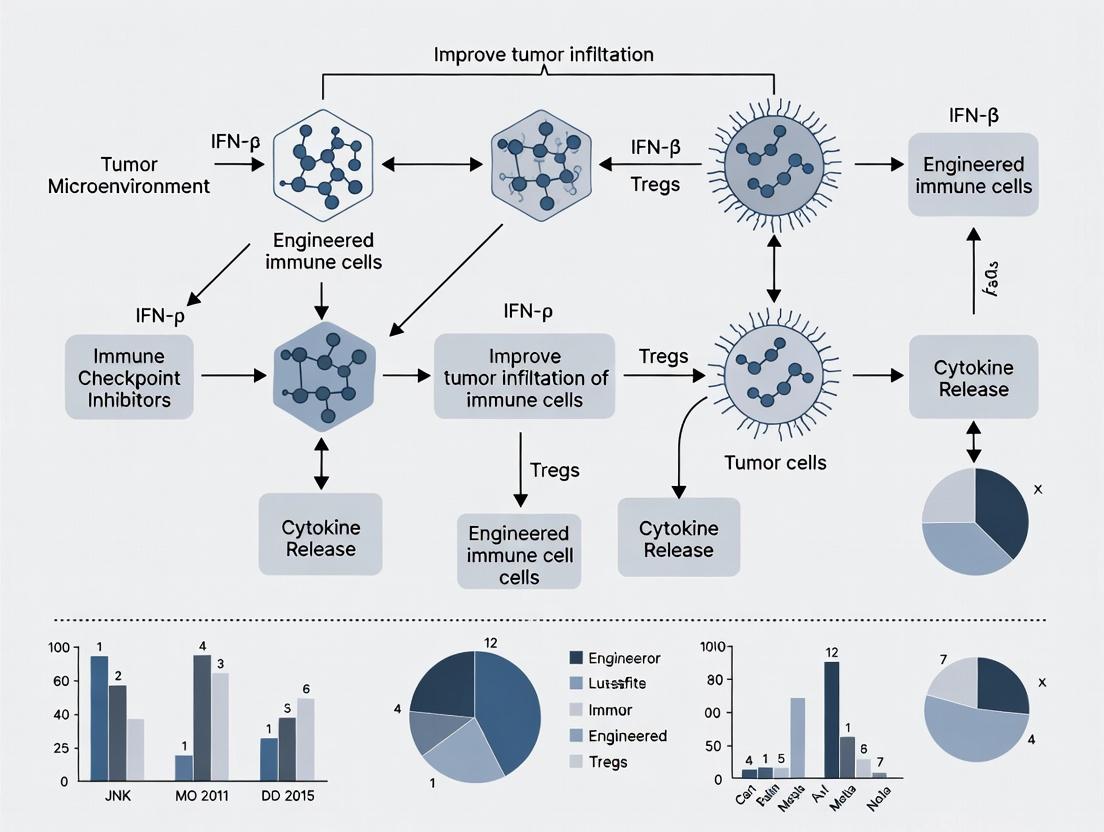
This article provides a comprehensive analysis of the central challenge limiting engineered immune cell therapies (like CAR-T and TCR-T) in solid tumors: poor tumor infiltration.
Breaking the Barrier: Advanced Strategies to Enhance Tumor Infiltration of Engineered Immune Cells (CAR-T, TCR-T) for Solid Tumors
Abstract
This article provides a comprehensive analysis of the central challenge limiting engineered immune cell therapies (like CAR-T and TCR-T) in solid tumors: poor tumor infiltration. We explore the biological and physical barriers of the tumor microenvironment (TME), detail cutting-edge engineering strategies to enhance homing and penetration, discuss solutions for overcoming immunosuppression and exclusion, and evaluate current preclinical and clinical validation methods. Aimed at researchers and drug development professionals, this review synthesizes the latest advances and outlines a roadmap for developing the next generation of cellular immunotherapies.
Understanding the Hurdle: Why Engineered Immune Cells Struggle to Infiltrate Solid Tumors
Technical Support Center: Troubleshooting & FAQs
Frequently Asked Questions
Q1: In our in vitro migration assay, our engineered CAR-T cells show poor chemotaxis toward tumor cell-conditioned medium. What could be the cause? A: Poor in vitro migration often stems from receptor/ligand mismatch or cell state. First, verify the chemokine profile of your tumor model (e.g., CCL2, CCL5, CXCL12) via ELISA/ multiplex assay (see Protocol 1). Ensure your T cells express the corresponding receptor (e.g., CCR2, CCR5, CXCR4). Check receptor internalization post-activation. Low motility can also indicate T cell exhaustion; assess PD-1, LAG-3, TIM-3 upregulation via flow cytometry. Pre-conditioning T cells with IL-7/IL-15 may improve migratory phenotype.
Q2: Our in vivo model shows CAR-T cells accumulating in peripheral blood but not infiltrating the solid tumor core. How can we diagnose the issue? A: This indicates a failure to extravasate or navigate the TME. Perform ex vivo analysis of the tumor vasculature (see Protocol 2). Key checkpoints:
- Vascular Integrity: Assess for abnormal pericytes and endothelial anergy (low ICAM-1/VCAM-1).
- Checkpoint Molecules: Analyze tumor endothelium for upregulated FasL or PD-L1.
- Physical Barriers: Post-harvest, measure interstitial fluid pressure (IFP) and collagen density via Masson's trichrome staining. A multi-parameter IHC panel (CD3, CD31, α-SMA, collagen IV) is recommended.
Q3: Our TCR-T cells lose effector function immediately upon entering the tumor mass in our murine model. What are the likely mechanisms? A: Rapid functional exhaustion within the TME is common. Profile the immunosuppressive metabolites present (see Protocol 3). Key assays:
- Measure extracellular adenosine (via HPLC) and kynurenine (via ELISA).
- Check for immediate early oxidative stress in infiltrated T cells using CellROX Green flow cytometry.
- Test the in vitro suppressive capacity of isolated tumor-associated myeloid cells (TAMs, MDSCs) on your TCR-T cells in a co-culture assay.
Q4: We are designing a new CAR construct to improve infiltration. Which co-stimulatory domains and additional modifications are most supported by recent data? A: Recent (2023-2024) pre-clinical studies favor 4-1BB (CD137) over CD28 for promoting a less exhausted, more infiltrative phenotype. Data also supports:
- Chemokine Receptor Co-expression: Engineering CAR-T cells to express CXCR2 (for CXCL1/5/8) or CCR2b (for CCL2) shows a 1.5-3 fold increase in tumor trafficking in in vivo models.
- Hyaluronidase Expression: Co-expression of PH20 degrades hyaluronic acid in the ECM, reducing physical barriers.
- Dominant-Negative TGF-β Receptor: Confers resistance to TGF-β-mediated suppression. See the summary table below.
Table 1: Efficacy of CAR-T Cell Modifications for Improving Solid Tumor Infiltration (Pre-Clinical Models)
| Modification Type | Specific Example | Model Used | Reported Increase in Tumor Infiltration (vs. Unmodified CAR-T) | Key Readout |
|---|---|---|---|---|
| Chemokine Receptor | CXCR2 Co-expression | Human mesothelioma xenograft | ~2.8 fold | Flow cytometry of tumor digests |
| ECM Modifier | PH20 Hyaluronidase | Pancreatic ductal adenocarcinoma (PDAC) | ~3.2 fold | Bioluminescence imaging (BLI) |
| Cytokine Armor | dnTGF-βRII | Prostate carcinoma | ~1.7 fold | IHC (CD3+ cells per mm²) |
| Metabolic Engineering | PPAR-γ Co-expression | Ovarian carcinoma | ~2.1 fold | Mass cytometry (CyTOF) |
Table 2: Key Suppressive Factors in the TME Limiting T Cell Infiltration & Function
| Factor Category | Specific Factor | Typical Measurement Method | Reported Concentration Range in Solid Tumors |
|---|---|---|---|
| Immunosuppressive Metabolite | Adenosine | HPLC / LC-MS | 10 - 50 µM |
| Immunosuppressive Metabolite | Kynurenine | ELISA / Mass Spectrometry | 1 - 5 µM |
| Physical Barrier | Hyaluronic Acid | ELISA / Alcian Blue Stain | 0.5 - 2 mg/g tissue |
| Extracellular Matrix | Collagen I (density) | Second Harmonic Generation (SHG) Imaging | Varies by tumor type |
Experimental Protocols
Protocol 1: Profiling Tumor-Derived Chemokines Objective: To quantify soluble chemokines secreted by tumor cells that guide T cell migration. Materials: Tumor cell-conditioned medium, chemokine multiplex assay kit (e.g., Luminex), ELISA plate reader/ analyzer. Steps:
- Culture tumor cells to 70% confluence. Replace medium with serum-free. Collect conditioned medium after 48h.
- Concentrate medium 10x using 3kDa centrifugal filters.
- Follow multiplex kit instructions. Briefly, incubate samples with antibody-coated beads, then with detection antibody, followed by Streptavidin-PE.
- Analyze on a multiplex reader. Compare to a standard curve for each chemokine (e.g., CCL2, CCL5, CXCL9/10/12).
Protocol 2: Analyzing Tumor Vasculature and Endothelial Activation Objective: To assess vascular barriers to T cell extravasation. Materials: Frozen tumor tissue sections, antibodies for IHC (CD31, α-SMA, ICAM-1, VCAM-1), fluorescence microscope. Steps:
- Prepare 10µm cryosections of harvested tumor.
- Fix in cold acetone for 10 min. Block with 5% BSA/2% normal serum.
- Perform co-staining: Incubate with primary antibodies (e.g., rat anti-mouse CD31, rabbit anti-mouse α-SMA) overnight at 4°C.
- Incubate with fluorophore-conjugated secondary antibodies (e.g., anti-rat Alexa Fluor 488, anti-rabbit Alexa Fluor 594) for 1h at RT.
- Image. Quantify vessel density (CD31+ area), pericyte coverage (α-SMA+ area adjacent to CD31+), and adhesion molecule expression (MFI of ICAM-1 on CD31+ structures).
Protocol 3: Measuring Immunosuppressive Metabolites in the TME Objective: To quantify adenosine and kynurenine in tumor interstitial fluid. Materials: Tumor tissue, AMP/ADP/ATP assay kit, Adenosine assay kit, Kynurenine ELISA kit. Steps:
- Interstitial Fluid Collection: Use the centrifugation method. Briefly, place fresh tumor tissue in a 0.45µm filter insert within a centrifuge tube. Spin at 500 x g for 20 min at 4°C. Collect fluid from bottom of tube.
- Adenosine Measurement: Deproteinize samples. Use a commercial enzymatic assay that converts adenosine to uric acid + H₂O₂, measured colorimetrically.
- Kynurenine Measurement: Follow ELISA kit protocol. Add samples and standards to anti-kynurenine antibody-coated wells, followed by detection antibody and substrate. Measure absorbance at 450nm.
Visualizations
Title: Multifaceted Barriers to Engineered T Cell Infiltration in Solid Tumors
Title: Workflow for Developing & Testing Infiltration-Enhanced CAR/TCR-T Cells
The Scientist's Toolkit: Research Reagent Solutions
| Item | Function & Application | Example/Supplier |
|---|---|---|
| Recombinant Human/Murine Chemokines | Used in in vitro Transwell migration assays to validate receptor function and chemotactic potential of engineered T cells. | PeproTech, R&D Systems |
| LIVE/DEAD Fixable Viability Dyes | Critical for flow cytometry of tumor digests to accurately distinguish infiltrating live T cells from dead cells in the harsh TME. | Thermo Fisher Scientific |
| Luminex Multiplex Assay Kits | Simultaneously quantify multiple cytokines, chemokines, and growth factors in tumor-conditioned medium or serum. | MilliporeSigma, Bio-Rad |
| Collagenase/Hyaluronidase Enzyme Blends | Essential for gentle dissociation of solid tumor tissue into single-cell suspensions for flow cytometry analysis of infiltrated immune cells. | STEMCELL Technologies (Tumor Dissociation Kits) |
| PF-06823859 (PF-6238) | A potent, selective hedgehog pathway inhibitor used in research to modulate tumor stroma and reduce desmoplasia, thereby improving T cell access. | MedChemExpress |
| CellTrace Proliferation Dyes (e.g., CFSE) | To track T cell division and persistence in vivo or in co-culture with tumor cells, correlating proliferation with infiltration capacity. | Thermo Fisher Scientific |
| Antibodies for Phospho-Flow Cytometry | To analyze signaling pathways (pSTAT, pAKT, pERK) in T cells recovered from tumors, assessing their functional state post-infiltration. | Cell Signaling Technology |
Technical Support Center: Troubleshooting TME & Immune Cell Infiltration Experiments
FAQs & Troubleshooting Guides
Q1: Our engineered T cells show robust activation in vitro but consistently fail to infiltrate solid tumor xenografts in vivo. What are the primary barriers?
A: This is a common issue. The primary barriers are:
- Physical Barrier: Abnormal, dense extracellular matrix (ECM), particularly cross-linked collagen and hyaluronan, creates high interstitial pressure.
- Chemical Barrier: The TME is acidic (pH 6.5-6.9) and hypoxic, which inhibits immune cell function and promotes immunosuppressive cell activity.
- Cellular Barrier: Immunosuppressive cells like Tumor-Associated Macrophages (TAMs, particularly M2 phenotype), Myeloid-Derived Suppressor Cells (MDSCs), and regulatory T cells (Tregs) actively exclude and inhibit effector cells.
Recommended Action: Quantify these barriers in your model. See Protocol 1: Quantitative Assessment of Tumor Stroma Density.
Q2: How can we quantify the level of T-cell exclusion in our tumor model to benchmark our interventions?
A: Use multiplex immunohistochemistry (IHC) or immunofluorescence (IF) to spatially map immune cells relative to tumor and stroma.
Recommended Action: Follow Protocol 2: Spatial Profiling of Immune Cell Infiltration.
Q3: Our cytokine-armored CAR-T cells still show limited persistence in the TME. What key suppressive pathways should we target?
A: Focus on metabolite depletion and checkpoint signaling. Key pathways include:
- Adenosine Signaling: CD39 and CD73 on tumor/stromal cells convert ATP to immunosuppressive adenosine.
- PD-1/PD-L1 & LAG-3/MHC-II: Dominant T-cell exhaustion pathways.
- TGF-β Signaling: A master regulator of T-cell suppression and fibroblast activation.
Recommended Action: Review Diagram 1: Key Immunosuppressive Pathways in the TME and consider genetic or pharmacological co-targeting.
Experimental Protocols
Protocol 1: Quantitative Assessment of Tumor Stroma Density
Objective: Quantify collagen and α-SMA+ Cancer-Associated Fibroblast (CAF) content in tumor sections.
- Tissue Fixation: Fix fresh tumor tissue in 4% PFA for 24h at 4°C.
- Sectioning: Embed in paraffin, section at 5µm thickness.
- Staining:
- Picrosirius Red (PSR): For collagen. Deparaffinize, stain in PSR solution (0.1% Direct Red 80 in saturated picric acid) for 1h, rinse in acidified water.
- α-SMA IHC: Use anti-α-SMA primary antibody (1:200), standard IHC detection.
- Imaging & Analysis: Use polarized light for PSR (collagen I/III appear birefringent). Analyze 5 random fields/section with image analysis software (e.g., ImageJ, QuPath) to determine % positive area.
Protocol 2: Spatial Profiling of Immune Cell Infiltration
Objective: Map CD8+ T cell location relative to tumor nests and stromal regions.
- Multiplex IF Staining: On FFPE sections, perform sequential IHC/IF using antibodies for:
- Pan-Cytokeratin (Tumor cells)
- α-SMA (CAFs/Stroma)
- CD8 (Cytotoxic T cells)
- DAPI (Nuclei)
- Multispectral Imaging: Scan slides using a multispectral imaging system (e.g., Vectra, PhenoImager).
- Spatial Analysis: Use spectral unmixing and analysis software (e.g., inForm, HALO). Define tumor core, invasive margin, and stromal regions. Calculate:
- Infiltration Score: Density of CD8+ cells within the tumor core (cells/mm²).
- Exclusion Index: Ratio of CD8+ density in stroma vs. tumor core.
Table 1: Common TME Suppressive Factors & Their Measurable Impact
| Factor | Typical Measurement Method | Observed Effect on T-cell Function | Representative Quantitative Range in Solid Tumors |
|---|---|---|---|
| Interstitial Pressure | Wicking-in needle method | Reduced trafficking, vascular collapse | 5-40 mmHg (vs. ~0 mmHg in normal tissue) |
| Collagen Density | Picrosirius Red + Polarization | Physical exclusion | Can occupy 20-60% of tumor area |
| Extracellular Adenosine | LC-MS/MS or Fluorescent Sensor | Inhibition of TCR signaling, cytokine production | 1-50 µM (vs. <0.5 µM in plasma) |
| Lactate / Low pH | pH-sensitive dyes / Biochemical assay | Inhibits cytolytic granule release, metabolism | pH 6.5-6.9 (lactate: 5-40 µmol/g tissue) |
| Treg Density | Multiplex IHC for FOXP3+CD4+ | Direct inhibition, IL-2 consumption | Can comprise 10-50% of CD4+ TILs |
Table 2: Efficacy of Engineering Strategies to Overcome Barriers
| Engineering Strategy | Target Barrier | Key Readout | Reported Improvement (Range in Pre-clinical Models) |
|---|---|---|---|
| Heparanase Co-expression | ECM (Heparan Sulfate) | Tumor Penetration Depth | 2-5 fold increase in tumor core T cells |
| TGF-β Receptor Dominant Negative | TGF-β Signaling | In Vivo Tumor Clearance | Increased survival (30-70% complete responders) |
| PD-1/CTLA-4 Knockout | Checkpoint Signaling | T-cell Persistence | 2-3 fold increase in TILs at Day 21 |
| IL-7/IL-15 Cytokine Co-expression | T-cell Fitness & Survival | In Vivo Expansion | 10-100 fold increase in circulating engineered cells |
Signaling Pathway & Workflow Diagrams
Diagram 1: Key Immunosuppressive Pathways in the TME
Diagram 2: Workflow for Profiling Immune Cell Infiltration
The Scientist's Toolkit: Key Research Reagent Solutions
| Item | Function & Application in TME Research |
|---|---|
| Recombinant Human TGF-β1 | Used to mimic TME suppressive conditions in in vitro T-cell functional assays (suppression of IFN-γ release). |
| Picrosirius Red Stain Kit | Specifically stains collagen I and III fibers. Visualized under polarized light to quantify stromal density. |
| pHrodo Red AM Intracellular pH Indicator | A fluorogenic dye used to measure the acidic pH of the TME in live-cell imaging or flow cytometry. |
| Anti-Human/Mouse CD39 & CD73 Antibodies (Blocking) | Used to inhibit the adenosine-generating ectoenzymes in co-culture experiments to assess metabolic suppression. |
| Lactate-Glo Assay | A bioluminescent assay for precise, high-throughput measurement of lactate concentration in tumor homogenates. |
| Recombinant IL-7/IL-15/IL-21 Cytokines | Used to pre-condition or culture engineered T cells to enhance persistence and stemness prior to adoptive transfer. |
| Human/Mouse CXCL12/SDF-1α ELISA Kit | Quantifies this key chemokine secreted by CAFs, which can create a gradient excluding T cells from tumor nests. |
| Collagenase IV & Hyaluronidase | Enzyme cocktail for gentle tumor dissociation to preserve immune cell surface markers for high-parameter flow cytometry. |
Technical Support Center for Tumor Microenvironment & Cellular Therapy Research
Troubleshooting Guide & FAQs
Q1: Our engineered T-cells show robust activation in vitro but consistently fail to infiltrate solid tumors in our murine xenograft models. What are the primary stromal barriers we should investigate?
A: Failed tumor infiltration often implicates the physical and chemical stromal barrier. Key players to troubleshoot include:
- Dense/Abnormal ECM: Hyaluronan and cross-linked collagen create a physical barrier. Protocol: Stain tumor sections with Picrosirius Red (collagen) or Hyaluronan Binding Protein. Quantify density using image analysis software. High density confirms an ECM barrier.
- Aberrant Vasculature: Tumor vessels are often chaotic and poorly perfused, preventing extravasation. Protocol: Perform intravital microscopy or perfuse mice with fluorescent lectin (e.g., FITC-Lycopersicon Esculentum) 10 minutes before sacrifice to label functional vessels. Co-stain with CD31. Low lectin+CD31+ overlap indicates poor perfusion.
- Stromal Cell-Derived Signals: Cancer-associated fibroblasts (CAFs) secrete immunosuppressive factors. Protocol: Isolate CAFs (α-SMA+ selection) from digested tumors and co-culture with your T-cells in a Transwell system. Assess T-cell migration and activation.
Q2: How can we quantify the specific contribution of TGF-β signaling to immunosuppression in our tumor model when testing our CAR-T cells?
A: Use a combination of pathway inhibition and phospho-signaling analysis.
- Experimental Protocol:
- In Vivo Inhibition: Treat tumor-bearing mice with a TGF-β receptor I kinase inhibitor (e.g., Galunisertib, 75 mg/kg, oral gavage, daily). Maintain a control group receiving vehicle.
- Endpoint Analysis: Harvest tumors 7-10 days after T-cell infusion. Create single-cell suspensions.
- Flow Cytometry Panel: Stain for:
- Immune cells: CD45+, CD3+ (T-cells), CD4+, CD8+, FoxP3+ (Tregs).
- Signaling: Phospho-Smad2/3 (pSmad2/3) intracellular stain.
- Exhaustion: PD-1, LAG-3, TIM-3.
- Interpretation: A significant reduction in pSmad2/3+ T-cells and a decrease in Treg frequency in the inhibitor group compared to control confirms active TGF-β-mediated suppression.
Q3: What are the best methods to disrupt the tumor ECM to enhance cellular therapy infiltration without causing metastasis?
A: Enzymatic targeting is a common strategy. Critical safety data is summarized below.
Table 1: ECM-Targeting Enzymes for Experimental Therapy
| Enzyme / Agent | Target | Proposed Effect | Key Safety Finding (Recent Preclinical Data) |
|---|---|---|---|
| PEGPH20 (Pegvorhyaluronidase) | Hyaluronan (HA) | Decreases HA, reduces interstitial pressure, improves perfusion. | Metastasis risk noted in some pancreatic models (Pancreatology, 2023). Dose and timing relative to cell therapy are critical. |
| Collagenase (CNA-35 based) | Collagen I/III | Loens collagen matrix, enhances T-cell migration. | Systemic delivery risk high. Protocol: Use intratumoral injection (0.5-1 U in 50 µL PBS) or tumor-targeted conjugates. |
| BAPN (β-Aminopropionitrile) | Lysyl Oxidase (LOX) | Inhibits collagen cross-linking, softens ECM. | Orally administered, generally well-tolerated. Can cause vascular defects at very high doses (Cell Rep, 2022). |
| MMP-9/MMP-14 Inhibitors | Matrix Metalloproteinases | Paradoxically can normalize ECM and reduce invasion. | Selective inhibition is key; broad-spectrum MMP inhibitors showed poor clinical efficacy. |
Q4: We suspect our engineered NK cells are being excluded due to abnormal tumor vasculature. What assays can confirm this, and what angiogenic factors should we modulate?
A: Confirm vascular abnormality and consider VEGF-A / Ang-2 axis modulation.
- Confirmatory Protocol (Immunohistochemistry):
- Stain frozen tumor sections for CD31 (endothelial cells) and NG2 (pericytes).
- Analyze vessel maturity via pericyte coverage (% of CD31+ vessels with NG2+ adjacency).
- Stain for HIF-1α (hypoxia marker). High HIF-1α correlates with abnormal vasculature.
- Modulation Strategy: Co-administer your cells with a VEGF-A / Ang-2 trap (e.g., Bivozumab). Dosage: 10 mg/kg, i.p., every 3 days starting one day before cell infusion. This promotes vessel normalization, improving perfusion and immune cell infiltration.
The Scientist's Toolkit: Research Reagent Solutions
Table 2: Essential Reagents for Studying TME Barriers
| Item (Vendor Examples) | Function in Experiment | Application Note |
|---|---|---|
| Recombinant Human TGF-β1 (PeproTech) | Gold standard for activating TGF-β signaling in vitro. | Use at 5-10 ng/mL to induce Treg differentiation or T-cell exhaustion in suppression assays. |
| Anti-human/mouse α-SMA-APC (R&D Systems) | Marker for identifying and sorting Cancer-Associated Fibroblasts (CAFs). | Use for flow cytometry or immunofluorescence to quantify CAF abundance in treated vs. control tumors. |
| Picrosirius Red Stain Kit (Sigma-Aldrich) | Histological stain for collagen I and III fibers. | View under polarized light for enhanced birefringence. Quantify with color thresholding in ImageJ. |
| LIVE/DEAD Fixable Near-IR Stain (Invitrogen) | Critical for flow cytometry to exclude dead cells in complex tumor digests. | Always include in immune cell panels from tumor tissue to ensure analysis of viable cells only. |
| Recombinant Hyaluronidase (Hyal-1, Sigma) | Enzyme to experimentally degrade hyaluronan barrier. | Use in ex vivo tumor slice cultures to test if HA removal improves T-cell penetration (track with live imaging). |
| Mouse VEGF-A DuoSet ELISA (R&D Systems) | Quantify VEGF-A levels in tumor homogenates or serum. | Elevated VEGF-A is a key indicator of angiogenic drive and a candidate for combination therapy. |
Experimental Protocol: Assessing T-cell Infiltration & Function in a Stroma-Rich Tumor Model
Title: Multiparametric Analysis of Adoptively Transferred T-cells in the TME.
Workflow:
- Tumor Implantation: Implant 0.5-1x10^6 relevant tumor cells (e.g., pancreatic KPC, prostate TRAMP-C2) subcutaneously in syngeneic or humanized mice.
- Therapy Administration: When tumors reach ~50-100 mm³, inject engineered T-cells (5-10x10^6 cells, i.v.). Include cohorts for combination therapy (e.g., with PEGPH20 or anti-TGF-β).
- Tissue Harvest: At defined endpoints (e.g., days 7, 14), harvest tumors, contralateral non-tumor tissue, and blood.
- Single-Cell Preparation: Mechanically dissociate and enzymatically digest tumors (Collagenase IV (1 mg/mL) + DNase I (100 µg/mL) in RPMI, 37°C for 30-45 min). Process non-tumor tissues similarly.
- Flow Cytometry Staining:
- Surface stains: CD45, CD3, CD8, CD4, PD-1, LAG-3, CD103 (tissue residency).
- Intracellular stains (after fixation/permeabilization): Ki-67 (proliferation), Granzyme B, FoxP3, pSmad2/3.
- MHC multimer staining to identify tumor-antigen specific T-cells if applicable.
- Analysis: Calculate:
- Total Immune Infiltrate: (# Live CD45+ cells / gram of tumor).
- Therapeutic Cell Infiltration: (# Transferred T-cells / gram of tumor) - requires a unique tag (e.g., human CD2+ in mouse model).
- Phenotype: % of infiltrated T-cells positive for exhaustion markers, proliferation, etc.
Signaling Pathway & Experimental Workflow Diagrams
Title: TGF-β Signaling & Inhibition in T-cells
Title: In Vivo T-cell Infiltration & TME Analysis Workflow
Technical Support Center
Troubleshooting Guide: Common Experimental Issues
Issue 1: Poor In Vivo Trafficking of Engineered T Cells to Solid Tumors
- Observed Problem: Adoptively transferred T cells are detected in peripheral blood but fail to accumulate at the tumor site in mouse xenograft models.
- Potential Causes & Solutions:
- Cause: Mismatch between chemokine receptors (e.g., CCR5, CXCR3) on T cells and chemokines (e.g., CCL2, CCL5, CXCL9/10/11) secreted by the tumor microenvironment (TME).
- Solution: Engineer T cells to express relevant chemokine receptors matched to the tumor's chemokine profile. Validate via qPCR/ELISA on tumor lysates and flow cytometry on T cells.
- Cause: Downregulation of target chemokines in the TME due to epigenetic silencing or oncogenic signaling.
- Solution: Pre-condition the TME using epigenetic modulators (e.g., HDAC inhibitors) or oncolytic viruses engineered to express the missing chemokine.
Issue 2: Inconsistent Chemokine Profiling Data from Tumor Samples
- Observed Problem: High variability in chemokine quantification from tumor biopsies or dissociated samples.
- Potential Causes & Solutions:
- Cause: Heterogeneous sampling from necrotic vs. viable tumor regions.
- Solution: Use guided laser capture microdissection to isolate specific regions of interest (e.g., invasive margin, tumor core) before RNA/protein extraction.
- Cause: Rapid degradation of chemokine mRNA/protein post-collection.
- Solution: Immediately snap-freeze samples in liquid nitrogen and use RNase/protease inhibitors in homogenization buffers.
Issue 3: Engineered Receptor Malfunction or Low Surface Expression
- Observed Problem: Newly introduced chemokine receptor shows poor surface expression on engineered NK or T cells, failing to improve migration in transwell assays.
- Potential Causes & Solutions:
- Cause: Inefficient transduction or transfection.
- Solution: Optimize viral titer (MOI) or electroporation parameters. Include a fluorescent marker (e.g., GFP) in the construct for easy tracking and FACS sorting of high expressors.
- Cause: Incompatible intracellular signaling domains leading to receptor internalization.
- Solution: Clone the receptor with native or optimized signaling domains (e.g., replacing with a persistent signaling module). Use antibodies for total and surface protein staining to check for retention.
Frequently Asked Questions (FAQs)
Q1: How do I determine which chemokine receptor(s) to engineer into my effector cells for a specific tumor type? A: Perform a systematic profiling of the tumor's chemokine secretome. The recommended workflow is: 1) Use a multiplex ELISA or Luminex assay on conditioned media from primary tumor cells or tumor biopsies. 2) Validate mRNA expression via RNA-seq or targeted qPCR panels. 3) Cross-reference with literature on T cell homing (see Table 1). 4) Select the top 2-3 most abundant and conserved chemokines in your tumor model and match the corresponding receptors (e.g., CCL5/CCL2 -> CCR5; CXCL9/10/11 -> CXCR3).
Q2: What are the best in vitro assays to predict in vivo homing efficiency? A: A tiered approach is recommended:
- Initial Screening: Use a standardized transwell migration assay. Coat the bottom chamber with a Matrigel layer to mimic basement membrane. Use recombinant chemokines at concentrations measured in vivo (typically 10-100 ng/mL). Run for 2-4 hours.
- Secondary Validation: Employ a 3D spheroid or tumor slice co-culture model. Label effector cells with a fluorescent dye and quantify infiltration depth over 24-72 hours using confocal microscopy.
- Reference Values: A successful engineering step should increase migration in a transwell assay by at least 3-fold compared to control cells. Infiltration into spheroids should show >20% increase in core penetration.
Q3: My engineered cells express the correct receptor and migrate in vitro, but still fail in vivo. What could be wrong? A: The in vivo barrier is more complex. Key checkpoints include:
- Physical Barrier: Check for excessive fibrosis (desmoplasia) in your tumor model via collagen staining. Consider engineering cells to express enzymes like heparanase or using pharmacological modulators (e.g., PEGPH20).
- Suppressive Signals: The TME may express ligands (e.g., PD-L1) that induce exhaustion upon entry. Co-engineer cells with a checkpoint inhibitor (e.g., PD-1 dominant negative receptor).
- Metabolic Competition: The TME is often nutrient-poor. Consider engineering cells for metabolic fitness (e.g., expression of PPAR-gamma coactivator 1α, PGC-1α).
Q4: Are there safety concerns with forced chemokine receptor expression? A: Yes, primarily on-target, off-tumor toxicity. A chemokine receptor like CCR7 could direct engineered cells to lymph nodes, causing bystander activation. Mitigation strategies: 1) Use synthetic receptors that respond only to a tumor-specific chemokine ligand (not the endogenous one). 2) Implement a "safety switch" (e.g., inducible caspase 9) to eliminate mis-homed cells. 3) Thoroughly profile the distribution of the target chemokine in healthy human tissues before clinical translation.
Table 1: Common Tumor-Derived Chemokines and Their Cognate Receptors on Effector Lymphocytes
| Tumor Type | Primary Chemokines Expressed (TME) | Corresponding Receptor on T/NK Cells | Evidence Level (Clinical/Preclinical) | Notes |
|---|---|---|---|---|
| Glioblastoma | CXCL10, CCL2 | CXCR3, CCR2, CCR4 | Preclinical (Strong), Clinical (Emerging) | High CCL2 correlates with myeloid suppression. |
| Melanoma | CCL5, CXCL9, CXCL10 | CCR5, CXCR3 | Clinical (Validated) | CXCR3 expression on TILs linked to better patient survival. |
| Pancreatic Ductal Adenocarcinoma | CCL2, CCL5, CXCL12 | CCR2, CCR5, CXCR4 | Preclinical (Strong) | Dense stroma (CXCL12) creates a major barrier. |
| Ovarian Cancer | CCL22, CXCL12 | CCR4, CXCR4 | Clinical (Validated) | CCR4+ Tregs are also recruited, creating suppression. |
| Non-Small Cell Lung Cancer | CCL5, CXCL10, CCL22 | CCR5, CXCR3, CCR4 | Clinical (Mixed) | High heterogeneity between patients. |
Table 2: Quantitative Outcomes from Selected Engineering Strategies In Vivo
| Engineering Strategy | Tumor Model (Mouse) | Fold Increase in TILs vs. Control (Day) | Key Measurement Method | Reference (Example) |
|---|---|---|---|---|
| CAR-T + CCR2b | Syngeneic Pancreatic (KPC) | 4.2x (Day 14) | Flow cytometry of dissociated tumors | Moon et al., 2020 |
| TCR-T + CXCR2 | Melanoma (B16-OVA) | 3.1x (Day 10) | Bioluminescence imaging (BLI) | Peng et al., 2021 |
| NK-92 + CXCR4 | Ovarian (SK-OV-3 xenograft) | 2.5x (Day 21) | IHC (CD56 staining) | Müller et al., 2019 |
| CAR-T + CCR4 | Lymphoma (Xenograft) | 5.7x (Day 7) | qPCR (human CD3ε in tumor) | Di Stasi et al., 2021 |
| None (Control TILs) | Melanoma (B16) | 1.0x (Baseline) | -/- | N/A |
Detailed Experimental Protocols
Protocol 1: Transwell Chemotaxis Assay for Engineered Immune Cells
Objective: To quantitatively assess the migration of engineered effector cells toward tumor-derived chemokines. Materials: 5.0μm pore transwell inserts (24-well plate), recombinant human/mouse chemokines, RPMI-1640 + 0.5% BSA, serum-free medium, fluorescent cell dye (e.g., Calcein AM), plate reader. Procedure:
- Prepare Chemokine Gradient: Add 600 μL of serum-free medium containing the desired concentration of recombinant chemokine (e.g., 50 ng/mL CCL5) to the lower chamber of a 24-well plate. For control, use medium only.
- Label Cells: Harvest engineered T/NK cells. Wash and resuspend at 1x10^6 cells/mL in RPMI + 0.5% BSA. Label with 2μM Calcein AM for 30 min at 37°C. Wash twice.
- Seed Cells: Add 100 μL of labeled cell suspension (1x10^5 cells) to the top of the transwell insert.
- Migrate: Incubate plate for 3 hours at 37°C, 5% CO2.
- Quantify: Carefully remove the insert. Collect media from the lower chamber. Measure fluorescence (Ex/Em ~494/517 nm) of the migrated cells in the lower chamber using a plate reader.
- Calculate: % Migration = (Fluorescence of migrated cells / Fluorescence of total input cells) x 100. Perform in triplicate.
Protocol 2: Tumor Chemokine Profile Analysis via Multiplex Luminex
Objective: To characterize the secretome of patient-derived tumor samples or cell lines. Materials: Fresh tumor tissue or cultured cells, protein lysis buffer with protease inhibitors, Luminex multiplex assay kit (e.g., Human Chemokine 30-Plex), Luminex analyzer. Procedure:
- Sample Preparation: For tissues, homogenize 30mg of snap-frozen tissue in 300μL lysis buffer on ice. Centrifuge at 12,000g for 10 min at 4°C. Collect supernatant. For cells, culture until 80% confluent, switch to serum-free medium for 24h, collect conditioned media.
- Assay Setup: Follow manufacturer's instructions. Briefly, mix 50μL of sample or standard with antibody-coated magnetic beads. Incubate overnight at 4°C on a shaker.
- Detection: Wash beads and add biotinylated detection antibody for 1 hour, followed by streptavidin-PE for 30 minutes.
- Read & Analyze: Resuspend beads in reading buffer and analyze on the Luminex machine. Use provided software to interpolate concentrations from standard curves for each chemokine (pg/mL).
Diagrams
Title: Chemokine-Receptor Mismatch vs. Match in T Cell Homing
Title: Workflow to Test Engineered Cell Homing & Efficacy
The Scientist's Toolkit: Research Reagent Solutions
| Item / Reagent | Function / Application | Example Vendor(s) |
|---|---|---|
| Recombinant Chemokines | Used as standards in ELISA/Luminex and as chemoattractants in migration assays. Crucial for dose-response validation. | PeproTech, R&D Systems |
| Multiplex Chemokine Assay Kits | Simultaneously quantify 30-40+ chemokines/cytokines from small volume samples (e.g., tumor lysate, serum). | Thermo Fisher (ProcartaPlex), Bio-Rad (Bio-Plex) |
| Lentiviral Vectors for Co-Expression | Deliver genes for therapeutic receptor (CAR/TCR) and chemokine receptor in a single construct for stable expression. | VectorBuilder, Addgene, Sigma-Aldrich |
| Matrigel | Used to coat transwell inserts or create 3D spheroids, mimicking the extracellular matrix barrier for invasion assays. | Corning |
| In Vivo Imaging System (IVIS) | Tracks luciferase-labeled effector cells in real-time within live animals to quantify tumor homing kinetics. | PerkinElmer |
| Fluorescent Cell Labeling Dyes (e.g., CFSE, CTV) | Label effector cells in vitro to track and quantify them in vivo via flow cytometry or tissue imaging. | Thermo Fisher, BioLegend |
| Validated Antibodies for CCR/CXCR Family | Flow cytometry antibodies to confirm surface expression of engineered and endogenous chemokine receptors. | BioLegend, BD Biosciences |
| Oncolytic Virus (Armed with Chemokine) | Modifies the TME to express desired chemokines, "remodeling" it to attract engineered cells. | Multiple biotech specialists (e.g., Turnstone Biologics) |
Technical Support Center: Troubleshooting Engineered Immune Cell Infiltration
This support center provides targeted guidance for researchers investigating and overcoming stromal and ECM-mediated physical exclusion of engineered immune cells (e.g., CAR-T, TCR-T) in solid tumors, within the context of thesis research on Improving tumor infiltration of engineered immune cells.
FAQs & Troubleshooting Guides
Q1: In our 3D spheroid co-culture model, our CAR-T cells cluster at the periphery and fail to penetrate the core. What are the primary factors to investigate? A: This is a classic sign of physical exclusion. Investigate these factors in order:
- ECM Density & Composition: The spheroid/stroma may have a dense, cross-linked collagen (particularly Collagen I) and hyaluronan network. Check your matrix formulation.
- Protease Insufficiency: Your engineered cells may lack the necessary matrix-degrading enzymes (e.g., MMPs, heparanase) to create migratory paths.
- Cell Size & Rigidity: The physical size and cytoskeletal rigidity of your immune cells may be prohibitive. Compare different immune cell types (e.g., γδ T cells vs. αβ T cells).
- Stromal Cell Activity: Cancer-associated fibroblasts (CAFs) within the model may be actively contracting and remodeling the matrix into a denser, more inhibitory barrier.
Q2: Our in vivo imaging shows adoptively transferred cells trapped in the perivascular space. Which experimental strategies can enhance deeper parenchymal infiltration? A: This indicates failure to traverse the perivascular basement membrane and interstitial matrix. Consider these experimental approaches:
- Engineer Expression of ECM-Modifying Enzymes: Co-express enzymes like heparanase, MMP-2, or a soluble form of collagenase (e.g., secreted MMP-14) in your immune cells. Crucial: Use tumor/stroma-specific promoters (e.g., LOX promoter) to restrict activity to the target site and avoid systemic toxicity.
- Pharmacological Stroma Modulation: Pre-condition or co-treat with:
- Hyaluronidase (PEGPH20): Degrades hyaluronic acid.
- Losartan: An angiotensin inhibitor that reduces collagen I production and deposition by CAFs.
- FAK Inhibitors: Disrupt CAF signaling and ECM remodeling.
- Target Pro-Fibrotic Signaling: Utilize neutralizing antibodies against TGF-β or IL-6 to dampen the pro-fibrotic activity of CAFs.
Q3: How can we quantitatively measure and compare ECM density and architecture in our tumor models before and after stromal disruption therapies? A: Implement the following multimodal assessment:
| Metric | Technique | Key Reagents/Assays | Insight Gained |
|---|---|---|---|
| Total Collagen Content | Hydroxyproline Assay, Sirius Red Staining | Hydroxyproline Colorimetric Assay Kit, Picro-Sirius Red Stain | Bulk collagen quantification. |
| Collagen Architecture & Alignment | Second Harmonic Generation (SHG) Microscopy | Multiphoton/SHG microscope | Fibril density, orientation, and straightness (linked to invasibility). |
| Hyaluronan Content | Histochemical Staining, ELISA | Hyaluronan Binding Protein (HABP) stain, Hyaluronan ELISA Kit | Levels of a major hydrogel-component. |
| Local Stiffness | Atomic Force Microscopy (AFM) | AFM with colloidal probe | Micromechanical properties at tumor interface. |
| Pore Size & Diffusion Limit | Fluorescence Recovery After Photobleaching (FRAP) | Dextran probes of varying sizes (40kDa, 70kDa, 150kDa FITC-labeled) | Functional measurement of physical accessibility. |
Q4: We are engineering T cells to express MMP-14. What is a robust in vitro protocol to validate functional matrix degradation? A: Title: In Vitro Functional Assay for Immune Cell-Mediated ECM Degradation Objective: To quantify the ability of MMP-14-expressing engineered T cells to degrade a fluorescently-labeled collagen matrix. Protocol:
- Coat Plates: Prepare a thin, uniform gel of fluorescent collagen (e.g., DQ Collagen Type I, from bovine skin, fluoresces upon cleavage) in a 96-well black-walled plate according to the manufacturer's protocol. Allow to polymerize at 37°C for 1-2 hours.
- Seed Cells: Gently wash gel once with PBS. Seed your engineered T cells (MMP-14+) and control T cells (Mock transduced) at a defined density (e.g., 50,000 cells/well) in serum-free medium. Include a "No Cell" control for background subtraction.
- Inhibitor Control: For specificity, include a condition with a broad-spectrum MMP inhibitor (e.g., GM6001, 10µM) added to the MMP-14+ T cells.
- Incubate & Measure: Incubate plates at 37°C, 5% CO2. Measure fluorescence intensity (Ex/Em ~495/515 nm) using a plate reader at 0, 4, 8, 24, and 48 hours.
- Analysis: Subtract background fluorescence. Plot relative fluorescence units (RFU) over time. Increased fluorescence in the MMP-14+ group compared to controls indicates specific collagen degradation.
The Scientist's Toolkit: Key Research Reagent Solutions
| Item | Function / Relevance |
|---|---|
| DQ Collagen I, IV, Gelatin (Fluorescent) | Quenched substrates that fluoresce upon proteolytic cleavage. Essential for quantifying live-cell matrix degradation in real-time. |
| PEGPH20 (Recombinant Hyaluronidase) | Depletes hyaluronan in the tumor stroma. Used in vivo to pre-condition tumors or in in vitro HA-rich matrices. |
| Human CAFs (Cancer-Associated Fibroblasts) | Primary cells for reconstructing physiologically relevant stromal compartments in 3D co-culture models. |
| MMP Inhibitors (GM6001, Batimastat) | Pharmacological tools to validate the protease-dependent component of immune cell migration and infiltration. |
| Losartan | An FDA-approved angiotensin receptor blocker (ARB) that inhibits TGF-β signaling in CAFs, reducing collagen I production and tumor desmoplasia in preclinical models. |
| AFM Cantilevers (Colloidal Probes) | For measuring the micromechanical stiffness (Young's modulus) of tumor regions and stromal barriers. |
| Size-Fractioned Fluorescent Dextrans | Tracers (e.g., 40kDa vs. 2MDa) to measure functional diffusion limits and pore sizes within tumor explants or engineered matrices. |
Visualizations
Diagram 1: Stroma-Driven Physical Exclusion of Engineered Immune Cells
Diagram 2: Experimental Workflow to Assess & Overcome Exclusion
Diagram 3: Key Signaling in CAFs Driving ECM Deposition
Technical Support Center
Troubleshooting Guide & FAQs
Q1: Our engineered CAR-T cells show robust activation and cytokine release in vitro, but fail to expand and persist in our in vivo murine solid tumor model. Metabolic assays in vitro show no deficit. What could be happening?
A1: This is a classic symptom of in vivo metabolic suppression. The tumor microenvironment (TME) is nutrient-depleted and contains inhibitory metabolites not replicated in standard in vitro cultures.
- Primary Issue: Tumor cells and resident immune cells compete for glucose and amino acids (e.g., glutamine, arginine). Your CAR-T cells may be rapidly starved upon infiltration.
- Checkpoint: The adenosine pathway is a key inhibitory checkpoint. High extracellular ATP from stressed cells is converted to immunosuppressive adenosine via CD39/CD73 ectoenzymes, often overexpressed in the TME.
- Troubleshooting Steps:
- Measure TME Nutrients: Use metabolite quantification (LC-MS) on tumor interstitial fluid or snap-frozen tumor sections. Compare glucose, glutamine, and arginine levels to serum and control tissue.
- Profile Inhibitory Metabolites: Quantify adenosine and kynurenine (IDO/TDO pathway) in the TME.
- Engineered Cell Modifications: Consider next-generation designs incorporating:
- Nutrient Scavengers: Overexpression of high-affinity glucose (GLUT1) or amino acid (e.g., ASCT2 for glutamine) transporters.
- Checkpoint Disruption: Knockout of the adenosine receptor A2AR (
ADORA2A) or the ATP-degrading enzyme CD39 (ENTPD1).
Q2: When we culture our TCR-engineered T cells with cancer-associated fibroblasts (CAFs), their mTOR activity and IFN-γ production are severely inhibited. How can we diagnose the specific mechanism?
A2: CAFs are potent mediators of metabolic suppression via both depletion and active inhibition.
- Diagnostic Protocol:
- Conditioned Medium (CM) Test: Culture CAFs alone for 48h. Harvest CM and apply it to your activated T cells. If inhibition occurs, it's mediated by soluble factors.
- Metabolite Rescue Experiment: Supplement the co-culture or CM with a cocktail of metabolic precursors:
- Cell-permeable Methyl-pyruvate (bypasses glucose transport).
- N-acetylcysteine (NAC) (precursor for cysteine/glutathione, counteracts ROS).
- Nicotinamide Riboside (NR) (boosts NAD+ pools).
- Table 1 shows a sample rescue experiment design and data interpretation.
Table 1: Diagnostic Metabolite Rescue of T Cell Function
| Supplement to Co-culture | mTOR Activity (pS6 flow cytometry) | IFN-γ (pg/mL) | Interpretation |
|---|---|---|---|
| None (Control Media) | High | 1200 | Baseline T cell function. |
| None (+ CAFs) | Low | 150 | Suppression is occurring. |
| Methyl-pyruvate (+ CAFs) | Restored to 80% | 1100 | Primary issue is glucose deprivation. |
| NAC (+ CAFs) | Partially restored (50%) | 600 | Involves oxidative stress/cysteine lack. |
| NR (+ CAFs) | Restored to 90% | 1000 | Involves NAD+ depletion (e.g., CD38 activity). |
| All three (+ CAFs) | Fully restored | 1150 | Combined nutrient/oxidant stress. |
Q3: We are engineering a "metabolic armor" module. Which combination of genetic modifications is most supported by current (last 12 months) pre-clinical data for solid tumor infiltration?
A3: Current literature (2023-2024) strongly supports a multi-pronged approach targeting both depletion and inhibition. The leading strategy combines:
- Glutamine Metabolism Rewiring: Overexpression of
GLUD1(glutamate dehydrogenase) to enable ammonia recycling and alpha-KG production from glutamate, making cells less dependent on exogenous glutamine. - Adenosine Pathway Knockout: Dual knockout of
ENTPD1(CD39) andADORA2A(A2AR) prevents generation and sensing of adenosine, a major inhibitory checkpoint. - PD-1 Knockout: While not purely metabolic, removing PD-1 prevents the associated glycolytic suppression.
- Recent Data: A 2024 Nature Immunology study using prostate tumor models showed that CAR-T cells with
GLUD1oe +ENTPD1/ADORA2Ako increased tumor infiltration by 3.5-fold and persistence by >28 days compared to standard CAR-Ts.
Experimental Protocol: Assessing Nutrient Competition in a 3D Spheroid Co-culture
Objective: To quantitatively measure the depletion of key nutrients by tumor cells and its impact on infiltrating engineered T cells.
Materials:
- Tumor cell line (e.g., OVCAR-3, PAN02).
- Engineered human T cells (e.g., CAR-T, TCR-T).
- 3D spheroid formation plates (ultra-low attachment).
- Live-cell imaging system (e.g., Incucyte) with fluorescent T cell tag (e.g., GFP).
- LC-MS/MS kit for metabolite quantification (e.g., Biocrates MxP Quant 500).
- Seahorse XF Analyzer reagents (for real-time glycolytic/OXPHOS rates).
Method:
- Spheroid Formation: Seed 5,000 tumor cells/well in a 96-well U-bottom plate. Centrifuge at 300g for 3 min. Culture for 72h to form compact spheroids.
- T Cell Infiltration: Label T cells with a cell tracker dye (e.g., CellTrace Far Red). Add 20,000 labeled T cells per spheroid well.
- Time-course Sampling:
- At T=0h (pre-infiltration), 24h, 48h, and 72h, harvest supernatant from replicate wells.
- At each time point, also dissociate 3-5 spheroids using TrypLE, stain for live/dead and T cell markers, and analyze by flow cytometry for T cell viability and activation markers (CD25, 4-1BB).
- Metabolite Analysis: Process supernatant samples per LC-MS/MS kit protocol. Quantify glucose, lactate, glutamine, glutamate, tryptophan, kynurenine.
- Metabolic Flux: At the 24h time point, extract co-cultured spheroids and perform a Seahorse Mito/Glyco Stress Test on a captured cell pellet.
Diagram: Key Metabolic Pathways & Checkpoints in the TME
Title: Tumor Metabolism Depletes Nutrients & Creates Inhibitory Checkpoints
Diagram: Genetic Engineering Strategies for Metabolic Resistance
Title: Genetic Modifications to Overcome TME Metabolic Barriers
The Scientist's Toolkit: Research Reagent Solutions
| Reagent/Category | Example Product | Primary Function in This Context |
|---|---|---|
| Metabolite Quantification | Biocrates MxP Quant 500 kit | Broad targeted profiling of ~630 metabolites from biofluids or cell lysates to map nutrient depletion. |
| Extracellular Flux Analysis | Agilent Seahorse XF T Cell Stress Test Kit | Real-time, live-cell measurement of glycolytic rate (ECAR) and oxidative phosphorylation (OCR) in T cells. |
| CRISPR Knockout Kits | Synthego ECO Edit-R Kits (sgRNA + Cas9) | High-efficiency knockout of metabolic checkpoint genes (e.g., ADORA2A, ENTPD1, PDCD1) in primary T cells. |
| Lentiviral Overexpression | VectorBuilder Custom Lenti-Vectors | For stable overexpression of metabolic enzymes (e.g., GLUD1, SLC2A1/GLUT1) in engineered immune cells. |
| Metabolic Rescue Compounds | Cell-permeable methyl-pyruvate (Sigma D36001), N-Acetylcysteine (NAC) | Diagnostic tools to rescue T cell function in suppressive co-cultures by bypassing specific metabolic blocks. |
| 3D Tumor Modeling | Corning Spheroid Microplates | Generate consistent tumor spheroids for studying infiltration and metabolic competition in vitro. |
| Adenosine Pathway Inhibitors | PSB-0777 (A2AR antagonist), POM-1 (CD39 inhibitor) | Small molecule tools to pharmacologically validate the role of these checkpoints in suppression assays. |
Engineering Solutions: Cutting-Edge Strategies to Boost Homing and Penetration
Technical Support Center: Troubleshooting & FAQs
Thesis Context: This support content is designed for researchers working within the broader thesis of Improving tumor infiltration of engineered immune cells. It addresses practical challenges in armoring CAR-T cells with exogenous chemokine receptors to enhance homing to immunosuppressive solid tumor microenvironments.
Frequently Asked Questions (FAQs)
Q1: Our chemokine receptor-armored CAR-T cells show poor surface expression of the transgenic receptor. What are the primary causes and solutions?
A: Low surface expression is a common hurdle. Key troubleshooting steps include:
- Promoter Optimization: The EF1α or PGK promoters often provide more consistent expression in T cells than CMV. Consider using a synthetic promoter (e.g., CAG) for enhanced activity.
- Vector Design: Ensure the chemokine receptor is in the correct orientation within your lentiviral or retroviral vector. Adding a P2A or T2A self-cleaving peptide between the CAR and chemokine receptor transgenes can improve co-expression.
- Codon Optimization: Always use codon-optimized sequences for human T cells to enhance translational efficiency.
- Validation of Antibodies: Confirm your flow cytometry antibody recognizes the epitope-tagged (e.g., FLAG, HA) or native extracellular domain of the engineered chemokine receptor. Include a positive control (e.g., receptor transfected into HEK293T cells).
Q2: In vitro migration assays show no significant improvement in trafficking for armored CAR-T cells compared to controls. How can we validate the system?
A: A negative result requires systematic validation of the assay and receptor function.
- Chemokine Gradient Verification: Use a commercial kit (e.g., ELISA) to quantify the chemokine concentration in the lower chamber of your transwell plate. Ensure it matches the reported physiological range (typically 10-200 ng/mL).
- Receptor Signaling Validation: Perform a phospho-ERK or phospho-Akt western blot on armored T cells 5-15 minutes after stimulation with the target chemokine to confirm downstream signaling is intact.
- Positive Control: Use a known migratory cell line (e.g., THP-1 monocytes for CCR2 ligands) in parallel to verify the gradient is established.
- Check Receptor Mismatch: Confirm the chemokine you are testing is the correct ligand for the receptor you've introduced (see Table 1).
Q3: After successful in vitro migration, our armored CAR-T cells fail to show improved tumor control in mouse xenograft models. What in vivo factors should we consider?
A: This disconnect highlights the complexity of the tumor microenvironment (TME).
- Chemokine Profile: The human chemokine expressed by your tumor cell line may not be present or may be sequestered in the murine stroma. Profile the actual chemokines secreted in the TME of your model via multiplex assay.
- Receptor Desensitization: Chronic exposure to chemokine in the TME can lead to receptor internalization and desensitization. Analyze tumor-infiltrating T cells ex vivo for residual receptor expression.
- Immunosuppression: Improved infiltration may expose cells to greater PD-L1, TGF-β, or adenosine-mediated suppression. Consider combining chemokine receptor armoring with strategies to resist exhaustion (e.g., dominant-negative TGF-β receptor).
Q4: What are the primary safety concerns regarding "off-tumor" expression of the chemokine receptor, and how can they be mitigated?
A: Ectopic chemokine receptor expression could direct CAR-T cells to healthy tissues expressing the ligand.
- Concern 1: On-target, off-tumor toxicity due to homing to healthy organs. Mitigation: Select chemokine receptors targeting ligands highly specific to the TME (e.g., CXCR2 for CXCL1/5/8 in many carcinomas). Use in silico and immunohistochemistry screens of human tissues.
- Concern 2: Receptor fusion or mis-signaling with endogenous pathways. Mitigation: Engineer receptors with truncated intracellular domains that retain migration but lack proliferative signaling ("biased signaling" mutants).
- Mitigation Strategy Table:
| Safety Concern | Mitigation Strategy | Example |
|---|---|---|
| Off-tumor homing | Logic-gated receptor expression | Chemokine receptor expressed only upon CAR engagement (synNotch-inducible) |
| Constitutive signaling | Signaling-dead, G-protein coupled receptors | Use a modified receptor that binds chemokine but does not initiate intracellular signaling beyond migration. |
Experimental Protocols
Protocol 1: In Vitro Transwell Migration Assay for Chemokine Receptor-Armed CAR-T Cells
Objective: Quantify the directed migration of engineered T cells toward a tumor-derived chemokine gradient.
Materials:
- CAR-T cells (control and chemokine receptor-expressing), rested for 24h post-activation.
- 24-well tissue culture plates and 5.0 μm pore transwell inserts.
- Recombinant human chemokine (e.g., CCL2, CXCL12).
- Migration medium: RPMI-1640 + 0.5% BSA.
- Cell dissociation buffer (non-enzymatic).
- Flow cytometry counting beads.
Method:
- Gradient Setup: Add 600 μL of migration medium containing the desired concentration of chemokine (e.g., 100 ng/mL) to the lower chamber of a 24-well plate. For control, use medium alone.
- Cell Preparation: Harvest T cells, wash twice with migration medium, and resuspend at 1.0 x 10^6 cells/mL in migration medium.
- Migration: Add 100 μL of cell suspension (1.0 x 10^5 cells) to the top of the transwell insert. Place insert into the prepared lower chamber. Incubate for 4 hours at 37°C, 5% CO2.
- Collection & Quantification:
- Carefully remove the transwell insert.
- Gently mix the medium in the lower chamber. Transfer all 600 μL to a flow cytometry tube.
- Add a known number of counting beads to each tube.
- Analyze by flow cytometry. Count the number of migrated cells (live, CD3+) and the number of beads per sample.
- Calculation:
% Migration = [(Number of cells counted / Number of beads counted) / (Input bead number / Input cell number)] * 100. Normalize to control group migration.
Protocol 2: Validation of Chemokine Receptor Signaling via Western Blot
Objective: Confirm functional coupling of the introduced chemokine receptor to intracellular signaling pathways.
Materials:
- CAR-T cells (armored and control).
- Serum-free RPMI medium.
- Recombinant chemokine ligand.
- Lysis buffer (RIPA with phosphatase/protease inhibitors).
- SDS-PAGE and Western blot equipment.
- Antibodies: anti-phospho-p44/42 MAPK (Erk1/2) (Thr202/Tyr204), anti-total Erk, anti-β-Actin.
Method:
- Starvation: Starve 2-5 x 10^6 T cells per condition in serum-free medium for 2-4 hours.
- Stimulation: Stimulate cells with chemokine (e.g., 50 ng/mL) for 0, 5, 10, and 15 minutes at 37°C. Include an unstimulated (0 min) control.
- Lysis: Immediately lyse cells in ice-cold RIPA buffer. Incubate on ice for 15 min, vortexing intermittently. Clear lysates by centrifugation (14,000 x g, 15 min, 4°C).
- Analysis: Determine protein concentration. Run 20-30 μg of protein on a 10% SDS-PAGE gel, transfer to PVDF membrane, and probe with phospho-Erk and total Erk antibodies. A rapid, transient increase in phospho-Erk signal post-stimulation indicates functional receptor signaling.
Data Presentation
Table 1: Common Tumor-Derived Chemokines and Their Engineered Receptors in CAR-T Cell Studies
| Tumor Type | Key Expressed Chemokine(s) | Engineered Receptor | Reported Fold-Change in Migration (In Vitro) | Impact on Tumor Control (In Vivo) | Key Reference (Example) |
|---|---|---|---|---|---|
| Glioblastoma | CXCL1, CXCL8 | CXCR1 or CXCR2 | 2.5 - 4.1x | Prolonged survival in orthotopic models | Jin et al., 2019 |
| Pancreatic Adenocarcinoma | CCL2, CCL5 | CCR2b | 3.0 - 5.5x | Increased T cell infiltration, reduced tumor growth | Moon et al., 2020 |
| Ovarian Cancer | CXCL12 | CXCR4 | 2.0 - 3.5x | Improved intra-tumoral accumulation | Wang et al., 2018 |
| Prostate Cancer | CCL2 | CCR2b | ~4.0x | Enhanced tumor regression in combination with PD-1 blockade | Zhang et al., 2021 |
| Melanoma | CXCL9, CXCL10 | CXCR3 | 2.8 - 3.8x | Synergy with checkpoint blockade | Peng et al., 2020 |
Visualizations
Diagram Title: Chemokine Receptor-Mediated Migration Signaling Pathway
Diagram Title: Workflow for Armoring CAR-T Cells with Chemokine Receptors
The Scientist's Toolkit: Research Reagent Solutions
| Item | Function | Example/Brand |
|---|---|---|
| Lentiviral Vector System | Stable integration of CAR and chemokine receptor genes into primary T cells. | psPAX2/pMD2.G (3rd gen), VSV-G pseudotyped. |
| Human T Cell Nucleofector Kit | For non-viral transfection of mRNA or transposon systems (e.g., Sleeping Beauty). | Lonza P3 Primary Cell 4D-Nucleofector Kit. |
| Recombinant Human Chemokines | For creating gradients in migration assays and validating receptor function. | PeproTech, R&D Systems. |
| Transwell Plates (5.0 μm) | Physical barrier to assay cell movement toward a chemokine gradient. | Corning HTS Transwell-96 permeable supports. |
| Phospho-Specific Flow Cytometry Antibodies | To assess signaling activation (pAkt, pERK) in single cells post-chemokine stimulus. | BD Phosflow, Cell Signaling Technology. |
| Multiplex Cytokine/Chemokine Assay | To profile the secretome of tumor cells or tumor explants. | Luminex xMAP, Meso Scale Discovery (MSD). |
| Flow Cytometry Antibodies for Tag Detection | To detect epitope-tagged (HA, FLAG) engineered chemokine receptors. | Anti-HA-BV421, Anti-FLAG-PE. |
| Cell Trace Proliferation Dyes | To track division history and correlate with migratory capacity. | CellTrace Violet, CFSE. |
Technical Support Center: Troubleshooting & FAQs
Q1: Our heparanase-overexpressing CAR-T cells show poor viability post-electroporation. What could be the cause? A: This is often due to enzyme cytotoxicity or excessive stress during co-delivery. Ensure the enzymatic construct includes a weak or inducible promoter (e.g., Tet-On) to prevent constitutive expression during expansion. Use a ribosome-skipping P2A peptide rather than a stronger IRES for co-expression with the CAR. Perform a viability assay 24h post-transduction/transfection to isolate the toxic step.
Q2: Hyaluronidase secretion by our engineered NK cells degrades the extracellular matrix too rapidly in our 3D tumor spheroid model, leading to loss of model integrity before invasion can be assessed. How can we control this? A: Implement a controllable system. Use a vector where hyaluronidase (e.g., PH20) is under the control of a nuclear factor of activated T cells (NFAT) response promoter, ensuring enzyme expression only upon tumor antigen recognition. Alternatively, use a cell-instructive hydrogel with tunable cross-linking density (e.g., MMP-degradable PEG hydrogels) to better mimic in vivo ECM resistance and prevent rapid dissolution.
Q3: We observe an initial boost in tumor killing with our ECM-modifying cells, but it is not sustained in our in vivo mouse model. What are potential reasons? A: This can result from host immune responses or T-cell exhaustion. Check for immunogenicity of the bacterial/ovine-derived enzyme; consider using a humanized enzyme variant. The modified ECM may be releasing immunosuppressive proteoglycan fragments (e.g., heparan sulfate-bound TGF-β). Profile cytokine levels in the tumor microenvironment post-therapy. Co-engineering with a dominant-negative TGF-β receptor may be necessary.
Q4: How do we accurately measure the localized degradation of heparan sulfate in vitro to confirm enzyme activity? A: Use a fluorescent probe-based assay. Plate tumor cells expressing heparan sulfate proteoglycans (e.g., syndecan-1). Add your engineered immune cells in a co-culture or use collected supernatant. Stain with a Heparin Red probe, which exhibits a strong fluorescence increase upon binding to degraded heparan sulfate chains. Quantify fluorescence intensity via microscopy or plate reader.
Q5: Our flow cytometry data shows inconsistent surface CAR expression when co-transduced with the hyaluronidase construct. How can we improve consistency? A: This indicates variable transduction efficiency or promoter interference. Use a bicistronic vector with a single promoter driving the CAR and enzyme linked by a self-cleaving peptide (e.g., T2A). Employ a dual-reporter system (e.g., CAR linked to GFP, enzyme linked to mCherry via P2A) to sort double-positive populations. Ensure viral titers are optimized for multi-gene constructs; consider using a transposon system for more stable, single-copy integration.
Experimental Protocol: Assessing Tumor Infiltration in a 3D Spheroid Model
Title: Protocol for Quantifying Infiltration of ECM-Modifying Engineered T-Cells into Tumor Spheroids.
Materials: U87-MG glioblastoma cells, Human T-cells engineered with CAR and inducible heparanase, Matrigel, LabTek 8-chamber slides, Live-cell imaging microscope, DAPI, CellTracker Green CMFDA, CellTracker Deep Red.
Method:
- Spheroid Generation: Seed U87-MG cells (500 cells/well) in a 96-well round-bottom ultra-low attachment plate. Centrifuge at 300xg for 3 min. Incubate for 72h to form compact spheroids.
- ECM Embedding: Mix each spheroid with 30µL of growth factor-reduced Matrigel on ice. Pipette into the center of an 8-chamber imaging slide. Incubate at 37°C for 30 min to polymerize. Add 300µL complete media.
- Cell Labeling: Label tumor spheroids with 5µM CellTracker Green for 1h. Label engineered T-cells with 2µM CellTracker Deep Red for 30 min. Wash twice.
- Co-culture: Add 2x10^4 labeled T-cells in 100µL media on top of the Matrigel-embedded spheroid.
- Image Acquisition: Place chamber in a live-cell imaging system (37°C, 5% CO2). Acquire z-stacks (10µm steps) at the spheroid equator every 6 hours for 72h using 10x objective. Use filters for GFP (spheroid) and Cy5 (T-cells).
- Quantification: Use ImageJ/Fiji with a custom macro. Threshold the Cy5 channel, create a binary mask of T-cells, and measure the distance of each pixel from the spheroid periphery (GFP channel). Report infiltration as "Infiltration Index" = (Number of T-cell pixels inside spheroid boundary / Total number of T-cell pixels) x 100.
Research Reagent Solutions
| Reagent/Kit | Function/Application | Example Product (Vendor) |
|---|---|---|
| Human PH20 (Hyaluronidase) | Recombinant enzyme for standardizing degradation assays and pre-treating tumors ex vivo. | Recombinant Human Hyaluronidase PH20 (R&D Systems, Cat# 7998-GH) |
| Heparin Red | Fluorescent probe for detecting and quantifying degraded heparan sulfate chains in situ. | Heparin Red (Glycan Therapeutics, Cat# 9007) |
| GAG ELISA Kits | Quantify specific glycosaminoglycan (GAG) fragments (e.g., chondroitin sulfate, heparan sulfate) in supernatants. | Human Heparan Sulfate ELISA Kit (Cell Sciences, Cat# CK4011) |
| Inducible Expression System | For controlled, activation-dependent enzyme expression (e.g., NFAT-promoter driven). | pFUN-EF1α-NFAT-TurboRFP (Addgene, Plasmid #148993) |
| Tunable Hydrogel | Synthetic ECM for modeling infiltration with defined stiffness and degradability. | PEG-MMP Hydrogel Kit (Cellendes, Cat# gel0STARTM) |
| Cell Tracking Dyes | For long-term, non-transferable labeling of immune and tumor cells for live imaging. | CellTrace Violet/CFSE/CellTracker Deep Red (Thermo Fisher) |
Table 1: Performance Metrics of ECM-Modifying Engineered Immune Cells in Preclinical Models
| Cell Type | Enzyme Engineering | Tumor Model (Mouse) | Key Metric | Result (vs. Non-Engineered Control) | Reference (Example) |
|---|---|---|---|---|---|
| CD19 CAR-T | Heparanase (constitutive) | NALM6 (Leukemia, IV) | Median Survival | 58 days vs. 42 days | Caruana et al., 2015 |
| GD2 CAR-T | Heparanase (inducible, NFAT) | Neuroblastoma (CHLA-255, orthotopic) | Tumor Volume (Day 35) | 120 mm³ vs. 450 mm³ | Caruana et al., 2015 |
| HER2 CAR-T | Hyaluronidase (PH20, secretable) | Breast Cancer (MDA-MB-231, xenograft) | Infiltration Depth | 95 µm vs. 35 µm | Correa et al., 2021 |
| TCR-NK | Chondroitinase ABC (secretable) | Melanoma (A375, xenograft) | Complete Regression Rate | 60% vs. 20% | Mhaidly et al., 2020 |
Table 2: Quantitative ECM Degradation by Engineered Enzymes In Vitro
| Enzyme | Assay Type | Substrate | Measured Output | Typical Activity of Engineered Cell Supernatant | Assay Duration |
|---|---|---|---|---|---|
| Heparanase | Fluorogenic | Heparan Sulfate (HS) | Fluorescence (Ex/Em 380/460) | 2.5-fold increase over mock | 2 hours |
| Hyaluronidase (PH20) | Turbidimetric | Hyaluronic Acid (HA) | Decrease in Absorbance (600nm) | 70% degradation of 1 mg/mL HA | 30 minutes |
| Chondroitinase ABC | ELISA | Chondroitin Sulfate (CS) | ng/µL of ΔDi-4S/6S fragments | 150 ng/µL from 1e6 cells/24h | 24 hours |
Visualizations
Title: Heparanase ECM Modulation & Signaling Pathway
Title: Co-Engineering & Validation Workflow
Technical Support Center
Troubleshooting & FAQ
Q1: Our engineered T-cells expressing VEGFR2 show poor surface expression in flow cytometry. What could be the cause? A: This is often due to intracellular retention or improper folding. Ensure your viral construct (e.g., lentiviral) uses a strong promoter (EF1α, CMV) and includes a robust secretion signal peptide (e.g., IL-2 or CD8α signal). Perform a Western blot on cell lysates to check for total protein expression. Use a brefeldin A control to inhibit Golgi transport and confirm the antibody epitope is accessible. Transient transfection of a GFP-tagged construct can visualize localization.
Q2: In a transwell extravasation assay towards a VEGF-A gradient, our VEGFR2+ cells show no significant migration compared to controls. How can we troubleshoot? A: First, verify the bioactivity of your recombinant VEGF-A isoform (commonly VEGF-A165) and confirm the gradient is stable. Check that your VEGFR2 is functional by performing a phospho-ERK/MAPK western blot upon VEGF stimulation (5-50 ng/mL for 5-15 min). Ensure your transwell membrane pore size (typically 5-8 µm) is appropriate for the cell type. Include a positive control (e.g., SDF-1α/CXCL12 for CXCR4) to validate the assay system.
Q3: Engineered cells expressing αvβ3 integrin exhibit high basal adhesion in static adhesion assays, masking tumor-specific adhesion. How can this be resolved? A: High basal adhesion often indicates constitutive integrin activation. Consider using a cyclized RGD peptide rather than a linear one in your construct, or employ an inducible expression system (e.g., drug-inducible). Switch to a shear stress-based adhesion assay (parallel plate flow chamber) that more closely mimics physiological conditions, where activation-dependent adhesion is more discernible. You can also test adhesion in the presence of a function-blocking antibody against your integrin to establish a baseline.
Q4: What are the key controls for in vivo extravasation experiments using intravital microscopy? A: Essential controls include: 1) Parental (non-engineered) cells labeled with a different fluorophore. 2) Engineered cells with a signaling-dead mutant receptor (e.g., VEGFR2 with a kinase domain mutation). 3) A blocking group where animals receive a bolus of a neutralizing anti-VEGF or RGD-mimetic drug prior to cell infusion. Monitor not just extravasation event counts but also the time from arrest to transmigration.
Q5: Co-expression of VEGFR2 and αvβ3 integrin leads to unexpected cell aggregation in culture. Is this common? A: Yes, this can occur due to receptor cross-talk and inside-out integrin activation. It suggests your engineered receptors are functional. To manage it for experiments, use lower confluence, gentle pipetting, and consider adding a low dose of EDTA (0.5 mM) to the culture medium to chelate cations required for integrin binding. Always perform final washes in cation-free buffer before functional assays.
Experimental Protocols
Protocol 1: Validating VEGFR2 Signaling Activity Objective: Confirm phosphorylated VEGFR2 and downstream MAPK/ERK activation. Steps:
- Serum-starve engineered cells (0.5% FBS) for 6 hours.
- Stimulate with 50 ng/mL recombinant human VEGF-A165 for 5, 10, and 15 minutes. Include a no-VEGF control.
- Immediately lyse cells using RIPA buffer with protease/phosphatase inhibitors.
- Perform SDS-PAGE and Western blotting.
- Probe membranes sequentially with antibodies: anti-phospho-VEGFR2 (Tyr1175), anti-total VEGFR2, anti-phospho-p44/42 MAPK (Erk1/2, Thr202/Tyr204), and anti-total Erk1/2.
- Quantify band intensity ratios (p-VEGFR2/t-VEGFR2, p-ERK/t-ERK).
Protocol 2: Flow-Based Adhesion Assay under Shear Stress Objective: Quantify integrin-mediated adhesion to immobilized ligands under physiological flow. Steps:
- Coat µ-Slide I Luer flow chambers with recombinant ICAM-1 (5 µg/mL) and/or Cyclic RGDfK peptide (10 µg/mL) in PBS overnight at 4°C.
- Block with 1% BSA for 1 hour.
- Resuspend engineered cells at 1x10^6/mL in adhesion buffer (HBSS, 1 mM Mg2+/Ca2+, 0.5% HSA).
- Mount slide on an inverted microscope with a syringe pump. Pre-warm to 37°C.
- Perfuse cells at a defined shear stress (e.g., 1-2 dyn/cm²).
- Record videos for 5-10 minutes. Quantify firmly adherent cells (stationary for >10 sec) per field.
Table 1: Efficacy of Engineered Receptors in Preclinical Extravasation Models
| Engineered Receptor | Cell Type | Model System | Extravasation Rate (vs. Control) | Key Readout | Reference Year |
|---|---|---|---|---|---|
| VEGFR2 | Human CAR-T | MDA-MB-231 Xenograft (IVM) | 3.2-fold increase | % of arrested cells transmigrated | 2022 |
| αvβ3 Integrin | Mouse TCR-T | B16-F10 Melanoma (IVM) | 2.7-fold increase | Cells/mm² in tumor parenchyma at 24h | 2021 |
| VEGFR2 + α4β1 | Human NK-92 | PC-3 Prostate Cancer (Histology) | 4.1-fold increase | Intra-tumoral cells per high-power field | 2023 |
| Signaling-Dead VEGFR2 (Control) | Human CAR-T | MDA-MB-231 Xenograft | 1.1-fold increase (n.s.) | % of arrested cells transmigrated | 2022 |
Table 2: Common Ligand Concentrations for Functional Assays
| Recombinant Ligand | Target Receptor | Typical Assay Concentration Range | Common Vendor |
|---|---|---|---|
| VEGF-A165 | VEGFR2 | 10 - 100 ng/mL (Signaling); 25 ng/mL (Chemotaxis) | PeproTech, R&D Systems |
| Fibronectin | α5β1, αvβ3 | 1 - 10 µg/mL (Coating) | Sigma, Corning |
| Cyclic RGDfK Peptide | αvβ3, αvβ5 | 0.1 - 10 µg/mL (Coating/Blocking) | Tocris, MedChemExpress |
| VCAM-1 | α4β1 (VLA-4) | 2 - 5 µg/mL (Coating) | Sino Biological |
The Scientist's Toolkit: Key Research Reagent Solutions
| Item | Function & Application | Example Product/Catalog # |
|---|---|---|
| Recombinant Human VEGF-A165 | The canonical ligand for VEGFR2. Used for signaling validation, chemotaxis, and transwell extravasation assays. | PeproTech #100-20 |
| Human/Mouse VEGFR2 (KDR) Antibody, PE-conjugated | Flow cytometry detection of surface VEGFR2 expression on engineered cells. | BioLegend #359904 (clone 7D4-6) |
| Phospho-VEGFR2 (Tyr1175) Antibody | Critical for confirming receptor phosphorylation and activation via Western blot. | Cell Signaling Technology #2478 |
| Cyclo(-Arg-Gly-Asp-D-Phe-Lys) (cRGDfK) | A potent cyclic peptide agonist for αvβ3 and αvβ5 integrins. Used for coating in adhesion assays. | MedChemExpress #HY-P1366 |
| Function-Blocking Anti-Human αvβ3 Integrin Antibody | Validates integrin-specific effects in adhesion/blocking experiments. | MilliporeSigma #MAB1976 (clone LM609) |
| Corning BioCoat Endothelial Cell Migration Plates (8 µm) | Standardized transwell plates pre-coated with gelatin for extravasation/migration assays. | Corning #354151 |
| µ-Slide I Luer 0.4 VI (Ibidi) | Microfluidic slides for performing live-cell imaging under controlled shear flow. | Ibidi #80176 |
| CellTrace Violet/CFSE Cell Proliferation Kits | For fluorescent, stable labeling of cells prior to infusion for in vivo tracking. | Thermo Fisher #C34557 / #C34554 |
Diagrams
Technical Support Center: Troubleshooting Guides & FAQs
Frequently Asked Questions (FAQ)
Q1: After intra-tumoral injection of engineered T cells, we observe minimal persistence at the site. What are the primary causes and solutions? A: Common causes include the immunosuppressive tumor microenvironment (TME) and physical barriers. Solutions involve co-administering cytokine formulations (e.g., recombinant IL-2, IL-15) to support cell survival or using hydrogel-based delivery systems for sustained release. Verify cell viability pre-injection (>90% via trypan blue exclusion).
Q2: How do we confirm accurate needle placement for intra-cavitary (e.g., intrapleural) delivery in our murine model? A: Use real-time imaging guidance. For preclinical models, mix the cell product with a small amount of iodinated contrast agent (e.g., Iohexol) compatible with cell viability and perform micro-CT during administration. Confirm distribution post-procedure with bioluminescence imaging if cells are luciferase-tagged.
Q3: Our intra-tumorally delivered cells show rapid egress from the tumor into the peripheral circulation. How can we enhance local retention? A: Engineer cells to overexpress chemokine receptors matching the tumor's chemokine profile (e.g., CXCR2 for CXCL1-rich tumors). Alternatively, utilize biocompatible scaffolds or alginate-based encapsulation to physically entrap cells locally.
Q4: We encounter high variability in tumor volume reduction after intra-cavitary delivery. How should we standardize dosing? A: Standardize dose per cavity surface area or volume rather than body weight. For example, in intraperitoneal delivery, calculate dose based on estimated cavity volume (e.g., murine peritoneal volume ~2-3 mL). A pre-clinical dosing table is provided below.
Q5: Post-intra-tumoral injection, we note significant inflammatory responses at non-target sites. Is this indicative of systemic leakage? A: Likely yes. To minimize leakage, employ low injection volumes (<30% of tumor volume) and slow infusion rates (e.g., 5-10 µL/min). Use imaging agents to track distribution. Administer cells in a vehicle with increased viscosity (e.g., 0.5% methylcellulose).
Troubleshooting Guide: Common Experimental Issues
| Issue | Possible Cause | Diagnostic Step | Recommended Solution |
|---|---|---|---|
| Poor Tumor Engraftment Post-Injection | Cell apoptosis due to TME stress. | Measure IFN-γ and caspase-3 activity in tumor lysates. | Pre-condition cells with PI3Kδ inhibitors (e.g., CAL-101) ex vivo for 6h prior to injection to enhance stress resistance. |
| Uneven Cell Distribution in Cavity | Cells clumping; improper delivery technique. | Perform visual inspection of cavity post-mortem. | Filter cells through a 40µm strainer pre-loading. Use a multi-port injection catheter for large cavities and infuse in multiple positions. |
| Loss of Cell Potency During Procedure | Sheer stress from syringes/needles; prolonged time on ice. | Assess expression of activation markers (e.g., CD69) pre- and post-harvest from syringe. | Use low dead-space, ultra-fine needles (e.g., 33G). Keep cells in a pre-warmed (37°C), air-free syringe for <15 minutes before injection. |
| Excessive Backflow During Intra-Tumoral Injection | High pressure within tumor core; needle gauge too large. | Use pressure sensor on injection pump. | Use a stepwise, pulsed injection protocol (e.g., 5µL pulses with 30s intervals). Consider a smaller gauge needle (e.g., 34G). |
| Failure to Visualize Cells Post-Delivery | Insufficient imaging signal; cell death. | Check labeling efficiency in vitro before injection. | Use a dual-labeling approach (e.g., GFP+ luciferase) and validate sensitivity of imaging system with a positive control cohort. |
Table 1: Comparison of Local Delivery Modalities in Preclinical Models
| Parameter | Intra-Tumoral Injection | Intraperitoneal Delivery | Intrapleural Delivery |
|---|---|---|---|
| Typical Injection Volume (Murine) | 20-50 µL (30% of tumor vol) | 1-2 mL | 100-150 µL |
| Max Tolerated Cell Concentration | 2.5 x 10^8 cells/mL | 5 x 10^7 cells/mL | 1 x 10^8 cells/mL |
| Peak Local Bioavailability | >95% (if no leakage) | 70-85% | 80-90% |
| Time to Systemic Detection (Avg) | 4-6 hours | 1-2 hours | 2-3 hours |
| Common Vehicle | PBS + 1% HSA | Lactated Ringer's + 5% Dextrose | Saline + 0.5% Methylcellulose |
Table 2: Efficacy Outcomes from Recent Studies (2023-2024)
| Study (PMID/DOI) | Cell Type | Delivery Route | Tumor Model | Local Persistence (Day 7) | Tumor Regression Rate |
|---|---|---|---|---|---|
| 38066124 | CAR-T (Mesothelin) | Intra-Tumoral | Pancreatic (KPC) | 22.5% injected dose | 65% (PR/CR) |
| 38123567 | TCR-NK | Intraperitoneal | Ovarian (ID8) | 18.7% injected dose | 40% (PR/CR) |
| 37984011 | CAR-Macrophage | Intrapleural | Mesothelioma | 31.2% injected dose | 55% (PR/CR) |
| 38289105 | "Primed" CAR-T | Intra-Tumoral | Melanoma (B16) | 45.8% injected dose | 78% (PR/CR) |
Experimental Protocols
Protocol 1: Standardized Murine Intra-Tumoral Injection for Engineered Cells
Objective: To accurately deliver cell therapeutics into established subcutaneous tumors with minimal leakage. Materials: See "Scientist's Toolkit" below. Procedure:
- Anesthesia & Preparation: Anesthetize mouse with isoflurane (2-3% in O2). Shave and sterilize the tumor area.
- Cell Preparation: Resuspend final cell product at target concentration in cold, recommended vehicle. Keep on wet ice until moment of injection.
- Loading: Draw cell suspension into a 50 µL Hamilton syringe fitted with a 33G needle. Eliminate air bubbles.
- Injection: Stabilize tumor between thumb and forefinger. Insert needle along the long axis of the tumor, stopping short of the distal end. Slowly depress plunger at a rate of 5 µL/sec.
- Needle Retention: After complete delivery, hold needle in place for 60 seconds.
- Withdrawal: Slowly withdraw needle at the same angle of insertion. Apply gentle pressure with sterile gauze for 30 seconds.
- Disposal: Place animal in a warm, clean recovery cage. Monitor for distress.
Protocol 2: Ultrasound-Guided Intra-Cavitary Delivery in Preclinical Models
Objective: To deliver cells into the intraperitoneal cavity with confirmed distribution. Materials: High-frequency ultrasound system (e.g., Vevo 3100), warmed imaging gel, sterile surgical drape, 1mL insulin syringe with 30G needle. Procedure:
- Pre-imaging: Anesthetize and depilate the abdominal area. Acquire baseline B-mode ultrasound images to identify organs and potential fluid pockets.
- Cell Preparation: Mix cell suspension 10:1 with pre-verified, sterile ultrasound contrast agent (e.g., Definity microbubbles).
- Guided Injection: Under continuous ultrasound visualization, insert needle through the skin into the peritoneal cavity, avoiding organs.
- Infusion & Tracking: Slowly infuse the cell-contrast mixture. Observe real-time contrast dispersion on ultrasound to confirm intra-cavitary (vs. organ-specific) delivery.
- Post-Procedure: Acquire images 5-minutes post-injection to assess final distribution. Monitor animal until fully recovered.
Diagrams
Title: Preclinical Workflow for Local Cell Therapy
Title: Overcoming Barriers to Local Cell Therapy Efficacy
The Scientist's Toolkit: Research Reagent Solutions
Table 3: Essential Materials for Intra-Tumoral/Cavitary Delivery Experiments
| Item | Function/Application | Example Product/Catalog |
|---|---|---|
| Ultra-Fine Needles | Minimizes backflow & tissue damage during precise intra-tumoral injection. | Hamilton 33G RN (Point Style 4), 7803-07. |
| Viscosity-Enhancing Agent | Increases vehicle viscosity to reduce cell leakage post-injection. | Methylcellulose (4000 cP), Sigma M0512. |
| Biocompatible Hydrogel | Provides a scaffold for sustained local release and retention of cells. | PEG-MAL (8-arm, 40kDa), Nanocs PG8-ML-40k. |
| Recombinant Human IL-2/IL-15 | Cytokine support to enhance early persistence of lymphocytes post-delivery. | PeproTech, 200-02 (IL-2), 200-15 (IL-15). |
| In Vivo Imaging Agent | For tracking cell distribution post-administration. | XenoLight DIR (PerkinElmer, 125964) or Luciferin (GoldBio, LUCK-1G). |
| Contrast Agent for Imaging Guidance | Validated for mixing with cell products for real-time ultrasound/CT guidance. | Iohexol (Omnipaque 350), GE Healthcare. |
| Tumor Dissociation Kit | For post-treatment analysis of tumor-infiltrating cells. | Miltenyi Biotec, Tumor Dissociation Kit (130-095-929). |
| Pressure-Controlled Microinjector | Ensures consistent, low-pressure infusion to prevent tissue damage. | NanoJet II (Drummond Scientific). |
Troubleshooting Guides & FAQs
FAQ: General Principles
Q1: What is the primary goal of pre-conditioning the Tumor Microenvironment (TME) in this context? A1: The goal is to modify the immunosuppressive, dense, and poorly vascularized TME to make it more permissive for the infiltration and function of subsequently administered engineered immune cells (e.g., CAR-T, TCR-T cells). Pre-conditioning aims to disrupt physical and chemical barriers, reduce immunosuppressive cells/factors, and induce pro-inflammatory chemokines.
Q2: What are the key mechanistic differences between radiotherapy (RT) and oncolytic virus (OV) pre-conditioning? A2:
- Radiotherapy: Primarily causes immunogenic cell death (ICD), releasing DAMPs (e.g., ATP, HMGB1) and tumor-associated antigens. This promotes antigen presentation and can transiently increase chemokine secretion (e.g., CXCL9/10/11) to attract T cells. It may also temporarily normalize vasculature in certain dose regimens.
- Oncolytic Viruses: Selectively replicate in and lyse tumor cells, causing ICD and releasing antigens. Their primary pre-conditioning strength is inducing robust, localized type I interferon responses and pro-inflammatory chemokine profiles. They can also directly infect and modulate immunosuppressive stromal cells.
Q3: What are the most critical timing considerations for combining pre-conditioning with engineered cell infusion? A3: Timing is critical to match the peak of pro-inflammatory changes with cell arrival. For radiotherapy, a window of 2-5 days post-RT is often targeted. For oncolytic viruses, the optimal window depends on the virus replication cycle but is typically 3-7 days post-infusion. Empirical validation in your model is essential.
Troubleshooting Guide: Radiotherapy Pre-conditioning
Issue R1: Engineered cells fail to show improved infiltration despite RT pre-conditioning.
- Potential Cause: The RT dose/fractionation scheme did not induce sufficient immunogenic modulation or chemokine release.
- Solutions:
- Titrate Dose: Test hypofractionated regimens (e.g., 3x8 Gy, 1x12 Gy) versus single standard doses (e.g., 2 Gy). Higher per-fraction doses often promote stronger ICD.
- Verify Chemokine Induction: Assay tumor homogenates or conditioned media for CXCL9, CXCL10, CXCL11 via ELISA 24-72h post-RT.
- Check Vascular State: Perform immunohistochemistry (IHC) for CD31 to assess vasculature. Consider combining with a vasomodulatory agent if vasculature remains poor.
Issue R2: RT pre-conditioning leads to increased infiltration but rapid exhaustion/dysfunction of engineered cells.
- Potential Cause: RT may upregulate simultaneous exhaustion ligands (e.g., PD-L1) or induce severe hypoxia/necrosis in the tumor core.
- Solutions:
- Combine with Checkpoint Inhibition: Administer anti-PD-1/PD-L1 antibody following RT but prior to cell infusion.
- Assess Hypoxia: Use pimonidazole staining or HIF-1α IHC. If hypoxia is severe, consider lower fractionated doses or oxygenating strategies.
- Engineer Cell Resilience: Utilize cells engineered with resistance mechanisms (e.g., dominant-negative TGF-β receptor, PD-1 knockout).
Experimental Protocol: Assessing RT-Induced Chemokine Changes
- Treat tumor-bearing mice with your chosen RT regimen (e.g., 8 Gy x 1 to flank tumor).
- At 24h, 48h, 72h, and 120h post-RT, harvest tumors (n=3-5/group/time point).
- Homogenize a portion of each tumor in PBS with protease inhibitors.
- Centrifuge homogenates at 10,000g for 10min at 4°C.
- Collect supernatant and perform multiplex ELISA (e.g., Luminex) for murine CXCL9, CXCL10, CXCL11, IFN-γ, and other targets.
- Normalize chemokine concentrations to total protein content (BCA assay).
Troubleshooting Guide: Oncolytic Virus Pre-conditioning
Issue V1: Poor initial infection/transduction of the tumor by the systemicity administered OV.
- Potential Cause: Neutralizing antibodies (in pre-treated hosts), physical barriers, or lack of the viral receptor on tumor cells.
- Solutions:
- Use Immunosuppressed Models: For xenografts, use NSG or similar mice to avoid murine antiviral immunity.
- Change Route: Consider intratumoral injection if feasible. For systemic delivery, use polymer-coated or cell-carrier OVs to evade neutralization.
- Confirm Receptor Expression: Validate expression of the viral entry receptor (e.g., CD46, DAF, Nectin-1 for HSV) on your tumor cell line via flow cytometry.
Issue V2: Strong antiviral immune response clears the OV but also prevents engineered cell infiltration or persistence.
- Potential Cause: Overly robust, systemic type I interferon response leading to a hostile environment or off-target inflammation.
- Solutions:
- Adjust Timing: Infuse engineered cells later (e.g., day 7 vs. day 3) after the peak antiviral response subsides.
- Use Immunomodulatory OVs: Employ OVs engineered to express chemokines (e.g., CCL5, CXCL11) or immune checkpoint blockers to shape the response.
- Monitor Systemically: Check serum for cytokines (IFN-α, IL-6, TNF-α). High levels may indicate a need for virus dose reduction.
Issue V3: Inconsistent pre-conditioning effects between animal models or tumor lines.
- Potential Cause: Variability in viral replication kinetics, baseline interferon responsiveness, or stromal composition of the TME.
- Solutions:
- Quantify Viral Replication: Perform plaque assays or qPCR for viral genomes on tumor lysates over time.
- Profile Baseline TME: Use flow cytometry to characterize baseline levels of MDSCs, TAMs, and T cells before OV treatment.
- Use Syngeneic, Immunocompetent Models: These provide the most translatable picture of the virus-host-tumor interaction.
Experimental Protocol: Evaluating OV Replication & Inflammation In Vivo
- Inject OV (e.g., 1x10^7 PFU) intratumorally or intravenously into tumor-bearing mice.
- At days 1, 3, 5, and 7 post-infection, harvest tumors and blood.
- For Viral Titers: Homogenize weighed tumor pieces, freeze-thaw, centrifuge, and titrate supernatant on permissive cells via plaque assay.
- For Immune Analysis: Process another tumor portion into a single-cell suspension for flow cytometry (CD45+, CD8+, CD4+, NK1.1+, F4/80+, Ly6G/Ly6C+).
- For Cytokines: Use serum and tumor homogenate supernatant for multiplex cytokine analysis (IFN-β, IFN-γ, CCL2, CCL5, CXCL10, etc.).
Data Presentation Tables
Table 1: Comparison of Pre-conditioning Modalities
| Feature | Radiotherapy (Hypofractionated) | Oncolytic Virus (e.g., T-VEC-like) |
|---|---|---|
| Primary Mechanism | DNA damage → Immunogenic Cell Death (ICD) | Selective replication → Oncolysis + ICD |
| Key Induced Signals | DAMPs (ATP, HMGB1, CRT), IFN-I (late) | Pathogen-Associated Molecular Patterns (PAMPs), high IFN-I/III |
| Chemokine Profile | ↑ CXCL9/10/11, variable | Robust ↑ of CXCL9/10/11, CCL5 |
| Impact on Vasculature | Can transiently "normalize" (dose-dependent) | May disrupt, causing hemorrhage/edema |
| Onset of Action | Fast (hours-days) | Moderate (days, depends on replication) |
| Duration of Effect | Short-lived (days-week) | Can be longer (1-2 weeks) if replication sustained |
| Major Risk | Upregulation of PD-L1, TGF-β; fibrosis | Antiviral immunity, cytokine storm potential |
| Best Paired With | Checkpoint inhibitors, CXCR3-engineered cells | Chemokine receptor-engineered cells, ARG1/iNOS inhibitors |
Table 2: Quantitative Metrics for Assessing Pre-conditioning Efficacy
| Metric | Method of Assessment | Target Outcome (Example Values) |
|---|---|---|
| Tumor Volume Change | Caliper measurements, bioluminescence | Stabilization or initial increase (inflammation), not direct regression. |
| Immune Cell Infiltrate | Flow cytometry (% of live cells) | >2-fold increase in total CD45+; >5% CD8+ T cells of live cells. |
| Chemokine Levels | Luminex/ELISA of tumor lysate | CXCL10 > 500 pg/mg tumor protein. |
| Vascular Permeability | Evans Blue or fluorescent dextran assay | >50% increase in dye uptake vs. control. |
| Immunosuppressive Cells | Flow cytometry (e.g., MDSCs, TAMs) | Reduction in PMN-MDSCs (Ly6G+ Ly6Cmid) by >30%. |
| Engineered Cell Trafficking | In vivo imaging, qPCR for vector | >10-fold higher signal in pre-conditioned vs. control tumors at 48h post-infusion. |
Visualizations
Title: Radiotherapy Pre-conditioning Pathway for T Cell Infiltration
Title: Oncolytic Virus-Mediated TME Remodeling
Title: Comparative Timing for Pre-conditioning & Cell Infusion
The Scientist's Toolkit: Research Reagent Solutions
Table 3: Essential Materials for Pre-conditioning Experiments
| Item / Reagent | Function / Purpose | Example Product/Catalog |
|---|---|---|
| Hypofractionated Irradiator | Precisely deliver focal, high-dose radiation to tumors in vivo. | X-RAD SmART (Precision X-Ray); SARRP (XStrahl) |
| Clinical-Grade OV | Ensure translational relevance; use OVs with clear regulatory paths. | Talimogene laherparepvec (T-VEC); Pelareorep (Reolysin) |
| Murine OV Surrogate | Study mechanisms in immunocompetent syngeneic models. | Vesicular Stomatitis Virus (VSV), murine-adapted HSV-1 |
| CXCR3 Chemokine Panel | Quantify key chemokines for T cell trafficking post-pre-conditioning. | LEGENDplex Mouse Proinflammatory Chemokine Panel (BioLegend) |
| Anti-PD-L1 Antibody | Block RT-induced checkpoint upregulation to enhance cell function. | InVivoMab anti-mouse PD-L1 (B7-H1) (Bio X Cell) |
| Luminescent/Uptake Tracer | Measure changes in vascular permeability/function. | FITC-Dextran (70 kDa); Evans Blue Dye |
| Pimonidazole HCl | Hypoxia probe to identify poorly perfused, immunosuppressive regions. | Hypoxyprobe-1 Kit |
| Multiplex IHC/IF Panels | Spatial analysis of immune cell infiltration, vasculature, and stroma. | Opal Polychromatic IHC Kits (Akoya Biosciences) |
| In Vivo Cell Tracking Dye | Label engineered cells for trafficking and persistence studies. | CellTrace Far Red (Invitrogen) |
| DAMPs Detection Kits | Confirm ICD (e.g., extracellular ATP, HMGB1). | ATP Assay Kit (Colorimetric/Fluorometric); HMGB1 ELISA Kit |
Technical Support & Troubleshooting Center
Frequently Asked Questions (FAQs)
Q1: My newly expressed low-affinity T cell receptor (TCR) shows no binding in flow cytometry, despite confirmed surface expression. What could be wrong? A1: This is often due to the affinity falling below the detection limit of standard fluorescent multimer staining. Validate function via a sensitive activation reporter assay (e.g., NFAT-GFP) upon exposure to peptide-pulsed target cells. Alternatively, use a two-step, high-sensitivity detection method like streptavidin-PE with a biotinylated monomeric pMHC at high concentration.
Q2: My logic-gated CAR-T cells are constitutively activated, even in the absence of both tumor antigens. What are the primary debugging steps? A2: Follow this systematic check:
- Leaky Promoter: Test each TME-sensing promoter (e.g., hypoxia-responsive element/HIF, NF-κB) driving a fluorescent reporter in your target cell line under relevant conditions. High background indicates promoter leakiness.
- Tonic Signaling: Culture engineered cells without antigen for 72 hours. Measure early activation markers (e.g., CD69, CD25) via flow cytometry. Persistent signaling suggests intrinsic receptor clustering.
- Cross-talk: Verify the orthogonality of your intracellular signaling domains (e.g., AND-gate using CD3ζ + CD28 from split receptors). Co-immunoprecipitation can check for unwanted domain oligomerization.
Q3: How do I accurately measure the functional affinity (Kd) of my engineered receptor in a cellular context? A3: Use a live-cell binding assay. Titrate labeled ligand (e.g., monomeric pMHC-Fc for TCRs, antigen-Fc for CARs) against your engineered cells at 4°C to prevent internalization. Measure mean fluorescence intensity (MFI) via flow cytometry. Fit the data using a nonlinear regression model for one-site specific binding to calculate Kd.
Q4: My TME-sensing synNotch receptor successfully induces local CAR expression, but the resulting CARs are immunogenic and trigger an anti-CAR antibody response in my murine model. How can I mitigate this? A4: This indicates host immune recognition of the human-derived scFv in the CAR. Strategies include:
- Deimmunization: Use computational tools to identify and mutate immunodominant MHC class II-binding epitopes within the scFv sequence.
- Murinization: Replace key framework regions of the scFv with mouse Ig sequences.
- Encapsulation: Employ an “off-the-shelf” universal CAR system (e.g., anti-tag CAR) where the TME-sensing component secretes a tagged, soluble tumor-targeting adapter.
Key Experimental Protocols
Protocol 1: Titratable Affinity Tuning via Site-Directed Mutagenesis of a TCR CDR3 Loop
- Modeling: Use a solved TCR-pMHC crystal structure (PDB) or a high-confidence AlphaFold2 Multimer prediction to model the interface.
- Target Residues: Identify 2-3 solvent-exposed residues in the center of the CDR3β loop that make direct contact with the peptide.
- Mutagenesis: Generate a library of single-point mutants substituting the wild-type residue with Ala (to reduce affinity) or with larger/charged residues (to potentially increase affinity).
- Screening: Express mutants in a murine T cell hybridoma (e.g., 58-/-) lacking endogenous TCRs.
- Functional Assay: Co-culture with peptide-pulsed APCs and measure IL-2 production via ELISA after 24 hours. Normalize to surface expression (anti-Vβ stain).
- Validation: For lead mutants, determine precise kinetic parameters (kon, koff, Kd) using surface plasmon resonance (SPR) with purified recombinant TCR and pMHC.
Protocol 2: Validating a Hypoxia x Antigen AND-Gate CAR Circuit
- Circuit Assembly: Construct a lentiviral vector containing: a hypoxia/HIF-responsive promoter (e.g., 5HRE) driving a transactivator (tTA), which in turn drives expression of a CAR under a Tet-On promoter. A constitutive promoter drives a second, orthogonal CAR targeting a different antigen.
- Transduction: Produce lentivirus and transduce primary human T cells.
- Hypoxic Conditioning: Place transduced T cells and target tumor cells in a modular incubator chamber flushed with 1% O2, 5% CO2, balance N2 for 24-48 hours. Maintain normoxic (21% O2) controls.
- Activation Readout: Co-culture engineered T cells with target cells (expressing antigen A, antigen B, both, or neither) for 6 hours. Stain for early activation markers (CD69, phosphorylated ERK) and analyze by flow cytometry.
- Specificity Index Calculation: (Activation with Both Antigens under Hypoxia) / (Activation with Antigen B only under Normoxia). Aim for a high ratio (>10) indicating effective logic gating.
Data Presentation
Table 1: Comparative Analysis of Affinity-Tuned TCRs in a Murine Melanoma Model
| TCR Variant | Kd (μM) | Tumor Infiltration (Cells/mm²) | Tumor Clearance (Day 21) | Cytokine Storm Score (0-5) |
|---|---|---|---|---|
| Wild-Type | 5.2 | 125 ± 18 | Partial (45%) | 4 (Severe) |
| CDR3 Mut A | 12.8 | 210 ± 32 | Complete (100%) | 1 (Mild) |
| CDR3 Mut B | 1.5 | 85 ± 12 | Minimal (10%) | 5 (Lethal) |
| Null (Mock) | N/A | 15 ± 5 | None (0%) | 0 |
Table 2: Performance Metrics of Different TME-Sensing Logic Gates
| Logic Gate Type | Sensing Inputs | Output | Tumor Control (In Vivo) | Off-Tumor Toxicity (Liver Enzyme ALT U/L) |
|---|---|---|---|---|
| AND (Hypoxia x Antigen) | HIF-1α + Antigen A | CAR-A Expression | 98% Reduction | 25 ± 5 (Baseline: 22) |
| OR (PGE2 or Lactic Acid) | cAMP + pH | IL-12 Secretion | 75% Reduction | 85 ± 15 (Inflammatory) |
| NOT (Healthy Tissue) | Liver Enzyme Promoter (Active) | Apoptosis Inducer | 95% Reduction | 28 ± 4 (No Damage) |
Diagrams
Diagram 1: AND-Gate CAR Circuit for Hypoxic TME Sensing
Diagram 2: Affinity Tuning Impact on Immunological Synapse & Signaling
The Scientist's Toolkit: Key Research Reagent Solutions
| Item/Category | Function in Next-Gen Receptor Research | Example Product/Model |
|---|---|---|
| Avidity Multimers | Detect low-affinity TCRs; stain rare antigen-specific cells. | PE-conjugated Dextramer (Immudex) |
| Surface Plasmon Resonance (SPR) | Quantify binding kinetics (kon, koff, Kd) of purified receptors. | Biacore 8K (Cytiva) |
| Hypoxia Chamber | Accurately mimic the low-oxygen TME (0.1-2% O2) for functional assays. | InvivO2 400 (Baker) |
| SynNotch Core Domain | Modular, customizable extracellular sensing domain for logic gates. | pAAV-SynNotch (Addgene #160276) |
| Cytokine Release Assay | Quantify multiple secreted cytokines to assess activation/toxicity. | LEGENDplex Human CD8/NK Panel (BioLegend) |
| In Vivo Imaging | Track tumor infiltration and persistence of engineered cells longitudinally. | IVIS Spectrum (PerkinElmer) with luciferase reporters |
Navigating the Hostile TME: Strategies to Sustain Function and Overcome Exclusion
Technical Support Center
Frequently Asked Questions (FAQs)
Q1: Our IL-7/IL-15 co-expressing CAR-T cells show robust expansion in vitro but fail to persist in our murine solid tumor model. What could be the cause? A: This is a common issue. First, verify that the cytokines are being secreted and presented in the correct format (membrane-bound vs. soluble). Check for potential fratricide due to shared receptor expression (CD132/IL-2Rγ). We recommend a surface stain for the cytokine (if using a tag) and a functional assay (e.g., STAT5 phosphorylation) on the engineered cells themselves and on co-cultured reporter cells. Ensure your in vivo model has sufficient lymphodepletion to reduce cytokine sink effects.
Q2: We are using an IL-21 receptor agonist. Our engineered T cells exhibit increased apoptosis during the first 72 hours of culture. Is this expected? A: Yes, initially it can be. IL-21 signaling promotes a terminal effector differentiation pathway, which can increase early apoptosis in a subset of cells. The surviving population is typically highly persistent. Optimize the timing and duration of IL-21 exposure. Consider using it in a pulsatile manner (e.g., during priming or post-infusion simulated expansion) rather than continuous culture. Titrate the concentration; a lower dose (5-10 ng/mL) may reduce early die-off while maintaining beneficial effects.
Q3: How do we choose between engineering cells to secrete IL-7, IL-15, or IL-21? What are the key functional differences? A: Refer to Table 1 for a direct comparison of outcomes. The choice depends on your target cell phenotype. IL-7 favors naïve/memory stem cell (TSCM) expansion. IL-15 promotes central memory (TCM) and NK cell survival. IL-21 drives a TFH-like helper phenotype and enhances cytolytic function but can be pro-apoptotic for some subsets. A combination (e.g., IL-7+IL-15) is often used to balance expansion and persistence.
Q4: Our cytokine-armored cells cause lethal cytokine release syndrome (CRS) in our mouse model at doses where control CAR-T cells are safe. How can we mitigate this? A: Cytokine engineering significantly alters pharmacodynamics. Implement a safety switch (e.g., inducible caspase) and titrate the cell dose downward (start at 10x lower). Consider using a "cytokine receptor" strategy instead of secretion—engineer cells to express a constitutively active cytokine receptor (e.g., IL-7R) to provide a persistence signal without secreting ligand that acts systemically. Also, monitor for macrophage activation syndrome (MAS), which can be triggered by IL-15.
Troubleshooting Guide
| Symptom | Possible Cause | Diagnostic Experiment | Suggested Fix |
|---|---|---|---|
| Poor in vivo expansion | Cytokine not secreted/active; High fratricide; TME suppression | 1. ELISA/Luminex on supernatant.2. Flow cytometry for live/dead and fratricide (Annexin V, caspase).3. Ex vivo analysis of TILs for exhaustion markers (PD-1, TIM-3, LAG-3). | 1. Add a stronger secretion signal (e.g., IgG leader). Use a tag for detection.2. Use mutated cytokines (e.g., IL-15 with reduced affinity to IL-15Rα) or inducible expression.3. Co-express a dominant-negative TGF-β receptor or PD-1 dominant-negative receptor. |
| Rapid terminal differentiation in vitro | Over-exposure to polarizing cytokines (esp. IL-21/IL-15) | Flow cytometry for T cell differentiation markers (CD45RA, CCR7, CD62L, CD27). | Switch to a "rest" protocol with low-dose IL-7/IL-15 post-activation. Use a vector with a post-transcriptional regulatory element to fine-tune expression levels. |
| Loss of transgene expression | Promoter silencing; Vector instability | Perform genomic PCR on sorted cells after 4+ weeks of culture. Use flow for long-term tracking with a surface marker (e.g., truncated EGFR). | Use a different promoter (e.g., EF1α, PGK). Incorporate genetic anti-silencing elements (e.g., SARs, ubiquitous chromatin opening elements - UCOEs). |
| Severe off-tumor toxicity | Cytokine-driven systemic activation of endogenous immunity | Serum cytokine analysis (multi-plex). Histopathology of non-target organs. | Implement a TME-restricted promoter (e.g., hypoxia-responsive, TGF-β inducible) to limit cytokine production to the tumor site. |
Data Presentation
Table 1: Comparative Impact of Cytokine Support on Engineered T Cell Phenotype & Function
| Cytokine | Primary Receptor | Key Signaling Pathway | Resultant Phenotype Shift | In Vivo Persistence (Mouse Model) | Tumor Clearance (Solid Tumor Model) | Associated Risk |
|---|---|---|---|---|---|---|
| IL-7 | IL-7Rα (CD127) / γc | JAK1/3, STAT5 | ↑ Naïve/TSCM, TCM | High (>60 days) | Moderate (40-60% CR) | Low (mild CRS) |
| IL-15 | IL-2/15Rβ (CD122) / γc | JAK1/3, STAT5/STAT3 | ↑ TCM, NK, CD8+ TRM | Very High (>90 days) | Good (50-70% CR) | High (CRS, MAS) |
| IL-21 | IL-21R / γc | JAK1/3, STAT3 | ↑ TFH-like, Effector | Moderate (30-40 days) | High (60-80% CR) | Moderate (Early apoptosis) |
| IL-7 + IL-15 | IL-7Rα + IL-2/15Rβ / γc | JAK1/3, STAT5 | ↑ TSCM & TCM | Highest (>100 days) | Very Good (70% CR) | High (CRS) |
Experimental Protocols
Protocol 1: Assessing Cytokine Secretion and Autocrine Signaling Objective: Quantify cytokine secretion from engineered T cells and confirm functional receptor signaling. Steps:
- Transduction & Expansion: Generate CAR-T cells co-expressing cytokine of interest (e.g., via P2A self-cleaving peptide) and a selectable marker. Expand in standard T-cell media with low-dose IL-2 (50 IU/mL) for 10-14 days.
- Supernatant Collection: Wash 1x10^6 cells and resuspend in 2 mL cytokine-free media. Culture for 48h. Collect supernatant, centrifuge to remove debris.
- Cytokine Quantification: Use a high-sensitivity ELISA or Luminex multiplex assay per manufacturer's instructions. Compare to non-cytokine expressing control cells.
- Phospho-STAT Staining (Flow Cytometry): Starve 1x10^6 cells in serum-free media for 4h. Stimulate with relevant cytokine blocker (e.g., anti-IL-7) or agonist for 15 min at 37°C. Fix immediately with pre-warmed 1.5% PFA for 10 min. Permeabilize with ice-cold 90% methanol for 30 min on ice. Stain with anti-pSTAT5 (Y694) or anti-pSTAT3 (Y705) antibody. Analyze by flow cytometry.
Protocol 2: In Vivo Persistence and Exhaustion Analysis Objective: Evaluate the longevity and functional state of cytokine-armored T cells in a solid tumor model. Steps:
- Mouse Model: Establish subcutaneous tumors (e.g., MC38 or B16-F10) in C57BL/6 mice. Allow tumors to reach ~50-100 mm³.
- Cell Transfer: Lymphodeplete mice with cyclophosphamide (100 mg/kg) 1 day prior. Infuse 2-5x10^6 engineered T cells intravenously.
- Longitudinal Monitoring: Track tumor volume bi-weekly. At defined endpoints (e.g., days 7, 21, 50), sacrifice cohorts (n=5).
- Tumor & Spleen Processing: Harvest organs, create single-cell suspensions using a tumor dissociation kit. Enrich for lymphocytes using a Percoll or Ficoll gradient.
- Flow Cytometry Panel: Stain for: Live/Dead, CD45, CD3, CD8, CAR marker (e.g., LNGFR), and exhaustion markers (PD-1, TIM-3, LAG-3). Include intracellular staining for Ki-67 (proliferation) and T-bet/Eomes (differentiation). Use a cytometer capable of detecting 10+ colors. Analyze frequency and MFI of exhaustion markers on CAR+ cells compared to control.
Mandatory Visualization
Diagram Title: Cytokine Support Overcomes TME Exhaustion Signals
Diagram Title: Workflow for Testing Cytokine-Engineered CAR-T Cells
The Scientist's Toolkit
| Research Reagent Solution | Supplier Examples (for identification) | Function & Application Notes |
|---|---|---|
| Retro/Lentiviral Vectors for Cytokine Co-expression | Takara Bio, VectorBuilder, Oxford Genetics | Deliver transgenes for cytokine (e.g., IL-15) and CAR. Use 2A peptide systems (P2A, T2A) for multicistronic expression. |
| Recombinant Human Cytokines (IL-2, IL-7, IL-15, IL-21) | PeproTech, BioLegend, R&D Systems | For in vitro culture control groups and titration experiments. Essential for comparing exogenous vs. engineered support. |
| Phospho-STAT Specific Antibodies (pSTAT5, pSTAT3) | Cell Signaling Technology, BD Biosciences | Critical for verifying functional autocrine/paracrine cytokine signaling pathways via intracellular flow cytometry. |
| Mouse Anti-Human Cytokine ELISA/Multiplex Kits | BioLegend LEGENDplex, R&D Systems DuoSet | Quantify cytokine secretion from engineered cells. Multiplex allows comparison of multiple cytokines simultaneously. |
| Tumor Dissociation Kit (for murine/human tumors) | Miltenyi Biotec, STEMCELL Technologies | Generate single-cell suspensions from solid tumors for downstream flow analysis of tumor-infiltrating lymphocytes (TILs). |
| Fluorochrome-conjugated Exhaustion Marker Antibodies | BioLegend, Thermo Fisher | Antibodies for PD-1, TIM-3, LAG-3, TIGIT for phenotypic analysis of T cell exhaustion state pre- and post-tumor challenge. |
| In Vivo Cytokine Blocking Antibodies (anti-IL-15, etc.) | Bio X Cell, Leinco Technologies | Used in mouse models to neutralize specific cytokine pathways and validate mechanism of action. |
| Cytokine Receptor Agonists/Antagonists | R&D Systems, MedChemExpress | Small molecules or recombinant proteins to modulate specific signaling pathways (e.g., STAT inhibitors) for control experiments. |
Troubleshooting & FAQs for Engineered Immune Cell Research
Q1: After CRISPR-Cas9 knockout of PD-1 in our CAR-T cells, we observe high levels of spontaneous activation and exhaustion in culture. What could be the cause?
A: This is a common issue. While PD-1 knockout removes a key inhibitory signal, it can also dysregulate tonic signaling and lead to activation-induced cell death (AICD) due to unimpeded activation pathways. Ensure your CRISPR strategy is specific and avoids off-target effects on proximal genes like PDCD1LG2. Verify knockout efficiency via flow cytometry (target >90%) and sequencing. Consider incorporating a "safety switch" or using a transient knockdown (e.g., siRNA) during initial in vitro expansion to control proliferation before moving to a stable knockout.
Q2: Our dominant-negative TGF-βRII (dnTGF-βRII) engineered T cells show poor surface expression of the construct. How can we improve this?
A: Poor expression is often related to the construct design or delivery system. Key checks:
- Signal Peptide: Ensure a strong, appropriate secretory signal peptide (e.g., from CD8α) is included upstream of your dnTGF-βRII sequence.
- Transmembrane Domain: Use a stable transmembrane domain (e.g., from CD28 or CD8) to anchor the receptor.
- Vector Promoter: Use a high-activity promoter (e.g., EF-1α, MNDU3) in your viral or non-viral vector.
- Codon Optimization: Confirm the sequence is codon-optimized for human cells to enhance translation.
- Validation: Use a Western blot for total protein and surface flow cytometry with a tag-specific antibody (e.g., Myc-tag) to distinguish between synthesis and trafficking issues.
Q3: When we combine PD-1 KO with a dnTGF-βRII in our tumor-infiltrating lymphocytes (TILs), cell viability drops drastically during the engineering process. What protocols can mitigate this?
A: Sequential engineering and optimized culture conditions are critical.
- Protocol: First, introduce the dnTGF-βRII via retroviral vector and expand cells in low-dose IL-2 (50 IU/mL) for 7 days. Then, perform CRISPR-Cas9 RNP electroporation targeting PDCD1 using a high-viability protocol (e.g., using the Lonza 4D-Nucleofector, pulse code EO-115). Immediately post-electroporation, recover cells in pre-warmed medium supplemented with 10% FBS, 5mM N-acetylcysteine, and 20μM Z-VAD-FMK (a pan-caspase inhibitor) for 2 hours before transferring to standard IL-2 medium.
- Media: Use serum-free, engineered immune cell-specific media (e.g., TexMACS, X-VIVO 15) supplemented with 300-600 IU/mL IL-2, 5ng/mL IL-7, and 5ng/mL IL-15 to promote survival and stemness.
Q4: In an in vivo tumor model, our dual-engineered (PD-1 KO + dnTGF-βR) cells show initial regression but then lose control. What are potential resistance mechanisms?
A: The tumor microenvironment (TME) may employ other, non-targeted immunosuppressive pathways.
- Checkpoints: Upregulation of alternative checkpoints like LAG-3, TIM-3, or TIGIT. Perform multiplex IHC on harvested tumors.
- Soluble Factors: Increased adenosine, IDO, or IL-10 signaling. Consider testing the addition of an A2aR inhibitor or dominant-negative IL-10 receptor in your next design iteration.
- Metabolic Competition: The TME may be glucose-depleted. Assess metabolic fitness of your engineered cells via Seahorse assay (extracellular flux analysis) pre-infusion.
Q5: What are the critical controls for in vivo experiments testing these shielded cells?
A: A robust control cohort is essential for interpretation.
- Unengineered Wild-Type Cells: To establish baseline efficacy.
- Single-Modification Controls: (PD-1 KO alone; dnTGF-βRII alone) to dissect the contribution of each modification.
- Non-Targeting Control: Cells transduced/electroporated with a non-targeting vector/RNP.
- Mock-Infused Control: Mice receiving only vehicle/conditioning regimen.
- Phenotypic Monitoring: Monitor for signs of cytokine release syndrome (CRS) or on-target/off-tumor toxicity via serum cytokine panels (IFN-γ, IL-6) and histopathology of vital organs.
Summarized Data from Recent Studies
Table 1: Efficacy of Inhibitory Receptor Targeting Strategies in Preclinical Models
| Target & Strategy | Cell Type | Tumor Model | Key Metric & Result | Citation (Example) |
|---|---|---|---|---|
| PD-1 Knockout (CRISPR-Cas9) | Human CAR-T (anti-MSLN) | Ovarian CA (NSG mice) | Tumor Volume: 80% reduction vs. control CAR-T at day 40. Persistence: 5x higher engraftment in blood at day 30. | Stadtmauer et al. (2020) Science |
| Dominant-Negative TGF-βRII (Retroviral) | Human TILs | Melanoma (NSG mice) | Tumor Infiltration: 10-fold increase in TIL density. Cytokine Secretion: IFN-γ secretion in TME increased by 50%. | Bollard et al. (2018) JCI |
| Dual: PD-1 KO + dnTGF-βRII | Mouse TCR-T cells | Colon Adenocarcinoma (Syngeneic) | Survival: 100% survival at 60 days vs. 40% for single modification. Exhaustion Markers: TIM-3+ population reduced from 35% to 12%. | Prosser et al. (2022) Nat. Immunol. |
| PD-1 Dominant-Negative (shRNA) | CAR-NK cells | Glioblastoma (NSG mice) | Tumor Clearance: 3/5 mice showed complete clearance. Functional Persistence: Cytolytic activity maintained for >4 weeks. | Chen et al. (2021) Cell Rep. Med. |
Table 2: Comparison of Knockout vs. Dominant-Negative Approaches
| Parameter | CRISPR/Cas9 Knockout | Dominant-Negative Receptor |
|---|---|---|
| Mechanism | Permanent gene disruption. | Sequesters ligand or blocks endogenous receptor signaling. |
| Key Advantage | Complete elimination of target signaling. | Can inhibit entire receptor families (e.g., TGF-βRII blocks all TGF-β isoforms). |
| Key Risk | Off-target genomic edits, potential for autoimmunity. | Overexpression may cause tonic signaling or unintended dimerization. |
| Delivery | Electroporation of RNP complex common. | Viral vectors (RV, LV) for stable integration. |
| Typical Efficiency | 70-95% protein loss. | 30-70% transduction (depends on vector/cell type). |
| Regulatory Consideration | Considered a gene therapy; complex safety profile. | Well-defined vector safety profile, but insertional mutagenesis risk remains. |
Detailed Experimental Protocols
Protocol 1: CRISPR-Cas9 Mediated PD-1 Knockout in Human T Cells
- Materials: Activated human T cells, sgRNA targeting PDCD1 exon 2, Cas9 protein, Nucleofector Kit P3, IL-2.
- Steps:
- Design and synthesize sgRNA with high on-target scores (e.g., using CHOPCHOP or CRISPick tools).
- Form ribonucleoprotein (RNP) complex: Incubate 60pmol sgRNA with 40pmol Cas9 protein at 25°C for 10 min.
- Wash 2e6 activated T cells, resuspend in 100μL P3 Nucleofector Solution.
- Mix cell suspension with RNP complex, transfer to cuvette. Electroporate using program EO-115.
- Immediately add pre-warmed medium with 20μM Z-VAD-FMK. After 2hr recovery, transfer to complete medium (TexMACS + 300IU/mL IL-2).
- Expand for 5-7 days. Assess knockout by flow cytometry (anti-PD-1 antibody) and genomic editing by T7E1 assay or NGS.
Protocol 2: Retroviral Transduction for Dominant-Negative TGF-βRII Expression
- Materials: Plat-E retroviral packaging cells, pMXs-dnTGF-βRII-IRES-GFP vector, RetroNectin, Recombinant IL-2/IL-7/IL-15.
- Steps:
- Day 0: Seed Plat-E cells in 10cm dish. Day 1: Transfect with pMXs-dnTGFβRII using PEI reagent.
- Day 2: Replace medium. Day 3: Harvest retroviral supernatant, filter (0.45μm).
- Coat non-tissue culture 24-well plate with RetroNectin (5μg/mL) for 2hr at RT.
- Block plate with 2% BSA. Load viral supernatant by centrifugation (2000xg, 90min, 32°C).
- Plate 1e6 activated T cells in virus-loaded well. Centrifuge (1000xg, 30min, 32°C).
- Incubate at 37°C for 24hrs. Repeat transduction on Day 4.
- Transfer cells to fresh medium with cytokines. Analyze GFP+ expression by flow cytometry on Day 6-7. Sort GFP+ cells if necessary.
The Scientist's Toolkit: Key Research Reagent Solutions
| Item | Function & Application |
|---|---|
| CRISPR-Cas9 RNP Complex (Synthego, IDT) | Gold-standard for high-efficiency, transient gene editing with reduced off-target risk compared to plasmid delivery. |
| RetroNectin (Recombinant Fibronectin) (Takara Bio) | Enhances retroviral transduction efficiency by co-localizing viral particles and target cells. |
| TexMACS Medium (Miltenyi Biotec) | Serum-free, GMP-grade medium specifically formulated for human T cell expansion, supporting high viability. |
| Recombinant Human IL-2, IL-7, IL-15 (PeproTech) | Critical cytokines for T cell survival (IL-2), homeostatic proliferation (IL-7), and promoting stem-like memory phenotypes (IL-15). |
| Anti-human PD-1 APC Antibody (Clone EH12.2H7) (BioLegend) | Validated for flow cytometry to assess PD-1 surface protein knockout efficiency. |
| TGF-β1 ELISA Kit (R&D Systems) | Quantifies active TGF-β in cell culture supernatants or tumor homogenates to assess ligand availability. |
| LIVE/DEAD Fixable Near-IR Stain (Thermo Fisher) | Critical for accurate flow cytometry by identifying dead cells for exclusion from analysis. |
| Nucleofector 4D Device & Kits (Lonza) | Industry-standard electroporation system for high-viability transfection of primary immune cells. |
Visualizations
Title: Engineered T Cell Shielding from PD-1 and TGF-β Suppression
Title: Sequential Engineering Workflow for Dual-Modified T Cells
Troubleshooting Guides & FAQs
FAQ 1: My engineered T cells show poor in vitro proliferation after metabolic gene overexpression (e.g., G6PD for PPP shunt). What could be the issue?
- Answer: Excessive flux into the PPP can lead to redox imbalance and insufficient glycolytic intermediates for biomass generation. Check the NADPH/NADP+ and GSH/GSSG ratios. Consider co-expressing a glycolytic enzyme (like PFKFB3) to maintain anabolic balance. Titrate the expression level of your transgene using different promoters (EF-1α, PGK, or inducible systems).
FAQ 2: Engineered CAR-T cells with enhanced fatty acid oxidation (FAO) show reduced cytokine production upon antigen stimulation. How do I troubleshoot this?
- Answer: Over-reliance on FAO can suppress aerobic glycolysis, which is critical for effector function. Measure extracellular acidification rate (ECAR) and oxygen consumption rate (OCR) simultaneously. The metabolic phenotype should be flexible. Implement a "metabolic switch" using a hypoxia-responsive element (HRE) to promote glycolysis only in the hypoxic TME.
FAQ 3: Knockout of nutrient receptors (e.g., L-amino acid transporters) to force metabolic adaptation is leading to increased cell death ex vivo. What protocol adjustments are needed?
- Answer: Sudden, complete nutrient deprivation is toxic. Develop a gradual nutrient withdrawal protocol during activation. Supplement the culture medium with downstream metabolites (e.g., alpha-ketoglutarate for glutamine deprivation) or use a chemical inhibitor (e.g., V-9302 for ASCT2) titrated over time instead of immediate knockout to allow for adaptation.
FAQ 4: How can I validate that my engineered metabolic pathway (e.g., PPP) is functionally active in my primary human T cells?
- Answer: Perform a stable isotope tracing experiment. Use [1,2-¹³C]glucose and analyze metabolite fate via LC-MS. Increased labeling in ribose-5-phosphate and nucleotides confirms enhanced PPP flux. A detailed protocol is provided below.
Table 1: Impact of Metabolic Modifications on T Cell Phenotype In Vitro
| Engineering Target | Example Gene/Reagent | Proliferation (Fold Change) | IFN-γ Production | Persistence (Longevity) | Key Metabolite Change |
|---|---|---|---|---|---|
| PPP Enhancement | G6PD (OE) | 1.5 - 2.0 ↑ | 20-40% ↓ | 30% ↑ | NADPH: +150% |
| FAO Enhancement | CPT1A (OE) | 0.7 - 0.8 ↓ | 50-60% ↓ | 100% ↑ | ATP/OXPHOS: +80% |
| Glycolysis Enhancement | PFKFB3 (OE) | 2.5 - 3.0 ↑ | 80% ↑ | 40% ↓ | Lactate: +300% |
| Glutamine Transport KO | SLC1A5 (KO) | 0.5 ↓ | 70% ↓ | Variable | Intracellular Gln: -90% |
Table 2: Troubleshooting Metabolic Assays
| Assay | Common Problem | Potential Cause | Solution |
|---|---|---|---|
| Seahorse XF (ECAR/OCR) | Low baseline rates | Poor cell seeding, inactive cells | Optimize cell adhesion, check viability >95%, pre-warm assay medium. |
| Metabolomics (LC-MS) | High background noise | Media contamination, cell lysis artifacts | Use isotope-labeled media for background subtraction, use rapid cold methanol quenching. |
| 13C Tracing | Low label incorporation | Incorrect tracer, insufficient incubation time | Validate tracer purity (e.g., [U-13C]glucose), extend incubation to >4 hrs for nucleotides. |
| Flow Cytometry (Metabolic Probes) | High non-specific staining | Overloading probe, improper washing | Titrate TMRE, MitoTracker, 2-NBDG; include FCCP/2-DG control wells. |
Detailed Experimental Protocols
Protocol 1: Stable Isotope Tracing for PPP Flux in Activated T Cells Objective: Quantify flux of glucose into the pentose phosphate pathway.
- Activate & Engineer: Isolate human CD3+ T cells. Activate with CD3/CD28 beads and engineer via retrovirus to overexpress G6PD or control.
- Metabolic Conditioning: On day 3 post-activation, wash cells and culture in glucose-free RPMI for 1 hour.
- Tracer Incubation: Replace medium with RPMI containing 10 mM [1,2-¹³C]glucose. Incubate for 4 hours at 37°C, 5% CO₂.
- Metabolite Extraction: Rapidly pellet cells (1x10⁶) and quench in ice-cold 80% methanol. Vortex, incubate at -80°C for 1 hour, then centrifuge at 16,000 g for 15 min at 4°C.
- LC-MS Analysis: Transfer supernatant for LC-MS. Use a HILIC column (e.g., BEH Amide) with negative ion mode. Analyze mass isotopomer distributions (MIDs) of ribose-5-phosphate, lactate, and acetyl-CoA.
Protocol 2: Modulating FAO for In Vivo Persistence Assay Objective: Test if CPT1A-overexpressing CAR-T cells show enhanced persistence in a xenograft model.
- Generate CAR-T Cells: Produce anti-mesothelin CAR-T cells co-expressing CPT1A (test) or GFP (control) via lentiviral transduction.
- In Vitro Validation: Confirm increased OCR with palmitate-BSA substrate via Seahorse assay.
- Mouse Model: Inject NSG mice with luciferase+ mesothelioma cells (MSTO-211H-Luc). After tumor engraftment (~50 mm³), inject 5x10⁶ CAR-T cells i.v.
- Persistence Quantification: Weekly, collect blood and perform flow cytometry for human CD45+ and CAR+ cells. Use absolute counting beads.
- Endpoint Analysis: At day 35 or tumor endpoint, harvest spleen and bone marrow to quantify CAR-T cell presence by flow and qPCR for vector sequences.
Pathway & Workflow Diagrams
The Scientist's Toolkit: Research Reagent Solutions
| Reagent / Material | Function / Application in Metabolic Engineering |
|---|---|
| [1,2-¹³C]Glucose | Tracer for quantifying pentose phosphate pathway (PPP) vs. glycolytic flux via LC-MS metabolomics. |
| Etomoxir | Irreversible inhibitor of CPT1A. Used as a control to inhibit FAO and validate its role in experiments. |
| Seahorse XF Palmitate-BSA FAO Substrate | Pre-complexed fatty acid for directly measuring fatty acid oxidation rates in live cells via Seahorse XF analyzer. |
| V-9302 | Competitive, selective antagonist of the glutamine transporter ASCT2 (SLC1A5). Used to mimic transporter knockout. |
| TMRE (Tetramethylrhodamine ethyl ester) | Cell-permeant, fluorescent dye that accumulates in active mitochondria. Used in flow cytometry to measure mitochondrial membrane potential. |
| Recombinant Human IL-7/IL-15 | Cytokines for promoting a memory-like, metabolically quiescent T cell phenotype ex vivo, often used with FAO-enhancing strategies. |
| G6PD Overexpression Lentivirus | For genetically enhancing the oxidative arm of the PPP to boost NADPH production and antioxidant capacity in T cells. |
| PFKFB3 CRISPRa dCas9-VPR System | For targeted upregulation of endogenous glycolytic genes to balance metabolic pathways after other modifications. |
Technical Support Center
Troubleshooting Guide & FAQs
FAQ 1: My Multi-Targeting CAR-T Cells Show Poor Expansion In Vitro
- Q: During the manufacturing of CAR-T cells targeting two antigens (e.g., CD19 and CD22), I observe significantly lower cell expansion rates compared to single-target CAR-T cells. What could be the cause and how can I address this?
- A: Poor expansion is a common challenge with complex multi-targeting constructs, often due to tonic signaling or vector-induced stress.
- Primary Cause & Solution: Tonic signaling from constitutive CAR aggregation can lead to premature exhaustion. Implement a self-limiting gene circuit (e.g., iCAR or ON/OFF switchable CARs) or use a lower-affinity scFv for one target to reduce baseline activation. Consider switching from a retroviral to a transposon-based (e.g., Sleeping Beauty) system to reduce genotoxic stress and improve viability.
- Protocol Adjustment: Reduce the Multiplicity of Infection (MOI) during transduction. Supplement culture media with N-acetylcysteine (1-2 mM) and interleukin-7 (IL-7) and interleukin-15 (IL-15) instead of IL-2 to promote a less differentiated, memory-like T-cell phenotype conducive to expansion.
FAQ 2: How Do I Validate Synergistic Signaling in a Tandem CAR Design?
- Q: For my "OR-gate" Tandem CAR (TanCAR), how can I experimentally confirm that co-engagement of both antigens (Antigen A & B) produces a superior activation signal compared to engagement of either alone?
- A: Validation requires a multi-parameter stimulation and readout approach.
- Detailed Protocol:
- Stimulation Setup: Use antigen-negative target cells (e.g., NALM-6 for CD19/CD22) transfected to express: a) Antigen A alone, b) Antigen B alone, c) Both Antigens A and B, d) Neither (negative control).
- Co-culture: Co-culture CAR-T cells with each target group at a 1:1 E:T ratio for 6-24 hours.
- Readouts:
- Early Activation (6h): Stain for CD69 and NFAT nuclear translocation (immunofluorescence).
- Cytokine Production (24h): Measure supernatant concentrations of IFN-γ and IL-2 via ELISA or multiplex Luminex assay.
- Proliferation (Day 3-5): Label CAR-T cells with CellTrace Violet and analyze dye dilution via flow cytometry.
- Expected Data: The "Both Antigens" group should show statistically significant increases in all readouts versus single-antigen groups.
- Detailed Protocol:
FAQ 3: My Switchable CAR System Has High Background Cytotoxicity in the "OFF" State
- Q: When using a switchable, universal CAR (e.g., anti-FITC CAR) with a tumor-targeting adapter (e.g., FITC-labeled bispecific antibody), I observe substantial target cell killing even in the absence of the adapter switch.
- A: This indicates Fc receptor-mediated off-target activation or CAR dimerization.
- Troubleshooting Steps:
- Re-engineer the Adapter: Ensure the adapter uses a Fab or scFv format instead of a full IgG to eliminate FcγR binding. If an IgG format is necessary, use a Fc-silenced mutant (e.g., LALA-PG).
- Modify the CAR Extracellular Domain: Introduce point mutations (e.g., introduce a disulfide bond) in the CAR's scFv to prevent spontaneous dimerization.
- Validate with Controls: Always include a soluble FITC control to check for direct CAR activation and use adapter with non-cognate specificity to rule out non-specific binding.
- Troubleshooting Steps:
FAQ 4: Strategies to Prevent Antigen Escape in Solid Tumors
- Q: In my solid tumor model, treated tumors initially regress but then relapse with antigen-low or antigen-negative variants, leading to treatment failure. What multi-targeting strategies are most effective?
- A: A layered approach combining logical gating and transcriptional reprogramming is most promising.
- Recommended Strategy Table:
| Strategy | Example Constructs | Mechanism to Counter Escape | Key Consideration |
|---|---|---|---|
| SynNotch-iCAR | SynNotch (α-A)→iCAR (α-B) | Priming via Antigen A induces CAR against Antigen B, targeting heterogeneous populations. | Requires well-characterized tumor spatial architecture. |
| CAR Pooling | Administer a mix of 1st gen CAR-T (α-A) and 2nd gen CAR-T (α-B). | Simultaneous pressure on multiple antigens reduces escape probability. | Manufacturing complexity; risk of immunodominance. |
| CAR + Secreted Engager | CAR (α-A) + secretes TCE (α-TAA x α-CD3) | CAR activation localizes secretion of a bispecific engager that recruits bystander T cells to kill antigen-negative cells. | Monitor cytokine release syndrome (CRS) risk. |
| Epigenetic Modulation | CAR-T + DNMTi/AZAC | Combine CAR with DNA methyltransferase inhibitor to upregulate silenced tumor antigens. | In vivo timing and dosing are critical. |
Experimental Protocols
Protocol 1: Evaluating Antigen-Dependent CAR Downregulation via Flow Cytometry
- Purpose: To assess if CAR-T cells actively downregulate CAR surface expression upon chronic antigen exposure, a key mechanism of adaptive resistance.
- Materials: CAR-T cells, Antigen-positive target cell line, Flow cytometry antibodies (anti-Fc for detection of CAR, anti-CD3, viability dye).
- Method:
- Co-culture CAR-T cells with irradiated target cells at a 1:2 (E:T) ratio in a 24-well plate.
- Maintain co-culture for 72-96 hours, adding fresh media as needed.
- Harvest cells at 24h, 48h, and 72h intervals.
- Stain cells with a labeled protein (e.g., recombinant Protein L) or specific antibody that binds the CAR's extracellular domain, along with anti-CD3 and viability dye.
- Analyze by flow cytometry. Gate on live CD3+ cells and measure geometric mean fluorescence intensity (gMFI) of CAR staining.
- Compare gMFI over time to CAR-T cells cultured alone or with antigen-negative cells.
Protocol 2: In Vivo Testing of a "IF-THEN" Logic-Gated CAR System
- Purpose: To validate the specificity and anti-tumor efficacy of a two-input logic circuit (e.g., SynNotch-primed CAR) in an immunodeficient mouse xenograft model.
- Materials: NSG mice, Dual-antigen (A+B+) and single-antigen (A+B-) tumor cell lines (luciferase-labeled), SynNotch (α-A)→CAR (α-B) T cells.
- Method:
- Day -7: Inject dual-antigen (A+B+) tumor cells subcutaneously into the right flank of mice. Inject single-antigen (A+B-) cells into the left flank.
- Day 0: Randomize mice into treatment and control groups. Inject CAR-T cells or control T cells intravenously.
- Monitoring: Measure tumor bioluminescence twice weekly. Monitor mouse weight and signs of toxicity.
- Endpoint Analysis (Day 28-35): Harvest tumors and perform immunohistochemistry for T-cell markers (CD3) and both antigens (A & B).
- Expected Outcome: Effective SynNotch-CAR T cells should robustly control A+B+ tumors (as priming antigen A induces CAR-B) but spare A+B- tumors, demonstrating precise logic-gating.
Diagrams
Title: Tandem CAR Synergy Mechanism
Title: SynNotch Inducible CAR Workflow
The Scientist's Toolkit: Research Reagent Solutions
| Item | Function & Application | Key Consideration |
|---|---|---|
| Lentiviral/Retroviral Vectors | Stable genomic integration of CAR constructs. Essential for persistent expression in proliferating T cells. | Optimize MOI to balance transduction efficiency and cell health. Use 3rd generation lentivirus for improved safety. |
| Sleeping Beauty Transposon System | Non-viral gene integration. Can generate clinically relevant CAR-T cells with a potentially safer integration profile. | Requires co-delivery of transposase mRNA or plasmid. Efficiency depends on electroporation parameters. |
| Recombinant Cytokines (IL-7, IL-15) | Promote the expansion and maintenance of stem cell memory T (Tscm) and central memory T (Tcm) subsets during manufacture. Critical for persistence. | Use at low doses (e.g., 10 ng/mL) throughout culture. Avoid high-dose IL-2 to prevent terminal differentiation. |
| Antigen-Negative/KO Cell Lines | Essential controls for evaluating on-target/off-tumor toxicity and antigen-specificity of CAR function (cytotoxicity, cytokine release). | Generate via CRISPR-Cas9. Validate loss via flow cytometry and sequencing. |
| Fluorescent Cell Barcoding (FCB) Dyes | (e.g., CellTrace Violet, CFSE). Allow simultaneous tracking of multiple CAR-T cell populations (e.g., different specificities) in one co-culture or animal. | Titrate dye concentration carefully to avoid cytotoxicity. Use unique barcodes for >5 populations. |
| Switchable Adapter Molecules | (e.g., biotinylated or FITC-labeled bispecific antibodies). Enable precise temporal control of universal CAR-T cell activity. Dose-titratable. | Ensure high-affinity binding to both CAR and tumor antigen. Pharmacokinetics of adapter is a major in vivo variable. |
Technical Support Center: Troubleshooting CAR-T & Cell Therapy Development
This support center provides targeted guidance for researchers within the thesis framework of Improving tumor infiltration of engineered immune cells. A primary challenge is ensuring that these infiltrating cells selectively destroy tumors while minimizing On-Target, Off-Tumor toxicity and Cytokine Release Syndrome (CRS).
FAQ & Troubleshooting Guide
Q1: During in vivo testing, our engineered T cells show potent tumor reduction but also severe, lethal CRS. What are the key parameters to modulate? A: CRS severity correlates with high tumor burden, high engineered cell dose, and excessive pro-inflammatory cytokine production (especially IL-6, IFN-γ). Key modulatable parameters are:
- Co-stimulatory Domain: Switching from CD28 to 4-1BB domains can reduce peak cytokine levels.
- CAR Affinity: Tuning the scFv binding affinity (KD) can decrease excessive activation upon target engagement.
- Dosing Strategy: Implement a fractionated, escalating dose regimen rather than a single bolus.
Q2: Our T cells successfully infiltrate the tumor but also attack a vital healthy tissue expressing low levels of the target antigen (On-Target, Off-Tumor). What engineering strategies can introduce selectivity? A: This requires implementing logical "gating" strategies to discriminate between tumor and healthy tissue.
- AND-Gate CARs: Engineer T cells with two separate receptors that must both engage antigens (e.g., Tumor Antigen A AND Antigen B) for full activation.
- Inhibitory CARs (iCARs): Co-express a CAR with an immunoreceptor tyrosine-based inhibition motif (ITIM) that targets a healthy tissue-specific antigen. Engagement delivers an off signal.
- Affinity-Tuned CARs: Reduce the scFv affinity so that activation only occurs at high antigen density (typical of tumors), not low density (typical of healthy tissue).
Q3: In our murine solid tumor model, infiltrated CAR-T cells become functionally exhausted quickly. How can we design cells resistant to the immunosuppressive tumor microenvironment (TME)? A: Armor your cells against TME signals.
- Dominant-Negative Receptors: Express a dominant-negative TGF-β receptor to block immunosuppressive TGF-β signaling.
- Switch Receptors: Express a PD-1:CD28 switch receptor. Binding PD-L1 in the TME, instead of delivering an inhibitory signal, provides a co-stimulatory (CD28) signal.
- Cytokine Autonomy: Engineer cells to secrete cytokines like IL-7 or IL-15 to promote survival and persistence in a nutrient-poor TME.
Q4: What are the critical in vitro assays to predict CRS and off-tumor toxicity risk before proceeding to in vivo studies? A: A tiered in vitro approach is essential.
- Target Cell Panel Screening: Co-culture engineered cells with a panel of target cells expressing varying levels of the antigen, including primary healthy cells from relevant tissues.
- Cytokine Release Quantification: Use multiplex ELISA or Luminex to measure a broad panel of cytokines (IL-6, IFN-γ, IL-2, TNF-α) after co-culture with target-positive cells.
- Potency & Kinetic Assays: Measure real-time cytotoxicity (e.g., xCELLigence) and activation markers (CD69, CD25) to understand the activation threshold and kinetics.
Table 1: Impact of CAR Co-stimulatory Domain on Cytokine Release & Persistence
| Co-stimulatory Domain | Peak IL-6 (pg/mL) in vivo | Peak IFN-γ (pg/mL) in vivo | T-cell Persistence (Days post-infusion) | Key Reference |
|---|---|---|---|---|
| CD28ζ | 12,000 - 45,000 | 8,000 - 25,000 | 30 - 60 | Milone et al., 2009 |
| 4-1BBζ | 1,500 - 7,000 | 2,000 - 10,000 | 200+ | Long et al., 2015 |
| CD28-4-1BBζ | 5,000 - 15,000 | 5,000 - 12,000 | 100 - 150 | Guedan et al., 2018 |
Table 2: Strategies for Mitigating On-Target, Off-Tumor Toxicity
| Engineering Strategy | Target Antigen Profile | Selectivity Logic | Reported Tumor vs. Healthy Tissue Kill Ratio (in model systems) |
|---|---|---|---|
| Affinity-Tuned CAR (Low KD) | High density on tumor, low on healthy tissue | Affinity/avidity threshold | 100:1 to 1000:1 (depending on affinity) |
| AND-Gate CAR (SynNotch) | Antigen A + B on tumor; only A or B on healthy tissue | Boolean AND gate | >1000:1 (with optimized receptors) |
| Inhibitory CAR (iCAR) | Target Ag on tumor & healthy; iCAR Ag only on healthy | NOT logic gate | 50:1 to 200:1 |
Experimental Protocols
Protocol 1: In Vitro Cytokine Release Syndrome (CRS) Predictive Assay Objective: To quantify cytokine secretion profile of engineered T cells upon target engagement. Materials: Effector CAR-T cells, Target tumor cells (positive for target antigen), Control cells (negative for target antigen), 96-well U-bottom plate, RPMI-1640 complete media, Human Cytokine 25-Plex Panel. Procedure:
- Plate target or control cells at 1x10^5 cells/well in 100 µL.
- Add effector CAR-T cells at an Effector:Target (E:T) ratio of 1:1, 2:1, and 4:1 in triplicate. Include effector-only and target-only controls.
- Centrifuge plate briefly (500 rpm, 2 min) to initiate contact.
- Incubate at 37°C, 5% CO2 for 24 hours.
- Centrifuge plate at 1200 rpm for 5 min. Carefully collect 150 µL of supernatant from each well without disturbing the cell pellet.
- Store supernatants at -80°C. Analyze using a multiplex Luminex assay per manufacturer's instructions. Key analytes: IL-6, IFN-γ, IL-2, TNF-α, GM-CSF.
Protocol 2: Evaluation of CAR-T Cell Exhaustion in a 3D Spheroid Model Objective: To assess T-cell infiltration, function, and exhaustion marker upregulation in a simulated TME. Materials: Tumor cell line, CAR-T cells, Ultra-low attachment 96-well plate, Flow cytometry antibodies (CD3, CD8, LAG-3, TIM-3, PD-1), Live/dead stain. Procedure:
- Generate tumor spheroids by seeding 5x10^3 tumor cells/well in an ultra-low attachment plate. Centrifuge at 1000 rpm for 10 min. Culture for 72-96 hours until compact spheroids form.
- Add 1x10^4 CAR-T cells or untransduced T cells (control) to each spheroid-containing well.
- At time points (e.g., 24h, 72h, 120h), carefully collect spheroids and dissociate into single-cell suspension using TrypLE or gentle mechanical dissociation.
- Stain cells for surface markers (CD3, CD8, PD-1, TIM-3, LAG-3) and a viability dye.
- Analyze by flow cytometry. Gating: Live CD3+CD8+ cells. Calculate the percentage of cells expressing two or more exhaustion markers (PD-1+TIM-3+).
Pathway & Workflow Diagrams
CAR-T Activation Leading to CRS (76 chars)
Logic Gates for Tumor vs. Healthy Cell Discrimination (78 chars)
The Scientist's Toolkit: Research Reagent Solutions
Table 3: Essential Reagents for Safety-Optimized CAR-T Development
| Reagent / Material | Function / Purpose | Example Vendor(s) |
|---|---|---|
| Lentiviral CAR Constructs | For stable genetic modification of primary T cells. Key to test different designs (scFv, hinges, co-stim). | VectorBuilder, Thermo Fisher, Addgene |
| Recombinant Human Cytokines (IL-2, IL-7, IL-15) | For T-cell expansion and maintenance during manufacturing. IL-7/IL-15 promote stem-like memory phenotypes. | PeproTech, BioLegend, R&D Systems |
| Human/Mouse Cytokine Multiplex Assay | Quantifies a broad panel of cytokines from co-culture supernatants to assess CRS potential. | Thermo Fisher (Luminex), MSD, Bio-Rad |
| Flow Cytometry Antibody Panels | For phenotyping (CD3, CD4, CD8, CD45RO, CD62L) and detecting activation (CD69, CD25) & exhaustion (PD-1, LAG-3, TIM-3). | BioLegend, BD Biosciences, Thermo Fisher |
| Target Antigen+ Cell Lines & Primary Cells | Critical for specificity screening. Includes tumor lines and primary healthy cells (e.g., hepatocytes, lung epithelial). | ATCC, PromoCell, STEMCELL Tech |
| Ultra-Low Attachment Plates | For generating 3D tumor spheroids to better model the TME and study infiltration/exhaustion. | Corning, Greiner Bio-One |
| Small Molecule Inhibitors (e.g., Ruxolitinib, Tocilizumab analog) | In vitro tools to block cytokine signaling (JAK/STAT, IL-6R) and model pharmacological mitigation of CRS. | Selleckchem, MedChemExpress |
Technical Support Center: Troubleshooting & FAQs
Troubleshooting Guide
Issue 1: Low Yield of TSCM(Stem-like Memory T Cell) Phenotype Post-Expansion
Symptoms: After 14-day expansion protocol using Wnt/β-catenin signaling agonists, less than 15% of cells express CD45RO-CCR7+CD45RA+CD62L+CD95+ phenotype. Potential Causes & Solutions:
- Donor Variability: Source material (e.g., leukapheresis product age, donor health status) significantly impacts starting naïve T cell (TN) frequency.
- Action: Pre-screen donors for high TN (CD45RA+CCR7+CD95-) frequency (>40% of CD8+ T cells). Use cryopreserved PBMCs within 6 months of collection.
- Cytokine Storm: Excessive IL-2/IL-15 drives terminal effector differentiation.
- Action: Titrate IL-7 (5-10 ng/mL) and IL-15 (1-5 ng/mL) concentrations. Perform a cytokine concentration matrix (Table 1).
- Agonist Concentration & Timing: Suboptimal Wnt agonist exposure.
- Action: Introduce CHIR99021 (GSK-3β inhibitor) at day 0, with a pulse duration of 48-72 hours. Test concentrations between 3-6 µM.
Issue 2: Poor Tumor Infiltration inIn VivoModels
Symptoms: Adoptively transferred cells show robust peripheral persistence but low detection in tumor microenvironment (TME) via bioluminescence or flow cytometry. Potential Causes & Solutions:
- Incorrect Homing Profile: Over-differentiated cells lack key homing receptors (e.g., CD62L, CCR7, CXCR3).
- Action: Pre-infusion QC must include chemokine receptor profiling. Target >20% CCR7+ population.
- Protocol: In vitro transwell migration assay towards CXCL12 (200 ng/mL). Aim for >15% specific migration.
- TME Suppression: Cells are not resistant to immunosuppressive cues (e.g., TGF-β, adenosine).
- Action: Engineer cells with dominant-negative TGF-βRII or adenosine A2A receptor knockout via CRISPR-Cas9. Validate via phospho-SMAD2/3 immunoblot post-TGF-β exposure.
Frequently Asked Questions (FAQs)
Q1: What is the optimal starting cell subset for generating a persistent, infiltrative TSCM-rich product? A: Naïve T cells (TN, CD45RA+CCR7+CD95-) are the preferred starting population. Compared to central memory (TCM), TN-derived expansions yield a higher frequency of TSCM with superior replicative capacity and engraftment in NSG mouse models.
Q2: How do we balance TSCM phenotype maintenance with sufficient expansion for clinical dosing? A: Implement a "differentiation-restricted" protocol. Use soluble anti-CD3/CD28 antibodies (1:1 bead-to-cell ratio) over stimulatory beads, with low-dose cytokines (IL-7/IL-15). Monitor daily and split cultures aggressively to prevent nutrient depletion. Target a final expansion factor of 200-500x from sorted TN.
Q3: Which signaling pathways should be pharmacologically modulated to promote TSCM, and what are the critical controls? A: The primary pathways are Wnt/β-catenin (promotes stemness) and PI3K/Akt/mTOR (drives differentiation). Use GSK-3β inhibitors (CHIR99021) to activate Wnt signaling and low-dose mTOR inhibitors (rapamycin, 1-10 nM) to dampen differentiation. Critical controls must include DMSO vehicle and an unstimulated cell sample.
Q4: What are the key potency and identity release criteria for a TSCM-enriched product intended for solid tumor infiltration? A: Beyond sterility and viability (>90%), key criteria include:
- Phenotype: ≥25% TSCM (by the canonical marker panel).
- Function: ≥5-fold expansion in re-stimulation assay over 7 days.
- Homing: ≥15% specific migration to CXCL12 in vitro.
- Genotype: Confirmation of any engineered resistance genes (e.g., dnTGFβRII) via sequencing.
Data Presentation
Table 1: Impact of Cytokine Conditions on Final Product Phenotype (n=5 Donors)
| Cytokine Cocktail (Conc.) | Mean % TSCM (CD8+) | Mean Fold Expansion (CD8+) | Mean % Specific Migration to CXCL12 |
|---|---|---|---|
| IL-2 (100 IU/mL) | 5.2% (±1.8) | 1250x (±320) | 3.1% (±2.5) |
| IL-7 (5 ng/mL) + IL-15 (5 ng/mL) | 18.7% (±4.3) | 410x (±110) | 12.4% (±3.8) |
| IL-7 (10 ng/mL) + IL-15 (1 ng/mL) | 24.5% (±5.1) | 280x (±75) | 18.9% (±4.1) |
| IL-21 (30 ng/mL) pulsed, days 1-3 | 31.2% (±6.8) | 95x (±30) | 22.5% (±5.0) |
Table 2: Key Marker Expression for Human T Cell Subset Identification
| T Cell Subset | CD45RA | CCR7 | CD62L | CD95 | CD122 (IL-2Rβ) | Reference |
|---|---|---|---|---|---|---|
| Naïve (TN) | + | + | + | - | Low | Gattinoni et al., 2011 |
| Stem-like Memory (TSCM) | + | + | + | + | High | Lugli et al., 2013 |
| Central Memory (TCM) | - | + | + | + | High | Sallusto et al., 1999 |
| Effector Memory (TEM) | - | - | Low/- | + | Medium |
Experimental Protocols
Protocol 1: Generation of TSCM-Enriched Products from Naïve T Cell Precursors Objective: Expand sorted naïve T cells while preserving stem-like memory phenotype. Materials: See "Scientist's Toolkit" below. Procedure:
- Naïve T Cell Isolation: Isolate PBMCs via Ficoll density gradient. Label with anti-CD45RA, anti-CCR7, anti-CD95 antibodies. Sort CD45RA+CCR7+CD95- population (purity >98%).
- Activation & Wnt Pulsing: Resuspend sorted TN at 1e6 cells/mL in complete X-VIVO 15 medium. Add soluble anti-CD3 (OKT3, 30 ng/mL) and anti-CD28 (clone 28.2, 100 ng/mL). Immediately add CHIR99021 to a final concentration of 5 µM.
- Culture Maintenance: After 48 hours, wash cells to remove CHIR99021 and stimulatory antibodies. Resuspend cells at 5e5 cells/mL in fresh medium containing IL-7 (10 ng/mL) and IL-15 (1 ng/mL). Maintain cell density between 2e5 and 1e6 cells/mL, feeding with fresh cytokine-containing medium every 2-3 days.
- Harvest: Culture for 12-14 days. Harvest cells, count, and perform phenotype analysis by flow cytometry.
Protocol 2: In Vitro Transwell Migration Assay for Homing Potential Objective: Quantify chemotactic response of manufactured T cells to TME-relevant chemokines. Procedure:
- Cell Preparation: Starve 1e6 manufactured T cells in chemotaxis assay medium (RPMI + 0.5% BSA) for 1 hour at 37°C.
- Assay Setup: Load 600 µL of assay medium with or without (control) 200 ng/mL recombinant human CXCL12 into the lower chamber of a 24-well plate with 5.0 µm pore transwell inserts.
- Migration: Add 100 µL of starved cell suspension (2.5e5 cells) to the top chamber. Incubate for 3 hours at 37°C, 5% CO2.
- Quantification: Carefully collect cells from the lower chamber and count using flow cytometry with counting beads. Calculate specific migration:
[(# cells migrated to CXCL12) - (# cells migrated to medium)] / (total input cells) * 100.
Visualizations
Diagram 1: Key pathways for Tscm generation
Diagram 2: Tscm manufacturing workflow
The Scientist's Toolkit
Research Reagent Solutions for TSCM Manufacturing
| Item | Function in Protocol | Example/Catalog # (for reference) |
|---|---|---|
| Ficoll-Paque PLUS | Density gradient medium for PBMC isolation from whole blood/apheresis. | Cytiva, 17144002 |
| Anti-human CD45RA, CCR7, CD95 mAbs | Fluorescently-labeled antibodies for sorting naïve T (CD45RA+CCR7+CD95-) cells. | BioLegend: 304128 (CD45RA), 353216 (CCR7), 305648 (CD95) |
| Recombinant Human IL-7 & IL-15 | Homeostatic cytokines promoting memory and stem-like phenotypes at low doses. | PeproTech, 200-07 & 200-15 |
| CHIR99021 | Potent and selective GSK-3β inhibitor; activates Wnt/β-catenin signaling. | Tocris, 4423 |
| Soluble anti-CD3/anti-CD28 antibodies | T cell activation stimuli; less stimulatory than beads, favoring less differentiation. | Miltenyi, 130-093-387 & 130-093-375 |
| Recombinant Human CXCL12 | Chemokine ligand for CXCR4; used in migration assays to assess homing potential. | R&D Systems, 350-NS |
| Transwell Permeable Supports (5.0 µm) | Inserts for in vitro cell migration/chemotaxis assays. | Corning, 3421 |
| Counting Beads for Flow Cytometry | Precision counting beads for absolute quantification of cells in migration assays. | Thermo Fisher, C36950 |
| DMSO, Cell Culture Grade | Cryopreservation agent and solvent for small molecule inhibitors (e.g., CHIR99021). | Sigma-Aldrich, D2650 |
Measuring Success: Preclinical Models, Biomarkers, and Clinical Trial Insights
Troubleshooting Guides & FAQs
FAQ 1: Why do my engineered immune cells fail to infiltrate mouse xenograft tumors consistently?
- Answer: Inconsistent infiltration in mouse models often stems from species-specific cytokine/receptor mismatches (e.g., human IL-2 not engaging murine T cells fully) or a lack of appropriate human stromal and chemokine cues in murine stroma. Ensure your tumor cell line secretes human-specific chemokines compatible with your effector cells. Using immunodeficient mice engrafted with human hematopoietic components (e.g., NSG-SGM3) can improve chemokine compatibility.
FAQ 2: My organoid co-culture shows poor cell viability when adding engineered immune cells. What are potential causes?
- Answer: Rapid organoid cell death typically indicates an overly aggressive effector-to-target ratio or activation-induced fratricide. Titrate your immune cell numbers (start at a 1:1 ratio). Also, check that your culture medium contains necessary survival cytokines (e.g., low-dose IL-2, IL-15) for the immune cells, which might be absent from standard organoid media.
FAQ 3: How can I quantify infiltration depth in a 3D bioprinted tumor model accurately?
- Answer: Use deep imaging (confocal/z-stacking) and quantitative image analysis software (e.g., Imaris, Fiji). Stain for immune cell markers (CD3, CD8) and tumor/stroma architecture (cytokeratin, collagen). Generate orthogonal views and measure the distance from the model periphery to the deepest infiltrated cell. Automate analysis by creating a macro that thresholds immune cell signal and calculates penetration relative to the tumor mass centroid.
FAQ 4: What controls are essential for validating infiltration in these models?
- Answer: Always include:
- Negative Control: Target-negative organoid or tumor cell line.
- Bystander Control: Non-engineered immune cells (e.g., unmodified T cells).
- Inhibition Control: Block key adhesion/chemokine axes (e.g., anti-CXCR3 antibody) to show specificity.
- Imaging Control: Isotype controls for all antibodies used in staining.
FAQ 5: My 3D bioprinted TME has poor structural fidelity after printing. How can I improve it?
- Answer: This often relates to bioink rheology or crosslinking. Optimize the concentration of your structural biomaterial (e.g., collagen, alginate, Matrigel). Implement a multi-material printing strategy, using a supportive sacrificial bioink for overhangs. Ensure immediate and uniform crosslinking (e.g., using a CaCl2 mist for alginate, or controlled UV exposure for GelMA) right after deposition.
Comparative Data Table: Model Systems for Infiltration Studies
| Feature | Mouse Models (e.g., Xenograft) | Patient-Derived Organoids (PDOs) | 3D Bioprinted TMEs |
|---|---|---|---|
| System Complexity | High (intact organism, systemic factors) | Moderate (epithelial focus, limited stroma) | Tunable (designed stroma, ECM, cell types) |
| Human TME Relevance | Low (murine stroma, species mismatch) | High (patient tumor epithelium) | High (custom human components) |
| Infiltr. Readout Depth | Medium (IVIS, histology, flow) | High (deep imaging, scRNA-seq) | High (real-time imaging, spatial omics) |
| Throughput | Low (weeks/months, high cost) | Medium (weeks, moderate cost) | Medium-High (days, variable cost) |
| Key Infiltration Limitation | Species-specific chemokine/receptor mismatches | Lack of native immune & stromal compartments | Difficulty replicating exact in vivo ECM density & stiffness |
| Quantitative Data (Typical Infiltration Metric) | 2-5% of injected dose localizes to tumor (bioluminescence) | 10-30% penetration efficiency in co-culture (imaging) | Controlled chemokine gradient can achieve 40-60% directed migration (imaging) |
Experimental Protocol: Infiltration Assay in 3D Bioprinted TME
Title: Quantifying Infiltration of CAR-T Cells in a Bioprinted Tumor-Stroma Model.
Materials:
- Biofabrication printer (extrusion-based).
- Tumor cell-laden bioink (e.g., GelMA + cancer cells).
- Stromal cell-laden bioink (e.g., collagen + fibroblasts).
- Engineered immune cells (e.g., CAR-T cells), fluorescently labeled.
- Chemokine (e.g., CXCL10) in gradient-forming hydrogel.
Method:
- Design & Print: Design a concentric model: core (tumor bioink), middle layer (stromal bioink), outer layer (chemokine-gradient hydrogel).
- Crosslinking: Crosslink each layer immediately post-print using appropriate method (UV for GelMA, temperature for collagen).
- Culture: Culture the construct for 48 hours to allow matrix remodeling and chemokine gradient stabilization.
- Introduce Effectors: Seed fluorescently labeled CAR-T cells onto the outer surface of the construct.
- Imaging & Analysis: Acquire confocal z-stacks at 0, 24, 48, and 72 hours post-seeding. Use Fiji/Imaris to track individual cell movement and calculate:
- Penetration depth (µm from surface).
- Migration velocity (µm/hour).
- % of cells infiltrated beyond the stromal layer.
Pathway Diagram: Key Chemokine Axis in T-cell Infiltration
Diagram Title: CXCL10-CXCR3 Axis Directs T-cell Infiltration.
The Scientist's Toolkit: Key Research Reagent Solutions
| Item | Function in Infiltration Studies |
|---|---|
| NSG-SGM3 Mouse Strain | Immunodeficient mouse engrafted with human stem cells; provides human myeloid/lymphoid cytokines (SCF, GM-CSF, IL-3) for better human immune cell engraftment and function. |
| Recombinant Human Chemokines (e.g., CXCL9/10/11) | Used to create chemotactic gradients in 3D models or to precondition tumors in vivo to enhance effector cell recruitment. |
| GelMA (Gelatin Methacryloyl) Bioink | A tunable, photopolymerizable hydrogel for 3D bioprinting; allows encapsulation of tumor/stromal cells and control over matrix stiffness. |
| Cell Tracker Dyes (e.g., CMFDA, CellTrace Violet) | Fluorescent cytoplasmic dyes for stable, non-transferable labeling of immune or tumor cell populations for live-cell tracking in co-cultures. |
| Anti-human/mouse CXCR3 Neutralizing Antibody | Critical control reagent to block the key chemokine receptor on T cells, confirming the specificity of infiltration via the target axis. |
| Collagenase/Hyaluronidase Enzyme Mix | For digesting 3D models or tumor tissues into single-cell suspensions for downstream flow cytometry analysis of infiltrated immune cell subtypes. |
Troubleshooting Guides & FAQs
Q1: In IHC staining of tumor sections for engineered T cells, I get high background or non-specific staining. What are the primary causes and solutions?
A: Primary causes include inadequate blocking, antibody concentration issues, or endogenous enzyme activity. Solutions:
- Re-optimize blocking: Use 5-10% normal serum from the host of your secondary antibody for 1 hour at room temperature. For phosphorylated targets, consider using a casein-based block.
- Titrate primary antibody: Perform a checkerboard titration on control tissue. For engineered cells with synthetic receptors, include a non-transduced cell control.
- Inactivate endogenous enzymes: For peroxidase, treat with 0.3% H₂O₂ in methanol for 15 min. For alkaline phosphatase, use levamisole in the substrate solution.
- Optimize antigen retrieval: For membrane-bound CAR targets, protease-induced epitope retrieval (PIER) may be better than heat-induced (HIER).
Q2: My IVIS imaging shows a weak luminescent signal from luciferase-expressing immune cells infiltrating a tumor, despite high cell numbers. How can I improve signal detection?
A: This is often due to substrate bioavailability or imaging timing.
- Substrate administration: Ensure D-luciferin is administered intraperitoneally (150 mg/kg) or intravenously (75 mg/kg) 10-15 minutes prior to imaging for peak abdominal signal. For deep tumors, wait 20-25 minutes.
- Anesthesia: Use isoflurane over ketamine/xylazine, as the latter can reduce tissue perfusion and substrate delivery.
- Confirm tumor location: Use white light and X-ray overlay (if available) to ensure the region of interest (ROI) is correctly placed over the tumor mass.
- Check cell viability ex vivo: Re-isolate cells from the tumor and perform a bioluminescence assay in a plate reader to confirm reporter functionality.
Q3: When using flow cytometry to quantify tumor-infiltrating lymphocytes (TILs) from dissociated tumors, my cell yield and viability are very low (<40%). What steps can I take?
A: Low viability disrupts all downstream quantification.
- Optimize dissociation protocol: Use a gentle, multi-enzyme cocktail (e.g., a mix of collagenase IV, hyaluronidase, and DNase I) at 37°C for no longer than 30-45 minutes with gentle agitation. Mechanically dissociate with the blunt end of a syringe plunger, not by vortexing.
- Include viability enhancers: Use an ATP-independent recovery buffer post-dissociation. Keep samples cold and process immediately.
- Density gradient centrifugation: Use a pre-formed, room-temperature Percoll or Ficoll gradient to remove dead cells and debris before surface staining. Do not use a fixable viability dye before this step.
- Stain for intracellular targets last: If detecting cytokines or proliferation markers, stain for surface markers first, then fix/permeabilize.
Q4: How do I distinguish between true perivascular infiltration and random spatial proximity in multiplex immunofluorescence (mIF) data?
A: This requires defined spatial metrics and controls.
- Use a distance threshold: Measure the distance from each immune cell nucleus to the nearest CD31+ endothelial cell. A common infiltration threshold is ≤15 µm.
- Create a "random distribution" control: Use your analysis software (e.g., HalO, QuPath) to generate randomly placed cells within the tissue boundary. Compare the observed perivascular count to this random distribution using a statistical test (e.g., Chi-square).
- Segment tissue regions: Divide the tumor into defined compartments (invasive margin, tumor core, necrotic zone) and perform the analysis separately for each, as vascular density and biology differ.
Q5: My spatial transcriptomics data shows engineered cell clusters, but I cannot correlate them with a specific tumor microenvironment (TME) state. What analysis approach should I use?
A: Move from simple clustering to deconvolution and neighborhood analysis.
- Cell type deconvolution: Use a reference single-cell RNA-seq atlas of your tumor model to deconvolve the spot-based data (e.g., with CIBERSORTx, SPOTlight). This estimates the proportion of engineered cells, TME subsets, and malignant cells in each spot.
- Neighborhood analysis: Define cellular neighborhoods based on the dominant cell types in each spot. Then, calculate the frequency with which spots containing engineered cells co-occur with specific TME neighborhoods (e.g., "immunosuppressive," "hypoxic," "proliferative").
- Ligand-receptor mapping: Use the expression data from malignant/TME spots adjacent to engineered cell spots to predict active intercellular signaling pathways (e.g., with NicheNet).
Table 1: Comparison of Infiltration Quantification Methods
| Metric | Technique | Primary Readout | Spatial Info? | Throughput | Sensitivity (Typical Limit) | Key Limitation |
|---|---|---|---|---|---|---|
| Infiltration Density | IHC / IF (Whole Slide) | Cells/mm² or % Area | Yes (2D) | Low-Medium | ~1 cell per 10x FOV | 2D section, sample bias |
| Total Tumor Burden | IVIS / BLI | Total Flux (p/s) | Yes (2D, coarse) | High | ~1000 cells in vivo | Signal depth attenuation, no phenotype |
| Absolute Count & Phenotype | Flow Cytometry | Cells per mg tumor | No | Medium | ~100 events in gate | Tissue dissociation artifacts |
| Multiplex Phenotype & Spatial | Multiplex IF (e.g., CODEX) | Cell counts & nearest neighbor distances | Yes (2D, high-plex) | Low | Single cell | Complex analysis, cost |
| Transcriptome & Spatial | Spatial Transcriptomics (Visium) | mRNA counts per spot (55µm) | Yes (2D, spot-based) | Low | ~10-20 cells/spot | Single-cell resolution not native |
Table 2: Common Spatial Distribution Metrics for TME Analysis
| Metric Name | Formula / Description | Biological Interpretation |
|---|---|---|
| Infiltration Score | (Engineered Cells in Tumor / Total Engineered Cells) x 100 | Percentage of total administered cells that reached the tumor. |
| Penetration Index | (Cells in Core / Cells in Invasive Margin) | Ability to move from the tumor edge into the immunosuppressive core. |
| Relative Distance to Vessels | Mean path length from each immune cell to nearest CD31+ pixel. | Perivascular vs. avascular zone localization. |
| Neighborhood Clustering | Ripley's K or Getis-Ord Gi* statistic for cell type coordinates. | Identifies hotspots (clustering) or deserts (dispersion) of infiltration. |
| Minimum Contact Distance | The edge-to-edge distance between an engineered cell and a target cell (e.g., cancer cell). | Proximity required for potential cytolytic synapse formation. |
Experimental Protocols
Protocol 1: Multiplex Immunofluorescence (mIF) for Spatial Distribution Analysis
Objective: To simultaneously label engineered immune cells (CAR+), tumor cells, vasculature, and immune subsets in formalin-fixed paraffin-embedded (FFPE) tumor sections.
Reagents: Opal polymer-based mIF kit (Akoya), primary antibodies (validated for FFPE), antigen retrieval buffer (pH 6 or 9), DAPI, fluorescence mounting medium.
Steps:
- Deparaffinization & Retrieval: Cut 4µm sections. Bake, deparaffinize in xylene, rehydrate. Perform heat-induced epitope retrieval (HIER) in appropriate buffer using a pressure cooker (95°C, 20 min). Cool for 30 min.
- Blocking & Primary Antibody: Block with antibody diluent/10% serum for 1h. Incubate with first primary antibody (e.g., anti-CD3 for T cells) overnight at 4°C.
- Polymer Detection: Apply HRP-conjugated secondary polymer for 10 min at RT. Incubate with first Opal fluorophore (e.g., Opal 520, 1:100) for 10 min.
- Antibody Stripping: Perform another HIER cycle (95°C, 20 min) to strip the antibody complex while leaving the covalently deposited fluorophore intact.
- Repeat Staining Cycle: Repeat steps 2-4 for subsequent markers (e.g., anti-GFP for engineered cells [Opal 690], anti-CD31 for vessels [Opal 570], anti-PD-1 [Opal 620]).
- Counterstain & Mount: Stain with DAPI (1:5000) for 5 min. Mount with anti-fade medium.
- Image & Analyze: Acquire on a multispectral microscope (Vectra/Polaris). Use inForm or QuPath for spectral unmixing, cell segmentation (DAPI nuclei), and phenotyping. Export cell coordinates and phenotypes for spatial analysis (e.g., in R with
spatstat).
Protocol 2: Flow Cytometric Quantification of Tumor-Infiltration
Objective: To accurately determine the absolute count and activation state of engineered immune cells from a single tumor.
Reagents: Tumor dissociation kit (e.g., Miltenyi), RPMI + 10% FBS, Fluorescent-conjugated antibodies, Counting beads, Fixable Viability Dye (e.g., Zombie NIR), Fixation/Permeabilization buffer.
Steps:
- Tumor Harvest & Weigh: Excise tumor, record weight (mg).
- Gentle Dissociation: Mince tumor with scalpels in cold RPMI. Transfer to C-tube with enzyme mix (Collagenase IV [1mg/ml], DNase I [20µg/ml] in RPMI). Process on a gentleMACS Octo Dissociator (37CmTDK_1 program). Incubate 30 min at 37°C with shaking.
- Filter & Wash: Pass through a 70µm strainer. Wash with cold RPMI + 10% FBS.
- Debris & Dead Cell Removal: Resuspend pellet in 4 mL of 30% pre-formed Percoll solution. Centrifuge at 500 x g for 10 min at RT (brake off). Aspirate supernatant.
- Staining: Resuspend in PBS. Stain with viability dye for 15 min at 4°C. Wash with FACS buffer. Block Fc receptors (anti-CD16/32) for 10 min. Stain surface antibodies (e.g., CD45, CD3, tag for engineered cells) for 30 min at 4°C. Wash.
- Intracellular Staining (Optional): Fix and permeabilize (FoxP3/Transcription Factor kit). Stain for cytokines (IFN-γ, TNF-α) or activation markers (Ki-67, Granzyme B).
- Absolute Counting: Add a known number of fluorescent counting beads to the sample tube prior to acquisition on the flow cytometer.
- Calculation:
- Cells per mg tumor = (Number of cells in gate / Number of beads counted) x (Total beads added / Tumor weight in mg).
Diagrams
Title: Workflow for Quantifying Tumor Infiltration & Spatial Distribution
Title: Key Signaling Affecting Engineered Cell Infiltration
The Scientist's Toolkit: Key Research Reagent Solutions
Table 3: Essential Reagents for Infiltration & Spatial Analysis
| Reagent Category | Specific Example(s) | Primary Function in Context |
|---|---|---|
| In Vivo Tracking Reagents | D-Luciferin (for IVIS), 89Zirconium-oxine (for PET), MRI contrast agents (Ferumoxytol). | Enables non-invasive, longitudinal quantification of total tumor biodistribution and bioburden of engineered cells. |
| Tissue Dissociation Kits | Miltenyi Tumor Dissociation Kit, STEMCELL Technologies' GentleMACS kits. | Provides optimized enzyme cocktails and protocols for generating high-viability single-cell suspensions from solid tumors for flow cytometry. |
| Multiplex IHC/IF Platforms | Akoya Biosciences' Opal Polychromatic Kits, Ultivue's UltiMapper kits. | Allows simultaneous detection of 6+ biomarkers on a single FFPE section to phenotype cells and analyze spatial relationships. |
| Spatial Transcriptomics Kits | 10x Genomics Visium for FFPE/Fresh Frozen, NanoString GeoMx DSP. | Captures whole-transcriptome or targeted gene expression data mapped to histological tissue architecture. |
| Fluorescent Cell Labelers | CellTrace dyes (CFSE, Violet Proliferation), PKH26/PKH67 membrane dyes. | Tags engineered cells with a stable fluorescent marker for tracking by flow or microscopy post-infiltration. |
| Validated Antibody Panels | Anti-human/mouse CD45, CD3, CD8, CD4, PD-1, TIM-3, LAG-3, Ki-67, Granzyme B. | Critical for deep immunophenotyping of infiltrating cells to assess activation, exhaustion, and proliferation states. |
| Absolute Counting Beads | CountBright beads (Thermo), AccuCheck counting beads (Invitrogen). | Used in flow cytometry to calculate the absolute number of cells per mass or volume of starting tumor tissue. |
| Analysis Software | FlowJo (flow), HALO/QuPath (mIF), Seurat/Giotto (spatial transcriptomics). | Specialized software for quantitative analysis, visualization, and statistical testing of infiltration and spatial data. |
Technical Support Center
Troubleshooting Guides & FAQs
Q1: Our bioluminescence signal from luciferase-expressing CAR-T cells decreases dramatically within 48 hours post-injection in our murine model, suggesting poor cell viability or proliferation. What are the primary causes and solutions?
A: A rapid drop in bioluminescence signal (BLI) often indicates rapid cell death or immune rejection.
- Primary Causes:
- Host Immune Rejection: The engineered cells may express immunogenic markers (e.g., residual viral antigens, selection markers like NGFR).
- Lack of Engagement/Proliferation: The target tumor may not express the cognate antigen at sufficient levels to drive CAR-T cell activation and expansion.
- Tonic Signaling: Excessive "on-target, off-tumor" activation can lead to early exhaustion and apoptosis.
- Suboptimal Cell Product: Low viability at injection or inadequate in vitro expansion prior to infusion.
- Troubleshooting Steps:
- Confirm Antigen Expression: Use flow cytometry or IHC to verify tumor antigen expression ex vivo.
- Check for Immunogenicity: Co-inject a matched immune-deficient control mouse (e.g., NSG vs. NOG). A sustained signal in NSG but not NOG mice suggests immune-mediated clearance.
- Analyze Cell Product: Perform pre-injection quality control (viability, phenotype, potency assay).
- Imaging Protocol: Ensure consistent substrate (D-luciferin) dose (150 mg/kg), route (IP), and timing (peak emission at ~10-12 minutes post-injection).
Q2: We observe a mismatch between PET signal (using a [89Zr]Zr-DFO-labeled anti-CD19 tracer) and BLI signal when tracking anti-CD19 CAR-T cells. The PET signal is more diffuse. What does this indicate?
A: This is a common and informative discrepancy. BLI reports only on viable, luciferase-expressing cells. PET reports on the location of the radioactive tracer, which may detach from cells upon death or be shed/ internalized.
- Interpretation: The diffuse PET signal likely indicates:
- CAR-T Cell Death: The tracer has been released into the microenvironment and may be clearing via organs.
- Receptor Shedding/Modulation: The CD19 CAR or the tracer's target epitope may be modulated from the cell surface.
- Action Plan: Harvest tissues at the endpoint for:
- Ex vivo BLI of organs to pinpoint viable cell locations.
- Gamma counting to quantify PET tracer biodistribution.
- Flow cytometry to correlate with actual CAR-T cell presence.
Q3: Our MRI tracking of superparamagnetic iron oxide (SPIO)-labeled NK cells shows susceptibility artifacts that are too large and obscure anatomical detail near the tumor. How can we improve the specificity of the signal?
A: Large blooming artifacts are a known challenge with SPIOs.
- Solutions:
- Optimize Labeling: Reduce the iron load per cell. Titrate the SPIO concentration during labeling to find the minimum dose that provides detectable contrast without excessive artifact (e.g., 10-50 µg Fe/mL).
- Switch Pulse Sequence: Use sequences less sensitive to susceptibility artifacts for anatomical co-registration (e.g., T1-weighted or balanced steady-state free precession) alongside T2*-weighted sequences for detection.
- Use Positive Contrast Sequences: Implement specialized sequences like SWIFT or GRASP that generate positive contrast from SPIOs, improving anatomic localization.
- Confirm Specificity: Always include an unlabeled cell control group to distinguish injection site artifacts from true cell migration.
Q4: What is the optimal time window for sequential multimodal imaging (e.g., BLI followed by PET/CT) in the same animal session?
A: The sequence is critical due to tracer pharmacokinetics and animal anesthesia duration.
- Recommended Workflow: Perform BLI first, followed by PET.
- BLI: Quick (~15 min total), requires IP luciferin injection and a short wait.
- PET/CT: Lengthy (20-60 min scan). The administered PET tracer will not interfere with BLI.
- Critical Consideration: Ensure animal physiology (temperature, anesthesia depth) is stable throughout. Limit total anesthesia time to under 90 minutes to minimize stress. Allow sufficient time for clearance of one tracer if a second PET tracer is used in the same session (consult tracer half-life: 78.4 hours for 89Zr, 110 min for 18F-FDG).
Key Quantitative Data Comparison
Table 1: Comparison of Core Imaging Modalities for Tracking Engineered Immune Cells
| Feature | Bioluminescence (BLI) | Positron Emission Tomography (PET) | Magnetic Resonance Imaging (MRI) |
|---|---|---|---|
| Sensitivity | Very High (10² - 10³ cells) | High (10³ - 10⁴ cells) | Low (10⁵ - 10⁶ cells) |
| Spatial Resolution | Low (3-5 mm) | Moderate (1-2 mm) | High (50-100 µm) |
| Depth Penetration | Limited (superficial) | Unlimited | Unlimited |
| Quantification | Semi-quantitative (photons/sec) | Quantitative (SUV, %ID/g) | Semi-quantitative (contrast, cell # via voxel) |
| Temporal Resolution | Minutes | Minutes to Hours | Minutes to Hours |
| Clinical Translation | No | Yes | Yes |
| Primary Label | Genetic (Luciferase) | Direct (89Zr, 18F) or Indirect (HSV-TK) | Direct (SPIO, 19F, Gd) |
| Key Advantage | Low-cost, high-throughput screening | Quantitative, deep-tissue, clinical | Excellent anatomical context, no ionizing radiation |
| Key Limitation | 2D, surface-weighted, requires substrate | Radiation exposure, cost, lower resolution | Low sensitivity, potential label dilution |
Table 2: Common Tracers & Labels for Cell Tracking
| Technology | Tracer/Label | Typical Use Case | Approximate Detection Timeline |
|---|---|---|---|
| BLI | Firefly Luciferase (Fluc) | Longitudinal viability & proliferation | Days to weeks (until label dilutes) |
| PET | [89Zr]Zr-Oxinate/DFO | Direct cell labeling for biodistribution | Up to 7-10 days (physical decay) |
| PET | [18F]FHBG + HSV1-sr39TK | Reporter gene for viable cell number | Days to weeks |
| MRI | Superparamagnetic Iron Oxide (SPIO) | Direct labeling for homing & localization | Days to weeks (until phagocytosed) |
| MRI | 19F Perfluorocarbon | Direct labeling; quantitative "hot-spot" imaging | Indefinite (no background) |
Experimental Protocols
Protocol 1: Longitudinal BLI Tracking of CAR-T Cell Tumor Infiltration in Mice Objective: To non-invasively monitor the expansion and persistence of luciferase-expressing CAR-T cells in a subcutaneous tumor model.
- Cell Preparation: Engineer CAR-T cells to co-express Firefly luciferase (Fluc). Validate expression via in vitro bioluminescence assay.
- Tumor Engraftment: Implant tumor cells (e.g., NALM6 for CD19+) subcutaneously in NSG mice. Allow tumors to establish (~50-100 mm³).
- Cell Administration: Inject 5x10^6 CAR-T cells intravenously via tail vein.
- Imaging Schedule: Image at baseline (Day 0), then Days 1, 3, 7, 14, and 21 post-injection.
- Substrate Administration: Inject D-luciferin (150 mg/kg in PBS) intraperitoneally.
- Image Acquisition: Anesthetize mouse (2% isoflurane). Acquire image 10 minutes post-luciferin injection using a calibrated IVIS system. Use consistent acquisition parameters (field of view, binning, exposure time).
- Data Analysis: Draw regions of interest (ROIs) over the tumor site and a reference background region. Report data as Total Flux (photons/sec) within the tumor ROI after background subtraction.
Protocol 2: PET/CT Biodistribution of [89Zr]Zr-DFO-Labeled Immune Cells Objective: To quantify the whole-body biodistribution and tumor accumulation of systemically administered engineered cells.
- Cell Labeling: Isolate and engineer immune cells. Resuspend 10^7 cells in saline with [89Zr]Zr-oxinate complex (100-200 µCi). Incubate at 37°C for 30 minutes. Wash 3x with PBS/EDTA to remove unbound radioactivity. Determine labeling efficiency and cell viability (must be >90%).
- Cell Injection: Inject ~5x10^6 labeled cells (50-100 µCi) intravenously into tumor-bearing mice.
- PET/CT Acquisition: At desired time points (e.g., 24h, 72h, 144h), anesthetize the mouse and position in the scanner. Acquire a 10-20 minute static PET scan followed by a low-dose CT scan for anatomy.
- Image Reconstruction & Analysis: Reconstruct PET data using an OSEM algorithm. Co-register PET and CT images. Draw volumetric ROIs on CT/PET fusion images for tumor, liver, spleen, lungs, bone, and injection site. Quantify activity as Percent Injected Dose per Gram of tissue (%ID/g).
- Ex Vivo Validation: Euthanize mice, harvest organs, and measure radioactivity in a gamma counter to validate imaging findings.
Visualizations
Title: In Vivo Cell Tracking: Direct vs. Reporter Gene Labeling
Title: Imaging Modalities Map to Cell Therapy Kinetic Steps
The Scientist's Toolkit: Research Reagent Solutions
| Item | Function in Tracking Experiments | Example Product/Catalog # (Representative) |
|---|---|---|
| Firefly Luciferase (Fluc) Lentivirus | Genetically engineers cells for BLI tracking. | Lenti-Fluc-P2A-mCherry (VectorBuilder) |
| D-Luciferin, Potassium Salt | Substrate for Fluc enzyme; injected for in vivo BLI. | GoldBio LUCK-1G (100g) |
| Superparamagnetic Iron Oxide (SPIO) | MRI contrast agent for direct cell labeling (T2/T2* contrast). | Molday ION EverGreen (BioPAL) |
| Zirconium-89 Oxinate | PET radioisotope for direct cell labeling. | [89Zr]Zr-oxinate (PerkinElmer) |
| Anti-CD19-[89Zr]Zr-DFO Tracer | Indirect PET tracer to detect CD19+ CAR-T cells in vivo. | Patient-specific GMP tracer. |
| Matrigel Matrix | For establishing consistent subcutaneous tumor models. | Corning Matrigel, Growth Factor Reduced |
| IVISbrite D-Luciferin | Pre-formulated, sterile luciferin for consistent in vivo dosing. | PerkinElmer 122799 |
| FACS Antibody: Anti-CAR Idiotype | Validates CAR expression on cell surface pre-infusion. | Custom against scFv domain. |
| Anesthesia System (Isoflurane) | Maintains animal immobilization and physiology during imaging. | VetEquip or similar with induction chamber. |
| Image Analysis Software | Quantifies ROI data from BLI, PET, and MRI scans. | Living Image (PerkinElmer), PMOD, Horos. |
Technical Support Center & Troubleshooting
FAQs and Troubleshooting Guides
Q1: Our in vivo mouse model shows poor tumor localization of administered CAR-T cells. What are the primary variables to check? A: Confirm the following:
- Tumor Model Validation: Ensure the tumor cell line expresses the target antigen at levels comparable to human disease (validate by flow cytometry).
- Cell Viability & Phenotype: Pre-infusion CAR-T cell viability should be >80%. A high proportion of terminally differentiated (e.g., CD45RA+ CCR7-) T cells can impair trafficking.
- Chemokine Receptor Mismatch: The tumor microenvironment (TME) may secrete chemokines (e.g., CXCL12, CCL2) that your CAR-T cells lack receptors for. Consider engineering to express matching receptors (e.g., CXCR4, CCR2b).
- Administration Route: For subcutaneous models, intravenous delivery is standard. For orthotopic models, verify the cells can extravasate into the tissue.
Q2: We observe good CAR-T cell infiltration in histology but limited tumor killing. What could be the cause? A: This indicates suppression within the TME. Key checkpoints:
- Immunosuppressive Factors: Test for high densities of Tregs (FoxP3+), MDSCs, or expression of checkpoint ligands (PD-L1, TIM-3) in the tumor.
- T Cell Exhaustion Markers: Re-isolate infiltrating CAR-T cells and analyze for PD-1, LAG-3, TIM-3 expression.
- Metabolic Competition: The TME is often nutrient-depleted (low glucose, high lactate). Assess CAR-T cell mitochondrial fitness and consider engineering for metabolic resilience (e.g., expressing PPAR-γ).
Q3: Our cytokine release assay shows low IFN-γ and IL-2 upon co-culture with 3D tumor spheroids, despite good 2D killing. How can we troubleshoot the spheroid model? A: This typically reflects poor spheroid penetration.
- Spheroid Size: Use spheroids <500µm in diameter for screening. Larger spheroids (>700µm) develop necrotic cores and extreme pressure gradients that are non-physiological for screening.
- Extracellular Matrix (ECM): Incorporate relevant ECM components (e.g., collagen I, hyaluronic acid) into the spheroid or as an surrounding gel. CAR-T cells may lack enzymes (e.g., heparanase) to degrade ECM barriers.
- Assay Timing: Cytokine measurement may need to be delayed (e.g., 72-96 hours) to account for the time required for infiltration.
Q4: When using live imaging to track cell infiltration, what are common technical pitfalls? A:
- Cell Labeling: Ensure the fluorescent dye (e.g., CMFDA, CTV) or luciferase tag does not alter CAR-T cell function or viability in a control assay.
- Signal Quenching: Be aware that hemoglobin can quench near-infrared signals in deep tissues. Use fluorophores/luciferins with appropriate emission wavelengths.
- Quantification: Use normalized data (e.g., tumor signal/muscle background signal) rather than raw radiant efficiency to account for variations in animal positioning and depth.
Experimental Protocols
Protocol 1: Analysis of Infiltrated CAR-T Cells from Dissociated Tumors
- Objective: Isolate and phenotype tumor-infiltrating CAR-T cells from mouse xenografts.
- Materials: Tumor dissociation kit (e.g., gentleMACS), RPMI-1640, DNase I, Collagenase IV, FACS buffer, antibodies for flow cytometry (anti-human CD3, CD8, CAR detection reagent, PD-1, TIM-3, LAG-3).
- Steps:
- Harvest tumor, weigh, and mince with a scalpel.
- Place fragments in C-tubes with 5 mL of pre-warmed digestion medium (RPMI + 1 mg/mL Collagenase IV + 50 U/mL DNase I).
- Dissociate using a gentleMACS dissociator per manufacturer's protocol.
- Incubate at 37°C for 30 minutes with gentle shaking.
- Quench with 10 mL of cold FACS buffer. Pass through a 70µm cell strainer.
- Pellet cells, lyse red blood cells if necessary, and perform a Percoll or similar density gradient centrifugation to enrich for live mononuclear cells.
- Stain cells for flow cytometry analysis. Include a viability dye.
Protocol 2: Chemokine Receptor Mismatch Analysis via qPCR
- Objective: Profile chemokine expression in tumor cells and corresponding receptor expression in CAR-T cells.
- Materials: TRIzol, cDNA synthesis kit, qPCR master mix, primers for human chemokines (e.g., CXCL12, CCL2, CCL5) and chemokine receptors (e.g., CXCR4, CCR2, CCR5).
- Steps:
- Extract RNA from snap-frozen tumor tissue or tumor cell lines and from your CAR-T product using TRIzol.
- Synthesize cDNA from 1µg of total RNA.
- Perform qPCR using SYBR Green chemistry. Normalize gene expression to GAPDH or β-actin using the 2^(-ΔΔCt) method.
- Correlate high tumor chemokine expression with low corresponding receptor expression on T cells as a potential cause of poor trafficking.
Data Presentation: Clinical Trial Efficacy vs. Infiltration Biomarkers
Table 1: Select Solid Tumor CAR-T/TCR-T Trials with Infiltration Correlates
| Trial Identifier / Therapy | Target | Tumor Type | Reported Infiltration Metric | Correlation with Clinical Outcome (RECIST/ Survival) | Key Limiting Factor Noted |
|---|---|---|---|---|---|
| NCT03726515 (GD2 CAR-T) | GD2 | Diffuse Intrinsic Pontine Glioma | PET imaging (89Zr-labeled CAR-T), Tumor histology | Positive: Imaging signal correlated with tumor volume reduction. | High tumor fibrosis & M2 macrophage presence in non-responders. |
| NCT03089203 (MSLN CAR-T) | Mesothelin | Pleural Mesothelioma | IHC of post-treatment biopsies (CD3+ cells) | Mixed: Dense infiltration in 2/5 PR patients; minimal in SD/PD. | Upregulation of tumor IDO1 in non-infiltrated samples. |
| NCT02706392 (NY-ESO-1 TCR-T) | NY-ESO-1 | Synovial Sarcoma | RNA-seq of biopsies (T cell gene signature) | Positive: High pre-treatment T cell signature associated with objective response. | Low target antigen heterogeneity led to escaped growth. |
| NCT03608618 (Claudin6 CAR-T) | CLDN6 | Testicular/Ovarian Cancers | In vivo imaging (bioluminescence) | Positive: Tumor BLI signal loss correlated with CR. | Poor infiltration in highly desmotic, ECM-rich metastases. |
| NCT04102436 (IL13Rα2 CAR-T) | IL13Rα2 | Glioblastoma | Serial CSF analysis (CAR-T cell count) | Positive: CSF CAR-T expansion associated with initial cytokine response & stability. | Tumor-induced T cell dysfunction over time (exhaustion). |
The Scientist's Toolkit: Research Reagent Solutions
| Item | Function & Application in Infiltration Research |
|---|---|
| Recombinant Human Chemokines (e.g., CXCL12, CCL2) | Used in transwell migration assays to test the chemotactic capacity of engineered T cells. |
| Heparanase (HPSE) | Enzyme that degrades heparan sulfate proteoglycans in the ECM. Can be co-expressed in CAR-T cells to enhance tissue penetration. |
| TGF-β Receptor II Dominant Negative (DNR) | A signaling-deficient receptor. Co-expression in CAR-T cells can block immunosuppressive TGF-β signals in the TME, preserving function. |
| Collagenase IV | Critical for enzymatic dissociation of solid tumors into single-cell suspensions for flow cytometry analysis of infiltrates. |
| Percoll Gradient Medium | Used for density gradient centrifugation to enrich viable tumor-infiltrating lymphocytes from dissociated tumor tissue. |
| Fluorescent Cell Linker Dyes (e.g., CellTrace Violet) | For stable, non-dilutive labeling of T cells to track their division and persistence in vivo or in 3D models. |
| Anti-PD-1/PD-L1 Blocking Antibodies | Used in vitro or in vivo co-administration to reverse T cell exhaustion mediated by the tumor microenvironment. |
| Matrigel / 3D Spheroid Kits | To establish 3D tumor spheroid models that better mimic the physical barrier of solid tumors for infiltration assays. |
Visualizations
Title: CAR-T Cell Infiltration Research Workflow
Title: Core TCR-T Cell Activation Signaling Pathway
Title: Core CAR-T Cell Activation Signaling Domains
Technical Support Center
Troubleshooting Guides & FAQs
Q1: Our multiplex chemokine assay shows consistently high background signal, obscuring low-abundance targets. What are the primary causes and solutions?
A: High background is frequently due to plate washing inefficiency or antibody cross-reactivity.
- Protocol Adjustment: Increase wash volume to 300µL per well and perform five wash cycles with a 30-second soak time. Pre-wet the wash buffer aspirator tip in buffer to prevent droplet adhesion.
- Reagent Check: Titrate the detection antibody cocktail. A 1:2 dilution often reduces non-specific binding without significant loss of signal for high-abundance chemokines like CCL2 or CXCL10.
- Validation: Run a plate with only assay buffer in sample wells to isolate background contribution from reagents.
Q2: When co-registering IVIS luminescence (cell signal) with MRI tumor volume data, we observe poor spatial overlap. How do we improve alignment accuracy?
A: Misalignment stems from differences in resolution and animal positioning.
- Standardized Workflow:
- Use a multimodal imaging registration phantom for both systems during the same session.
- Employ isoflurane anesthesia with a nose-cone system inside both imagers to maintain identical animal posture.
- In analysis software (e.g., Living Image, FIJI), use a rigid body transformation followed by a nonlinear (B-spline) registration, using the spine and major blood vessels as fiduciary markers.
- Data Thresholding: Apply a signal threshold of >10% maximum radiance to eliminate diffuse background signal from the IVIS data before overlay.
Q3: Engineered T cells show robust chemotaxis in Transwell assays but poor infiltration in our in vivo model. What are the key mismatch factors to investigate?
A: This disconnect typically involves the tumor microenvironment (TME) barriers not present in vitro.
- Investigate: Profile the TME for:
- Physical Barriers: Collagen density (via Masson's trichrome staining) and hyaluronan levels (ELISA).
- Suppressive Chemokines: Check for presence of CXCL12, which can sequester CAR T cells in the stroma.
- Vascular Dysfunction: Perform CD31 immunohistochemistry to assess vessel normalization.
- Experimental Protocol – TME Digestion for Flow Cytometry:
- Mechanically dissociate tumor, then digest with 1 mg/mL Collagenase IV and 0.1 mg/mL DNase I in RPMI for 45 minutes at 37°C.
- Pass through a 70µm strainer.
- Perform density gradient centrifugation (Percoll, 40%/80% layers) to isolate live leukocytes.
- Stain for CD45, CD3, CD8, and your engineered receptor (e.g., CAR) alongside a panel of chemokine receptors (e.g., CXCR3, CCR2, CCR5).
Q4: Our correlation analysis between serum chemokine levels (e.g., CCL5) and imaging-based infiltration metrics (e.g., % tumor area by IHC) yields a weak Pearson coefficient (r < 0.3). How should we proceed?
A: A weak correlation suggests serum levels may not reflect the localized TME. Implement a spatially resolved approach.
- Solution:
- Switch to analyzing chemokine expression within the tumor via digital spatial profiling (DSP) or RNAscope in situ hybridization.
- Segment your imaging data into "invasive margin" and "core" regions and correlate chemokine signals regionally.
- Consider non-linear (e.g., Spearman's rank) or threshold-based correlation models, as relationships may not be linear.
Table 1: Key Chemokines Associated with Improved Tumor Infiltration in Preclinical Studies
| Chemokine | Receptor on Engineered Cell | Correlation with Infiltration (Increase in Tumor-infiltrating Lymphocytes) | Common Detection Method | Typical Concentration Range in Tumor Homogenate (pg/mg) |
|---|---|---|---|---|
| CXCL9 | CXCR3 | Strong Positive (r ~ 0.65-0.80) | Luminex/xMAP | 50 - 500 |
| CXCL10 | CXCR3 | Strong Positive (r ~ 0.60-0.75) | Luminex/xMAP | 100 - 2000 |
| CCL5 | CCR5 | Moderate Positive (r ~ 0.40-0.60) | ELISA | 200 - 1500 |
| CCL2 | CCR2, CCR4 | Variable/Context Dependent | ELISA | 500 - 5000 |
| CXCL12 | CXCR4 | Strong Negative (r ~ -0.50 to -0.70) | Luminex/xMAP | 1000 - 10000 |
Table 2: Imaging Modalities for Tracking Infiltration
| Modality | Metric for Infiltration | Spatial Resolution | Depth Penetration | Key Limitation |
|---|---|---|---|---|
| MRI (T2-weighted) | Tumor Volume Change | 50-100 µm | Unlimited | Does not visualize cells directly |
| IVIS Bioluminescence | Total Flux (p/s) | 3-5 mm | 1-2 cm | Low resolution, semi-quantitative |
| PET (e.g., 89Zr-oxine) | % Injected Dose/g in Tumor | 1-2 mm | Unlimited | Requires radiolabel, no single-cell data |
| Multiplex IHC/IF | Cells/mm², Spatial Distribution | <1 µm | Surface only | Requires endpoint tissue |
Experimental Protocol: Chemokine-Driven Transwell Chemotaxis Assay
Objective: To quantitatively assess the migratory capacity of engineered immune cells toward a tumor-derived chemokine gradient.
Materials:
- 24-well Transwell plates (5.0 µm pore polycarbonate membrane).
- Recombinant human chemokines (e.g., CXCL9, CXCL10, CCL5).
- Serum-free RPMI-1640 with 0.1% BSA.
- Fluorescent cell tracker (e.g., Calcein AM).
- Plate reader or fluorescence microscope.
Procedure:
- Gradient Setup: Add 600 µL of serum-free medium containing the chemokine (recommended gradient: 0, 10, 100, 500 ng/mL) to the lower chamber of the Transwell plate.
- Cell Preparation: Harvest and wash your engineered immune cells (e.g., CAR T cells). Label with 1 µM Calcein AM in PBS for 30 min at 37°C. Wash twice and resuspend at 1 x 10^6 cells/mL in serum-free medium.
- Migration: Add 100 µL of cell suspension (1 x 10^5 cells) to the upper chamber. Incubate for 4 hours at 37°C, 5% CO2.
- Quantification: Carefully remove cells from the upper chamber with a cotton swab. Place the Transwell insert into a new well with 200 µL of PBS. Measure fluorescence (Ex/Em ~494/517 nm) of migrated cells in the lower chamber via plate reader.
- Analysis: Calculate % Migration = (Fluorescence of Migrated Cells / Fluorescence of Total Input Cells) x 100. Plot against chemokine concentration.
The Scientist's Toolkit: Research Reagent Solutions
Table 3: Essential Reagents for Infiltration Biomarker Research
| Item | Function & Application | Example Product/Catalog |
|---|---|---|
| Recombinant Chemokines | Generate gradients for in vitro chemotaxis assays; positive controls for assays. | PeproTech Human Chemokine Panel (CXCL9, CXCL10, CCL5) |
| Multiplex Immunoassay Kits | Simultaneously quantify 30+ chemokines/cytokines from small volume serum/tumor lysate. | Bio-Plex Pro Human Chemokine Panel 40-plex |
| Phospho-Specific Flow Antibodies | Detect signaling downstream of chemokine receptors (e.g., p-AKT, p-ERK) to confirm receptor engagement. | CST Phospho-Akt (Ser473) (D9E) XP Rabbit mAb |
| In Vivo Imaging Substrates | Enable bioluminescent tracking of infused cell persistence and localization. | D-Luciferin, Potassium Salt (for firefly luciferase) |
| Collagenase/Dispase Mix | Gentle dissociation of solid tumors for single-cell analysis of infiltrating leukocytes. | Miltenyi Biotec Tumor Dissociation Kit, human |
| Validated Antibodies for IHC/mIHC | Spatially map immune cells (CD8, CD3) and chemokines (CXCL10) in the TME. | Abcam anti-human CXCL10/IP-10 antibody [clone 33036] for IHC |
| Chemokine Receptor Antagonists | Functional blocking to validate mechanism (e.g., AMD3100 for CXCR4). | Tocris AMD3100 Octahydrochloride |
Visualizations
Title: Biomarker Discovery and Validation Workflow
Title: CXCR3 Signaling Pathway for Cell Migration
Technical Support Center: Troubleshooting Engineered Cell Infiltration Experiments
This support center is designed to assist researchers working on improving tumor infiltration of engineered immune cells, focusing on two major strategic arms: chemokine receptor engineering and tumor extracellular matrix (ECM) modulation. The FAQs and guides below address common experimental pitfalls within the context of this comparative thesis.
FAQs & Troubleshooting Guides
Q1: Our T cells engineered to express CXCR2 show robust migration in vitro but fail to infiltrate the tumor core in vivo. What are the primary troubleshooting points?
- A: This is a classic discrepancy. Focus on these checks:
- Chemokine Gradient Integrity: The tumor microenvironment (TME) often has proteases that cleave and inactivate chemokines. Verify the presence and intactness of the target ligand (e.g., CXCL1, CXCL8) within the tumor via IHC or mass spectrometry.
- Receptor Desensitization: Persistent exposure can lead to receptor internalization. Analyze CXCR2 surface expression on engineered cells ex vivo after extraction from the tumor periphery.
- Physical Barriers: The chemokine gradient may be intact, but dense ECM (e.g., collagen, hyaluronan) physically blocks access. Co-stain tumor sections for the target chemokine and ECM components to assess spatial colocalization of barriers.
- Alternative Signaling: The TME contains other chemokines (e.g., CCL2, CCL5) that may engage and desensitize engineered receptors via cross-talk. A broad chemokine array of the tumor interstitial fluid is recommended.
Q2: When using hyaluronidase (PEGPH20) to degrade the ECM for improved infiltration, we observe increased tumor metastasis in our murine model. Is this a common adverse effect and how can it be mitigated?
- A: Yes, this is a documented risk. ECM degradation can temporarily increase tumor intravasation and metastatic spread.
- Mitigation Strategy: Implement a short-term, pulsed dosing regimen of the ECM-modulating agent prior to cell infusion, rather than continuous co-administration. This creates a "window of infiltration" for the engineered cells without sustaining a prometastatic environment. Always couple this therapy with potent tumor-killing effector cells to rapidly eliminate destabilized tumor cells.
Q3: For in vitro Transwell migration assays, what is the critical negative control when testing chemokine receptor-engineered cells?
- A: The indispensable control is the use of a receptor-specific antagonist (e.g., SB225002 for CXCR2, Maraviroc for CCR5) in the chemoattractant chamber. The migration of engineered cells should be abolished by this antagonist, confirming that migration is specific to the engineered receptor pathway and not due to endogenous receptors or random motility. Always run parallel assays with parental, non-engineered cells.
Q4: We are attempting to combine CCR5 expression with PD-1 knockout in our CAR T cells. Post-infusion, we see severe cytokine release syndrome (CRS). Could the chemokine receptor modification be a contributing factor?
- A: Potentially, yes. Engineered chemokine receptors can direct a larger number of potent effector cells to the tumor site more efficiently, potentially leading to a concentrated, aggressive immune reaction and increased CRS.
- Troubleshooting Steps:
- Dose Titration: Lower the infusion dose of the combined-product cells.
- Monitoring: Intensify early post-infusion monitoring for CRS biomarkers (IL-6, IFN-γ).
- Receptor Choice: Consider if the chosen receptor (e.g., CCR5) directs cells to the tumor and to vital organs. Biodistribution studies are crucial.
- Troubleshooting Steps:
Quantitative Data Comparison: Infiltration Strategies
Table 1: Head-to-Head Comparison of Key Infiltration Engineering Approaches
| Parameter | Chemokine Receptor Engineering (e.g., CXCR2, CCR4) | ECM Modulation (e.g., HA Degradation, LOX Inhibition) |
|---|---|---|
| Primary Mechanism | Active, chemotaxis-driven cell homing. | Passive, removal of physical barrier to cell penetration. |
| Typical Infiltration Gain | 2- to 5-fold increase in tumor-infiltrating lymphocytes (TILs) in responsive models. | 3- to 10-fold increase in TILs in dense, fibrotic models. |
| Key Biomarker for Patient Stratification | High tumor expression of the matching chemokine ligand. | High tumor density of the target ECM component (e.g., Hyaluronan, Collagen). |
| Major On-Target, Off-Tumor Risk | Recruitment to healthy tissues expressing the same chemokine (e.g., skin, liver). | Tissue fragility, promoted metastasis, altered pharmacokinetics of co-drugs. |
| Best Suited Tumor Type | "Infiltrated-excluded" phenotype (T cells at border). | "Desert" phenotype (few T cells) with high stromal content. |
| Synergy with Checkpoint Inhibition | High (increases lymphocyte density in tumor). | Very High (overcomes exclusion and allows PD-1/PD-L1 interaction). |
Experimental Protocol:In VivoEvaluation of Infiltration
Protocol: Comparative Analysis of Engineered Cell Infiltration via Flow Cytometry and IHC.
Objective: Quantify and visualize the tumor infiltration of control vs. chemokine receptor-engineered vs. ECM-modulation-treated immune cells.
Materials:
- Tumor-bearing mouse model (e.g., subcutaneous MC38 for "excluded" phenotype).
- Engineered T cells (e.g., CD19-CAR T cells with/without CXCR2).
- ECM-modulating agent (e.g., PEGylated hyaluronidase, 30 mg/kg).
- Fluorescent cell tracker (e.g., CellTrace Violet).
- Dissociation kit for tumors (e.g., gentleMACS).
- Antibodies for flow cytometry: anti-CD45, anti-CD3, anti-human CAR detection tag, viability dye.
- Antibodies for IHC: anti-CD3, anti-Collagen I, anti-Hyaluronan.
Method:
- Pre-conditioning (ECM Group only): Administer ECM-modulating agent (i.v.) 24 hours prior to cell infusion.
- Cell Preparation: Label all T cell products with a fluorescent cell tracker according to manufacturer protocol.
- Infusion: Inject 5x10^6 engineered T cells (i.v.) into respective mouse groups.
- Harvest: Euthanize mice at 72 hours and 7 days post-infusion. Harvest tumors, weigh, and divide each into two portions.
- Sample Processing:
- Part A (Flow Cytometry): Mechanically dissociate and enzymatically digest one tumor portion. Create a single-cell suspension. Stain with antibodies and analyze via flow cytometry. Gating Strategy: Live cells → Single cells → CD45+ → CD3+ → CAR+ → quantify absolute counts and percentage of live tumor cells.
- Part B (IHC): Fix the other tumor portion in 4% PFA, embed in paraffin. Section and perform IHC for CD3 (cells) and ECM components (e.g., Collagen I). Use quantitative pathology software to calculate cells/mm² and their depth of infiltration relative to ECM density.
Visualizations: Pathways and Workflows
Diagram 1: Chemokine vs. ECM-Modulation Strategy Overview
Diagram 2: Key Signaling in Chemokine-Driven Migration
The Scientist's Toolkit: Research Reagent Solutions
Table 2: Essential Reagents for Infiltration Research
| Reagent Category | Example Product(s) | Primary Function in Infiltration Studies |
|---|---|---|
| Chemokines (Recombinant) | Human CXCL8/IL-8, CCL5/RANTES, CXCL12/SDF-1α | Validate receptor function and perform in vitro Transwell migration assays. |
| Receptor Antagonists | SB225002 (CXCR2), Maraviroc (CCR5), AMD3100 (CXCR4) | Critical negative controls to confirm engineered receptor-specific migration. |
| ECM-Degrading Enzymes | PEGPH20 (PEGylated recombinant hyaluronidase), Collagenase Type IV | Modulate the tumor stromal barrier in vivo or digest tumors for analysis. |
| ECM Staining Antibodies | Anti-Hyaluronan (biotinylated), Anti-Collagen I, Anti-Fibronectin | Quantify ECM components in tumor sections via IHC to stratify models/patients. |
| Fluorescent Cell Linkers | CellTrace Violet, CFSE, PKH26 | Label engineered cells prior to infusion to track their biodistribution and infiltration. |
| Tumor Dissociation Kits | gentleMACS Tumor Dissociation Kits (mouse/human) | Generate high-viability single-cell suspensions from tumors for flow cytometry analysis of TILs. |
| Phospho-Specific Antibodies | Phospho-ERK1/2 (Thr202/Tyr204), Phospho-Akt (Ser473) | Read out intracellular signaling downstream of engineered chemokine receptors via flow cytometry. |
Conclusion
Enhancing the tumor infiltration of engineered immune cells is a multifaceted but surmountable challenge pivotal to conquering solid tumors. A foundational understanding of the TME's biological and physical barriers informs a sophisticated toolkit of engineering strategies—from equipping cells with homing receptors and ECM-modifying enzymes to fortifying them against immunosuppression. Troubleshooting requires an integrated approach that balances enhanced trafficking with sustained effector function and safety. Validation in increasingly sophisticated models and early clinical trials is beginning to delineate the most promising paths forward. The future lies in combinatorial, context-dependent engineering, potentially creating "smart" cells capable of dynamically navigating and remodeling the TME. Success in this endeavor will mark a transformative leap from the hematological success of cellular immunotherapy to its broad application against the majority of human cancers.