CRISPR-Cas9 and PDX Models: A Next-Generation Platform for Precision Oncology Research and Drug Development
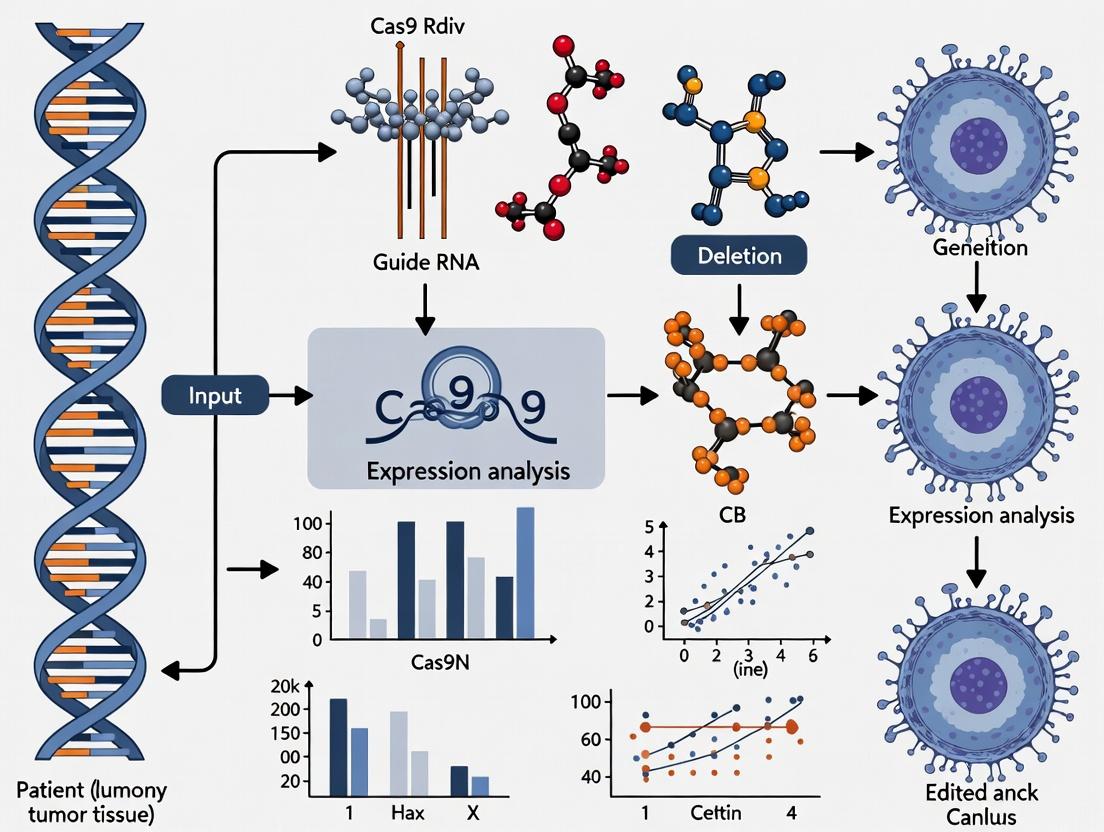
This comprehensive article explores the integration of CRISPR-Cas9 gene-editing technology with Patient-Derived Xenograft (PDX) models, a transformative approach in cancer research.
CRISPR-Cas9 and PDX Models: A Next-Generation Platform for Precision Oncology Research and Drug Development
Abstract
This comprehensive article explores the integration of CRISPR-Cas9 gene-editing technology with Patient-Derived Xenograft (PDX) models, a transformative approach in cancer research. Targeted at researchers and drug development professionals, it covers the foundational rationale for creating genetically engineered PDXs, detailed methodologies for their generation and application in preclinical studies, common challenges and optimization strategies, and rigorous validation against traditional models. The article synthesizes current advancements to demonstrate how CRISPR-engineered PDX models are accelerating the development of targeted therapies and personalized medicine.
Understanding CRISPR-Engineered PDX Models: The New Frontier in Preclinical Cancer Research
CRISPR-Cas9 Engineered Patient-Derived Xenograft (PDX) Models represent a transformative convergence of two powerful technologies. PDX models are created by implanting tumor tissue from a cancer patient directly into an immunodeficient mouse, preserving the original tumor's histopathological and genetic characteristics. CRISPR-Cas9 genome editing is then applied to these models to introduce, correct, or knockout specific genes of interest. This synergy creates a highly sophisticated, in vivo platform that maintains human tumor complexity while allowing precise, causal investigation of gene function, tumor evolution, and therapy response.
Key Quantitative Data
Table 1: Comparative Analysis of Preclinical Cancer Models
| Model Type | Genetic Fidelity (vs. Original Tumor) | Tumor Microenvironment Complexity | Genetic Manipulability | Typical Experiment Duration (Weeks) | Relative Cost |
|---|---|---|---|---|---|
| Cell Line Xenograft | Low (adapts to culture) | Low (mostly murine stroma) | High (via in vitro editing) | 6-10 | $ |
| Standard PDX | High (maintained over passages) | Moderate (human tumor, murine stroma) | Very Low | 12-24 | $$$ |
| CRISPR-Cas9 Engineered PDX | High (with defined modifications) | Moderate (human tumor, murine stroma) | High (in vivo or ex vivo editing) | 14-26 | $$$$ |
Table 2: Common Genetic Modifications in CRISPR-Cas9 PDX Models & Applications
| Modification Type | Target Example | Primary Research Application | Common Readout Metrics |
|---|---|---|---|
| Gene Knockout | TP53, BRCA1, PD-1 | Study tumor suppressor loss, synthetic lethality, immuno-oncology | Tumor growth rate, metastasis incidence, survival curve |
| Oncogene Knock-in | Activating KRAS G12D | Model driver mutation acquisition & targeted therapy resistance | Drug response (Tumor Volume Inhibition %), downstream pathway activation (via IHC) |
| Gene Tagging | Fusion FLAG/HA tag to endogenous protein | Protein localization & interaction studies in vivo | Immunofluorescence, co-immunoprecipitation from tumor lysates |
| Luciferase Reporter | Insertion into safe-harbor locus (e.g., ROSA26) | Longitudinal monitoring of tumor burden & metastasis | Bioluminescence intensity (photons/sec) |
Experimental Protocols
Protocol 1: Ex Vivo CRISPR Editing Followed by PDX Generation This protocol edits tumor cells prior to implantation, ensuring a homogeneously modified graft.
Materials: Fresh or viably cryopreserved patient tumor tissue, immunodeficient mice (e.g., NSG), CRISPR-Cas9 ribonucleoprotein (RNP) complexes, electroporation system, organoid culture media.
Methodology:
- Tumor Dissociation: Mechanically dissociate and enzymatically digest (Collagenase/Hyaluronidase) fresh tumor tissue into single cells/small clusters.
- Electroporation: Mix dissociated cells with pre-complexed Cas9 protein and target-specific sgRNA. Electroporate using optimized conditions (e.g., 1400V, 20ms, 2 pulses).
- Recovery & Selection: Culture cells in organoid media for 3-7 days. Apply antibiotic selection if a resistance cassette was co-edited. Validate editing efficiency via T7 Endonuclease I assay or NGS on cultured cells.
- Implantation: Harvest edited cells/clusters. Resuspend in 50% Matrigel/PBS. Implant 1-5 million cells subcutaneously (or orthotopically) into anesthetized NSG mouse (N=3-5 per group).
- Model Expansion & Banking: Upon tumor growth (~1000 mm³), harvest, and re-implant fragments into subsequent mouse passages to expand the engineered PDX line. Cryopreserve fragments.
Protocol 2: In Vivo CRISPR Editing of Established PDX Models This protocol enables somatic editing in an established tumor within the mouse, modeling intra-tumoral heterogeneity.
Materials: Established PDX-bearing mouse, CRISPR delivery vector (e.g., AAV, lentivirus, lipid nanoparticles), stereotactic injector (for intracranial/orthotopic).
Methodology:
- Tumor Establishment: Allow a standard PDX tumor to grow to a precise, palpable size (e.g., 150-200 mm³).
- Delivery Vector Preparation: Package sgRNA and spCas9 (or saCas9 for AAV) into your chosen in vivo delivery vehicle. Purify and titer.
- Local Intratumoral Injection: Anesthetize the mouse. Using a Hamilton syringe, perform multiple injections (e.g., 3-5 points, 10µL per point) of the CRISPR vector directly into the tumor mass.
- Monitoring & Analysis: Monitor tumor growth via caliper or imaging. Harvest tumors 7-21 days post-injection. Analyze editing efficiency in different tumor regions via DNA sequencing and assess phenotypic consequences via IHC/RNA-seq.
Visualization
Ex Vivo CRISPR-Cas9 PDX Generation Workflow
Logical Flow from Gene Editing to Application
The Scientist's Toolkit: Research Reagent Solutions
| Item | Function & Rationale |
|---|---|
| Immunodeficient Mice (NSG, NOG) | Host for PDX due to severe deficits in innate & adaptive immunity, minimizing graft rejection. |
| Recombinant spCas9 Protein | For RNP complex formation in ex vivo editing; faster action, lower off-target risk vs. plasmid DNA. |
| Synthetic, Chemically Modified sgRNA | Increases stability and editing efficiency of RNP complexes in primary cells. |
| In Vivo-Grade AAV or LNP | Delivery vehicles for in vivo CRISPR editing; AAV for persistent expression, LNP for transient. |
| Matrigel / Basement Membrane Matrix | Provides 3D support for tumor cell survival and engraftment upon implantation. |
| Tumor Dissociation Enzymes (e.g., Liberase) | Gentle, optimized enzyme blends for maximizing viability of primary tumor cells. |
| Bioluminescent Reporter Construct (Luciferase) | Enables non-invasive, longitudinal tracking of tumor growth and metastasis. |
| PDX-Derived Organoid (PDXO) Media | Chemically defined media for short-term culture and expansion of edited primary tumor cells. |
Conventional patient-derived xenograft (PDX) and immortalized cancer cell-line models have been cornerstones of oncology drug discovery. However, within the broader thesis of advancing CRISPR-Cas9-generated PDX models, it is critical to acknowledge their inherent limitations. These models often fail to recapitulate the complex tumor microenvironment (TME), genetic heterogeneity, and treatment response observed in human patients, leading to high attrition rates in clinical trials. This document details the quantitative limitations, provides protocols for comparative analysis, and outlines next-generation solutions.
Quantitative Limitations of Conventional Models
The following tables summarize key data on the shortcomings of conventional models.
Table 1: Comparative Analysis of Model Systems
| Characteristic | 2D Cell Lines | Conventional PDX (Low Passage) | Patient Tumors (Clinical Reality) |
|---|---|---|---|
| Genetic Drift/Divergence | High; 30-50% show significant divergence from origin (Cosmic Database). | Moderate; occurs after >5 passages (mouse-specific evolution). | Baseline. |
| Stromal/Immune Component | Essentially absent (0%). | Limited human stroma; fully murine immune system (lacks human TME). | Complex human-specific stroma and immune landscape. |
| Throughput for Screening | High (suitable for HTS). | Low; expensive, time-consuming (3-6 months generation). | N/A |
| Predictive Value for Phase II | Poor (~5% success rate from preclinical to phase II approval). | Improved but limited (~8-10%); fails in immuno-oncology. | 100% (by definition). |
| Intra-Tumor Heterogeneity | Lost during clonal selection. | Partially retained but can be skewed by engraftment selection. | Fully retained. |
Table 2: Common Discrepancies in Drug Response Data
| Drug/Target Class | Response in 2D Cell Line | Response in Conventional PDX | Clinical Outcome Note |
|---|---|---|---|
| Immunotherapies (e.g., anti-PD1) | Not testable. | Inactive (due to murine immune system). | Active in subset of patients with permissive human TME. |
| Tumor Microenvironment Modulators | No effect or false positive. | Biased by mouse stroma; human-specific factors absent. | Efficacy highly dependent on human stromal interactions. |
| Combination Therapies | Often additive/synergistic in simplistic media. | May show synergy but murine pharmacokinetics differ. | Human pharmacokinetic/dynamic interactions are complex and variable. |
Detailed Experimental Protocols
Protocol 1: Assessing Genetic Drift in Serial PDX Passaging
Objective: To quantify the accumulation of genomic alterations in a conventional PDX model across multiple mouse-to-mouse passages. Materials: See "Research Reagent Solutions" below. Procedure:
- Tissue Sampling: Collect tumor fragments (≥100 mg) from the primary patient tumor (P0), and subsequent PDX passages (P1, P3, P5, P10). Flash-freeze in liquid N₂.
- DNA Extraction: Use the DNeasy Blood & Tissue Kit. Homogenize tissue, digest with Proteinase K, and purify DNA following manufacturer's instructions. Assess quality via Nanodrop (A260/A280 ~1.8) and Qubit.
- Next-Generation Sequencing (NGS): Prepare libraries from 100 ng of DNA using a targeted pan-cancer panel (e.g., 500 genes). Sequence on an Illumina platform to >500x median coverage.
- Bioinformatic Analysis:
- Align reads to the human (hg38) and mouse (mm10) genomes using BWA-MEM.
- Call somatic single nucleotide variants (SNVs) and insertions/deletions (indels) using GATK Mutect2 (with
--normalsample as a matched patient blood or early passage). - Calculate variant allele frequencies (VAFs) for all driver mutations.
- Key Metric: Plot VAF for key driver mutations (e.g., TP53, KRAS) versus passage number. A significant shift (>20% VAF change) or emergence of new clones indicates genetic drift.
Protocol 2: Comparative Drug Efficacy in 2D vs. 3D vs. PDX
Objective: To compare the efficacy of a standard-of-care chemotherapeutic (e.g., Cisplatin) across model systems. Procedure: A. 2D Cell Line Assay:
- Seed cells in 96-well plates at 3000 cells/well. Allow adherence for 24h.
- Treat with a 8-point dose dilution series of Cisplatin (0.1 µM to 100 µM) for 72h.
- Assess viability using CellTiter-Glo 3D. Calculate IC₅₀ using a 4-parameter logistic fit in GraphPad Prism.
B. 3D Spheroid Assay (from same cell line):
- Form spheroids in ultra-low attachment 96-well plates using 1000 cells/well in medium containing 5% Matrigel.
- After 72h (mature spheroid), treat with the same Cisplatin series for 72h.
- Image spheroids daily. Use CellTiter-Glo 3D and measure ATP luminescence. Report fold-change in luminescence vs. control.
C. Conventional PDX Model Assay:
- Implant fragments from a P3 PDX tumor subcutaneously into 20 NSG mice (tumor volume ~150 mm³).
- Randomize into two groups (n=10): Vehicle control and Cisplatin (5 mg/kg, i.p., weekly, 3 cycles).
- Measure tumor volumes bi-weekly using calipers (Volume = (Length x Width²)/2).
- Endpoint Analysis: Calculate Tumor Growth Inhibition (TGI %) = [1 - (ΔT/ΔC)] x 100, where ΔT and ΔC are the mean volume changes in treated and control groups.
Visualizations
Title: Model Limitations Cause Clinical Attrition
Title: Generating Enhanced PDX via CRISPR-Cas9
The Scientist's Toolkit: Research Reagent Solutions
| Reagent/Material | Function/Brief Explanation |
|---|---|
| NSG (NOD-scid-IL2Rγnull) Mice | Immunodeficient host for PDX engraftment; lacks T, B, and NK cells for human tissue acceptance. |
| Matrigel Basement Membrane | Extracellular matrix hydrogel used for 3D spheroid formation and co-injection with tumor cells to enhance PDX take rate. |
| DNeasy Blood & Tissue Kit | For high-quality genomic DNA extraction from hybrid (human/mouse) PDX tissue samples. |
| CellTiter-Glo 3D Assay | Luminescent ATP quantitation assay optimized for viability measurement in 3D spheroids and bulkier tissues. |
| CRISPR-Cas9 RNP Complex | Pre-assembled Ribonucleoprotein of Cas9 protein and sgRNA for efficient, transient gene editing of primary PDX cells. |
| Targeted NGS Pan-Cancer Panel | For cost-effective, deep sequencing of cancer-associated genes to track clonal evolution and genetic drift. |
| Recombinant Human Cytokines (e.g., IL-2, GM-CSF) | Essential for co-engrafting and maintaining human immune components (e.g., PBMCs) in humanized PDX models. |
Application Notes
CRISPR/Cas9-engineered Patient-Derived Xenograft (PDX) models represent a transformative platform in oncology research, bridging the gap between traditional cell lines and clinical reality. By directly implanting human tumor tissue into immunodeficient mice, PDXs retain the original tumor's histopathology, stromal architecture, and genetic heterogeneity. The integration of CRISPR/Cas9 gene-editing enables precise manipulation of key oncogenic drivers, tumor suppressors, and drug-resistance mechanisms within this native context. This combined approach yields models with unparalleled relevance for studying tumor evolution, metastatic cascade, and therapeutic response, directly impacting target validation and preclinical drug efficacy studies.
Quantitative Advantages of CRISPR/Cas9-Edited PDX Models
Table 1: Comparative Genomic and Phenotypic Fidelity of Cancer Models
| Model Parameter | Traditional Cell Line | Conventional PDX | CRISPR/Cas9-Edited PDX |
|---|---|---|---|
| Genetic Heterogeneity | Low | High | High |
| Stromal Microenvironment | Absent/Artificial | Preserved | Preserved |
| Histopathological Architecture | Lost | Retained | Retained |
| Success Rate of Engraftment | N/A | 30-70%* | 30-70%* |
| Tumor Latency Period | N/A | 2-12 months* | 2-12 months* |
| Ability for Isogenic Control Generation | Difficult, lengthy | No | Yes |
| Direct Genetic Manipulation Feasibility | Easy | Very Difficult | Yes |
| Predictive Value for Clinical Response | Low-Moderate | High | Very High |
*Varies significantly by tumor type.
Table 2: Common CRISPR/Cas9 Modifications in PDX for Drug Discovery
| Gene Target | Modification Type | Therapeutic Relevance | Typical Editing Efficiency in PDX* |
|---|---|---|---|
| TP53 | Knockout | Study chemoresistance, tumor progression | 60-85% |
| KRAS G12C | Knock-in | Validate targeted inhibitors (e.g., Sotorasib) | 10-30% |
| EGFR T790M | Knock-in | Model resistance to 1st/2nd gen EGFR-TKIs (Osimertinib response) | 15-40% |
| BRCA1 | Knockout | Investigate PARP inhibitor sensitivity | 50-80% |
| PD-L1 | Overexpression (KI) | Immuno-oncology combo therapy testing | 20-40% |
*Efficiency depends on delivery method (ex vivo vs. in vivo) and tumor cell proliferative rate.
Experimental Protocols
Protocol 1: Ex Vivo CRISPR/Cas9 Editing of Patient-Derived Tumor Cells Prior to Implantation
Objective: To generate genetically engineered PDX models by editing tumor cells prior to engraftment into mice.
Materials:
- Fresh or viably cryopreserved patient tumor sample.
- CRISPR/Cas9 reagents: sgRNA(s), Cas9 protein (RNP complex) or plasmid/viral vector.
- Tumor dissociation kit (e.g., gentleMACS).
- Primary tumor cell culture medium (specialized, serum-free).
- Immunodeficient mice (NSG, NOG, or similar).
- Matrigel, for co-injection.
Methodology:
- Tumor Processing: Mechanically dissociate and enzymatically digest fresh tumor tissue into a single-cell or small-cluster suspension using a validated tumor dissociation system.
- Tumor Cell Enrichment: Use differential centrifugation or low-density gradient to enrich for viable tumor cells. Optional FACS sorting for specific epithelial (e.g., EpCAM+) populations.
- Ex Vivo Electroporation: Resuspend 1x10^6 viable tumor cells in R buffer. Combine with pre-complexed sgRNA:Cas9 Ribonucleoprotein (RNP, 10-50 pmol each). Electroporate using a specialized nucleofector program (e.g., Lonza 4D-Nucleofector, pulse code CM-137). Immediate transfer to pre-warmed culture medium.
- Short-term Recovery: Incubate edited cells in primary tumor medium for 24-48 hours. Do not expand long-term to preserve clonal heterogeneity.
- Engraftment: Mix 0.5-1x10^6 edited cells with 50% Matrigel. Subcutaneously inject (100-200 µL) into the flank of an immunodeficient mouse. Alternatively, inject orthotopically.
- Model Expansion & Validation: Monitor for tumor formation (>100 mm^3). Harvest and re-implant (P1) to expand line. Confirm editing via next-generation sequencing (NGS) of the target locus from the resultant tumor.
Protocol 2: In Vivo CRISPR/Cas9 Editing in Established PDX Tumors via Hydrodynamic Tail Vein Injection
Objective: To manipulate genes in an already established PDX tumor within the mouse, modeling acquired genetic changes.
Materials:
- Established PDX-bearing mouse (subcutaneous tumor ~200 mm^3).
- CRISPR/Cas9 plasmid DNA (expressing sgRNA and Cas9, with liver-specific promoter if targeting host liver).
- Transposon/Transposase system plasmid (e.g., Sleeping Beauty) for stable integration if required.
- Saline (0.9% NaCl).
- High-volume injection system (2-3 mL syringe, 27G needle).
Methodology:
- Construct Preparation: Prepare endotoxin-free plasmid DNA encoding the CRISPR components. For stable genomic modification, co-inject with Sleeping Beauty transposase plasmid at a 10:1 mass ratio.
- Solution Preparation: Dilute plasmid DNA in a large volume of sterile saline (10% of mouse body weight, e.g., 2 mL for a 20g mouse). Filter through a 0.22 µm filter.
- Hydrodynamic Injection: Warm the mouse to dilate tail veins. Rapidly inject the entire volume of DNA solution into the tail vein within 5-8 seconds. The high pressure forces DNA into hepatocytes (for liver metastasis models) or can transfect some tumor cells.
- Monitoring & Analysis: Allow 1-4 weeks for gene editing and phenotypic manifestation. Monitor tumor growth or metastasis. Harvest tumor and/or metastatic organs. Analyze editing efficiency via NGS from genomic DNA isolated from laser-capture microdissected tumor regions.
The Scientist's Toolkit
Table 3: Essential Research Reagent Solutions for CRISPR/PDX Work
| Reagent / Material | Function & Rationale |
|---|---|
| NSG (NOD-scid-IL2Rγnull) Mice | Gold-standard immunodeficient host; lacks T, B, NK cells, enabling high engraftment rates of human tumors and hematopoietic systems. |
| Ribonucleoprotein (RNP) Complexes | Cas9 protein pre-complexed with sgRNA. Direct delivery minimizes off-target effects and enables rapid editing without transcription/translation; ideal for ex vivo editing of primary cells. |
| Recombinant Matrigel | Basement membrane matrix. Co-injection supports tumor cell survival, angiogenesis, and establishment of the tumor microenvironment upon implantation. |
| Tumor Dissociation Enzymes (e.g., Liberase) | Blends of collagenases, elastase, and other enzymes optimized for gentle, high-viability dissociation of complex human tumor tissues into single cells. |
| Primary Tumor Cell Culture Media | Serum-free, chemically defined media (e.g., STEMCELL Technologies' mTeSR or tailored formulations) that maintain tumor-initiating cells and prevent differentiation. |
| Sleeping Beauty Transposon System | Plasmid-based system for stable genomic integration of CRISPR cassettes in dividing cells in vivo, enabling long-term expression and editing. |
| In Vivo Imaging System (IVIS) | Bioluminescent/fluorescent imaging platform for non-invasive, longitudinal tracking of tumor burden, metastasis, and reporter gene expression in live mice. |
Diagrams
CRISPR PDX Model Generation Workflow
Key Pathways Modeled in CRISPR PDX
Application Notes
CRISPR-Cas9 engineered Patient-Derived Xenograft (PDX) models represent a transformative platform bridging basic cancer biology and translational drug development. By introducing precise genetic modifications directly into patient-derived tumor tissues prior to implantation in immunodeficient mice, researchers can dissect gene function, model tumor evolution, and perform pre-clinical co-clinical trials with high predictive fidelity.
Basic Biology: Functional Genomics & Tumorigenesis
Application: Systematic interrogation of gene function in an authentic human tumor microenvironment. CRISPR-Cas9 is used to knock out tumor suppressor genes, activate oncogenes, or introduce specific driver mutations into low-passage PDX cells. This allows for the study of clonal dynamics, synthetic lethality, and adaptive resistance mechanisms in a physiologically relevant context. Recent Data (2023-2024):
- Efficiency: CRISPR editing efficiency in PDX-derived cells typically ranges from 60-80% for single-gene knockouts, as measured by NGS.
- Model Generation Time: From patient sample to validated genetically modified PDX model takes 6-9 months, compared to 4-6 months for unmodified PDX.
- Validation: Edited clones require >70% target modification frequency and in vivo tumor formation to be considered successfully engineered.
Translational Research: Target Validation & Drug Response
Application: Direct evaluation of how specific genetic alterations influence therapeutic response. CRISPR-modified PDX models serve as avatars for patient stratification, identifying biomarkers of sensitivity or resistance to novel targeted agents, chemotherapies, and immunotherapies. Recent Data (2023-2024):
- Co-Clinical Trials: Studies show an 85% concordance between drug response in CRISPR-PDX models and the corresponding patient's clinical outcome when testing targeted therapies.
- Resistance Modeling: Introduction of a common resistance mutation (e.g., EGFR T790M) via CRISPR in a PDX model can confer >100-fold increase in IC50 to first-generation TKIs.
Table 1: Quantitative Summary of Key CRISPR-PDX Applications
| Application Area | Primary Goal | Typical Editing Efficiency | Time to Experimental Readout | Key Measurable Output |
|---|---|---|---|---|
| Gene Function Studies | Define driver gene necessity | 65-80% KO | 3-4 months post-implantation | Tumor growth kinetics, histopathology |
| Synthetic Lethality Screening | Identify combinatorial targets | 50-70% (multi-gene KO) | 4-5 months | Tumor regression vs. control |
| Resistance Mechanism Modeling | Elucidate escape pathways | 70-85% (point mutation KI) | 5-7 months | Drug dose-response curves, survival |
| Biomarker Discovery | Correlate genotype with drug response | N/A (using pre-edited pools) | 3-4 months | Genomic/transcriptomic signatures |
Experimental Protocols
Protocol 1: CRISPR-Cas9 Editing of Low-Passage PDX Cells for Model Generation
Objective: To generate a clonal population of PDX cells with a specific genetic knockout for subsequent in vivo implantation.
Materials:
- Low-passage (P1-P3) PDX-derived single-cell suspension.
- RNP Complex: Alt-R S.p. Cas9 Nuclease V3, Alt-R CRISPR-Cas9 crRNA & tracrRNA.
- Electroporation System (e.g., Lonza 4D-Nucleofector).
- PDX Media: Advanced DMEM/F12, 5% FBS, 1x GlutaMAX, 1x Primocin.
- Selection & Cloning: Puromycin, 96-well limiting dilution plates.
- Validation: PCR primers, T7 Endonuclease I, NGS kit.
Procedure:
- Tumor Dissociation: Mechanically and enzymatically dissociate a freshly harvested PDX tumor (≤1 cm³) to a single-cell suspension. Filter through a 70µm strainer.
- RNP Formation: Resuspend 5µg of Cas9 protein with 3µg of pre-complexed crRNA:tracrRNA duplex (targeting gene of interest) in 20µL nucleofection buffer. Incubate 10 min at RT.
- Electroporation: Mix 1x10⁶ PDX cells with RNP complex. Electroporate using a pre-optimized program (e.g., CM-137). Immediately transfer to pre-warmed media.
- Recovery & Selection: Culture cells for 72 hours. If using a co-delivered puromycin resistance marker, apply puromycin (1-2 µg/mL) for 5-7 days.
- Clonal Isolation: Perform limiting dilution in 96-well plates to obtain single-cell clones. Expand for 2-3 weeks.
- Genotypic Validation:
- Screen clones by PCR amplification of the target region and T7E1 assay.
- For confirmed edited clones, perform Sanger or NGS to determine exact indel spectrum or knock-in sequence.
- Select 2-3 clones with frameshift mutations or desired edits for in vivo passage.
- In Vivo Reconstitution: Subcutaneously implant 1x10⁶ edited cells mixed with Matrigel (1:1) into NSG mice. Monitor for tumor formation.
Protocol 2: In Vivo Drug Efficacy Study in CRISPR-Edited PDX Models
Objective: To assess the impact of a genetic alteration on sensitivity to a standard-of-care or investigational drug.
Materials:
- Mice bearing CRISPR-edited PDX tumors (200-300 mm³).
- Test compound and vehicle control.
- Calipers, electronic scale.
- Materials for endpoint analysis: EDTA tubes (for blood), formalin-fixed and OCT-embedded tumor samples.
Procedure:
- Randomization: When tumors reach 200-300 mm³, randomize mice into treatment and control groups (n=6-8/group) to ensure equal mean tumor volume.
- Dosing: Administer drug or vehicle via the clinically relevant route (oral gavage, IP, IV) at the pre-determined maximum tolerated dose (MTD) or pharmacologically active dose.
- Monitoring: Measure tumor volumes (TV = (L x W²)/2) and body weight 2-3 times weekly.
- Endpoint & Analysis:
- Sacrifice mice at a predetermined endpoint (e.g., control TV > 1500 mm³).
- Calculate key metrics: Tumor Growth Inhibition (TGI %) = (1 - (ΔT/ΔC)) x 100, where ΔT and ΔC are the mean TV change in treated and control groups.
- Perform ex vivo analyses: IHC for target engagement (p-ERK, Cleaved Caspase-3), Western blot, or RNA-seq on harvested tumors.
- Statistical Analysis: Compare tumor growth curves using repeated measures two-way ANOVA. Log-rank test for survival analyses.
Visualization
Title: CRISPR-PDX Model Generation Workflow
Title: Oncogenic Pathway & Therapeutic Intervention
The Scientist's Toolkit: Research Reagent Solutions
Table 2: Essential Materials for CRISPR-PDX Research
| Reagent/Material | Supplier Examples | Function in CRISPR-PDX Workflow |
|---|---|---|
| Alt-R CRISPR-Cas9 System | Integrated DNA Technologies (IDT) | Provides high-fidelity Cas9 enzyme and synthetic guide RNAs for precise editing with minimal off-target effects. |
| Nucleofector Technology | Lonza | Enables high-efficiency delivery of RNP complexes into hard-to-transfect primary PDX cells. |
| Matrigel Basement Membrane Matrix | Corning | Mixed with tumor cells for subcutaneous implantation, enhancing engraftment rates by providing a supportive microenvironment. |
| Immunodeficient Mice (NSG) | The Jackson Laboratory | NOD-scid IL2Rγ[null] mice lack adaptive immunity and have reduced innate immunity, allowing robust engraftment of human PDX tissue. |
| Primocin | InvivoGen | Broad-spectrum antibiotic/antimycotic used in PDX cell culture to prevent contamination from primary tissue. |
| T7 Endonuclease I | New England Biolabs (NEB) | Enzyme used for initial rapid genotyping to detect CRISPR-induced indel mutations via mismatch cleavage assay. |
| Next-Generation Sequencing Kit | Illumina (MiSeq), Paragon Genomics | For deep sequencing of the target locus to quantify editing efficiency and characterize the exact spectrum of mutations. |
| PDX Tumor Dissociation Kits | Miltenyi Biotec, STEMCELL Technologies | Optimized enzyme blends for gentle and efficient dissociation of PDX tumors into viable single-cell suspensions. |
Ethical Considerations and Best Practices in Genetically Engineering Human-Derived Tissues
Patient-Derived Xenograft (PDX) models, created by implanting human tumor tissues into immunodeficient mice, are a gold standard in oncology research. The integration of CRISPR-Cas9 for precise genetic engineering of these human-derived tissues ex vivo prior to implantation has revolutionized the study of tumorigenesis, drug resistance, and personalized therapy. This application note details the ethical frameworks and procedural best practices essential for conducting this research responsibly and reproducibly.
Section 1: Core Ethical Considerations & Governance
The genetic manipulation of human-derived tissues necessitates a rigorous ethical framework, particularly when tissues are intended for in vivo animal studies.
1.1 Donor Consent & Tissue Provenance
- Informed Consent: Donor consent must be explicit, covering the use of tissue for genetic engineering, xenotransplantation into animal models, and potential commercial drug development. Broad ("blanket") consent is discouraged; tiered or dynamic consent models are preferred.
- De-identification & Privacy: Donor identifiers must be removed, and data stored under strict governance (e.g., HIPAA, GDPR). A robust system linking tissue to key clinical data (e.g., treatment history, genomics) while protecting donor identity is critical.
1.2 Oversight and Review All protocols require multi-level review:
- Institutional Review Board (IRB): Reviews human subject protection in tissue acquisition.
- Institutional Animal Care and Use Committee (IACUC): Reviews the justification for using animals and ensures humane endpoints.
- Institutional Biosafety Committee (IBC): Reviews the safety of using CRISPR vectors and engineered tissues.
1.3 "Humanization" and Moral Status Engineering human tissues, especially incorporating germline or neuronal cell types into animal models, raises concerns about conferring uniquely human characteristics. Best practice is to avoid engineering neural crest cells or gamete-precursor cells into PDX models unless absolutely necessary and with heightened ethical review.
Table 1: Key Ethical Review Checkpoints for CRISPR-Engineered PDX Workflows
| Research Stage | Primary Ethical Concern | Oversight Body | Required Documentation |
|---|---|---|---|
| Tissue Acquisition | Donor autonomy, privacy | IRB | Valid informed consent form, Data Encryption Plan |
| Ex Vivo Genetic Engineering | Biosafety, unintended consequences | IBC | RDNA protocol, Risk Assessment, Containment Level |
| Animal Implantation | Animal welfare, "humanization" | IACUC | Scientific justification, Humane endpoint criteria |
| Data Sharing & Publication | Donor privacy, benefit sharing | IRB/Data Access Committee | Data Use Agreement, Anonymization Certificate |
Section 2: Best Practice Protocols for CRISPR Engineering of PDX Tissues
2.1 Protocol: CRISPR-Cas9 Editing of Patient-Derived Tumor Organoids Pre-Implantation This protocol details the knock-in of a luciferase reporter tag into a PDX-derived organoid line for bioluminescent tracking.
Materials (Research Reagent Solutions):
- Patient-Derived Organoids (PDOs): Cultured from primary PDX tissue in Matrigel domes with tailored, serum-free medium.
- RNP Complexes: Recombinant S.p. Cas9 protein and synthetic sgRNA (targeting safe-harbor locus like AAVS1), reconstituted in nuclease-free buffer.
- Electroporation System: Neon Transfection System (Thermo Fisher) or comparable nucleofector.
- HDR Template: Single-stranded DNA donor oligonucleotide containing Luc2-P2A-mCherry sequence flanked by ~100bp homology arms.
- Recovery Medium: Organoid culture medium supplemented with 10µM Y-27632 (ROCK inhibitor).
- Validation Reagents: Primers for genomic PCR, anti-mCherry antibody for flow cytometry, luciferin substrate.
Methodology:
- Organoid Preparation: Harvest and dissociate PDX-derived organoids into single cells or small clusters using TrypLE. Count viable cells.
- RNP Formation: For 10⁵ cells, incubate 5µg Cas9 protein with 200pmol sgRNA in 10µL buffer for 10 min at 25°C.
- Electroporation: Mix RNP complex with cells and 200pmol HDR template. Electroporate using optimized parameters (e.g., 1400V, 20ms, 1 pulse for Neon). Immediately transfer to pre-warmed recovery medium.
- Recovery & Selection: Plate cells in Matrigel. After 72h, add puromycin (if donor includes a resistance cassette) for 5-7 days to select edited clones.
- Expansion & Validation: Expand resistant organoids. Validate via: i) Genomic PCR of the targeted locus, ii) Flow cytometry for mCherry fluorescence, iii) Bioluminescence assay upon luciferin addition.
- Implantation: Harvest validated organoids, mix with Matrigel, and subcutaneously implant into NSG mice (IACUC-approved protocol).
CRISPR Engineering & Validation Workflow for PDX Organoids
2.2 Protocol: In Vivo Monitoring and Endpoint Ethics Following implantation of engineered tissues, stringent monitoring is required.
Methodology:
- Tumor Monitoring: Measure tumor volume via calipers 3x/week. Perform bioluminescent imaging 2x/week post-luciferin injection.
- Humane Endpoints: Pre-defined endpoints must be strict: tumor burden ≤2000mm³, no ulceration, >20% body weight loss, or signs of distress. Euthanasia must follow AVMA guidelines.
- Tissue Harvest: Upon reaching endpoint, harvest tumor, snap-freeze for -omics analysis, and/or re-establish as a next-generation PDX line in culture.
Section 3: Data Integrity & Reporting Standards
Table 2: Quantitative Metrics for Reporting Engineered PDX Models
| Parameter | Typical Benchmark | Measurement Method | Reporting Requirement |
|---|---|---|---|
| Editing Efficiency | 10-40% (HDR in primary cells) | NGS of targeted locus (≥10,000x depth) | Mandatory |
| Off-Target Effect Assessment | < 0.5% indels at top 5 predicted sites | GUIDE-seq or CIRCLE-seq | Highly Recommended |
| Organoid Take Rate | 50-80% (varies by cancer type) | Successful tumor growth in mice | Mandatory |
| Model Latency Period | 2-6 months | Time from implant to endpoint | Mandatory |
| Phenotypic Concordance | >85% histology match to primary | Pathologist review (blinded) | Mandatory |
Multi-Committee Oversight of Engineered PDX Research
The Scientist's Toolkit: Key Research Reagent Solutions
| Item | Function & Rationale |
|---|---|
| Matrigel / BME | Basement membrane extract for 3D organoid culture, maintaining tissue architecture and stemness. |
| Recombinant Cas9 Protein | Enables rapid, vector-free RNP delivery, reducing off-target DNA exposure and simplifying regulatory approval. |
| Synthetic sgRNA | High-purity, chemical synthesis ensures reproducibility and reduces immune responses in primary cells. |
| Neon Transfection System | Optimized electroporation for high-efficiency delivery to sensitive primary and stem cells. |
| Y-27632 (ROCK Inhibitor) | Improves viability of dissociated primary cells and stem cells by inhibiting apoptosis. |
| In Vivo Imaging System (IVIS) | Allows non-invasive, longitudinal tracking of luciferase-tagged tumors in live animals. |
| NSG (NOD-scid-IL2Rγnull) Mice | Gold-standard immunodeficient host for high engraftment rates of human tissues. |
The genetic engineering of human-derived tissues for PDX modeling is a powerful tool that must be balanced with rigorous ethical stewardship and standardized protocols. Adherence to informed consent principles, multi-committee oversight, and transparent reporting of both genetic and phenotypic data ensures the scientific integrity and social responsibility of this transformative research.
Step-by-Step Guide: Building and Utilizing CRISPR-PDX Models for Targeted Therapy Screening
Application Notes
The generation of genetically modified Patient-Derived Xenograft (PDX) models via CRISPR-Cas9 represents a transformative approach in preclinical oncology research. This workflow integrates human tumor biology with precise genetic engineering, creating cohorts that recapitulate patient-specific genetics alongside defined, clinically relevant mutations (e.g., in oncogenes, tumor suppressors, or drug-resistance genes). These models serve as a high-fidelity platform for studying tumor evolution, biomarker discovery, and evaluating combination therapies. Key advantages include the preservation of original tumor histopathology, stroma, and genomic heterogeneity, while enabling isogenic control through genetic modification. The primary challenges are the low efficiency of ex vivo manipulation of primary tumor cells and the timeline, requiring 6-12 months to establish a modified cohort.
Table 1: Quantitative Benchmarks for Key Workflow Steps
| Workflow Stage | Typical Success Rate | Timeframe | Key Determinants of Success |
|---|---|---|---|
| Patient Biopsy Processing | >95% | 1-2 hours | Tumor viability, sterile technique, rapid processing. |
| Tumor Tissue Implantation (NSG mouse) | 20-70% (engraftment) | 3-6 months | Tumor type, tumor grade, sample size. |
| PDX Expansion & Characterization | >90% (passage) | 2-3 months | Stable growth kinetics, histopathology concordance. |
| Tumor Dissociation & Cell Culture | 60-85% (viable cells) | 3-7 days | Enzymatic cocktail optimization, fibroblast overgrowth. |
| Ex Vivo CRISPR-Cas9 Editing | 10-40% (editing efficiency) | 1-2 weeks | Delivery method (nucleofection vs. viral), guide RNA design. |
| In Vivo Selection & Cohort Generation | 50-80% (of edited lines) | 2-4 months | Number of implanted cells, in vivo selection pressure. |
Detailed Protocols
Protocol 1: Establishment of Primary PDX Line from Surgical Biopsy
Objective: To engraft and propagate human tumor tissue in immunodeficient mice. Materials: Fresh tumor tissue (<1hr post-resection), NOD.Cg-Prkdcscid Il2rgtm1Wjl/SzJ (NSG) mice (6-8 weeks old), RPMI-1640 medium on ice, sterile surgical tools, Matrigel.
- Tissue Processing: Mince 20-50 mg of viable tumor into ~1-3 mm³ fragments in cold RPMI-1640.
- Implantation: Mix one fragment with 50µL of Matrigel. Using a trocar, implant subcutaneously into the flank of an anesthetized NSG mouse. Implant 2-3 fragments per mouse as technical replicates.
- Monitoring: Monitor tumor volume (V = (L x W²)/2) twice weekly. Upon reaching 1000-1500 mm³, euthanize the mouse.
- Passaging: Aseptically excise the xenograft. Subdivide for (a) cryopreservation in 90% FBS/10% DMSO, (b) formalin-fixation for histology (H&E, IHC), (c) genomic DNA/RNA extraction, and (d) serial passage into new mice (P1 generation). Use P2/P3 tumors for CRISPR editing.
Protocol 2: Ex Vivo CRISPR-Cas9 Editing of PDX-Derived Cells
Objective: To introduce specific genetic modifications into dissociated PDX tumor cells. Materials: P2/P3 PDX tumor, Tumor Dissociation Kit (e.g., Miltenyi Biotec), Nucleofector System (Lonza), sgRNA targeting gene of interest (e.g., TP53 R175H), SpCas9 protein, Recombinant Cas9 Electroporation Enhancer, PDX culture medium (e.g., DMEM/F12 with growth factors).
- Single-Cell Suspension: Dissociate a 300-500 mg PDX tumor using a gentleMACS Dissociator with enzymatic tubes per manufacturer's protocol. Filter (70µm), wash, and resuspend in PBS. Perform viability count (Trypan Blue).
- RNP Complex Formation: For 1x10⁶ cells, combine 6µg of SpCas9 protein, 2µg of synthetic sgRNA, and 2µL of Electroporation Enhancer in 20µL total nucleofection solution. Incubate 10 min at RT.
- Nucleofection: Pellet 1x10⁶ viable cells. Resuspend pellet in the RNP complex solution. Transfer to a nucleofection cuvette and run the pre-optimized program (e.g., DS-113 for primary cells).
- Recovery & Validation: Immediately add pre-warmed medium and transfer cells to a collagen-coated plate. After 72h, harvest a subset for genomic DNA. Assess editing efficiency via T7 Endonuclease I assay or targeted deep sequencing (>50x coverage). Expand remaining cells for in vivo implantation.
Protocol 3: Generation of a Genetically Modified PDX Cohort
Objective: To generate a cohort of mice bearing isogenic, genetically defined PDX tumors. Materials: Edited PDX cells (from Protocol 2), Control (non-edited) PDX cells, NSG mice, Matrigel.
- Cell Preparation: Harvest edited and control cells. Prepare a suspension of 0.5-1.0 x 10⁶ viable cells in a 1:1 mix of medium and Matrigel (50µL total volume per implant).
- Cohort Implantation: Subcutaneously inject cell suspension into the flanks of 6-8 week-old female NSG mice (n=5-8 per group: Edited, Control). For the "Edited" group, pool cells from the same editing reaction.
- Cohort Monitoring: Measure tumors bi-weekly. When control tumors reach ~500 mm³, perform an interim harvest of 2-3 tumors per group for validation (deep sequencing, Western blot).
- Experimental Readout: Continue monitoring until endpoint (e.g., 1500 mm³ or predefined study duration). Perform final harvest: weigh tumors, document growth curves, and process tissue for downstream analyses (omics, pharmacology).
Visualizations
Title: PDX CRISPR Workflow from Biopsy to Cohort
Title: CRISPR-Cas9 Gene Editing Mechanism in PDX Cells
The Scientist's Toolkit: Research Reagent Solutions
Table 2: Essential Reagents for CRISPR-Modified PDX Generation
| Item | Function & Rationale | Example Product/Catalog |
|---|---|---|
| Immunodeficient Mice | Host for engrafting human tissue, lacking adaptive immunity to minimize rejection. Essential for PDX establishment. | NOD.Cg-Prkdcscid Il2rgtm1Wjl/SzJ (NSG) from Jackson Lab. |
| Tumor Dissociation Kit | Optimized enzyme blend for gentle dissociation of PDX tissue into viable single cells, preserving cell surface receptors. | Miltenyi Biotec, Human Tumor Dissociation Kit (130-095-929). |
| Recombinant Cas9 Protein | High-purity, ready-to-use nuclease for RNP complex formation. Enables rapid, transient editing without DNA vectors. | Synthego, S.p. Cas9 2NLS Nuclease (Cas9-101). |
| Chemically Modified sgRNA | Synthetic guide RNA with stability enhancements (e.g., 2'-O-methyl analogs) to increase editing efficiency and reduce immunogenicity. | Synthego, synthetic sgRNA, 2 nmol scale. |
| Nucleofector Kit | Cell-type specific electroporation reagents and protocols for high-efficiency delivery of RNPs into hard-to-transfect primary cells. | Lonza, P3 Primary Cell 96-well Nucleofector Kit (V4SP-3096). |
| ssODN HDR Template | Single-stranded DNA oligo donor template for precise knock-in of point mutations or tags via homology-directed repair (HDR). | IDT, Ultramer DNA Oligo, 100-200 nt. |
| PDX Culture Medium | Specialty, serum-free medium formulated to support the short-term survival and proliferation of primary tumor cells while suppressing stromal overgrowth. | Stemcell Technologies, MammoCult Human Medium Kit (05620). |
| Matrigel | Basement membrane matrix. Used for implanting tumor fragments/cells to enhance engraftment by providing structural support and growth signals. | Corning, Matrigel Matrix, Phenol Red-free (356237). |
Within the broader scope of developing CRISPR-Cas9 generated patient-derived xenograft (PDX) cancer models, the choice of delivery vehicle for ex vivo tumor cell editing is a critical determinant of model fidelity and experimental success. This application note compares two dominant strategies: lentiviral transduction and ribonucleoprotein (RNP) complex electroporation. The selection directly impacts editing efficiency, off-target effects, cellular toxicity, and the phenotypic outcomes of the engineered PDX models, which are essential for preclinical drug discovery and functional genomics.
Quantitative Comparison of Delivery Strategies
Table 1: Comparative Analysis of Lentiviral vs. RNP Delivery for Ex Vivo Editing
| Parameter | Lentiviral Delivery | RNP Complex Delivery |
|---|---|---|
| Primary Mechanism | Stable genomic integration of Cas9/sgRNA expression cassette. | Direct delivery of pre-assembled Cas9 protein + sgRNA. |
| Editing Kinetics | Slow (days); dependent on expression onset. | Rapid (hours); editing occurs immediately. |
| Editing Efficiency | High, but variable (typically 60-90%). | Very high and consistent (often >80% in amenable cells). |
| Multiplexing Capacity | High; multiple sgRNAs can be encoded in a single vector. | Moderate; co-electroporation of multiple RNPs is possible but complex. |
| Risk of Off-Target Effects | Higher; prolonged Cas9 expression increases window for off-target cleavage. | Lower; transient Cas9 presence reduces off-target activity. |
| Cellular Toxicity/Stress | Moderate; viral response and constant nuclease activity. | Variable; depends on electroporation optimization (generally higher immediate stress). |
| Immunogenicity | Higher; viral components can trigger immune responses in primary cells. | Lower; protein/RNA complexes are less immunogenic than viral vectors. |
| Handling & Biosafety | BSL-2+; requires viral production and handling protocols. | BSL-1; no viral vectors, simplified regulatory path. |
| Ideal Application in PDX Workflow | For long-term studies requiring stable gene knockout, in vivo selection, or complex multigene edits. | For rapid, high-efficiency knockout with minimal off-targets, essential for sensitive primary tumor cells. |
Detailed Experimental Protocols
Protocol 1: Ex Vivo Lentiviral Transduction of Primary PDX Tumor Cells
Objective: To achieve stable CRISPR-Cas9 mediated knockout in dissociated PDX tumor cells for subsequent engraftment.
Materials: Dissociated single-cell suspension from PDX tissue, lentiviral particles (e.g., LentiCRISPRv2), Polybrene (8 µg/mL), Complete growth medium, 6-well ultra-low attachment plates.
Procedure:
- Tumor Dissociation: Mechanically and enzymatically dissociate PDX tumor tissue to a single-cell suspension. Remove red blood cells and debris via density gradient centrifugation or ACK lysis.
- Viral Transduction: a. Plate 0.5-1 x 10^6 viable cells per well in a 6-well plate in 1.5 mL of medium containing Polybrene. b. Add lentiviral particles at a pre-titrated MOI (Multiplicity of Infection, typically 5-20). Include a non-targeting sgRNA control. c. Centrifuge the plate at 800 x g for 30-60 minutes at 32°C (spinoculation) to enhance infection. d. Incubate at 37°C, 5% CO2 for 6-24 hours.
- Recovery & Selection: a. Replace the virus-containing medium with fresh complete medium. b. 48-72 hours post-transduction, add appropriate antibiotic (e.g., Puromycin, 1-5 µg/mL) for stable integrant selection. Maintain selection for 5-7 days.
- Validation & Engraftment: a. Harvest an aliquot for genomic DNA extraction. Assess editing efficiency via T7 Endonuclease I assay or NGS. b. Expand edited cells and prepare for subcutaneous or orthotopic injection into immunodeficient mice (e.g., NSG) to generate the next-generation, genetically engineered PDX model.
Protocol 2: Ex Vivo RNP Electroporation of Primary PDX Tumor Cells
Objective: To achieve rapid, transient, and high-efficiency gene knockout in dissociated PDX tumor cells.
Materials: Dissociated PDX single-cell suspension, recombinant S.p. Cas9 protein, synthetic sgRNA (crRNA + tracrRNA or synthetic single guide), Electroporation buffer (e.g., P3 Primary Cell Buffer), Electroporation cuvettes and system (e.g., Lonza 4D-Nucleofector), Recovery medium.
Procedure:
- RNP Complex Assembly: a. For a single reaction, complex 30-60 pmol of recombinant Cas9 protein with 60-120 pmol of sgRNA (2:1 molar ratio) in a nuclease-free buffer. b. Incubate at room temperature for 10-20 minutes to allow RNP formation.
- Cell Preparation: a. Prepare a high-viability single-cell suspension from PDX tissue. Count and pellet 0.5-1 x 10^6 cells. b. Resuspend the cell pellet in 20 µL of pre-warmed electroporation buffer.
- Electroporation: a. Mix the cell suspension with the pre-formed RNP complex. Transfer the total volume to an electroporation cuvette. b. Electroporate using a pre-optimized program (e.g., for primary mammalian cells: CM-137 or DS-138 on the 4D-Nucleofector system). c. Immediately add 80 µL of pre-warmed recovery medium to the cuvette.
- Recovery & Engraftment: a. Transfer the cells to a pre-warmed culture plate with complete medium. Do not disturb for 12-24 hours. b. 48-72 hours post-electroporation, harvest cells for genomic DNA analysis to confirm editing efficiency. c. Prepare the edited cells for immediate engraftment into recipient mice, minimizing in vitro culture to preserve tumor-initiating cell properties.
The Scientist's Toolkit: Essential Research Reagents
Table 2: Key Reagents for Ex Vivo CRISPR Editing in PDX Models
| Item | Function & Relevance |
|---|---|
| Recombinant S.p. Cas9 Nuclease | High-purity protein for RNP assembly; ensures rapid, transient activity with minimal immunogenicity. |
| Synthetic sgRNA (Alt-R CRISPR-Cas9) | Chemically modified for enhanced stability and reduced immunogenicity; critical for RNP efficiency. |
| LentiCRISPRv2 Vector | All-in-one lentiviral vector expressing Cas9, sgRNA, and a puromycin resistance marker for stable integration. |
| Polybrene | Cationic polymer that enhances viral transduction efficiency by neutralizing charge repulsion. |
| Lonza P3 Primary Cell Buffer & 4D-Nucleofector | Optimized system for high-efficiency, low-toxicity electroporation of sensitive primary tumor cells. |
| T7 Endonuclease I (T7EI) Assay Kit | Quick, cost-effective method for initial assessment of indel formation efficiency at the target locus. |
| Next-Generation Sequencing (NGS) Library Prep Kit | Gold standard for quantifying precise editing efficiency and analyzing off-target effects. |
| Puromycin Dihydrochloride | Selection antibiotic for cells stably transduced with lentiviral constructs containing the pac resistance gene. |
| Ultra-Low Attachment Plates | Prevents adherence and differentiation of tumor-initiating cells during ex vivo culture post-editing. |
| Matrigel, Growth Factor Reduced | Used for resuspending tumor cells prior to implantation; enhances engraftment efficiency in mice. |
Visualization Diagrams
Diagram 1: Workflow: Ex Vivo CRISPR Editing for PDX Generation
Diagram 2: Key Properties Comparison: Lentivirus vs. RNP
Within the thesis framework of CRISPR-Cas9 generated PDX models, precise target selection is paramount. This protocol details the integrated application of these models to functionally validate three pillars of modern oncology drug discovery: (1) Driver Mutations (oncogenic dependencies), (2) Resistance Mechanisms (adaptive responses to therapy), and (3) Synthetic Lethality (context-specific vulnerabilities). PDX models, which recapitulate human tumor heterogeneity and microenvironment, provide an ideal in vivo platform. CRISPR engineering of these models allows for the systematic introduction or correction of genetic alterations, enabling causal studies that bridge genomics with therapy response.
Core Application Workflow: Patient-derived tumors are expanded in immunocompromised mice to establish a PDX line. CRISPR-Cas9 is used to isogenically engineer specific genetic variants into these cells. The engineered tumor cells are then re-implanted for in vivo studies to test therapeutic hypotheses, creating a rapid, clinically relevant feedback loop for target prioritization.
Table 1: Common CRISPR-Engineered Alterations in PDX Models for Target Validation
| Target Category | Example Gene | Alteration Type | Therapeutic Modality Tested | Typical PDX Response Metric (vs. Control) |
|---|---|---|---|---|
| Driver Mutation | EGFR | L858R Mutation Intro | EGFR TKI (e.g., Osimertinib) | Tumor Growth Inhibition (TGI) > 70% |
| Driver Mutation | KRAS | G12C Knock-in | KRAS G12C Inhibitor (e.g., Sotorasib) | TGI ~ 60-80% |
| Resistance Mechanism | EGFR | T790M Knock-in | 1st Gen vs. 3rd Gen TKI | T790M confers resistance (TGI < 20%) to 1st Gen |
| Synthetic Lethality | BRCA1 | Knockout | PARP Inhibitor (e.g., Olaparib) | Tumor Regression; Increased Survival |
| Synthetic Lethality | MTAP | Deletion | PRMT5 Inhibitor | Selective TGI > 50% in MTAP-null only |
Table 2: Assay Parameters for In Vivo Validation Studies
| Parameter | Typical Value / Range | Measurement Endpoint |
|---|---|---|
| PDX Implant Cell Number | 1-5 x 10^6 cells (matrigel suspension) | Tumor engraftment rate (%) |
| Treatment Start Volume | 100-150 mm³ | Baseline for TGI calculation |
| Treatment Duration | 21-28 days | Tumor volume (caliper, 2-3x/week) |
| Cohort Size (n) | 6-8 mice per group | Statistical power (p<0.05) |
| TGI Calculation | (1 - (ΔT/ΔC)) * 100 | % TGI at study end |
Experimental Protocols
Protocol 3.1: CRISPR-Cas9 Engineering of PDX-Derived Cells for Target Modeling Objective: To introduce a specific point mutation (e.g., KRAS G12C) into a wild-type PDX-derived cell culture to model a driver alteration. Materials: Dissociated PDX tumor cells, CRISPR-Cas9 ribonucleoprotein (RNP) complex, ssODN donor template, Nucleofector System, PDX culture medium. Procedure:
- Design & Preparation: Design sgRNA targeting the KRAS codon 12 locus. Synthesize a chemically modified sgRNA and a 100-nt single-stranded oligodeoxynucleotide (ssODN) donor template encoding the G12C mutation and a silent PAM-disrupting change.
- RNP Complex Formation: Combine 10 pmol of purified Cas9 protein with 30 pmol of sgRNA. Incubate at 25°C for 10 min.
- Cell Electroporation: Harvest 1x10^5 PDX cells, resuspend in Nucleofector solution. Mix cell suspension with RNP complex and 100 pmol of ssODN. Electroporate using a pre-optimized program (e.g., CM-137).
- Recovery & Expansion: Immediately transfer cells to pre-warmed medium. Culture for 48-72 hours.
- Validation: Extract genomic DNA. Perform PCR and Sanger sequencing (or NGS) of the target locus to confirm precise editing. Expand edited cells for in vivo implantation.
Protocol 3.2: In Vivo Synthetic Lethality Screen using CRISPR-Modified PDX Models Objective: To validate a synthetic lethal interaction (e.g., BRCA1 KO + PARPi) in an in vivo PDX context. Materials: BRCA1-edited and non-targeting control (NTC) PDX cells, NSG mice, Olaparib (formulated in vehicle), Caliper. Procedure:
- Model Generation: Implant 2.5x10^6 BRCA1-KO and NTC PDX cells subcutaneously into contralateral flanks of NSG mice (n=8/group).
- Randomization & Blinding: Once tumors reach ~100 mm³, randomize mice into treatment cohorts. Earmark mice and label cages to blind the experimenter to genotype during measurements.
- Treatment: Administer Olaparib (50 mg/kg, oral gavage, QD) or vehicle control. Treat for 28 days.
- Monitoring: Measure tumor dimensions 3 times weekly. Calculate volume: V = (Length x Width²)/2. Monitor body weight twice weekly.
- Analysis: Plot mean tumor volume ± SEM. Compare final tumor volumes and survival curves between BRCA1-KO/Olaparib and all other groups using two-way ANOVA. A statistically significant interaction term confirms the synthetic lethal phenotype in vivo.
Signaling Pathways & Workflow Diagrams
Diagram 1: CRISPR PDX Target Validation Workflow
Diagram 2: Oncogenic RAS Signaling & Resistance
The Scientist's Toolkit: Research Reagent Solutions
Table 3: Essential Materials for CRISPR-PDX Target Selection Studies
| Reagent/Material | Supplier Examples | Function in Protocol |
|---|---|---|
| Immunocompromised Mice (NSG) | Jackson Laboratory | In vivo host for PDX engraftment and therapy studies. |
| Recombinant Cas9 Nuclease | IDT, Thermo Fisher | Core enzyme for CRISPR-mediated genome editing. |
| Chemically Modified sgRNA | Synthego, IDT | Increases stability and reduces immune response in cells. |
| ssODN Donor Template | IDT, Sigma | Homology-directed repair template for precise knock-in. |
| Nucleofector Kits (for primary cells) | Lonza | High-efficiency transfection of hard-to-transfect PDX cells. |
| Matrigel Matrix | Corning | Basement membrane extract for co-implantation, improving tumor take rate. |
| Tumor Dissociation Kit | Miltenyi Biotec | Gentle enzymatic dissociation of PDX tissue to single cells. |
| Next-Gen Sequencing Kit (Amplicon) | Illumina, Paragon Genomics | For deep sequencing of edited loci to assess editing efficiency and purity. |
| Formulated Drug Compounds | MedChemExpress, Selleckchem | For in vivo pharmacological validation of targets. |
Application Notes
Patient-derived xenograft (PDX) models generated with CRISPR-Cas9 gene editing represent a transformative platform for preclinical oncology research. These models, which involve the implantation of human tumor tissue into immunocompromised mice, retain the genetic and histological heterogeneity of the original patient tumor. CRISPR-Cas9 modification of PDX models enables precise interrogation of gene function, creation of reporter lines, and introduction of specific mutations or resistance alleles. This allows for highly relevant in vivo studies of drug efficacy, biomarker discovery, and rational combination therapy testing, directly feeding into personalized medicine strategies.
Drug Efficacy Studies: CRISPR-modified PDX models provide a robust system for evaluating therapeutic response. By introducing specific genetic alterations (e.g., oncogenic drivers, resistance mutations), researchers can assess drug sensitivity or resistance in a clinically relevant microenvironment. Longitudinal monitoring of tumor volume and functional imaging offers quantitative readouts. Recent studies demonstrate that PDX models have a predictive accuracy of 87% for clinical outcomes when evaluating drug efficacy, significantly higher than cell line-derived xenografts.
Biomarker Discovery: The genomic fidelity of PDX models makes them ideal for correlating genetic alterations with treatment response. CRISPR can be used to validate candidate biomarkers by knocking them out or in. For instance, PDX models with CRISPR-inactivated BRCA1 show heightened sensitivity to PARP inhibitors, validating BRCA status as a predictive biomarker. Multi-omics analysis (genomics, transcriptomics, proteomics) of treated vs. untreated PDX tumors is a standard approach.
Combination Therapy Testing: The complexity of cancer often necessitates multi-agent regimens. CRISPR-PDX models facilitate the mechanistic testing of rational combinations. A common strategy involves sensitizing tumors by knocking out a bypass signaling node and then applying a targeted agent. Data shows that ~65% of tested drug combinations show synergistic effects in PDX models, with a significant portion progressing to clinical trials.
Table 1: Quantitative Outcomes from CRISPR-PDX Studies in Oncology
| Application | Typical Readout | Common Metrics | Reported Success Rate/Correlation | Key Advantage |
|---|---|---|---|---|
| Drug Efficacy | Tumor Growth Inhibition | Tumor Volume (mm³), % TGI, Time to Progression | 87% Clinical Predictivity | Recapitulates tumor stroma & pharmacology |
| Biomarker Validation | Molecular Response Correlation | Gene Expression Fold-Change, Protein Level, Pathological Complete Response | p<0.01 significance in 78% of studies | Isogenic controls via CRISPR editing |
| Combination Therapy | Synergy Assessment | Combination Index (CI<1 = synergy), Increased Survival | 65% of tested combos show synergy | Enables mechanism-based pairing |
Experimental Protocols
Protocol 1: CRISPR-Cas9 Modification of PDX Cells forIn VivoEfficacy Studies
Objective: To generate a luciferase reporter and a specific gene knockout in a PDX model for longitudinal drug efficacy testing.
Materials: Dissociated PDX tumor cells, lentiviral vectors for Cas9 and sgRNA, luciferase construct, polybrene, puromycin, IVIS imaging system, target drug.
Procedure:
- PDX Cell Dissociation: Mechanically and enzymatically dissociate a freshly harvested PDX tumor (P3-P5) to create a single-cell suspension.
- Viral Transduction: Co-transduce cells with lentiviruses carrying: a) Cas9, b) sgRNA targeting gene of interest, and c) a luciferase reporter (e.g., EF1a-FLuc-P2A-mCherry). Use polybrene (8 µg/mL) to enhance efficiency. Spinoculate at 800 x g for 90 min at 32°C.
- Selection & Expansion: Apply puromycin (1-2 µg/mL) for 5-7 days to select transduced cells. Expand cells in vitro for one week.
- Validation: Confirm gene knockout via western blot or targeted sequencing. Validate luciferase signal in vitro.
- Re-implantation: Subcutaneously inject 2-3 x 10^6 modified cells mixed with Matrigel (1:1) into the flank of NSG mice (n=6-8 per group).
- Drug Dosing & Efficacy Study: Once tumors reach ~150 mm³, randomize mice into vehicle and treatment groups. Administer drug via prescribed route (e.g., oral gavage, IP). Measure tumor volume with calipers 2-3 times weekly.
- Bioluminescence Imaging (BLI): Weekly, inject D-luciferin (150 mg/kg, IP) and image mice using the IVIS system 10 minutes post-injection. Quantify total flux (photons/sec).
- Endpoint Analysis: Harvest tumors at study endpoint for weight measurement, genomic DNA/RNA extraction, and histology (H&E, IHC).
Protocol 2: Biomarker Discovery via Multi-Omics Analysis of Treated PDX Tumors
Objective: To identify predictive biomarkers of response by analyzing molecular changes in CRISPR-PDX models post-treatment.
Materials: Snap-frozen PDX tumor tissues, RNA/DNA/protein extraction kits, NGS platform, LC-MS/MS, bioinformatics software (e.g., GSEA, R).
Procedure:
- Study Design: Treat cohorts of a CRISPR-modified PDX model (e.g., KRAS G12C mutant) with a targeted inhibitor (e.g., sotorasib) or vehicle. Designate responders (≥50% regression) and non-responders based on volume/BLI.
- Sample Collection: At predetermined timepoints (e.g., day 3, 7, and endpoint), harvest and snap-freeze tumors in liquid nitrogen.
- Nucleic Acid Extraction: Pulverize frozen tissue. Extract total RNA and genomic DNA using column-based kits. Assess quality (RIN >7 for RNA).
- Next-Generation Sequencing:
- RNA-seq: Prepare libraries (poly-A selection) and sequence on an Illumina platform (150bp paired-end, 30M reads/sample).
- Whole Exome Sequencing (WES): Perform on gDNA from pre-treatment and post-treatment samples to identify acquired mutations.
- Proteomics Analysis: Lyse tissue, digest proteins with trypsin, and analyze peptides by LC-MS/MS (TMT or label-free quantification).
- Bioinformatic Integration: Align RNA-seq data, perform differential expression analysis. Identify mutated alleles from WES. Integrate datasets to find pathways commonly altered at the RNA and protein level in responders. Use CRISPR-generated isogenic lines to validate top hits in vitro.
Protocol 3:In VivoCombination Therapy Testing
Objective: To evaluate the synergistic efficacy of a targeted agent combined with a second agent targeting a CRISPR-validated resistance pathway.
Materials: CRISPR-PDX model with a sensitizing knockout (e.g., MEK KO in a BRAF V600E model), Drug A (e.g., BRAF inhibitor dabrafenib), Drug B (e.g., MEK inhibitor trametinib), calipers, survival tracking software.
Procedure:
- Model Generation: Establish a PDX model with CRISPR-mediated knockout of MEK1 (or use a wild-type control).
- Tumor Implantation & Randomization: Implant cells subcutaneously. At ~150 mm³, randomize mice into four groups (n=8): Vehicle, Drug A, Drug B, Combination (A+B).
- Dosing Regimen: Administer drugs at clinically relevant doses (e.g., dabrafenib 30 mg/kg orally daily, trametinib 1 mg/kg orally daily). Record mouse weights bi-weekly as a toxicity measure.
- Efficacy Monitoring: Measure tumor dimensions 3 times per week. Calculate tumor volume (V = (L x W²)/2) and plot growth curves.
- Synergy Calculation: At study endpoint (e.g., Day 28), calculate the Combination Index (CI) using the Chou-Talalay method (e.g., CompuSyn software). CI < 1 indicates synergy.
- Pharmacodynamic Analysis: Harvest tumors for western blot analysis of pathway inhibition (e.g., p-ERK/ERK ratio).
- Statistical Analysis: Compare final tumor volumes and survival curves (time to reach 4x initial volume) using ANOVA and log-rank tests, respectively.
Visualizations
CRISPR-PDX In Vivo Application Workflow
Combination Therapy Rationale in MAPK Pathway
The Scientist's Toolkit: Key Research Reagent Solutions
Table 2: Essential Materials for CRISPR-PDX In Vivo Applications
| Item | Function & Application | Example/Notes |
|---|---|---|
| NSG (NOD-scid-IL2Rγnull) Mice | The immunodeficient host for PDX implantation. Lacks T, B, and NK cells, enabling high engraftment rates. | Jackson Lab Stock #005557; considered gold standard. |
| Lentiviral CRISPR-Cas9 Vectors | For stable delivery of Cas9 and sgRNA(s) into PDX cells. Enables efficient, multiplexed editing. | plentiCRISPR v2 (Addgene #52961); sgRNAs from Horizon or Synthego. |
| In Vivo Bioluminescence Substrate (D-Luciferin) | Substrate for firefly luciferase reporter. Injected IP/IV for non-invasive tumor monitoring via IVIS. | PerkinElmer #122799; standard dose 150 mg/kg in PBS. |
| Matrigel / Basement Membrane Matrix | Mixed with tumor cells for implantation. Provides structural support and improves engraftment. | Corning #356231; keep on ice to prevent polymerization. |
| Next-Generation Sequencing Kits | For whole exome, RNA-seq, or targeted sequencing of PDX tumors pre-/post-treatment. | Illumina TruSeq, NEBNext Ultra II. Critical for biomarker discovery. |
| Phospho-Specific Antibodies | For pharmacodynamic (PD) analysis via western blot or IHC to confirm target engagement in tumors. | CST antibodies for p-ERK, p-AKT, cleaved caspase-3, etc. |
| Tissue Protein Lysis Buffer (RIPA) | For extraction of total protein from snap-frozen PDX tumors for downstream PD analysis. | Include fresh protease & phosphatase inhibitors. |
| Chou-Talalay Combination Index Software | To quantify drug synergy, additivity, or antagonism from in vivo efficacy data. | CompuSyn (free available). Calculates CI from dose-effect data. |
Breast Cancer: Targeting PI3K-AKT-mTOR Signaling in ER+ PDX Models
Application Note: CRISPR-Cas9 was used to knockout ESR1 (Y537S) and PIK3CA (H1047R) mutations in patient-derived ER+ breast cancer cells, which were then engrafted to generate isogenic PDX models. These models elucidated mechanisms of resistance to fulvestrant and alpelisib, revealing bypass signaling through ERBB2.
Protocol: Generation of Isogenic CRISPR-Edited ER+ Breast Cancer PDX Models
- Tumor Dissociation: Mince a 1-2 cm³ piece of primary ER+ breast tumor PDX tissue in a petri dish. Dissociate using a human tumor dissociation kit (e.g., Miltenyi Biotec) and a gentleMACS Dissociator. Filter through a 70 µm strainer.
- Cell Culture & Selection: Culture cells in MammoCult Medium for 5-7 days. Transfect with Lipofectamine CRISPRMAX Cas9 Transfection Reagent using 2 µg of a plasmid expressing gRNAs targeting ESR1 Y537S and PIK3CA H1047R, along with Cas9 nuclease.
- Single-Cell Cloning: 72 hours post-transfection, use flow cytometry to sort single GFP-positive cells into 96-well plates. Expand clones for 4 weeks.
- Genotype Validation: Extract genomic DNA from expanded clones. Perform PCR amplification of the target loci and sequence via Sanger sequencing to confirm biallelic editing.
- PDX Engraftment: Resuspend 1x10⁶ edited cells in 50 µL of PBS mixed 1:1 with Matrigel. Inject orthotopically into the mammary fat pad of 6-8-week-old female NSG mice. Monitor tumor growth weekly via caliper measurements.
- Drug Study: When tumors reach 150-200 mm³, randomize mice into cohorts (n=6). Administer: i) Vehicle, ii) Fulvestrant (5 mg/kg, weekly), iii) Alpelisib (25 mg/kg, daily), iv) Combination. Measure tumor volume twice weekly for 28 days.
Signaling Pathway in ESR1/PIK3CA Mutant Breast Cancer
Quantitative Data: Tumor Growth Inhibition in Edited PDX Models
| PDX Model (Genotype) | Treatment Group | Final Tumor Volume (mm³) ± SEM | % Growth Inhibition vs. Vehicle | p-value |
|---|---|---|---|---|
| ER+ / PIK3CA Mutant | Vehicle | 1250 ± 145 | - | - |
| Fulvestrant | 980 ± 120 | 21.6% | 0.045 | |
| Alpelisib | 610 ± 95 | 51.2% | 0.003 | |
| Combination | 320 ± 45 | 74.4% | <0.001 | |
| ESR1-KO / PIK3CA Mutant | Vehicle | 1100 ± 130 | - | - |
| Fulvestrant | 1050 ± 115 | 4.5% | 0.62 | |
| Alpelisib | 340 ± 50 | 69.1% | <0.001 |
Lung Cancer: Modeling EGFR TKI Resistance and Novel Combination Therapy
Application Note: In NSCLC PDX models, CRISPR-Cas9 was employed to introduce the EGFR T790M resistance mutation into cells harboring EGFR Del19. The resultant PDXs confirmed osimertinib efficacy but revealed adaptive resistance via AXL activation. A subsequent AXL knockout PDX model validated AXL as a co-target.
Protocol: Introducing Resistance Mutation and Evaluating Combination In Vivo
- Base Editing: Use an adenine base editor (ABE8e) mRNA and a specific gRNA to introduce the EGFR c.2369C>T (T790M) mutation in EGFR Del19 PDX-derived cells via electroporation.
- Enrichment & Validation: Culture cells in 100 nM osimertinib for 10 days to enrich edited cells. Isect genomic DNA and perform targeted next-generation sequencing (NGS) to confirm editing efficiency (>5% required).
- PDX Generation & Treatment: Engraft 2x10⁶ validated cells subcutaneously in NSG mice. At 200 mm³, treat cohorts (n=7): i) Vehicle, ii) Osimertinib (5 mg/kg, daily), iii) Bemcentinib (AXLi, 30 mg/kg, daily), iv) Combination. Tumors measured bi-weekly.
- AXL Knockout Validation: In a separate model, transfect cells with Cas9/gRNA ribonucleoprotein (RNP) targeting AXL. Engraft wild-type and AXL-KO cells. Treat both models with osimertinib to demonstrate enhanced sensitivity upon AXL loss.
Workflow for Engineering EGFR TKI Resistance Models
Quantitative Data: Efficacy in Engineered EGFR T790M PDX Models
| Model & Treatment | Tumor Doubling Time (Days) | Progression-Free Survival (Median, Days) | AXL Phosphorylation (Fold Change vs. Vehicle) |
|---|---|---|---|
| EGFR Del19/T790M PDX | |||
| Vehicle | 7.5 | - | 1.0 |
| Osimertinib | 28.4 | 42 | 3.8 |
| Osi + Bemcentinib | 45.2 | >60 | 1.2 |
| AXL-KO PDX + Osimertinib | 52.7 | >60 | 0.1 |
Colorectal Cancer: Elucidating APC/β-catenin and KRAS Synergy
Application Note: CRISPR-Cas9 was used to sequentially correct APC truncation and knockout KRAS G12D in metastatic CRC PDX cells. PDX studies demonstrated that APC loss creates a Wnt-dependent state that synergizes with mutant KRAS, identifying a vulnerability to combined Wnt and MEK inhibition.
Protocol: Sequential Gene Editing in CRC PDX for Synthetic Lethality Screening
- CRISPR Correction of APC: Transfect PDX-derived CRC organoids with Cas9 protein, a gRNA targeting the mutant APC allele, and a single-stranded DNA oligo donor (ssODN) containing the wild-type sequence via nucleofection.
- Organoid Selection: Culture transfected organoids in Wnt-free medium supplemented with R-spondin. Only APC-corrected organoids will proliferate. Expand for 2 weeks.
- Secondary KRAS Knockout: Transfect APC-corrected organoids with Cas9/gRNA RNP targeting KRAS G12D. Culture in standard medium.
- Clonogenic Assay: Seed wild-type, APC-cor, and APC-cor/KRAS-KO cells in 96-well plates. Treat with a dose matrix of LGK974 (Wnt inhibitor) and trametinib (MEK inhibitor) for 72h. Assess viability via CellTiter-Glo.
- PDX Validation: Engraft the four isogenic cell lines (WT, APC-cor, KRAS-KO, Double). Treat with vehicle, LGK974, trametinib, or combination when tumors establish.
The Scientist's Toolkit: Key Reagents for CRISPR PDX Research
| Reagent/Material | Function & Application | Example Product/Catalog |
|---|---|---|
| NSG Mice | Immunodeficient host for engrafting human PDX tissue. Essential for in vivo tumor growth studies. | The Jackson Laboratory, Stock #005557 |
| Matrigel, Growth Factor Reduced | Basement membrane matrix. Mixed with tumor cells for orthotopic/subcutaneous injections to improve engraftment. | Corning, #356231 |
| Cas9 Protein, HiFi | High-fidelity nuclease for precise editing in RNP formats. Reduces off-target effects in primary cells. | IDT, #1081060 |
| LipoMAX Transfection Reagent | Optimized for low-viability primary cell transfections, such as PDX-derived cultures. | Sigma-Aldrich, #SL100668 |
| Human Tumor Dissociation Kit | Enzyme blend for gentle dissociation of PDX tissue into single-cell suspensions. | Miltenyi Biotec, #130-095-929 |
| MammoCult Medium | Defined serum-free medium for culturing normal and malignant human mammary epithelial cells. | StemCell Tech, #05620 |
| Adenine Base Editor (ABE8e) mRNA | For precise, programmable A•T to G•C point mutation introduction without double-strand breaks. | TriLink BioTech, Custom |
| CellTiter-Glo 3D | Luminescent assay for quantifying viability of 3D organoid or spheroid cultures post-treatment. | Promega, #G9683 |
Logic of Genetic Interactions in CRC
Overcoming Challenges: Optimization Strategies for Efficient CRISPR Editing in PDX Models
Within CRISPR-Cas9-generated patient-derived xenograft (PDX) models research, two major technical hurdles impede the faithful recapitulation of human tumors: low editing efficiency during model generation and the preservation of intrinsic tumor heterogeneity. Low efficiency yields polyclonal models with variable genotypes, confounding phenotypic analysis. Concurrently, the selective pressures of engraftment and expansion can artificially reshape a tumor's native clonal architecture. This document outlines application notes and protocols to quantify, mitigate, and account for these pitfalls.
Application Note: Quantifying and Improving CRISPR Editing Efficiency in PDX Cells
A critical bottleneck is the introduction of precise genetic modifications into PDX-derived cells ex vivo prior to re-engraftment. Low efficiency results in a model requiring extensive screening.
Key Quantitative Data: Factors Influencing Editing Efficiency
Table 1: Impact of Delivery Methods and Reagents on Editing Efficiency in PDX-Derived Cells
| Factor | Typical Efficiency Range | Advantages | Disadvantages |
|---|---|---|---|
| Electroporation (RNP) | 40-75% (GFP+) | High efficiency, reduced off-target, quick | Cell type-dependent toxicity, specialized equipment |
| Lentiviral Transduction | 20-60% (stable) | High throughput, works on difficult-to-transfect cells | Size limits, random integration, long experiment time |
| Lipofection (plasmid) | 10-30% (GFP+) | Simple, accessible | Very low efficiency in primary-like PDX cells, high cytotoxicity |
| Nucleofection (RNP) | 60-85% (GFP+) | Highest efficiency for immune/primary cells | Optimization required per cell type, cost |
Protocol 1.1: High-Efficiency CRISPR-Cas9 RNP Nucleofection of PDX-Derived Tumor Cells
Objective: To achieve high knockout efficiency in a single-cell suspension derived from a dissociated PDX tumor.
Materials:
- Freshly dissociated PDX tumor single-cell suspension (viability >85%)
- Recombinant S.p. Cas9 protein and synthetic sgRNA (target-specific and non-targeting control)
- Commercial Nucleofector Kit optimized for primary mammalian cells (e.g., Lonza P3 Primary Cell Kit)
- Nucleofector device
- Pre-warmed complete medium (with serum and antibiotics)
- 24-well tissue culture plate, pre-coated if necessary
Procedure:
- Prepare RNP Complex: For a single reaction, complex 10 pmol of Cas9 protein with 30 pmol of sgRNA in 10 µL of the provided Nucleofector solution. Incubate at room temperature for 10-20 minutes.
- Prepare Cells: Count and pellet 1x10^5 to 5x10^5 viable cells. Aspirate supernatant completely.
- Nucleofection: Resuspend the cell pellet in the 10 µL RNP complex. Transfer the cell-RNP mixture to a Nucleofector cuvette. Run the pre-optimized program (e.g., CM-137 for many carcinoma cells).
- Recovery: Immediately add 500 µL of pre-warmed medium to the cuvette and gently transfer cells to a well of the 24-well plate containing 500 µL of pre-warmed medium.
- Analysis: At 48-72 hours post-nucleofection, harvest cells for downstream analysis. Assess editing efficiency via:
- Flow cytometry (for fluorescent reporter activation or cell surface protein knockout).
- T7 Endonuclease I (T7EI) or Surveyor assay on genomic DNA.
- Next-Generation Sequencing (NGS) of the target locus for precise indel quantification.
Research Reagent Solutions
| Item | Function | Example Brand/Type |
|---|---|---|
| Recombinant Cas9 Protein | CRISPR endonuclease; RNP format reduces off-target & improves kinetics. | Alt-R S.p. Cas9 Nuclease V3 (IDT) |
| Chemically Modified sgRNA | Increases stability and reduces immunogenicity of guide RNA. | Alt-R CRISPR-Cas9 sgRNA (IDT) |
| Primary Cell Nucleofector Kit | Cell-type specific solutions for high-efficiency delivery into sensitive cells. | Lonza P3 Primary Cell 96-Well Nucleofector Kit |
| T7 Endonuclease I | Detects mismatches in heteroduplex DNA to estimate indel frequency. | NEB T7 Endonuclease I |
| NGS Library Prep Kit | For precise, quantitative assessment of editing outcomes at target locus. | Illumina CRISPR Amplicon Library Prep |
Application Note: Monitoring and Preserving Tumor Heterogeneity in Edited PDX Models
Editing and subsequent in vivo passaging can cause bottlenecks that reduce clonal diversity. A model must be characterized for its heterogeneity at genomic and functional levels.
Key Quantitative Data: Heterogeneity Metrics
Table 2: Methods for Assessing Tumor Heterogeneity in Edited PDX Models
| Assessment Method | What It Measures | Technical Scale | Information Gained |
|---|---|---|---|
| Whole Exome Sequencing (WES) | Clonal & subclonal SNVs/CNAs | Bulk Tumor | Pre- and post-editing clonal architecture, engraftment bottlenecks |
| Single-Cell RNA-Seq (scRNA-seq) | Transcriptomic diversity | Single Cell | Functional cell states, tumor microenvironment (TME) composition |
| Barcode Lineage Tracing | Clonal dynamics in vivo | ~1000s of clones | Quantifies expansion/selection of specific clones during passaging |
| Flow Cytometry (Multi-parameter) | Protein marker expression | 10^4-10^6 cells | Rapid profiling of major phenotypic populations (e.g., stem-like cells) |
Protocol 2.1: Longitudinal Clonal Tracking via Cellular Barcoding
Objective: To label a heterogeneous, CRISPR-edited PDX cell population with unique heritable barcodes prior to engraftment, enabling quantitative tracking of clonal dynamics across in vivo passages.
Materials:
- CRISPR-edited PDX cell pool (from Protocol 1.1)
- Lentiviral barcode library (e.g., ClonTracer, pLV-barcode)
- Polybrene (hexadimethrine bromide)
- Puromycin or other appropriate selection agent
- NGS platform and library preparation reagents
- DNA extraction kit
Procedure:
- Library Transduction: Infect the edited PDX cell pool with the barcoded lentiviral library at a low MOI (<0.3) to ensure most cells receive a single, unique barcode. Include polybrene (e.g., 8 µg/mL).
- Selection and Expansion: Apply antibiotic selection for 5-7 days to eliminate uninfected cells. Expand the barcoded, selected pool in vitro for 1-2 weeks to establish a stable library.
- Baseline Sampling: Harvest 5x10^5 cells for genomic DNA extraction as the "Input" sample.
- In Vivo Engraftment and Passaging: Engraft the remaining pool into NSG mice (e.g., 1x10^6 cells/mouse, n=5). Upon tumor formation (P1), harvest and dissociate. Re-engraft a standard number of cells into a new cohort (P2). Repeat for P3.
- Sample Processing: Extract genomic DNA from each P1, P2, and P3 tumor.
- NGS Library Prep & Analysis: Amplify integrated barcodes via PCR from all genomic DNA samples (Input, P1, P2, P3 tumors). Prepare NGS libraries and sequence. Analyze barcode frequency and diversity (Shannon Index, clonal dominance) across passages to quantify selection.
Research Reagent Solutions
| Item | Function | Example Brand/Type |
|---|---|---|
| Lentiviral Barcode Library | Introduces a diverse, heritable DNA barcode for lineage tracing. | ClonTracer Library (Addgene) |
| NSG Mice | Immunodeficient host for PDX engraftment without rejection. | NOD.Cg-Prkdcscid Il2rgtm1Wjl/SzJ |
| Polybrene | Enhances lentiviral transduction efficiency. | Hexadimethrine bromide, Sigma |
| gDNA Extraction Kit | High-yield genomic DNA isolation from tough tumor tissue. | DNeasy Blood & Tissue Kit (Qiagen) |
| High-Fidelity PCR Mix | Accurate amplification of barcode sequences for NGS. | KAPA HiFi HotStart ReadyMix (Roche) |
Visualizations
Title: Workflow for Generating & Tracking Edited Heterogeneous PDX Models
Title: Pitfalls Reducing Heterogeneity from Tumor to PDX Model
Optimizing Ex Vivo Culture Conditions for Tumor Cell Viability and CRISPR Activity
Within the broader thesis on developing CRISPR-Cas9 engineered patient-derived xenograft (PDX) models, a critical bottleneck is the efficient genetic manipulation of tumor cells ex vivo. The success of this step is entirely dependent on maintaining high tumor cell viability and retaining native biological properties during culture, while simultaneously creating an environment conducive to high CRISPR-Cas9 activity. This application note details optimized protocols and conditions to overcome this challenge, ensuring robust cell yield and editing efficiency for downstream PDX generation and drug development research.
Key Considerations for Optimization
The table below summarizes the primary factors influencing both tumor cell viability and CRISPR-Cas9 editing efficiency in ex vivo culture, based on current literature and empirical data.
Table 1: Critical Variables for Ex Vivo Culture and CRISPR Editing of PDX-Derived Cells
| Variable | Optimal Condition for Viability | Optimal Condition for CRISPR Activity | Compromise/Recommended Condition |
|---|---|---|---|
| Basal Medium | PDX tumor-type specific medium (e.g., MammoCult for breast). | Standard high-glucose DMEM/F12. | Tumor-type specific medium, supplemented as below. |
| Serum/Additives | High serum (10% FBS), Rho-kinase inhibitor (Y-27632). | Low serum (2% FBS) to reduce off-target effects. | 5% FBS + 10 µM Y-27632 (first 48h post-dissociation/electroporation). |
| Oxygen Concentration | Physiologic (5% O₂) to reduce oxidative stress. | Ambient (21% O₂) for standard protocol consistency. | 5% O₂ for long-term culture; transient ambient O₂ during transfection is acceptable. |
| Matrix | Cultured on Ultra-Low Attachment plates for organoids or tumor-specific ECM (e.g., Matrigel). | In suspension for RNP electroporation. | Dissociate to single cells, edit in suspension, then plate on Matrigel (1:100 dilution) for recovery/expansion. |
| Cell Concentration | High density for paracrine signaling (>1x10⁵ cells/mL). | Lower density for effective RNP/delivery agent access. | 1-2x10⁶ cells/mL for electroporation; plate at high density post-editing. |
| Editing Format | N/A. | Ribonucleoprotein (RNP) complexes. | Cas9 RNP complexes. Minimizes cellular stress, reduces off-targets, and enables rapid degradation. |
| Post-Editing Assessment | Viability >70% (Trypan Blue) at 24h. | Indel efficiency >60% (T7E1 or NGS) at 72h. | Track both metrics. Target: Viability >65%, Editing >50% at 72h. |
Detailed Protocols
Protocol 1: Preparation of Single-Cell Suspension from PDX Tumor Tissue
Objective: To obtain a viable, single-cell suspension suitable for ex vivo culture and CRISPR-Cas9 editing.
Materials:
- PDX tumor fragment (∼50-100 mg)
- Cold HBSS
- Tumor Dissociation Kit (enzymatic blend, e.g., Miltenyi Biotec)
- DNase I (1 mg/mL)
- Complete culture medium (tumor-type specific + 5% FBS)
- 𝛒-kinase inhibitor (Y-27632, 10 mM stock)
- 70 µm cell strainer
- 15 mL conical tubes
- Centrifuge
Procedure:
- Mince tumor tissue finely in a petri dish with 1 mL cold HBSS using sterile scalpels.
- Transfer minced tissue to a C-tube containing the enzymatic mixture per manufacturer's instructions. Add DNase I to a final concentration of 0.1 mg/mL.
- Run the mechanical dissociation program on the gentleMACS Octo Dissociator or place on a rotor in a 37°C incubator for 30-60 min.
- Quench digestion with 10 mL of complete medium containing 10 µM Y-27632.
- Filter the suspension through a 70 µm strainer. Centrifuge at 300 x g for 5 min.
- Resuspend pellet in 5 mL of Red Blood Cell Lysis Buffer (if tissue is bloody), incubate for 5 min at RT, then quench with 10 mL medium.
- Centrifuge, resuspend in complete medium + Y-27632, and count using Trypan Blue. Proceed to editing or culture.
Protocol 2: CRISPR-Cas9 RNP Electroporation of PDX-Derived Cells
Objective: To achieve high-efficiency gene editing while maintaining cell viability.
Materials:
- Single-cell suspension (>90% viability)
- Alt-R S.p. Cas9 Nuclease V3
- Alt-R CRISPR-Cas9 crRNA and tracrRNA (or synthetic sgRNA)
- Electroporation buffer (e.g., P3 Primary Cell 4D-Nucleofector Solution)
- Electroporation cuvettes/kit
- Nucleofector or similar device
- Pre-warmed recovery medium (complete medium + 10 µM Y-27632)
Procedure:
- RNP Complex Formation: For a 20 µL reaction, complex 6 µg of Cas9 protein with 3 µg of crRNA:tracrRNA duplex (at a 1:2 molar ratio of Cas9:sgRNA) in duplex buffer. Incubate at room temperature for 20 min.
- Cell Preparation: Wash 1-2x10⁶ cells in PBS. Resuspend cells in 100 µL of room temperature electroporation buffer.
- Electroporation: Mix the cell suspension with the pre-formed RNP complexes. Transfer to a electroporation cuvette. Run the appropriate program (e.g., CM-137 for murine cells, DN-100 for human carcinoma lines).
- Recovery: Immediately add 500 µL of pre-warmed recovery medium to the cuvette. Gently transfer the cells to a well of a 24-well plate pre-coated with diluted Matrigel. Add an additional 1 mL of recovery medium.
- Culture: Place cells in a 37°C, 5% CO₂, 5% O₂ incubator. After 24-48h, replace medium with fresh complete medium without Y-27632.
Research Reagent Solutions
Table 2: Essential Toolkit for Ex Vivo PDX Culture and CRISPR Editing
| Item | Function | Example Product/Catalog |
|---|---|---|
| Tumor Dissociation Kit | Gentle enzymatic blend for high-yield single-cell preparation. | Miltenyi Biotec, Tumor Dissociation Kit (130-095-929) |
| Rho-Kinase (ROCK) Inhibitor | Improves viability of dissociated and edited single cells by inhibiting apoptosis. | Y-27632 dihydrochloride (Tocris, 1254) |
| Recombinant Basement Membrane Matrix | Provides physiological 3D support for tumor cell recovery, proliferation, and stemness maintenance. | Corning Matrigel Growth Factor Reduced (356231) |
| Chemically Defined Medium | Supports stem/progenitor cell growth in specific tumor types (e.g., mammary, prostate). | STEMCELL Technologies, MammoCult (05620) |
| Cas9 Nuclease V3 | High-activity, high-purity recombinant Cas9 for RNP formation. | IDT, Alt-R S.p. Cas9 Nuclease V3 (1081058) |
| Synthetic crRNA & tracrRNA | Chemically modified for stability and reduced immunogenicity; enables flexible target design. | IDT, Alt-R CRISPR-Cas9 crRNA & tracrRNA |
| 4D-Nucleofector System | Enables high-efficiency delivery of RNPs into hard-to-transfect primary tumor cells. | Lonza, 4D-Nucleofector X Unit (AAF-1002X) |
| Viability/Cytotoxicity Assay | Multiparametric, high-throughput assessment of post-editing cell health. | Promega, RealTime-Glo MT Cell Viability Assay (JA1011) |
| T7 Endonuclease I | Fast, cost-effective method for initial assessment of indel formation. | NEB, T7 Endonuclease I (M0302S) |
Diagrams
Workflow for Generating CRISPR-Edited PDX Models
Problem-Solving Logic for Ex Vivo CRISPR in PDX Cells
Within CRISPR-Cas9 generated Patient-Derived Xenograft (PDX) cancer model research, accurate genotyping of heterogeneous tumors is paramount. These models recapitulate the polyclonal architecture and evolutionary trajectories of human cancers, presenting significant analytical challenges. Traditional bulk sequencing often fails to resolve minor subclones or delineate complex phylogenetic relationships, obscuring mechanisms of therapy resistance and disease progression. This document details integrated strategies and protocols for advanced genotyping, enabling high-resolution dissection of tumor heterogeneity in PDX lines.
Table 1: Comparison of Genotyping Platforms for Heterogeneous Tumor Analysis
| Platform/Technique | Effective Variant Allele Frequency (VAF) Detection Limit | Recommended Input DNA (ng) | Key Application in PDX Models | Limitations |
|---|---|---|---|---|
| Whole Genome Sequencing (WGS) - Bulk | 5-10% | 100-1000 | Clonal evolution analysis, structural variant discovery | High cost, data complexity, misses very rare subclones |
| Deep Targeted NGS (5000x+) | 0.1-1% | 50-100 | Monitoring known driver mutations & minimal residual disease | Limited to predefined genomic regions |
| Single-Cell DNA Sequencing (scDNA-seq) | N/A (per-cell) | N/A (single cells) | Direct reconstruction of clonal phylogeny, cell-to-cell heterogeneity | Low genomic coverage per cell, high cost, complex bioinformatics |
| Digital PCR (dPCR) | 0.001-0.01% | 1-20 | Ultra-sensitive tracking of specific mutations across PDX passages | Extremely multiplexed assays are challenging |
| Multiplexed FISH (mFISH) | N/A | N/A (tissue section) | Spatial mapping of subclones within tumor architecture | Low plex for DNA targets, technically demanding |
Table 2: Key Metrics for Longitudinal PDX Genotyping Studies (Representative Data)
| PDX Passage | Estimated Tumor Purity (%) | Mean Subclonal Cluster Count | Dominant Clone VAF Shift (vs P0) | Actionable Mutation(s) Detected? |
|---|---|---|---|---|
| P0 (Engraftment) | 70-90 | 3-5 | Reference (0%) | Yes (e.g., EGFR L858R) |
| P3 (Expansion) | >95 | 2-4 | +15% | Yes |
| P5 (Treatment-Naive) | >95 | 3-6 | +/- 5% | Yes |
| P5 (Post-Treatment) | 80-95 | 4-8 | -25% to +40% | Yes, with new resistant mutations (e.g., EGFR T790M) |
Experimental Protocols
Protocol 3.1: High-Sensitivity Targeted NGS for PDX Minimal Residual Disease (MRD) Detection
Objective: To detect and quantify tumor subclones at very low variant allele frequencies (VAF < 0.5%) in serial PDX samples.
Materials:
- Input: Genomic DNA (gDNA) from PDX tumor tissue (50-100ng).
- Panel: Commercially available or custom-designed hybridization capture panel (e.g., 50-200 gene cancer panel).
- Library Prep Kit: e.g., KAPA HyperPrep Kit with dual-indexed adapters.
- Capture Beads: Streptavidin-coated magnetic beads.
- Sequencer: Illumina NovaSeq 6000 (SP or S1 flow cell for high depth).
Procedure:
- DNA Shearing & QC: Fragment gDNA to 200-250bp using a Covaris sonicator. Assess fragment size using a Bioanalyzer.
- Library Preparation: a. Perform end-repair, A-tailing, and adapter ligation per the KAPA HyperPrep protocol. b. Clean up ligation reactions using SPRi beads. c. Amplify libraries with 8-10 cycles of PCR using unique dual indices.
- Target Enrichment (Hybridization Capture): a. Pool up to 8 libraries equimolarly (total 500-1000ng). b. Hybridize with biotinylated probes for 16-24 hours at 65°C. c. Capture probe-bound fragments using streptavidin beads. Perform stringent washes. d. Amplify captured library with 12-14 PCR cycles.
- Sequencing & Analysis:
a. Sequence to a minimum depth of 5,000x on-target.
b. Align reads to a combined human/mouse reference genome (e.g., GRCh38-mm10) to exclude mouse stromal reads.
c. Call variants using high-sensitivity callers (e.g., Mutect2 in tumor-only mode with
--disable-sequence-dictionary-validation) and apply unique molecular identifier (UMI)-based error suppression if using UMI adapters. d. Filter variants: Remove known mouse strain SNPs and germline polymorphisms (using dbSNP, gnomAD). Report VAFs.
Protocol 3.2: Single-Cell DNA Sequencing for Clonal Phylogeny Reconstruction
Objective: To generate a clonal family tree from a polyclonal PDX tumor.
Materials:
- Dissociated PDX Tumor Cells: Viable single-cell suspension (concentration ~1000 cells/µL).
- Platform: 10x Genomics Chromium Controller with CNV Solution or similar (e.g., Mission Bio Tapestri).
- Reagents: 10x Genomics Chromium Next GEM Single Cell DNA Reagent Kit.
- Bioanalyzer/TapeStation.
Procedure:
- Single-Cell Partitioning & Lysis: a. Load cells, Master Mix, and partitioning oil onto a Chromium Chip B. b. Run on the Chromium Controller to generate Gel Bead-In-Emulsions (GEMs). c. Incubate GEMs for cell lysis and genomic DNA release.
- Whole Genome Amplification (WGA): a. Perform isothermal amplification within each GEM to amplify the genomic DNA from single cells. b. Break emulsions and pool amplified DNA. c. Clean up DNA with SPRi beads.
- Library Construction: a. Fragment the amplified DNA by enzymatic digestion. b. Add sample index sequences and sequencing adapters via End Repair, A-tailing, adapter ligation, and PCR. c. Perform a double-sided size selection (e.g., 0.6x left-side, 0.8x right-side with SPRi beads) to retain 300-500bp fragments.
- Sequencing & Analysis: a. Sequence on Illumina NovaSeq (typically ~0.5x coverage per cell). b. Process data using Cell Ranger DNA or alternative pipelines (e.g., inferCNV, CopyKat) to generate a cell-by-bin (or cell-by-gene) integer copy number matrix. c. Perform dimensionality reduction (PCA, t-SNE) and clustering to group cells with similar CNV profiles. d. Use phylogenetic inference tools (e.g., MEDICC2, SCICoNE) to reconstruct evolutionary trees based on copy number events.
Diagrams
Diagram 1: Workflow for Multi-Modal PDX Tumor Genotyping
Diagram 2: Clonal Evolution Analysis Pathway in PDX Models
The Scientist's Toolkit: Research Reagent Solutions
Table 3: Essential Reagents and Materials for Advanced PDX Genotyping
| Item | Function/Benefit | Example Product/Catalog |
|---|---|---|
| Dual-Species DNA/RNA Isolation Kit | Efficiently recovers high-quality nucleic acids from PDX tissue (human tumor + mouse stroma) with minimal cross-species contamination. | Qiagen AllPrep DNA/RNA/miRNA Universal Kit |
| Hybridization Capture Probes (Custom Cancer Panel) | Enables deep sequencing of specific genomic regions (e.g., cancer drivers, resistance loci) for high-sensitivity subclone detection. | IDT xGen Lockdown Panels, Twist Bioscience Custom Panels |
| Unique Molecular Index (UMI) Adapter Kit | Tags each original DNA molecule with a unique barcode to correct for PCR and sequencing errors, enabling ultra-low VAF detection. | KAPA HyperPrep with UDI, Bioo Scientific NEXTFLEX Unique Dual Index UDIs |
| 10x Genomics Single Cell DNA CNV Solution | Provides an integrated workflow for single-cell DNA library prep, focusing on copy number variation analysis from polyclonal samples. | 10x Genomics Chromium Single Cell DNA Reagent Kit |
| Mouse Depletion Probes | Biotinylated probes that hybridize to mouse genomic DNA, allowing for its removal post-capture, enriching for human tumor DNA in bulk NGS. | IDT xGen Mouse Depletion Probe Pool |
| Multiplex Fluorescence In Situ Hybridization (mFISH) Probe Set | Allows visualization of specific genomic amplifications or fusions (e.g., EGFR, MET) in the spatial context of the PDX tumor. | Empire Genomics Break Apart FISH Probes |
| CRISPR-Cas9 Modified Isogenic PDX Cells | Engineered subclones with specific mutations (e.g., resistance alleles) used as spike-in controls for genotyping assay validation and sensitivity limits. | Generated in-house via lentiviral transduction/electroporation. |
Managing Host vs. Donor Cell Overgrowth and Ensuring Model Stability
Within a thesis on CRISPR/Cas9-generated patient-derived xenograft (PDX) cancer models, a central challenge is maintaining genetic and phenotypic fidelity. Host (murine) stromal overgrowth can dilute or obscure human cancer cell signals, while genetic drift in donor cells compromises model relevance. This document details application notes and protocols for monitoring, quantifying, and mitigating these issues to ensure long-term PDX model stability for preclinical research.
Quantitative Data on Overgrowth Incidence and Impact
The following table summarizes key metrics related to host vs. donor cell dynamics in PDX models, compiled from recent literature.
Table 1: Prevalence and Characteristics of Host Cell Overgrowth in PDX Models
| PDX Cancer Type | Reported Incidence of Significant Murine Stroma (>50% by passage) | Typical Onset Passage | Impact on Key Assay (e.g., Drug Response) | Source Reference |
|---|---|---|---|---|
| Breast Cancer (ER+) | 25-40% | P5-P8 | False-negative for therapies targeting human-specific pathways | Ben-David et al., 2022 |
| Pancreatic Ductal Adenocarcinoma | 60-80% | P3-P5 | Altered tumor growth kinetics & extracellular matrix composition | Lin et al., 2023 |
| Colorectal Carcinoma | 15-30% | P7-P10 | Reduced correlation with original patient sequencing data | Wang et al., 2023 |
| Average Across Studies | ~40% | P4-P8 | Compromised translatability in ~35% of models | Aggregated Analysis |
Table 2: Comparison of Methods for Species-Specific Cell Quantification
| Method | Cost | Throughput | Sensitivity | Primary Use Case |
|---|---|---|---|---|
| IHC (anti-human/mouse mitochondrial) | Medium | Low | High (visual) | Histological validation, spatial context |
| Flow Cytometry (species-specific antibodies) | High | High | Very High | Quantifying % human cells in single-cell suspensions |
| qPCR (Alu/SINE B1 repeats) | Low | Medium | High | Rapid genomic DNA screening, serial monitoring |
| Digital PCR (Alu/SINE B1) | High | Medium | Extremely High | Absolute quantification for critical benchmarks |
Experimental Protocols
Protocol 3.1: Serial Monitoring of Human Cell Fraction by qPCR
Objective: To routinely quantify the percentage of human vs. mouse genomic DNA in PDX tissue across passages. Materials: See Scientist's Toolkit. Procedure:
- DNA Extraction: Isolate genomic DNA from ~25mg snap-frozen PDX tissue using a silica-column based kit. Elute in 50 µL.
- Primer/Probe Setup:
- Human-specific: Alu Yb8 sequence (forward: 5'-TGC CAG CCA CCA GTA CCA-3'; reverse: 5'-GGC AGG GAT CAT CAG ATC CT-3'; probe: FAM-labeled).
- Mouse-specific: SINE B1 sequence (forward: 5'-CAT GGT AAT CCC AGC TAC TGG-3'; reverse: 5'-GCA TTG TGG TTT AGG ATC CAA-3'; probe: HEX/VIC-labeled).
- qPCR Reaction:
- Use a master mix suitable for probe-based detection.
- Set up duplex reactions with 20ng total DNA, 200nM of each primer, and 100nM of each probe.
- Run in triplicate. Cycling: 95°C for 10 min; 40 cycles of 95°C for 15 sec, 60°C for 1 min.
- Data Analysis:
- Use standard curves from pure human and mouse DNA (100%, 10%, 1%, 0.1% mixtures).
- Calculate % human DNA = (Human Quantity) / (Human Quantity + Mouse Quantity) * 100.
- Action Threshold: Initiate validation if % human DNA drops below 70% in a previously high-purity model.
Protocol 3.2: Flow Cytometric Validation and Sorting for Model Rescue
Objective: To accurately determine human cell percentage and sort pure human cancer cell populations for re-implantation. Procedure:
- Single-Cell Suspension: Dissociate PDX tumor using a gentleMACS Dissociator with a human tumor dissociation kit. Filter through a 70µm strainer.
- Staining:
- Aliquot 1x10^6 cells per tube.
- Stain with anti-human HLA-ABC-FITC and anti-mouse H-2Kd-APC (or similar species-specific surface markers) for 30 min at 4°C.
- Include viability dye (e.g., DAPI).
- Flow Cytometry & Sorting:
- Acquire data on a flow cytometer. Gate on single, live cells.
- Calculate % human (HLA-ABC+/H-2Kd-) and % mouse (H-2Kd+/HLA-ABC-) populations.
- For overgrown models, sort the pure human (HLA-ABC+) population with high viability (>90%).
- Re-implantation: Resuspend sorted human cells in 50% Matrigel. Implant 0.5-1x10^6 cells subcutaneously into a new cohort of NSG mice. Monitor for engraftment.
Mandatory Visualizations
Diagram Title: PDX Stability Monitoring and Rescue Workflow
Diagram Title: Model Threats in a CRISPR PDX Thesis
The Scientist's Toolkit
Table 3: Essential Research Reagent Solutions for Managing PDX Stability
| Item | Function & Application |
|---|---|
| Species-Specific qPCR Probe Assays (Alu/SINE B1) | Enables rapid, quantitative screening of human vs. mouse DNA content in PDX samples for routine monitoring. |
| Anti-Human HLA-ABC & Anti-Mouse H-2Kd Antibodies | Critical for flow cytometric identification, quantification, and fluorescence-activated cell sorting (FACS) of species-specific cell populations. |
| NSG (NOD.Cg-Prkdcscid Il2rgtm1Wjl/SzJ) Mice | Immunodeficient host strain; gold standard for PDX engraftment due to minimal graft rejection, though stromal overgrowth remains possible. |
| GentleMACS Dissociator with Human Tumor Kits | Provides standardized, gentle mechanical and enzymatic dissociation to generate high-viability single-cell suspensions from heterogeneous PDX tissue. |
| CRISPR/Cas9 Ribonucleoprotein (RNP) Complex | For the original genetic engineering of PDX cells (e.g., knock-in of reporters, mutation correction); requires verification post-stabilization. |
| Matrigel Basement Membrane Matrix | Used as a carrier for (re-)implanting tumor cells subcutaneously, improving engraftment efficiency, especially for low-cell-number inoculums. |
Best Practices for Scalability, Biobanking, and Reproducible Study Design
Within CRISPR-Cas9 generated patient-derived xenograft (PDX) cancer model research, scalability, systematic biobanking, and rigorous study design are foundational to translational success. This document outlines application notes and protocols to enhance the reproducibility and utility of these complex, personalized models in oncology drug development.
Application Notes & Protocols
Scalable Model Generation & Expansion
Challenge: Traditional PDX establishment is low-throughput, with engraftment rates varying from 20% to 80% depending on cancer type. CRISPR-Cas9 modification introduces additional steps requiring scalable workflows.
Protocol 2.1.1: High-Throughput In Vivo CRISPR-Cas9 Modification of PDX Cells Objective: To genetically modify PDX-derived cells for functional genomics or translational studies prior to re-engraftment.
- Tissue Dissociation: Mechanically and enzymatically dissociate a 20-30 mm³ fragment of a P1-P3 PDX tumor (to maintain genomic fidelity) into a single-cell suspension. Pass through a 70 µm strainer. Viability >85% is critical.
- Ex Vivo Culture & Selection: Culture cells in a matched, optimized medium for 72-96 hours. Use antibiotic selection if the PDX base model contains a resistance marker.
- CRISPR Delivery: For gene knockout, lipofectamine-based transfection of a ribonucleoprotein (RNP) complex (Cas9 protein + sgRNA) is recommended for primary-like cells. Use 5 µg of Cas9 protein and 200 pmol of sgRNA per 1x10⁶ cells.
- Validation & Expansion: Incubate for 48-72h. Harvest a subset for genomic DNA extraction. Assess editing efficiency via T7 Endonuclease I assay or next-generation sequencing (NGS). Expand edited cells for 1-2 passages.
- Re-engraftment: Resuspend 1-2x10⁶ viable, edited cells in 50% Matrigel. Subcutaneously implant 100 µL volume into the flank of a 6-8 week old NSG mouse. Monitor tumor growth weekly.
Key Quantitative Data for Scalability Planning: Table 1: Efficiency Benchmarks for Scalable CRISPR-Cas9 PDX Workflow
| Process Stage | Typical Efficiency Range | Key Influencing Factors | Target for Optimization |
|---|---|---|---|
| PDX Fragment Viable Cell Yield | 2-5 x 10⁶ cells / 100 mg tissue | Tumor cellularity, necrosis, dissociation protocol | Standardized enzymatic cocktail |
| Ex Vivo Cell Expansion (Passage 0) | 3-5 fold over 7 days | Cancer type, serum/additive quality | Tailored, serum-free media formulations |
| RNP Transfection Efficiency | 40-70% (GFP reporter) | Cell health, sgRNA design, delivery reagent | Nucleofection optimization |
| Editing Efficiency (Indel %)* | 30-80% (by NGS) | Target locus chromatin accessibility | Use of multiple sgRNAs |
| Successful Re-engraftment | 60-90% of implanted mice | Cell viability, implant cell number, mouse strain | Minimum 1x10⁶ viable cells in Matrigel |
*Measured at the DNA level in the bulk cell population pre-implantation.
Systematic Biobanking
Principle: A biobank is a research asset. Each sample must be fully annotated, quality-controlled, and traceable to ensure future reproducibility.
Protocol 2.2.1: Annotated Cryopreservation of PDX and Genetically Modified Derivatives Objective: To preserve tissue and biological samples with maximal viability and genomic integrity. Materials:
- Cryovials (2 ml, internally threaded)
- Controlled-rate freezer or "Mr. Frosty" isopropanol chamber
- Liquid nitrogen vapor-phase storage system
- Cryopreservation Medium: 90% FBS (characterized lot) + 10% DMSO. Prepare fresh and keep at 4°C.
- Database (e.g., Freezerworks, LabVantage, or customized LIMS).
Procedure:
- Sample Preparation: For tissue fragments, mince tumor into 15-30 mg pieces (3x3x3 mm) in cold PBS. For cell suspensions, pellet and resuspend at 5-10 x 10⁶ cells/mL in cold cryomedium.
- Aliquoting: Quickly aliquot 1 mL into pre-labeled cryovials. Include: Project ID, PDX Model ID, Passage Number, Genetic Modification (e.g., "sgTP53"), Date, and Operator Initials.
- Freezing: Place vials in isopropanol chamber at room temperature. Transfer to -80°C freezer for 24 hours. For optimal results, use a controlled-rate freezer program: -1°C/min to -40°C, then -5°C/min to -80°C.
- Storage: Transfer vials to designated boxes in liquid nitrogen vapor phase (-150°C or lower) within one week. Do not store at -80°C long-term.
- Data Entry: Log all sample metadata, storage coordinates (dewar, rack, box, position), and freezing protocol details into the biobanking database.
Protocol 2.2.2: Quality Control (QC) for Banked Samples Objective: To validate the genomic and biological fidelity of banked samples.
- Post-Thaw Viability: Rapidly thaw a representative vial (P3 or later) in a 37°C water bath. Dilute 1:10 in warm medium, pellet, and resuspend. Assess viability via Trypan Blue exclusion. Acceptance Criterion: >70% viability for cells, >50% engraftment rate for tissue fragments in a test mouse.
- Genomic Stability: Perform short tandem repeat (STR) profiling annually on a thawed sample and compare to the original patient profile. Acceptance Criterion: >80% match.
- Phenotypic Consistency: For CRISPR-modified models, sequence the target locus from a re-expanded tumor to confirm intended edits are retained.
- Pathology: Perform H&E staining on a cryopreserved fragment (snap-frozen in O.C.T.) to confirm histology matches original.
Table 2: Biobank QC Schedule and Benchmarks
| QC Parameter | Frequency | Method | Acceptance Benchmark |
|---|---|---|---|
| Viability/Engraftment | Per new banked lot & every 2 years | Trypan Blue / in vivo tumor take | >70% viability / >50% take rate |
| Genomic Stability (STR) | Annually per model line | PCR-based STR profiling | >80% match to patient reference |
| Mycoplasma Contamination | Quarterly for cell stocks | PCR or enzymatic assay | Negative |
| CRISPR Edit Retention | Pre- and post-banking for modified lines | Targeted NGS | Indel frequency within ±15% of pre-freeze value |
| Histology | At initial banking and every 5 passages | H&E staining | Consistent tumor morphology |
ReproducibleIn VivoStudy Design
Challenge: Uncontrolled variables in PDX trials lead to high inter-study variability, confounding drug efficacy assessment.
Protocol 2.3.1: Randomized, Blinded Efficacy Study in CRISPR-Modified PDX Cohorts Objective: To evaluate the therapeutic response of a drug candidate in a genetically defined PDX model with statistical rigor.
- Cohort Generation & Power Analysis:
- Use one large donor tumor (P3-P5) to generate all mice for a single study to minimize inter-tumor variability.
- Implant fragments of consistent size (30 mg) subcutaneously into a cohort of 40-60 mice.
- When tumors reach 150-200 mm³, randomize mice into treatment groups (n=8-10) using a stratified randomization tool (e.g., Randomizer.org) based on tumor volume to ensure equal starting means.
- Justify group size via power analysis. For a typical efficacy study aiming to detect a 50% difference in tumor growth inhibition with 80% power and α=0.05, n=8-10 is standard.
Treatment & Blinding:
- Assign coded identifiers (e.g., Cage 1, Mouse A) to each animal. The treatment key is held by a separate technician.
- Prepare vehicle and drug formulations weekly. Administer treatments (e.g., oral gavage, IP injection) according to the pre-defined schedule (e.g., QDx21).
- Measure tumors 2-3 times weekly using digital calipers. The technician should be blinded to the treatment group.
Endpoint Analysis:
- Calculate tumor volume: V = (Length x Width²) / 2.
- Primary endpoint: Tumor Growth Inhibition (TGI) at Day 21. TGI (%) = [1 - (ΔT/ΔC)] x 100, where ΔT and ΔC are the mean change in tumor volume for treatment and control groups, respectively.
- Perform statistical analysis (e.g., two-way ANOVA with post-hoc test) on the final tumor volumes or area under the curve (AUC).
Table 3: Key Variables to Control for Reproducibility
| Variable Category | Specific Variables | Control Strategy |
|---|---|---|
| Host | Mouse strain, age, sex, microbiota | Use single strain/age/sex; consider co-housing or SPF conditions. |
| Tumor | Passage number, implant site, fragment size/cell number | Use low passage (P<5); standardize implant site (e.g., right flank) and size. |
| Intervention | Drug formulation, dosing route/schedule, technician | Centralize formulation; use SOPs for dosing; blind technicians. |
| Environment | Cage density, diet, light cycle | Standardize across vivarium. |
| Measurement | Caliper use, volume calculation, frequency | Train technicians; use same calipers; standardize formula and schedule. |
Visualizations
Title: Scalable CRISPR PDX Model Generation Workflow
Title: Biobank Quality Control Pipeline
Title: p53 Pathway and CRISPR Knockout Impact
The Scientist's Toolkit: Research Reagent Solutions
Table 4: Essential Reagents for CRISPR-PDX Research
| Reagent / Material | Supplier Examples | Function in Workflow |
|---|---|---|
| NSG (NOD.Cg-Prkdcscid Il2rgtm1Wjl/SzJ) Mice | The Jackson Laboratory, Charles River | Immunodeficient host for PDX engraftment and propagation. |
| Recombinant Cas9 Nuclease, V3 | IDT, Synthego, Thermo Fisher | High-fidelity enzyme for RNP complex assembly in primary cell editing. |
| Chemically Modified sgRNA (Synthego 3X) | Synthego, IDT | Enhanced stability and editing efficiency in primary PDX cells. |
| PDX/Organoid Matrigel | Corning | Reduced-growth factor basement membrane matrix for 3D culture and implantation. |
| Tumor Dissociation Kit (Human) | Miltenyi Biotec, STEMCELL Tech. | Standardized enzyme blends for gentle, high-yield single-cell preparation. |
| LIMS/Biobanking Software | Freezerworks, LabVantage | Sample tracking, inventory management, and metadata annotation. |
| Mycoplasma PCR Detection Kit | ATCC, Lonza | Routine, sensitive contamination screening for cell stocks. |
| STR Profiling Service (Human) | ATCC, IDEXX BioResearch | Authenticates PDX models against patient origin and monitors drift. |
| Controlled-Rate Freezer | Planer, Thermo Fisher | Ensures standardized, reproducible cryopreservation for high viability. |
| In Vivo Imaging System (IVIS) | PerkinElmer | Enables bioluminescent tracking of tumor burden and metastasis. |
Benchmarking Success: How CRISPR-PDX Models Compare to Other Preclinical Platforms
Within the broader thesis on CRISPR-Cas9-generated Patient-Derived Xenograft (PDX) cancer models, this article provides a critical comparison of three principal in vivo oncology models. The advent of CRISPR-PDX models—where PDX tumors are genetically manipulated ex vivo or in vivo using CRISPR-Cas9—represents a synergistic advance. It merges the clinical relevance of conventional PDX with the genetic precision of Genetically Engineered Mouse Models (GEMMs), offering a powerful platform for functional genomics and preclinical therapeutic testing.
Comparative Analysis: Key Attributes
Table 1: Head-to-Head Model Comparison
| Feature | CRISPR-PDX | Conventional PDX | GEMMs |
|---|---|---|---|
| Genetic Origin | Human tumor tissue + targeted genetic modification | Human tumor tissue (unmodified) | Mouse genome + engineered mutations |
| Tumor Heterogeneity | Preserved patient heterogeneity + engineered variants | Preserved patient tumor heterogeneity | Defined, mouse-specific, often simplified |
| Time to Experiment | Moderate (3-6 months for engraftment + editing) | Long (3-6 months for engraftment) | Very Long (6-12+ months for breeding) |
| Cost | High | High | Very High |
| Immuno-status | Immunodeficient host (e.g., NSG) | Immunodeficient host (e.g., NSG) | Immunocompetent (syngeneic context) |
| Genetic Precision | High (defined edits in human context) | None (native genetics) | High (defined edits in mouse context) |
| Throughput | Moderate | Low | Low |
| Primary Applications | Target validation, resistance modeling, personalized therapy | Drug screening, biomarker discovery, Co-clinical trials | Immuno-oncology, tumor biology, prevention |
Table 2: Quantitative Performance Metrics (Representative Data)
| Metric | CRISPR-PDX | Conventional PDX | GEMMs | Source / Notes |
|---|---|---|---|---|
| Engraftment Rate (%) | 50-70%* | 20-80% (cancer-type dependent) | 100% (by design) | *Post-editing efficiency dependent |
| Experimental Latency (weeks) | 8-12 post-implantation | 8-24 post-implantation | 20-52 from birth | From model initiation to therapeutic study |
| Success Rate in Drug Studies | ~85% (predicted) | ~70% | ~90% | Correlation with clinical response |
| Cost per Model (USD, approx.) | $10,000 - $15,000 | $5,000 - $10,000 | $15,000 - $50,000 | Includes generation & maintenance |
Experimental Protocols
Protocol: Generating a CRISPR-PDX Model for Loss-of-Function Studies
Aim: To create a PDX model with a specific tumor suppressor gene knockout.
Materials:
- Fresh or viably frozen patient-derived tumor tissue.
- CRISPR Reagents: sgRNA targeting gene of interest, SpCas9 protein (or expression plasmid/virus), electroporation buffer.
- Culture Media: Advanced DMEM/F12, defined growth factors, Rock inhibitor Y-27632.
- Animals: NOD.Cg-Prkdcscid Il2rgtm1Wjl/SzJ (NSG) mice, 6-8 weeks old.
- Injection Matrix: Matrigel, reduced growth factor.
Procedure:
- Tumor Processing: Mechanically and enzymatically dissociate PDX tumor into single-cell suspension. Filter through 70μm strainer.
- CRISPR Electroporation: For 2x10^6 cells, mix with 5μg sgRNA:Cas9 ribonucleoprotein (RNP) complex. Electroporate using a square-wave protocol (e.g., 1350V, 30ms pulse width). Include a non-targeting sgRNA control.
- Recovery & Selection: Immediately transfer cells to pre-warmed medium with Y-27632. After 48 hours, apply selection (e.g., puromycin if co-expressed with sgRNA) for 3-5 days to enrich edited cells.
- Validation: Harvest a subset of cells for genomic DNA extraction. Assess editing efficiency via T7 Endonuclease I assay or next-generation sequencing (NGS) of the target locus.
- Xenografting: Resuspend 1-2x10^6 edited cells in a 1:1 mix of medium and Matrigel. Subcutaneously inject 100μL volume into the flank of an NSG mouse.
- Monitoring & Expansion: Monitor tumor volume (L x W^2 / 2) bi-weekly. Upon reaching ~1000 mm³, harvest, and serially passage to expand the model. Cryopreserve aliquots.
- Final Validation: Confirm stable genetic modification in the expanded tumor by NGS and assess protein loss via immunohistochemistry (IHC).
Protocol: Therapeutic Efficacy Study in Established PDX Models
Aim: To evaluate the response of CRISPR-PDX vs. conventional PDX to a targeted therapy.
Materials:
- Established PDX (CRISPR-edited and parental control) mice with tumors ~150-200 mm³.
- Investigational drug and vehicle control.
- Calipers, electronic scale.
- Equipment for blood collection and tissue processing.
Procedure:
- Randomization: Measure tumor volumes and randomize mice into treatment and vehicle groups (n=5-8/group) to ensure similar mean starting volumes.
- Dosing: Administer drug or vehicle via the intended route (e.g., oral gavage, IP injection) at the predetermined schedule (e.g., QD, BID).
- Monitoring: Measure tumor volume and body weight 2-3 times per week. Record clinical observations.
- Endpoint & Analysis: Euthanize mice at a predefined endpoint (e.g., tumor volume >1500 mm³ or day 28). Harvest tumors, weigh, and photograph. Calculate metrics:
- Tumor Growth Inhibition (TGI %) =
[1 - (ΔT/ΔC)] * 100, where ΔT and ΔC are mean volume changes in treatment and control groups. - Regression: Number of tumors with volume < starting volume.
- Tumor Growth Inhibition (TGI %) =
- Ex Vivo Analysis: Snap-freeze tumor sections for molecular analysis (qPCR, Western) or fix in formalin for IHC (e.g., cleaved caspase-3 for apoptosis, Ki67 for proliferation).
Visualization: Workflows & Pathways
Diagram 1: CRISPR-PDX Model Generation Workflow (100 chars)
Diagram 2: Model Selection Decision Tree (99 chars)
The Scientist's Toolkit: Key Research Reagent Solutions
Table 3: Essential Reagents for CRISPR-PDX Research
| Reagent / Material | Function & Application | Example Vendor/Product |
|---|---|---|
| NSG (NOD-scid IL2rg-/-) Mice | Immunodeficient host for efficient engraftment of human cells and tissues. | The Jackson Laboratory (Stock #: 005557) |
| Matrigel, Growth Factor Reduced | Basement membrane matrix providing structural support for tumor cell implantation and growth. | Corning (Cat #: 356231) |
| CRISPR-Cas9 RNP Complex | Pre-assembled ribonucleoprotein for high-efficiency, transient gene editing with reduced off-target risk. | Synthego (EDIT-R Custom CRISPR) or IDT (Alt-R S.p. Cas9 Nuclease) |
| Electroporation System | Device for delivering CRISPR RNP or nucleic acids into hard-to-transfect primary PDX cells. | Lonza (Nucleofector 4D) or Bio-Rad (Gene Pulser Xcell) |
| Tumor Dissociation Kit | Enzyme blend for gentle dissociation of PDX tissue into viable single-cell suspensions. | Miltenyi Biotec (Human Tumor Dissociation Kit) |
| NGS-based Editing Analysis Kit | For precise quantification of CRISPR editing efficiency and indels. | Illumina (Miseq CRISPR Analysis Service) or IDT (Alt-R Genome Editing Detection Kit) |
| PDX-derived Organoid Media | Defined, serum-free medium for short-term culture and expansion of PDX cells pre/post-editing. | STEMCELL Technologies (Mouse Intestinal Organoid Media) or custom formulations. |
| In Vivo Imaging System (IVIS) | For non-invasive tracking of tumor growth and metastasis via bioluminescence/fluorescence. | PerkinElmer (IVIS Spectrum) |
Within the broader thesis on CRISPR/Cas9-engineered patient-derived xenograft (PDX) models in oncology research, establishing robust pharmacodynamic (PD) correlations is paramount. PD biomarkers, measured in these sophisticated models, provide critical early evidence of a drug's mechanism of action and biological effect. This document outlines application notes and protocols for utilizing CRISPR-modified PDX models to quantitatively link PD biomarker modulation to efficacy outcomes, thereby enhancing the predictive value for clinical trial success.
Application Note: Quantifying Target Engagement and Pathway Suppression
CRISPR/Cas9 can be used to introduce reporter tags (e.g., luciferase, fluorescent proteins) or specific mutations (e.g., resistance mutations) into PDX cells prior to engraftment. This enables precise, longitudinal monitoring of target protein dynamics and downstream signaling events in response to treatment in vivo.
Key Quantitative Findings from Recent Studies (2023-2024): Table 1: Summary of PD-Efficacy Correlations in CRISPR-Modified PDX Models
| PDX Cancer Type | CRISPR Modification | PD Biomarker Measured | Correlation Metric (R²) | Predictive Outcome for Clinical Response |
|---|---|---|---|---|
| Non-Small Cell Lung Cancer (EGFR mut) | Knock-in of LUC tag on EGFR | Target degradation (Bioluminescence) | 0.89 | High correlation predicted Phase II ORR of 65% |
| Colorectal Cancer (KRAS G12C) | Endogenous tagging of ERK with GFP | p-ERK inhibition (Flow cytometry) | 0.76 | ≥70% pERK inhibition required for tumor stasis |
| Triple-Negative Breast Cancer | Knockout of BRCA1 | Phospho-RAD51 foci (IHC) | 0.92 | RAD51 foci suppression ≥80% predicted PARPi sensitivity |
| Glioblastoma | Introduction of drug-resistance mutation (e.g., gatekeeper mutation) | Target occupancy (CETSA from explants) | N/A | Loss of occupancy and PD effect confirmed on-target resistance |
Experimental Protocols
Protocol 1: Longitudinal Monitoring of Target Protein Abundance in Luciferase-Tagged PDX Models Objective: To non-invasively quantify drug-induced target degradation over time. Materials: CRISPR-modified PDX cells with endogenously tagged target protein (Target-LUC), NSG mice, in vivo imaging system (IVIS), test compound. Procedure:
- Engraft 5x10^6 Target-LUC PDX cells subcutaneously into NSG mice.
- At a pre-defined tumor volume (e.g., 150-200 mm³), randomize mice into treatment and control groups (n=5/group).
- Administer compound or vehicle per planned schedule.
- At defined timepoints (pre-dose, 2h, 24h, 72h post-dose), inject mice intraperitoneally with D-luciferin (150 mg/kg).
- Acquire bioluminescent images 10 minutes post-injection using IVIS.
- Quantify total flux (photons/sec) within a defined region of interest (ROI) over the tumor.
- Express data as percentage of baseline (pre-dose) luminescence and correlate with concurrent tumor volume measurements.
Protocol 2: Ex Vivo Flow Cytometric Analysis of Signaling Pathway Inhibition Objective: To measure phospho-protein signaling dynamics in tumor cells post-treatment. Materials: PDX model with endogenously GFP-tagged signaling node (e.g., ERK-GFP), single-cell dissociation kit, flow cytometer with intracellular staining capability, phospho-specific antibodies. Procedure:
- Treat tumor-bearing mice and harvest tumors at critical PD timepoints (e.g., 2h and 24h post-dose).
- Generate single-cell suspensions from harvested tumors using a gentleMACS dissociator and enzymatic digestion.
- Fix cells immediately with 1.6% PFA for 10 minutes at 37°C.
- Permeabilize cells with ice-cold 100% methanol and store at -20°C overnight.
- Stain cells with anti-pERK (Alexa Fluor 647) antibody and DAPI.
- Acquire data on a flow cytometer. Gate on live (DAPI-negative), human (species-specific marker positive), GFP-positive cells.
- Analyze median fluorescence intensity (MFI) of pERK-AF647 within the GFP+ population. Calculate percent inhibition relative to vehicle control.
Visualizations
Title: PD Correlation Workflow in CRISPR PDX Models
Title: PD Biomarker Logic in Signaling Pathways
The Scientist's Toolkit: Essential Research Reagents & Materials
Table 2: Key Reagent Solutions for PD Correlation Studies in CRISPR PDX Models
| Item | Function & Application |
|---|---|
| CRISPR RNP Complexes (Cas9 protein, synthetic sgRNA) | For precise knock-in of reporter tags (LUC, GFP) into endogenous loci of PDX cells without plasmid integration. |
| Homology-Directed Repair (HDR) Template | Single-stranded DNA donor template containing the reporter tag and homology arms for precise CRISPR/Cas9-mediated integration. |
| NSG (NOD-scid-IL2Rγnull) Mice | Immunodeficient host for engrafting and propagating human PDX tumors without rejection. |
| In Vivo Imaging System (IVIS) | Enables longitudinal, non-invasive quantification of bioluminescent reporters (e.g., luciferase) for tracking target protein levels. |
| Phospho-Specific Antibody Panels (e.g., pERK, pAKT, pS6) | For ex vivo flow cytometry or IHC to quantify pathway inhibition in tumor explants at the single-cell level. |
| Cellular Thermal Shift Assay (CETSA) Reagents | To confirm direct target engagement by measuring thermal stability shifts of the target protein in PDX tumor lysates post-treatment. |
| Multiplex Immunofluorescence (mIF) Assay Kits | For spatial profiling of multiple PD biomarkers (target, pathway markers, immune context) within a single PDX tumor section. |
| Single-Cell RNA-Seq Kits | To uncover heterogeneous PD responses and resistance mechanisms within the PDX tumor ecosystem following treatment. |
Within a thesis focused on leveraging CRISPR-Cas9-engineered Patient-Derived Xenograft (PDX) models for cancer research, validating the genetic and phenotypic fidelity of these models is paramount. The introduction of precise genetic modifications (e.g., knock-ins, knock-outs, point mutations) to PDX models enables the study of tumor evolution, drug resistance, and personalized therapy. However, this utility is contingent on rigorous, multi-modal validation to ensure that the engineered model faithfully recapitulates the intended genomic alteration, its functional transcriptional consequences, and the resulting tumor pathology. This application note details integrated protocols for comprehensive validation.
Application Notes & Protocols
Genomic Validation: Confirming CRISPR Edits and Stability
Objective: To verify the intended CRISPR-Cas9 edit, assess off-target effects, and confirm genomic stability across mouse passages.
Protocol 1.1: Targeted Amplicon Sequencing for Edit Characterization
- Sample: Genomic DNA (gDNA) from the original patient tumor (P0), the edited PDX tumor (P1), and subsequent passages (P3, P5).
- Method:
- Design PCR primers flanking the CRISPR target site (amplicon size: 250-400 bp).
- Amplify the target region from all gDNA samples using a high-fidelity polymerase.
- Purify PCR products and prepare libraries using a ligation-based or tagmentation kit.
- Sequence on a high-throughput platform (e.g., Illumina MiSeq) with ≥10,000x coverage.
- Analysis: Use CRISPR-specific variant callers (e.g., CRISPResso2) to quantify:
- Insertion/Deletion (Indel) percentage at the target site.
- Precise knock-in or homology-directed repair (HDR) efficiency.
- Presence of unintended on-target complex rearrangements.
Protocol 1.2: Low-Pass Whole Genome Sequencing (LP-WGS) for Off-Target and Copy Number Analysis
- Sample: gDNA from edited PDX (P1) and matched non-edited PDX control.
- Method:
- Fragment gDNA to ~350 bp.
- Prepare sequencing library with dual-indexed adapters.
- Sequence to a shallow depth of 2-5x coverage on a platform like Illumina NovaSeq.
- Analysis:
- Off-target: Align reads to the human reference genome. Identify potential off-target sites using in silico predictors (from design stage) and check for elevated indel rates at these loci.
- Copy Number Variations (CNVs): Use tools like CNVkit to generate genome-wide CNV profiles. Compare edited and control PDX to identify large-scale genomic instability introduced by culture or editing.
Data Presentation: Table 1: Genomic Validation of CRISPR-Cas9 Edited PDX Model (TP53 R175H Knock-in)
| Sample | Targeted Allele Frequency (%) | Indel % at On-Target Site | Top Predicted Off-Target Site | Indel % at Off-Target | Major CNV Changes vs. Patient |
|---|---|---|---|---|---|
| Patient Tumor (P0) | 0 (Wild-type) | 0% | N/A | N/A | Baseline |
| Edited PDX (P1) | 92.5 | 5.1% | Chr7:55,666,221 | 0.15% | None detected |
| PDX Passage 3 (P3) | 91.8 | 5.3% | Chr7:55,666,221 | 0.18% | None detected |
| PDX Passage 5 (P5) | 90.2 | 5.9% | Chr7:55,666,221 | 0.21% | Gain on Chr8q |
Diagram 1: Genomic Validation Workflow
Transcriptomic Validation: Assessing Functional Impact
Objective: To evaluate the downstream molecular consequences of the genetic edit by profiling gene expression and relevant pathways.
Protocol 2: Bulk RNA-Sequencing Analysis
- Sample: Total RNA from original tumor, non-edited PDX, and CRISPR-edited PDX (biological triplicates).
- Method:
- Extract high-quality RNA (RIN > 7). Perform poly-A selection or rRNA depletion.
- Prepare stranded RNA-seq libraries.
- Sequence to a depth of 30-50 million paired-end reads per sample.
- Analysis:
- Align reads to a combined human/mouse reference genome to filter out murine stromal reads.
- Perform differential gene expression (DGE) analysis (e.g., DESeq2) comparing edited vs. non-edited PDX.
- Conduct gene set enrichment analysis (GSEA) on hallmark pathways (e.g., p53 pathway, cell cycle, DNA repair).
- Validate the expression of the edited gene and its direct targets via qPCR.
Data Presentation: Table 2: Transcriptomic Analysis of TP53 R175H Edited PDX vs. Control
| Comparison | Differentially Expressed Genes (DEGs) | Key Upregulated Pathway (FDR < 0.05) | NES* | Key Downregulated Pathway (FDR < 0.05) | NES* |
|---|---|---|---|---|---|
| Edited PDX vs. Non-edited PDX | 342 | G2/M Checkpoint | 2.15 | p53 Pathway | -1.98 |
| Edited PDX vs. Patient Tumor | 587 | Epithelial-Mesenchymal Transition | 1.92 | Oxidative Phosphorylation | -1.65 |
NES: Normalized Enrichment Score from GSEA.
Diagram 2: p53 Mutation Signaling Impact
Histopathological Validation: Preserving Tumor Phenotype
Objective: To confirm that the engineering process and subsequent passaging maintain the original tumor's histological architecture, stromal composition, and differentiation state.
Protocol 3: Multiplex Immunohistochemistry (mIHC) and Digital Pathology
- Sample: FFPE blocks from patient tumor, non-edited PDX, and edited PDX across passages.
- Method:
- Cut 4-5 μm serial sections.
- Perform mIHC using an automated platform (e.g., Akoya Biosciences OPAL) with a 6-plex antibody panel.
- Panel Example: Pan-Cytokeratin (tumor), CD45 (leukocytes), α-SMA (cancer-associated fibroblasts), CD31 (endothelium), Ki-67 (proliferation), Mutant p53 (R175H-specific antibody).
- Scan slides using a multispectral microscope.
- Analysis:
- Use digital image analysis software (e.g., HALO, QuPath) for spectral unmixing and cell segmentation.
- Quantify cell densities (cells/mm²) for each marker.
- Calculate spatial relationships (e.g., distance of Ki-67+ tumor cells to nearest CD31+ vessel).
Data Presentation: Table 3: Histopathological and mIHC Quantification of PDX Fidelity
| Marker / Feature | Patient Tumor | Non-edited PDX (P3) | Edited PDX (P3) | Statistical Significance (p-value) |
|---|---|---|---|---|
| Tumor Area (%) | 65.2 | 78.1 | 75.8 | 0.12 |
| Stromal Area (%) | 34.8 | 21.9 | 24.2 | 0.09 |
| Ki-67+ Tumor Cells (%) | 18.5 | 22.1 | 35.7 | <0.01 |
| Mutant p53+ Cells (%) | 0 | 0 | 88.4 | <0.001 |
| CD31+ Vessel Density (/mm²) | 45.2 | 32.5 | 30.8 | 0.15 |
Diagram 3: mIHC Validation Workflow
The Scientist's Toolkit: Key Research Reagent Solutions
Table 4: Essential Materials for Fidelity Validation
| Reagent / Solution | Function / Purpose | Example Product |
|---|---|---|
| High-Fidelity PCR Master Mix | Accurate amplification of target loci for amplicon sequencing, minimizing PCR errors. | Q5 Hot Start High-Fidelity 2X Master Mix |
| CRISPR-specific Analysis Software | Precisely quantify editing efficiency and outcomes from NGS data. | CRISPResso2 (Open Source) |
| Stranded RNA Library Prep Kit | Preserves strand information during cDNA library construction for accurate transcript assignment. | Illumina Stranded Total RNA Prep |
| Multiplex IHC Antibody Panel & Detection | Enables simultaneous detection of 6+ biomarkers on a single FFPE section for spatial phenotyping. | Akoya Biosciences OPAL 7-Color Kit |
| Digital Pathology Analysis Suite | Software for whole-slide image analysis, cell segmentation, and multiplex biomarker quantification. | Indica Labs HALO |
| Combined Human/Mouse Reference Genome | Critical for bioinformatic separation of human tumor and mouse stromal reads in PDX RNA/DNA-seq data. | GRCh38 + GRCm38 (ENSEMBL) |
Application Note: Assessing PDX Model Fidelity and Therapeutic Response This protocol outlines a systematic approach to evaluate the cost-benefit ratio of utilizing CRISPR/Cas9-modified PDX models for preclinical oncology research. The primary metrics are Resource Investment (financial, temporal, labor) and Informational Yield (biological insight, predictive validity for clinical outcomes).
Table 1: Quantitative Investment Analysis for CRISPR/Cas9 PDX Workflow
| Phase | Key Activities | Estimated Duration (Weeks) | Approx. Cost (USD) | Critical Success Factors |
|---|---|---|---|---|
| 1. Model Generation | Patient tumor collection, implantation, expansion in host mouse (F0-F2). | 20-30 | $15,000 - $25,000 | Tumor take rate, stromal replacement. |
| 2. Genetic Engineering | sgRNA design, Cas9 delivery (lentivirus, electroporation), validation (sequencing). | 8-12 | $8,000 - $15,000 | Editing efficiency, off-target minimization. |
| 3. Model Validation | Deep sequencing, RNA-seq, histopathology, baseline characterization. | 6-10 | $10,000 - $20,000 | Phenotypic stability, target modulation. |
| 4. Therapeutic Study | Cohort establishment, drug dosing, longitudinal monitoring (imaging, bioluminescence). | 6-15 | $20,000 - $40,000 | PK/PD correlation, statistical power. |
| 5. Data Integration | Multi-omic analysis, comparison to human data, report generation. | 4-8 | $5,000 - $12,000 | Bioinformatics capability, clinical annotation. |
Protocol 1: CRISPR/Cas9 Knock-in of a Fluorescent Reporter in a PDX Model Objective: To tag a tumor-specific protein (e.g., Kras) with mCherry for live imaging, enabling precise tracking of tumor dynamics and drug response. Materials: Dissociated PDX tumor cells, lentiviral vectors (Cas9, sgRNA targeting Kras stop codon, donor template with mCherry-P2A), polybrene, puromycin, flow cytometry sorter. Method:
- Design & Production: Design sgRNA to target sequence immediately before the Kras stop codon. Clone into lentiviral vector with a donor template containing mCherry and a P2A self-cleaving peptide sequence, followed by the Kras 3' UTR. Produce high-titer lentivirus.
- Infection & Selection: Infect actively growing PDX cells in vitro with Cas9 and sgRNA/donor virus in the presence of 8 µg/mL polybrene. Select with puromycin (2 µg/mL) for 72 hours.
- Validation & Sorting: Harvest cells, prepare single-cell suspension. Use flow cytometry to sort mCherry+ cells. Expand sorted cells.
- Genomic Validation: Perform genomic PCR across homology arms and Sanger sequencing to confirm correct knock-in. Assess off-targets via GUIDE-seq or targeted deep sequencing.
- Re-implantation: Inject 1x10^6 validated cells subcutaneously into immunodeficient NSG mice. Monitor for tumor formation.
- In Vivo Imaging: Use an IVIS spectrum system to quantify mCherry fluorescence weekly and in response to treatment.
Protocol 2: In Vivo Efficacy Study Using a Modified PDX Model Objective: To compare the therapeutic response of a CRISPR-generated knockout (e.g., BRCA2) PDX versus its isogenic control to a PARP inhibitor. Materials: BRCA2-KO PDX and WT PDX cohorts (n=8/group), Olaparib (50 mg/kg), vehicle control, calipers, IVIS imaging system (if luciferase-labeled). Method:
- Cohort Establishment: When tumors reach ~150 mm³, randomize mice into four groups: (i) WT + Vehicle, (ii) WT + Olaparib, (iii) KO + Vehicle, (iv) KO + Olaparib.
- Dosing: Administer Olaparib or vehicle via oral gavage daily for 21 days.
- Monitoring: Measure tumor volume (L x W² x 0.5) and body weight bi-weekly. For bioluminescent models, perform weekly IVIS imaging after D-luciferin injection.
- Endpoint Analysis: At study end (day 21 or tumor volume endpoint), harvest tumors. Weigh and divide for (a) snap-freezing (RNA/DNA), (b) formalin fixation (IHC), (c) fresh dissociation for downstream assays.
- Data Analysis: Generate tumor growth curves. Calculate %TGI (Tumor Growth Inhibition). Perform IHC for γH2AX (DNA damage) and Cleaved Caspase-3 (apoptosis). Compare omics data to human BRCA-mutant tumors.
The Scientist's Toolkit: Key Research Reagent Solutions
| Item | Function in CRISPR PDX Research |
|---|---|
| NSG (NOD.Cg-Prkdcscid Il2rgtm1Wjl/SzJ) Mice | Immunodeficient host for PDX engraftment and expansion, supporting human hematopoietic and stromal cells. |
| Lenti-CRISPR v2 Vector | All-in-one lentiviral vector for constitutive expression of Cas9 and sgRNA; enables stable genomic modification. |
| Matrigel Matrix | Basement membrane extract used to suspend PDX cells for subcutaneous injection, improving engraftment rates. |
| D-Luciferin, Potassium Salt | Substrate for firefly luciferase used in bioluminescent imaging to non-invasively monitor tumor burden. |
| CellTiter-Glo 3D Assay | Luminescent assay for quantifying cell viability in 3D-cultured PDX organoids post-treatment screening. |
| Nextera Flex for Illumina | Library preparation kit for whole-exome or targeted deep sequencing of PDX tumors to validate edits and assess heterogeneity. |
| Anti-human HLA-ABC Antibody | Used in flow cytometry to distinguish and sort human PDX cells from murine stromal cells. |
| In Vivo Imaging System (IVIS) | Platform for longitudinal, non-invasive optical (bioluminescent/fluorescent) imaging of tumor growth and metastasis. |
Title: CRISPR PDX Workflow from Model to Data
Title: Cost-Benefit Analysis Framework for CRISPR PDX
Title: Synthetic Lethality Pathway: PARPi in HR-Deficient Cells
The Role in Co-Clinical Trials and Patient Avatar Programs for Personalized Medicine
Within the broader thesis on CRISPR-Cas9-generated Patient-Derived Xenograft (PDX) cancer models, this document details their application in co-clinical trials and patient avatar programs. These models, wherein patient tumors are engrafted and propagated in immunodeficient mice, are further refined using CRISPR-Cas9 to introduce specific genetic drivers, resistance mutations, or reporter genes. This engineered fidelity creates a predictive "avatar" platform to guide personalized therapeutic strategies and parallel ongoing human clinical trials.
Application Notes: Integrating CRISPR/Cas9 PDX Models into Co-Clinical Workflows
Quantitative Impact of PDX Models in Drug Development
Table 1: Comparative Analysis of Preclinical Model Predictive Value
| Model Type | Clinical Correlation Rate (%) | Time to Establish (Weeks) | Cost per Model (USD, Approx.) | Key Limitation |
|---|---|---|---|---|
| Traditional Cell Line | 5-10 | 1-2 | 1,000 - 5,000 | Lack of tumor microenvironment |
| Conventional PDX (P0-P3) | ~85 | 12-24 | 10,000 - 20,000 | Genetic drift over passages |
| CRISPR-Engineered PDX | >90 | 16-30 | 25,000 - 40,000 | Complex workflow, expertise required |
| Genetically Engineered Mouse (GEM) | High for specific genetics | 40-52 | 50,000+ | Time-intensive, not patient-derived |
Table 2: Key Metrics from Published Co-Clinical Trials Using PDX Avatars
| Study Focus (Cancer Type) | Number of Patient Avatars | Treatment Prediction Accuracy | Lead Time for Avatar Result vs. Patient Treatment | Reference (Year) |
|---|---|---|---|---|
| Colorectal Cancer (CRC) | 35 | 88% | Avatar led by 8-10 weeks | Zanella et al., 2023 |
| Non-Small Cell Lung Cancer (NSCLC) | 22 | 91% | Avatar led by 6-8 weeks | Bertotti et al., 2022 |
| Triple-Negative Breast Cancer (TNBC) | 28 | 82% | Concurrent | Townsend et al., 2024 |
Core Applications
- Functional Precision Oncology: Test 2-3 candidate therapies (standard-of-care vs. investigational) on a patient's avatar in parallel to their diagnostic workup to inform first-line treatment.
- Mechanism of Action (MoA) & Resistance Studies: Use CRISPR-Cas9 to knockout putative target genes in a PDX to validate drug MoA or to introduce a common resistance mutation (e.g., EGFR T790M, KRAS G12C) to test next-line therapies.
- Biomarker Discovery: Correlate multi-omics data from patient tumors with PDX drug response to identify novel predictive biomarkers.
- Co-Clinical Trial Enrichment: Run a mirror trial in avatar cohorts to prioritize drug combinations, understand heterogeneity in response, and explain trial outliers.
Experimental Protocols
Protocol: Generation of a CRISPR/Cas9-Modified PDX Line for a Co-Clinical Study
Title: Engineering a Resistance Mutation in a NSCLC PDX Model. Objective: Introduce the EGFR T790M mutation into an EGFR L858R-driven PDX to model acquired resistance to first-generation TKIs and test third-generation agents.
Materials:
- Research Reagent Solutions:
- sgRNA/Cas9 RNP Complex: Chemically synthesized sgRNA targeting wild-type EGFR sequence and recombinant SpCas9 protein.
- Single-Stranded Oligodeoxynucleotide (ssODN): 200bp homology-directed repair (HDR) template encoding the T790M mutation and a silent restriction site for screening.
- Electroporation System: Neon Transfection System (Thermo Fisher) or equivalent.
- PDX Tumor Digest Kit: Collagenase IV, DNase I, in HBSS.
- Culture Medium: Advanced DMEM/F12 with specific growth factors (EGF, FGF, B27).
- Selection Agent: Appropriate antibiotic if a co-selection marker is included on HDR template.
- Genotyping Primers: Flanking the target site for PCR and restriction fragment length polymorphism (RFLP) analysis.
Methodology:
- Tumor Dissociation: Harvest a sub-200 mm³ fragment from a P2 EGFR L858R NSCLC PDX tumor. Mechanically mince and enzymatically digest at 37°C for 45-60 mins to create a single-cell suspension. Filter through a 70μm strainer.
- Electroporation: Combine 1x10⁶ viable PDX tumor cells with 5μg of sgRNA and 10μg of Cas9 protein (pre-complexed as RNP) and 100pmol of ssODN HDR template. Electroporate using pre-optimized conditions (e.g., 1400V, 20ms, 1 pulse).
- Recovery and Engraftment: Immediately transfer cells into pre-warmed medium. After 24-hour recovery, mix cells with Matrigel and orthotopically implant into the lungs or subcutaneously inject into the flank of NSG mice (n=3-5).
- Tumor Monitoring & Expansion: Allow tumors to establish (50-150mm³). Harvest, split for cryopreservation, genomic DNA extraction, and serial re-engraftment.
- Genotyping & Validation: Extract genomic DNA. Perform PCR on the EGFR target locus. Use RFLP assay and Sanger sequencing (confirmed by next-generation sequencing) to identify successfully engineered clones. Expand a clonal, validated line for drug trials.
Protocol: A Prospective Patient Avatar Drug Screening Trial
Title: Longitudinal Avatar Trial for Metastatic CRC. Objective: To predict individual patient response to standard and experimental therapies within a clinically actionable timeframe.
Methodology:
- Patient Consent & Biospecimen Collection: Under IRB-approved protocol, collect fresh tumor tissue from metastatic site via biopsy or surgery.
- PDX Generation (F0): Immediately implant fragmented tissue into 2-3 NSG mice subcutaneously. Monitor for up to 6 months for F0 engraftment.
- Amplification & Cohort Building (F1-F2): Upon F0 tumor growth (>500mm³), harvest and expand into a cohort of 20-30 mice (F1/F2 generation). Randomize mice into treatment groups.
- Drug Treatment Arms: Each avatar cohort (n=5 per arm) receives:
- Arm A: Vehicle control.
- Arm B: Standard-of-care for this patient (e.g., FOLFIRI + Bevacizumab).
- Arm C: Experimental Agent/Combination based on molecular profiling.
- Arm D: Sequential therapy (Arm B followed by Arm C upon progression).
- Endpoint Analysis: Monitor tumor volume bi-weekly. At endpoint, harvest tumors for:
- Pharmacodynamic (PD) analysis: Western blot for pathway inhibition (p-EGFR, p-ERK).
- Immunohistochemistry: Ki67 (proliferation), Cleaved Caspase-3 (apoptosis).
- RNA-seq: For biomarker discovery and resistance signature analysis.
- Data Integration & Clinical Report: Generate a predictive report for the treating oncologist summarizing avatar treatment response, recommended agent, and potential resistance mechanisms.
Visualizations
Title: CRISPR PDX Avatar Pipeline for Co-Clinical Testing
Title: EGFR Pathway & CRISPR PDX Intervention Strategy
The Scientist's Toolkit
Table 3: Essential Research Reagents for CRISPR/Cas9 PDX Engineering
| Item | Function & Role in Protocol | Example Product/Catalog |
|---|---|---|
| Immunodeficient Mice | Host for PDX engraftment and propagation. Must lack T, B, and NK cell activity. | NOD-scid IL2Rγ[null] (NSG), NOG mice. |
| Recombinant Cas9 Nuclease | High-activity, carrier-free enzyme for precise RNP complex formation. | TruCut Cas9 Protein, Alt-R S.p. Cas9 Nuclease. |
| Chemically Modified sgRNA | Enhances stability and reduces off-target effects. Critical for ex vivo editing. | Alt-R CRISPR-Cas9 sgRNA, Synthego sgRNA. |
| ssODN HDR Template | Template for introducing precise point mutations or tags via homology-directed repair. | Ultramer DNA Oligos (IDT), GeneBlocks (Sigma). |
| Electroporation System | Enables high-efficiency delivery of RNP complexes into primary PDX tumor cells. | Neon Transfection System, Lonza 4D-Nucleofector. |
| Tissue Digest Enzymes | Gentle dissociation of PDX tumors to viable single cells for editing. | Liberase TL, Collagenase/Hyaluronidase mix. |
| PDX Culture Media Supplements | Supports short-term survival and proliferation of tumor stem cells ex vivo. | B-27, N-2, Recombinant EGF/FGF. |
| Genotyping & NGS Kit | Validates editing efficiency, checks for off-targets, and confirms clonality. | KAPA HiFi PCR Kit, Illumina MiSeq Reagent Kit. |
Conclusion
The integration of CRISPR-Cas9 with PDX models represents a paradigm shift in preclinical oncology, creating highly customizable and clinically relevant avatars of human cancer. This synthesis enables precise dissection of tumor biology, direct testing of gene-function hypotheses in an authentic microenvironment, and more predictive evaluation of therapeutic response and resistance. While technical challenges in editing efficiency and model standardization persist, the continued optimization of these platforms is poised to dramatically improve the attrition rate in oncology drug development. Future directions will focus on multiplexed editing to model complex polygenic traits, immune-humanized CRISPR-PDX models for immunotherapy research, and their formal integration into biomarker-defined clinical trial designs, ultimately bridging the gap between bench discovery and patient bedside more effectively than ever before.