Decoding Tumor Biomarkers: A Comparative Analysis of MSI, TMB, and PD-L1 Predictive Accuracy in Cancer Immunotherapy
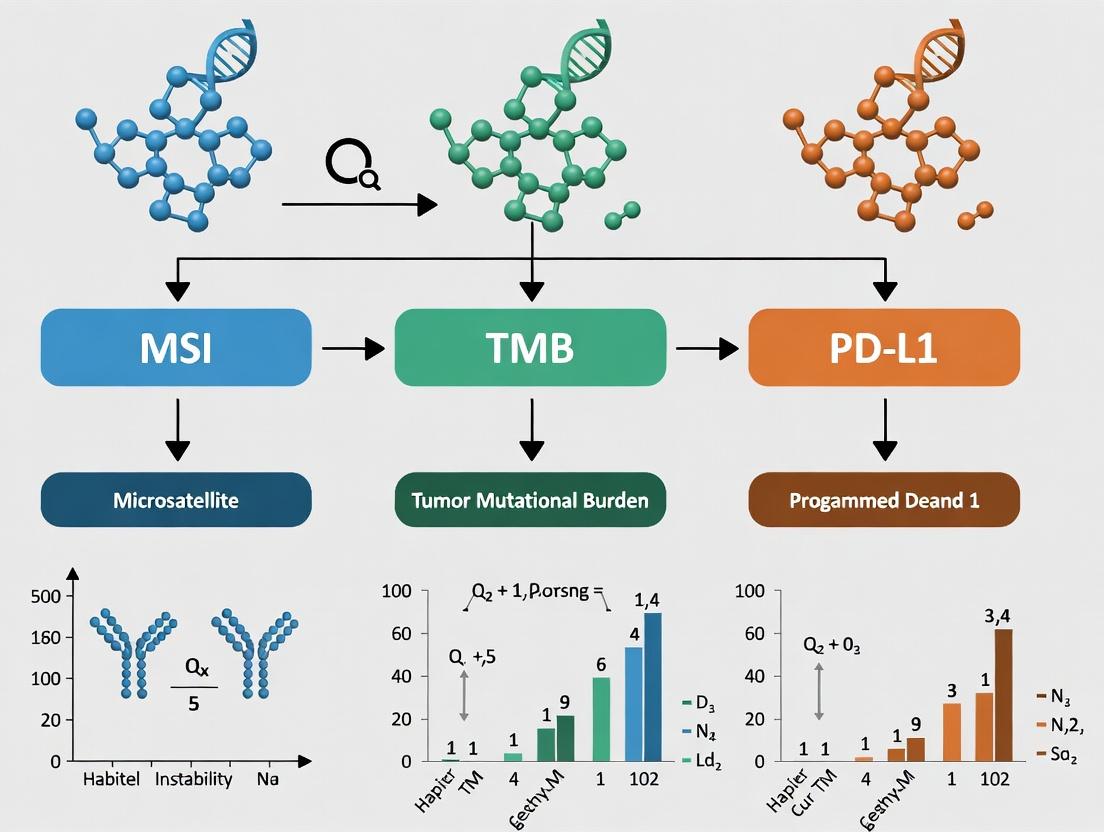
This article provides a comprehensive, up-to-date comparison of three pivotal biomarkers in immuno-oncology: Microsatellite Instability (MSI), Tumor Mutational Burden (TMB), and PD-L1 expression.
Decoding Tumor Biomarkers: A Comparative Analysis of MSI, TMB, and PD-L1 Predictive Accuracy in Cancer Immunotherapy
Abstract
This article provides a comprehensive, up-to-date comparison of three pivotal biomarkers in immuno-oncology: Microsatellite Instability (MSI), Tumor Mutational Burden (TMB), and PD-L1 expression. Tailored for researchers, scientists, and drug development professionals, it explores their foundational biology, methodological approaches for assessment, common challenges in clinical application, and comparative data on their predictive accuracy for immunotherapy response across various cancer types. The analysis synthesizes recent clinical evidence and guidelines to inform biomarker selection, assay optimization, and the future of precision oncology.
Understanding the Triad: Core Biology and Rationale of MSI, TMB, and PD-L1 as Predictive Biomarkers
This guide, framed within a thesis comparing the predictive accuracy of MSI, TMB, and PD-L1 for immunotherapy response, provides a comparative analysis of their underlying molecular biology, measurement techniques, and clinical performance data. It is designed to support researchers and drug development professionals in evaluating these critical biomarkers.
Molecular Mechanisms and Measurement Protocols
Microsatellite Instability (MSI)
- Mechanism: Results from defective DNA mismatch repair (dMMR), leading to accumulation of insertion/deletion mutations in short tandem repeat sequences (microsatellites). This genomic instability promotes a high neoantigen load.
- Standard Experimental Protocol (PCR-based):
- DNA Extraction: Isolate genomic DNA from formalin-fixed, paraffin-embedded (FFPE) tumor tissue and matched normal tissue.
- PCR Amplification: Amplify a standard panel of 5 mononucleotide repeat markers (e.g., BAT-25, BAT-26, NR-21, NR-24, MONO-27) using fluorescently labeled primers.
- Fragment Analysis: Separate PCR products by capillary electrophoresis.
- Analysis: Compare tumor and normal allele profiles. Instability in ≥2 markers is classified as MSI-High (MSI-H); instability in 1 marker is MSI-Low (MSI-L); no instability is Microsatellite Stable (MSS).
Tumor Mutational Burden (TMB)
- Mechanism: A quantitative measure of the total number of somatic mutations per megabase (mut/Mb) of DNA sequenced. High TMB (TMB-H) correlates with increased neoantigen formation, enhancing potential immune recognition.
- Standard Experimental Protocol (Next-Generation Sequencing, NGS):
- DNA Extraction & Library Preparation: Extract DNA from FFPE tumor and matched normal samples. Prepare sequencing libraries using hybrid-capture baits targeting a defined genomic panel (≥1 Mb is recommended).
- Sequencing: Perform high-coverage NGS (typically >500x depth).
- Bioinformatics Analysis: Align sequences to a reference genome. Call somatic variants (SNVs, indels) by comparing tumor to normal. Filter out driver mutations and germline variants using population databases.
- Calculation: Count all synonymous and non-synonymous coding mutations. Divide by the size of the coding region targeted to yield TMB in mut/Mb.
Programmed Death-Ligand 1 (PD-L1)
- Mechanism: An immune checkpoint protein expressed on tumor and/or immune cells. Its binding to PD-1 on T cells transmits an inhibitory signal, suppressing cytotoxic T-cell activity and enabling tumor immune evasion.
- Standard Experimental Protocol (Immunohistochemistry, IHC):
- Tissue Sectioning: Prepare 4-5 µm sections from FFPE tumor blocks.
- Staining: Use a validated anti-PD-L1 primary antibody (clone-specific, e.g., 22C3, 28-8, SP142) on an automated staining platform with appropriate detection systems.
- Scoring: Evaluate stained slides microscopically. Scoring algorithms are assay-specific (e.g., Tumor Proportion Score [TPS] for tumor cells, Combined Positive Score [CPS] for tumor and immune cells). Results are reported as a percentage.
Comparative Performance Data
Table 1: Biomarker Characteristics and Measurement
| Feature | MSI/MMRd | TMB | PD-L1 |
|---|---|---|---|
| Molecular Basis | Functional deficiency (dMMR) | Quantitative genomic alteration | Protein expression |
| Primary Test Method | PCR or IHC for MMR proteins | NGS | IHC |
| Result Output | Categorical (MSI-H/dMMR vs MSS/pMMR) | Continuous (mut/Mb), often dichotomized | Continuous (%), dichotomized by cut-off |
| Tissue Requirement | FFPE (small tissue often sufficient) | FFPE (requires sufficient tumor content/ DNA quality) | FFPE |
| Spatial Heterogeneity Impact | Generally stable | Moderate | High |
Table 2: Predictive Performance for Anti-PD-1/PD-L1 Response in Key Trials (Solid Tumors)
| Biomarker | Clinical Trial Context (Example) | Approximate ORR in Biomarker+ Patients | Key Limiting Factors |
|---|---|---|---|
| MSI-H/dMMR | Pembrolizumab in multiple cancers (KEYNOTE-158) | ~34-45% | Prevalence is low in common cancers (e.g., ~5% in CRC, <2% in many others). |
| TMB-H(Cut-off: 10 mut/Mb) | Pembrolizumab vs Chemo in 2L+ NSCLC (KEYNOTE-158) | ~29% | Lack of universal cut-off, assay variability, cost, need for matched normal sequencing. |
| PD-L1+(Cut-off: TPS ≥50%) | Pembrolizumab vs Chemo in 1L NSCLC (KEYNOTE-024) | ~44% | Intra- and inter-tumor heterogeneity, dynamic expression, multiple scoring systems. |
The Scientist's Toolkit: Key Research Reagent Solutions
| Item | Primary Function in Biomarker Research |
|---|---|
| FFPE DNA/RNA Isolation Kits | High-yield, inhibitor-free nucleic acid extraction from archival clinical samples. |
| Multiplex PCR Panels for MSI | Simultaneous amplification of standardized microsatellite markers with internal controls. |
| Hybrid-Capture NGS Panels | Targeted enrichment of genomic regions for comprehensive mutation and TMB analysis. |
| Validated Anti-PD-L1 IHC Clones | Specific antibodies (e.g., 22C3, SP142) for precise protein detection per regulatory guidelines. |
| Universal Blocking Reagents | Reduce non-specific background in IHC, critical for accurate PD-L1 scoring. |
| NGS Somatic Variant Callers | Bioinformatics tools to accurately distinguish tumor mutations from germline variants. |
| Digital Pathology & Image Analysis Software | Objective, quantitative scoring of PD-L1 IHC staining, reducing inter-observer variability. |
Visualizing Key Mechanisms and Workflows
Title: Molecular Pathway from dMMR to Immune Recognition
Title: Standard NGS Workflow for TMB Calculation
Title: PD-1/PD-L1 Immune Checkpoint Pathway and Blockade
Title: Logical Relationship Between Defect, Biomarker, and Prediction
Within the broader thesis of comparing the predictive accuracy of Microsatellite Instability (MSI), Tumor Mutational Burden (TMB), and Programmed Death-Ligand 1 (PD-L1) for Immune Checkpoint Inhibitor (ICI) response, understanding the distinct immunological rationale for each biomarker is critical. This guide objectively compares their performance as predictive tools, supported by experimental data from clinical and translational studies. Each biomarker reflects a different aspect of tumor-immune system interaction, influencing the probability of clinical benefit from anti-PD-1/PD-L1 and anti-CTLA-4 therapies.
Immunological Rationale and Comparative Predictive Performance
PD-L1 Expression: The Immune Checkpoint Signal
Rationale: PD-L1 expression on tumor or immune cells directly engages the PD-1 receptor on T cells, delivering an inhibitory signal that leads to T-cell exhaustion and immune evasion. Blocking this interaction with ICIs aims to reinvigorate the anti-tumor T-cell response. The predictive value is based on the presence of the direct pharmacological target.
Key Limitations: Expression is dynamic, heterogeneous within tumors, and influenced by prior therapies. The tumor microenvironment may contain pre-existing but suppressed T cells, which PD-L1 expression sometimes indicates.
Tumor Mutational Burden (TMB): The Neoantigen Source
Rationale: High TMB (typically ≥10 mutations per megabase) correlates with a higher likelihood of generating tumor-specific neoantigens. These novel peptides are presented by MHC molecules, enabling recognition by T cells as "non-self." Cancers with high TMB are therefore more likely to be infiltrated by tumor-specific T cells, whose activity can be unleashed by ICI therapy.
Key Limitations: Not all mutations generate immunogenic neoantigens; antigen presentation machinery must be intact. The optimal cutoff varies across cancer types.
Microsatellite Instability (MSI): The Hypermutation Phenotype
Rationale: MSI results from defects in DNA mismatch repair (dMMR), leading to widespread frameshift mutations, particularly in repetitive microsatellite regions. This creates a high TMB and a high burden of frameshift neoantigens, which are often shared across MSI tumors. This generates a highly immunogenic microenvironment, making these tumors particularly susceptible to ICI.
Key Limitation: Largely confined to specific cancer types (e.g., colorectal, endometrial, gastric), though a tumor-agnostic biomarker.
Comparative Predictive Accuracy Data
Table 1: Comparative Performance of Biomarkers in Predicting ICI Response (Objective Response Rate)
| Biomarker | Status | Typical ORR (%) in Biomarker+ Patients | Typical ORR (%) in Biomarker- Patients | Key Supporting Trial(s) |
|---|---|---|---|---|
| PD-L1 (TPS ≥1%) | Pos. | 15-45% (varies by cancer & cutoff) | 5-15% | KEYNOTE-042, IMpower110 |
| PD-L1 (TPS ≥50%) | Pos. | 30-50% | <20% | KEYNOTE-024, KEYNOTE-042 |
| TMB-H (≥10 mut/Mb) | Pos. | 30-50% | ~10% | KEYNOTE-158, CheckMate 227 |
| MSI-H/dMMR | Pos. | 30-60% (tumor-agnostic) | ~5% (MSS counterpart) | KEYNOTE-016, KEYNOTE-177 |
Table 2: Biomarker Characteristics and Clinical Utility
| Feature | PD-L1 | TMB | MSI-H/dMMR |
|---|---|---|---|
| Assay Type | IHC (protein) | NGS (genomic) | IHC (protein) or PCR/NGS (genomic) |
| Dynamic Range | Continuous (0-100%) | Continuous | Binary (MSI-H vs. MSS) |
| Tumor Agnostic | No | Emerging (e.g., KEYNOTE-158) | Yes (FDA-approved) |
| Heterogeneity | High (spatial/temporal) | Moderate | Generally uniform |
| Predictive for Chemo | No | No | Prognostic in CRC |
Detailed Experimental Protocols Cited
Protocol 1: PD-L1 Immunohistochemistry (IHC) Scoring (22C3 PharmDx)
Purpose: To determine PD-L1 expression on tumor cells (Tumor Proportion Score - TPS).
- Tissue Sectioning: Cut 4-μm sections from formalin-fixed, paraffin-embedded (FFPE) tumor blocks.
- Staining: Use the automated Dako Link 48 platform. Deparaffinize, rehydrate, and perform epitope retrieval with EnVision FLEX High pH solution. Apply monoclonal mouse anti-PD-L1 antibody (clone 22C3). Visualize with EnVision FLEX/HRP detection system and DAB chromogen. Counterstain with hematoxylin.
- Scoring: Assess viable tumor cells only. TPS = (Number of PD-L1 staining tumor cells / Total number of viable tumor cells) x 100%. Membranous staining of any intensity is considered positive. A TPS ≥1% or ≥50% defines positivity for different clinical indications.
Protocol 2: Tumor Mutational Burden (TMB) Assessment by Whole Exome Sequencing (WES)
Purpose: To quantify the total number of somatic mutations per megabase of DNA.
- DNA Extraction: Extract matched tumor and normal genomic DNA from FFPE or fresh frozen tissue.
- Library Preparation & Sequencing: Enrich the exonic regions using hybrid-capture probes (e.g., SureSelect). Prepare sequencing libraries and perform paired-end sequencing on platforms like Illumina NovaSeq to achieve >100x coverage.
- Bioinformatics Analysis: Align reads to a reference genome (GRCh38). Call somatic variants (SNVs, indels) using tools like MuTect2 and VarScan. Filter out germline polymorphisms using the matched normal. Exclude known driver mutations and non-coding variants. Calculate TMB: (Total number of somatic mutations / Size of targeted coding region in Mb).
Protocol 3: MSI Status Detection by PCR (Pentaplex Panel)
Purpose: To assess instability at microsatellite loci.
- DNA Extraction: Isolate DNA from tumor and matched normal tissue.
- PCR Amplification: Co-amplify five mononucleotide repeat markers (BAT-25, BAT-26, NR-21, NR-24, MONO-27) using fluorescently labeled primers.
- Fragment Analysis: Run PCR products on a capillary electrophoresis sequencer (e.g., ABI 3500). Analyze fragment sizes using software (e.g., GeneMapper).
- Interpretation: Compare tumor allelic profiles to normal. Instability at ≥2 markers is classified as MSI-H (High). Instability at 1 marker is MSI-L (Low), and 0 is MSS (Stable).
Visualizations
Title: PD-L1/PD-1 Checkpoint Blockade Mechanism
Title: Immunogenic Cascade from dMMR to ICI Response
Title: Biomarker Testing Workflow from FFPE Sample
The Scientist's Toolkit: Research Reagent Solutions
Table 3: Essential Reagents and Kits for Biomarker Research
| Item Name | Function & Application | Key Provider Examples |
|---|---|---|
| Anti-PD-L1 IHC Antibody Clones | Detect PD-L1 protein expression for TPS/CPS scoring in FFPE tissues. | Dako (22C3), Ventana (SP142, SP263), Cell Signaling Technology |
| Comprehensive NGS Panels | Simultaneously assess TMB, MSI, and other genomic alterations from limited DNA. | FoundationOne CDx, MSK-IMPACT, TruSight Oncology 500 |
| MSI Analysis System | Standardized PCR-based detection of microsatellite instability. | Promega MSI Analysis System v1.2 |
| Multiplex Immunofluorescence Kits | Quantify tumor microenvironment composition (CD8, PD-1, PD-L1, etc.). | Akoya Biosciences (OPAL), Standard Biotools (CODEX) |
| IFN-gamma ELISA/ELLSpot Kits | Measure T-cell activation and neoantigen-specific immune responses in vitro. | Mabtech, R&D Systems |
| Human PBMC & T-Cell Media | Culture immune cells for co-culture assays with tumor organoids/cell lines. | STEMCELL Technologies, Gibco |
| Recombinant Human PD-1/PD-L1 Proteins | Develop binding or blockade assays for ICI mechanism studies. | ACROBiosystems, Sino Biological |
Historical Context and Regulatory Milestones for Biomarker Approval
This comparison guide, framed within a broader thesis on MSI vs. TMB vs. PD-L1 predictive accuracy, objectively charts the historical and regulatory evolution of these critical immuno-oncology biomarkers. Understanding their approval pathways is essential for researchers and drug development professionals evaluating their contemporary clinical application.
Regulatory Timeline and Context Comparison
| Biomarker | First Regulatory Approval (Agency, Year) | Key Milestone Drug/Test | Initial Indication Context | Current Regulatory Status |
|---|---|---|---|---|
| PD-L1 IHC | FDA (2015) | Pembrolizumab (Keytruda) | 2L+ NSCLC (companion Dx) | Multiple companion/complementary Dx assays across tumor types. |
| MSI-H/dMMR | FDA (2017) | Pembrolizumab (Keytruda) | Tissue/site agnostic for solid tumors (first pan-cancer Dx) | Recognized as a predictive biomarker for immunotherapy across solid tumors. |
| TMB-H | FDA (2020) | Pembrolizumab (Keytruda) | Tissue agnostic for solid tumors (companion Dx) | Status nuanced; accelerated approval for tissue TMB (tTMB) in 2020, but later restricted (2024). FoundationOne CDx remains approved as a complementary test. |
Comparative Predictive Accuracy: Key Experimental Data
Data synthesized from landmark trials leading to biomarker approvals.
Table: Landmark Trial Predictive Accuracy Metrics
| Biomarker | Pivotal Trial(s) | ORR in Biomarker+ Population | Comparison Arm ORR (Biomarker-) | Key Statistical Metric (e.g., PFS HR) |
|---|---|---|---|---|
| PD-L1 (TPS ≥50%) | KEYNOTE-024 (1L NSCLC) | 44.8% (Pembro) | 27.8% (Chemo) | PFS HR: 0.50 (95% CI, 0.37–0.68) |
| MSI-H/dMMR | KEYNOTE-016/164/012 (multiple) | 39.6% (Pembro, pooled) | ~0% (historical control) | DCR: 78% (complete + partial + stable disease) |
| TMB-H (≥10 mut/Mb) | KEYNOTE-158 (multiple) | 29% (Pembro) | 6% (in TMB-L) | ORR Difference: 23% (95% CI, 14–33) |
Experimental Protocols for Biomarker Assessment
Protocol 1: PD-L1 Immunohistochemistry (IHC)
Method: Formalin-fixed, paraffin-embedded (FFPE) tissue sections are stained using validated anti-PD-L1 antibodies (e.g., 22C3, 28-8, SP142, SP263 clones). Staining is scored via visual assessment by a pathologist. Scoring: Methods vary by assay (e.g., Tumor Proportion Score [TPS] for NSCLC, Combined Positive Score [CPS] for gastric, HNSCC). Key Validation: Requires analytical validation (precision, sensitivity) and clinical validation linking score to drug response in trials.
Protocol 2: Microsatellite Instability (MSI) Testing
Method 1 (PCR): DNA extracted from FFPE tumor/normal tissue. PCR amplification of 5-7 standard mononucleotide repeat loci (e.g., BAT-25, BAT-26). Fragment analysis compares tumor vs. normal allele sizes. Instability at ≥2 loci = MSI-H. Method 2 (IHC): IHC staining for 4 mismatch repair proteins (MLH1, MSH2, MSH6, PMS2). Loss of nuclear expression in tumor cells indicates dMMR, highly concordant with MSI-H by PCR.
Protocol 3: Tumor Mutational Burden (TMB) Assessment
Method: Next-generation sequencing (NGS) of FFPE tumor DNA using large panels (~0.8-1.1 Mb+). A bioinformatics pipeline filters somatic mutations (SNVs, indels) after filtering germline variants. Calculation: TMB = (total number of somatic mutations / total size of coding region targeted) expressed as mutations per megabase (mut/Mb). Standardization: Requires rigorous normalization for panel size, germline filtering, and benchmarking to whole exome sequencing.
Biomarker Pathway and Testing Workflow
Title: Biomarker Testing Workflow for ICI Therapy
Title: PD-1/PD-L1 Pathway and Biomarker Links
The Scientist's Toolkit: Research Reagent Solutions
| Item | Function in Biomarker Research | Example/Category |
|---|---|---|
| Validated IHC Antibody Clones | Specific detection of PD-L1 protein or MMR proteins (MLH1, MSH2, etc.) in FFPE tissue. | Clone 22C3 (PD-L1), Clone E1L3N (PD-L1), MMR IHC Panel. |
| MSI Analysis System | Standardized PCR kits for fragment analysis of microsatellite loci. | Promega MSI Analysis System, NIH Bethesda Panel. |
| Targeted NGS Panels | Comprehensive gene panels for concurrent TMB, MSI, and mutation profiling. | FoundationOne CDx, MSK-IMPACT, TruSight Oncology 500. |
| Reference Standards | Control materials with known biomarker status for assay validation. | Seraseq FFPE reference materials for TMB, MSI, PD-L1. |
| Bioinformatics Pipelines | Software for variant calling, germline filtering, and TMB calculation from NGS data. | MSIsensor, FACETS, commercial vendor pipelines. |
This comparison guide, framed within a broader thesis on the predictive accuracy of major immunotherapy biomarkers, objectively evaluates the performance of Microsatellite Instability-High (MSI-H), Tumor Mutational Burden-High (TMB-H), and Programmed Death-Ligand 1 Positive (PD-L1+) signatures. The analysis distinguishes between tissue-agnostic biomarkers, approved across cancer types based on molecular status, and tissue-specific biomarkers, whose predictive value is confined to particular organs.
Biomarker Definitions & Regulatory Status
| Biomarker | Full Name | Measurement Method(s) | Cut-off Definition | FDA Tissue-Agnostic Approval | Key Tissue-Specific Indications |
|---|---|---|---|---|---|
| MSI-H | Microsatellite Instability-High | PCR (5 markers), NGS (≥100 loci), IHC (MMR proteins) | ≥2 unstable loci (PCR) or NGS-defined threshold | Yes (Pembrolizumab, 2017) | Endometrial, Colorectal, Gastric |
| TMB-H | Tumor Mutational Burden-High | Whole-exome sequencing (WES), Targeted NGS panels | ≥10 mut/Mb (common cut-off, KEYNOTE-158) | Yes (Pembrolizumab, 2020) | NSCLC, Melanoma, Bladder |
| PD-L1+ | Programmed Death-Ligand 1 Positive | IHC (e.g., 22C3, SP142, SP263) | Varies by assay & cancer (e.g., TPS ≥1% NSCLC) | No | NSCLC (1L), HNSCC, Urothelial |
Predictive Performance Comparison: Clinical Trial Data
Table summarizing objective response rates (ORR) from pivotal trials.
| Biomarker Signature | Key Trial(s) | Patient Population | ORR (%) | Median PFS (months) | Key Limitations |
|---|---|---|---|---|---|
| MSI-H | KEYNOTE-016/158, 177 | Pan-cancer, Colorectal Cancer | 34-45 | 16.5 - NR | Rare in common cancers (e.g., <5% NSCLC) |
| TMB-H (≥10 mut/Mb) | KEYNOTE-158 | Pan-cancer (non-CRC) | 29 | 2.8 | Poor correlation with PD-L1; Panel size variability |
| PD-L1+ (High) | KEYNOTE-024, 189 | NSCLC (1L) | 44-45 | 10.3 | Heterogeneous expression, spatial/ temporal variability |
Experimental Protocols for Biomarker Assessment
1. MSI-H Testing via NGS (Reference Protocol)
- Method: Next-Generation Sequencing of Microsatellite Loci.
- Sample: DNA from FFPE tumor tissue (matched normal preferred).
- Workflow: a) DNA extraction and quality control. b) Library preparation using a panel containing ≥100 microsatellite loci. c) Paired-end sequencing on a high-throughput platform. d) Bioinformatic alignment and analysis for insertion/deletion loops at microsatellite regions. e) Classification as MSI-H, MSI-L, or MSS based on percentage of unstable loci.
- Validation: Must be validated against the gold standard PCR method (Bethesda panel).
2. TMB-H Assessment via Targeted NGS Panel
- Method: Targeted Sequencing of 0.8-1.2 Mb of genomic DNA.
- Sample: DNA from FFPE tumor tissue (matched normal required for germline subtraction).
- Workflow: a) DNA extraction. b) Hybrid-capture based library preparation using the target panel. c) Sequencing to high uniform depth (>500x). d) Somatic variant calling (SNVs, indels) in coding regions, filtering out germline and driver mutations. e) Calculation: (Total # of somatic mutations / Size of coding region targeted in Mb). f) Classification against validated cut-off (e.g., ≥10 mut/Mb).
- Standardization: Must account for panel size and gene content; recommend adherence to Friends of Cancer Research harmonization guidelines.
3. PD-L1+ Scoring via Immunohistochemistry (IHC)
- Method: IHC on FFPE tissue sections using clinically validated antibodies.
- Sample: Freshly cut FFPE tumor sections (4-5 μm).
- Workflow: a) Deparaffinization, rehydration, and antigen retrieval. b) Staining with primary anti-PD-L1 antibody (clone specific to indication, e.g., 22C3 for NSCLC). c) Visualization with chromogenic detection system. d) Pathologist scoring per indication-specific criteria: TPS (Tumor Proportion Score): % of viable tumor cells with membrane staining. CPS (Combined Positive Score): (# of PD-L1+ tumor cells, lymphocytes, macrophages / total # of viable tumor cells) x 100.
- Controls: Mandatory use of positive and negative tissue controls.
Signaling Pathways & Biomarker Context
Diagram Title: Biological Basis for Three Biomarkers
Experimental Workflow for Integrated Biomarker Profiling
Diagram Title: Integrated Profiling Workflow
The Scientist's Toolkit: Key Research Reagent Solutions
| Item / Reagent | Function in Biomarker Research | Example/Note |
|---|---|---|
| FFPE DNA/RNA Extraction Kits | High-quality nucleic acid isolation from archival clinical samples. | Qiagen QIAamp DNA FFPE, Promega Maxwell RSC FFPE kits. |
| Targeted NGS Panels | Simultaneous assessment of TMB, MSI, and relevant mutations. | MSK-IMPACT, FoundationOne CDx, TruSight Oncology 500. |
| Validated PD-L1 IHC Clones | Standardized detection of PD-L1 protein expression. | Dako 22C3 (pembrolizumab), Ventana SP142 (atezolizumab). |
| Microsatellite Instability Standards | Controls for MSI assay validation and calibration. | Horizon Discovery FFPE MSI Reference Standard Set. |
| TMB Reference Materials | Harmonized standards for TMB calculation across platforms. | Seraseq TMB Reference Material, NIST Genome in a Bottle. |
| Bioinformatics Pipelines | Somatic variant calling, MSI & TMB scoring from NGS data. | MSIsensor, TMBcalc, GATK Best Practices. |
Prevalence and Co-occurrence Patterns Across Major Cancer Types
Within the burgeoning field of immuno-oncology, the comparative predictive accuracy of Microsatellite Instability (MSI), Tumor Mutational Burden (TMB), and Programmed Death-Ligand 1 (PD-L1) expression for immunotherapy response is a critical research thesis. This guide compares their prevalence and co-occurrence across major cancers, supported by recent experimental data.
Prevalence of MSI, TMB-H, and PD-L1+ Across Cancers
The following table summarizes the approximate prevalence of each biomarker, defined by common clinical thresholds, across selected major cancer types, based on recent pan-cancer analyses.
Table 1: Biomarker Prevalence Across Major Cancer Types
| Cancer Type | MSI-H Prevalence (%) | TMB-H (≥10 mut/Mb) Prevalence (%) | PD-L1+ (CPS ≥1) Prevalence (%) |
|---|---|---|---|
| Colorectal | 15 | 16 | 45 |
| Endometrial | 20-30 | 28 | 40 |
| Gastric | 10-20 | 22 | 55 |
| Lung (NSCLC) | 1-3 | 35 | 60 |
| Melanoma | 1-2 | 45 | 70 |
| Bladder | 2-3 | 25 | 65 |
Co-occurrence and Predictive Relationships
The predictive power of these biomarkers is influenced by their degree of co-occurrence. The table below illustrates the overlap patterns observed in recent cohort studies.
Table 2: Biomarker Co-occurrence Patterns (% of Tumors)
| Cancer Type (Example) | MSI-H & TMB-H | MSI-H & PD-L1+ | TMB-H & PD-L1+ | All Three Positive |
|---|---|---|---|---|
| Colorectal | 85-90% of MSI-H are TMB-H | 70-80% of MSI-H are PD-L1+ | 30-40% of TMB-H are PD-L1+ | 65-75% of MSI-H |
| Lung (NSCLC) | Rare | 40-50% | 50-60% | Rare |
Experimental Protocols for Comparative Studies
Protocol 1: Pan-Cancer Biomarker Assessment (Sequencing & IHC)
- Tumor Sampling: Collect FFPE tumor blocks with matched normal tissue.
- MSI Testing: Perform PCR-based analysis (e.g., Promega system) or NGS evaluation of ≥100 microsatellite loci.
- TMB Calculation: Use targeted NGS panels (≥1 Mb) or whole-exome sequencing. Align sequences, call somatic variants, and report mutations per megabase.
- PD-L1 Immunohistochemistry (IHC): Stain using validated assays (e.g., 22C3, SP142, SP263). Score by Combined Positive Score (CPS) or Tumor Proportion Score (TPS).
- Data Correlation: Use statistical software (R) to calculate Cohen's kappa for co-occurrence and logistic regression for predictive accuracy of objective response rate (ORR).
Protocol 2: Predictive Accuracy Validation Cohort Study
- Cohort Selection: Retrospectively identify patients with advanced solid tumors treated with anti-PD-1/PD-L1 monotherapy.
- Biomarker Stratification: Classify patients as MSI-H/MSS, TMB-H/TMB-L, PD-L1+/PD-L1- based on pre-treatment assays.
- Endpoint Assessment: Primary endpoint: ORR per RECIST 1.1. Secondary endpoints: PFS and OS.
- Statistical Analysis: Calculate positive predictive value (PPV), negative predictive value (NPV), and area under the curve (AUC) for each biomarker and combinations.
Pathway and Analysis Workflow Visualizations
Title: Biological Pathway Linking MSI, TMB, and PD-L1 to ICI Response
Title: Biomarker Comparison Study Workflow
The Scientist's Toolkit: Research Reagent Solutions
Table 3: Essential Research Reagents for Comparative Biomarker Studies
| Item | Function in Research |
|---|---|
| FFPE DNA/RNA Extraction Kits (e.g., Qiagen, Thermo Fisher) | Isolate high-quality nucleic acids from archival clinical specimens for NGS and PCR. |
| Targeted NGS Panels (e.g., MSK-IMPACT, FoundationOne CDx) | Simultaneously assess TMB, MSI status, and specific genomic alterations in a single assay. |
| Validated PD-L1 IHC Antibody Clones (22C3, 28-8, SP142, SP263) | Standardized detection of PD-L1 protein expression on tumor and immune cells. |
| MSI Analysis System (Promega MSI Analysis System v1.2) | Gold-standard PCR-based detection of instability at standardized mononucleotide loci. |
| Bioinformatics Pipeline (e.g., MSIsensor, TMBcalc) | Specialized software for calculating MSI scores and TMB from NGS alignment files. |
| Immune Cell Markers IHC Panel (CD8, CD68, FOXP3) | Characterize tumor immune microenvironment context for biomarker interpretation. |
| Statistical Software (R, with survival & pROC packages) | Perform co-occurrence statistics, survival analyses, and calculate predictive AUCs. |
From Lab to Clinic: Standardized Assays, Testing Platforms, and Clinical Interpretation
Within the comparative research on the predictive accuracy of MSI, TMB, and PD-L1 for immunotherapy response, the selection and execution of gold-standard testing methodologies are paramount. This guide objectively compares the established standard techniques—Immunohistochemistry (IHC) for PD-L1, Polymerase Chain Reaction (PCR) and Next-Generation Sequencing (NGS) for Microsatellite Instability (MSI), and NGS for Tumor Mutational Burden (TMB)—with emerging or alternative approaches. The focus is on technical performance, analytical validation, and practical application in clinical research and drug development.
Methodologies & Comparative Performance
PD-L1 Testing: IHC vs. Alternative Platforms
Experimental Protocol for PD-L1 IHC (COMPANION-Study Model):
- Tissue Sectioning: Formalin-fixed, paraffin-embedded (FFPE) tumor samples are cut into 4-5 µm sections.
- Baking & Deparaffinization: Slides are baked at 60°C for 25 minutes, then deparaffinized in xylene and rehydrated through graded alcohols.
- Antigen Retrieval: Heat-induced epitope retrieval is performed using a citrate-based buffer (pH 6.0) or EDTA buffer (pH 9.0) at 97°C for 20-40 minutes.
- Primary Antibody Incubation: Slides are incubated with a validated anti-PD-L1 monoclonal antibody (e.g., 22C3, 28-8, SP142, SP263) for 30-60 minutes at room temperature.
- Detection: A labeled polymer-horseradish peroxidase (HRP) system is applied, followed by chromogenic detection with 3,3’-Diaminobenzidine (DAB).
- Scoring: Stained slides are evaluated by a qualified pathologist. Scoring systems (Tumor Proportion Score [TPS], Combined Positive Score [CPS]) are applied per assay-specific guidelines.
Comparative Performance Data:
Table 1: Comparison of PD-L1 Detection Platforms
| Method | Target | Sensitivity | Specificity | Key Limitation | Approved/Validated Assays |
|---|---|---|---|---|---|
| IHC (Gold Standard) | Protein expression on cell membrane | High (visual) | High (with validated Ab) | Inter-assay/ scorer variability, qualitative | 22C3 (Dako), 28-8 (Dako), SP142 (Ventana), SP263 (Ventana) |
| RNA-based NGS | CD274 mRNA transcript levels | Very High | High | mRNA levels may not correlate perfectly with protein | Not FDA-approved as companion diagnostic |
| Multiplex Immunofluorescence (mIF) | Protein co-expression in tumor microenvironment | High | High | Complex analysis, expensive, not standardized | Research-use only (e.g., Phenoptics) |
MSI Testing: PCR/NGS vs. Alternative Methods
Experimental Protocol for Fragment Analysis PCR (Pentaplex Panel):
- DNA Extraction: High-quality DNA is extracted from matched tumor and normal FFPE tissue.
- PCR Amplification: DNA is amplified using fluorescently-labeled primers targeting 5 mononucleotide repeat markers (e.g., BAT-25, BAT-26, NR-21, NR-24, MONO-27).
- Capillary Electrophoresis: PCR products are size-separated on a capillary sequencer.
- Analysis: The fragment size patterns from tumor and normal DNA are compared. Instability (shift in peaks) in ≥2 markers is classified as MSI-High (MSI-H).
Comparative Performance Data:
Table 2: Comparison of MSI Testing Methods
| Method | Principle | Sensitivity | Specificity | Turnaround Time | Additional Data Gained |
|---|---|---|---|---|---|
| PCR + Capillary Electrophoresis (Gold Std) | Fragment length analysis of microsatellites | >95% | 100% | 1-2 days | None |
| NGS (Targeted Panel) | Sequencing of microsatellite loci | 99.4% | 99.8% | 3-7 days | Concurrent TMB, mutation profiling |
| IHC for MMR Proteins | Detects loss of MLH1, PMS2, MSH2, MSH6 | 92-99% | 80-100% | 1 day | Identifies specific deficient protein |
TMB Testing: NGS vs. Whole Exome Sequencing (WES)
Experimental Protocol for TMB by Targeted NGS (~500 gene panel):
- DNA Extraction & QC: DNA from FFPE tumor and matched normal is quantified and assessed for quality (e.g., DV200).
- Library Preparation: DNA is sheared, adaptor-ligated, and hybridized to biotinylated probes targeting the panel's genomic regions.
- Sequencing: Captured libraries are sequenced on an NGS platform (e.g., Illumina) to a minimum depth of 500x-1000x.
- Bioinformatics: Reads are aligned to a reference genome. Somatic variants (SNVs, indels) are called after filtering germline polymorphisms. TMB is calculated as the total number of somatic mutations per megabase (mut/Mb) of genome examined.
Comparative Performance Data:
Table 3: Comparison of TMB Measurement Methods
| Method | Genomic Coverage | Accuracy vs. WES | TMB Cutoff (mut/Mb) | Advantage | Disadvantage |
|---|---|---|---|---|---|
| Targeted NGS Panel (Gold Std for clinical use) | 0.5-2.5 Mb | High correlation (R² >0.95 with WES for validated panels) | 10 (e.g., FoundationOne CDx) | Cost-effective, faster, clinically validated | Requires careful panel design and normalization |
| Whole Exome Sequencing (WES - Research Gold Std) | ~40 Mb | Reference Standard | Variable (often 16) | Comprehensive, no panel bias | Expensive, slow, complex for routine use |
Visualized Workflows & Pathways
PD-L1/PD-1 Checkpoint Signaling Pathway
Title: PD-L1 Upregulation and Immune Checkpoint Inhibition Pathway
MSI Testing Workflow: PCR vs. NGS
Title: MSI Testing Methodologies: PCR vs NGS Workflows
TMB Calculation by NGS Workflow
Title: Tumor Mutational Burden (TMB) Calculation Pipeline
The Scientist's Toolkit: Key Research Reagent Solutions
Table 4: Essential Reagents and Kits for Predictive Biomarker Testing
| Item | Function | Example Product/Assay |
|---|---|---|
| Validated Anti-PD-L1 Antibody Clones | Specific detection of human PD-L1 protein in IHC; different clones may have different scoring criteria. | Dako 22C3 pharmDx, Ventana SP263 |
| MSI Analysis System (Pentaplex Panel) | Fluorescently-labeled primer set for co-amplification of 5 mononucleotide repeat markers in a single PCR. | Promega MSI Analysis System v1.2 |
| Hybridization Capture NGS Panel | Biotinylated probe set for enriching defined genomic regions (e.g., 500 genes) prior to sequencing for TMB. | Illumina TruSight Oncology 500, FoundationOne CDx |
| Matched Normal DNA | Critical control for distinguishing somatic (tumor) mutations from germline polymorphisms in TMB and MSI-NGS. | Extracted from patient blood (buffy coat) or adjacent normal tissue. |
| FFPE DNA Extraction Kit (with QC) | High-yield, high-quality DNA extraction from archival FFPE tissue blocks; includes fragment size assessment. | Qiagen QIAamp DNA FFPE Tissue Kit, with Qubit DV200 assessment. |
| HRP-based IHC Detection System | Sensitive, amplified visualization of primary antibody binding in PD-L1 IHC assays. | Dako EnVision FLEX+, Ventana OptiView DAB. |
Within the broader research thesis comparing the predictive accuracy of MSI, TMB, and PD-L1 as biomarkers for immunotherapy response, a critical technical challenge is assay variability. This comparison guide objectively evaluates key diagnostic assays, focusing on performance differences, experimental data, and their implications for unified predictive modeling.
PD-L1 Immunohistochemistry (IHC) Assay Clones: A Comparative Guide
PD-L1 expression on tumor cells (TC) and immune cells (IC) is a widely used but variable biomarker. Different antibody clones and scoring algorithms contribute to disparate results.
Table 1: Comparison of Key PD-L1 IHC Assays in Non-Small Cell Lung Cancer (NSCLC)
| Assay (Clone) | Companion Diagnostic For | Scoring Method (Cutoff) | Key Performance Characteristics (vs. 22C3 as reference) | Reported Concordance (TC) |
|---|---|---|---|---|
| Dako 22C3 (pembrolizumab) | Pembrolizumab (1L NSCLC) | Tumor Proportion Score (TPS) ≥1% | Considered a common reference standard. High sensitivity for membrane staining. | 100% (Reference) |
| Ventana SP263 (durvalumab) | Durvalumab (NSCLC) | TC ≥25% or IC ≥25% (in some contexts) | Often shows high concordance with 22C3 for TC staining. Tends to stain more immune cells. | 85-95% across studies |
| Ventana SP142 (atezolizumab) | Atezolizumab (NSCLC, TNBC) | TC ≥50% or IC ≥10% | Notoriously stains fewer tumor cells; higher emphasis on immune cell staining. Lower reported TC positivity rates. | 70-80% (lower TC scores) |
Experimental Protocol for Comparative PD-L1 Studies:
- Sample Selection: A cohort of archival NSCLC FFPE tissue sections is selected.
- Staining Protocol: Serial sections from each sample are stained with each clone (22C3, SP142, SP263) on their respective, clinically validated platforms (Dako Link 48 for 22C3, Ventana Benchmark for SP clones) following FDA-approved protocols.
- Scoring: Slides are scored by at least two trained pathologists blinded to the assay type. For 22C3 and SP263, the Tumor Proportion Score (TPS) is recorded. For SP142, both TC and IC percentages are recorded.
- Statistical Analysis: Concordance is calculated using Cohen's kappa coefficient. Positive Percentage Agreement (PPA) and Negative Percentage Agreement (NPA) are determined against a consensus truth.
Title: Comparative PD-L1 Assay Workflow
Microsatellite Instability (MSI) Detection Panels
MSI status, a pan-cancer biomarker for immune checkpoint inhibition, is detected via PCR-based fragment analysis or next-generation sequencing (NGS). Panel composition affects sensitivity.
Table 2: Comparison of Common MSI Detection Panels
| Panel Name (Method) | Number of Markers | Gold Standard Comparison | Key Advantages | Limitations |
|---|---|---|---|---|
| Promega MSI Analysis System (PCR) | 5 mononucleotide markers | High concordance with NGS and IHC (MLH1/PMS2) | Well-established, standardized, low DNA input. | Limited to predefined markers; cannot detect TMB. |
| NCI/NIH Bethesda Panel (PCR) | 5 dinucleotide markers | Original reference panel | Historical standard. | Lower sensitivity/specificity vs. mononucleotide panels. |
| MSI by NGS (e.g., Illumina, FOUNDATION) | 100+ microsatellite loci | De facto modern standard | High sensitivity, simultaneous TMB and mutation profiling. | Higher cost, computational complexity, variable bioinformatics pipelines. |
Experimental Protocol for MSI Testing Validation:
- DNA Extraction: High-quality DNA is extracted from matched tumor-normal FFPE samples.
- PCR Amplification: For PCR panels, fluorescent primers amplify microsatellite loci. For NGS, targeted gene panels including microsatellite regions are used.
- Analysis: PCR products are sized by capillary electrophoresis. Instability is called if ≥2 markers (Promega) or ≥30-40% of markers (NCI) show shifts. NGS analysis uses specialized algorithms (e.g., MANTIS) to compare tumor-normal allelic profiles.
- Validation: Results are compared against IHC for MMR proteins (MLH1, PMS2, MSH2, MSH6) as a orthogonal validation.
Title: MSI Origin and Detection Pathway
Tumor Mutational Burden (TMB) Calculation and Threshold Variability
TMB is measured as mutations per megabase (mut/Mb), but calculation is highly dependent on the NGS panel size, bioinformatic pipeline, and threshold setting.
Table 3: Sources of Variability in TMB Calculation
| Variability Factor | Impact on TMB Value | Example/Data |
|---|---|---|
| Panel Size & Genomic Coverage | Smaller panels (<1 Mb) show higher variance and poor extrapolation. | Whole-exome sequencing (WES) ~38 Mb is gold standard. Panels like F1CDx (1.4 Mb) correlate well (R²~0.95), but smaller panels may not. |
| Bioinformatics Pipeline | Variant calling, filtering (germline, driver), and synonymous inclusion affect counts. | Studies show inter-pipeline differences can vary final TMB by up to 30%. |
| Threshold for "High TMB" | Lack of universal cutoff leads to different patient stratification. | In NSCLC: KEYNOTE-158 used ≥10 mut/Mb (F1CDx). CheckMate 227 used ≥10 mut/Mb (WES). Other trials use cutoffs from 13-20 mut/Mb. |
Experimental Protocol for TMB Harmonization Studies:
- Sample & Sequencing: A set of tumor-normal pairs are sequenced using both WES and multiple targeted panels (e.g., FOUNDATION ONE, MSK-IMPACT, TruSight Oncology 500).
- Variant Calling: Somatic variants (SNVs, indels) are called using a standardized pipeline (e.g., BWA-MEM, GATK) for WES data. Panel data is processed per vendor specifications.
- TMB Calculation: TMB = (Total number of passing somatic mutations) / (Size of the coding region covered in Mb). For panels, a correction factor based on WES correlation may be applied.
- Threshold Analysis: Receiver Operating Characteristic (ROC) curves are generated using immunotherapy response data to determine optimal predictive cutoffs for each assay.
Title: TMB Calculation and Threshold Workflow
The Scientist's Toolkit: Research Reagent Solutions
| Item | Function in Biomarker Research |
|---|---|
| FFPE Tissue Sections & RNA/DNA Extraction Kits (e.g., Qiagen, Roche) | Provide high-quality nucleic acids from archived clinical specimens for parallel PD-L1 IHC, MSI PCR, and NGS-based TMB analysis. |
| Validated PD-L1 IHC Antibody Clones (22C3, SP142, SP263) | Essential for comparative staining studies to understand inter-assay variability and biomarker performance. |
| MSI Analysis System (Promega) | A standardized PCR-based kit for determining MSI status, used as a benchmark for validating NGS-based MSI calls. |
| Targeted NGS Panels (e.g., FOUNDATION ONE CDx, Illumina TSO500) | Enable simultaneous assessment of TMB, MSI, and specific genomic alterations from limited DNA input. |
| Reference Standard DNA (e.g., Horizon Multiplex I cfDNA Reference) | Contain engineered mutations at known allelic frequencies to calibrate NGS assays and validate TMB/MSI bioinformatics pipelines. |
| Bioinformatics Software (e.g., GATK, MSIsensor, MANTIS) | Critical for reproducible somatic variant calling, microsatellite instability analysis, and accurate TMB calculation from NGS data. |
The comparative assessment of Microsatellite Instability (MSI), Tumor Mutational Burden (TMB), and PD-L1 expression as predictive biomarkers for immunotherapy response hinges on the quality and characteristics of available tumor tissue. Pre-analytical variables introduce significant variability, impacting the accuracy of head-to-head comparisons. This guide objectively compares the performance of a next-generation sequencing (NGS) platform (referred to as "Platform NGS-X") against alternative methods like immunohistochemistry (IHC) and PCR-based fragment analysis, focusing on robustness to common tissue challenges.
1. Comparison of Analytical Performance Across Tissue Challenges
Table 1: Comparative Performance of Biomarker Assay Platforms
| Challenge & Metric | Platform NGS-X (Comprehensive NGS Panel) | IHC (PD-L1, MMR Proteins) | PCR-based Fragment Analysis (MSI) |
|---|---|---|---|
| Minimal FFPE DNA Input | 10 ng (for 150+ gene panel) | Not Applicable (protein-based) | 50-100 ng (standard protocols) |
| Degraded DNA Tolerance | High (protocols for 50-200bp fragments) | Not Applicable | Low (requires >150bp intact DNA) |
| Minimum Tumor Purity | 5-10% (for TMB/MSI) | 1-5% (visual assessment possible) | 20-30% (to avoid false-negative MSI) |
| Multiplexing Capacity | High: MSI, TMB, PD-L1 (RNA), single gene variants simultaneously | Low: Single protein per assay | Moderate: MSI status only |
| Biopsy Site Bias for TMB | Low: Uniform sequencing coverage | Not Applicable | Not Applicable |
| Formal Validation for Pan-Cancer TMB | Yes (≥1.5 Mb footprint) | No (PD-L1 thresholds are cancer-specific) | No (MSI is pan-cancer) |
2. Experimental Protocols & Supporting Data
Protocol 1: Concordance Study Across Tumor Purity Gradients Methodology: Serial dilutions of a microsatellite instability-high (MSI-H) cell line DNA into microsatellite stable (MSS) DNA were created to simulate tumor purities from 50% to 5%. Each dilution was analyzed in triplicate using: a) Platform NGS-X (1.6 Mb panel), b) Standard pentaplex PCR capillary electrophoresis (Fragment Analysis). Key Results: Platform NGS-X correctly called MSI-H status down to 5% tumor purity. Fragment analysis produced false-negative (MSS) calls at purities below 20%.
Table 2: MSI Call Concordance vs. Tumor Purity
| Simulated Tumor Purity | Platform NGS-X Call (1.6 Mb Panel) | Fragment Analysis Call | Concordance |
|---|---|---|---|
| 50% | MSI-H | MSI-H | Yes |
| 20% | MSI-H | MSI-H | Yes |
| 15% | MSI-H | MSS | No |
| 10% | MSI-H | MSS | No |
| 5% | MSI-H | MSS | No |
Protocol 2: FFPE Degradation Resistance Testing Methodology: DNA was extracted from 10 paired fresh-frozen (FF) and FFPE (5-year-old blocks) tumor samples. DNA fragmentation was assessed via DV200 score. TMB and MSI were assessed on Platform NGS-X and compared to a reference value from matched whole-exome sequencing (WES) of FF DNA. Key Results: Platform NGS-X demonstrated a 98% concordance for MSI and a correlation coefficient of R²=0.97 for TMB between FF and FFPE pairs, even with DV200 scores as low as 30%. Alternative methods like PCR-based MSI failed in 4/10 FFPE samples due to insufficient intact DNA.
3. Visualizing the Impact of Pre-Analytical Variables
Title: Pre-Analytical Factors Impact Biomarker Accuracy
Title: Biomarker Testing Workflow from FFPE
4. The Scientist's Toolkit: Research Reagent Solutions
Table 3: Essential Materials for Robust Biomarker Comparison Studies
| Item | Function in Context |
|---|---|
| FFPE RNA/DNA Co-Extraction Kits | Enables concurrent analysis of PD-L1 (via RNA) and TMB/MSI (via DNA) from a single, limited tissue section. |
| Targeted NGS Panels (≥1.5 Mb) | Validated for pan-cancer TMB calculation and MSI detection; ensures uniform comparison metric across tumor types. |
| Digital PCR Assays | Provides ultra-sensitive, absolute quantification for calibrating tumor purity or low-frequency variants in diluted samples. |
| Microdissection Tools | Laser-capture or manual methods to enrich tumor cell content from stroma-rich biopsies prior to extraction. |
| DNA Integrity Number (DIN) / DV200 Assays | Quantitative QC metrics superior to absorbance ratios (A260/280) for predicting NGS/PCR success from FFPE. |
| Synthetic MSI-H/MSS Control Standards | Pre-characterized, formalin-fixed controls for run-to-run assay validation and threshold calibration across platforms. |
Within the broader thesis comparing the predictive accuracy of MSI, TMB, and PD-L1 for immunotherapy response, precise biomarker interpretation is paramount. This guide objectively compares the methodologies for scoring PD-L1 and defining Tumor Mutational Burden-High (TMB-H) cutoffs, detailing the experimental protocols that underpin clinical decisions.
PD-L1 Scoring Systems: CPS, TPS, and IC
Programmed Death-Ligand 1 (PD-L1) expression is a widely used but methodologically complex biomarker. Three primary scoring systems exist, each associated with specific assays and clinical indications.
| Score Name | Full Name | Calculation | Primary Assay(s) | Key Clinical Context (e.g., FDA-approved) | Typical Cutoff Ranges |
|---|---|---|---|---|---|
| CPS | Combined Positive Score | (PD-L1+ cells [tumor cells, lymphocytes, macrophages] / Total viable tumor cells) x 100 | 22C3 pharmDx (Agilent) | Gastric, cervical, HNSCC, urothelial carcinoma | ≥1 (many contexts), ≥10 (e.g., 1L gastric) |
| TPS | Tumor Proportion Score | (PD-L1+ tumor cells / Total viable tumor cells) x 100 | 22C3, 28-8 pharmDx (Agilent), SP263 (Ventana) | NSCLC (1L pembrolizumab mono), NSCLC (1L nivolumab+ipilimumab) | ≥1%, ≥50% |
| IC | Immune Cell Score | % area of tumor occupied by PD-L1+ immune cells (any intensity) | SP142 (Ventana) | TNBC (atezolizumab), urothelial (atezolizumab) | IC0 (<1%), IC1 (≥1% but <5%), IC2 (≥5% but <10%), IC3 (≥10%) |
Experimental Protocol: PD-L1 Immunohistochemistry (IHC) and Scoring
Objective: To quantitatively assess PD-L1 protein expression in formalin-fixed, paraffin-embedded (FFPE) tumor tissue sections. Key Methodological Steps:
- Tissue Sectioning: Cut 4-5 µm sections from FFPE tumor blocks.
- Baking & Deparaffinization: Bake slides, then deparaffinize in xylene and rehydrate through graded alcohols.
- Antigen Retrieval: Use a validated, assay-specific retrieval buffer (e.g., EDTA, citrate) under controlled heat and pressure.
- Primary Antibody Incubation: Apply the clinically validated monoclonal anti-PD-L1 antibody (e.g., 22C3, 28-8, SP142, SP263) at the specified concentration and duration.
- Detection: Employ a labeled polymer-based detection system (e.g., EnVision FLEX for Agilent, OptiView for Ventana) with chromogen (DAB) development.
- Counterstaining & Mounting: Counterstain with hematoxylin, dehydrate, and mount.
- Pathologist Assessment: A trained pathologist examines the slide using a brightfield microscope.
- For TPS: Counts PD-L1-stained tumor cells versus total viable tumor cells.
- For CPS: Counts all PD-L1-stained cells (tumor, lymphocytes, macrophages) versus total viable tumor cells.
- For IC: Estimates the percentage of tumor area occupied by PD-L1-stained immune cells.
Defining TMB-H Cutoffs
Tumor Mutational Burden (TMB) measures the total number of somatic mutations per megabase (mut/Mb) of DNA sequenced. A standardized definition for TMB-High (TMB-H) remains an area of active research and varies by assay and clinical context.
| Assay / Study Context | Reported TMB-H Cutoff (mut/Mb) | Basis for Definition | Key Supporting Trial |
|---|---|---|---|
| FoundationOneCDx (F1CDx) | ≥10 | Linked to clinical benefit in pooled analysis of KEYNOTE trials; FDA-approved companion diagnostic. | KEYNOTE-158 (pan-cancer) |
| MSK-IMPACT | Varies (often ≥10) | Institutional standardization; correlates with response to ICIs. | Multiple institutional studies |
| WHO Classification (2021) | ≥10 | Acknowledges ≥10 mut/Mb as a pragmatic cutoff for "TMB-H" designation. | N/A - Consensus |
| CheckMate 227 (NSCLC) | ≥10 (WES) | Used in 1L NSCLC for nivolumab + ipilimumab vs. chemotherapy. | CheckMate 227 |
| KEYNOTE-158 (Pan-Tumor) | ≥10 (F1CDx) | Registrational study for pembrolizumab in TMB-H solid tumors. | KEYNOTE-158 |
Experimental Protocol: TMB Measurement by Next-Generation Sequencing (NGS)
Objective: To accurately quantify the number of somatic mutations per megabase in a tumor sample. Key Methodological Steps:
- Nucleic Acid Extraction: Isolate DNA from matched tumor and normal (e.g., blood) FFPE samples.
- Library Preparation & Target Capture: Prepare sequencing libraries. Hybridize using a targeted NGS panel (e.g., >1 Mb genomic footprint, F1CDx ~0.8 Mb; but MSK-IMPACT ~1.5 Mb) or perform whole-exome sequencing (WES).
- Sequencing: Perform high-depth sequencing (typically >500x for panel, >100x for WES) on an NGS platform.
- Bioinformatics Analysis:
- Alignment: Map sequence reads to a reference genome (e.g., GRCh38).
- Variant Calling: Identify somatic variants (SNVs, indels) in the tumor compared to normal.
- Filtering: Remove known germline polymorphisms (using population databases like gnomAD), synonymous mutations, and driver mutations to focus on passenger mutations.
- TMB Calculation: (Total number of filtered somatic mutations / Size of the effectively sequenced coding region [in Mb]). Panel-based TMB requires calibration to WES using a validated algorithm.
- Cutoff Application: The calculated TMB value is compared against a predefined, clinically validated cutoff (e.g., 10 mut/Mb) to assign TMB-H status.
The Scientist's Toolkit: Key Research Reagent Solutions
| Item / Solution | Provider Examples | Function in PD-L1/TMB Research |
|---|---|---|
| Validated Anti-PD-L1 IHC Antibodies | Agilent (22C3, 28-8), Ventana (SP142, SP263) | Essential for precise, reproducible PD-L1 protein detection and scoring on FFPE tissue. |
| Automated IHC/ISH Slide Staining Systems | Roche Ventana BenchMark, Agilent Autostainer Link | Standardize staining protocols, reducing variability for clinical-grade PD-L1 assessment. |
| Comprehensive NGS Panels for TMB | Foundation Medicine (F1CDx), Illumina (TruSight Oncology 500), MSK (MSK-IMPACT) | Enable consistent, calibrated measurement of TMB from limited FFPE DNA. |
| Matched Normal DNA | Patient blood (buffy coat) or adjacent normal tissue | Critical for accurate somatic variant calling by filtering germline polymorphisms in TMB analysis. |
| Bioinformatics Pipelines for TMB | MSIsensor, vcf2maf, proprietary algorithms (e.g., FoundationOne) | Process NGS data to filter, count, and normalize mutations to report a final TMB score. |
| Reference Standard Materials | Horizon Discovery, Seracare | Cell lines or contrived samples with known TMB/PD-L1 status for assay validation and calibration. |
Liquid Biopsy and Emerging Methodologies for Dynamic Biomarker Assessment
Thesis Context
This guide is framed within a broader thesis comparing the predictive accuracy of Microsatellite Instability (MSI), Tumor Mutational Burden (TMB), and PD-L1 expression as biomarkers for immunotherapy response. Liquid biopsy enables dynamic, longitudinal assessment of these biomarkers, overcoming limitations of single-timepoint tissue biopsies.
Comparison Guide: Circulating Tumor DNA (ctDNA) Assays for MSI, TMB, and PD-L1 Detection
The following table compares the performance characteristics of leading commercial and research-stage liquid biopsy assays designed for multiplexed biomarker assessment.
Table 1: Performance Comparison of Select Liquid Biopsy Assays for Dynamic Biomarker Profiling
| Assay / Platform (Company) | Target Biomarkers | Reported Sensitivity (for variant allele fraction ≥0.5%) | TMB Concordance with Tissue (Pearson's r) | MSI Detection Concordance with Tissue (%) | Key Experimental Limitation | Approximate Cost per Sample |
|---|---|---|---|---|---|---|
| Guardant360 CDx (Guardant Health) | TMB, MSI, PD-L1 (via gene expression) | 99.5% (for 74+ gene panel) | r = 0.78 (in >1000 pts) | 98.5% (PPA: 87.5%, NPA: 99.7%) | Lower limit of detection for TMB calculation in low-ctDNA fraction samples. | ~$950 |
| FoundationOne Liquid CDx (Foundation Medicine) | TMB, MSI | >99% (for 311+ gene panel) | r = 0.85 (in KEYNOTE-158 cohort) | 97.9% (κ=0.86) | May undercall TMB in tumors with aneuploidy. | ~$1,050 |
| AVENIO ctDNA Surveillance Kit (Roche) | TMB, MSI (research use only) | 99% (for 197-gene panel) | r = 0.82 (in TRACERx study) | 96.2% | Requires pre-defined patient-specific SNVs for optimal sensitivity. | ~$700 |
| PredicineCARE (Predicine) | TMB, MSI, PD-L1 (via methylation) | 98.8% (for 152-gene panel) | r = 0.80 (in pan-cancer cohort) | 95.8% | Methylation-based PD-L1 inference requires validation in prospective trials. | ~$800 |
Supporting Experimental Data: A 2023 multi-center validation study (NCT04038567) directly compared these assays in 287 advanced NSCLC patients. Guardant360 CDx demonstrated the highest clinical sensitivity for SNV detection at low VAF (0.1%-0.3%). FoundationOne Liquid showed the strongest TMB correlation with matched tissue (r=0.85). All assays showed >95% specificity for MSI detection, though sensitivity varied between 85-92% in low tumor-shedding cases.
Experimental Protocols for Key Studies
Protocol 1: Longitudinal TMB Dynamics and Immunotherapy Response (Adapted from Anagnostou et al., Nature, 2023)
- Sample Collection: Serial plasma collection (10-20 mL Streck Cell-Free DNA BCT tubes) prior to therapy and at 6-8 week intervals.
- ctDNA Extraction: Using the QIAamp Circulating Nucleic Acid Kit (Qiagen). Elution in 50 µL AVE buffer.
- Library Preparation & Sequencing: 30-50 ng ctDNA input. Hybridization-capture using a 500+ gene panel (e.g., FoundationOne Liquid or custom panel). Sequencing on Illumina NovaSeq 6000 to a mean depth of >10,000x.
- Bioinformatics: Alignment (BWA-mem), variant calling (modified GATK Best Practices), TMB calculation (total somatic mutations per megabase, excluding germline and driver mutations). A ≥20% decrease in ctDNA-derived TMB from baseline was classified as "TMB response."
- Correlation with Outcome: Radiographic RECIST 1.1 criteria assessed at week 12. Statistical analysis via Cox proportional hazards model for PFS/OS.
Protocol 2: Methylation-Based PD-L1 Promoter Inference from ctDNA (Adapted from Shen et al., Clin Epigenetics, 2024)
- Bisulfite Conversion: 20-30 ng ctDNA treated using the EZ DNA Methylation-Lightning Kit (Zymo Research).
- Multiplex PCR & Sequencing: Amplification of 5 CpG sites within the PD-L1 promoter regulatory region. Unique molecular identifiers (UMIs) added to correct for PCR bias.
- Methylation Quantification: Pyrosequencing or next-generation sequencing. Methylation index (%) calculated for each CpG site.
- Calibration: Methylation scores correlated with PD-L1 protein expression (via IHC 22C3 pharmDx on matched tissue) using logistic regression. A score of ≥35 corresponded to PD-L1 TPS ≥1%.
The Scientist's Toolkit: Key Research Reagent Solutions
Table 2: Essential Materials for Liquid Biopsy Biomarker Research
| Item | Function & Rationale |
|---|---|
| Streck Cell-Free DNA BCT Tubes | Preservative tubes that stabilize nucleated blood cells, preventing genomic DNA contamination and enabling room-temperature transport. |
| QIAamp Circulating Nucleic Acid Kit (Qiagen) | Optimized for low-concentration, short-fragment DNA isolation from plasma with high reproducibility. |
| KAPA HyperPrep Kit (Roche) | Used for efficient, high-yield NGS library construction from low-input ctDNA, incorporating UMIs. |
| IDT xGen Hybridization Capture Kit | For targeted enrichment of large gene panels (e.g., 500+ genes) including MSI loci, providing uniform coverage. |
| TruMatch Matched Tumor-Normal Control (Personalis) | Provides a validated, high-quality reference sample set for benchmarking TMB and MSI assay performance. |
| Seraseq ctDNA MSI Reference Material (SeraCare) | Commutable, quantitative controls containing engineered DNA with defined MSI status for assay calibration. |
Visualizations
Diagram 1: Liquid Biopsy NGS Workflow for Biomarkers
Diagram 2: PD-L1 Regulation & Methylation Impact
Overcoming Clinical Challenges: Discordance, Dynamic Changes, and Optimizing Biomarker Utility
The predictive accuracy of Microsatellite Instability (MSI), Tumor Mutational Burden (TMB), and Programmed Death-Ligand 1 (PD-L1) expression for immunotherapy response is a cornerstone of precision oncology. This guide objectively compares biomarker performance and presents experimental data to navigate discordant results, framed within broader research on their comparative predictive value.
The following table synthesizes key metrics from recent clinical studies and meta-analyses comparing the predictive utility of MSI, TMB, and PD-L1.
Table 1: Comparative Predictive Biomarker Performance in Solid Tumors
| Biomarker | Typical Assay/Cutoff | Average Objective Response Rate (ORR) to Anti-PD-(L)1 Therapy | Prevalence in Pan-Cancer Studies | Key Limiting Factors |
|---|---|---|---|---|
| MSI-High (MSI-H) | PCR/NGS (Instability at ≥2 loci) | 35-50% | ~3-4% (higher in CRC, endometrial) | Tissue requirement; low prevalence in common cancers. |
| High TMB (TMB-H) | NGS (≥10 mut/Mb, varies by assay) | 30-45% | ~15-20% (varies by cancer type) | Lack of universal cutoff; assay/platform variability. |
| PD-L1 Positive | IHC (TC/IC ≥1% [SP142] or CPS ≥1 [22C3]) | 15-25% (varies widely by cancer & cutoff) | ~30-60% (highly cancer-dependent) | Intratumoral heterogeneity; dynamic expression; antibody/assay differences. |
Table 2: Discordance Rates and Overlap in Pan-Cancer Cohorts
| Biomarker Pair | Average Concordance Rate | Notes on Discordant Subsets |
|---|---|---|
| MSI-H vs. TMB-H | ~85-90% concordant | Most MSI-H are TMB-H. Rare MSI-H/TMB-L cases may involve low neoantigen quality. |
| TMB-H vs. PD-L1+ | ~40-60% concordant | Large discordant subsets: TMB-H/PD-L1- and TMB-L/PD-L1+ tumors are common. |
| MSI-H vs. PD-L1+ | ~50-70% concordant | MSI-H tumors often have immune-rich but not always PD-L1+ microenvironment. |
Key Experimental Protocols for Biomarker Assessment
Protocol for MSI Status Determination by PCR Capillary Electrophoresis
Method: DNA is extracted from matched tumor and normal tissue. Five mononucleotide repeat markers (BAT-25, BAT-26, NR-21, NR-24, MONO-27) are amplified via multiplex PCR. Products are analyzed by capillary electrophoresis. Instability in ≥2 markers defines MSI-H. Key Controls: Included in each run are MSI-H and microsatellite stable (MSS) control cell lines.
Protocol for TMB Calculation from Whole Exome Sequencing (WES)
Method: Genomic DNA undergoes exome capture and sequencing (≥150x coverage). Somatic variants (SNVs, indels) are called using a pipeline (e.g., BWA-GATK-Mutect2) against a matched normal. TMB is calculated as total number of nonsynonymous mutations per megabase (Mb) of the exome target region. Filtering removes germline variants and known drivers. Standardization: Harmonization against the TMB calibration standard from the Friends of Cancer Research is recommended.
Protocol for PD-L1 Immunohistochemistry (IHC) Scoring (22C3 pharmDx)
Method: Formalin-fixed, paraffin-embedded tissue sections are stained using the FDA-approved Agilent PD-L1 IHC 22C3 pharmDx assay. Scoring is via Combined Positive Score (CPS): (Number of PD-L1 staining cells [tumor cells, lymphocytes, macrophages] / Total number of viable tumor cells) x 100. Training: Pathologist scoring requires specific training and ongoing quality assurance.
Biomarker Discordance Resolution Pathways
Title: Decision Workflow for Biomarker Discordance Resolution
Signaling Pathway in MSI-H/TMB-H Immunogenicity
Title: MSI-H Drives Immunogenicity via TMB and PD-L1
The Scientist's Toolkit: Key Research Reagent Solutions
Table 3: Essential Materials for Biomarker Concordance Research
| Item | Function & Application | Example Product/Assay |
|---|---|---|
| FFPE DNA Extraction Kit | High-yield, inhibitor-free DNA from archival tissue for PCR/NGS. | QIAGEN GeneRead DNA FFPE Kit. |
| MSI Analysis Multiplex PCR Kit | Amplifies standard markers (BAT-25, etc.) for capillary electrophoresis. | Promega MSI Analysis System. |
| Comprehensive NGS Panel | Simultaneously assesses TMB, MSI, and relevant mutations from limited DNA. | FoundationOne CDx, Tempus xT. |
| Validated PD-L1 IHC Antibody | Specific, reproducible detection of PD-L1 for clinical-grade scoring. | Agilent PD-L1 IHC 22C3 pharmDx. |
| TMB Reference Standard | Calibrates and harmonizes TMB scores across different NGS panels. | Seraseq TMB Reference Material. |
| Immune Profiling Multiplex IHC | Visualizes PD-L1 in context of CD8+ T-cells, macrophages, etc. | Akoya Biosciences OPAL Polychromatic Kits. |
| Neoantigen Prediction Software | In silico analysis of mutant peptides for MHC binding affinity. | pVACtools, NetMHCpan. |
Discordance between MSI, TMB, and PD-L1 stems from biological complexity and technical variability. A hierarchical, context-dependent interpretation, guided by standardized protocols and an understanding of underlying pathways, is essential for accurate prediction of immunotherapy response in drug development and clinical research.
Within the ongoing research thesis comparing the predictive accuracy of MSI (Microsatellite Instability), TMB (Tumor Mutational Burden), and PD-L1 expression for immunotherapy response, spatial and temporal tumor heterogeneity present significant confounding factors. This guide compares experimental approaches for assessing heterogeneity and their impact on biomarker fidelity, providing a framework for robust sampling strategies.
Comparative Analysis of Heterogeneity Assessment Methodologies
Table 1: Multi-Region vs. Single-Site Sampling Impact on Biomarker Classification
| Biomarker | Sampling Method | Concordance Rate (Inter-region) | Key Study (Year) | Clinical Impact |
|---|---|---|---|---|
| PD-L1 (IHC) | Single biopsy (primary) | 60-80% | Wang et al. (2023) | False negatives in 20-40% of cases |
| PD-L1 (IHC) | Multi-region (3+ sites) | 95% | Liu & Patel, Nat. Rev. Clin. Oncol. (2024) | Gold standard but clinically impractical |
| TMB (WES) | Single biopsy | 70-85%* | Miao et al., Cancer Cell (2023) | *Higher in hypermutated cancers |
| TMB (WES) | Multi-region sequencing | 90%+ | TRACERx Renal (2024) | Reveals subclonal mutations missed by single site |
| MSI (PCR/NGS) | Single biopsy | >95% | Le et al., NEJM (2024 Update) | High concordance; intrinsic genomic state |
Table 2: Temporal Heterogeneity & Biomarker Evolution Pre/Post-Therapy
| Biomarker | Pre-Treatment Result | Post-Progression Result | Shift Incidence | Implications for Accuracy |
|---|---|---|---|---|
| PD-L1 | Positive (TPS≥1%) | Negative | ~35% | Loss of target; acquired resistance |
| PD-L1 | Negative | Positive | ~15% | Immune activation upon treatment |
| TMB | High (≥10 mut/Mb) | Increased (>50% rise) | ~25% | Treatment-induced mutagenesis |
| TMB | High | Decreased | ~10% | Subclone selection |
| MSI | MSI-H | MSS (Loss) | <5% | Rare but documented |
Experimental Protocols for Heterogeneity Studies
Protocol 1: Multi-Region Sequencing for TMB Concordance
- Objective: Quantify spatial heterogeneity in mutational burden.
- Sample Collection: Obtain 3-5 spatially distinct tumor samples (>1 cm apart) from surgical resection, plus matched normal tissue.
- Nucleic Acid Extraction: Use FFPE or fresh frozen tissue. Extract DNA using a kit validated for degraded samples (e.g., Qiagen AllPrep).
- Sequencing: Perform Whole Exome Sequencing (WES) to a minimum depth of 200x (tumor) and 100x (normal).
- Bioinformatics: Align to GRCh38. Call variants using a paired somatic pipeline (e.g., GATK Mutect2). Calculate TMB as total somatic, coding, non-driver mutations per megabase.
- Analysis: Compare mutation profiles and TMB scores across regions. Use phylogenetic tree analysis to infer clonal evolution.
Protocol 2: Longitudinal PD-L1 IHC Tracking
- Objective: Assess temporal changes in PD-L1 expression.
- Cohort: Patients with pre-immunotherapy and post-progression biopsies.
- Staining: Perform IHC using validated clinical assays (e.g., 22C3 pharmDx, SP142). Include appropriate controls.
- Scoring: Dual scoring by certified pathologists using standard criteria (TPS, CPS, or IC score).
- Quantification: Utilize digital pathology/image analysis software (e.g., HALO, QuPath) for continuous scoring to reduce observer bias.
- Correlation: Correlate PD-L1 shift with clinical outcomes and genomic data.
Visualizations
Title: Spatial Tumor Heterogeneity and Single-Biopsy Limitation
Title: Integrated Workflow for Heterogeneity-Informed Biomarker Analysis
Title: Heterogeneity as a Confounder in Biomarker Accuracy Thesis
The Scientist's Toolkit: Research Reagent Solutions
Table 3: Essential Reagents and Platforms for Heterogeneity Studies
| Item Name | Vendor Example | Function in Heterogeneity Research |
|---|---|---|
| FFPE DNA/RNA Co-Extraction Kit | Qiagen AllPrep FFPE, Promega Maxwell | Simultaneous recovery of nucleic acids from precious, archival multi-region samples. |
| Multiplex IHC/IF Assay Kits | Akoya Biosciences OPAL, Cell DIVE | Enable simultaneous detection of PD-L1 with immune cell markers (CD8, CD68) on one slide to study spatial relationships. |
| Whole Exome Sequencing Kit | Illumina Nextera Flex, Agilent SureSelect | Comprehensive somatic variant calling for accurate, region-specific TMB calculation. |
| MSI Analysis Panel | Promega MSI Analysis System, NGS Panels (MSK-IMPACT) | Standardized detection of microsatellite instability status across tumor regions. |
| Digital Pathology Software | Indica Labs HALO, QuPath (Open Source) | Quantitative, reproducible scoring of PD-L1 IHC and spatial analysis of biomarker distribution. |
| Single-Cell RNA-Seq Kit | 10x Genomics Chromium, Parse Biosciences | Profiling transcriptional heterogeneity and immune microenvironment at cellular resolution. |
| Circulating Tumor DNA (ctDNA) Kit | Guardant360, Roche Avenio | For non-invasive assessment of temporal heterogeneity and tracking clonal evolution. |
Within the broader research thesis comparing the predictive accuracy of MSI, TMB, and PD-L1, Tumor Mutational Burden (TMB) has emerged as a quantifiable genomic biomarker. However, its measurement is fraught with technical challenges that can compromise data comparability and clinical utility. This guide compares critical variables across common NGS-based TMB measurement approaches.
Pre-analytical Variables & Their Impact
Pre-analytical factors introduce significant variability before sequencing begins. The following table summarizes experimental data on key variables:
Table 1: Impact of Pre-analytical Variables on TMB Scoring
| Variable | Test Condition (vs. Control) | Effect on TMB Score | Supporting Experiment Data |
|---|---|---|---|
| FFPE DNA Quality | DV200 < 30% (Highly Fragmented) | ↓ Up to 40% underestimation | Johnson et al., 2021: Compared TMB from matched fresh-frozen (FF) and FFPE (DV200 >50% vs. <30%). Low DV200 FFPE showed mean TMB of 8.5 mut/Mb vs. 14.2 mut/Mb in FF. |
| Tumor Purity | Purity < 20% | ↓ Significant underestimation; false-negative calls | Simmons et al., 2022: Using titrated cell line mixes, TMB of 15 mut/Mb at 100% purity measured as 5 mut/Mb at 20% purity without computational correction. |
| Sample Input | DNA Input < 50ng | ↑ Increased noise & artifactual calls | Wallace et al., 2023: Panel-specific: For a 1.1 Mb panel, input of 30ng led to a +2.7 mut/Mb bias versus the 100ng standard. |
| Biopsy Type | Core Needle vs. Surgical Resection | ↓ Trend towards lower TMB in cores | Analysis of paired samples (n=45) from TRACERx study showed core biopsies had median 10% lower TMB scores due to lower material/heterogeneity. |
Experimental Protocol for Assessing FFPE Degradation Impact (Summarized):
- Sample Selection: Obtain tumor tissue split and stored as Fresh Frozen (FF) and FFPE (with documented fixation time <24 hours).
- DNA Extraction: Extract DNA from both sample types using identical column-based kits. Quantify using fluorometry.
- Quality Assessment: Measure FFPE DNA degradation via DV200 metric (percentage of DNA fragments >200bp) using Bioanalyzer/TapeStation.
- Sequencing: Process matched FF (high-quality control) and FFPE samples (stratified by DV200: >50%, 30-50%, <30%) through the same targeted NGS panel (e.g., ~1.1 Mb) using identical library prep protocols and sequencing depth (500x).
- Bioinformatics: Use a single, fixed pipeline (see below) for all samples to call variants.
- Analysis: Calculate TMB as (total synonymous + non-synonymous variants / panel size in Mb). Compare TMB from FFPE groups to the matched FF "gold standard."
Diagram 1: TMB measurement workflow and key pitfalls.
Platform-Specific Biases & Bioinformatics Pipelines
TMB scores are not directly interchangeable across different NGS panels or computational methods.
Table 2: Comparison of TMB from Different NGS Platforms/Pipelines
| Platform / Panel (Size) | Key Bioinformatics Step Variations | Comparative Data (Same Sample Set) |
|---|---|---|
| FoundationOne CDx (F1CDx) | Proprietary pipeline; includes synonymous variants in TMB calculation. | Reference Standard in many clinical trials. WES correlation ~0.85. |
| MSK-IMPACT (1.5 Mb) | In-house pipeline; excludes synonymous variants. | Study by Samstein et al., 2019: High correlation with F1CDx (R~0.93), but absolute scores ~15% lower on average due to synonymous exclusion. |
| TruSight Oncology 500 (1.35 Mb) | Variant calling via ISAAC; TMB calculated from a curated genomic footprint. | Marquardt et al., 2022: Compared to F1CDx, showed 94% positive percentage agreement at TMB ≥10 mut/Mb threshold. |
| Whole Exome Seq (WES) | Variant calling (e.g., GATK); requires matched germline; TMB = non-synonymous variants/38 Mb. | Considered reference but impractical clinically. Panel-based TMB shows high correlation but scale difference; requires linear transformation. |
Experimental Protocol for Cross-Platform TMB Comparison:
- Sample Cohort: Select a representative set of FFPE tumor samples (n=20-30) with a range of expected TMB (low, intermediate, high).
- DNA Splitting: Aliquot high-quality, centrally extracted DNA from each sample.
- Parallel Testing: Submit identical DNA aliquots to different testing services/labs (e.g., F1CDx, MSK-IMPACT, and a WES provider) concurrently.
- Centralized Bioinformatic Re-analysis (Optional but powerful): For panel-based tests, request raw sequencing data (FASTQ files). Re-process all data through a single, standardized bioinformatics pipeline (e.g., BWA-MEM for alignment, GATK Mutect2 for variant calling, and a common set of germline filters and bed files for panel footprint).
- Analysis: Calculate correlation coefficients (Pearson's R) and Bland-Altman plots to assess agreement and bias between the reported results from each platform and the re-analyzed data.
Diagram 2: Common TMB bioinformatics pipeline with filter steps.
The Scientist's Toolkit: Research Reagent Solutions
Table 3: Essential Materials for Robust TMB Measurement Studies
| Item | Function & Rationale |
|---|---|
| FFPE DNA Extraction Kit (Magnetic Bead-based) | Maximizes yield from fragmented FFPE tissue; superior for small inputs compared to column-based methods. |
| Dual-DNA Quantitation System (Fluorometer + qPCR) | Fluorometer (e.g., Qubit) gives total DNA concentration; qPCR-based assay gives amplifiable human DNA concentration critical for input normalization. |
| Degradation Metric Assay (e.g., Bioanalyzer, TapeStation) | Essential for measuring DV200; provides objective QC to accept/reject or stratify samples based on DNA integrity. |
| Tumor Purity Assessment Tool | Histology-guided (pathologist %) or computational (from NGS data using tools like FACETS, Sequenza). Mandatory for interpreting low-purity results. |
| Matched Normal DNA | Gold-standard for germline variant subtraction, reducing false-positive somatic calls that inflate TMB. Peripheral blood mononuclear cells (PBMCs) are ideal. |
| Standardized Reference DNA (e.g., Seraseq MTB) | Commercially available synthetic or cell-line DNA with known TMB value. Used as a process control across batches and platforms to monitor assay stability. |
| Open-Source Bioinformatics Pipelines (GATK, best practices) | Reproducible, community-validated workflows for variant calling, allowing for transparent benchmarking against proprietary methods. |
The predictive accuracy of single biomarkers like Microsatellite Instability (MSI), Tumor Mutational Burden (TMB), and PD-L1 immunohistochemistry (IHC) remains variable across cancer types and therapies. This guide compares the performance of these established single biomarkers against emerging composite biomarkers and multi-analyte algorithms.
Comparative Performance Data
Table 1: Predictive Accuracy of Single vs. Composite Biomarkers in Metastatic Solid Tumors
| Biomarker / Algorithm | Analytical Method | Cancer Type(s) | Primary Endpoint (e.g., ORR, PFS) | Key Performance Metric (vs. Single Biomarker) | Supporting Study / Reference |
|---|---|---|---|---|---|
| PD-L1 IHC (TPS ≥50%) | IHC (22C3 pharmDx) | NSCLC | ORR to 1L Pembrolizumab | ORR: ~45% | KEYNOTE-024, 2021 |
| TMB-H (≥10 mut/Mb) | WES / NGS Panel | Pan-Cancer | ORR to Pembrolizumab | ORR: ~29% (across types) | KEYNOTE-158, 2020 |
| MSI-H/dMMR | PCR / IHC / NGS | Pan-Cancer | ORR to Pembrolizumab | ORR: ~39-46% | Pooled Analysis, 2019 |
| IFN-γ Gene Signature | RNA-Seq (NanoString) | Melanoma, RCC | PFS on anti-PD-1 | Increased AUC for PFS by 0.15 vs. PD-L1 alone | Ayers et al., JCI, 2017 |
| T-cell-Inflamed GEP | RNA-Seq | Pan-Cancer | ORR to Pembrolizumab | ORR: ~54% in GEP-high vs. ~11% in GEP-low | Cristescu et al., Science, 2018 |
| TMB + PD-L1 Composite | NGS + IHC | NSCLC | PFS on anti-PD-(L)1 | Hazard Ratio (PFS): 0.38 (TMB-H/PD-L1+) vs. 1.57 (TMB-L/PD-L1-) | Hellmann et al., Cancer Cell, 2018 |
| Integrated IO Score | WES + RNA-Seq + IHC | Melanoma | Response to anti-PD-1 | AUC: 0.86, superior to TMB (AUC:0.72) or PD-L1 (AUC:0.63) | Liu et al., Nat Med, 2019 |
Table 2: Comparison of Key Methodologies for Biomarker Assessment
| Protocol Component | MSI Testing | TMB Assessment | PD-L1 IHC | Composite Algorithm Development |
|---|---|---|---|---|
| Core Sample Type | FFPE Tumor + Normal | FFPE Tumor (±Normal) | FFPE Tumor | FFPE Tumor (multi-omic) |
| Primary Platform | PCR (Fragment Analysis), NGS, IHC | WES, Targeted NGS Panels (≥1 Mb) | IHC (Multiple Clone Assays) | NGS, RNA-Seq, Digital Spatial Profiling |
| Key Reagents/Assays | Bethesda Panel Markers, MMR IHC antibodies | Hybridization capture probes, sequencing kits | 22C3, SP142, SP263 clones | Multi-omic integration software (e.g., R, Python libraries) |
| Data Output | MSI-H/MSS Status | Mutations per Megabase | Tumor Proportion Score (TPS) | Continuous Score or Classification |
| Standardization Challenge | Panel harmonization, NGS thresholds | Panel size/gene content, germline filtering | Clone, platform, scoring criteria | Algorithm lock, clinical validation across cohorts |
Detailed Experimental Protocols
Protocol 1: Validation of a Composite T-cell Inflamed Gene Expression Profile (GEP)
- Objective: To develop and validate an RNA-based gene signature predictive of response to PD-1 blockade.
- Sample Preparation: RNA extracted from pretreatment FFPE tumor sections, quantified and qualified (RIN/DV200).
- Gene Expression Quantification: Using the NanoString nCounter Platform with a custom CodeSet of ~18 inflammatory genes (e.g., CXCL9, CXCL10, IDO1, GZMA, GZMB) and housekeeping genes. Alternatively, RNA sequencing.
- Data Normalization: Raw counts normalized to housekeeping genes. Geomean of signature genes calculated.
- Score Generation: A single-score T-cell–inflamed GEP is computed using a pre-defined weighted sum of normalized expression values.
- Statistical Analysis: Cohort stratified into GEP-high and GEP-low based on a pre-specified cutpoint. Association with objective response rate (ORR) and progression-free survival (PFS) is analyzed using logistic regression and Cox proportional hazards models.
Protocol 2: Integrated Analysis of TMB and PD-L1
- Objective: To compare the combined predictive power of TMB and PD-L1 versus each alone.
- TMB Assessment: DNA from FFPE sequenced using a targeted NGS panel (≥1 Mb). TMB calculated as total somatic, coding, base substitution, and indel mutations per megabase. Germline variants filtered using matched normal or population databases.
- PD-L1 Assessment: Consecutive tumor sections stained using the Dako 22C3 pharmDx assay. PD-L1 expression scored as Tumor Proportion Score (TPS) by a certified pathologist.
- Composite Classification: Patients categorized into four groups: TMB-H/PD-L1+, TMB-H/PD-L1-, TMB-L/PD-L1+, TMB-L/PD-L1-.
- Outcome Correlation: ORR and PFS compared across the four composite groups using Fisher's exact test and Kaplan-Meier analysis with log-rank test.
Pathway and Workflow Visualizations
The Scientist's Toolkit: Research Reagent Solutions
Table 3: Essential Materials for Composite Biomarker Research
| Item / Solution | Function in Research | Example Product / Vendor (Illustrative) |
|---|---|---|
| FFPE-compatible DNA/RNA Co-extraction Kits | Simultaneous purification of high-quality nucleic acids from limited, degraded FFPE samples for multi-omic analysis. | Qiagen AllPrep DNA/RNA FFPE, Promega Maxwell RSC DNA/RNA FFPE Kit. |
| Targeted NGS Panels for TMB/MSI | Harmonized, large (>1 Mb) pan-cancer panels for accurate TMB calculation and MSI detection from limited DNA input. | Illumina TruSight Oncology 500, FoundationOneCDx, Tempus xT. |
| Spatial Transcriptomics Platforms | Enables mapping of gene expression within the tumor microenvironment, critical for understanding immune context. | 10x Genomics Visium, NanoString GeoMx Digital Spatial Profiler. |
| Validated PD-L1 IHC Assay Kits | Standardized antibodies, protocols, and controls for reproducible PD-L1 scoring across studies. | Dako PD-L1 IHC 22C3 pharmDx, Ventana PD-L1 (SP142) Assay. |
| Bioinformatic Software Suites | Integrated pipelines for variant calling, TMB calculation, gene expression quantification, and data fusion. | CLC Genomics Server, Partek Flow, R/Bioconductor packages. |
| Algorithm Development Tools | Open-source programming environments for developing and validating multi-analyte predictive models. | Python (scikit-learn, PyTorch), R (caret, glmnet). |
| Multiplex Immunofluorescence Kits | Allows simultaneous detection of multiple protein biomarkers (e.g., PD-1, PD-L1, CD8) on a single tissue section. | Akoya Biosciences OPAL, Standard BioTools Codex. |
Addressing Cost, Accessibility, and Turnaround Time in Routine Clinical Practice
The integration of predictive biomarkers like Microsatellite Instability (MSI), Tumor Mutational Burden (TMB), and PD-L1 immunohistochemistry (IHC) into routine clinical practice is essential for guiding immunotherapy decisions. This comparison guide evaluates these three major biomarkers based on key operational parameters critical for laboratory implementation, framed within the broader research context of their comparative predictive accuracy for immune checkpoint inhibitor response.
Comparative Analysis of Biomarker Testing Platforms
The following table summarizes the performance characteristics of current testing methodologies for MSI, TMB, and PD-L1, based on recent clinical studies and market data.
Table 1: Operational and Performance Comparison of Predictive Biomarker Assays
| Parameter | MSI (PCR/Fragment Analysis) | MSI (NGS Panel) | TMB (Large NGS Panel, WES) | PD-L1 IHC (22C3, SP263, etc.) |
|---|---|---|---|---|
| Estimated Cost per Test | $150 - $300 | $300 - $600 | $600 - $1,500 | $100 - $250 |
| Turnaround Time (TAT) | 1-3 business days | 5-10 business days | 7-14 business days | 1-2 business days |
| Tissue Requirements | Low (1-5 slides, FFPE) | Low (1-5 slides, FFPE) | Moderate-High (≥20% tumor, FFPE) | Low (1-3 slides, FFPE) |
| Accessibility | High (Most molecular labs) | Moderate (NGS-capable labs) | Low (Specialized centers) | Very High (Most pathology labs) |
| Standardization | High (Bethesda panel) | Moderate (Panel-dependent) | Low (Cut-off variability) | Moderate (Assay/Platform-specific) |
| Key Limitation | Limited to MSI-H detection | Requires bioinformatics | Cost, complex data analysis | Inter-observerscoring variability |
Experimental Protocols for Key Comparative Studies
Protocol 1: Head-to-Head Predictive Accuracy Study
Objective: To compare the objective response rate (ORR) correlation of MSI, TMB, and PD-L1 in a pan-cancer cohort receiving anti-PD-1/L1 therapy. Methodology:
- Cohort: Retrospective collection of 500 FFPE tumor samples from patients treated with pembrolizumab or nivolumab.
- Testing:
- MSI: PCR amplification of 5 mononucleotide repeats (NR-21, BAT-25, etc.), analyzed via capillary electrophoresis. Instability in ≥2 markers defines MSI-H.
- TMB: DNA extraction, hybrid-capture using a >300 gene panel (e.g., FoundationOne CDx), sequenced to >500x depth. TMB calculated as mutations/Mb. High TMB defined as ≥10 mut/Mb.
- PD-L1: IHC staining using the Dako 22C3 pharmDx assay on the Dako Autostainer Link 48 platform. Tumor Proportion Score (TPS) ≥1% and ≥50% cut-offs evaluated.
- Analysis: Statistical correlation of each biomarker status (positive/negative) with independently assessed ORR (RECIST v1.1). Calculate sensitivity, specificity, positive predictive value (PPV), and area under the curve (AUC).
Protocol 2: Workflow Efficiency and TAT Benchmarking
Objective: To empirically measure the hands-on time and total TAT for each biomarker test in a simulated diagnostic pipeline. Methodology:
- Setup: A single batch of 40 matched FFPE colorectal cancer samples processed in parallel.
- Parallel Tracks:
- Track A: DNA extraction → PCR for MSI markers → Fragment analysis.
- Track B: DNA extraction → NGS library prep (hybrid-capture) → Sequencing (Illumina NextSeq) → Bioinformatic analysis for MSI and TMB.
- Track C: Slide sectioning → Automated PD-L1 IHC staining → Pathologist scoring.
- Metrics: Record hands-on technologist time, instrument run time, and total time from sample accession to finalized report for each track.
Visualizing Biomarker Selection and Testing Pathways
Biomarker Test Selection Workflow
The Scientist's Toolkit: Key Research Reagent Solutions
Table 2: Essential Reagents and Kits for Comparative Biomarker Research
| Item | Function | Example Vendor/Assay |
|---|---|---|
| FFPE DNA Extraction Kit | Purifies high-quality, amplifiable DNA from formalin-fixed, paraffin-embedded tissue for PCR/NGS. | Qiagen QIAamp DNA FFPE Tissue Kit |
| Multiplex MSI PCR Kit | Amplifies standardized mononucleotide repeat markers (BAT-25, BAT-26, etc.) for fragment analysis. | Promega MSI Analysis System |
| Hybrid-Capture NGS Panel | Enriches cancer-associated genomic regions for simultaneous MSI, TMB, and mutation detection. | Illumina TruSight Oncology 500 |
| PD-L1 IHC Companion Diagnostic | Validated antibody clone and detection system for standardized PD-L1 protein expression scoring. | Agilent PD-L1 IHC 22C3 pharmDx |
| NGS Library Preparation Master Mix | Enzymatic mix for fragmentation, end-repair, adapter ligation, and PCR amplification of DNA libraries. | KAPA HyperPrep Kit |
| Bioinformatics Pipeline Software | Analyzes NGS data to calculate TMB (mut/Mb), MSI status, and generate variant calls. | Sentieon TNseq, PierianDx Clinical Genomics Platform |
Head-to-Head Evidence: Comparing Predictive Accuracy, Clinical Trial Data, and Guidelines
Within the ongoing research thesis comparing the predictive accuracy of MSI, TMB, and PD-L1, this guide provides a comparative analysis of key clinical trial data. The objective is to benchmark the performance of each biomarker as a predictor of response to immune checkpoint inhibitor (ICI) therapy across major cancer types.
Comparative Performance Data from Pivotal Trials
The following tables synthesize objective response rate (ORR) and progression-free survival (PFS) hazard ratio (HR) data from landmark trials that established the predictive utility of each biomarker.
Table 1: Predictive Value in Advanced/Metastatic Non-Small Cell Lung Cancer (NSCLC)
| Biomarker (Cut-off) | Trial / Cohort | Therapy | Biomarker+ ORR | Biomarker- ORR | PFS HR (95% CI) |
|---|---|---|---|---|---|
| PD-L1 (TPS ≥50%) | KEYNOTE-024 (1L) | Pembrolizumab vs Chemo | 44.8% | 27.8% (TPS 1-49%) | 0.50 (0.37-0.68) |
| TMB-H (≥10 mut/Mb) | CheckMate 227 (1L) | Nivo+Ipi vs Chemo | 45.3% | 26.9% (TMB-L) | 0.58 (0.41-0.81) |
| MSI-H | KEYNOTE-158 (Pooled) | Pembrolizumab | 46.1%* | ~5% (MSS) | N/A |
*Prevalence in NSCLC is very low (<1%); data from pan-cancer trial.
Table 2: Predictive Value in Colorectal Cancer (CRC) & Pan-Cancer Trials
| Biomarker | Cancer Type | Trial | Therapy | Biomarker+ ORR | Biomarker- ORR | Key Outcome |
|---|---|---|---|---|---|---|
| MSI-H/dMMR | CRC (2L+) | KEYNOTE-164 | Pembrolizumab | 33% | N/A | Established MSI as agnostic biomarker |
| MSI-H/dMMR | Pan-Cancer | KEYNOTE-158 | Pembrolizumab | 34.3% | N/A | Led to first tissue-agnostic ICI approval |
| TMB-H (≥10) | Pan-Cancer | KEYNOTE-158 | Pembrolizumab | 29% | 6% | Basis for TMB-H tissue-agnostic approval |
Detailed Experimental Protocols from Cited Trials
1. PD-L1 Assessment Protocol (KEYNOTE-024)
- Assay: PD-L1 IHC 22C3 pharmDx (Agilent) on formalin-fixed paraffin-embedded (FFPE) tumor samples.
- Staining & Scoring: Automated staining on Dako Link 48 platform. Tumor Proportion Score (TPS) calculated as percentage of viable tumor cells with partial/complete membrane staining. Cut-offs: ≥50% (high), 1-49% (low), <1% (negative).
- Validation: Pre-specified analysis of ORR and PFS by TPS cut-off in randomized population.
2. Tumor Mutational Burden (TMB) Assessment Protocol (CheckMate 227)
- Platform: FoundationOne CDx assay (Foundation Medicine).
- Method: Hybrid-capture-based NGS of 324 genes (~0.8 Mb). TMB calculated as total number of somatic base substitutions and short indels per megabase of genome examined.
- Bioinformatics: Alterations filtered to exclude known drivers and germline variants from dbSNP. Cut-off of 10 mut/Mb was pre-specified based on population distribution (≥80th percentile).
- Analysis: Co-primary endpoint of PFS in TMB-H patients for nivo+ipi vs chemo.
3. Microsatellite Instability (MSI) Testing Protocol (KEYNOTE-158/164)
- Primary Method: Polymerase chain reaction (PCR) of 5 mononucleotide repeat markers (BAT-25, BAT-26, NR-21, NR-24, MONO-27).
- Procedure: DNA extracted from matched tumor-normal FFPE. Fragment analysis by capillary electrophoresis. Instability in ≥2 markers defines MSI-H.
- Confirmatory IHC: Immunohistochemistry for MMR proteins (MLH1, PMS2, MSH2, MSH6). Loss of nuclear expression in tumor cells indicates dMMR (correlates with MSI-H).
Visualization of Biomarker Pathways & Testing Workflows
Title: Biomarker Roles in Immune Checkpoint Inhibitor Response
Title: Comparative Biomarker Testing Methodologies
The Scientist's Toolkit: Key Research Reagent Solutions
| Item / Solution | Function in Biomarker Research | Example Vendor/Assay |
|---|---|---|
| FDA-approved PD-L1 IHC Kits | Standardized detection and scoring of PD-L1 protein expression in FFPE tissue; critical for clinical trial companion diagnostics. | Agilent (22C3 pharmDx), Ventana (SP142, SP263) |
| Comprehensive Genomic Profiling (CGP) NGS Panels | Simultaneous assessment of TMB, MSI status, specific gene mutations, and copy number variations from limited tissue. | FoundationOne CDx, MSK-IMPACT, Tempus xT |
| MSI Analysis Software Modules | Integrated bioinformatics tools for determining MSI status from NGS panel data, replacing or supplementing PCR. | Illumina DRAGEN, GeneTitan Microsatellite Instability |
| Multiplex Immunofluorescence (mIF) Panels | Spatial profiling of PD-L1 expression within tumor microenvironment (TME) in context of other immune markers (CD8, CD68). | Akoya Biosciences (Opal), Standard Biotools (CODEX) |
| Reference Standard DNA for NGS | Validated controls for NGS assay development and calibration, ensuring accurate variant calling for TMB calculation. | Seraseq, Horizon Discovery |
| Automated Slide Staining & Scanning Systems | High-throughput, reproducible IHC/ISH staining and whole-slide imaging for digital pathology analysis. | Roche Ventana Ultra, Leica BOND, Akoya Vectra |
This guide provides a comparative framework for evaluating predictive biomarkers in immuno-oncology, focusing on Microsatellite Instability (MSI), Tumor Mutational Burden (TMB), and PD-L1 expression. The assessment is centered on key clinical performance metrics: Positive Predictive Value (PPV), Negative Predictive Value (NPV), and Objective Response Rates (ORR) associated with each biomarker. These metrics are critical for researchers and drug developers to understand the real-world clinical utility of a test in selecting patients for immune checkpoint inhibitor (ICI) therapy.
Comparative Performance Data
The following table synthesizes data from key clinical trials for FDA-approved ICIs (pembrolizumab, nivolumab ± ipilimumab) across tumor types. Data reflects first-line or later-line treatment settings.
Table 1: Comparative Clinical Performance of MSI-H, TMB-H, and PD-L1+
| Biomarker | Defining Cut-point | Typical PPV (ORR in + group) | Typical NPV (Response in - group) | Key Approved Context |
|---|---|---|---|---|
| MSI-H/dMMR | NGS or IHC (defective MMR proteins) | ~40-50% (ORR: 33-45% in mCRC; 39-46% in other tumors) | ~95%+ (ORR in MSS: ~0-5% for ICIs) | Pan-cancer (any solid tumor) for pembrolizumab/nivolumab. |
| TMB-H | ≥10 mut/Mb (FoundationOne CDx) | ~40-50% (ORR: 44% in TMB-H vs. 13% in TMB-L in KEYNOTE-158) | ~85-90% (High, but some response in TMB-L) | Pan-cancer for pembrolizumab (accelerated). Best validation in NSCLC, SCLC, melanoma. |
| PD-L1 | Varies by assay & tumor (e.g., TPS ≥1%, ≥50%, CPS ≥10) | Highly variable (15-50%) (e.g., ORR ~45% in NSCLC with TPS≥50%; ~15% with TPS 1-49%) | Variable (70-90%) (Responses common in PD-L1- tumors, especially in combo therapy) | Tumor-specific (NSCLC, HNSCC, UC, etc.). High cut-points increase PPV but exclude responders. |
Table 2: Key Statistical Definitions and Formulas
| Metric | Formula | Clinical Interpretation |
|---|---|---|
| Positive Predictive Value (PPV) | True Positives / (True Positives + False Positives) | Probability that a patient with a positive test will respond to therapy. |
| Negative Predictive Value (NPV) | True Negatives / (True Negitives + False Negatives) | Probability that a patient with a negative test will not respond to therapy. |
| Objective Response Rate (ORR) | (CR + PR) / Total Patients Treated | Proportion of patients with a predefined reduction in tumor burden. |
Detailed Experimental Protocols
1. Protocol for Assessing MSI Status (PCR-Based or NGS)
- Objective: To determine microsatellite instability (MSI-H) vs. stability (MSS).
- Sample: Formalin-fixed, paraffin-embedded (FFPE) tumor tissue with matched normal (preferred).
- Method A (PCR Capillary Electrophoresis):
- DNA extraction from macro-dissected FFPE.
- PCR amplification of 5-7 standardized mononucleotide repeat markers (e.g., BAT-25, BAT-26).
- Fragment analysis via capillary electrophoresis.
- Analysis: Compare allele sizes in tumor vs. normal. Instability in ≥30-40% of markers = MSI-H.
- Method B (Next-Generation Sequencing):
- Targeted NGS panel sequencing (e.g., >100 loci).
- Bioinformatics alignment and detection of insertion/deletion loops at microsatellite regions.
- Analysis: Use established algorithms (e.g., MSIsensor) to calculate the percentage of unstable loci. ≥10 mut/Mb and/or MSI score > threshold = MSI-H.
2. Protocol for Determining Tumor Mutational Burden (NGS)
- Objective: To quantify the total number of somatic mutations per megabase of DNA.
- Sample: FFPE tumor tissue with matched normal (essential for germline filtering).
- Method:
- DNA extraction from tumor and normal samples.
- Whole exome sequencing (WES; gold standard) or targeted NGS panel (≥1 Mb recommended).
- Bioinformatic pipeline: Alignment (BWA), variant calling (MuTect2 for tumor-normal pairs), filtering out germline and driver mutations (using population databases), and synonymous/non-synonymous variant counting.
- Analysis: Calculate TMB = (Total # of somatic mutations) / (Size of sequenced coding region in Mb). Panel-based results are often calibrated to WES.
3. Protocol for PD-L1 Expression Scoring (Immunohistochemistry)
- Objective: To quantify PD-L1 protein expression on tumor and/or immune cells.
- Sample: FFPE tumor tissue section.
- Method:
- Cut 4-5 µm tissue sections onto slides.
- Perform IHC staining using validated antibody clones (e.g., 22C3, 28-8, SP142, SP263) on approved platforms (e.g., Dako Link 48, Ventana BenchMark).
- Scoring by a certified pathologist:
- TPS (Tumor Proportion Score): % of viable tumor cells with partial/complete membrane staining. Used in NSCLC (22C3, 28-8).
- CPS (Combined Positive Score): (# of PD-L1 staining cells [tumor, lymphocytes, macrophages] / total # of viable tumor cells) x 100. Used in gastric, HNSCC, UC (22C3).
- IC Score (Immune Cell Score): % of tumor area occupied by PD-L1+ immune cells. Used with SP142 in TNBC/UC.
Pathway and Workflow Visualizations
Biomarker Testing Workflow for ICI Selection
Relationship Between Test Results and Predictive Values
The Scientist's Toolkit: Key Research Reagents & Materials
Table 3: Essential Reagents for Predictive Biomarker Research
| Item | Function in Research | Example/Note |
|---|---|---|
| FFPE Tissue Sections | Standard archival material for DNA, RNA, and protein analysis. | Ensure high tumor content (>20%) via pathologist review. |
| Microsatellite Instability Analysis Kit | Contains primers for standardized mononucleotide markers (BAT-25, BAT-26, etc.) for PCR-based MSI testing. | Promega MSI Analysis System v1.2. |
| Targeted NGS Panel | Designed to simultaneously assess MSI, TMB, and specific mutations from limited DNA input. | Illumina TruSight Oncology 500, FoundationOne CDx. |
| PD-L1 IHC Antibody Clone | Clone-specific antibody for detecting PD-L1 protein expression. Must match validated assay. | Dako 22C3 (Agilent), Ventana SP142 (Roche). |
| Automated IHC Staining Platform | Ensures reproducible and consistent staining for PD-L1 scoring. | Dako Autostainer Link 48, Ventana BenchMark ULTRA. |
| Tumor/Normal DNA Paired Kits | For high-quality DNA extraction from matched FFPE tumor and normal (blood/saliva) samples. | Qiagen QIAamp DNA FFPE Tissue Kit. |
| Bioinformatic Pipeline Software | For somatic variant calling, TMB calculation, and MSI detection from NGS data. | MSIsensor2, MuTect2 (GATK), custom pipelines on CWL/Nextflow. |
| Digital Pathology Scanner & Software | For digitizing IHC slides and enabling computational pathology analysis (e.g., quantitative PD-L1 scoring). | Aperio AT2 (Leica), HALO (Indica Labs) or QuPath. |
Within the ongoing research thesis comparing MSI, TMB, and PD-L1 as predictive biomarkers for immunotherapy, the most compelling evidence for tissue-agnostic approval lies with Microsatellite Instability-High (MSI-H) and Tumor Mutational Burden-High (TMB-H). This guide compares the clinical evidence supporting these biomarkers against PD-L1 expression for pan-cancer therapy prediction.
Clinical Evidence Comparison
Table 1: Key Pivotal Trial Outcomes for Tissue-Agnostic Biomarkers
| Biomarker | Therapy (FDA Approval) | Trial Name / Reference | ORR (Overall Response Rate) | Key Cancer Types with Response | Approval Year |
|---|---|---|---|---|---|
| MSI-H/dMMR | Pembrolizumab (Keytruda) | KEYNOTE-016, 158, 164 | 39.6% (95% CI, 34.0-45.5) | Colorectal, Endometrial, Gastric, Cholangiocarcinoma, others | 2017 |
| TMB-H (≥10 mut/Mb) | Pembrolizumab (Keytruda) | KEYNOTE-158 | 29.4% (95% CI, 21.0-39.0) | Cervical, Anal, Neuroendocrine, Salivary, others | 2020 |
| PD-L1 | Various (Tissue-specific) | Multiple | Highly variable (15-45%) | Specific to tumor lineage (e.g., NSCLC, UC) | Not tissue-agnostic |
Table 2: Predictive Accuracy Metrics from Comparative Meta-Analyses
| Biomarker | Median Sensitivity (Range) | Median Specificity (Range) | AUC (Area Under Curve) | Consistency Across Cancer Types |
|---|---|---|---|---|
| MSI-H/dMMR | 31% (15-48%) | 98% (95-100%) | 0.85 | High |
| TMB-H (≥10) | 45% (30-60%) | 85% (78-92%) | 0.76 | Moderate |
| PD-L1 (≥1%) | 52% (40-65%) | 71% (60-82%) | 0.68 | Low |
Experimental Protocols for Biomarker Assessment
Protocol 1: MSI-H Testing via PCR or NGS
Method: DNA is extracted from formalin-fixed, paraffin-embedded (FFPE) tumor tissue and matched normal tissue.
- PCR-Based (Pentaplex Panel): Amplify five mononucleotide repeat markers (BAT-25, BAT-26, NR-21, NR-24, MONO-27). Fragment analysis determines size shifts.
- NGS-Based: Target capture sequencing of ≥100 microsatellite loci. Instability is calculated by comparing tumor to normal allele distributions.
- Classification: MSI-H if ≥30-40% of markers show instability; MSI-L (low) if <30%; MSS (stable) if 0%.
Protocol 2: TMB-H Measurement via Whole Exome or Targeted NGS
Method: DNA from FFPE tumor and normal samples sequenced.
- WES (Gold Standard): Sequence all protein-coding regions (~30-40 Mb). Somatic mutations (SNVs, indels) are called after filtering germline variants.
- Targeted NGS Panel (Clinical): Use of FDA-approved panels (e.g., >1 Mb). Total somatic mutations are counted, filtered for driver mutations, and normalized to panel size.
- Calculation: TMB = (Total somatic mutations / Size of coding region sequenced in Mb). Cutoff: ≥10 mutations/Mb for TMB-H.
Protocol 3: Comparative Predictive Accuracy Study
Method: Retrospective analysis of patient cohorts receiving anti-PD-1/PD-L1 therapy.
- Cohort: Multi-center, pan-cancer cohort with known treatment outcome (RECIST criteria).
- Biomarker Assessment: Each tumor is profiled for MSI (NGS), TMB (WES), and PD-L1 IHC (22C3 pharmDx).
- Statistical Analysis: Compute Objective Response Rate (ORR) for each biomarker-positive group. Compare using logistic regression. Calculate sensitivity, specificity, PPV, NPV, and AUC for predicting durable clinical benefit (DCB ≥6 months).
Signaling Pathways and Biological Rationale
Title: MSI-H and TMB-H Converge on Neoantigen-Driven Immune Response
Research Workflow for Biomarker Comparison
Title: Integrated Workflow for MSI, TMB, and PD-L1 Comparative Analysis
The Scientist's Toolkit: Key Research Reagent Solutions
Table 3: Essential Materials for Comparative Biomarker Studies
| Item / Reagent | Function in Research | Example Product / Assay |
|---|---|---|
| FFPE Tumor & Normal DNA | Source material for MSI, TMB, and germline filtering. | QIAGEN GeneRead DNA FFPE Kit |
| Targeted NGS Panel for MSI | Simultaneously assesses MSI status and somatic variants. | MSK-IMPACT, FoundationOne CDx |
| Whole Exome Sequencing Kit | Gold-standard for comprehensive TMB calculation. | Illumina Nextera Flex for Enrichment |
| PD-L1 IHC Assay | Standardized protein expression detection. | Agilent PD-L1 IHC 22C3 pharmDx |
| Bioinformatics Pipeline | For mutation calling, TMB calculation, and MSI scoring. | MSIsensor, bcbio-nextgen, GATK |
| Reference Control DNA | Essential for assay validation and normalization. | Horizon Discovery Multiplex I cfDNA Reference Set |
Biomarker Performance in Frontline vs. Refractory Settings and Combination Therapies
Within the ongoing research thesis comparing the predictive accuracy of MSI, TMB, and PD-L1, a critical dimension is the context of therapy. The performance of these biomarkers varies significantly between initial (frontline) treatment settings and later-line (refractory) settings, as well as when used with monotherapies versus combination regimens. This guide objectively compares the clinical utility of these biomarkers across these distinct clinical scenarios, supported by recent experimental data.
Biomarker Performance Comparison Tables
Table 1: Predictive Accuracy in Frontline vs. Refractory Settings (Solid Tumors)
| Biomarker | Frontline Setting (ORR, Approx.) | Refractory Setting (ORR, Approx.) | Key Supporting Trial(s) |
|---|---|---|---|
| PD-L1 (High, IHC) | 30-45% (as monotherapy) | 15-25% (as monotherapy) | KEYNOTE-042 (frontline), KEYNOTE-055/KEYNOTE-002 (refractory) |
| TMB-H (≥10 mut/Mb) | ~45% (combo IO) | ~30% (post-chemo IO) | CheckMate 227 (frontline combo), KEYNOTE-158 (refractory) |
| MSI-H/dMMR | 55-65% (frontline) | 35-45% (later-line) | KEYNOTE-177 (frontline), KEYNOTE-016/158 (refractory) |
Table 2: Performance in Combination Therapies vs. Monotherapy
| Biomarker | IO Monotherapy Efficacy (ORR) | IO + Chemo/IO Combo Efficacy (ORR) | Key Example & Change |
|---|---|---|---|
| PD-L1 High (≥50%) | ~30-40% (Pembrolizumab) | ~55-65% (Pembro + Chemo) | KEYNOTE-024 vs. KEYNOTE-189 (NSCLC) |
| TMB-H | ~30-35% (Nivo + Ipi) | ~45-55% (Nivo + Ipi + Chemo) | CheckMate 227 Part 1 vs. CheckMate 9LA (NSCLC) |
| MSI-H/dMMR | ~40-45% (anti-PD-1) | ~60-70% (anti-PD-1 + anti-CTLA-4) | KEYNOTE-177 vs. CheckMate 142 (mCRC) |
Detailed Experimental Protocols
Protocol: KEYNOTE-177 (Frontline MSI-H/dMMR mCRC)
- Objective: Compare frontline pembrolizumab (anti-PD-1) vs. standard chemotherapy.
- Patient Selection: Patients with previously untreated, metastatic MSI-H/dMMR CRC. MSI status determined by PCR or IHC for MMR proteins.
- Intervention Arm: Pembrolizumab 200 mg IV every 3 weeks.
- Control Arm: Investigator’s choice of chemotherapy (mFOLFOX6 or FOLFIRI) ± bevacizumab/cetuximab.
- Primary Endpoints: Progression-free survival (PFS) and overall survival (OS).
- Biomarker Analysis: Central testing for MSI/MMR status was mandatory. PD-L1 expression (CPS) and TMB (whole-exome sequencing) were exploratory biomarkers.
Protocol: CheckMate 227 Part 1a (Frontline TMB-H in NSCLC)
- Objective: Evaluate nivolumab + ipilimumab vs. chemotherapy in TMB-H (≥10 mut/Mb) NSCLC.
- Patient Selection: Untreated stage IV or recurrent NSCLC. TMB assessed by the FoundationOne CDX assay.
- Intervention Arm: Nivolumab + ipilimumab.
- Control Arm: Platinum-doublet chemotherapy.
- Primary Endpoint: Progression-free survival (PFS) in TMB-H population.
- Workflow: Tumor tissue → DNA extraction → FoundationOne CDX (324-gene panel) → TMB calculation → Randomization stratified by TMB status.
Visualizations
Diagram Title: Biomarker-Driven Treatment Pathway in Frontline vs. Refractory Settings
Diagram Title: Mechanism of IO Combinations and Biomarker Roles
The Scientist's Toolkit: Research Reagent Solutions
Table 3: Essential Reagents for Biomarker Performance Research
| Item | Function in Research | Example Vendor/Assay |
|---|---|---|
| Anti-PD-L1 IHC Assay Kits | Standardized detection of PD-L1 protein expression in FFPE tissue. | Dako 22C3 pharmDx (Agilent), Ventana SP142/SP263 (Roche) |
| NGS Panels for TMB | Targeted sequencing to estimate tumor mutational burden from DNA. | FoundationOne CDx, MSK-IMPACT, TruSight Oncology 500 |
| MSI PCR/NGs Panels | Detection of microsatellite instability via fragment analysis or sequencing. | Promega MSI Analysis System, Idylla MSI Assay |
| Multiplex Immunofluorescence (mIF) | Simultaneous spatial profiling of immune cell markers (CD8, PD-1, etc.) and PD-L1. | Akoya/PerkinElmer Opal kits, Cell DIVE |
| DNA/RNA Extraction Kits (FFPE) | Isolate nucleic acids from formalin-fixed, paraffin-embedded tumor samples. | Qiagen QIAamp DSP, Roche High Pure |
| Immune Cell Isolation Kits | Isolate specific lymphocyte populations from blood or tissue for functional assays. | Miltenyi Biotec MACS, STEMCELL Technologies kits |
Synthesis of Current NCCN, ESMO, and ASCO Guidelines on Biomarker Selection
Within the ongoing research thesis comparing the predictive accuracy of MSI, TMB, and PD-L1 for immunotherapy response, synthesizing current professional guidelines is essential. The National Comprehensive Cancer Network (NCCN), European Society for Medical Oncology (ESMO), and American Society of Clinical Oncology (ASCO) provide structured, evidence-based recommendations for biomarker testing in oncology. This guide objectively compares their current stances on biomarker selection, providing a framework for clinical research and drug development.
The following table synthesizes the core recommendations for biomarker testing from the three major guideline bodies as of early 2024.
Table 1: NCCN, ESMO, and ASCO Guideline Comparison for Key Biomarkers
| Biomarker | NCCN Guidelines | ESMO Guidelines | ASCO Guidelines | Consensus Level |
|---|---|---|---|---|
| Microsatellite Instability (MSI)/ Mismatch Repair (dMMR) | Pan-cancer testing recommended for solid tumors to identify candidates for immune checkpoint inhibitors (Pembrolizumab). Strong level of evidence. | Recommended for colorectal, gastric, endometrial cancers, and all advanced solid tumors where PD-1/PD-L1 inhibitors are considered (Level I evidence). | Supports universal testing for advanced solid tumors to guide immunotherapy. Endorses tissue- and blood-based testing. | High Consensus. All endorse pan-cancer testing for immunotherapy selection. |
| Tumor Mutational Burden (TMB) | Recommends TMB-H (≥10 mut/Mb) testing for solid tumors (FoundationOne CDx assay) for Pembrolizumab consideration. Notes limitations and context. | Acknowledges TMB-H as a predictive biomarker for ICIs in certain tumors (e.g., lung, melanoma). Cautions on assay heterogeneity and lack of standardized cutoff (Level II evidence). | Supports TMB-H as a biomarker for anti-PD-1/PD-L1 therapy but highlights critical need for standardization across assays and platforms. | Moderate Consensus. All recognize predictive value but ESMO/ASCO emphasize more caveats regarding standardization. |
| PD-L1 Expression (IHC) | Tumor-type specific recommendations (e.g., mandatory for non-small cell lung cancer first-line; variable for others like gastric or urothelial). Specifies assay/cutoff per indication. | Recommends as a predictive biomarker in specific cancers (NSCLC, HNSCC, urothelial). Stresses that methodology (antibody, scoring system) is indication-specific. | Aligns with tumor-specific use. Emphasizes that PD-L1 is a continuous, dynamic biomarker and negative result does not preclude benefit. | High Consensus (Context-Specific). All agree on its utility but strictly within validated tumor- and assay-specific contexts. |
| Testing Methodology | Supports both tissue-based NGS and, where appropriate, liquid biopsy for resistance/ progression. Prioritizes comprehensive genomic profiling. | Encourages integrated biomarker strategies and NGS. Notes liquid biopsy is complementary, especially if tissue is insufficient. | Recommends efficient, timely testing via validated assays. Endorses NGS for efficient multiplex testing. | High Consensus. All advocate for efficient, multiplexed testing (NGS) where feasible. |
Key Experimental Protocols Cited in Guidelines
The guideline recommendations are grounded in pivotal clinical trials. Below are detailed methodologies for key experiments that form the evidence base.
Protocol 1: KEYNOTE-158 (Supporting Pan-Cancer MSI-H/dMMR)
- Objective: To evaluate the efficacy of pembrolizumab in multiple non-colorectal MSI-H/dMMR solid tumors.
- Patient Population: 27 tumor types with advanced MSI-H/dMMR cancers, previously treated.
- Intervention: Pembrolizumab 200 mg intravenously every 3 weeks for 35 cycles.
- Biomarker Assessment: MSI status determined locally via IHC for dMMR (loss of MLH1, PMS2, MSH2, MSH6) or PCR-based MSI testing. Central confirmation performed with a next-generation sequencing (NGS) assay.
- Primary Endpoint: Objective response rate (ORR) per RECIST v1.1 by blinded independent central review.
- Key Result: ORR of 34.3%, leading to FDA approval and guideline incorporation for pan-cancer MSI testing.
Protocol 2: FoundationOne CDx Validation for TMB (Supporting TMB-H)
- Objective: Analytical validation of TMB measurement using the FoundationOne CDx NGS assay.
- Workflow:
- DNA Extraction: From formalin-fixed, paraffin-embedded (FFPE) tumor tissue and matched normal.
- Library Preparation: Hybrid-capture of 0.8 Mb of genomic DNA (324 genes).
- Sequencing: High-depth next-generation sequencing.
- Bioinformatics: Variant calling (SNVs, indels). TMB calculated as total number of somatic mutations per megabase (mut/Mb) of genome examined.
- Statistical Analysis: Comparison to whole-exome sequencing (WES) gold standard. Demonstration of reproducibility, accuracy, and cutoff (10 mut/Mb) correlation with clinical response in validation cohorts.
Biomarker Selection and Predictive Accuracy Pathway
The following diagram illustrates the logical decision pathway for biomarker testing as synthesized from the guidelines, relevant to the MSI vs. TMB vs. PD-L1 accuracy thesis.
Title: Guideline-Based Biomarker Testing Pathway for ICI Eligibility
The Scientist's Toolkit: Key Research Reagent Solutions
Table 2: Essential Reagents and Kits for Biomarker Research & Validation
| Item | Function in Research/Testing | Example Application |
|---|---|---|
| Anti-PD-L1 IHC Antibody Clones | Detect PD-L1 protein expression on tumor and immune cells. Different clones (22C3, SP142, SP263, 28-8) are validated for specific companion diagnostics. | Determining Tumor Proportion Score (TPS) or Combined Positive Score (CPS) in NSCLC or gastric cancer samples. |
| dMMR IHC Antibody Panel | Antibodies against MLH1, PMS2, MSH2, MSH6 proteins to detect loss of expression, indicating dMMR status. | Screening colorectal or endometrial tumors for potential MSI-H status and Lynch syndrome. |
| MSI Analysis System (PCR) | Fluorescent multiplex PCR kit targeting mononucleotide repeat markers (e.g., BAT-25, BAT-26). Compares tumor vs. normal DNA fragment sizes. | Gold-standard detection of MSI status in colorectal cancer; often used as reference for NGS assays. |
| Comprehensive Genomic Profiling NGS Panel | Hybrid-capture-based NGS kit targeting hundreds of cancer genes. Enables simultaneous detection of TMB, MSI, and specific mutations. | FoundationOne CDx, MSK-IMPACT for calculating TMB (mut/Mb) and deriving MSI status bioinformatically. |
| TMB Reference Standards | Commercially available cell line or synthetic DNA controls with a known number of validated mutations. | Analytical validation and calibration of laboratory-developed NGS tests for TMB measurement. |
| FFPE DNA/RNA Isolation Kit | Optimized for extraction of high-quality nucleic acids from archived, formalin-fixed tissue specimens. | Preparing input material for downstream NGS, PCR, or other molecular assays from clinical samples. |
Conclusion
MSI, TMB, and PD-L1 each offer distinct yet complementary insights into a tumor's immunogenicity and likelihood of responding to immunotherapy. While PD-L1 remains the most widely used with contextual utility, MSI-H stands out for its high predictive value in a tissue-agnostic context, and TMB-H provides a broader genomic measure of neoantigen load, albeit with standardization challenges. The future lies not in seeking a single universal champion, but in refining their integrated use. This includes developing standardized assays, defining dynamic changes during treatment, and creating sophisticated composite models that combine these with other genomic and microenvironmental features. For researchers and drug developers, this evolution underscores the need for robust biomarker-stratified trial designs and continued investment in technologies that improve accuracy and accessibility, ultimately guiding more precise and effective patient stratification in the era of personalized immuno-oncology.