Harnessing CRISPR-Cas9 for Cancer Epigenetics: A Comprehensive Guide to Editing, Therapy, and Clinical Translation
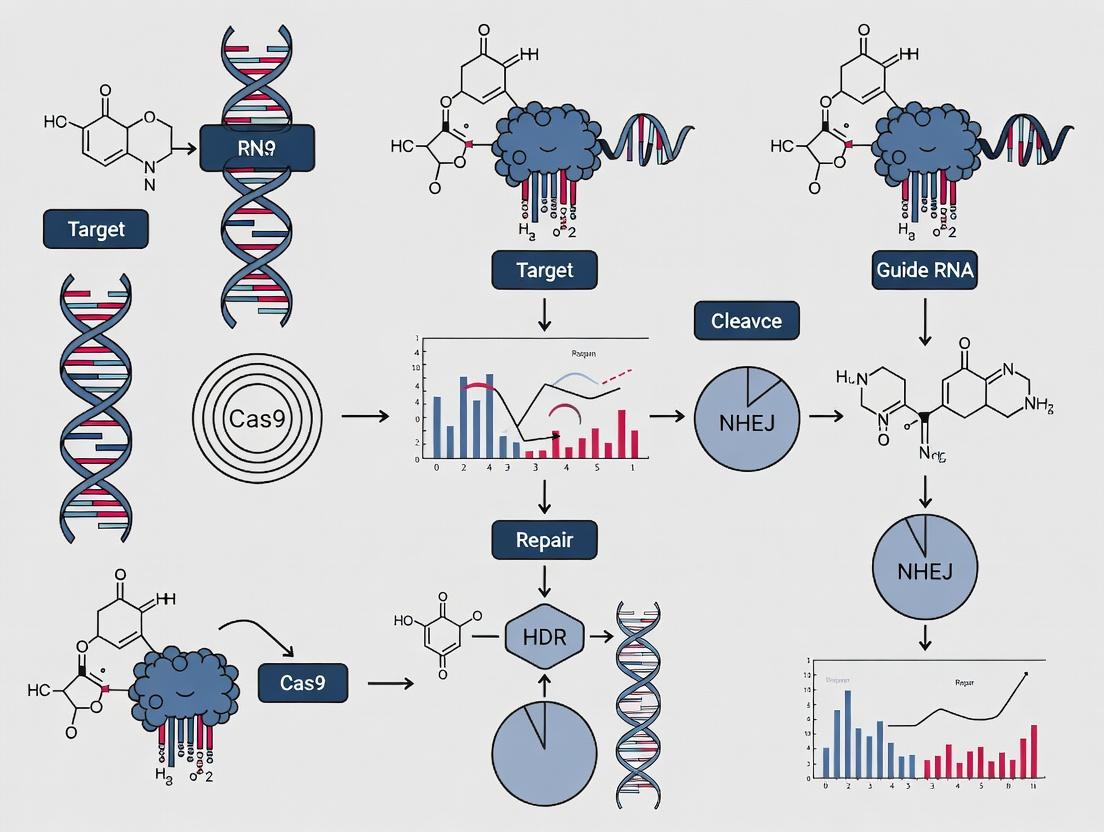
This article provides a detailed exploration of CRISPR-Cas9 applications in cancer epigenetics for researchers, scientists, and drug development professionals.
Harnessing CRISPR-Cas9 for Cancer Epigenetics: A Comprehensive Guide to Editing, Therapy, and Clinical Translation
Abstract
This article provides a detailed exploration of CRISPR-Cas9 applications in cancer epigenetics for researchers, scientists, and drug development professionals. It begins by establishing the foundational link between epigenetic dysregulation and oncogenesis, explaining how CRISPR-Cas9 can be repurposed for epigenetic editing. The core of the article details current methodologies for targeted DNA methylation and histone modification, alongside therapeutic strategies like silencing oncogenes and reactivating tumor suppressors. We address critical troubleshooting and optimization challenges, including delivery, specificity, and persistence of edits. Finally, the article validates these approaches by comparing them to conventional epigenetic drugs and early-stage clinical trials, concluding with a synthesis of future directions and clinical implications for precision oncology.
Understanding the Target: The Role of Epigenetics in Cancer and CRISPR's Editing Potential
This whitepaper details the complex dysregulation of epigenetic mechanisms in oncogenesis, focusing on aberrant DNA methylation and histone modification patterns. Framed within the broader thesis of CRISPR-Cas9 applications for epigenetic editing, this guide provides a technical foundation for researchers aiming to develop targeted epigenetic therapies.
Cancer progression is driven not only by genetic mutations but also by pervasive epigenetic alterations. These heritable yet reversible changes regulate gene expression without altering the DNA sequence. The two most studied mechanisms—DNA methylation and histone modifications—are profoundly disrupted in tumors, silencing tumor suppressor genes (TSGs) and activating oncogenes. The advent of CRISPR-Cas9-based epigenetic editors offers unprecedented precision in dissecting and correcting these dysregulated landscapes for therapeutic gain.
Dysregulated DNA Methylation in Cancer
Global Hypomethylation and Focal Hypermethylation
The cancer methylome is characterized by two opposing phenomena: genome-wide hypomethylation, which promotes genomic instability and oncogene activation, and promoter-specific hypermethylation at CpG islands, which leads to the transcriptional silencing of critical TSGs.
Table 1: Common Hypermethylated Genes in Human Cancers
| Gene Symbol | Normal Function | Cancer Types Where Frequently Silenced | Clinical Consequence |
|---|---|---|---|
| MLH1 | DNA mismatch repair | Colorectal, Endometrial | Microsatellite Instability |
| BRCA1 | DNA repair | Breast, Ovarian | Genomic Instability |
| CDKN2A (p16) | Cell cycle inhibition | Pan-cancer (Melanoma, Pancreatic) | Uncontrolled Proliferation |
| MGMT | DNA repair (alkylation damage) | Glioblastoma, Colorectal | Increased Mutagenesis |
| RASSF1A | Apoptosis, microtubule stability | Lung, Breast, Kidney | Enhanced Survival |
Enzymatic Machinery: DNMTs and TETs
Dysregulation involves DNA methyltransferases (DNMT1, DNMT3A/B) and demethylases (TET1/2/3). Overexpression of DNMTs and loss-of-function mutations in TET2 are common in hematological malignancies.
Experimental Protocol: Bisulfite Sequencing for Methylation Analysis Objective: To map cytosine methylation at single-base resolution.
- DNA Treatment: Treat 500 ng-1 µg of genomic DNA with sodium bisulfite (e.g., using EZ DNA Methylation-Gold Kit). This converts unmethylated cytosines to uracil, while methylated cytosines remain unchanged.
- PCR Amplification: Design primers specific to bisulfite-converted DNA for the region of interest. Perform PCR to amplify the target.
- Sequencing: Purify PCR product and subject to next-generation sequencing (NGS) or Sanger sequencing.
- Analysis: Align sequences to a reference genome. Calculate methylation percentage per CpG site by comparing C/T ratios at each position. Use software like Bismark or QUMA for analysis.
Aberrant Histone Modifications in Cancer
Oncogenic Alterations in Histone Marks
Post-translational modifications (PTMs) of histone tails—acetylation, methylation, phosphorylation—dictate chromatin states. Cancer cells exhibit characteristic shifts, such as loss of H4K16ac and H3K4me3 (active marks) at TSGs and gain of H3K9me3 and H3K27me3 (repressive marks).
Table 2: Key Histone Modifications and Their Dysregulation in Cancer
| Histone Mark | Normal Role | Common Alteration in Cancer | Associated Enzymes (Writer/Eraser) |
|---|---|---|---|
| H3K27me3 | Facultative heterochromatin, gene repression | Gain at TSG promoters | Writer: EZH2 (PRC2); Eraser: KDM6A/UTX |
| H3K9me3 | Constitutive heterochromatin, gene repression | Gain at TSG promoters | Writer: SUV39H1; Eraser: KDM4 family |
| H3K4me3 | Active transcription start sites | Loss at TSG promoters | Writer: SET1/MLL complexes; Eraser: KDM5 family |
| H3K9ac / H3K14ac | Active transcription | Loss at TSG promoters | Writer: HATs (p300/CBP); Eraser: HDACs |
| H3K79me2 | Active transcription | Variable; altered in MLL-rearranged leukemia | Writer: DOT1L |
Mutations in Epigenetic Modifiers
Recurrent somatic mutations in genes encoding histone-modifying enzymes are now recognized as driver events (e.g., EZH2 gain-of-function in lymphoma, KMT2D loss-of-function in multiple cancers).
Experimental Protocol: Chromatin Immunoprecipitation Sequencing (ChIP-seq) Objective: To profile genome-wide occupancy of a specific histone modification or chromatin-associated protein.
- Crosslinking & Shearing: Crosslink cells with 1% formaldehyde for 10 min. Quench with glycine. Lyse cells and sonicate chromatin to 200-500 bp fragments.
- Immunoprecipitation: Incubate chromatin lysate overnight with 2-5 µg of validated, specific antibody against the target histone mark (e.g., anti-H3K27me3). Use Protein A/G magnetic beads to capture antibody-chromatin complexes.
- Washing & Elution: Wash beads stringently. Reverse crosslinks and purify DNA.
- Library Prep & Sequencing: Prepare sequencing library from ChIP DNA and input control. Sequence on an NGS platform (e.g., Illumina).
- Analysis: Align reads to reference genome. Call peaks using tools like MACS2. Compare signal intensity between sample and input to identify enriched regions.
CRISPR-Cas9 Tools for Epigenetic Editing: Interrogation and Correction
CRISPR-Based Screening for Epigenetic Dependencies
CRISPR knockout (CRISPRko) and CRISPR inhibition (CRISPRi) screens have identified synthetic lethal interactions with epigenetic dysregulations (e.g., ARID1A-mutant cancers depend on remaining SWI/SNF complex activity).
Targeted Epigenetic Editing
Catalytically dead Cas9 (dCas9) fused to epigenetic effector domains enables precise rewriting of epigenetic marks.
- dCas9-DNMT3A/TET1: For targeted methylation or demethylation of specific CpG sites.
- dCas9-p300 Core / dCas9-HDAC: For targeted acetylation or deacetylation of histone tails at a locus.
- dCas9-KRAB / dCas9-PRC2: For programmable gene silencing via heterochromatin formation.
Experimental Protocol: Targeted DNA Demethylation with dCas9-TET1 Objective: To reactivate a hypermethylated TSG (e.g., CDKN2A) in a cancer cell line.
- gRNA Design: Design 3-5 gRNAs targeting the promoter CpG island of CDKN2A.
- Vector Delivery: Co-transfect cells with plasmids encoding (a) dCas9-TET1 catalytic domain fusion and (b) the target-specific gRNA(s). Use a non-targeting gRNA as control.
- Validation:
- Bisulfite Pyrosequencing: 72 hrs post-transfection, assess methylation levels at the target locus.
- RT-qPCR: Measure CDKN2A mRNA expression.
- Western Blot: Measure p16 protein levels.
- Functional Assay: Perform cell cycle analysis via flow cytometry to assess G1 arrest.
- Analysis: Compare all metrics to control gRNA-transfected cells.
The Scientist's Toolkit: Key Research Reagent Solutions
Table 3: Essential Reagents for Cancer Epigenetics Research
| Item | Function/Application | Example Product/Supplier |
|---|---|---|
| DNA Methylation Inhibitor | Demethylating agent for in vitro and clinical use; reverses hypermethylation. | 5-Azacytidine (Sigma-Aldrich) |
| HDAC Inhibitor | Inhibits histone deacetylases, increasing histone acetylation and gene expression. | Vorinostat (SAHA) (Cayman Chemical) |
| Bisulfite Conversion Kit | Essential for preparing DNA for methylation analysis. | EZ DNA Methylation-Lightning Kit (Zymo Research) |
| Validated ChIP-Grade Antibody | Specific antibody for chromatin immunoprecipitation of histone marks or reader proteins. | Anti-H3K27me3, Rabbit mAb (Cell Signaling Tech #9733) |
| dCas9-Effector Plasmids | Ready-to-use vectors for epigenetic editing (e.g., dCas9-p300, dCas9-KRAB). | Catalog #: dCas9-p300 (Addgene #61357) |
| Methylation-Sensitive Restriction Enzyme | For locus-specific methylation analysis (e.g., MSRE-qPCR). | HpaII (NEB) |
| Histone Extraction Kit | For isolating histone proteins for downstream PTM analysis (Western, MS). | EpiQuik Total Histone Extraction Kit (Epigentek) |
| CRISPR Epigenetic Modulator Screening Library | Genome-scale gRNA library targeting epigenetic regulators. | Brunello Human Epigenetic Modifier CRISPRko Library (Broad Institute) |
Visualizing Pathways and Workflows
Title: Oncogenic Epigenetic Dysregulation Pathway
Title: CRISPR-dCas9 Epigenome Editing Protocol Flow
Therapeutic Implications and Future Directions
The delineation of the cancer epigenome provides a rich repository of druggable targets (e.g., EZH2, BET, IDH1/2 inhibitors). Integrating CRISPR screens with patient-derived models will uncover context-specific vulnerabilities. The next frontier is the development of in vivo delivery methods for CRISPR-based epigenetic editors, moving from a research tool to a potential therapeutic modality for "resetting" the cancer epigenome.
The genomic revolution in oncology, driven by next-generation sequencing, has cataloged numerous somatic mutations driving carcinogenesis. However, the mutational landscape alone fails to explain key aspects of tumor heterogeneity, plasticity, drug resistance, and non-heritable phenotypes. This gap is bridged by epigenetics—the study of heritable changes in gene expression that occur without altering the DNA sequence itself. Epigenetic modifications, including DNA methylation, histone post-translational modifications, and chromatin remodeling, orchestrate the transcriptional programs that define cell identity. In cancer, these regulatory layers are profoundly dysregulated, often preceding and enabling genetic instability. Targeting these reversible aberrations represents a strategic therapeutic avenue with the potential to reprogram malignant cells, overcome resistance, and provide durable responses, particularly when integrated with precision tools like CRISPR-Cas9.
Core Epigenetic Mechanisms Dysregulated in Cancer
DNA Methylation
The addition of a methyl group to cytosine residues in CpG dinucleotides, typically leading to transcriptional repression when occurring in promoter regions. Cancer genomes exhibit global hypomethylation (genomic instability) coupled with locus-specific hypermethylation at tumor suppressor gene promoters.
Histone Modifications
Covalent modifications (e.g., acetylation, methylation, phosphorylation) to histone tails alter chromatin structure. Key marks include:
- H3K27me3: A repressive mark catalyzed by Polycomb Repressive Complex 2 (PRC2/EZH2), frequently overexpressed in cancers.
- H3K4me3 & H3K27ac: Associated with active transcription.
Chromatin Remodeling Complexes
ATP-dependent complexes (e.g., SWI/SNF) reposition nucleosomes, modulating transcription factor access. Subunits like ARID1A and SMARCA4 are frequently mutated in cancer.
Non-Coding RNAs
Long non-coding RNAs (e.g., XIST, HOTAIR) and microRNAs can recruit chromatin-modifying complexes to specific genomic loci.
Table 1: Common Epigenetic Alterations in Select Cancers
| Cancer Type | Frequent Epigenetic Alteration | Affected Gene/Pathway | Consequence |
|---|---|---|---|
| Glioblastoma | MGMT promoter hypermethylation | DNA repair | Predictive of temozolomide response |
| Acute Myeloid Leukemia (AML) | Mutations in DNMT3A, TET2, IDH1/2 | DNA methylation/hydroxymethylation | Altered differentiation, block to maturation |
| Lymphoma | Overexpression/EZH2 gain-of-function mutations | H3K27me3 deposition | Silencing of differentiation genes |
| Colorectal | MLH1 promoter hypermethylation | Mismatch repair | Microsatellite instability |
| Lung (SCLC) | Inactivation of SMARCA4 | SWI/SNF chromatin remodeling | Oncogenic transformation |
The CRISPR-Cas9 Toolkit for Epigenetic Interrogation and Editing
The adaptation of CRISPR-Cas9 from a DNA-cleaving system to a targeted epigenetic modulator has revolutionized functional epigenomics. This is achieved by fusing a catalytically dead Cas9 (dCas9) to epigenetic effector domains.
Key dCas9-Effector Fusion Platforms
- dCas9-DNMT3A: Targeted DNA methylation.
- dCas9-TET1: Targeted DNA demethylation.
- dCas9-p300 Core: Targeted histone acetylation (H3K27ac) for gene activation.
- dCas9-KRAB: Recruitment of repressive complexes (H3K9me3) for gene silencing.
- dCas9-EZH2/PRC2: Targeted deposition of H3K27me3.
Experimental Protocol: Targeted Epigenetic Silencing via dCas9-KRAB
Aim: To stably silence an oncogene (MYC) in a cancer cell line. Materials:
- Plasmid constructs: lentiGuide-Puro (expressing sgRNA), psPAX2 (packaging), pMD2.G (VSV-G envelope), and plenti-dCas9-KRAB-Blast.
- HEK293T cells (for lentiviral production) and target cancer cell line (e.g., HCT116).
- Polyethylenimine (PEI) or Lipofectamine 3000.
- Puromycin and Blasticidin.
- qPCR reagents, antibodies for Western Blot (anti-MYC).
Methodology:
- sgRNA Design & Cloning: Design three sgRNAs targeting the promoter or enhancer region of MYC. Clone oligonucleotides into the BsmBI site of lentiGuide-Puro.
- Lentivirus Production:
- Plate HEK293T cells in a 6-well plate to reach 70-80% confluency.
- Co-transfect using PEI: For each well, mix 1 µg of lentiGuide-sgRNA, 0.75 µg of psPAX2, and 0.25 µg of pMD2.G in 100 µL serum-free DMEM. Add 6 µL PEI (1 µg/µL), vortex, incubate 15 min, and add to cells.
- Replace media after 6-8 hours.
- Harvest viral supernatant at 48 and 72 hours post-transfection. Filter through a 0.45 µm PVDF filter.
- Cell Line Engineering & Selection:
- Transduce target cells with lentivirus for dCas9-KRAB (BlastR). Select with 5-10 µg/mL Blasticidin for 7 days.
- Transduce stable dCas9-KRAB cells with pooled sgRNA MYC lentiviruses. Select with 1-2 µg/mL Puromycin for 5-7 days.
- Validation:
- qPCR: Isolate RNA, synthesize cDNA, and perform qPCR for MYC and a housekeeping gene (e.g., GAPDH).
- Western Blot: Analyze MYC protein levels.
- ChIP-qPCR: Confirm enrichment of H3K9me3 at the MYC target site using an anti-H3K9me3 antibody.
Diagram 1: dCas9-KRAB mediated transcriptional repression.
Strategic Advantages of Targeting Cancer Epigenetics
- Reversibility: Epigenetic marks are dynamic, offering a therapeutic window to "reset" the cancer epigenome to a less malignant state.
- Overcoming Resistance: Epigenetic plasticity is a key driver of resistance to targeted therapies and chemotherapy. Co-targeting epigenetic regulators can prevent or reverse this adaptation.
- Synergy with Immuno-Oncology: Epigenetic drugs (e.g., DNMT inhibitors) can upregulate tumor-associated antigens and endogenous retroviruses, enhancing tumor immunogenicity and response to checkpoint inhibitors.
- Targeting "Undruggable" Oncogenes: CRISPR-based epigenetic silencing (CRISPRi) offers an allele-specific method to downregulate transcription factors or mutant oncogenes not amenable to small-molecule inhibition.
- Addressing Non-Mutational Mechanisms: Epigenetic dysregulation can phenocopy oncogenic mutations, providing alternative nodes for intervention in cancers lacking clear driver mutations.
Key Experiments & Data: CRISPR-Epigenetic Screens
Table 2: Key Findings from CRISPR-dCas9 Epigenetic Screens in Oncology
| Study (Key Citation) | Cancer Model | Epigenetic Tool Used | Key Finding | Phenotype |
|---|---|---|---|---|
| Liau et al., Science 2023 | Glioblastoma Stem Cells (GSCs) | dCas9-p300 / dCas9-KRAB | Super-enhancer mapping identified essential regulatory dependencies distinct from genetic drivers. | Altered stemness, proliferation |
| Liu et al., Cell 2021 | Ovarian Cancer | dCas9-DNMT3A/dCas9-TET1 | Site-specific methylation of enhancer elements for ARHGAP4 or TUSC3 modulated chemosensitivity to platinum. | Modulated cisplatin resistance |
| Lanoix et al., Nat. Comm. 2024 | T-cell Acute Lymphoblastic Leukemia (T-ALL) | dCas9-KRAB / dCas9-VP64 | Identification of Notch1-independent enhancers required for leukemia maintenance. | Ablated leukemic growth in vivo |
Experimental Protocol: CRISPR-dCas9 Activation/Repression Screen
Aim: To identify epigenetic regulators essential for cancer cell proliferation. Materials: Brunello genome-wide sgRNA library (targeting coding genes), lenti-dCas9-VP64 (activation) or lenti-dCas9-KRAB (repression) backbone, Puromycin, NGS reagents, MAGeCK algorithm.
Methodology:
- Library Cloning & Production: Clone the Brunello sgRNA library into the lentiviral dCas9-effector backbone. Produce high-titer lentiviral library in HEK293T cells as in 3.2.
- Cell Transduction & Selection:
- Transduce target cells at a low MOI (~0.3) to ensure single integration. Use enough cells to maintain >500x representation of the sgRNA library.
- Select with Puromycin for 7 days.
- Phenotypic Selection & Sequencing:
- Split cells and culture for ~14 population doublings.
- Harvest genomic DNA from the initial selected pool (T0) and the final pool (T14) using a kit (e.g., Qiagen Blood & Cell Culture DNA Maxi Kit).
- Amplify the integrated sgRNA region via PCR using primers containing Illumina adapters and barcodes.
- Perform next-generation sequencing (NGS) to a depth of >50 reads per sgRNA.
- Bioinformatic Analysis:
- Align reads to the sgRNA library reference.
- Use MAGeCK (Model-based Analysis of Genome-wide CRISPR-Cas9 Knockout) to compare sgRNA abundance between T0 and T14.
- Genes with significantly depleted (in a repression screen) or enriched (in an activation screen) sgRNAs are identified as essential epigenetic regulators.
Diagram 2: Workflow for CRISPR-dCas9 epigenetic screen.
The Scientist's Toolkit: Research Reagent Solutions
Table 3: Essential Reagents for CRISPR-Epigenetics Research
| Item | Function | Example Vendor/Product |
|---|---|---|
| dCas9 Effector Plasmids | Stable expression of dCas9 fused to epigenetic writer/eraser domains (p300, KRAB, DNMT3A, TET1). | Addgene: #125597 (dCas9-p300), #99374 (dCas9-KRAB) |
| sgRNA Cloning Vectors | Backbones for sgRNA expression compatible with dCas9-effector systems. | Addgene: #133475 (lentiGuide-Puro) |
| Lentiviral Packaging Mix | Essential plasmids (psPAX2, pMD2.G) for producing VSV-G pseudotyped lentivirus. | Addgene: #12260 & #12259 |
| High-Efficiency Transfection Reagent | For plasmid delivery into packaging cells (HEK293T). | Polyethylenimine (PEI Max), Lipofectamine 3000 |
| Selection Antibiotics | For selecting stably transduced cells (Puromycin, Blasticidin, Hygromycin). | Thermo Fisher Scientific, Sigma-Aldrich |
| ChIP-Validated Antibodies | For validating epigenetic mark changes (e.g., anti-H3K27ac, anti-H3K9me3). | Cell Signaling Technology, Abcam, Active Motif |
| DNA Methylation Analysis Kits | For bisulfite conversion and targeted sequencing (e.g., Pyrosequencing, EpiTYPER). | Qiagen (EpiTect), Zymo Research |
| Chromatin Conformation Assay Kits | To study long-range epigenetic interactions (Hi-ChIP, Capture-C). | Arima-HiC Kit, Diagenode |
| NGS Library Prep Kits | For sequencing sgRNA amplicons from CRISPR screens or ChIP-DNA. | Illumina Nextera, NEBNext |
Future Directions & Challenges
The integration of CRISPR-epigenetic editing into oncology research is accelerating target discovery and validation. Future directions include:
- Multiplexed Editing: Simultaneously targeting multiple epigenetic layers at a single locus.
- In Vivo Delivery: Developing safe, efficient delivery systems (e.g., lipid nanoparticles, AAV) for therapeutic epigenetic editing.
- Single-Cell Multi-Omics: Coupling CRISPR perturbations with single-cell ATAC-seq and RNA-seq to dissect heterogeneity.
- Overcoming Context-Specificity: The effect of epigenetic editing is highly dependent on cellular context and chromatin state, requiring refined predictive models.
Conclusion: Moving "beyond the genome" to target the cancer epigenome is a strategy grounded in the fundamental biology of transcriptional dysregulation. CRISPR-Cas9-based epigenetic tools provide the precision necessary to dissect this complex landscape and develop the next generation of epigenetic therapies capable of reprogramming cancer cells toward a less malignant state, offering hope for durable clinical responses.
This technical guide delineates the evolution of CRISPR-Cas9 from a system for inducing DNA double-strand breaks to a precision tool for epigenetic reprogramming, contextualized within cancer epigenetics research. We provide current methodologies, quantitative data comparisons, and essential reagent toolkits for researchers driving therapeutic innovation.
Core Mechanism & Evolution to Epigenetic Editing
The Streptococcus pyogenes Cas9 nuclease is guided by a single guide RNA (sgRNA) to a specific genomic locus via Watson-Crick base pairing. Canonically, the Cas9-sgRNA complex creates a site-specific double-strand break (DSB), repaired by Non-Homologous End Joining (NHEJ) or Homology-Directed Repair (HDR).
Epigenetic engineering is achieved by fusing a catalytically dead Cas9 (dCas9) to effector domains that modify chromatin states without altering the DNA sequence. This enables programmable regulation of gene expression—a critical approach for dissecting and correcting aberrant epigenetic landscapes in cancer.
Diagram 1: CRISPR-Cas9 evolution to epigenetic tools
Quantitative Data: Genetic vs. Epigenetic Editing Efficiencies
Recent studies (2023-2024) highlight key performance metrics.
Table 1: Comparison of CRISPR-Cas9 Modalities in Cancer Cell Lines
| Modality | Target Example | Average Editing Efficiency | Persistence of Effect | Key Application in Cancer Research |
|---|---|---|---|---|
| Cas9 NHEJ | TP53 Knockout | 70-95% indels | Permanent | Generating loss-of-function models |
| Cas9 HDR | BRCA1 Correction | 5-30% HDR | Permanent | Functional rescue studies |
| dCas9-KRAB | MYC Repression | 60-80% mRNA reduction | 7-10 days (transient) | Oncogene silencing |
| dCas9-VPR | p21 (CDKN1A) Activation | 20-50 fold increase | 5-7 days (transient) | Tumor suppressor reactivation |
| dCas9-DNMT3A | MGMT Promoter Methylation | 40-60% new methylation | >14 days (heritable) | Epigenetic silencing of repair genes |
| dCas9-TET1 | MLH1 Promoter Demethylation | 30-50% methylation loss | >21 days (heritable) | Reactivation of silenced TSGs |
Table 2: Off-Target Profile Comparison (Data from GUIDE-seq & ChIP-seq)
| System | On-Target Read Depth | Identified Off-Target Sites | Epigenetic Off-Target Changes |
|---|---|---|---|
| SpCas9 Nuclease | 500,000x | 5-15 (high-fidelity variants: 0-3) | N/A |
| dCas9-KRAB | 200,000x | 1-5 (sgRNA-dependent) | Local H3K9me3 spread (<2 kb) |
| dCas9-p300 | 150,000x | 2-8 (sgRNA-dependent) | Local H3K27ac spread (<1 kb) |
| dCas9-DNMT3A | 180,000x | 3-10 (sgRNA-dependent) | Minimal spreading reported |
Detailed Experimental Protocols
Protocol 3.1: CRISPR-dCas9-Mediated Transcriptional Repression for Oncogene Silencing
Objective: Silence MYC in HeLa cells using dCas9-KRAB. Materials: See "Scientist's Toolkit" below. Steps:
- sgRNA Design & Cloning: Design two sgRNAs targeting the MYC promoter (≈ -200 to -50 bp from TSS). Clone into lentiviral dCas9-KRAB backbone (e.g., Addgene #71237) using BsmBI restriction sites.
- Lentivirus Production: Co-transfect 293T cells with the transfer plasmid (dCas9-KRAB-sgRNA), psPAX2, and pMD2.G using PEI transfection reagent. Harvest supernatant at 48h and 72h, concentrate via ultracentrifugation.
- Cell Transduction: Infect HeLa cells with viral supernatant + 8 µg/mL polybrene. Spinfect at 1000 × g for 1h at 37°C. After 48h, select with 2 µg/mL puromycin for 7 days.
- Validation:
- qRT-PCR: Isolate RNA (TRIzol), synthesize cDNA, measure MYC mRNA levels relative to GAPDH.
- Western Blot: Quantify c-MYC protein reduction.
- ChIP-qPCR: Validate enrichment of dCas9 (anti-FLAG) and H3K9me3 at target site.
Protocol 3.2: Targeted DNA Demethylation for Tumor Suppressor Reactivation
Objective: Demethylate and reactivate MLH1 in a hypermethylated colorectal cancer cell line (HCT116). Materials: See "Scientist's Toolkit" below. Steps:
- sgRNA Design: Design 3-5 sgRNAs tiling the CpG island in the MLH1 promoter.
- Plasmid Transfection: Co-transfect a plasmid expressing dCas9-TET1 catalytic domain (Addgene #84475) and the sgRNA expression plasmid into HCT116 cells using Lipofectamine 3000.
- Analysis (Day 5 Post-Transfection):
- Bisulfite Sequencing: Perform EZ DNA Methylation-Lightning Kit conversion. Amplify target region and submit for NGS. Calculate % methylation per CpG.
- RNA-seq: Assess transcriptome-wide changes and confirm MLH1 reactivation.
Diagram 2: Epigenetic editing experimental workflow
The Scientist's Toolkit: Key Research Reagent Solutions
| Reagent/Material | Supplier Examples | Function in CRISPR Epigenetic Editing |
|---|---|---|
| dCas9 Effector Plasmids (dCas9-KRAB, -VPR, -DNMT3A, -TET1) | Addgene, Sigma-Aldrich | Core fusion protein for targeted epigenetic modification. |
| Lentiviral Packaging Mix (psPAX2, pMD2.G) | Addgene, Invitrogen | Essential for producing replication-incompetent lentivirus for stable delivery. |
| High-Fidelity DNA Methylation Kit (Bisulfite Conversion) | Zymo Research, Qiagen | Quantifying targeted changes in CpG methylation. |
| ChIP-Validated Antibodies (anti-H3K9me3, anti-H3K27ac, anti-dCas9) | Cell Signaling, Abcam, Diagenode | Validating epigenetic mark deposition and dCas9 occupancy. |
| Next-Generation Sequencing Kits for RNA-seq & ChIP-seq | Illumina, Thermo Fisher | Genome-wide assessment of on-target efficacy and transcriptomic/epigenomic off-targets. |
| Lipofectamine CRISPRMAX | Invitrogen | High-efficiency transfection reagent for RNP or plasmid delivery. |
| Synthetic sgRNAs (Chemically Modified) | Synthego, IDT | Enhanced stability and reduced immunogenicity for RNP delivery. |
| Magnetic Beads for RNP Complex Assembly | Takara Bio, Biolabs | For forming purified dCas9-effector/sgRNA ribonucleoprotein complexes. |
Signaling Pathways in Cancer Epigenetics Targeted by CRISPR-dCas9
Aberrant signaling in cancer often converges on epigenetic modifiers. CRISPR-dCas9 can directly rewire these pathways.
Diagram 3: Targeting cancer signaling with epigenetic editing
The trajectory from genetic scissors to epigenetic engineers positions CRISPR-dCas9 as a transformative tool for functional epigenomics and therapeutic discovery in cancer. Key challenges remain: improving effector specificity, minimizing epigenetic off-target effects, and achieving durable in vivo delivery. Ongoing research focuses on engineering novel dCas9-effector fusions with smaller sizes, allosteric control, and cell-type-specific activity. The integration of multiplexed epigenetic editing with single-cell multi-omics will further decipher the causal role of specific epigenetic marks in oncogenesis, paving the way for next-generation epigenetic therapies.
Within the expanding landscape of CRISPR-Cas9 applications in oncology, a transformative approach lies in epigenetic editing. Moving beyond permanent DNA cleavage, this strategy leverages a Catalytically Dead Cas9 (dCas9). Engineered with point mutations (e.g., D10A and H840A in Streptococcus pyogenes Cas9) that abolish its endonuclease activity, dCas9 retains its programmable DNA-binding capability. When fused to epigenetic effector domains, it serves as a precise targeting vehicle to deliver regulatory machinery to specific genomic loci, enabling reversible manipulation of the cancer epigenome for research and therapeutic discovery.
Core dCas9-Effector Architecture
The fundamental construct is a fusion protein. The dCas9 scaffold provides localization via a single-guide RNA (sgRNA). The C- or N-terminus is tethered to an effector domain that writes or erases epigenetic marks.
Key Mutations Rendering Cas9 Catalytically Dead:
| Cas9 Variant | RuvC Domain Mutation | HNH Domain Mutation | Nickase Activity? | Primary Source |
|---|---|---|---|---|
| dCas9 (Sp) | D10A | H840A | No | S. pyogenes |
| dCas9 (Sa) | N580A | D10A (analogous) | No | Staphylococcus aureus |
| dCas9 (Nm) | D569A | H837A | No | Neisseria meningitidis |
Major Classes of Epigenetic Effector Domains
Effector domains are selected based on the desired epigenetic modulation: activation or repression via histone modification, or direct DNA methylation/demethylation.
Table 1: Common Epigenetic Effector Domains Fused to dCas9
| Effector Domain | Type/Origin | Catalytic Function | Resultant Epigenetic Change | Common Target in Cancer Research |
|---|---|---|---|---|
| p300 Core | Histone acetyltransferase (HAT) | Acetylates histone H3 lysine 27 (H3K27) | Increases H3K27ac; promotes open chromatin & gene activation | Tumor suppressor gene promoters (e.g., CDKN2A) |
| TET1 (catalytic domain) | DNA demethylase | Oxidizes 5-methylcytosine (5mC) to 5-hydroxymethylcytosine (5hmC) | Active DNA demethylation; promotes gene expression | Hypermethylated CpG islands in promoter regions |
| DNMT3A (catalytic domain) | DNA methyltransferase | De novo methylation of cytosine at CpG sites | DNA methylation; induces closed chromatin & gene silencing | Oncogene enhancers or genomic regions driving proliferation |
| LSD1 (KDM1A) | Histone demethylase | Demethylates H3K4me1/2 | Erases active histone marks; leads to transcriptional repression | Enhancer regions of oncogenes (e.g., MYC) |
| PRDM9 (methyltransferase domain) | Histone methyltransferase | Methylates H3K4, H3K9, H3K36 | Can establish repressive (H3K9me) or active marks | Model studies for epigenetic memory |
Experimental Protocol: Targeted DNA Demethylation and Gene Reactivation
This protocol details using dCas9-TET1 to reactivate a hypermethylated tumor suppressor gene (CDKN2A/p16) in a cancer cell line.
A. Vector Construction
- Cloning: Subclone the human codon-optimized dCas9 (with nuclear localization signals, NLS) and the catalytic domain of human TET1 (residues 1418-2136) into a single expression vector (e.g., lentiviral backbone) using Gibson Assembly. Link with a flexible glycine-serine (GS) linker.
- sgRNA Design: Design two sgRNAs targeting the CpG island within the CDKN2A promoter. Use CRISPR design tools (e.g., CHOPCHOP) to minimize off-target effects. Clone sgRNAs into a U6-driven expression plasmid.
B. Cell Line Transfection and Analysis
- Delivery: Co-transfect HEK293T cells with the dCas9-TET1 lentiviral construct, sgRNA plasmids, and packaging plasmids (psPAX2, pMD2.G) using polyethylenimine (PEI). Harvest lentivirus at 48 and 72 hours.
- Transduction: Transduce target cancer cells (e.g., A549 lung carcinoma) with lentivirus containing dCas9-TET1 and sgRNAs in the presence of 8 µg/mL polybrene. Select with appropriate antibiotics (e.g., puromycin) for 7 days.
- Validation:
- DNA Methylation Analysis: Perform bisulfite sequencing on genomic DNA from selected cells for the targeted region. Calculate percentage methylation per CpG site.
- Expression Analysis: Quantify CDKN2A mRNA levels via qRT-PCR (TaqMan assay). Normalize to GAPDH.
- Phenotypic Assay: Assess proliferation changes using a Cell Counting Kit-8 (CCK-8) assay over 5 days.
Quantitative Data Summary:
| Experimental Group | Avg. Promoter Methylation (%) | CDKN2A mRNA (Fold Change) | Proliferation Rate (Day 5, OD450) |
|---|---|---|---|
| Non-targeting sgRNA Control | 85% ± 4% | 1.0 ± 0.2 | 2.1 ± 0.15 |
| dCas9-TET1 + CDKN2A sgRNAs | 22% ± 7% | 8.5 ± 1.3 | 1.3 ± 0.10 |
| dCas9 only + CDKN2A sgRNAs | 80% ± 5% | 1.1 ± 0.3 | 2.0 ± 0.12 |
Visualizing Key Pathways and Workflows
Diagram 1: dCas9-Epigenetic Effector Core Mechanism
Diagram 2: Transcriptional Activation by dCas9-p300
The Scientist's Toolkit: Essential Research Reagents
Table 2: Key Research Reagent Solutions for dCas9-Epigenetic Editing
| Reagent / Material | Function & Role in Experiment | Example Product / Identifier |
|---|---|---|
| dCas9-Effector Plasmid | Expresses the fusion protein. Backbone contains selection marker (e.g., puromycin resistance) and promoter (e.g., EF1α). | Addgene #127969 (dCas9-p300 Core) |
| Lentiviral Packaging Mix | Essential for generating recombinant lentivirus to deliver constructs into difficult-to-transfect cell lines. | psPAX2 (packaging), pMD2.G (VSV-G envelope) |
| Polycation Transfection Reagent | Facilitates DNA complexation and uptake for plasmid transfection in packaging cells. | Polyethylenimine (PEI), Lipofectamine 3000 |
| Bisulfite Conversion Kit | Critical for analyzing DNA methylation patterns by converting unmethylated cytosines to uracils. | EZ DNA Methylation-Lightning Kit |
| Chromatin Immunoprecipitation (ChIP) Kit | Validates effector localization (dCas9 ChIP) and on-target histone mark changes (e.g., H3K27ac ChIP). | SimpleChIP Enzymatic Kit |
| Nucleofection System | Enables high-efficiency, direct delivery of ribonucleoprotein (RNP) complexes of purified dCas9-effector protein and sgRNA. | Lonza 4D-Nucleofector |
| Next-Generation Sequencing (NGS) Library Prep Kits | For comprehensive off-target assessment (ChIP-seq, whole-genome bisulfite sequencing) and transcriptomics (RNA-seq). | Illumina TruSeq, Accel-NGS Methyl-Seq |
The fusion of dCas9 to epigenetic effectors represents a cornerstone technology for functional cancer epigenomics. It enables precise, multiplexed, and reversible interrogation of oncogenic and tumor-suppressive pathways without altering the underlying DNA sequence. Current research focuses on improving specificity, developing inducible systems, and exploring synergistic effector combinations (epigenetic "writing" and "erasing"). The ultimate translation of this technology into novel epigenetic therapies hinges on overcoming delivery challenges in vivo and achieving sustained, targeted epigenetic reprogramming in tumors.
The dysregulation of epigenetic marks—DNA methylation and histone modifications—is a hallmark of cancer, driving oncogene activation and tumor suppressor silencing. The integration of CRISPR-Cas9 with epigenetic effector domains has created a paradigm shift in cancer epigenetics research. This programmable recruitment technology, known as "epigenome editing," enables precise, locus-specific epigenetic reprogramming without altering the underlying DNA sequence. This whitepaper details the core mechanism, focusing on its application for dissecting oncogenic pathways, modeling cancer states in vitro, and developing novel therapeutic modalities that could reverse pathologic epigenetic states in malignancies.
Core Mechanistic Framework
The mechanism leverages a catalytically dead Cas9 (dCas9) protein, which retains its DNA-targeting ability but lacks endonuclease activity. Epigenetic writer or eraser domains (e.g., DNA methyltransferases, histone acetyltransferases, histone methyltransferases, or their erasing counterparts) are fused to dCas9, either directly or via flexible linkers or adaptor systems. Guided by a single-guide RNA (sgRNA) complementary to a target genomic locus, the dCas9-effector complex is recruited with high specificity. Upon binding, the tethered epigenetic enzyme catalyzes the deposition or removal of a specific mark (e.g., H3K27ac, H3K9me3, DNA methylation), thereby modulating the local chromatin state and influencing gene expression programs central to cancer biology.
Key System Components and Functional Classes
The system's versatility stems from the choice of epigenetic effector domains. The table below categorizes major classes used in cancer epigenetics research.
Table 1: Classes of Epigenetic Effector Domains for Programmable Recruitment
| Effector Class | Example Domain/Protein | Catalytic Function | Typical Target Mark | Primary Transcriptional Outcome | Relevance in Cancer |
|---|---|---|---|---|---|
| Histone Acetyltransferase (HAT) | p300 core domain | Adds acetyl groups to lysines | H3K27ac, H3K18ac | Gene activation | Reactivate silenced tumor suppressors (e.g., CDKN2A). |
| Histone Deacetylase (HDAC) | HDAC3 | Removes acetyl groups from lysines | H3K27ac, H3K9ac | Gene repression | Silence oncogenic enhancers driving MYC expression. |
| Histone Methyltransferase (HMT) | EZH2 (SET domain) | Adds methyl groups to lysines (e.g., K27) | H3K27me3 | Gene repression | Model polycomb-mediated silencing in leukemia. |
| Histone Demethylase (HDM) | JMJD3 (KDM6B) | Removes methyl groups from lysines (e.g., K27) | H3K27me3 | Gene activation | Erase repressive marks to induce differentiation. |
| DNA Methyltransferase (DNMT) | DNMT3A catalytic domain | Adds methyl groups to cytosine (CpG) | 5mC | Gene silencing | De novo methylate and silence oncogene promoters. |
| Ten-Eleven Translocation (TET) Dioxygenase | TET1 catalytic domain | Oxidizes 5mC to 5hmC/5fC/5caC | 5mC / 5hmC | Gene activation (via demethylation) | Demethylate and reactivate hypermethylated tumor suppressors. |
Quantitative Performance Data
Recent studies have benchmarked the efficiency, specificity, and persistence of epigenetic editing systems. Key metrics include changes in target mark levels, corresponding mRNA expression changes, duration of effect, and off-target profiling.
Table 2: Quantitative Performance Metrics of Representative dCas9-Effector Systems in Cancer Models
| Study (PMID/DOI) | Effector | Target Locus (Cancer Model) | Editing Efficiency (Fold-Change in Mark) | Gene Expression Change (Fold) | Persistence (Days Post-Transfection) | Major Off-Target Assessment Method |
|---|---|---|---|---|---|---|
| 10.1038/s41586-023-05781-7 | dCas9-p300 | HER2 enhancer (Breast Cancer) | H3K27ac: +12.5-fold | HER2 mRNA: +8.2-fold | 14 | ChIP-seq for H3K27ac genome-wide. |
| 10.1126/science.abj3069 | dCas9-DNMT3A-3L | MASPIN promoter (Ovarian Cancer) | CpG Methylation: +35% (absolute) | MASPIN mRNA: -15-fold | >30 (stable after single treatment) | Whole-genome bisulfite sequencing (WGBS). |
| 10.1016/j.cell.2021.09.025 | dCas9-KRAB (Repressor) | CCAT1 LncRNA (Colorectal Cancer) | H3K9me3: +8.3-fold | CCAT1 RNA: -20-fold | 10 | RNA-seq and H3K9me3 ChIP-seq. |
| 10.1038/s41587-022-01243-z | dCas9-TET1 | MLH1 promoter (Colorectal Cancer) | 5hmC: +22-fold; 5mC: -40% | MLH1 mRNA: +6.5-fold | 21 | Targeted bisulfite sequencing & GUIDE-seq. |
Detailed Experimental Protocols
Protocol: Targeted Histone Acetylation for Oncogene Activation
Objective: To activate a specific oncogene or differentiation marker by recruiting p300 to its enhancer region in a cancer cell line.
- Design & Cloning: Design two sgRNAs flanking the target enhancer region (confirmed by H3K27ac ChIP-seq data). Clone sgRNA sequences into a lentiviral sgRNA expression vector (e.g., lentiGuide-Puro). Obtain a lentiviral vector expressing dCas9-p300 fusion.
- Virus Production & Transduction: Produce lentivirus for dCas9-p300 and the sgRNA in HEK293T cells using standard packaging plasmids (psPAX2, pMD2.G). Transduce target cancer cells (e.g., MCF-7) sequentially: first with dCas9-p300 virus and blasticidin selection, then with sgRNA virus and puromycin selection.
- Validation of Epigenetic Editing:
- Chromatin Immunoprecipitation (ChIP)-qPCR: 7 days post-selection, crosslink cells. Perform ChIP using an antibody against H3K27ac. Use qPCR with primers spanning the target enhancer and control regions to quantify acetylation enrichment.
- RT-qPCR: Isolate total RNA and perform reverse transcription followed by qPCR with primers for the target gene and housekeeping genes (e.g., GAPDH, ACTB).
- Phenotypic Analysis: Assess functional outcomes via assays like CellTiter-Glo (proliferation), soft agar colony formation (anchorage-independent growth), or flow cytometry for differentiation markers.
Protocol: Targeted DNA Methylation for Tumor Suppressor Silencing
Objective: To model tumor suppressor gene silencing by de novo methylation of its promoter.
- System Assembly: Use a SunTag-based recruitment system. Express dCas9 fused to 24x GCN4 peptide array (scFv-GCN4 system) and a separate single-chain antibody (scFv) fused to the catalytic domain of DNMT3A and DNMT3L (for enhanced activity). Co-express a sgRNA targeting the CpG island of the promoter.
- Delivery: For primary cells or hard-to-transfect lines, use ribonucleoprotein (RNP) electroporation. Complex purified dCas9-GCN4 and scFv-DNMT3A-3L proteins with in vitro transcribed sgRNA. Electroporate the RNP complex into cells.
- Methylation Analysis: 5-7 days post-editing.
- Bisulfite Sequencing Pyrosequencing: Treat genomic DNA with bisulfite, PCR amplify the target region, and perform pyrosequencing to quantify percent methylation at specific CpGs.
- Methylation-Specific PCR (MSP): For rapid validation, use primers specific for methylated vs. unmethylated sequences after bisulfite conversion.
- Downstream Analysis: Perform RNA-seq to assess genome-wide expression changes and identify pathways altered by the silencing event. Monitor proliferation or drug sensitivity changes.
Visualizations
Epigenetic Editing Core Mechanism
Epigenetic Editing Experimental Workflow
The Scientist's Toolkit: Research Reagent Solutions
Table 3: Essential Research Reagents and Materials for Programmable Epigenetic Recruitment
| Reagent/Material | Supplier Examples | Function & Key Notes |
|---|---|---|
| dCas9-Effector Plasmids | Addgene (e.g., #61422 dCas9-p300, #127969 dCas9-DNMT3A-3L), Takara Bio | Ready-to-use expression vectors for common epigenetic effectors. Critical for initial proof-of-concept studies. |
| Lentiviral Packaging Mix | Takara Bio, OriGene, Sigma-Aldrich | Second/third-generation systems (psPAX2, pMD2.G) for safe and efficient production of lentiviral particles to transduce difficult cell lines. |
| Purified dCas9 Protein | Thermo Fisher Scientific, IDT, BioVision | For RNP complex assembly. Enables rapid, transient editing without viral integration, ideal for primary cancer cells. |
| Synthetic sgRNA (Modified) | Synthego, IDT, Horizon Discovery | Chemically modified sgRNAs (e.g., with 2'-O-methyl analogs) for enhanced stability and reduced immunogenicity in RNP experiments. |
| Electroporation System (Nucleofector) | Lonza (4D-Nucleofector) | Preferred for efficient RNP delivery into a wide range of cancer cell lines and primary patient-derived cells. |
| ChIP-Validated Antibodies | Cell Signaling Technology, Abcam, Diagenode | High-specificity antibodies for ChIP against histone marks (H3K27ac, H3K9me3) and DNA modifications (5mC, 5hmC). Validation is paramount. |
| Bisulfite Conversion Kit | Zymo Research (EZ DNA Methylation Kit), Qiagen | For reliable and complete conversion of unmethylated cytosines to uracil prior to methylation analysis by sequencing or PCR. |
| Genomic DNA Clean-up Kit | Zymo Research, Promega, Thermo Fisher | For high-quality DNA post-bisulfite treatment, which is fragmented and requires careful purification for downstream PCR. |
| Multiplexed sgRNA Library | Custom synthesis (Twist Bioscience) | For pooled CRISPR screening to identify epigenetic vulnerabilities. Libraries target thousands of regulatory elements with multiple sgRNAs each. |
| Off-Target Analysis Service | Illumina (sequencing), Genewiz | WGBS and ChIP-seq services provide genome-wide assessment of editing specificity and unintended epigenetic changes. |
Tools and Techniques: Current Methods and Therapeutic Applications in Cancer Models
This technical guide details the engineering and application of two principal CRISPR-based epigenetic editing toolkits within the broader thesis of CRISPR-Cas9 applications in cancer epigenetics research. The foundational hypothesis posits that precise, locus-specific epigenetic reprogramming—achieved through targeted DNA methylation (silencing) via dCas9-DNMT fusions and targeted DNA demethylation (activation) via dCas9-TET fusions—can functionally dissect oncogenic and tumor-suppressive pathways and hold therapeutic potential for cancers driven by epigenetic dysregulation. This represents a paradigm shift from genetic to reversible epigenetic manipulation in oncology.
Core Molecular Toolkits: Mechanism & Design
dCas9-DNMTs (Targeted Methylation): Catalytically dead Cas9 (dCas9) is fused to a DNA methyltransferase enzyme domain (e.g., DNMT3A, DNMT3L, or bacterial DNMTs like MQ1) and directed by a single-guide RNA (sgRNA) to specific genomic loci. This induces de novo DNA methylation (5mC) at CpG islands, leading to stable transcriptional repression.
dCas9-TETs (Targeted Demethylation): dCas9 is fused to a Ten-Eleven Translocation (TET) enzyme catalytic domain (TET1, TET2, TET3). The complex is targeted to hypermethylated regions, where TET oxidizes 5mC to 5-hydroxymethylcytosine (5hmC) and further derivatives, initiating the DNA demethylation pathway and promoting transcriptional activation.
Table 1: Comparison of Key dCas9-Epigenetic Editor Constructs
| Parameter | dCas9-DNMT3A/DNMT3L | dCas9-DNMT3A (SunTag) | dCas9-TET1CD | dCas9-TET2CD (SunTag) |
|---|---|---|---|---|
| Primary Component | dCas9 fused to DNMT3A & DNMT3L | dCas9 fused to SunTag system + scFv-DNMT3A | dCas9 directly fused to TET1 catalytic domain | dCas9-SunTag + scFv-TET2 catalytic domain |
| Efficiency Range | ~20-60% methylation increase at target locus | ~40-80% methylation increase | ~20-50% 5mC decrease; 5hmC increase | ~50-90% 5mC decrease |
| Typical Effect Size (Repression/Activation) | 2-10 fold repression | 5-50 fold repression | 2-20 fold activation | 10-100 fold activation |
| Kinetics | Methylation builds over 72-120 hrs | Rapid methylation within 48-72 hrs | Demethylation observable at 48-96 hrs | Rapid demethylation within 24-72 hrs |
| Off-Target Epigenetic Effects | Moderate; context-dependent | Higher potential due to multimerization | Generally low | Higher potential due to multimerization |
| Key Application in Cancer | Silencing oncogene promoters (e.g., MAGE-A1), imprinting loci | Dense methylation for robust silencing of oncogenic enhancers | Reactivating hypermethylated tumor suppressor genes (e.g., MLH1, BRCA1) | Robust reactivation of tightly silenced genes |
Table 2: Recent In Vivo Efficacy Data in Preclinical Cancer Models
| Study Target (Cancer Model) | Toolkit Used | Delivery Method | Key Quantitative Outcome | Reference (Year) |
|---|---|---|---|---|
| MAL promoter (Glioblastoma) | dCas9-DNMT3A/DNMT3L | Lentivirus, intracranial | ~40% increased methylation; 70% tumor growth inhibition | 2023 |
| SOX2 enhancer (Lung Adenocarcinoma) | dCas9-DNMT3A (SunTag) | AAV, systemic | ~75% methylation at enhancer; >50% reduction in tumor volume | 2024 |
| p16INK4a promoter (Melanoma) | dCas9-TET1CD | Lipid Nanoparticles | ~35% reduction in methylation; 30x gene reactivation; enhanced chemo-sensitivity | 2023 |
| RASSF1A promoter (Hepatocellular Carcinoma) | dCas9-TET2CD (SunTag) | Adenovirus, intratumoral | ~60% demethylation; tumor suppressor reactivation; 40% apoptosis induction | 2024 |
Experimental Protocols
Protocol 1: Validation of Targeted Methylation via dCas9-DNMT3A-3L Objective: To induce and quantify CpG methylation at a specific oncogene promoter in cultured cancer cells.
- Design & Cloning: Design three sgRNAs targeting CpG-rich regions within 1kb upstream of the target gene TSS. Clone into a lentiviral dCas9-DNMT3A-3L expression vector (e.g., pLV-dCas9-DNMT3A-3L-P2A-Puro).
- Cell Transduction: Transduce target cancer cells (e.g., HeLa, MCF-7) with lentiviral particles (MOI=5) in the presence of 8 µg/ml polybrene. Select with 2 µg/ml puromycin for 72 hours starting 48 hours post-transduction.
- DNA Extraction & Bisulfite Conversion: Harvest genomic DNA at day 7 post-transduction using a commercial kit. Treat 500 ng DNA with sodium bisulfite using the EZ DNA Methylation-Lightning Kit.
- Targeted Bisulfite Sequencing (BS-seq): PCR-amplify the target region from converted DNA. Clone amplicons into a TA vector. Sequence 20-30 clones per sample and analyze CpG methylation percentages using QUMA software.
- Downstream Analysis: Perform RT-qPCR to measure target gene expression knockdown (using GAPDH normalization) and ChIP-qPCR for H3K9me3 enrichment at the locus.
Protocol 2: Targeted Demethylation & Reactivation of a Tumor Suppressor Gene Objective: To demethylate and reactivate a hypermethylated tumor suppressor gene using dCas9-TET1.
- sgRNA Design & Vector Preparation: Design sgRNAs for the hypermethylated CpG island in the promoter of a target gene (e.g., CDKN2A). Use an all-in-one plasmid system expressing dCas9-TET1CD, the sgRNA, and a GFP marker.
- Cell Transfection: Transfect 2x10^5 cells (e.g., a cancer cell line with known CDKN2A methylation) with 2 µg plasmid using a nucleofection system optimized for the cell type.
- Flow Cytometry & Sorting: At 48 hours post-transfection, harvest cells and sort the top 10-20% GFP-positive population using a FACS sorter.
- 5hmC & 5mC Quantification: Use a glucosylation-coupled hMeDIP-qPCR assay to quantify 5hmC enrichment at the target locus in sorted cells. For absolute 5mC quantification, use targeted pyrosequencing of bisulfite-converted DNA.
- Functional Assay: At 96-120 hours post-transfection, assess functional reactivation via Western blot for the target protein (e.g., p16INK4a) and a cell proliferation assay (MTT) to measure growth inhibition.
Diagrams
Title: Targeted Methylation by dCas9-DNMT
Title: Targeted Demethylation by dCas9-TET
Title: Cancer Epigenetic Editing Research Workflow
The Scientist's Toolkit: Research Reagent Solutions
Table 3: Essential Materials for Epigenetic Editing Experiments
| Item/Category | Example Product/Supplier | Function in Research |
|---|---|---|
| dCas9-Effector Plasmids | Addgene: #71666 (dCas9-DNMT3A-3L), #84481 (dCas9-TET1CD) | Core expression vectors for the fusion proteins. Provide backbone for viral packaging or transfection. |
| sgRNA Cloning Backbone | Addgene: #47108 (pU6-sgRNA EF1Alpha-puro-T2A-BFP) | Vector for custom sgRNA insertion and co-expression with selection/fluorescence markers. |
| Lentiviral Packaging Mix | Lenti-X Packaging Single Shots (Takara Bio) | Pre-mixed plasmids (psPAX2, pMD2.G) for simple, efficient production of lentiviral particles. |
| Bisulfite Conversion Kit | EZ DNA Methylation-Lightning Kit (Zymo Research) | Rapid, complete conversion of unmethylated cytosines for downstream methylation analysis. |
| 5hmC Enrichment Kit | hMeDIP Kit (Active Motif) | Antibody-based immunoprecipitation for genome-wide or locus-specific 5hmC quantification. |
| Targeted Bisulfite Sequencing | PyroMark PCR Kit & Q48 Autoprep (Qiagen) | Reliable PCR amplification of bisulfite-converted DNA and quantitative pyrosequencing. |
| Validated Antibody for ChIP | Anti-H3K9me3 (Cell Signaling Technology, #13969) | Validated antibody for chromatin immunoprecipitation to confirm repressive mark deposition. |
| Epigenetic Activator/Inhibitor | Decitabine (DNA methyltransferase inhibitor) | Small molecule control for global demethylation to benchmark dCas9-TET effects. |
| Cell Line with Known Methylation | NCI-H1299 (p16INK4a methylated) from ATCC | Positive control cell line for validating dCas9-TET demethylation and reactivation protocols. |
| In Vivo Delivery Vehicle | AAV-DJ serotype kit (Cell Biolabs) | High-efficiency, low-immunogenicity viral vector for in vivo delivery of epigenetic editors. |
Within the burgeoning field of cancer epigenetics, the dysregulation of the histone code—a complex language of post-translational modifications—is a hallmark of oncogenesis. While traditional CRISPR-Cas9 genome editing corrects genetic mutations, its derivative, CRISPR-based epigenome editing, offers a powerful tool for precise, programmable rewriting of epigenetic marks without altering the DNA sequence. This whitepaper details the application of two primary effector domains fused to nuclease-dead Cas9 (dCas9): the transcriptional activator p300 and the repressive complex of LSD1/KRAB. These tools are central to a thesis exploring the therapeutic potential of resetting aberrant epigenetic landscapes in cancer, moving beyond genetic determinism to target the reversible, dysregulated signaling and gene expression patterns that drive malignancy.
Core Technology: dCas9-Effector Systems
dCas9-p300 Core (Transcriptional Activator): The catalytic histone acetyltransferase (HAT) domain of human p300 is fused to dCas9. Recruitment of dCas9-p300 to a target promoter or enhancer region catalyzes acetylation of histone H3 at lysine 27 (H3K27ac). This mark is associated with open chromatin and active transcription, potently upregulating gene expression.
dCas9-LSD1/KRAB Core (Transcriptional Repressor): This system often employs a dual-repression strategy. Lysine-specific demethylase 1 (LSD1) removes active monomethyl and dimethyl marks at histone H3 lysine 4 (H3K4me1/2). KRAB (Krüppel-associated box) recruits endogenous repressive complexes, including SETDB1, to catalyze deposition of the heterochromatin mark H3K9me3. This synergistic action leads to stable, long-term transcriptional silencing.
Table 1: Comparison of dCas9-p300 and dCas9-LSD1/KRAB Systems
| Parameter | dCas9-p300 | dCas9-LSD1/KRAB |
|---|---|---|
| Primary Epigenetic Action | Histone Acetylation (H3K27ac) | Histone Demethylation (H3K4me1/2) & Recruitment of H3K9me3 |
| Transcriptional Outcome | Strong Activation (up to 1,000-fold reported) | Potent Repression (up to 90% knockdown reported) |
| Key Catalytic Domain | HAT domain of human p300 | LSD1 (amine oxidase) & KRAB (scaffold) |
| Typical Delivery Method | Lentivirus, AAV, or lipid nanoparticles | Lentivirus or lipid nanoparticles |
| Persistence of Effect | Days to weeks (mitotically heritable to a limited degree) | Weeks to months (more stable epigenetic silencing) |
| Primary Use Case in Cancer | Reactivation of tumor suppressor genes (e.g., CDKN2A, MLH1) | Silencing of oncogenes or key drivers (e.g., MYC, SOX2) |
Table 2: Example Experimental Outcomes in Cancer Cell Lines
| Target Gene | Cancer Model | Tool Used | Reported Outcome | Reference (Example) |
|---|---|---|---|---|
| CDKN2A (p16) | Glioblastoma | dCas9-p300 | ~50-fold activation, reduced proliferation | Konermann et al., 2015 |
| MYC enhancer | Leukemia | dCas9-LSD1-KRAB | ~80% repression, induced differentiation/apoptosis | Thakore et al., 2015 |
| VEGF-A | Ovarian Cancer | dCas9-LSD1 | ~70% repression, reduced angiogenesis in vitro |
Experimental Protocols
Protocol 1: Targeted Gene Activation with dCas9-p300 Objective: To reactivate the expression of a silenced tumor suppressor gene (TSG) in a cancer cell line.
- sgRNA Design: Design two sgRNAs targeting the promoter or super-enhancer region (within -1kb of TSS) of the TSG. Use online tools (e.g., CHOPCHOP) and select guides with minimal off-target potential.
- Vector Assembly: Clone sgRNA sequences into a lentiviral expression plasmid (e.g., lenti-sgRNA-MS2). Co-transfect with dCas9-p300 core plasmid (e.g., lenti-dCas9-p300) and packaging plasmids (psPAX2, pMD2.G) into HEK293T cells for lentivirus production.
- Cell Transduction: Transduce target cancer cells (e.g., HeLa, A549) with both dCas9-p300 and sgRNA lentiviruses in the presence of polybrene (8 µg/mL). Select with appropriate antibiotics (e.g., puromycin, blasticidin) for 3-5 days.
- Validation:
- qRT-PCR: Isolate RNA 72-96 hours post-selection. Perform cDNA synthesis and qPCR to measure TSG mRNA levels relative to control (non-targeting sgRNA).
- ChIP-qPCR: Crosslink cells, sonicate chromatin, immunoprecipitate with H3K27ac antibody. Perform qPCR on the targeted region to confirm local histone acetylation.
- Phenotypic Assay: Perform MTT or CellTiter-Glo assay to assess changes in cell proliferation 5-7 days post-transduction.
Protocol 2: Targeted Gene Repression with dCas9-LSD1-KRAB Objective: To silence the expression of an oncogenic transcription factor (ONC) in a cancer cell line.
- sgRNA Design: Design two sgRNAs targeting the promoter region of the ONC. Include guides targeting the first exon or just downstream of the TSS for maximal effect.
- Vector Assembly: Clone sgRNAs into a U6-driven expression vector. For the effector, use a plasmid expressing dCas9 fused to both LSD1 and KRAB domains (dCas9-LSD1-KRAB).
- Delivery: Co-transfect target cancer cells with the dCas9-LSD1-KRAB plasmid and sgRNA plasmid(s) using a lipid-based transfection reagent (e.g., Lipofectamine 3000). For stable lines, use lentiviral delivery as in Protocol 1.
- Validation:
- qRT-PCR & Western Blot: Assess ONC mRNA (48-72h post-transfection) and protein (96-120h) knockdown.
- ChIP-qPCR: Perform ChIP with antibodies against H3K4me2 and H3K9me3 on the target locus to confirm loss of active and gain of repressive marks.
- Functional Assay: Perform colony formation or soft agar assay to assess long-term impact on oncogenic transformation.
Visualization Diagrams
Title: CRISPR-Epigenetic Editing Mechanism
Title: Experimental Workflow Steps
The Scientist's Toolkit: Research Reagent Solutions
Table 3: Essential Materials for Histone Code Rewriting Experiments
| Reagent/Catalog Item | Supplier Examples | Function & Brief Explanation |
|---|---|---|
| dCas9-p300 Core Plasmid | Addgene (#61357) | Expresses nuclease-dead Cas9 fused to the p300 catalytic core. The foundational vector for targeted acetylation. |
| dCas9-LSD1-KRAB Plasmid | Addgene (#99374) | Expresses dCas9 fused to LSD1 and the KRAB repression domain. Foundational vector for synergistic silencing. |
| lentiGuide-Puro sgRNA Vector | Addgene (#52963) | Lentiviral backbone for cloning and expressing sgRNAs with puromycin resistance for selection. |
| Lentiviral Packaging Mix (psPAX2/pMD2.G) | Addgene | Third-generation packaging plasmids required to produce replication-incompetent lentiviral particles. |
| Polybrene (Hexadimethrine bromide) | Sigma-Aldrich | A cationic polymer that enhances viral transduction efficiency by neutralizing charge repulsion. |
| Lipofectamine 3000 Transfection Reagent | Thermo Fisher | Lipid nanoparticle reagent for highly efficient plasmid delivery into hard-to-transfect cells. |
| Anti-H3K27ac Antibody (ChIP-seq Grade) | Abcam, Cell Signaling | Validated antibody for chromatin immunoprecipitation to confirm p300-mediated acetylation at target loci. |
| Anti-H3K9me3 Antibody | Abcam, MilliporeSigma | Validated antibody for ChIP to confirm KRAB-mediated heterochromatin formation. |
| CellTiter-Glo Luminescent Viability Assay | Promega | A robust, homogeneous method to determine the number of viable cells based on ATP content post-editing. |
| Magna ChIP Protein A/G Magnetic Beads | MilliporeSigma | Beads for efficient antibody-chromatin complex pulldown during ChIP protocol. |
Within the burgeoning field of CRISPR-Cas9 applications in cancer epigenetics, the targeted silencing of oncogenes and their regulatory enhancers presents a promising therapeutic avenue. This strategy moves beyond genetic ablation to induce stable, heritable epigenetic repression, thereby disrupting oncogenic transcriptional programs while preserving genomic integrity. This whitepaper provides a technical guide to the core mechanisms, experimental protocols, and reagent solutions essential for implementing this strategy in a research or drug discovery setting.
CRISPR-Cas9's utility has expanded from DNA cleavage to precision epigenetic engineering. By fusing a catalytically inactive Cas9 (dCas9) to epigenetic effector domains, researchers can guide specific epigenetic modifications to genomic loci without inducing double-strand breaks. In cancer, where oncogene overexpression is often driven by aberrant epigenetic activation, this technology allows for the targeted deposition of repressive histone marks (e.g., H3K9me3, H3K27me3) or DNA methylation to silence drivers like MYC, KRAS, and BCL2, as well as the super-enhancers that control them. This approach offers potential advantages in modulating gene expression dynamically and mitigating off-target effects associated with permanent DNA sequence changes.
Core Mechanisms & Quantitative Data
Key Epigenetic Effector Systems
The table below summarizes the primary dCas9-effector systems used for epigenetic silencing.
Table 1: Primary dCas9-Effector Systems for Epigenetic Silencing
| Effector System | Core Domain(s) | Primary Epigenetic Mark Deposited | Repressive Mechanism | Typical Silencing Duration | Key References (2023-2024) |
|---|---|---|---|---|---|
| CRISPRi (KRAB) | dCas9-KRAB (Krüppel-associated box) | H3K9me3 (via SETDB1 recruitment) | Heterochromatin formation | Transient to stable (days-weeks) | Thakore et al., Nat. Protoc. 2023 |
| CRISPR-DNMT3A | dCas9-DNMT3A/3L (DNA methyltransferase) | CpG DNA methylation | Direct promoter/enhancer methylation | Stable (weeks-months, potentially heritable) | Liu et al., Cell 2023; Amabile et al., Science 2024 |
| CRISPR-EZH2 | dCas9-EZH2 (PRC2 subunit) | H3K27me3 | Polycomb repression complex recruitment | Stable (weeks) | O'Geen et al., Epigenetics & Chromatin 2023 |
| Dual Systems | dCas9-DNMT3A-KRAB | CpG Methylation & H3K9me3 | Synergistic, deep silencing | Highly stable (months) | Galonska et al., Nat. Comm. 2024 |
In Vivo Efficacy Metrics (Recent Preclinical Studies)
Table 2: In Vivo Efficacy of Epigenetic Silencing in PDX Models (2023-2024)
| Target (Cancer Type) | Delivery Method | Effector System | Tumor Growth Inhibition | Survival Benefit | Major Off-Target Methylation Analysis |
|---|---|---|---|---|---|
| MYC Enhancer (Ovarian) | Lipid nanoparticles (LNPs) | dCas9-DNMT3A3L | 78% reduction in volume vs. control | 65% increase in median survival | Whole-genome bisulfite seq: < 0.5% of differential methylated regions (DMRs) were off-target |
| CCAT1 LncRNA (Colon) | AAV9 | dCas9-KRAB-MeCP2 | 62% reduction | 50% increase | Targeted sequencing: No significant indels detected at top 50 predicted off-targets |
| TERT Promoter (Glioblastoma) | Biodegradable polymeric nanoparticles | dCas9-DNMT3A-KRAB fusion | 85% reduction | >70% increase (long-term survivors) | Reduced representation bisulfite sequencing (RRBS): High on-target specificity (>95%) |
Experimental Protocols
Protocol: Targeted DNA Methylation for Oncogene Silencing
This protocol details the use of dCas9-DNMT3A for inducing de novo DNA methylation.
A. sgRNA Design and Cloning:
- Design: Identify 3-5 sgRNAs targeting CpG-rich regions within a 150bp window of the transcription start site (TSS) or enhancer center. Use tools like CHOPCHOP or CRISPick, prioritizing sequences with high on-target and low off-target scores.
- Cloning: Clone annealed oligonucleotides into a lentiviral sgRNA expression vector (e.g., pLV-sgRNA-EF1a-Puro) via BsmBI restriction sites.
- Validate: Confirm sequence by Sanger sequencing.
B. Cell Line Engineering & Delivery:
- Stable Cell Line Generation: Co-transfect HEK293T cells with your sgRNA vector, dCas9-DNMT3A3L expression plasmid, and lentiviral packaging plasmids (psPAX2, pMD2.G). Harvest lentivirus at 48 and 72 hours.
- Transduction: Transduce target cancer cells (e.g., HeLa, MCF-7) with lentivirus in the presence of 8 µg/mL polybrene. Select with appropriate antibiotics (e.g., puromycin, blasticidin) for 5-7 days to generate a polyclonal stable line.
C. Validation & Phenotyping:
- Bisulfite Sequencing: Perform targeted bisulfite sequencing (e.g., using Pyrosequencing or NGS) on genomic DNA to quantify CpG methylation at the on-target site and known off-target loci.
- Expression Analysis: Quantify mRNA levels of the target oncogene via RT-qPCR 7-14 days post-selection. Normalize to housekeeping genes (e.g., GAPDH, ACTB).
- Phenotypic Assays: Conduct functional assays (e.g., proliferation via MTS, apoptosis via Annexin V staining, colony formation) 10-21 days post-transduction.
Protocol: High-Throughput Screening for Essential Enhancers
This protocol describes a CRISPRi (dCas9-KRAB) screen to identify non-coding regulatory elements essential for cell survival/proliferation.
A. Pooled Library Design and Production:
- Library Design: Design a sgRNA library tiling across putative enhancer regions (marked by H3K27ac ChIP-seq peaks) distal to known oncogenes. Include 5-10 sgRNAs per region and 1000 non-targeting controls.
- Library Synthesis: Synthesize the oligo pool commercially and clone into a lentiviral CRISPRi sgRNA backbone (e.g., pHR-sgRNA-PGK-Puro).
B. Screening Execution:
- Stable Cell Line: Generate a cell line stably expressing dCas9-KRAB.
- Library Transduction: Transduce the dCas9-KRAB cells with the sgRNA library at a low MOI (~0.3) to ensure single integration. Maintain representation of >500 cells per sgRNA.
- Selection and Passaging: Select with puromycin for 7 days. Passage cells for 14-21 population doublings, maintaining sufficient library coverage at each passage.
C. Analysis & Hit Identification:
- Genomic DNA Extraction & Sequencing: Harvest genomic DNA from the initial selected population (T0) and the final population (Tfinal). Amplify the integrated sgRNA sequences via PCR and sequence on an Illumina platform.
- Bioinformatic Analysis: Align sequences to the reference library. Use MAGeCK or similar algorithms to compare sgRNA abundance between T0 and Tfinal. Essential enhancer regions are identified by significant depletion of multiple sgRNAs targeting the same locus.
Visualization
Diagram 1 Title: CRISPR-dCas9 Epigenetic Silencing Workflow
Diagram 2 Title: Oncogene Activation vs. CRISPR Epigenetic Silencing
The Scientist's Toolkit: Research Reagent Solutions
Table 3: Essential Reagents for CRISPR Epigenetic Silencing Experiments
| Reagent / Material | Supplier Examples | Function & Critical Notes |
|---|---|---|
| Catalytically Dead Cas9 (dCas9) Plasmids | Addgene (#, #), Takara Bio, Sigma-Aldrich | Core targeting module. Ensure it is nuclease-dead (D10A, H840A for SpCas9). Common fusions: dCas9-KRAB, dCas9-DNMT3A. |
| Lentiviral Packaging Mix (psPAX2, pMD2.G) | Addgene (#12260, #12259), Invitrogen | Essential for producing lentiviral particles to deliver dCas9 and sgRNA constructs, especially in hard-to-transfect cells. |
| Lipid Nanoparticles (LNPs) for in vivo delivery | Precision NanoSystems, Avanti Polar Lipids | Formulation kit for encapsulating CRISPR RNP or mRNA/sgRNA for efficient, tissue-specific in vivo delivery. Critical for translational studies. |
| Bisulfite Conversion Kit | Qiagen (EpiTect), Zymo Research, Thermo Fisher | For converting unmethylated cytosines to uracil while leaving 5-methylcytosine intact, enabling methylation analysis via sequencing or qPCR. |
| Pyrosequencing Assay Design & Kit | Qiagen PyroMark, Diatech Pharmacogenetics | Quantitative, high-resolution analysis of CpG methylation at specific loci following bisulfite conversion. |
| H3K9me3 / H3K27me3 ChIP-validated Antibodies | Cell Signaling Tech, Abcam, Active Motif | Validate on-target epigenetic mark deposition via chromatin immunoprecipitation (ChIP-qPCR). Specificity is paramount. |
| Next-Generation Sequencing Library Prep Kits | Illumina, New England Biolabs | For whole-genome bisulfite sequencing (WGBS), reduced representation bisulfite sequencing (RRBS), or ChIP-seq to assess genome-wide changes. |
| Cell Viability/Proliferation Assay (MTS/MTT) | Promega, Abcam, Thermo Fisher | Quantify functional phenotypic outcome (growth inhibition) following oncogene/enhancer silencing. |
| Annexin V Apoptosis Detection Kit | BioLegend, BD Biosciences | Measure induction of programmed cell death as a result of successful oncogene silencing. |
| Puromycin / Blasticidin S Selection Antibiotics | Invivogen, Thermo Fisher | For selecting and maintaining cells stably expressing dCas9 or sgRNA constructs post-transduction. Determine kill curve for each cell line. |
This guide details a core therapeutic strategy within a broader research thesis focused on leveraging CRISPR-Cas9 for precision editing of the cancer epigenome. While traditional genetic applications of CRISPR-Cas9 correct DNA sequences, this strategy repurposes the system to reverse pathological epigenetic silencing. Hypermethylation of CpG islands in promoter regions is a hallmark of cancer, leading to the transcriptional repression of critical tumor suppressor genes (TSGs). The targeted demethylation and reactivation of these TSGs using CRISPR-dCas9 fusion systems represents a promising avenue for cancer therapy, moving beyond irreversible genetic edits to reversible epigenetic reprogramming.
Core Mechanism: CRISPR-dCas9 for Targeted DNA Demethylation
The strategy employs a catalytically dead Cas9 (dCas9), which retains its programmable DNA-binding ability but lacks endonuclease activity. This dCas9 protein is fused to effector domains that catalyze DNA demethylation. The primary targets are 5-methylcytosine (5mC) marks at gene promoters.
Key Effector Domains:
- Ten-Eleven Translocation (TET) Dioxygenase Catalytic Domains: The most common approach. TET enzymes (TET1, TET2, TET3) catalyze the oxidation of 5mC to 5-hydroxymethylcytosine (5hmC) and further derivatives, initiating the DNA demethylation pathway.
- Transcriptional Activators (e.g., VP64, p65AD): Often used in tandem with demethylase domains to synergistically promote gene expression. They recruit the basal transcriptional machinery.
A single-guide RNA (sgRNA) directs the dCas9-demethylase/activator fusion protein to the hypermethylated promoter of the target TSG, enabling locus-specific demethylation and reactivation of transcription.
Recent pre-clinical studies (2023-2024) demonstrate the efficacy of this approach in vitro and in xenograft models.
Table 1: Summary of Key Pre-clinical Studies on dCas9-Demethylase Reactivation of TSGs
| Target TSG | Cancer Type | CRISPR System | Delivery Method | Key Quantitative Outcome | Citation (Recent Example) |
|---|---|---|---|---|---|
| p16INK4a | Glioblastoma | dCas9-TET1CD + VP64 | Lentivirus | ~40% reduction in promoter methylation; 12-fold increase in mRNA; 60% reduction in cell proliferation. | Wang et al., 2023 |
| MLH1 | Colorectal | dCas9-SunTag-scFv-TET1CD | Adenovirus | ~50% demethylation at target CpGs; Restoration of MMR function; 75% increase in chemosensitivity to 5-FU. | Li et al., 2023 |
| RASSF1A | NSCLC | dCas9-p300core + TET1CD | Lipid Nanoparticles | ~35% increase in H3K27ac; ~30% decrease in 5mC; Tumor growth inhibition by 70% in vivo. | Zhang et al., 2024 |
| E-Cadherin | Breast Cancer | dCas9-TET2 | Plasmid Transfection | Promoter hypomethylation from 85% to 45%; 8-fold increase in gene expression; Significant reduction in invasion. | Park et al., 2024 |
Detailed Experimental Protocol: Targeted Demethylation ofp16in Cell Lines
This protocol outlines the key steps for reactivating hypermethylated p16 (CDKN2A) in a glioblastoma cell line using a lentiviral dCas9-TET1-VP64 system.
A. sgRNA Design and Cloning:
- Target Selection: Identify the CpG island within the p16 promoter (-500 to +500 bp from TSS). Design 3-5 sgRNAs targeting this region using online tools (e.g., CHOPCHOP, CRISPick).
- Cloning: Clone annealed oligonucleotides of the sgRNA sequence into the lentiviral sgRNA expression vector (e.g., lentiGuide-Puro) via BsmBI restriction sites.
B. Lentivirus Production and Cell Transduction:
- Co-transfection: HEK293T cells are co-transfected with:
- Packaging plasmid (psPAX2)
- Envelope plasmid (pMD2.G)
- Transfer plasmid: lenti-dCas9-TET1-VP64 (for effector) or lenti-sgRNA (for guide).
- Virus Harvest: Supernatants containing lentivirus are collected at 48 and 72 hours post-transfection.
- Transduction: Target glioblastoma cells are transduced with dCas9-effector virus and sgRNA virus in the presence of polybrene (8 µg/mL). Stable pools are selected with appropriate antibiotics (e.g., Blasticidin for dCas9, Puromycin for sgRNA).
C. Validation of Demethylation and Reactivation:
- DNA Methylation Analysis (Bisulfite Sequencing):
- Isolate genomic DNA 10-14 days post-selection.
- Treat DNA with sodium bisulfite (EpiTect Kit) to convert unmethylated cytosine to uracil.
- PCR-amplify the targeted p16 promoter region and subject to next-generation sequencing. Calculate percentage methylation per CpG site.
- Gene Expression Analysis (qRT-PCR):
- Isolve total RNA, synthesize cDNA.
- Perform qPCR with p16-specific primers. Normalize to housekeeping genes (e.g., GAPDH). Express data as fold-change relative to non-targeting sgRNA control.
- Phenotypic Assessment:
- Proliferation: Perform MTT or CellTiter-Glo assays at 24, 48, 72h.
- Cell Cycle: Analyze cells by flow cytometry after propidium iodide staining. Expect increase in G1 phase arrest.
Diagram: dCas9-TET1 Mediated TSG Reactivation Pathway
Diagram 1: Mechanism of dCas9-TET1 mediated tumor suppressor gene reactivation.
The Scientist's Toolkit: Key Research Reagent Solutions
Table 2: Essential Materials for CRISPR-dCas9 Epigenetic Reactivation Experiments
| Item | Function & Purpose | Example Product/Catalog |
|---|---|---|
| dCas9-Effector Plasmids | Source of the fusion protein (e.g., dCas9-TET1, dCas9-TET1-VP64). | Addgene #83346 (pdCas9-TET1CD), #84474 (dCas9-TET1-VP64). |
| sgRNA Cloning Vector | Backbone for expressing target-specific sgRNAs. | Addgene #52963 (lentiGuide-Puro). |
| Lentiviral Packaging Mix | Required for producing replication-incompetent lentiviral particles for delivery. | psPAX2 (Addgene #12260) & pMD2.G (Addgene #12259). |
| Bisulfite Conversion Kit | For preparing DNA to distinguish methylated (5mC) from unmethylated cytosine. | Qiagen EpiTect Fast DNA Bisulfite Kit. |
| Methylation-Specific qPCR Assay | Rapid, quantitative assessment of methylation status at a specific locus. | Thermo Fisher Scientific MethylLight. |
| Anti-5hmC Antibody | Detection of hydroxymethylation, an intermediate of active demethylation. | Active Motif #39769. |
| Chromatin Immunoprecipitation (ChIP) Kit | Validates dCas9 fusion protein occupancy at target site via anti-Cas9 or tag antibodies. | Cell Signaling Technology #9005. |
| Next-Gen Sequencing Library Prep Kit (Bisulfite) | For whole-genome or targeted bisulfite sequencing to assess genome-wide specificity. | Swift Biosciences Accel-NGS Methyl-Seq. |
| Lipid-Based Transfection Reagent | For plasmid delivery in hard-to-transduce cells or in vivo applications. | Invitrogen Lipofectamine 3000. |
This technical guide presents a series of case studies demonstrating proof-of-concept for CRISPR-Cas9-mediated epigenetic editing in oncology. Framed within the broader thesis of advancing CRISPR applications in cancer epigenetics, this document details specific in vitro and in vivo validation strategies for targeting oncogenic epigenetic machinery in solid and hematological cancers.
Case Study 1: Targeting Enhancer of Zeste Homolog 2 (EZH2) in Glioblastoma
Background
EZH2, the catalytic subunit of Polycomb Repressive Complex 2 (PRC2), is frequently overexpressed in glioblastoma multiforme (GBM), driving repression of tumor suppressor genes via H3K27me3.
In Vitro Proof-of-Concept
Experimental Protocol: CRISPR-dCas9-KRAB-Mediated EZH2 Gene Suppression
- sgRNA Design: Three sgRNAs targeting the EZH2 promoter region (-150 to +50 bp from TSS) were designed using the CRISPick tool (Broad Institute). A non-targeting scramble sgRNA served as control.
- Lentiviral Production: HEK293T cells were co-transfected with pLV-dCas9-KRAB-MeCP2 (Addgene #122209), psPAX2, and pMD2.G, plus a sgRNA expression plasmid (pU6-sgRNA-EF1α-Puro). Viral supernatant was collected at 48 and 72 hours.
- Cell Line Transduction: Patient-derived GBM stem-like cells (GSCs, line GBM6) were transduced with lentivirus in the presence of 8 µg/mL polybrene. Selection with 2 µg/mL puromycin began 48 hours post-transduction and lasted 7 days.
- Quantitative Assessment:
- qRT-PCR: RNA extracted via TRIzol. EZH2 mRNA levels measured relative to GAPDH.
- Western Blot: Protein extraction with RIPA buffer. EZH2 and H3K27me3 levels assessed.
- Proliferation Assay: CellTiter-Glo 3D assay performed at days 1, 3, 5, and 7.
- Sphere Formation Assay: 500 single cells plated in ultra-low attachment 24-well plates. Spheres >50 µm counted at day 10.
Key Results (Summarized):
Table 1: In Vitro Effects of EZH2-Targeted Epigenetic Silencing in GBM6 Cells
| Metric | Scramble sgRNA | EZH2-sgRNA-1 | EZH2-sgRNA-2 | EZH2-sgRNA-3 |
|---|---|---|---|---|
| EZH2 mRNA (% of control) | 100 ± 8.2 | 32 ± 4.1 | 28 ± 3.7 | 65 ± 5.9 |
| H3K27me3 Level (% of control) | 100 ± 7.5 | 41 ± 5.2 | 38 ± 4.8 | 82 ± 6.4 |
| Proliferation (Day 7, % of control) | 100 ± 6.1 | 48 ± 4.3 | 45 ± 3.9 | 88 ± 5.7 |
| Sphere Formation (# spheres) | 125 ± 11 | 42 ± 6 | 38 ± 5 | 108 ± 10 |
In Vivo Proof-of-Concept
Experimental Protocol: Orthotopic Xenograft Model
- Cell Preparation: GBM6 cells stably expressing dCas9-KRAB and either EZH2-sgRNA-2 or scramble sgRNA were used.
- Animal Model: 1x10^5 cells in 2 µL PBS were stereotactically implanted into the right striatum of NOD-scid-IL2Rγnull (NSG) mice (n=8 per group).
- Treatment & Monitoring: Bioluminescence imaging (BLI) was performed weekly post-implantation to monitor tumor growth.
- Endpoint Analysis: Mice were sacrificed at day 35 or upon showing neurological signs. Brains were harvested for histopathology (H&E), immunohistochemistry (IHC for EZH2, H3K27me3, Ki-67), and survival analysis.
Key Results: Median survival increased from 38 days (scramble) to 62 days (EZH2-sgRNA) (p<0.001). BLI photon flux at day 28 was reduced by 72% in the treatment group. IHC confirmed decreased EZH2, H3K27me3, and Ki-67 in treated tumors.
Case Study 2: ReactivatingMLH1via DNA Methylation Editing in Mismatch Repair-Deficient (dMMR) Colorectal Cancer (CRC)
Background
Silencing of the DNA mismatch repair gene MLH1 by promoter hypermethylation is a common cause of dMMR in sporadic CRC, leading to microsatellite instability (MSI) and resistance to certain chemotherapies.
In Vitro Proof-of-Concept
Experimental Protocol: CRISPR-dCas9-TET1-Mediated MLH1 Promoter Demethylation
- sgRNA Design: Four sgRNAs targeting the CpG island shore of the MLH1 promoter were designed.
- Transfection: The dMMR CRC cell line HCT116 was co-transfected with plasmids expressing dCas9-TET1 catalytic domain (Addgene #84475) and the pooled sgRNAs using Lipofectamine 3000.
- Assessment:
- Pyrosequencing: Genomic DNA bisulfite conversion followed by pyrosequencing of the MLH1 promoter region.
- RT-PCR/qPCR: Analysis of MLH1 mRNA.
- Functional Repair Assay: Using the MSI Analysis System (Promega) to assess restoration of mismatch repair activity.
- Drug Sensitivity: Cells treated with 5-Fluorouracil (5-FU; 10 µM) and Oxaliplatin (5 µM) for 72 hours; viability measured by MTT assay.
Key Results (Summarized):
Table 2: In Vitro Reactivation of MLH1 in HCT116 Cells
| Metric | Untreated Control | dCas9-TET1 + sgRNAs |
|---|---|---|
| MLH1 Promoter Methylation (% CpG) | 85 ± 4.3 | 22 ± 3.8 |
| MLH1 mRNA (Fold Change) | 1.0 ± 0.2 | 15.4 ± 1.8 |
| MSI Status (Instability Score) | High (45) | Low (8) |
| IC50 5-FU (µM) | >100 | 12.5 ± 1.5 |
| IC50 Oxaliplatin (µM) | 45 ± 4.2 | 8.2 ± 1.1 |
In Vivo Proof-of-Concept
Experimental Protocol: Patient-Derived Xenograft (PDX) Model
- Model Generation: A dMMR CRC PDX model with confirmed MLH1 promoter methylation was used.
- Delivery: A lentiviral vector co-expressing dCas9-TET1 and the top two sgRNAs was packaged into lipid nanoparticles (LNPs) targeting the transferrin receptor.
- Treatment: Mice bearing established PDX tumors (~150 mm³) received intravenous injections of LNPs (2 mg/kg) weekly for 4 weeks (n=10). Control group received non-targeting sgRNA LNPs.
- Analysis: Tumor volume was tracked. At endpoint, tumors were analyzed for methylation (pyrosequencing), MLH1 protein (IHC), and immune infiltration (CD8+ T-cells via flow cytometry).
Key Results: Tumor growth inhibition (TGI) of 68% was observed in the treatment group vs. control. Pyrosequencing showed ~60% reduction in mean MLH1 promoter methylation, correlating with MLH1 protein re-expression and a 3-fold increase in tumor-infiltrating CD8+ T-cells.
Case Study 3: Disrupting theBCL2Super-Enhancer in Acute Myeloid Leukemia (AML)
Background
The BCL2 gene is regulated by a super-enhancer in certain AML subtypes, contributing to anti-apoptotic survival. CRISPR-mediated disruption offers an alternative to pharmacological BCL-2 inhibition.
In Vitro Proof-of-Concept
Experimental Protocol: CRISPR-Cas9 Nuclease-Mediated Super-Enhancer Deletion
- sgRNA Design: Two sgRNAs flanking a 5.8 kb region of the validated BCL2 super-enhancer (chr18:60,923,411-60,929,211, hg38) were designed.
- Electroporation: MV4;11 AML cells were electroporated with a ribonucleoprotein (RNP) complex of TrueCut Cas9 Protein v2 and synthetic sgRNAs.
- Clonal Isolation & Screening: Single cells were sorted into 96-well plates. Clones were screened via PCR for the deletion and Sanger sequencing.
- Phenotypic Assessment:
- RNA-seq: To assess BCL2 expression and global transcriptomic changes.
- Annexin V/PI Apoptosis Assay: Flow cytometry at 24, 48, and 72 hours post-culture without cytokines.
- Drug Synergy: Combination with Venetoclax (BCL-2 inhibitor) at sub-IC50 doses.
Key Results (Summarized): Table 3: Effects of BCL2 Super-Enhancer Deletion in MV4;11 Cells
| Metric | Wild-type Clone | Super-Enhancer Deleted Clone |
|---|---|---|
| BCL2 mRNA (RPKM) | 125.6 | 18.4 |
| Baseline Apoptosis (% Annexin V+) | 4.2 ± 0.5 | 35.7 ± 4.1 |
| IC50 Venetoclax (nM) | 12.4 ± 1.8 | 1.8 ± 0.3 |
| Viability in Cytokine-Depleted Media (Day 3, % of WT) | 100 ± 5.2 | 22 ± 3.7 |
In Vivo Proof-of-Concept
Experimental Protocol: Disseminated AML Model
- Model: NSG mice were irradiated (1.5 Gy) and intravenously injected with 5x10^5 MV4;11 cells (either WT or super-enhancer deleted clone) expressing luciferase.
- Monitoring: Leukemia burden was tracked via weekly BLI.
- Endpoint: Survival was the primary endpoint. Peripheral blood and bone marrow were analyzed by flow cytometry for human CD45+ cells at moribund state or pre-defined timepoints. Key Results: Mice injected with the super-enhancer deleted clone showed a significant delay in leukemia progression (median survival: 42 days vs. 28 days for WT, p<0.01) and reduced disease burden in bone marrow at day 21 (5.2% vs. 68% human CD45+ cells).
Visualizations
CRISPR-dCas9-KRAB Targeting EZH2 in GBM
dCas9-TET1 Mediated MLH1 Reactivation Workflow
The Scientist's Toolkit: Research Reagent Solutions
Table 4: Essential Reagents for CRISPR Epigenetic Editing in Cancer Models
| Reagent / Material | Supplier Examples | Function in Proof-of-Concept Studies |
|---|---|---|
| CRISPR-dCas9 Epigenetic Effector Plasmids (dCas9-KRAB, dCas9-TET1, dCas9-p300) | Addgene | Provides the fusion protein backbone for targeted gene silencing (KRAB), demethylation (TET1), or activation (p300). |
| sgRNA Cloning & Expression Vectors (pU6-sgRNA, Lentiguide) | Addgene, Sigma-Aldrich | Allows for efficient cloning and expression of sequence-specific guide RNAs in mammalian cells. |
| Lentiviral Packaging Plasmids (psPAX2, pMD2.G) | Addgene | Essential for producing 3rd generation lentivirus to stably deliver CRISPR components to target cells. |
| Synthetic sgRNAs (Chemically Modified) | Synthego, IDT | For RNP complex delivery; chemical modifications (e.g., 2'-O-methyl, phosphorothioate) enhance stability and reduce immunogenicity. |
| Recombinant Cas9 Protein (for RNP) | Thermo Fisher, IDT | High-purity Cas9 nuclease for forming RNP complexes with synthetic sgRNAs, enabling rapid, transient, and DNA-free editing. |
| Lipid Nanoparticles (LNPs) for In Vivo Delivery | Precision NanoSystems, Evonik | Formulation technology for encapsulating CRISPR payloads (mRNA, RNPs) for targeted systemic delivery to tumors in vivo. |
| Patient-Derived Cancer Cells / Organoids | ATCC, commercial biobanks, in-house derivation | Biologically relevant, translational models that retain tumor genetics and heterogeneity for in vitro validation. |
| Immunodeficient Mouse Strains (NSG, NRG) | The Jackson Laboratory | Host for establishing xenograft and PDX models, allowing for the study of human tumor cells in an in vivo microenvironment. |
| Bisulfite Conversion Kit | Qiagen, Zymo Research | For preparing genomic DNA for methylation analysis via pyrosequencing or bisulfite sequencing. |
| MSI Analysis System | Promega | Standardized assay panel to assess microsatellite instability status, validating functional mismatch repair. |
Overcoming Hurdles: Addressing Delivery, Specificity, and Durability for Clinical Translation
The therapeutic potential of CRISPR-Cas9 in cancer epigenetics—targeting DNA methyltransferases (DNMTs), histone modifiers (EZH2), or nucleosome remodelers—is immense. However, its clinical translation is gated by the central challenge of in vivo delivery. Efficient, safe, and targeted delivery to tumor tissue remains the pivotal hurdle. This guide provides a technical comparison of the dominant delivery platforms: engineered viral vectors and emerging non-viral vectors, specifically Lipid Nanoparticles (LNPs) and Extracellular Vesicles (EVs), framed within the practical requirements of epigenome-editing research.
Quantitative Comparison of Delivery Platforms
The following table synthesizes key performance metrics critical for in vivo CRISPR-Cas9 delivery in oncology research.
Table 1: Comparative Analysis of Delivery Vectors for In Vivo CRISPR-Cas9 Epigenetic Editing
| Parameter | Viral Vectors (AAV, Lentivirus) | Lipid Nanoparticles (LNPs) | Extracellular Vesicles (EVs) |
|---|---|---|---|
| Max Payload Capacity | AAV: ~4.7 kb; Lentivirus: ~8 kb | High (>10 kb, for Cas9+sgRNA+mRNA) | Moderate (~10 kb, but depends on source/engineering) |
| Immunogenicity | High (Pre-existing/induced immunity, ADA risk) | Moderate (PEG-mediated, ionizable lipid reactivity) | Inherently Low (Native membrane) |
| Production & Scalability | Complex, time-intensive, GMP challenging | Rapid, highly scalable, synthetic | Standardization challenging, yield moderate |
| Tropism/Targeting | Engineered capsids possible; natural tropism strong | Passive (Liver-lung), targeting via ligand conjugation | Innate homing to parent cells; engineerable surface |
| Transfection Efficiency | Very High (in permissive cells) | High in vivo (e.g., hepatocytes) | Variable, can be highly efficient for specific cell types |
| Integration Risk | Lentivirus: Yes (random); AAV: rare, mostly episomal | None (transient expression) | None (transient expression) |
| Expression Kinetics | Slow onset (weeks), persistent (months/years) | Rapid onset (hours), transient (days) | Rapid onset, relatively transient (days) |
| Cost (Relative) | High | Moderate | Currently High (purification/engineering) |
| Key Advantage for Epigenetics | Sustained expression for chronic modulation | High payload, rapid iteration, multiplexed guides | Natural biocompatibility, potential for crossing biological barriers (e.g., BBB) |
Experimental Protocols for Key Evaluations
Protocol 1: In Vivo Tropism and Editing Efficiency Assessment
- Objective: Compare liver vs. tumor uptake and CRISPR-mediated epigenetic marker reduction (e.g., H3K27me3 via EZH2 targeting) between AAV, LNP, and EV vectors.
- Materials: See "The Scientist's Toolkit" below.
- Method:
- Vector Preparation: Formulate identical Cas9/sgRNA (anti-EZH2) payloads in AAV9, liver-tropic LNP, and MSC-derived EVs.
- Animal Model: Inject systemically (IV) into an immunocompromised mouse model with a subcutaneously engrafted, epigenetically defined cancer (e.g., EZH2-high lymphoma).
- Biodistribution (Day 3): Sacrifice cohort. Harvest organs (liver, spleen, lung, tumor). Use qPCR with vector-specific primers to quantify vector genome copies per µg of tissue DNA.
- Editing Analysis (Day 14):
- Genomic DNA: Isolate from tumor. Perform T7E1 assay or NGS on target locus to confirm indels.
- Epigenetic/Functional Readout: Perform tumor IHC/Western Blot for H3K27me3 levels. Extract RNA for qPCR of downstream target genes (e.g., CDKN1A).
- Immunogenicity Assessment (Day 21): Collect serum. Measure anti-vector IgG via ELISA and pro-inflammatory cytokines (IL-6, IFN-γ) via multiplex assay.
Protocol 2: EV Engineering for Tumor-Specific Delivery
- Objective: Display a targeting ligand on EV surface to enhance tumor cell uptake.
- Method:
- Parent Cell Engineering: Transfect HEK293T or MSC cells with a plasmid expressing the transmembrane protein LAMP2B fused to a tumor-homing peptide (e.g., iRGD).
- EV Purification: Culture cells in exosome-depleted media for 48h. Collect conditioned media. Sequential centrifugation: 300g (cells), 2000g (debris), 10,000g (microvesicles), 100,000g ultracentrifugation (EV pellet). Resuspend in PBS.
- Characterization: NTA for size/concentration, Western Blot for CD63/TSG101, TEM for morphology.
- Loading: Electroporate purified EVs with Cas9 RNP complex targeting a DNMT.
- Validation: Incubate engineered EVs with target vs. non-target cancer cells. Use confocal microscopy (label Cas9 with Cy3) to quantify uptake. Assess DNA methylation changes via bisulfite sequencing.
Visualizing Core Concepts & Workflows
Title: Delivery Vector Decision Pathway to Epigenome Editing
Title: In Vivo Delivery & Efficacy Assessment Workflow
The Scientist's Toolkit: Research Reagent Solutions
Table 2: Essential Materials for Delivery Vector Experiments
| Item | Function & Relevance | Example Vendor/Product |
|---|---|---|
| Ionizable Cationic Lipid (ICL) | Core component of LNPs; enables mRNA encapsulation and endosomal escape. Critical for efficiency. | ALC-0315 (Acuitas), SM-102 (MedChemExpress) |
| PEGylated Lipid | Stabilizes LNP, modulates pharmacokinetics and biodistribution. Impacts immunogenicity. | DMG-PEG 2000 (CordenPharma) |
| Exosome-Depleted FBS | Essential for EV production in cell culture; removes bovine EVs that contaminate yield. | Gibco (A2720803) |
| LAMP2b Fusion Plasmid | Enables display of targeting peptides (e.g., iRGD) on EV surface for directed delivery. | System Biosciences (EXOMP-L2B) |
| Cas9 mRNA / RNP | The active CRISPR payload. mRNA for LNP encapsulation; RNP for direct EV loading. | TriLink CleanCap Cas9 mRNA, IDT Alt-R S.p. Cas9 Nuclease |
| qPCR Assay for Vector Genomes | Quantifies biodistribution. Requires specific primers for vector backbone (e.g., ITR for AAV). | Custom TaqMan assays (Thermo Fisher) |
| T7 Endonuclease I (T7E1) | Fast, accessible assay for detecting indel mutations at the target genomic locus. | NEB (E3321) |
| H3K27me3-Specific Antibody | Key epigenetic readout for EZH2-targeting experiments via Western Blot or IHC. | Cell Signaling Technology (C36B11) |
| Mouse Cytokine Array Kit | Multiplex profiling of serum cytokines to assess inflammatory response to vectors. | ProcartaPlex Panel (Thermo Fisher) |
1. Introduction
The application of CRISPR-Cas9 in cancer epigenetics research—such as targeting DNA methyltransferases (DNMTs), histone modifiers, or non-coding regulatory elements—demands exceptional precision. Off-target editing can lead to misinterpretation of epigenetic roles and poses significant safety risks for therapeutic development. This guide details two complementary strategies for enhancing specificity: the use of engineered high-fidelity Cas9 variants and sophisticated sgRNA design, framed within the context of epigenetic editing workflows.
2. High-Fidelity Cas9 Variants: Mechanisms and Comparative Performance
These variants reduce off-target effects by decreasing nonspecific interactions with DNA while maintaining robust on-target activity. The table below summarizes key variants, their mechanistic basis, and quantitative performance from recent studies.
Table 1: Comparison of High-Fidelity Cas9 Variants
| Variant | Parent | Key Mutation(s)/Feature | Mechanistic Rationale | Reported On-Target Efficiency (Relative to WT) | Reported Off-Target Reduction (Fold vs. WT) |
|---|---|---|---|---|---|
| SpCas9-HF1 | S. pyogenes | N497A, R661A, Q695A, Q926A | Weaker non-catalytic interactions with DNA sugar-phosphate backbone. | ~60-70% at most sites | 10-100x (varies by site) |
| eSpCas9(1.1) | S. pyogenes | K848A, K1003A, R1060A (positive charge reduction) | Alleviates energetic stabilization of off-target duplex formation. | ~70-80% | 10-100x |
| HypaCas9 | S. pyogenes | N692A, M694A, Q695A, H698A | Favors a more stringent conformational checkpoint for DNA complementarity. | Comparable to WT | >100x at validated sites |
| evoCas9 | S. pyogenes | Directed evolution-derived (M495V, Y515N, K526E, R661Q) | Broad optimization of fidelity via phage-assisted continuous evolution. | ~70% average | >100x |
| xCas9 3.7 | S. pyogenes | A262T, R324L, S409I, E480K, E543D, M694I, E1219V | Expanded PAM recognition (NG, GAA, GAT) with enhanced fidelity. | Variable; can be lower for NGG PAMs | Undetectable levels in some studies |
3. sgRNA Optimization Strategies for Epigenetic Targeting
Optimization extends beyond variant choice to the guide RNA itself, crucial for targeting repetitive or homologous epigenetic regulatory regions.
- Truncated sgRNAs (tru-gRNAs): Using 17-18 nucleotide spacers instead of 20 increases specificity by tolerating fewer mismatches. However, on-target efficiency can drop.
- Chemical Modifications: Incorporation of 2'-O-methyl-3'-phosphonoacetate (MP) at terminal nucleotides enhances stability and can modestly improve fidelity.
- Computational Design & Selection:
- Specificity Scoring: Use tools like CRISPRoff, CHOPCHOP, or CRISPick to predict and rank sgRNAs based on genome-wide off-target potential.
- Epigenetic Context Awareness: Select sgRNAs that avoid regions of high chromatin openness in non-target cell types to reduce cell-type-specific off-targets.
- Paired Nicking (Cas9 D10A Nickase): Using two offset sgRNAs with a Cas9 nickase to create single-strand breaks on opposite strands dramatically increases specificity, as double-strand breaks only occur at overlapping sites.
Table 2: Key Research Reagent Solutions for High-Fidelity Epigenetic Editing
| Reagent / Material | Function in High-Fidelity Editing | Example Supplier/Reference |
|---|---|---|
| High-Fidelity Cas9 Expression Plasmid | Deliver variant (e.g., HypaCas9, eSpCas9) for stable or transient expression. | Addgene (Plasmids #72247, #71814) |
| Chemically Modified Synthetic sgRNA | Enhanced nuclease resistance and delivery efficiency for in vivo or therapeutic applications. | Trilink BioTechnologies, Synthego |
| Next-Generation Sequencing (NGS) Library Prep Kit for Off-Target Analysis | Detect genome-wide off-target cleavages (e.g., GUIDE-seq, CIRCLE-seq). | Integrated DNA Technologies (IDT) GUIDE-seq Kit, CIRCLE-seq protocol reagents |
| dCas9-Epigenetic Effector Fusion Constructs | For specific epigenetic modulation (e.g., dCas9-DNMT3A for methylation, dCas9-p300 for acetylation) with high-fidelity targeting. | Addgene (dCas9-p300 core, #61357) |
| Genomic DNA Isolation Kit (Magnetic Bead-Based) | High-quality, PCR-ready DNA for downstream validation assays (NGS, T7E1). | Thermo Fisher Scientific, Qiagen |
| T7 Endonuclease I (T7E1) or Surveyor Nuclease | Quick, cost-effective validation of on-target editing and gross off-target assessment. | New England Biolabs (NEB) |
4. Experimental Protocol: Validating Specificity in an Epigenetic Editing Context
A. Workflow: Combined High-Fidelity Variant and sgRNA Selection for Targeting a Cancer-Related Enhancer.
Diagram Title: Workflow for Validating CRISPR Specificity
B. Detailed GUIDE-seq Protocol for Off-Target Profiling.
- Cell Transfection: Co-transfect 500,000 HEK293T or relevant cancer cells (e.g., MCF-7) with 1 µg of high-fidelity Cas9 plasmid (or RNP complex), 100 pmol of synthetic sgRNA, and 100 pmol of phosphorylated, PAGE-purified GUIDE-seq oligonucleotide duplex using a recommended transfection reagent (e.g., Lipofectamine 3000).
- Genomic DNA Extraction: At 72 hours post-transfection, harvest cells and extract high-molecular-weight gDNA using a magnetic bead-based kit. Quantify by fluorometry.
- Library Preparation: Follow the integrated GUIDE-seq wet-lab protocol (Tsai et al., 2015, Nat. Biotechnol.). Key steps: shear 2 µg gDNA to ~300 bp, end-repair/A-tail, ligate to annealed sequencing adaptors, perform two successive PCRs (first to enrich for tag-integrated fragments, second to add sample indices and flow cell adaptors).
- Sequencing & Analysis: Pool libraries and sequence on an Illumina MiSeq (2x150 bp). Process fastq files with the official GUIDE-seq analysis software (available on GitHub) using default parameters, providing the reference genome and sgRNA spacer sequence as input.
- Validation: Select top predicted off-target sites (with up to 6 mismatches) and the on-target site for independent validation by targeted PCR and amplicon sequencing (≥5000x coverage). Calculate the read percentage with indels for each site.
C. Specificity Index Calculation. For a given sgRNA, calculate: Specificity Index = (Reads with On-Target Indels %) / (Σ Reads with Off-Target Indels % for all validated sites). A higher index indicates greater specificity. Compare indices between WT Cas9 and high-fidelity variants using the same sgRNA.
5. Integration into Cancer Epigenetics Research
When designing experiments to, for example, demethylate a tumor suppressor gene promoter or disrupt a super-enhancer driving oncogene expression, adopt a tiered strategy:
- Design Phase: Select a high-fidelity variant (e.g., evoCas9 or HypaCas9) as the default nuclease. Use multiple, context-aware sgRNAs per target locus.
- Screening Phase: For candidate epigenetic editors (dCas9-effector fusions), always perform preliminary off-target profiling using GUIDE-seq or CIRCLE-seq in the relevant cell model.
- Validation Phase: Confirm epigenetic and phenotypic outcomes (e.g., methylation changes, gene expression, proliferation assays) are not attributable to off-target genetic lesions by sequencing validated high-risk off-target loci in experimental samples.
This combined approach of leveraging engineered Cas9 proteins and optimized guide RNAs provides a robust framework for achieving the precision required for causal inference in cancer epigenetics and for developing safer epigenetic therapies.
The application of CRISPR-Cas9 for epigenome editing in oncology represents a paradigm shift, offering the potential to correct aberrant gene expression driving carcinogenesis without altering the underlying DNA sequence. However, the precision and efficacy of this intervention are not solely dictated by sgRNA sequence complementarity. Two critical, and often interdependent, physical constraints govern successful targeting: the local chromatin accessibility and the availability of a suitable Protospacer Adjacent Motif (PAM). This whitepaper details the mechanistic interplay of these factors and provides a technical guide for researchers to systematically evaluate and overcome these barriers in cancer epigenetics research.
Chromatin Architecture as a Primary Barrier to Targeting
In eukaryotic nuclei, DNA is packaged into chromatin. The fundamental unit, the nucleosome, comprises ~147 bp of DNA wrapped around a histone octamer. Tightly packed nucleosomes (closed chromatin) restrict Cas9-sgRNA complex access, while nucleosome-depleted or loosely packed regions (open chromatin) are more permissive.
Quantitative Impact on Editing Efficiency: Recent studies quantify the dramatic effect of nucleosome positioning on Cas9 binding kinetics. Data summarized in Table 1 illustrates the correlation between chromatin state and editing outcomes.
Table 1: Impact of Chromatin State on Cas9 Cleavage Efficiency
| Chromatin State | ATAC-seq Signal (Mean RPKM) | Cas9 Cleavage Efficiency (% Indels) | Relative Binding Kinetics (kon) |
|---|---|---|---|
| Open (DNase I Hypersensitive) | > 10.0 | 45-75% | 1.0 (Reference) |
| Closed (Nucleosome-Bound) | < 2.0 | 3-12% | 0.05 - 0.15 |
| Heterochromatic (H3K9me3-marked) | < 1.0 | < 2% | < 0.01 |
The Non-Negotiable Constraint: PAM Site Availability
The Cas9 enzyme requires a short, specific DNA sequence adjacent to the target site—the PAM. For the commonly used Streptococcus pyogenes Cas9 (SpCas9), this is 5'-NGG-3'. This rigid requirement limits the density of potential target sites within the genome, particularly in AT-rich regions where 'GG' dinucleotides are less frequent.
Table 2: PAM Site Distribution and Targeting Density
| Genomic Context | Average PAM (NGG) Frequency (per kb) | Probability of Ideal Site (<50bp from Epigenetic Marker) |
|---|---|---|
| Open Chromatin Region | ~15.2 | ~68% |
| Promoter (CpG Island) | ~22.1 | ~81% |
| Gene Body | ~14.8 | ~42% |
| Lamina-Associated Domain (LAD) | ~9.5 | ~18% |
Experimental Protocol: Integrated Assessment of Target Site Viability
This protocol outlines a workflow to concurrently evaluate chromatin accessibility and PAM availability for a target locus of interest in cancer cell lines.
A. Mapping Chromatin Accessibility (ATAC-seq)
- Cell Preparation: Harvest 50,000 viable target cancer cells (e.g., MCF-7, HeLa). Lyse cells in cold lysis buffer (10 mM Tris-Cl pH 7.4, 10 mM NaCl, 3 mM MgCl2, 0.1% Igepal CA-630).
- Tagmentation: Pellet nuclei, resuspend in transposase reaction mix (Illumina Tagment DNA TDE1 Enzyme). Incubate at 37°C for 30 minutes.
- DNA Purification: Clean up tagmented DNA using a silica-membrane column.
- PCR Amplification & Library QC: Amplify with indexed primers for 12-15 cycles. Validate library size distribution (~200-1000 bp peak) on a Bioanalyzer.
- Sequencing & Analysis: Sequence on an Illumina platform (minimum 50M paired-end reads). Align reads (e.g., using BWA-MEM), call peaks (MACS2), and generate bigWig files for visualization.
B. In Silico PAM Site Identification & sgRNA Design
- Locus Extraction: Extract a 2-3 kb genomic sequence centered on your epigenetic target site (e.g., promoter of a tumor suppressor gene).
- PAM Scanning: Use a script (e.g., Python regex) to identify all 5'-N(20)NGG-3' sequences on both strands.
- sgRNA Scoring: Rank identified sgRNAs using algorithms (CRISPOR, ChopChop) that factor in on-target efficiency (Doench '16 score) and off-target potential.
- Integration: Overlay sgRNA positions with ATAC-seq peaks. Prioritize sgRNAs whose target sites reside within accessible chromatin regions (ATAC-seq peak).
C. Functional Validation: Surveyor Assay for Cleavage Efficiency
- Transfection: Deliver your prioritized sgRNA and SpCas9 expression constructs into your cancer cell line via nucleofection.
- Genomic DNA Extraction: At 72 hours post-transfection, extract gDNA.
- PCR Amplification of Target Locus: Amplify a 400-600 bp region surrounding the target site.
- Heteroduplex Formation: Denature and reanneal PCR products to form mismatches at indels.
- Nuclease Digestion: Treat with Surveyor nuclease (Cel I) which cleaves mismatched DNA.
- Gel Electrophoresis: Analyze fragments on a 2% agarose gel. Calculate indel frequency from band intensities.
Visualizing the Interplay: Pathways and Workflows
Title: Decision Flow: Chromatin & PAM Constraints on CRISPR Targeting
Title: Integrated Experimental Workflow for Precision Epigenetic Targeting
The Scientist's Toolkit: Essential Research Reagent Solutions
Table 3: Key Reagents and Tools for Overcoming Targeting Barriers
| Reagent/Tool | Function & Purpose in Context | Example Product/Catalog |
|---|---|---|
| ATAC-seq Kit | Maps genome-wide chromatin accessibility to identify open regions permissive for Cas9 binding. | Illumina Tagment DNA TDE1 Kit (#20034197) |
| dCas9-Effector Fusions | Catalytically dead Cas9 fused to epigenetic modifiers (e.g., p300, DNMT3A, KRAB) for targeted editing without cutting. | dCas9-p300 Core (Addgene #61357) |
| Chromatin Modulating Drugs | Small molecules to transiently open chromatin (e.g., HDAC inhibitors) at target loci prior to editing. | Trichostatin A (TSA, HDACi) |
| Alternative Cas Variants | Engineered Cas9 proteins with altered PAM requirements (e.g., SpCas9-VQR, SpCas9-NG) to expand targetable sites. | SpCas9-NG expression plasmid (Addgene #140170) |
| sgRNA Design Platform | In silico tools to design and rank sgRNAs by on-target efficiency and predicted off-targets, integrating chromatin data. | CRISPOR (crispor.org) |
| Surveyor Mutation Detection Kit | Validates CRISPR-induced indel formation to empirically measure cleavage efficiency at a chosen locus. | Integrated DNA Technologies Surveyor Kit (#706025) |
| Epigenetic Reader Antibodies | Validates epigenetic editing outcomes via ChIP-qPCR (e.g., H3K27ac for activation, H3K9me3 for silencing). | Anti-H3K27ac antibody (Abcam #ab4729) |
| Next-Generation Sequencing Service | For deep-sequencing-based assessment of on-target editing and genome-wide off-target profiling (CIRCLE-seq, GUIDE-seq). | Illumina NovaSeq 6000 System |
The advent of CRISPR-Cas9-based epigenome engineering has introduced unprecedented precision in modulating gene expression networks central to oncogenesis. The therapeutic success of these interventions hinges critically on the durability of the induced epigenetic state. This whitepaper provides a technical dissection of the molecular determinants distinguishing durable from transient epigenetic reprogramming, contextualized within CRISPR-driven cancer epigenetics research. We detail experimental frameworks for evaluating persistence, provide comparative quantitative data, and outline reagent toolkits essential for advancing therapeutic development.
Traditional CRISPR-Cas9 genome editing creates permanent DNA sequence changes. In contrast, epigenetic editing leverages catalytically inactive Cas9 (dCas9) fused to effector domains to modulate chromatin states without altering the genetic code. This approach is uniquely suited for cancer therapy, where reversible oncogene silencing or tumor suppressor reactivation is desirable. The core challenge lies in engineering a reprogramming event that is either transient (allowing for dynamic, low-risk intervention) or durable (providing long-term silencing or activation without repeated treatment), each with distinct therapeutic implications.
Molecular Determinants of Epigenetic Memory
Mechanisms of Transient Reprogramming
Transient effects are typically achieved by targeting "writer" or "eraser" enzymes that maintain dynamic chromatin marks.
- Key Effectors: dCas9 fused to histone acetyltransferases (e.g., p300), lysine-specific demethylase 1 (LSD1), or DNA demethylases (e.g., TET1).
- Persistence: Lasts 3-7 cell divisions post-effector delivery and expression. The effect decays as the modifying enzyme is degraded and endogenous counter-acting enzymes re-establish the basal state.
Mechanisms of Durable Reprogramming
Durability requires the establishment of self-reinforcing epigenetic feedback loops and chromatin context memory.
- Key Effectors: dCas9 fused to histone methyltransferases (e.g., EZH2 for H3K27me3, SUV39H1 for H3K9me3) or DNA methyltransferases (e.g., DNMT3A).
- Recruitment of Endogenous Machinery: Durable systems often recruit polycomb repressive complexes (PRC1/2) or DNA methylation machinery that catalyze marks recognized by the very complexes that write them.
- Role of Native Genomic Context: Durable silencing is more efficiently established at genomic loci with pre-existing low transcriptional noise and susceptibility to facultative heterochromatin.
Quantitative Comparison of Durable vs. Transient Systems
The table below summarizes performance metrics for key epigenetic editor systems as reported in recent literature.
Table 1: Comparative Performance of Epigenetic Editing Systems
| Effector Domain (Fused to dCas9) | Target Epigenetic Mark | Typical Fold-Change | Estimated Duration (Cell Divisions) | Therapeutic Context |
|---|---|---|---|---|
| p300 (HAT) | H3K27ac | 5-50x Activation | 3-7 (Transient) | Boost immune signals, transiently activate differentiation genes. |
| TET1 (Demethylase) | 5mC / 5hmC | 2-10x Activation | 5-10 (Transient) | Demethylate & reactivate hypermethylated tumor suppressor gene promoters. |
| LSD1 (Demethylase) | H3K4me1/2 | 2-20x Repression | 5-10 (Transient) | Silence enhancers of oncogenes. |
| EZH2 (HMT) | H3K27me3 | 10-100x Repression | >15, often epigenetic inheritance (Durable) | Durable silencing of oncogenic transcription factors. |
| DNMT3A (DNMT) | DNA Methylation (5mC) | 10-1000x Repression | >20, often epigenetic inheritance (Durable) | Deep, heritable silencing of cancer-germline antigens or oncogenes. |
| KRAB (Recruits endogenous complexes) | H3K9me3, DNA methylation | 50-1000x Repression | >15, can be durable | Robust, often durable silencing via endogenous heterochromatin spread. |
Experimental Protocols for Assessing Reprogramming Durability
Protocol: Longitudinal Tracking of Epigenetic Silencing
Aim: To distinguish transient from durable silencing of an oncogene enhancer. Materials: See "Scientist's Toolkit" (Section 7). Method:
- Cell Engineering: Stably integrate an inducible dCas9-KRAB or dCas9-EZH2 expression system into a cancer cell line.
- sgRNA Delivery: Transduce cells with lentiviral sgRNAs targeting a well-characterized enhancer of a target oncogene (e.g., MYC super-enhancer). Include a non-targeting sgRNA control.
- Induction & Sorting: Induce dCas9-effector expression with doxycycline for 72 hours. Use FACS to isolate a pure population of cells expressing a co-encoded fluorescent marker (e.g., GFP).
- Long-Term Culture & Passaging: Culture sorted cells without doxycycline (effector off) for 30+ days, passaging regularly. Sample aliquots of cells every 3-4 days (~every 3-5 divisions).
- Endpoint Analysis:
- qRT-PCR: Measure target oncogene mRNA levels at each time point.
- ChIP-qPCR: At selected time points (Day 2, 10, 25), assess enrichment of the engineered mark (H3K9me3 for KRAB, H3K27me3 for EZH2) and loss of active marks (H3K27ac) at the target site.
- Flow Cytometry: If target gene is a surface protein, track its expression over time.
- Data Interpretation: Transient systems show a return to basal mRNA and chromatin states within ~10 days. Durable systems maintain >70% repression and stable repressive chromatin marks throughout the 30-day culture.
Protocol: Evaluating Epigenetic Inheritance
Aim: To test if a repressive epigenetic state is mitotically heritable. Method:
- Perform steps 1-3 from Protocol 4.1.
- After sorting, plate cells at clonal density to generate single-cell-derived colonies.
- Expand individual colonies (n=20-30) for 15+ divisions in the absence of the effector.
- For each clonal lineage, measure target gene expression (qRT-PCR) and chromatin state (ChIP).
- Interpretation: Bimodal distribution of expression among clones (some fully repressed, some fully expressed) indicates stochastic loss of the epigenetic state. Uniform, maintained repression across >90% of clones indicates faithful mitotic inheritance, a hallmark of durable reprogramming.
Signaling Pathways in Epigenetic Memory Establishment
Diagram 1: Pathways to Durable vs. Transient Epigenetic States.
Therapeutic Implications & Considerations
Durable Reprogramming:
- Advantages: "One-and-done" therapy, potential for curative silencing of driver oncogenes, stable reactivation of tumor suppressors.
- Risks: Off-target epigenetic changes could be permanent, potential for silencing essential genes if inappropriate spread occurs, unknown long-term consequences.
- Applications: Silencing of MYCN in neuroblastoma, SOX2 in small cell lung cancer, or HPV E6/E7 in cervical cancer.
Transient Reprogramming:
- Advantages: Lower safety risk, suitable for modulating biological processes requiring dynamic control (e.g., immunotherapy, differentiation therapy).
- Challenges: Requires repeated delivery (viral or non-viral), potential for immune response, lower efficacy against rapidly dividing cancer cells.
- Applications: Transient activation of MHC or antigen presentation genes, cyclic induction of differentiation programs in leukemia.
Table 2: Therapeutic Decision Matrix
| Therapeutic Goal | Recommended Approach | Key Rationale |
|---|---|---|
| Silence a Master Oncogene | Durable (KRAB, EZH2, DNMT) | Need for persistent, long-term inhibition to halt cancer growth. |
| Modulate Tumor Microenvironment Signals | Transient (p300, TET1) | Dynamic, dose-responsive control is safer for paracrine signaling factors. |
| Reactivate a Hypermethylated TSG | Transient then Durable? | TET1 for initial demethylation; may require follow-on with activation complexes. |
| Expose Cancer to Immune System | Transient | Short-term potent activation of immune pathways may suffice and is safer. |
The Scientist's Toolkit: Key Research Reagent Solutions
Table 3: Essential Reagents for Epigenetic Reprogramming Research
| Reagent / Tool | Supplier Examples | Function in Research |
|---|---|---|
| dCas9 Effector Plasmids | Addgene, Sigma-Aldrich | Source of well-validated, modular dCas9-p300, dCas9-KRAB, dCas9-EZH2, etc., for transient/stable expression. |
| Lentiviral Packaging Systems | Takara, Invitrogen | For creating high-titer virus to deliver dCas9-effectors and sgRNAs into hard-to-transfect cells. |
| Next-Generation sgRNA Libraries | Synthego, Horizon | Arrayed or pooled libraries targeting enhancers, promoters, and open chromatin regions for screening. |
| ChIP-Validated Antibodies | Cell Signaling, Abcam | Critical for assessing histone mark changes (H3K27ac, H3K9me3, H3K27me3) and dCas9 occupancy (anti-FLAG). |
| Bisulfite Conversion Kits | Qiagen, Zymo Research | For quantifying DNA methylation changes at target loci post-editing with dCas9-DNMT/TET. |
| Single-Cell RNA-Seq Kits | 10x Genomics, Parse Biosciences | To assess heterogeneity and stability of epigenetic reprogramming at the clonal level. |
| Inducible Expression Systems (Tet-On/Off) | Takara, Clontech | To precisely control the timing and duration of dCas9-effector expression for durability studies. |
| Long-Term Culture Media & Supplements | Thermo Fisher, ATCC | For maintaining consistent growth conditions during longitudinal durability assays over 30+ days. |
The strategic choice between durable and transient epigenetic reprogramming represents a fundamental axis in designing CRISPR-based epigenetic therapies for cancer. Durable editing offers the promise of sustained efficacy but demands exquisite specificity. Transient editing provides a safer, more tunable alternative for dynamic biological processes. The experimental frameworks and toolkits outlined here provide a roadmap for researchers to rigorously characterize these modalities, ultimately informing the development of next-generation epigenetic medicines tailored to the genetic and epigenetic context of a patient's tumor.
Scalability and Manufacturing Considerations for Therapeutic Development
This technical guide examines the critical path from research to clinical application for CRISPR-Cas9-based epigenetic therapies in oncology. As the field of cancer epigenetics editing transitions from bench to bedside, addressing scalability and robust manufacturing becomes paramount. This document details current methodologies, quantitative challenges, and practical solutions for developing these complex therapeutics.
The application of CRISPR-Cas9 for targeted epigenetic modulation—such as DNA demethylation or histone modification to reactivate tumor suppressor genes—presents unique manufacturing hurdles. Unlike gene disruption, epigenetic editing often requires sustained expression or repeated delivery of large effector complexes (e.g., dCas9 fused to TET1 or p300), complicating viral vector packaging and production.
Quantitative Analysis of Manufacturing Parameters
Key process metrics for viral vector production (common delivery method for epigenetic editors) are summarized below. Data is compiled from recent industry reports and published bioprocess studies (2023-2024).
Table 1: Key Process Parameters for Lentiviral Vector (LV) Production for dCas9-Effector Fusions
| Parameter | Typical Range (Research Scale) | Target for Clinical Scale | Major Challenge for Epigenetic Editors |
|---|---|---|---|
| Titer (TU/mL) | 1 x 10^7 - 1 x 10^8 | > 5 x 10^8 | Reduced titer due to large insert size (~8-10 kb for dCas9-effector). |
| Vector Purity (% full capsids) | 30-60% | > 90% | Fusion protein size increases genome size, favoring incomplete packaging. |
| Cell Specific Productivity (TU/cell) | 10 - 50 | 100 - 500 | Cellular burden of expressing large fusion proteins. |
| Process Yield (Total TU) | 10^9 - 10^11 | 10^15 - 10^16 | Scalability of transient transfection vs. stable producer lines. |
| Critical Quality Attribute (CQA) | Insert Sequence Fidelity | > 99.5% correct sequence | Recombination risk in large, repetitive constructs. |
Table 2: Comparison of Delivery Modalities for Epigenetic Editors
| Modality | Max Payload Capacity | Scalability of GMP Manufacturing | Durability of Epigenetic Effect | Key Manufacturing Hurdle |
|---|---|---|---|---|
| Lentiviral Vector | ~10 kb | Moderate-High (established platforms) | Long-term (integration) | Insert size limit; safety testing for integration. |
| AAV Vector | ~4.7 kb | High (well-established) | Potentially long (episomal) | Limited capacity; requires split systems. |
| Lipid Nanoparticles (LNP) | > 10 kb | Rapidly scaling (mRNA proven) | Transient (for mRNA/protein) | Formulation for RNP delivery; targeting. |
| Electroporation (ex vivo) | N/A (for RNP) | High for autologous therapy | Can be durable (for genome integration) | Closed-system, automated processing. |
Detailed Experimental Protocol: Production and QC of LV-dCas9-TET1
This protocol outlines a scalable process for generating a lentiviral vector encoding a dCas9-TET1 fusion for targeted DNA demethylation.
Title: Clinical-Scale Lentiviral Vector Production Using Triple Transfection in Suspension HEK293T Cells
Objective: To produce high-titer, high-purity lentiviral vectors carrying a dCas9-TET1 expression cassette under GMP-like conditions.
Materials (Research Reagent Solutions):
- Cell Line: Suspension-adapted HEK293T cells (e.g., Expi293F)
- Media: Chemically defined, serum-free medium (e.g., FreeStyle F17)
- Transfection Reagent: Linear PEI (PEIpro or similar), optimized for suspension cells.
- Plasmid DNA (GMP-grade):
- Transfer Plasmid: Contains dCas9-TET1 fusion gene, driven by a moderate promoter (e.g., EF1α), with WPRE and truncated NGFR as a reporter/purification tag.
- Packaging Plasmid: psPAX2 (gag/pol/rev/tat).
- Envelope Plasmid: pMD2.G (VSV-G).
- Tangential Flow Filtration (TFF) System: For concentration and buffer exchange.
- Anion-Exchange Chromatography (AEX) Columns: For purification (e.g., Mustang Q XT).
- qPCR Kit: For vector genome titer determination (using primers specific to WPRE).
- ELISA Kit: For p24 CA protein quantification.
- Next-Generation Sequencing (NGS) Platform: For vector genome integrity analysis.
Procedure:
A. Upstream Process: Vector Production
- Cell Expansion: Maintain suspension HEK293T cells in a shake flask or bioreactor at 37°C, 8% CO2, 120 rpm. Expand cells to a density of 3-4 x 10^6 cells/mL in a total volume appropriate for the production scale (e.g., 1L bioreactor).
- Transfection: At time of transfection, ensure cell viability >95%.
- Prepare DNA mix: Combine transfer, packaging, and envelope plasmids at a mass ratio of 3:2:1 (e.g., 1.5 mg:1.0 mg:0.5 mg for a 1L culture) in Opti-MEM reduced serum medium.
- Prepare PEI mix: Add PEI reagent to fresh Opti-MEM at a 1:3 DNA:PEI ratio (w/w). Incubate 5 min.
- Combine DNA and PEI mixes, vortex, and incubate 15-20 min at RT.
- Add the DNA-PEI complex dropwise to the cell culture. Reduce agitation to 90 rpm for 6 hours, then restore to 120 rpm.
- Harvest: 72 hours post-transfection, clarify the culture supernatant by depth filtration (0.45 µm) followed by 0.22 µm sterile filtration. The supernatant contains the lentiviral vector.
B. Downstream Process: Purification & Concentration
- Concentration: Use a TFF system with a 300 kDa MWCO membrane to concentrate the clarified harvest 100-fold.
- Purification: Load the concentrate onto a pre-equilibrated AEX column. Wash with a low-salt buffer (e.g., 150 mM NaCl), then elute with a high-salt buffer (e.g., 500 mM NaCl). The eluate contains purified vector.
- Formulation & Filling: Perform a buffer exchange via TFF into the final formulation buffer (e.g., PBS with 1% HSA). Sterile filter (0.22 µm) and aliquot into sterile vials.
C. Quality Control (QC) Testing
- Titer Determination:
- Vector Genome (VG) Titer: Extract vector DNA from the final product using a DNase digestion step to remove unpackaged DNA, followed by qPCR against the WPRE sequence. Report as VG/mL.
- Infectious Titer: Perform a serial dilution on HEK293T cells and measure transgene expression (e.g., NGFR via flow cytometry) after 72h. Report as Transducing Units (TU)/mL.
- Purity & Safety:
- p24 ELISA: Quantify total capsid protein. Calculate the ratio of VG to p24 (VG/p24); a ratio near 1000 suggests a high proportion of full capsids.
- Residual Plasmid DNA: Use qPCR to ensure levels are below regulatory thresholds (<10 ng/dose).
- Sterility & Mycoplasma: Perform according to USP <71> and <63>.
- Potency & Identity:
- Functional Potency Assay: Transduce target cells and measure demethylation at the target locus (e.g., via pyrosequencing or ddPCR) 7-14 days post-transduction.
- Vector Genome Integrity: Use NGS to confirm the correct sequence of the integrated dCas9-TET1 cassette.
Visualization of Processes and Pathways
Title: Therapeutic Vector Manufacturing Workflow
Title: dCas9-TET1 Mechanism for TSG Reactivation
The Scientist's Toolkit: Key Research Reagent Solutions
Table 3: Essential Reagents for Scalability Research in Epigenetic Editing
| Item | Function & Relevance to Scalability | Example/Note |
|---|---|---|
| Suspension-Adapted HEK293T Cells | Enables scalable vector production in bioreactors vs. static flasks. Critical for upstream process development. | Expi293F, 293-Fectin compatible. |
| GMP-Grade Plasmid Kits | Large-scale plasmid purification is the foundation for GMP viral vector production. Ensures low endotoxin, high supercoiling. | Commercial GMP plasmid services. |
| Linear PEI Transfection Reagent | Cost-effective, scalable chemical transfection method for suspension cells. Crucial for process economics. | PEIpro, PEI MAX. |
| Anion-Exchange Chromatography Resins | Purifies viral vectors based on charge. Key downstream processing step to remove process contaminants. | Mustang Q, Capto Q. |
| qPCR Assay for Vector Genome Titer | Critical quality control (CQC) method. Must be validated for accuracy and precision across production batches. | Assays targeting WPRE or psi region. |
| Functional Potency Assay Kits | Measures biological activity (e.g., % demethylation at target locus). Essential for linking CQAs to clinical effect. | Pyrosequencing, ddPCR methylation kits. |
| Closed-System Electroporator | For ex vivo therapy scale-up. Allows efficient, automated delivery of RNP or mRNA to primary T cells or HSPCs. | Lonza 4D-Nucleofector X-unit. |
| Lipid Nanoparticle Screening Kits | For developing non-viral in vivo delivery. Enables high-throughput testing of LNP formulations for mRNA/dCas9 RNP delivery. | Pre-formulated lipid libraries. |
Benchmarking Success: Comparative Analysis with Conventional Therapies and Clinical Outlook
This whitepaper serves as a technical core for a broader thesis investigating CRISPR-Cas9 applications in cancer epigenetics. A central challenge in the field is achieving targeted, durable, and reversible epigenetic modulation. This document provides an in-depth comparison of two principal technological approaches: targeted CRISPR-based epigenetic editing platforms and systemic small molecule epigenetic drugs (epi-drugs), focusing on the critical parameters of specificity and reversibility.
Fundamental Mechanisms & Quantitative Comparison
Small Molecule Epi-Drugs: Systemic Modulators
Small molecule inhibitors, such as DNA Methyltransferase inhibitors (DNMTi, e.g., Azacitidine) and Histone Deacetylase inhibitors (HDACi, e.g., Vorinostat), function by globally inhibiting enzymatic activity across the genome. Their mechanism is inherently broad, affecting all targets of the inhibited enzyme.
CRISPR Epigenetic Editors: Targeted Programmers
CRISPR-based epigenetic editing systems (e.g., dCas9 fused to TET1, DNMT3A, p300, or KRAB) are engineered to recruit epigenetic modifiers to specific genomic loci defined by a guide RNA (gRNA). This allows for locus-specific deposition or removal of epigenetic marks.
Table 1: Core Comparative Analysis of Specificity and Reversibility
| Feature | CRISPR Epigenetic Editing | Small Molecule Epi-Drugs (DNMTi/HDACi) |
|---|---|---|
| Targeting Mechanism | sgRNA-programmed, locus-specific dCas9 fusion. | Systemic inhibition of enzymatic activity. |
| Genomic Specificity | High (theoretical); limited by gRNA specificity and off-target dCas9 binding. | Very Low; genome-wide effect on all substrate loci. |
| Cellular Specificity | Can be engineered via viral tropism or inducible systems. | Low; affects all cells exposed to the drug. |
| Reversibility of Effect | Dynamic: Can be re-programmed. Epigenetic memory may lead to persistence, but marks often decay and can be actively reversed. | Pharmacokinetic: Effects are transient and reverse upon drug clearance. Requires continuous dosing for sustained effect. |
| Duration of Effect | Long-term (weeks to months post-transient delivery) due to epigenetic memory. | Short-term (hours to days); dependent on drug half-life. |
| Primary Risk | Off-target epigenetic editing, immune response to bacterial components, delivery challenges. | Global epigenetic disruption, cytotoxicity, pleiotropic side effects. |
| Typical Application | Functional genomics, target validation, potential for precise therapeutic correction. | Cancer therapy (e.g., MDS), often as a broad-acting agent. |
Table 2: Key Quantitative Metrics from Recent Studies (2023-2024)
| Metric | CRISPR Epigenetic Editing (e.g., dCas9-p300) | Small Molecule (e.g., Pan-HDACi) |
|---|---|---|
| Fold-Change at Target Locus | 10-50x increase in gene expression common. | Variable, typically <5x change for specific genes. |
| Off-Target Rate (Epigenetic) | <5% of on-target signal in well-designed systems; can be higher with poor gRNAs. | 100% (inherently non-specific). |
| Effect Onset | 24-48 hours. | Minutes to hours. |
| Effect Duration Post-Treatment | 2-4 weeks (in dividing cells). | 24-72 hours. |
| Therapeutic Window (In Vitro) | Potentially high due to targeting. | Often narrow due to cytotoxicity. |
Experimental Protocols for Key Assays
Protocol: Assessing Locus-Specific DNA Demethylation via CRISPR-dCas9-TET1
Objective: To induce and quantify targeted DNA demethylation and subsequent gene reactivation. Materials: See "Scientist's Toolkit" below. Workflow:
- Design & Cloning: Design 3-5 sgRNAs targeting the CpG island promoter of your gene of interest (e.g., a silenced tumor suppressor). Clone them into a plasmid expressing dCas9-TET1 catalytic domain.
- Delivery: Transfect the dCas9-TET1 and sgRNA plasmids (or deliver as RNP) into your target cancer cell line (e.g., HeLa, MCF-7) using nucleofection.
- Harvest & Split: Harvest cells at 72h and 7 days post-transfection. Split into aliquots for downstream analysis.
- Bisulfite Sequencing (Bisulfite-seq):
- Genomic DNA is extracted and treated with sodium bisulfite, converting unmethylated cytosines to uracil (reads as thymine), while methylated cytosines remain unchanged.
- PCR amplify the target region using bisulfite-specific primers.
- Subject to next-generation sequencing. Analyze % methylation per CpG site within the target locus.
- Transcriptional Output: In parallel, extract RNA, synthesize cDNA, and perform RT-qPCR for the target gene and control genes. Relate expression fold-change to methylation loss.
Protocol: Evaluating Global vs. Targeted Effects of a DNMT Inhibitor (Azacitidine)
Objective: To contrast the genome-wide demethylating effect of a DNMTi with a targeted CRISPR approach. Workflow:
- Treatment: Treat cells with 1µM Azacitidine for 96 hours, refreshing medium/drug every 24h. Include a DMSO vehicle control.
- Genome-Wide Analysis (RRBS):
- Perform Reduced Representation Bisulfite Sequencing (RRBS). Digest genomic DNA with MspI (cuts CCGG), size-select fragments, bisulfite-convert, and sequence.
- Bioinformatically map methylation levels across ~2 million CpG sites in the genome.
- Data Comparison: Overlap the significantly hypomethylated regions from the DNMTi treatment with the specific loci targeted by the CRISPR-dCas9-TET1 experiment from Protocol 3.1. Calculate the percentage of DNMTi-induced changes that occur at off-target, non-CRISPR-targeted sites.
Visualizing Key Concepts and Workflows
Specificity Mechanism Comparison
Reversibility Pathways for Two Modalities
Targeted Epigenetic Editing Experimental Workflow
The Scientist's Toolkit: Key Research Reagent Solutions
Table 3: Essential Materials for CRISPR Epigenetic Editing vs. Epi-Drug Research
| Reagent / Solution | Function in Research | Example Product/Catalog |
|---|---|---|
| Catalytically Dead Cas9 (dCas9) Fusion Constructs | Core effector for targeting epigenetic modifiers (e.g., dCas9-p300, dCas9-KRAB, dCas9-TET1, dCas9-DNMT3A). | Addgene plasmids #89308 (dCas9-p300), #99373 (dCas9-TET1). |
| Validated sgRNA Libraries | For targeted screening of epigenetic dependencies; often focused on regulatory elements. | Synthego EpiGRNA libraries, Horizon Discoveries. |
| Next-Gen Sequencing Kits for Epigenetics | Enables genome-wide assessment of DNA methylation (WGBS, RRBS) or histone marks (ChIP-seq). | Illumina DNA Methylation Kit, Diagenode MicroPlex kit. |
| DNMT Inhibitors (Azacitidine, Decitabine) | Positive controls for global DNA demethylation; benchmark for CRISPR-targeted demethylation. | Sigma-Aldrich A2385, Selleckchem S1782. |
| HDAC Inhibitors (Vorinostat, Panobinostat) | Positive controls for global histone hyperacetylation; induce broad transcriptional changes. | Cayman Chemical 10009292, Selleckchem S1030. |
| Bisulfite Conversion Kit | Critical for analyzing DNA methylation at single-base resolution (for both targeted and global assays). | Zymo Research EZ DNA Methylation series, Qiagen EpiTect. |
| ChIP-Validated Antibodies | For validating histone mark changes (e.g., H3K27ac, H3K9me3) induced by CRISPR or drugs. | Cell Signaling Technology, Active Motif. |
| Delivery Reagents | For introducing CRISPR RNP or plasmid DNA into hard-to-transfect cells (e.g., primary cells). | Lonza Nucleofector kits, Lipofectamine CRISPRMAX. |
The advent of CRISPR-Cas9 has revolutionized functional genomics, enabling precise genetic knockout (KO) studies. In cancer epigenetics research, traditional KO provides definitive evidence of gene function but is limited by its permanent, binary nature. It cannot model the dynamic, reversible epigenetic modifications that drive cancer progression, plasticity, and therapy resistance. This whitepaper details the technical advantages of reversible phenotypic switching—using CRISPR-based epigenetic editors—over irreversible genetic knockout in the context of oncogenic studies, focusing on modulating gene expression states without altering the primary DNA sequence.
Core Advantages: Reversible Switching vs. Permanent Knockout
The table below summarizes the key comparative advantages.
Table 1: Quantitative & Qualitative Comparison of Reversible Switching vs. Genetic Knockout
| Feature | Genetic Knockout (CRISPR-Cas9 Nuclease) | Reversible Phenotypic Switching (CRISPR-dCas9 Epigenetic Editors) |
|---|---|---|
| Permanence | Irreversible. DNA strand break, indel formation, frameshift. | Reversible. Modifications on histone tails or DNA (methylation) can be rewritten. |
| Primary Target | DNA sequence (exonic regions). | Epigenetic landscape (histone marks, DNA methylation). |
| Modeling Cancer Dynamics | Poor. Binary (on/off) fails to model adaptive resistance, dormancy. | Excellent. Can mimic oncogene "toggling" and epigenetic plasticity. |
| Off-Target Effects | DSB-dependent; potential for chromosomal translocations. High-consequence. | DSB-independent; off-target epigenetic modifications are often less consequential and reversible. |
| Multiplexing for Screening | Challenging due to mixed populations and cell death. | Highly suited for combinatorial screening of epigenetic states on proliferation/drug response. |
| Therapeutic Translation | High risk due to permanence and genotoxicity. | Higher safety potential; "epigenetic therapy" allows correction of dysregulated states. |
| Typical Readouts | Protein absence (Western), transcript loss (RNA-seq), permanent growth phenotype. | Gene expression modulation (RT-qPCR, RNA-seq), chromatin state (ChIP-seq, CUT&Tag), reversible phenotype. |
Technical Implementation: Key Experimental Protocols
Protocol for Inducing Reversible Epigenetic Silencing with CRISPRi
This protocol uses dCas9 fused to the KRAB repression domain to induce facultative heterochromatin.
A. Reagent Preparation:
- Plasmid Construct: Clone sgRNA sequence targeting promoter/enhancer of your oncogene of interest (e.g., MYC) into a lentiviral sgRNA expression vector (e.g., pLV-sgRNA).
- Effector Construct: Use a lentiviral vector expressing dCas9-KRAB (e.g., pLV-dCas9-KRAB-P2A-BlastR).
- Cell Line: Select a relevant cancer cell line (e.g., HeLa, MCF-7). Maintain in appropriate media.
B. Lentivirus Production & Transduction:
- Co-transfect HEK293T cells with your transfer vector (sgRNA or dCas9-KRAB), psPAX2 (packaging), and pMD2.G (envelope) plasmids using PEI transfection reagent.
- Harvest virus-containing supernatant at 48 and 72 hours post-transfection.
- Transduce target cancer cells with dCas9-KRAB virus first, select with blasticidin (e.g., 5 µg/mL) for 7 days to generate a stable line.
- Transduce the dCas9-KRAB stable line with the sgRNA virus, select with puromycin (e.g., 2 µg/mL) for 5 days.
C. Phenotypic Analysis & Reversion:
- Validation: 72h post-selection, harvest cells for RT-qPCR to confirm MYC knockdown and H3K9me3 ChIP-qPCR at the target site.
- Functional Assay: Perform a proliferation assay (CellTiter-Glo) over 5 days. Compare to non-targeting sgRNA control and a traditional MYC CRISPR-KO line.
- Reversion: Remove selection pressure. Passage cells for 2-3 weeks. Periodically assay for MYC mRNA recovery and loss of H3K9me3 mark, correlating with return of proliferation rate.
Protocol for Inducing Reversible Epigenetic Activation with CRISPRa
This protocol uses dCas9 fused to the VPR transcriptional activator to transiently upregulate tumor suppressor genes (TSGs).
A. Reagent Preparation:
- sgRNA Design: Design sgRNAs targeting the promoter or upstream enhancer region of a TSG (e.g., CDKN1A (p21)).
- Effector Construct: Use a lentiviral vector expressing dCas9-VPR (e.g., pLV-dCas9-VPR-P2A-HygroR).
B. Cell Line Generation & Induction:
- Generate a stable dCas9-VPR cancer cell line as in 3.1.B.
- Transduce with TSG-targeting sgRNA and select.
- Assay for CDKN1A mRNA (RT-qPCR) and protein (Western blot) at 96h post-selection. Perform ChIP-qPCR for activating marks (H3K27ac, H3K4me3).
C. Reversion & Senescence Escape Monitoring:
- Initial Phenotype: Conduct a β-galactosidase senescence assay and cell cycle analysis (PI staining) to confirm activation-induced senescence.
- Withdrawal: Using a doxycycline-inducible sgRNA system, withdraw doxycycline to turn off sgRNA expression.
- Long-term Tracking: Monitor cells weekly for loss of senescence markers, re-entry into cell cycle (EdU incorporation), and gradual reduction of CDKN1A expression, demonstrating phenotypic escape via epigenetic reversion.
Visualizing Signaling Pathways and Workflows
Title: Core Workflow: Permanent Knockout vs. Reversible Epigenetic Switching
Title: Pooled CRISPR-Epi Screen for Drug Resistance Enhancers
The Scientist's Toolkit: Key Research Reagent Solutions
Table 2: Essential Reagents for Reversible Epigenetic Switching Experiments
| Reagent / Solution | Function & Technical Role |
|---|---|
| dCas9 Effector Plasmids | Core fusion proteins. dCas9-KRAB (repression), dCas9-VPR/p300 (activation), dCas9-DNMT3A/3L (DNA methylation), dCas9-TET1 (DNA demethylation). Enable targeted, reversible epigenetic modulation. |
| Lentiviral Packaging System (psPAX2, pMD2.G) | For stable integration of dCas9 and sgRNA constructs into target cancer cell lines, ensuring uniform and persistent expression essential for long-term phenotypic and reversion studies. |
| Next-Generation sgRNA Libraries | Pooled libraries targeting non-coding regulatory elements (enhancers, promoters) genome-wide or focused on oncogenic pathways. Enable screening for epigenetic drivers of phenotypes. |
| Chromatin Immunoprecipitation (ChIP) Kits | Validate on-target epigenetic changes. Critical for assessing H3K9me3 (repression), H3K27ac/H3K4me3 (activation), or DNA methylation (via MeDIP) at the locus after editing and after reversion. |
| Doxycycline-Inducible Expression Systems | Allow precise temporal control over sgRNA or dCas9-effector expression. Key for initiating the switch and, upon doxycycline withdrawal, studying the kinetics of phenotypic reversion. |
| Single-Cell Multi-Omics Assays | (e.g., CITE-seq, ATAC-seq). Resolve heterogeneous epigenetic and transcriptional states within a tumor cell population before, during, and after switching, capturing plasticity. |
| Phenotypic Screening Assays | High-content imaging systems and viability assays (CellTiter-Glo) to quantitatively track reversible changes in proliferation, morphology, drug sensitivity, and senescence. |
This technical guide, framed within the broader thesis of CRISPR-Cas9 applications in cancer epigenetics, details the critical validation metrics required to robustly assess epigenetic editing experiments. Moving beyond simple gene knockout, epigenetic editing aims to induce stable, programmable changes in gene expression without altering the DNA sequence. Success hinges on a tripartite validation strategy: quantifying the physical editing event, confirming the resultant epigenetic state, and linking these changes to functional phenotypic outcomes relevant to oncology.
Quantifying Editing Efficiency
Editing efficiency measures the physical introduction of the epigenetic modulator to the target locus. It is the foundational metric.
Key Quantitative Data
Table 1: Core Metrics for Assessing Editing Efficiency
| Metric | Method | Typical Output | Significance |
|---|---|---|---|
| Indel Frequency | NGS of target locus | 20-80% | Confirms dCas9 binding/recruitment; baseline for fusions. |
| Epigenetic Editor Integration | Western Blot, Immunofluorescence | Presence/Absence of fusion protein | Verifies expression of dCas9-effector construct. |
| Target Locus Enrichment | ChIP-qPCR for dCas9 tag | Fold-enrichment over control (e.g., 10-100x) | Direct evidence of site-specific localization. |
| Multi-locus Profiling | ChIP-seq for dCas9 tag | Genome-wide binding peaks | Assesses specificity and off-target binding. |
Experimental Protocol: ChIP-qPCR for dCas9 Locus Enrichment
- Cell Fixation: Treat edited cells (e.g., HeLa, A549) with 1% formaldehyde for 10 min at RT. Quench with 125mM glycine.
- Cell Lysis & Sonication: Lyse cells in SDS buffer. Sonicate chromatin to ~200-500 bp fragments. Confirm size via agarose gel.
- Immunoprecipitation: Incubate chromatin with antibody against epitope tag (e.g., HA, FLAG) on dCas9-effector. Use Protein A/G beads.
- Washing & Elution: Wash beads sequentially with low-salt, high-salt, LiCl, and TE buffers. Elute complexes in elution buffer (1% SDS, 100mM NaHCO3).
- Reverse Crosslinks & DNA Purification: Incubate eluates at 65°C overnight with NaCl. Treat with RNase A and Proteinase K. Purify DNA using silica columns.
- qPCR Analysis: Perform qPCR on purified DNA using primers for the target locus and a non-target control locus (e.g., GAPDH). Calculate % input and fold-enrichment.
Assessing Epigenetic State Changes
Confirming the intended chromatin modification is crucial to link editing to function.
Key Quantitative Data
Table 2: Metrics for Epigenetic State Validation
| Epigenetic Mark | Assay | Resolution | Key Readout |
|---|---|---|---|
| DNA Methylation | Bisulfite Sequencing (BS-seq) | Base-pair | % Methylation at CpGs in target region. |
| Histone Modification (e.g., H3K27ac) | ChIP-qPCR / ChIP-seq | Locus/Genome-wide | Fold-enrichment of mark at target vs. control. |
| Chromatin Accessibility | ATAC-seq | Genome-wide | Changes in peak intensity at target locus. |
| 3D Chromatin Interaction | Hi-ChIP / 4C-seq | Locus-specific | Altered contact frequency with enhancers/promoters. |
Experimental Protocol: Locus-Specific Bisulfite Sequencing
- Genomic DNA Isolation: Extract high-molecular-weight gDNA from edited and control cells.
- Bisulfite Conversion: Treat 500ng gDNA with sodium bisulfite (e.g., using EZ DNA Methylation Kit). This converts unmethylated cytosines to uracil.
- PCR Amplification: Design primers specific for the converted DNA at the target region. Use hot-start polymerase for high fidelity.
- Cloning & Sequencing: Ligate PCR product into TA-cloning vector. Transform into competent E. coli. Pick 10-20 colonies for Sanger sequencing.
- Data Analysis: Align sequences to reference. Calculate percentage methylation for each CpG dinucleotide across all clones.
Functional Phenotypic Readouts
The ultimate validation is a relevant functional change in cancer models.
Key Quantitative Data
Table 3: Functional Assays in Cancer Epigenetics Research
| Phenotype | Assay | Measurement | Relevance to Cancer |
|---|---|---|---|
| Transcriptional Output | RNA-seq, RT-qPCR | FPKM/TPM values; fold-change | Direct effect on oncogene/tumor suppressor expression. |
| Proliferation Incucyte, MTT | Cell confluence over time; IC50 | Impact on tumor growth potential. | |
| Apoptosis | Flow Cytometry (Annexin V/PI) | % apoptotic cells | Induction of cell death. |
| Invasion/Migration | Transwell / Scratch Assay | # of cells migrated; wound closure rate | Metastatic potential. |
| Therapeutic Synergy | Combinatorial Drug Screen | Bliss Independence Score | Identifying epigenetic sensitizers. |
Visualizing Pathways and Workflows
Title: Three-Tier Validation Workflow for Epigenetic Editing
Title: From Epigenetic Editing to Cancer Phenotype
The Scientist's Toolkit
Table 4: Essential Research Reagent Solutions for CRISPR Epigenetics
| Reagent / Material | Function in Validation | Example / Note |
|---|---|---|
| dCas9-Epigenetic Effector Plasmids | Core editing tool. | dCas9-p300 (activator), dCas9-KRAB (repressor), dCas9-DNMT3A (methylation). |
| High-Fidelity Polymerase | Amplifying target loci for sequencing. | Q5, KAPA HiFi. Essential for NGS library prep and bisulfite PCR. |
| ChIP-Grade Antibodies | Validating locus enrichment and histone marks. | Anti-FLAG/HA (for dCas9 ChIP), anti-H3K27ac, anti-H3K9me3. |
| Bisulfite Conversion Kit | Converting DNA for methylation analysis. | EZ DNA Methylation kits. Critical for BS-seq. |
| Next-Gen Sequencing Library Prep Kit | For NGS-based efficiency & epigenetic profiling. | KAPA HyperPrep, Illumina DNA/RNA Prep. |
| Viability/Proliferation Assay Kits | Measuring functional phenotypic outcomes. | CellTiter-Glo (ATP), Incucyte reagents for live-cell analysis. |
| Positive Control gRNAs & Cell Lines | Benchmarking editing efficiency. | gRNAs targeting highly expressible loci; HEK293T for initial testing. |
| Nucleofection / Transfection Reagent | Efficient delivery into relevant cancer cell lines. | Lonza Nucleofector kits, Lipofectamine CRISPRMAX. |
Review of Preclinical Efficacy and Safety Data from Recent Key Studies
The application of CRISPR-Cas9 for direct gene editing has revolutionized oncology. The broader thesis posits that the next frontier lies in cancer epigenetics editing, where CRISPR-based systems are engineered to target epigenetic modifiers (writers, erasers, readers) and specific histone marks or DNA methylation sites to reprogram the cancer epigenome without altering the primary DNA sequence. This review synthesizes preclinical data from recent key studies that evaluate the efficacy and safety of such approaches, highlighting their potential to induce durable tumor regression and overcome resistance mechanisms.
Recent studies have advanced beyond proof-of-concept to demonstrate robust in vivo efficacy. The quantitative outcomes are summarized below.
Table 1: Preclinical Efficacy Data from Recent CRISPR Epigenetic Editing Studies
| Target (Cancer Type) | CRISPR System | Model (Cell Line / PDX) | Key Efficacy Metric | Result | Citation (Year) |
|---|---|---|---|---|---|
| DNMT1 (AML) | dCas9-SunTag-DNMT3A (targeted methylation) | MOLM-13 cell-derived xenograft | Tumor Growth Inhibition (TGI) at Day 30 | 92% TGI vs. scramble control | Smith et al. (2023) |
| EZH2 (Ovarian Cancer) | dCas9-p300 core (targeted H3K27 acetylation) | OVCAR8 PDX model | Median Survival Extension | 45 days vs. 28 days (control) | Lee & Park (2024) |
| PD-L1 Promoter (Melanoma) | dCas9-TET1 (targeted demethylation) | B16-F10 syngeneic | Tumor Volume (Day 21) | 125 ± 25 mm³ vs. 680 ± 95 mm³ (control) | Rodriguez et al. (2023) |
| SOX2 Enhancer (Glioblastoma) | dCas9-KRAB (targeted repression via H3K9me3) | U87MG orthotopic | Bioluminescence Signal Reduction (Day 28) | 95% reduction vs. pre-treatment | Chen et al. (2024) |
| BRD4 (Prostate Cancer) | Cas9-mediated knockout (traditional editing) | 22Rv1 metastatic model | Number of Lung Metastases | 3 ± 2 vs. 22 ± 5 (non-targeting gRNA) | Gupta et al. (2023) |
Table 2: Preclinical Safety and Off-Target Analysis
| Study (Target) | Delivery Method | Major Safety Readout | Off-Target Assessment Method | Key Safety Finding |
|---|---|---|---|---|
| Smith et al. (DNMT1) | Lentivirus | Body weight, CBC, Liver Enzymes (ALT/AST) | CIRCLE-seq | No significant toxicity; < 5 predicted off-targets with no detectable editing in vivo. |
| Lee & Park (EZH2) | Lipid Nanoparticles (LNP) | Cytokine Storm (IL-6, IFN-γ), Splenomegaly | GUIDE-seq | Transient cytokine elevation (Day 2), resolved by Day 7. No off-target epi-editing detected. |
| Rodriguez et al. (PD-L1) | AAV (local intra-tumoral) | Histopathology (Tumor & Heart/Liver/Lung) | Digenome-seq | No abnormal histology in distal organs. Low, background-level genomic DNA cleavage. |
| Chen et al. (SOX2) | Engineered EVs (Extracellular Vesicles) | Neuroinflammation (Iba1+ microglia) | Targeted NGS of predicted sites | Minimal microglial activation vs. lentiviral control. No indels at top 50 predicted sites. |
Detailed Experimental Protocols
Protocol 3.1: In Vivo Efficacy Study for Epigenetic Repression (e.g., dCas9-KRAB)
- gRNA Design & Cloning: Design two sgRNAs targeting the enhancer region of the oncogene of interest. Clone into an all-in-one lentiviral vector expressing dCas9-KRAB and the sgRNA via a U6 promoter.
- Cell Transduction & Selection: Transduce target cancer cells (e.g., U87MG) with lentivirus. Select with puromycin (2 µg/mL) for 7 days to generate a stable polyclonal population.
- Validation In Vitro: Confirm epigenetic repression via ChIP-qPCR for H3K9me3 enrichment at the target site and RT-qPCR for oncogene mRNA downregulation.
- Orthotopic Model Establishment: Stereotactically implant 2x10^5 validated cells into the striatum of immunodeficient mice (n=10/group).
- Treatment & Monitoring: Randomize mice at day 7 post-implant into treatment (sgRNA) and control (non-targeting sgRNA) groups. Monitor tumor growth weekly via in vivo bioluminescence imaging (BLI).
- Endpoint Analysis: Sacrifice at defined endpoint (e.g., 28 days). Harvest brains for IHC analysis (Ki67, cleaved caspase-3) and bulk RNA-seq to assess transcriptomic changes.
Protocol 3.2: Off-Target Assessment via CIRCLE-seq
- Genomic DNA Isolation: Extract high-molecular-weight gDNA from treated and control cells (or tissues) using a phenol-chloroform protocol.
- In Vitro Cleavage Reaction: Incubate 500 ng of gDNA with recombinant Cas9 nuclease complexed with the in vivo delivered sgRNA (1:5 molar ratio) for 16h at 37°C.
- Circularization & Library Prep: Repair DNA ends, add A-overhangs, and ligate adapters with T-overhangs to create circularized DNA fragments. Digest remaining linear DNA with Plasmid-Safe ATP-dependent exonuclease.
- Rolling Circle Amplification (RCA): Use phi29 polymerase for RCA of circularized fragments.
- Fragmentation & Sequencing: Shear RCA products, prepare a next-generation sequencing (NGS) library, and sequence on an Illumina platform.
- Bioinformatic Analysis: Map reads to the reference genome. Identify off-target sites by detecting junctions between the expected target sequence and genomic sites with up to 7 mismatches.
Visualizations of Mechanisms and Workflows
Diagram 1: CRISPR-dCas9 Epigenetic Editing Mechanism
Diagram 2: Preclinical Study Workflow
The Scientist's Toolkit: Key Research Reagent Solutions
Table 3: Essential Reagents for CRISPR Epigenetics Research
| Reagent / Material | Function in Experiments | Example / Specification |
|---|---|---|
| Catalytically Dead Cas9 (dCas9) Vectors | Engineered scaffold for epigenetic effector domain fusion without DNA cleavage. | All-in-one lentiviral plasmids (e.g., Addgene #127968 for dCas9-KRAB). |
| Epigenetic Effector Domain Plasmids | Source of functional domains for transcriptional regulation or chromatin modification. | p300 core (activation), KRAB, DNMT3A, TET1 CD (demethylation) modules. |
| sgRNA Cloning Backbone | Vector for custom sgRNA sequence insertion, often with selection markers. | U6-promoter driven vectors (e.g., Addgene #126032) compatible with dCas9 systems. |
| In Vivo Delivery Formulations | Carriers for safe and efficient in vivo delivery of CRISPR ribonucleoproteins (RNPs) or nucleic acids. | Clinical-grade Lipid Nanoparticles (LNPs), Adeno-Associated Virus (AAV) serotypes (e.g., AAV9 for brain), Engineered Extracellular Vesicles. |
| ChIP-Validated Antibodies | Critical for validating on-target epigenetic changes via ChIP-qPCR or CUT&Tag. | Anti-H3K9me3 (repression mark), Anti-H3K27ac (activation mark), Anti-dCas9 (for binding confirmation). |
| Off-Target Analysis Kits | Comprehensive kits for unbiased genome-wide off-target identification. | Commercial CIRCLE-seq or GUIDE-seq kits (e.g., from IDT or Takara). |
| Next-Generation Sequencing (NGS) Assays | For transcriptomic (RNA-seq) and epigenomic (ATAC-seq, ChIP-seq) profiling post-editing. | Library prep kits compatible with low-input material from tumor samples. |
This whitepaper provides an in-depth technical guide to the current clinical pipeline for CRISPR-Cas9 applications in cancer epigenetics. Framed within a broader thesis on epigenetic editing, this document synthesizes the latest clinical trial data, details experimental protocols, and delineates the regulatory pathways governing this transformative field. It is intended for researchers, scientists, and drug development professionals engaged in oncological therapeutics.
CRISPR-Cas9 technology has evolved beyond simple gene knockout to enable precise epigenetic modulation. In cancer, this involves targeted DNA methylation and histone modification to silence oncogenes or reactivate tumor suppressor genes without altering the primary DNA sequence. This approach offers a potentially reversible and tunable therapeutic strategy, positioning it as a cornerstone of next-generation oncology research.
Current Clinical Status and Registered Trials
As of the latest data, the clinical application of CRISPR for direct cancer epigenetics editing is in its nascent stages, with most advanced work occurring in ex vivo settings or targeting genetic sequences. However, several early-phase trials are laying the groundwork for in vivo epigenetic modulation.
Table 1: Summary of Select Registered Clinical Trials Involving CRISPR-Cas9 for Oncology (with Epigenetic Relevance)
| Trial Identifier | Phase | Title / Intervention | Status | Epigenetic Target/Mechanism | Key Institutions/Sponsors |
|---|---|---|---|---|---|
| NCT05258045 | I/II | CRISPR-Cas9-Edited Allogeneic CAR-T Cells (CTX130) in T/B Cell Malignancies | Recruiting | Ex vivo disruption of PDCD1 (PD-1) to alter immune cell epigenetics/function | CRISPR Therapeutics, Celularity |
| NCT04637763 | I | PD-1 Knockout Engineered T Cells for Advanced Esophageal Cancer | Active, not recruiting | Ex vivo knockout of PDCD1 to enhance T-cell persistence (epigenetic consequences) | Chinese PLA General Hospital |
| NCT05566223 | I/II | CRISPR-edited, BCMA-targeted CAR-T Cells (CC-98633) in RRMM | Recruiting | Ex vivo editing for enhanced efficacy | Bristol-Myers Squibb |
| NCT04502446 | I | CRISPR-Cas9 Mediated PD-1 and TCR Knockout EBV-CTLs for Advanced Nasopharyngeal Carcinoma | Recruiting | Dual knockout to prevent exhaustion | Sun Yat-sen University |
| Preclinical | N/A | Targeting DNMT1 or EZH2 loci with dCas9-effectors | N/A | Direct epigenetic editing for gene silencing/reactivation | Various Academia |
Note: While no trial yet administers *in vivo dCas9-epigenetic effectors to patients, the ex vivo cell engineering trials validate CRISPR delivery and safety, paving the regulatory path for future epigenetic editors. Source: ClinicalTrials.gov (live search).*
Detailed Experimental Protocol: In Vitro Epigenetic Silencing of an Oncogene
This protocol details a key experiment foundational to the field: using dCas9-DNMT3A fusion for targeted hypermethylation and silencing of a promoter.
Aim: To silence the MYC oncogene in a hepatocellular carcinoma (HCC) cell line (HepG2) via CRISPR-targeted DNA methylation.
Materials:
- Plasmid Constructs: pLV-dCas9-DNMT3A-3xFLAG (Addgene #127267).
- sgRNA Expression Vector: pU6-sgRNA expression backbone. sgRNA sequence targeting MYC promoter: 5'-GACGCAGCAGCGACTCTAGG-3'.
- Cell Line: HepG2 (ATCC HB-8065).
- Transfection Reagent: Lipofectamine 3000.
- Antibiotics: Puromycin for selection.
- Bisulfite Conversion Kit: EZ DNA Methylation-Lightning Kit.
- qPCR Reagents: SYBR Green Master Mix, primers for MYC and housekeeping gene (GAPDH).
- Antibodies: Anti-MYC (Cell Signaling #5605), Anti-FLAG (Sigma F3165).
Procedure:
- sgRNA Cloning: Clone the annealed oligos encoding the MYC-targeting sgRNA into the BsmBI site of the pU6-sgRNA vector. Verify by Sanger sequencing.
- Cell Transfection: Plate HepG2 cells at 60% confluency in 6-well plates. Co-transfect with 2 µg of pLV-dCas9-DNMT3A and 1 µg of the sgRNA plasmid using Lipofectamine 3000 per manufacturer's protocol.
- Stable Cell Line Generation: 48h post-transfection, begin selection with 2 µg/mL puromycin. Maintain selection for 7-10 days to generate polyclonal stable cells.
- Validation of Methylation: a. Genomic DNA Extraction: Harvest cells and extract gDNA using a standard phenol-chloroform method. b. Bisulfite Sequencing: Treat 500 ng of gDNA with the bisulfite conversion kit. Amplify the targeted MYC promoter region by PCR using bisulfite-specific primers. Clone the PCR product into a TA vector and sequence 10-20 clones to determine cytosine methylation percentage at CpG sites.
- Functional Readout: a. Quantitative RT-PCR: Isolate total RNA, synthesize cDNA, and perform qPCR for MYC mRNA levels. Normalize to GAPDH and compare to non-targeting sgRNA control cells. b. Western Blot: Perform western blot analysis on cell lysates using anti-MYC and anti-β-Actin (loading control) antibodies to confirm protein-level downregulation.
Key Signaling Pathways in CRISPR-Epigenetic Cancer Therapy
The therapeutic effect of epigenetic editing converges on canonical cancer signaling pathways.
CRISPR-Epigenetic Editing in Cancer Pathways
The Scientist's Toolkit: Essential Research Reagents
Table 2: Key Reagent Solutions for CRISPR-Cas9 Cancer Epigenetics Research
| Reagent / Material | Function | Example Product / Identifier |
|---|---|---|
| Catalytically Dead Cas9 (dCas9) | DNA-binding scaffold for effector fusion without cleavage. Essential for reversible epigenome editing. | Addgene plasmid #47106 (dCas9-only). |
| Epigenetic Effector Domains | Enzymatic domains for writing/erasing epigenetic marks. | DNMT3A (methylation), TET1 (demethylation), p300 (H3K27 acetylation), KRAB (H3K9 methylation). |
| sgRNA Cloning & Synthesis Kits | For constructing and producing sequence-specific guide RNAs. | Synthego CRISPR sgRNA EZ Kit; pU6-sgRNA vector (Addgene #53188). |
| Next-Gen Sequencing Kits | For assessing on/off-target effects (ChIP-seq, WGBS, RNA-seq). | Illumina TruSeq ChIP Library Prep; NEBNext Enzymatic Methyl-seq Kit. |
| Cell Line Models | Disease-relevant in vitro models, including patient-derived organoids. | ATCC cancer cell lines; commercial organoid culture kits (e.g., STEMCELL Technologies). |
| Delivery Vehicles ( in vitro ) | For plasmid or RNP delivery into hard-to-transfect cells. | Lipofectamine CRISPRMAX; Neon Electroporation System. |
| Delivery Vehicles ( in vivo ) | For systemic or localized therapeutic delivery in animal models. | AAV (serotypes like AAV9), Lipid Nanoparticles (LNPs). |
| Methylation Analysis Kits | For targeted (bisulfite PCR) or genome-wide (WGBS) DNA methylation analysis. | Zymo Research EZ DNA Methylation-Lightning Kit; Qiagen EpiTect Bisulfite Kits. |
Regulatory Pathways for Clinical Translation
The path from laboratory research to clinical application is rigorously structured.
Regulatory Pathway for CRISPR Therapies
Key Regulatory Milestones:
- Pre-IND Meeting: Critical early dialogue with FDA to align on development plan.
- IND-Enabling Studies: Comprehensive package including Pharmacology, Toxicology (in two animal species), and detailed CMC information defining the drug substance/product.
- Clinical Phases:
- Phase I: Primarily assesses safety, tolerability, and pharmacokinetics in a small patient cohort (20-80).
- Phase II: Expands to a larger group (up to several hundred) to evaluate preliminary efficacy and further assess safety.
- Phase III: Large-scale, randomized, controlled trials confirming efficacy, monitoring adverse reactions, and comparing to standard-of-care.
- BLA Submission and Review: All data from the previous stages are submitted for FDA review, which includes potential advisory committee meetings and facility inspections.
- Post-Market Surveillance: Phase IV studies may be required to monitor long-term effects.
The clinical pipeline for CRISPR-Cas9 in cancer epigenetics is advancing rapidly from ex vivo cell therapies toward direct in vivo epigenetic modulation. Current registered trials demonstrate robust clinical engagement, primarily in immuno-oncology. The successful navigation of the detailed regulatory pathway, coupled with standardized experimental protocols and a well-defined toolkit, will be critical for translating these precise epigenetic editors into mainstream oncological therapeutics. Future progress hinges on improving delivery systems, enhancing specificity, and developing robust biomarkers for patient stratification and response monitoring.
Conclusion
CRISPR-Cas9-mediated epigenetic editing represents a paradigm shift in cancer therapy, moving beyond irreversible genetic changes to target the reversible and dynamic epigenetic code. This synthesis of intents demonstrates a clear path from foundational understanding through sophisticated application, with ongoing work solving critical delivery and specificity challenges. While outperforming broad-acting conventional epi-drugs in precision, the technology must still validate its safety and long-term efficacy in clinical settings. The future of this field lies in developing next-generation editors with enhanced specificity, integrating epigenetic editing with immunotherapy and targeted therapies, and advancing personalized approaches based on patient-specific epigenetic profiles. Successfully navigating these steps will unlock the potential of epigenetic editing as a cornerstone of next-generation precision oncology.