Liquid Biopsy for Circulating Cancer Stem Cell Detection: A Revolutionary Approach to Monitoring Metastasis and Therapeutic Resistance
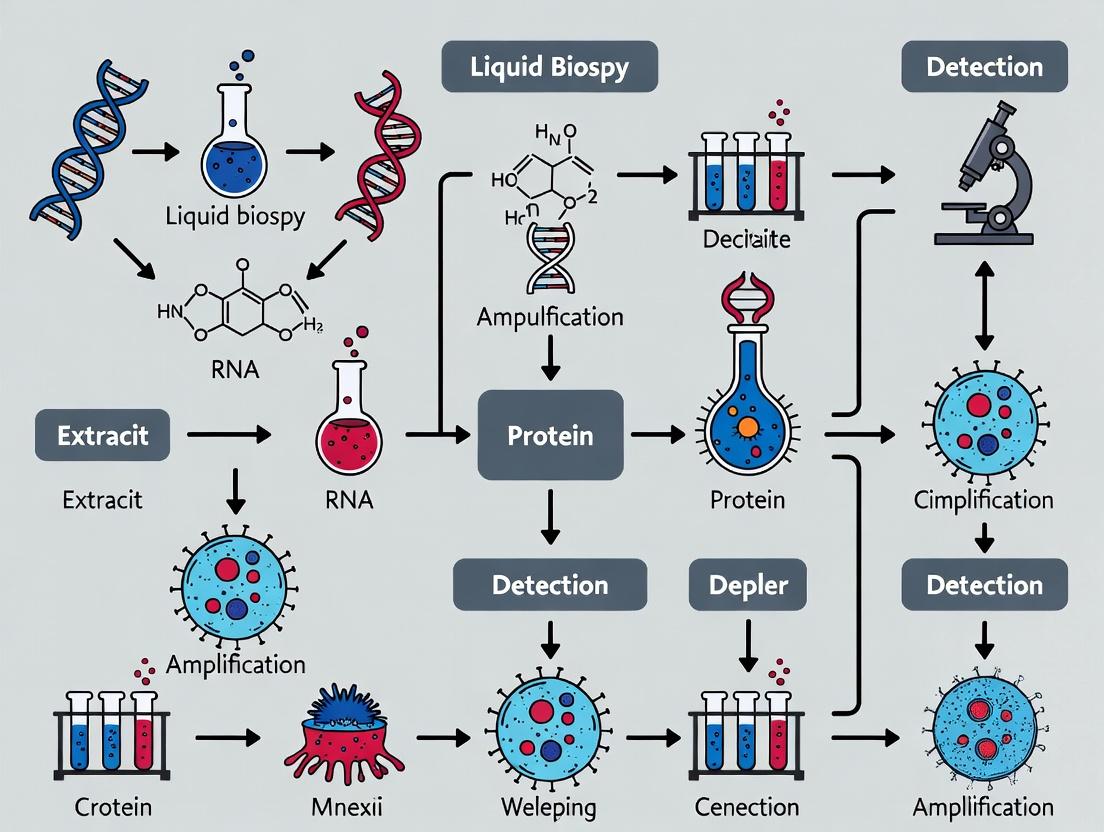
This article provides a comprehensive analysis of liquid biopsy for detecting circulating cancer stem cells (CSCs), a critical subpopulation driving tumor progression and metastasis.
Liquid Biopsy for Circulating Cancer Stem Cell Detection: A Revolutionary Approach to Monitoring Metastasis and Therapeutic Resistance
Abstract
This article provides a comprehensive analysis of liquid biopsy for detecting circulating cancer stem cells (CSCs), a critical subpopulation driving tumor progression and metastasis. Aimed at researchers, scientists, and drug development professionals, it explores the biological rationale of CSCs, details cutting-edge isolation and analytical methodologies (including enrichment strategies and single-cell multi-omics), and addresses key technical challenges. The content evaluates the clinical validity of circulating CSCs as prognostic and predictive biomarkers, compares them to other liquid biopsy analytes, and discusses their transformative potential for real-time monitoring of minimal residual disease, therapy response, and emerging treatment resistance in oncology.
The Biology of Circulating Cancer Stem Cells: Understanding the Seeds of Metastasis and Recurrence
Within the paradigm of liquid biopsy for circulating cancer stem cell (cCSC) detection research, the precise differentiation between circulating tumor cells (CTCs) and cCSCs is critical. While CTCs represent the general population of tumor cells shed into circulation, cCSCs constitute a rare subset with stem-like properties, believed to be primarily responsible for metastatic initiation, therapy resistance, and relapse. This application note delineates their phenotypic and functional distinctions and provides protocols for their isolation and characterization.
Key Distinguishing Characteristics: Phenotype & Function
Table 1: Phenotypic Markers Distinguishing CTCs from cCSCs
| Marker Category | Common CTC Markers | cCSC-Specific/Enriched Markers | Detection Method | Notes |
|---|---|---|---|---|
| Epithelial | EpCAM, Cytokeratins (CK8,18,19) | EpCAMlow/CKlow | Immunofluorescence, Flow Cytometry | cCSCs often undergo EMT, reducing epithelial antigen expression. |
| Stemness | Rarely expressed | CD44, CD133, ALDH1high, Nanog, Oct4, Sox2 | Flow Cytometry, ALDEFLUOR assay, RT-qPCR | High ALDH1 activity is a key functional and phenotypic cCSC indicator. |
| EMT | E-cadherin+ | Vimentin+, N-cadherin+, Twist, Snail | Immunofluorescence, RT-qPCR | cCSCs frequently display a hybrid or full mesenchymal phenotype. |
| Proliferation | Ki67+ (variable) | Ki67low (quiescent) | Immunofluorescence | cCSCs may be dormant or slow-cycling in circulation. |
| Drug Resistance | Variable | ABCB1 (MDR1), ABCG2 expression | RT-qPCR, Functional dye efflux assays | Upregulation of efflux pumps confers intrinsic resistance. |
Table 2: Functional Properties of CTCs vs. cCSCs
| Functional Assay | Typical CTC Result | Typical cCSC Result | Assay Readout |
|---|---|---|---|
| In Vivo Metastatic Potential (Limiting dilution in mice) | Lower frequency of metastasis formation | High frequency of metastasis formation at very low cell numbers | Number of metastatic lesions, time to onset. |
| In Vitro Sphere Formation | Limited or small sphere formation in ultra-low attachment conditions | Robust formation of large, serial-passageable tumorspheres | Sphere number & diameter after 7-14 days. |
| Plasticity & Differentiation | Limited lineage differentiation capacity | Capacity for self-renewal and differentiation into heterogeneous progeny | Lineage marker expression after sphere dissociation & culture. |
| Chemotherapy Resistance | Dose-dependent cell death | Significant survival at high chemotherapeutic doses | IC50 values, % cell viability post-treatment. |
| Clonogenic Survival | Colony-forming potential present but limited | High clonogenic efficiency in soft agar or 2D clonogenic assays | Number of colonies formed >50µm. |
Experimental Protocols
Protocol 1: Integrated Isolation & Enrichment for cCSC Analysis
Objective: To enrich viable CTCs and subsequently identify the cCSC subset from peripheral blood. Materials: See "The Scientist's Toolkit" below. Workflow:
- Blood Collection & Processing: Collect 7.5-10 mL blood in CellSave or EDTA tubes. Process within 4-96 hours (per tube specification). Lyse red blood cells using ammonium chloride solution.
- Negative Enrichment (Recommended): Use a CD45 depletion kit (magnetic beads) to remove leukocytes. This preserves all non-hematopoietic cells, including EpCAMlow cCSCs.
- Positive Enrichment (Alternative): For EpCAM+ CTCs, use anti-EpCAM magnetic beads.
- Immunostaining & FACS Sorting: Resuspend enriched cells. Stain with:
- Viability dye: e.g., DAPI (dead cell exclusion).
- Lineage cocktail (Lin-): CD45, CD14, CD16 (FITC).
- Stemness markers: e.g., CD44-APC, CD133-PE-Cy7.
- EMT markers: e.g., anti-Vimentin-Alexa Fluor 647.
- Epithelial marker: anti-Cytokeratin-PE.
- Sorting Strategy: Sort into populations:
- CTCs: Lin-/DAPI-/CK+.
- cCSC-enriched: Lin-/DAPI-/(CKlow or Vim+)/CD44+/CD133+.
- Collection: Collect sorted cells in complete medium for functional assays or lysis buffer for molecular analysis.
Diagram Title: CTC and cCSC Isolation Workflow
Protocol 2: Functional Validation via Tumorsphere Formation Assay
Objective: To assess the self-renewal capacity of isolated cCSCs in vitro. Procedure:
- Culture Preparation: Coat 6-well ultra-low attachment plates with 1% poly-HEMA to prevent cell adhesion.
- Cell Seeding: Resuspend sorted CTC/cCSC populations in serum-free stem cell medium (DMEM/F12, B27 supplement, 20ng/mL EGF, 20ng/mL bFGF, 5μg/mL Insulin). Seed at clonal density (500-5000 cells/well).
- Culture: Incubate at 37°C, 5% CO2 for 7-14 days. Do not disturb plates for the first 72h.
- Analysis: Count tumorspheres >50µm diameter under an inverted microscope. For serial passaging, gently collect spheres, dissociate with Accutase, and re-seed.
- Interpretation: cCSC-enriched populations will yield significantly higher number and size of primary and serially passaged spheres.
Key Signaling Pathways in cCSC Maintenance
Diagram Title: Core cCSC Maintenance Signaling Pathways
The Scientist's Toolkit: Essential Reagents & Materials
| Category | Item/Reagent | Function/Benefit | Example Product/Catalog |
|---|---|---|---|
| Sample Collection | CellSave Tubes (Streck) | Preserves blood cell morphology & prevents CTC degradation for up to 96h. | CellSave Preservative Tubes |
| Enrichment | Human CD45 Depletion Kit (Magnetic) | Negative selection; removes leukocytes, retains EpCAMlow cCSCs. | Miltenyi Biotec, Human CD45 MicroBeads |
| Stemness Assay | ALDEFLUOR Kit | Measures ALDH1 enzyme activity, a key functional marker for CSCs. | StemCell Technologies, #01700 |
| Cell Culture | Ultra-Low Attachment Plates | Prevents cell adhesion, enabling 3D tumorsphere growth for self-renewal assays. | Corning Costar #3471 |
| Stem Cell Media | Serum-Free Mammary Epithelial Cell Growth Medium (MEGM) | Supports growth of stem/progenitor cells without serum-induced differentiation. | Lonza CC-3150 |
| Critical Antibodies | Anti-human CD44-APC, CD133-PE-Cy7 | For FACS-based identification and sorting of cCSC populations. | BioLegend #338808, #372808 |
| EMT Detection | Anti-Vimentin-Alexa Fluor 647, Anti-E-cadherin-PE | Identifies mesenchymal (cCSC-enriched) vs. epithelial states. | Cell Signaling #9856, #3195 |
| Viability/Dyes | DAPI (4',6-Diamidino-2-Phenylindole) | Nuclear stain for cell counting and dead cell exclusion (permeable to compromised membranes). | ThermoFisher D1306 |
| Dissociation | Accutase Cell Detachment Solution | Gentle enzyme blend for dissociating tumorspheres into single cells for passaging. | Sigma-Aldrich A6964 |
Introduction & Application Notes
Within liquid biopsy research for circulating cancer stem cell (cCSC) detection, a core challenge is the identification and functional validation of these rare, metastasis-initiating cells. cCSCs are defined by their self-renewal, tumor-initiating capacity, and therapy resistance, properties maintained by conserved stemness pathways. This document provides application notes and detailed protocols for studying four pivotal pathways—Wnt/β-catenin, Hedgehog, Notch, and EMT—in cCSCs isolated from liquid biopsies (e.g., circulating tumor cells, CTCs). Targeting these pathways offers a strategy to eradicate the root of metastatic disease.
Table 1: Core Stemness Pathway Components & Targeted Inhibitors in cCSC Research
| Pathway | Key Activators/Ligands | Key Intracellular Effectors | Common Inhibitors (Examples) | Association with EMT Markers in cCSCs |
|---|---|---|---|---|
| Wnt/β-catenin | WNT1, WNT3a | β-catenin, LEF1/TCF | LGK974 (Porcupine inhibitor), PRI-724 (CBP/β-catenin) | β-catenin co-activates SNAIL, TWIST. High N-cadherin, Vimentin. |
| Hedgehog (Hh) | Sonic Hedgehog (SHH) | SMO, GLI1/2 | Vismodegib (SMO antagonist), GANT61 (GLI1/2 inhibitor) | GLI1 induces SNAIL. Correlates with loss of E-cadherin. |
| Notch | DLL4, JAG1 | NICD, HES1/HEY1 | DAPT (γ-secretase inhibitor), Dibenzazepine (DBZ) | Notch ICD upregulates SNAIL, SLUG. Linked to hybrid E/M state. |
| EMT | TGF-β, TNF-α | SNAIL, SLUG, TWIST, ZEB1 | SB431542 (TGF-β RI inhibitor), Stattic (STAT3 inhibitor) | Core transcription factors; Alters CDH1 (E-cad) / CDH2 (N-cad) ratio. |
Diagram 1: Core Stemness Signaling Pathways in cCSCs
Protocol 1: Enrichment and Functional Characterization of cCSCs from Liquid Biopsy
Title: Isolation of cCSCs via FACS and Sphere-Forming Assay.
1. cCSC Enrichment from Blood:
- Materials: CTC enrichment kit (e.g., negative CD45 depletion), fluorescently conjugated antibodies (CD45-, EpCAM+, CD44+, CD24-/low, ALDH1 activity probe Aldefluor).
- Method:
- Process 7.5-10 mL peripheral blood from cancer patients. Isolate mononuclear cells using density gradient centrifugation.
- Perform negative selection for CD45+ leukocytes per manufacturer's protocol.
- Incubate enriched cells with antibodies against EpCAM, CD44, CD24, and CD45 for 30 min at 4°C. Concurrently, perform Aldefluor assay as per kit instructions.
- Resuspend in buffer with viability dye (e.g., DAPI). Use Fluorescence-Activated Cell Sorting (FACS) to isolate viable (DAPI-) cCSC candidate populations: Option A: EpCAM+CD44+CD24-/low; Option B: EpCAM+ALDHhigh.
- Collect sorted cells in serum-free, growth factor-supplemented medium for culture or direct molecular analysis.
2. Tumorsphere Formation Assay (Functional Validation):
- Materials: Ultra-low attachment plates, serum-free MammoCult or sphere-promoting medium (DMEM/F12 with B27, EGF 20 ng/mL, bFGF 10 ng/mL).
- Method:
- Plate sorted cCSC candidates (200-1000 cells/well) in ultra-low attachment 96-well plates.
- Culture for 7-14 days at 37°C, 5% CO2. Gently add fresh medium every 3 days.
- Image spheres using an inverted microscope. A sphere >50 μm is considered positive.
- Quantify sphere-forming efficiency (SFE) = (Number of spheres / Number of cells seeded) * 100%. This measures self-renewal capacity.
Protocol 2: Pathway Activity Profiling in Sorted cCSCs via qRT-PCR
Title: Gene Expression Analysis of Stemness Pathways.
1. RNA Extraction & cDNA Synthesis:
- Materials: RNeasy Micro Kit, reverse transcription kit with random hexamers.
- Method: Extract total RNA from 100-1000 sorted cCSCs immediately after sorting. Synthesize cDNA from 10-100 ng RNA.
2. Quantitative Real-Time PCR (qRT-PCR):
- Materials: SYBR Green or TaqMan Master Mix, primers for pathway target genes (see Table 2).
- Method: Perform triplicate reactions. Use GAPDH or HPRT1 as housekeeping controls. Calculate relative expression (ΔΔCt) versus bulk tumor cells or EpCAM+ non-CSCs.
Table 2: qRT-PCR Primer/Probe Targets for cCSC Pathway Analysis
| Pathway | Target Genes (Human) | Probe/Fluorescent Dye | Function as cCSC Marker |
|---|---|---|---|
| Wnt | AXIN2, MYC, LEF1 | SYBR Green / FAM-MGB | Transcriptional output of β-catenin. |
| Hedgehog | GLI1, PTCH1 | SYBR Green / FAM-MGB | Direct transcriptional targets of Hh signaling. |
| Notch | HES1, HEY1 | SYBR Green / FAM-MGB | Canonical Notch effector genes. |
| EMT | SNAI1, VIM, CDH1 (E-cad), CDH2 (N-cad) | SYBR Green / FAM-MGB | EMT transcription factor and marker genes. |
| Control | GAPDH, HPRT1 | SYBR Green / VIC-MGB | Reference genes for normalization. |
Diagram 2: Workflow for cCSC Analysis from Liquid Biopsy
Protocol 3: Pharmacological Inhibition of cCSC Pathways
Title: Assessing cCSC Sensitivity to Pathway Inhibitors.
1. Drug Treatment on Tumorspheres:
- Materials: Small molecule inhibitors (see Table 1), DMSO (vehicle control), PrestoBlue/MTT cell viability reagent.
- Method:
- Generate primary tumorspheres from sorted cCSCs over 7 days.
- Dissociate spheres gently, plate single cells in ultra-low attachment 96-well plates (500 cells/well).
- After 24h, treat with serial dilutions of pathway inhibitors (e.g., LGK974, Vismodegib, DAPT) or DMSO control.
- Incubate for 5-7 days. Assess viability using PrestoBlue (incubate 1-4h, measure fluorescence/absorbance).
- Calculate IC50 values. A low IC50 in cCSCs vs. non-CSCs indicates pathway dependency.
The Scientist's Toolkit: Key Reagents for cCSC Pathway Research
| Research Reagent Solution | Function in cCSC Studies | Example Product/Catalog |
|---|---|---|
| CTC Enrichment Kit | Negative or positive selection to isolate rare CTCs from whole blood for downstream CSC analysis. | EasySep Human CD45 Depletion Kit. |
| Aldefluor Assay Kit | Measures ALDH enzymatic activity, a functional marker of stemness in CSCs. | STEMCELL Technologies #01700. |
| Ultra-Low Attachment Plates | Prevents cell attachment, promoting 3D growth essential for tumorsphere assays. | Corning Costar #3474. |
| Sphere Culture Medium | Serum-free, defined medium supporting the growth and maintenance of stem-like cells. | MammoCult Proliferation Kit. |
| Pathway Inhibitors | Small molecules to selectively inhibit and probe the functional role of core stemness pathways. | LGK974 (Wnt), Vismodegib (Hh), DAPT (Notch). |
| qRT-PCR Master Mix | For sensitive quantification of low-abundance transcripts from limited cCSC samples. | TaqMan Fast Advanced Master Mix. |
| Fluorochrome-conjugated Antibodies | For multiparameter FACS identification and sorting of cCSC surface marker combinations. | Anti-human EpCAM-APC, CD44-FITC, CD24-PE. |
Application Notes: cCSC Biology & Detection in Liquid Biopsy
Circulating Cancer Stem Cells (cCSCs) are a critical, yet elusive, subpopulation of circulating tumor cells (CTCs) responsible for metastasis. Their unique biological functions at distinct stages of the metastatic cascade present both a challenge and an opportunity for liquid biopsy-based research and clinical translation.
1. Initiation: EMT and Intravasation cCSCs initiate metastasis by undergoing Epithelial-to-Mesenchymal Transition (EMT), gaining invasive properties. They detach from the primary tumor and intravasate into the bloodstream. Liquid biopsy detection at this stage focuses on capturing CTCs with a hybrid or full mesenchymal/CSC phenotype, often using size-based or negative enrichment protocols to preserve these fragile cells.
2. Dormancy: Survival and Immune Evasion A key feature of cCSCs is their ability to enter a quiescent, therapy-resistant state, leading to metastatic dormancy. They persist in the bone marrow or other niches as Disseminated Tumor Cells (DTCs). Detection requires ultra-sensitive, multi-marker assays (e.g., RT-qPCR for stemness transcripts from blood or bone marrow aspirates) to identify these rare, non-proliferative cells.
3. Outgrowth: MET and Colonization Metastatic outgrowth is triggered by a Mesenchymal-to-Epithelial Transition (MET) and reactivation of stem cell programs. cCSCs proliferate and establish macroscopic metastases. Serial liquid biopsy monitoring for cCSCs during this phase can provide prognostic information and track the emergence of therapy resistance.
Quantitative Data on cCSC Prevalence and Clinical Significance
Table 1: cCSC Detection Rates and Association with Clinical Outcomes
| Cancer Type | Detection Method | cCSC Prevalence (% of total CTCs) | Key Clinical Association | Reported Hazard Ratio (HR) for Poor Outcome |
|---|---|---|---|---|
| Breast Cancer | CD44+/CD24- via IF | 15% - 60% | Shorter Progression-Free Survival | 2.1 - 3.8 (OS/PFS) |
| Colorectal Cancer | EpCAM+ALDH+ via FC | 5% - 30% | Liver Metastasis, Recurrence | 1.9 - 4.2 (RFS) |
| Lung Cancer (NSCLC) | Sphere Formation from CTCs | 10% - 40% | Therapy Resistance | Data supports correlation, specific HR varies |
| Prostate Cancer | CD133+/CXCR4+ via IF | 20% - 50% | Bone Metastasis, Castration Resistance | ~2.5 (OS) |
Table 2: Key Signaling Pathways in cCSC Functions
| Pathway | Role in cCSCs | Key Effectors | Phase of Metastasis |
|---|---|---|---|
| Wnt/β-catenin | Self-renewal, Dormancy exit | β-catenin, LEF1/TCF | Initiation, Outgrowth |
| Hedgehog (Hh) | Maintenance of stemness | Gli1, Gli2, PTCH1 | Dormancy, Outgrowth |
| Notch | Survival, Chemoresistance | NICD, Hes1, Hey1 | Dormancy |
| TGF-β | EMT induction, Immune suppression | SMADs, SNAIL, TWIST | Initiation |
| PI3K/Akt/mTOR | Proliferation, Survival | p-Akt, p-mTOR, p-S6K | Outgrowth |
Experimental Protocols
Protocol 1: Enrichment and Identification of cCSCs from Peripheral Blood via Immunomagnetic Sorting and Immunofluorescence (IF)
- Sample: 7.5-10 mL peripheral blood in CellSave or EDTA tubes.
- Reagents: Anti-EpCAM (or alternative surface marker) magnetic beads, permeabilization buffer, blocking buffer (1% BSA/PBS), primary antibodies (anti-CD44, anti-CD24, anti-ALDH1), fluorochrome-conjugated secondary antibodies, DAPI.
- Procedure:
- Enrichment: Process blood through the FDA-approved CellSearch system for CTC capture (EpCAM-based immunomagnetic enrichment) or use label-free methods like Parsortix for phenotype-agnostic capture. Isolate mononuclear cells via density gradient centrifugation as an alternative.
- Fixation & Permeabilization: Fix enriched cells with 4% PFA for 15 min. Permeabilize with 0.1% Triton X-100 for 10 min if intracellular staining (e.g., ALDH1) is required.
- Immunostaining: Block cells with 1% BSA for 30 min. Incubate with primary antibody cocktail (e.g., CD44-AF488, CD24-PE) for 1 hour at RT. Wash. Incubate with secondary antibodies if needed. Counterstain nuclei with DAPI.
- Analysis: Use fluorescence microscopy or an imaging flow cytometer. cCSCs are defined as CK+/DAPI+/CD45-/CD44+/CD24- (for breast cancer) or CK+/ALDH1+.
Protocol 2: Functional Assessment of cCSCs via In Vitro Sphere Formation Assay
- Sample: cCSCs enriched from blood or established CTC cell lines.
- Reagents: Serum-free DMEM/F12, B27 supplement, 20 ng/mL EGF, 20 ng/mL bFGF, antibiotic-antimycotic.
- Procedure:
- Cell Plating: Resuspend 500-1000 enriched CTCs/cCSCs in sphere-forming medium. Plate cells in ultra-low attachment 96-well plates.
- Culture: Incubate at 37°C, 5% CO2 for 7-14 days. Do not disturb the plates. Add fresh growth factors every 3-4 days.
- Analysis: Count spheres with a diameter >50 µm under an inverted microscope. Sphere-forming efficiency (SFE) = (number of spheres formed / number of cells seeded) x 100%. Secondary and tertiary sphere formation assays confirm self-renewal capacity.
Protocol 3: Molecular Profiling of cCSCs via Single-Cell RT-qPCR
- Sample: Single cCSCs isolated by FACS or micromanipulation from enriched CTC populations.
- Reagents: Single-cell lysis buffer, reverse transcription master mix, preamplification mix, TaqMan gene expression assays (for stemness: NANOG, SOX2, OCT4; EMT: VIM, SNAIL; metastasis: CXCR4), qPCR master mix.
- Procedure:
- Single-Cell Isolation: Using a FACS sorter or micromanipulator, sort individual CK+/CD44+/CD45- cells into 96-well PCR plates containing lysis buffer.
- cDNA Synthesis & Preamplification: Perform reverse transcription. Follow with a limited-cycle (14-18 cycles) multiplex preamplification of target genes.
- qPCR: Dilute preamplified product and perform standard qPCR in 384-well plates using TaqMan assays.
- Analysis: Use the ∆Ct method. Compare gene expression profiles of putative cCSCs to bulk CTCs or non-stem CTCs.
Visualizations
The Scientist's Toolkit: Key Research Reagent Solutions
Table 3: Essential Reagents for cCSC Research in Liquid Biopsy
| Reagent/Material | Function/Application | Key Consideration |
|---|---|---|
| CTC Enrichment Kits (e.g., CellSearch, Parsortix, Magnetic bead-based) | Isolate rare CTCs/cCSCs from whole blood with high purity and viability. | Choice depends on target marker (EpCAM-dependent vs. label-free) and downstream application (culture vs. fixation). |
| Anti-human CD326 (EpCAM) Magnetic Beads | Positive selection of epithelial-origin CTCs. | May miss cCSCs that have undergone full EMT and downregulated EpCAM. |
| Ultra-Low Attachment Multiwell Plates | Enable 3D sphere formation for assessing cCSC self-renewal in vitro. | Critical for preventing cell differentiation and attachment. |
| Defined, Serum-Free Medium (e.g., MammoCult, StemPro) | Supports growth and maintenance of cCSCs in culture without inducing differentiation. | Requires supplementation with growth factors (EGF, bFGF). |
| Fluorochrome-conjugated Antibodies (against CD44, CD24, ALDH1, CK, CD45) | Multi-parameter phenotypic identification of cCSCs via IF or flow cytometry. | Requires careful panel design and compensation controls. |
| Single-Cell DNA/RNA Isolation & Amplification Kits | Enable genomic and transcriptomic profiling of individual cCSCs. | Must have high efficiency and low bias for rare cell analysis. |
| Bone Marrow Aspiration Kits | For sampling the primary reservoir of dormant DTCs/cCSCs. | Invasive procedure; used for deep molecular staging studies. |
This document serves as an Application Note for the broader thesis research: "Liquid Biopsy for Circulating Cancer Stem Cell (cCSC) Detection and Therapeutic Targeting." A core hypothesis is that cCSCs—CSCs shed into the bloodstream—are primary mediators of acquired therapy resistance and metastatic relapse. Understanding their intrinsic and adaptive resistance mechanisms to chemotherapy (chemo) and radiotherapy (radio) is critical for developing targeted interception strategies via liquid biopsy. This note consolidates current mechanisms, quantitative data, and protocols for studying cCSC-mediated resistance.
Core Mechanisms of Resistance in cCSCs
cCSCs employ multifaceted strategies to evade chemo- and radio-therapy. The mechanisms are categorized below, with supporting quantitative evidence summarized in Table 1.
Table 1: Quantified Mechanisms of cCSC-Mediated Therapy Resistance
| Mechanism Category | Key Effectors/Pathways | Observed Impact (Representative Data) | Cancer Type (Study) |
|---|---|---|---|
| Enhanced DNA Repair | ATM/ATR, CHK1/2, PARP1 Upregulation | 2.8-fold increase in homologous recombination (HR) efficiency post-radiation vs. non-CSCs. | Glioblastoma (in vitro) |
| Drug Efflux Pumps | ABCB1 (MDR1), ABCG2 (BCRP) Overexpression | cCSCs show 4.5-fold higher efflux of doxorubicin; 90% viability at 5µM vs. 20% in bulk cells. | Breast Cancer (PDX model) |
| Apoptosis Evasion | Elevated BCL-2, MCL-1, Survivin | Caspase-3/7 activity after cisplatin is 70% lower in cCSC-enriched populations. | Ovarian Cancer (Ascites) |
| ROS Detoxification | Increased SOD2, Catalase, Glutathione | Intracellular ROS post-radiation is 60% lower; radioresistance (SF2) increases from 0.3 to 0.7. | Lung Cancer (Cell Lines) |
| Epithelial-Mesenchymal Transition (EMT) | SNAIL, TWIST, ZEB1 Upregulation | Associated with 3.2-fold increase in invasion and 2.1-fold resistance to paclitaxel. | Colorectal Cancer (CTC analysis) |
| Quiescence & Cell Cycle | p21, p27, TGF-β signaling | >50% of cCSCs in G0 phase vs. <10% in bulk tumor; correlates with 5-FU resistance. | Pancreatic Cancer (in vivo) |
| Microenvironment Interaction | IL-6/STAT3, NF-κB Feedback | Co-culture with macrophages increases cCSC ALDH+ population by 40% and radiation LD50 by 1.8x. | Head and Neck SCC |
Detailed Experimental Protocols
Protocol 3.1: Enrichment and Viability Assessment of cCSCs from Blood for Resistance Assays
Objective: Isolate viable cCSCs from patient blood for ex vivo therapy challenge. Materials: See "Research Reagent Solutions" table (Section 5). Workflow:
- Blood Collection & CTC Enrichment: Draw 10mL blood into CellSave tubes. Process within 96h. Use negative selection (CD45 depletion) or positive selection (EpCAM-based) per manufacturer's protocol.
- cCSC Staining & FACS: Resuspend enriched cells in PBS + 2% FBS. Stain with:
- Viability Dye: e.g., Zombie NIR (1:1000, 20 min, RT, dark).
- Lineage Marker: CD45-APC-Cy7 (5µL/test, 30 min, 4°C).
- CSC Marker Panel: Choose based on cancer type (e.g., CD44-PE, CD133-APC, ALDH activity assay via Aldefluor).
- Sorting: Use a sorter (e.g., FACS Aria). Gate: Live/Dead- → CD45- → CSC Marker+. Collect into organoid medium.
- Viability & Purity Check: Count using trypan blue. Validate purity via post-sort analysis. Aim for >85% purity.
Protocol 3.2:Ex VivoChemoresistance Assay on Sorted cCSCs
Objective: Determine IC50 of standard chemotherapeutics on patient-derived cCSCs. Procedure:
- Plate Sorted cCSCs: Seed 500-1000 viable cCSCs per well in ultra-low attachment 96-well plates in 100µL serum-free organoid medium supplemented with B27, EGF (20ng/mL), and FGF (10ng/mL).
- Drug Treatment: After 24h, add chemotherapeutic agents (e.g., Cisplatin, Doxorubicin, 5-FU) in a 8-point dose dilution series (e.g., 0.1µM to 100µM). Include DMSO vehicle controls. Use n=4 replicates per dose.
- Incubation: Culture for 72-96 hours in a humidified incubator (37°C, 5% CO2).
- Viability Quantification: Use CellTiter-Glo 3D. Add 50µL reagent, shake for 5 min, incubate 25 min in dark. Record luminescence.
- Analysis: Normalize luminescence to vehicle control (100%). Fit dose-response curve using four-parameter logistic model (e.g., in GraphPad Prism) to calculate IC50.
Protocol 3.3:In VitroClonogenic Radioresistance Assay
Objective: Assess the survival fraction of cCSCs after ionizing radiation. Procedure:
- Cell Preparation: After FACS sorting, pool cCSCs and expand in sphere-forming conditions for 7-10 days to obtain sufficient numbers. Dissociate spheres to single cells.
- Irradiation: Aliquot cells. Expose to varying doses of X-ray or γ-radiation (0 Gy, 2 Gy, 4 Gy, 6 Gy, 8 Gy). Use a calibrated irradiator. Keep control cells unirradiated.
- Plating for Colonies: Immediately after irradiation, plate cells at low density (200-5000 cells/dish, based on expected survival) into standard culture dishes with complete medium.
- Colony Formation: Incubate for 10-14 days, fixing and staining colonies with crystal violet (0.5% w/v in methanol) when >50 cells.
- Scoring & Analysis: Count colonies manually or with an automated counter. Calculate Plating Efficiency (PE) = (colonies counted / cells seeded) for control. Calculate Surviving Fraction (SF) at dose D = (colonies counted / cells seeded) / PE. Plot SF vs. dose on a log-linear scale.
Signaling Pathway & Workflow Visualizations
Diagram Title: Core Resistance Mechanisms in cCSCs
Diagram Title: cCSC Isolation & Resistance Testing Workflow
The Scientist's Toolkit: Research Reagent Solutions
Table 2: Essential Materials for cCSC Resistance Studies
| Item Name | Vendor Examples | Function in Protocol | Key Notes |
|---|---|---|---|
| CTC Enrichment Kit | Streck CellSave, Miltenyi MACS Pan CTC Kit | Stabilizes blood and enriches CTCs via immunomagnetic labeling. | Choice depends on cancer type (EpCAM expression). |
| ALDH Activity Assay (Aldefluor) | STEMCELL Technologies | Fluorescent detection of ALDH1 activity, a key CSC marker. | Requires specific inhibitor (DEAB) as control. |
| Anti-human CD45 Antibody | BioLegend, BD Biosciences | Lineage depletion marker to exclude hematopoietic cells. | Critical for FACS gating and purity. |
| Anti-human CSC Marker Antibodies (CD44, CD133, EpCAM) | BioLegend, Miltenyi, R&D Systems | Positive selection and identification of cCSC subsets. | Panel must be validated for cancer type. |
| Ultra-Low Attachment Plates | Corning Costar | Prevents adhesion, supports sphere growth of CSCs. | Essential for maintaining stemness in culture. |
| Serum-Free Organoid Medium | STEMCELL Technologies (mTeSR), Custom formulations | Provides base nutrients and growth factors for CSC expansion. | Often requires B27, EGF, FGF, N2 supplements. |
| CellTiter-Glo 3D | Promega | Luminescent ATP assay for viability in 3D/spheroid cultures. | More reliable for low-attachment cultures than MTT. |
| Clonogenic Assay Medium | Standard DMEM/F12 + FBS | Supports adherent colony formation post-irradiation. | FBS batch testing recommended for consistency. |
| Clinical Grade Irradiator | X-ray (e.g., X-RAD 320) | Deliver precise, calibrated doses of ionizing radiation. | Must be calibrated and used under SOPs. |
Current Evidence Linking cCSC Detection to Poor Clinical Outcomes Across Cancer Types
Introduction Within the framework of advancing liquid biopsy research, the detection and characterization of circulating cancer stem cells (cCSCs) have emerged as a critical frontier. cCSCs are postulated to be the principal mediators of metastasis, therapeutic resistance, and disease recurrence. This Application Note synthesizes the current clinical evidence linking cCSC detection to adverse patient outcomes across malignancies and provides detailed protocols for their isolation and analysis.
Table 1: Summary of Clinical Evidence Linking cCSC Detection to Poor Outcomes
| Cancer Type | cCSC Marker(s) Detected | Sample Size (N) | Association with Clinical Outcome (Hazard Ratio, HR) | Key Adverse Outcome Linked | Reference Year |
|---|---|---|---|---|---|
| Colorectal Cancer | CD44v6+/CD133+ | 120 | PFS: HR=2.8 (1.9-4.2); OS: HR=3.1 (2.0-4.8) | Shorter Progression-Free & Overall Survival | 2023 |
| Breast Cancer | ALDH1+/CD44+/CD24- | 85 | OS: HR=4.2 (2.5-7.1) | Increased Metastatic Burden, Reduced Survival | 2022 |
| Lung Cancer (NSCLC) | EpCAM+/CD133+ | 156 | PFS: HR=2.5 (1.7-3.6) | Resistance to Tyrosine Kinase Inhibitors | 2023 |
| Hepatocellular Carcinoma | CD90+/CD44+ | 92 | OS: HR=3.5 (2.2-5.6); Recurrence: HR=4.0 (2.5-6.4) | Early Recurrence Post-Resection | 2022 |
| Pancreatic Cancer | CD133+/CXCR4+ | 73 | OS: HR=5.1 (3.0-8.7) | Rapid Disease Progression, Chemoresistance | 2023 |
| Prostate Cancer | CD44+/Integrin α2β1hi | 110 | Metastasis-free Survival: HR=2.9 (1.8-4.7) | Biochemical Recurrence, Metastasis | 2022 |
Protocol 1: Density Gradient & Immunomagnetic Enrichment of cCSCs from Peripheral Blood
Principle: Isolate viable circulating tumor cells (CTCs) via density centrifugation, followed by positive or negative selection using magnetic beads conjugated to CSC-specific antibodies.
Reagents & Equipment:
- Lymphoprep or Ficoll-Paque PLUS
- PBS (Ca2+/Mg2+-free, 0.5% BSA)
- Anti-human CD45 microbeads (for negative depletion)
- Anti-human [e.g., CD133, CD44] microbeads (for positive selection)
- LS Columns & QuadroMACS Separator (or equivalent)
- Centrifuge capable of 400 x g with swing-out rotor.
Procedure:
- Collect 10-20 mL peripheral blood in EDTA or CellSave tubes.
- Dilute blood 1:1 with PBS + 0.5% BSA.
- Carefully layer diluted blood over 15 mL Lymphoprep in a 50 mL conical tube.
- Centrifuge at 400 x g for 30 minutes at 20°C with brake OFF.
- Aspirate the mononuclear cell (MNC) layer at the interface and wash twice with PBS/BSA.
- Resuspend cell pellet in 80 µL PBS/BSA. Add 20 µL of FcR Blocking Reagent.
- Add appropriate volume of magnetic microbeads (e.g., anti-CD45 for depletion, anti-CD133 for positive selection). Mix and incubate for 15 min at 4°C.
- Wash cells, resuspend in 500 µL buffer.
- Place LS column in magnetic field. Prime with 3 mL buffer.
- Apply cell suspension. Collect flow-through for negative selection. For positive selection, wash column 3x with 3 mL buffer, then remove column from magnet and elute positively selected cells with 5 mL buffer.
- Centrifuge eluted cells at 300 x g for 10 min. Proceed to downstream assays (e.g., culture, RNA extraction, FACS).
Protocol 2: Flow Cytometric Identification & Sorting of cCSCs
Principle: Use multiparameter flow cytometry with specific fluorescent antibodies against CSC surface markers and functional dyes (e.g., Aldefluor) to identify and isolate viable cCSCs.
Reagents & Equipment:
- Aldefluor Assay Kit
- Fluorochrome-conjugated antibodies: CD45-APC/Cy7, EpCAM-FITC, CD133-PE, CD44-BV421, etc.
- LIVE/DEAD Fixable Viability Dye (e.g., Near-IR)
- Flow Cytometer with sorting capability (e.g., 4-5 laser configuration).
- FACS sorter with aerosol containment.
Procedure:
- Cell Preparation: Use pre-enriched CTC fraction (from Protocol 1) or directly lyse RBCs in whole blood. Wash cells in PBS/BSA.
- Viability Staining: Resuspend cells in PBS and add viability dye. Incubate 15-20 min at 4°C in the dark. Wash.
- ALDH Activity (Aldefluor Assay):
- Resuspend ~1x10^6 cells in Aldefluor assay buffer.
- Divide into two tubes: "Test" (containing BAAA substrate) and "Control" (BAAA + DEAB inhibitor).
- Incubate at 37°C for 45-60 minutes.
- Pellet cells and resuspend in Aldefluor buffer for analysis.
- Surface Marker Staining: Add Fc block, then titrated antibody cocktail (e.g., anti-CD45, -EpCAM, -CD133, -CD44). Incubate 30 min at 4°C in dark. Wash twice.
- Analysis & Sorting: Resuspend in PBS/BSA with DAPI (1 µg/mL) for final dead cell exclusion. Use the following gating strategy on the sorter:
- FSC-A/SSC-A to gate nucleated cells.
- FSC-H/FSC-W to select singlets.
- DAPI- (or viability dye-) to select live cells.
- CD45- to exclude leukocytes.
- EpCAM+ (or other pan-CTC marker) to define CTCs.
- From EpCAM+ gate, select ALDHhigh and/or CD133+/CD44+ cells as cCSCs.
- Sort defined cCSCs directly into lysis buffer (for genomics) or culture medium (for functional assays).
The Scientist's Toolkit: Key Research Reagent Solutions
| Item | Function in cCSC Research |
|---|---|
| EpCAM-coated Magnetic Beads | Immunomagnetic capture of epithelial-derived CTCs prior to CSC marker analysis. |
| Aldefluor Assay Kit | Functional detection of high ALDH1 activity, a conserved CSC property. |
| CD133 (Prominin-1) MicroBeads | Positive selection for a canonical stem cell surface antigen across multiple cancers. |
| LIVE/DEAD Fixable Viability Dyes | Critical for excluding dead cells during flow cytometry, improving assay specificity. |
| CTC Culture Matrix (e.g., Cultrex BME) | 3D basement membrane matrix for culturing and expanding patient-derived cCSCs in vitro. |
| qPCR Assays for Stemness Genes (OCT4, NANOG, SOX2) | Molecular validation of stem-like phenotype in isolated cells. |
| PDX Development Services | In vivo functional validation of tumorigenic potential of sorted cCSCs in immunodeficient mice. |
Visualization 1: Key Signaling Pathways in cCSC-Driven Pathology
Visualization 2: Integrated Workflow for cCSC Detection & Analysis
Isolation and Profiling of Circulating CSCs: From Enrichment Technologies to Multi-Omic Analysis
The reliable detection and molecular characterization of Circulating Cancer Stem Cells (CSCs) from peripheral blood is a cornerstone of advanced liquid biopsy research. These rare, transient cells are exquisitely sensitive to pre-analytical variables. Inconsistent blood collection, improper handling, or suboptimal tube selection can lead to CSC loss, phenotypic alteration, or genomic degradation, compromising downstream assays like single-cell RNA sequencing, functional culture, or protein marker analysis. This document establishes standardized protocols to ensure sample integrity from venipuncture to processing, maximizing the fidelity of data for therapeutic development.
Blood Draw Protocols for Liquid Biopsy
A standardized phlebotomy procedure is critical to minimize ex vivo cellular changes.
2.1 Pre-Draw Patient Preparation & Consent
- Obtain informed consent specific to research biobanking.
- Standardize draw time relative to treatment cycles (e.g., pre-dose, or at a defined trough).
- Fasting status should be consistent within a study cohort (typically 4-6 hour fast recommended to minimize lipemic interference).
2.2 Venipuncture Procedure
- Tourniquet Application: Apply for ≤1 minute. Prolonged stasis increases hemolysis, intracellular component leakage, and can artifactually increase cell concentrations.
- Site Disinfection: Use 70% isopropyl alcohol or 2% chlorhexidine. Allow to air dry completely to prevent sample hemolysis and sterilization.
- Needle Gauge: Use a 21G or larger needle (e.g., 21G, 20G) to prevent shear stress and preserve cell viability. Butterfly needles are acceptable for difficult access.
- Draw Order: Follow the Clinical and Laboratory Standards Institute (CLSI) GP41-A7 guideline to prevent cross-contamination from tube additives.
- Fill Volume: Draw tubes to their nominal volume to ensure the correct blood-to-additive ratio. Underfilling can cause erroneous results, especially in citrate tubes.
2.3 Post-Draw Handling
- Inversion: Immediately and gently invert tubes according to manufacturer specifications (see Table 1).
- Transport: Maintain samples upright at ambient temperature (18-25°C). DO NOT chill or place on ice, as thermal shock can lyse cells. Transport to the lab within 2 hours of draw.
- Processing Timeline: For circulating tumor cell (CTC)/CSC enrichment, process samples within 4-6 hours of collection to preserve cell viability and surface epitopes.
Blood Collection Tube Types: Selection and Rationale
Tube selection is dictated by the downstream analytical goal. For CSC research, the primary focus is on viable cell preservation and high-quality nucleic acid recovery.
Table 1: Blood Collection Tube Selection for Circulating CSC Research
| Tube Type (Additive) | Primary Use in CSC Research | Draw Volume | Inversions | Stability Considerations (for CSC work) | Key Downstream Assays |
|---|---|---|---|---|---|
| CellSave Preservative (Ca²⁺-chelator, formaldehyde) | CTC/CSC enumeration & immunostaining. Preserves cell morphology & epitopes. | 10 mL | 8-10 gentle | Stable for 96h at RT. Cells are fixed; not suitable for viable cell culture or RNA extraction from cells. | FDA-cleared CTC enumeration (CellSearch), immunofluorescence (IF). |
| K₂/K₃ EDTA (Anticoagulant) | Gold standard for viable CTC/CSC enrichment and molecular analysis. | 6-10 mL | 8-10 gentle | Process within 4-6h for viability. Suitable for Ficoll-based enrichment & flow sorting. | Functional assays, scRNA-seq, viable cell culture, DNA/RNA extraction from isolated cells. |
| Sodium Citrate (Anticoagulant) | Alternative for viable cell work; milder anticoagulant. | 2.7-4.5 mL | 3-6 gentle | Similar to EDTA. Lower risk of platelet clumping. May be preferred for some microfluidic devices. | Microfluidic capture of viable cells, protein phosphorylation studies. |
| Streck Cell-Free DNA BCT*(Proprietary preservative) | Stabilizes nucleated blood cells & protects cfDNA. | 10 mL | 8-10 gentle | Prevents lysis of WBCs, limiting genomic DNA contamination of plasma. Stabilized for up to 14 days at RT. | CSC-derived ctDNA analysis (mutations, methylation) from plasma. |
| PAXgene Blood ccfDNA*(Proprietary preservative) | Strong stabilization for plasma cfDNA/ctDNA. | 8.5 mL | 10 vigorous | Immediately stabilizes blood, preventing cfDNA degradation and background release. | High-integrity ctDNA for NGS, especially for low-frequency variants. |
(BCT: Blood Collection Tube)
Experimental Protocol: Viable Circulating CSC Enrichment from EDTA Blood
This protocol details the isolation of viable cells for downstream characterization.
4.1 Materials & Reagents
- Freshly drawn K₂EDTA blood tubes (10 mL x 2).
- Lymphoprep or equivalent Ficoll-Paque density medium.
- Dulbecco's PBS (without Ca²⁺/Mg²⁺), sterile.
- Red Blood Cell (RBC) Lysis Buffer (e.g., ammonium chloride solution).
- Viability dye (e.g., Propidium Iodide, 7-AAD).
- Centrifuge with swing-out rotor and certified biosafety containment.
- Complete cell culture medium (e.g., RPMI-1640 + 10% FBS + 1% Pen/Strep).
4.2 Step-by-Step Procedure
- Sample Dilution: Within 4 hours of draw, dilute blood 1:1 with room temperature PBS.
- Density Gradient Centrifugation:
- Carefully layer the diluted blood over 3 mL of Lymphoprep in a 15 mL conical tube.
- Centrifuge at 800 x g for 20 minutes at 20°C with the brake OFF.
- Using a sterile pipette, collect the mononuclear cell layer (buffy coat) at the interface.
- Washing:
- Transfer cells to a new 15 mL tube. Fill with PBS.
- Centrifuge at 300 x g for 10 minutes at 20°C.
- Aspirate supernatant. Resuspend pellet in PBS and repeat wash.
- RBC Lysis (Optional): If RBC contamination is high, resuspend pellet in 2-3 mL RBC lysis buffer. Incubate for 5-10 min at RT. Stop by adding 10 mL PBS and centrifuge at 300 x g for 5 min.
- Viability Assessment: Resuspend final cell pellet in 1 mL complete medium. Mix a 20 µL aliquot with viability dye and count using a hemocytometer or automated cell counter.
- Downstream Processing: Proceed immediately to immunomagnetic enrichment (e.g., via CD44, EpCAM, or other CSC markers), flow cytometry sorting, or initiation of culture assays.
The Scientist's Toolkit: Key Research Reagent Solutions
Table 2: Essential Materials for Circulating CSC Processing & Analysis
| Item | Function & Rationale |
|---|---|
| Lymphoprep (Density Gradient Medium) | Iso-osmotic solution for isolating mononuclear cells (lymphocytes, monocytes, CTCs/CSCs) from whole blood via buoyant density centrifugation. |
| CD44 or EpCAM Microbeads | Magnetic beads conjugated to antibodies against common CSC/CTC surface markers for positive selection and enrichment of target cells from the MNC fraction. |
| Fetal Bovine Serum (FBS), Charcoal-Stripped | Used in culture media for functional assays; charcoal-stripping removes hormones and growth factors for more controlled experiments on CSC growth. |
| RNAlater Stabilization Solution | Preserves RNA integrity in isolated cell pellets if immediate extraction is not possible, critical for gene expression profiling of rare CSCs. |
| Phosphate-Buffered Saline (PBS), Ca²⁺/Mg²⁺-free | Isotonic buffer for washing cells without inducing activation or clumping. The absence of divalent cations prevents cell adhesion. |
| Human Fc Receptor Blocking Reagent | Reduces non-specific antibody binding during immunostaining or magnetic labeling, improving assay specificity for low-abundance CSCs. |
Visualizations
Title: Liquid Biopsy Pre-Analytical Workflow for CSC Analysis
Title: Blood Tube Selection Decision Tree
Within liquid biopsy research for detecting Circulating Cancer Stem Cells (CSCs), enrichment is a critical pre-analytical step. CSCs, a rare and heterogeneous subpopulation, drive metastasis and therapy resistance. Their isolation from peripheral blood is challenged by extreme rarity amidst billions of hematologic cells. This application note details and contrasts two fundamental enrichment paradigms: Label-Dependent strategies using cell-surface markers, and Label-Independent strategies exploiting biophysical properties. The selection of an enrichment strategy directly impacts downstream molecular analyses, including genomic sequencing, transcriptomic profiling, and functional assays, within a comprehensive thesis on liquid biopsy for circulating CSC detection.
The following table summarizes the core characteristics, advantages, and limitations of each strategy.
Table 1: Comparison of Label-Dependent vs. Label-Independent Enrichment Strategies
| Parameter | Label-Dependent (e.g., EpCAM, CD44, CD133) | Label-Independent (Size, Density, DEP) |
|---|---|---|
| Principle | Affinity-based capture using antibodies against cell-surface antigens. | Exploitation of intrinsic biophysical properties (size, density, dielectric polarizability). |
| Target Specificity | High. Directly targets cells expressing specific epitopes. | Low to Moderate. Separates based on physical traits not exclusive to CSCs. |
| Purity | Generally high, but dependent on antibody specificity and expression heterogeneity. | Variable, often lower. Prone to contamination (e.g., leukocytes, platelets). |
| Cell Viability/Function | Can be compromised due to antibody binding, shear stress, or elution methods. | Generally higher; gentle, label-free processes better preserve native state. |
| Throughput & Speed | Moderate. Incubation and wash steps required. | High (Size/Density filters). Low to Mod (DEP, for analysis rather than bulk isolation). |
| Cost | High (Antibodies, magnetic beads, microfluidic chips). | Lower (Filters, density media). Variable for specialized DEP equipment. |
| Key Limitation | Antigenic heterogeneity and downregulation (e.g., EpCAM-negative EMT CSCs). | Lack of specificity; overlapping properties with normal cells. |
| Best Suited For | Molecular profiling of a defined CSC subpopulation. | Recovery of unbiased, label-free cell populations for functional studies. |
Detailed Methodologies
Protocol 1: Label-Dependent Enrichment via Magnetic-Activated Cell Sorting (MACS) for CD44+/CD133+ Cells
Research Reagent Solutions & Essential Materials:
- Anti-human CD44 MicroBeads: Magnetic beads conjugated to anti-CD44 antibodies for positive selection.
- Anti-human CD133/1 (AC133) MicroBeads: For sequential or simultaneous isolation of a CSC subpopulation.
- MACs Buffer: PBS (pH 7.2), 0.5% BSA, 2 mM EDTA. Sterile-filtered.
- LS Columns & MACs Separator: Column matrix placed in a strong magnetic field.
- Pre-separation Filters (30 µm): Removes cell clumps to prevent column clogging.
- Viability Stain (e.g., 7-AAD): To assess post-enrichment cell health.
Procedure:
- Blood Sample Processing: Collect 7.5-10 mL of blood in CellSave or EDTA tubes. Process within 96 hours. Isolate Peripheral Blood Mononuclear Cells (PBMCs) using Ficoll-Paque density gradient centrifugation.
- Cell Preparation: Wash PBMCs twice with MACs Buffer. Resuspend cell pellet in 300 µL of buffer. Pass through a 30 µm pre-separation filter.
- Magnetic Labeling: Add 100 µL of FcR Blocking Reagent (optional). Add 100 µL of anti-CD44 MicroBeads. Mix well and incubate for 30 minutes at 4°C.
- Column Preparation: Place an LS column in the MACs separator. Rinse with 3 mL of MACs Buffer.
- Magnetic Separation: Apply the cell suspension onto the column. Wash column 3x with 3 mL of buffer. The magnetically labeled CD44+ cells are retained.
- Cell Elution: Remove column from the magnet. Place column over a collection tube. Pipette 5 mL of buffer onto the column and immediately flush out the magnetically retained cells using the plunger.
- Optional Sequential Sort: Take the eluted CD44+ fraction and repeat steps 3-6 using anti-CD133 MicroBeads to isolate a dual-positive population.
- Analysis: Perform a cell count and assess viability. Cells are now ready for downstream applications (e.g., RNA extraction, culture, single-cell analysis).
Protocol 2: Label-Independent Enrichment via Size-Based Filtration (Isolation by Size of Epithelial Tumor Cells, ISET)
Research Reagent Solutions & Essential Materials:
- ISET Device & Membranes: Contains porous membranes (typically 8 µm pores) housed in a manifold.
- ISET Lysis Buffer: A proprietary buffer that lyses red blood cells and fixes nucleated cells.
- Phosphate-Buffered Saline (PBS): For washing steps.
- Vacuum Pump or Syringe: To generate controlled negative pressure for filtration.
Procedure:
- Blood Dilution & Lysis: Mix 10 mL of whole blood with 10 mL of ISET Lysis Buffer in a 50 mL conical tube. Incubate at room temperature for 10 minutes. Gently invert periodically.
- Device Setup: Place an ISET membrane (marked side up) into the device manifold. Assemble the manifold and connect it to a vacuum pump set to a controlled negative pressure (e.g., 10-15 mbar).
- Filtration: Slowly pour the lysed blood mixture into the sample reservoir. Apply the vacuum. Cells larger than the pore size (including CTCs/CSCs, leukocytes) are captured on the membrane surface.
- Wash: Once the sample has passed through, wash by adding 10 mL of PBS to the reservoir and applying vacuum.
- Membrane Recovery & Storage: Turn off the vacuum. Disassemble the manifold. Using clean forceps, carefully transfer the membrane to a storage slide or a tube for immediate lysis. Membranes can be air-dried and stored at -20°C.
- Downstream Processing: For molecular analysis, cells can be scraped or lysed directly from the membrane. For immunostaining, the membrane can be cut and placed on a slide.
Protocol 3: Label-Independent Enrichment via Density Gradient Centrifugation
Research Reagent Solutions & Essential Materials:
- Ficoll-Paque PREMIUM (1.077 g/mL): A sterile, ready-to-use density gradient medium.
- Leucosep Tubes: Contain a porous barrier that simplifies the layering process.
- Dulbecco's PBS (without Ca2+/Mg2+): For dilution and washing.
- RBC Lysis Buffer (optional): For additional erythrocyte removal post-Ficoll.
Procedure:
- Blood Dilution: Dilute whole blood 1:1 with PBS or cell culture medium.
- Tube Preparation: Centrifuge a Leucosep tube at 1000 x g for 1 minute to position the barrier. Alternatively, carefully layer Ficoll in a standard conical tube.
- Layering: Gently layer the diluted blood sample over the Ficoll medium, maintaining a clear interface.
- Centrifugation: Centrifuge at 400 x g for 30 minutes at room temperature, with the brake OFF.
- PBMC Collection: After centrifugation, the PBMC layer (mononuclear cells, including potential CSCs) forms a distinct buffy coat at the plasma-Ficoll interface. Carefully aspirate this layer using a sterile pipette.
- Washing: Transfer the collected cells to a new 50 mL tube. Wash twice with PBS by centrifuging at 300 x g for 10 minutes.
- Final Resuspension: Resuspend the final PBMC pellet in an appropriate buffer for downstream analysis or further enrichment.
Protocol 4: Label-Independent Enrichment via Dielectrophoresis (DEP) using a Microfluidic Chip
Research Reagent Solutions & Essential Materials:
- DEP Buffer: Low-conductivity buffer (e.g., 8.5% sucrose, 0.3% glucose with conductivity <100 mS/m). Critical for generating DEP forces.
- Anti-fouling Coating (e.g., Pluronic F-68): To minimize non-specific adhesion to chip surfaces.
- DEP Microfluidic Chip: Contains patterned microelectrodes (e.g., castellated, polynomial).
- Function Generator & Amplifier: To apply a controlled AC voltage (frequency range 10 kHz - 10 MHz) to the electrodes.
- Syringe Pumps: For precise control of sample and buffer flow rates.
Procedure:
- Sample Preparation: Isolate PBMCs via density centrifugation. Wash and resuspend cells thoroughly in DEP Buffer at a concentration of ~1-5 x 10^6 cells/mL.
- Chip Priming: Flush the microfluidic chip with DEP Buffer, then coat with anti-fouling agent for 30 minutes. Rinse with DEP Buffer.
- System Setup: Connect the chip electrodes to the function generator/amplifier. Mount syringe pumps containing the sample and DEP buffer. Place chip on an inverted microscope stage for observation.
- Application of DEP Field: Turn on the AC signal. An optimal frequency (e.g., 30-150 kHz) will induce positive DEP (pDEP) in larger, more polarizable cells (like CSCs), attracting them to electrode edges, while inducing negative DEP (nDEP) in smaller lymphocytes, repelling them.
- Cell Separation: Initiate a controlled flow of the cell suspension through the chip. Cells experiencing pDEP are trapped at electrodes, while others are washed through.
- Cell Recovery: Switch off the DEP field to release the trapped cells. Increase buffer flow to collect the enriched fraction in a separate outlet.
- Analysis: Collect the enriched fraction, centrifuge to remove DEP buffer, and resuspend in culture medium or lysis buffer.
Visualizations
Workflow for Magnetic Label-Dependent Cell Enrichment
Key Surface Markers for Circulating CSC Targeting
Parallel Paths in Label-Independent Enrichment Strategies
Principle of Cell Separation by Dielectrophoresis (DEP)
The Scientist's Toolkit: Key Research Reagent Solutions
Table 2: Essential Materials for Circulating CSC Enrichment Workflows
| Item | Function | Example/Catalog Consideration |
|---|---|---|
| CTC/CD133 Cell Separation Kits | Integrated kits containing optimized buffers and antibody-bead conjugates for specific marker-positive cell isolation. | Miltenyi Biotec CD133 MicroBead Kit II; StemCell Technologies EasySep Human CD44 Positive Selection Kit. |
| Ficoll-Paque Density Gradient Media | Polysaccharide solution for density-based separation of mononuclear cells from whole blood. | Cytiva Ficoll-Paque PREMIUM (1.077 g/mL). |
| ISET or Similar Filtration Kits | Complete systems for size-based enrichment, including membranes, buffers, and collection devices. | Rarecells Diagnostics ISET System; ScreenCell Cyto kits. |
| Low-Conductivity DEP Buffer | Specialized buffer to enable efficient dielectrophoretic cell manipulation by controlling medium conductivity. | Buffer recipes (sucrose/glucose) or commercial DEP buffers from chip suppliers. |
| MACS Columns & Separators | Magnetic columns and compatible magnets for positive or negative selection of labeled cells. | Miltenyi Biotec LS Columns and OctoMACS Separator. |
| Anti-fouling Surface Coating | Polymer solutions to prevent non-specific cell adhesion in microfluidic devices, critical for recovery. | Pluronic F-127, Bovine Serum Albumin (BSA), PEG-Silane. |
| Cell Preservation Tubes | Blood collection tubes with preservatives to stabilize CTCs/CSCs and prevent degradation during transport. | Streck Cell-Free DNA BCT; BD Vacutainer CPT Tubes. |
| Viability/Cell Count Assays | To assess the health and quantity of cells post-enrichment before costly downstream steps. | Trypan Blue, AO/PI staining using automated cell counters. |
Application Notes
Context in Liquid Biopsy for Circulating CSC Research
Within the thesis framework of liquid biopsy for circulating cancer stem cell (CSC) detection, the isolation of rare CTCs/CSCs is merely the first step. Downstream characterization is critical to confirm stem-like phenotype, assess tumorigenic potential, and identify therapeutic vulnerabilities. Immunofluorescence (IF) and RNA In Situ Hybridization (RNA-ISH) provide spatial, single-cell resolution of protein and gene expression, while the sphere formation assay is the gold-standard functional test for self-renewal capacity—a hallmark of CSCs. Integrating these assays validates the stem-like nature of isolated cells and bridges detection to mechanistic understanding.
Table 1: Comparison of Downstream Characterization Assays for Circulating CSCs
| Assay | Target | Key Readouts | Sample Input (Typical) | Throughput | Primary Advantage |
|---|---|---|---|---|---|
| Immunofluorescence (IF) | Protein Epitopes | Co-localization of CSC markers (e.g., CD44, CD133, ALDH1), EMT markers | 10^3 - 10^4 cells/slide | Low-Medium | Multiplex protein detection at single-cell level |
| RNA In Situ Hybridization (RNA-ISH) | RNA Transcripts | Expression of stemness genes (OCT4, NANOG, SOX2), non-coding RNAs | 10^3 - 10^4 cells/slide | Low-Medium | High specificity for RNA, visualizes splicing variants |
| Sphere Formation Assay | Functional Capacity | Number & diameter of spheres formed in non-adherent conditions | 500 - 5000 cells/well | Medium | Direct measure of self-renewal and clonogenicity |
Table 2: Typical Quantitative Output from Integrated CSC Characterization
| Assay | CSC-Positive Sample Result | Control (Non-CSC) Result | Significance Threshold (p-value) | Common Analysis Software |
|---|---|---|---|---|
| Multiplex IF | >5% of cells co-express ≥2 CSC markers | <0.5% co-expression | < 0.01 | ImageJ, CellProfiler, HALO |
| RNA-ISH (e.g., for OCT4) | ≥3 dots/cell in >10% of population | <1 dot/cell in <1% of population | < 0.001 | QuPath, RNAScope Analysis Software |
| Sphere Formation | 1-5% sphere-forming efficiency; spheres >50µm | <0.1% efficiency; no spheres >50µm | < 0.0001 | Manual count, ImageJ macro |
Detailed Protocols
Protocol 1: Multiplex Immunofluorescence on Circulating Cells
Objective: To simultaneously detect and quantify multiple protein markers associated with stemness and EMT on cells isolated via liquid biopsy.
Materials & Reagents:
- Fixed cells cytospun onto poly-L-lysine coated slides.
- Primary antibodies: Anti-CD44 (clone DF1485), Anti-CD133 (clone AC133), Anti-ALDH1A1.
- Secondary antibodies: Species-specific IgG conjugated to Alexa Fluor 488, 555, 647.
- Blocking buffer: 5% BSA, 0.3% Triton X-100 in PBS.
- Nuclear stain: DAPI (300 nM).
- Mounting medium: ProLong Diamond Antifade.
Procedure:
- Permeabilization & Blocking: Rehydrate slides in PBS for 5 min. Permeabilize with 0.5% Triton X-100 in PBS for 10 min. Incubate with blocking buffer for 1 hr at RT.
- Primary Antibody Incubation: Apply optimized cocktail of primary antibodies diluted in blocking buffer. Incubate overnight at 4°C in a humidified chamber.
- Washing: Wash slides 3x with PBS-T (0.1% Tween-20) for 5 min each.
- Secondary Antibody Incubation: Apply fluorophore-conjugated secondary antibody cocktail. Incubate for 1 hr at RT in the dark. Wash 3x with PBS-T.
- Nuclear Counterstaining & Mounting: Apply DAPI for 5 min. Rinse with PBS. Mount slides with 30-50 µL of antifade mounting medium. Seal with clear nail polish.
- Imaging & Analysis: Image using a high-content or confocal fluorescence microscope. Use spectral unmixing if necessary. Quantify co-expression using cell segmentation software.
Protocol 2: RNA In Situ Hybridization (RNAScope Technology)
Objective: To detect and localize specific mRNA transcripts (e.g., OCT4, NANOG) in single circulating cells with high sensitivity and specificity.
Materials & Reagents:
- RNAScope Multiplex Fluorescent v2 Assay kit.
- Target probes: Hs-POU5F1 (OCT4), Hs-NANOG.
- Opal fluorophores (620, 690).
- HybEZ Oven.
- Hydrogen Peroxide and Protease reagents.
Procedure:
- Fixation & Pretreatment: Ensure cells are fixed in 10% NBF for 30 min and dehydrated. Bake slides at 60°C for 1 hr. Treat with Hydrogen Peroxide for 10 min at RT. Perform target retrieval for 15 min at 98-102°C. Treat with Protease Plus for 30 min at 40°C.
- Hybridization: Apply target probe(s) to slides and incubate for 2 hrs at 40°C in HybEZ Oven.
- Signal Amplification: Perform the series of amplifier incubations (AMP 1-6) per kit instructions, with thorough washes between steps.
- Fluorescent Detection: For multiplex detection, incubate with HRP-based label and corresponding Opal fluorophore (diluted 1:1500) for 30 min at 40°C, followed by HRP blocker between channels.
- Counterstain & Mount: Apply DAPI. Mount with ProLong Diamond Antifade.
- Analysis: Acquire images using a microscope with appropriate filter sets. Score punctate signals per cell using automated dot-counting algorithms.
Protocol 3: Sphere Formation Assay
Objective: To assess the in vitro self-renewal and clonogenic potential of isolated circulating cells under non-adherent, serum-free conditions.
Materials & Reagents:
- Ultra-low attachment 6-well or 96-well plates.
- Serum-free sphere formation medium: DMEM/F12 supplemented with B-27 (1x), 20 ng/mL recombinant human EGF, 20 ng/mL recombinant human bFGF, 5 µg/mL heparin, 1x Antibiotic-Antimycotic.
- Accutase enzyme for sphere dissociation.
Procedure:
- Cell Preparation: After enrichment from blood, resuspend viable cells in complete sphere formation medium. Filter through a 40 µm cell strainer to obtain a single-cell suspension.
- Plating: Plate cells at clonal density (500-1000 cells/mL) in ultra-low attachment plates. For 6-well plates, plate 2 mL/well. For 96-well plates, plate 100 µL/well.
- Incubation & Maintenance: Incubate at 37°C, 5% CO2. Do not disturb for the first 5 days. On day 5, add 50 µL (96-well) or 0.5 mL (6-well) of fresh pre-warmed medium. Incubate for 7-14 days total.
- Sphere Quantification: After 7-14 days, image each well using an inverted phase-contrast microscope (4x objective). Count all non-attached, spherical structures with a diameter >50 µm. Calculate sphere-forming efficiency: (Number of spheres / Number of cells plated) x 100.
- Passaging (Optional): For secondary sphere assays, collect spheres by gentle centrifugation, dissociate with Accutase for 5-10 min at 37°C, and re-plate as in step 2.
Diagrams
Signaling Pathways in CSC Sphere Formation
Workflow for Integrated CSC Characterization
The Scientist's Toolkit
Table 3: Essential Research Reagent Solutions for CSC Characterization
| Reagent/Material | Supplier Examples | Function in Assay |
|---|---|---|
| Ultra-Low Attachment Plates | Corning, Greiner Bio-One | Prevents cell adhesion, enabling 3D sphere growth in serum-free conditions. |
| B-27 Serum-Free Supplement | Thermo Fisher Scientific | Provides essential hormones and proteins for neural and stem cell survival. |
| Recombinant Human EGF & bFGF | PeproTech, R&D Systems | Growth factors critical for maintaining stemness and promoting proliferation. |
| RNAScope Multiplex Assay Kit | ACD Bio-Techne | Enables sensitive, specific detection of multiple RNA targets in single cells. |
| Opal Fluorophores | Akoya Biosciences | Tyramide-based signal amplification dyes for multiplex IF and RNA-ISH. |
| Antibody Cocktail (CD44/CD133/ALDH1) | Various (e.g., BioLegend, Cell Signaling) | Primary antibodies for multiplex detection of canonical CSC surface/intracellular markers. |
| ProLong Diamond Antifade Mountant | Thermo Fisher Scientific | Preserves fluorescence signal during microscopy, reduces photobleaching. |
| Accutase | Sigma-Aldrich, Innovative Cell Tech. | Gentle enzyme for dissociating spheres into single cells for passaging. |
| Cell Recovery Solution | Corning | Dissolves ECM from 3D cultures without disrupting cell surface epitopes for subsequent IF. |
Application Notes: Integrated Profiling of Circulating Cancer Stem Cells (cCSCs)
Circulating Cancer Stem Cells (cCSCs) are a rare, therapy-resistant subset of circulating tumor cells (CTCs) believed to be key drivers of metastasis and relapse. Isolating and comprehensively characterizing these cells presents a major challenge and opportunity in liquid biopsy research. This protocol outlines an integrated workflow for the isolation and multi-omics profiling of cCSCs from peripheral blood, providing unprecedented resolution into their transcriptional regulation, chromatin accessibility, and protein expression. The data generated is critical for identifying novel cCSC-specific therapeutic targets and predictive biomarkers.
Table 1: Comparison of Omics Modalities for cCSC Profiling
| Modality | Target Analytes | Key Insights for cCSCs | Throughput | Key Limitations |
|---|---|---|---|---|
| Single-Cell RNA-seq | Poly-adenylated mRNA transcripts | Stemness gene signatures (e.g., NANOG, SOX2, OCT4), EMT programs, heterogeneous subpopulations. | High (1000s of cells) | Does not capture regulatory cis-elements or protein activity. |
| Single-Cell ATAC-seq | Accessible chromatin regions | Active regulatory landscapes, transcription factor motif activity, enhancer states specific to cCSCs. | High (1000s of cells) | Indirect measure of regulation; requires downstream validation. |
| Proteomics (CyTOF/Flow) | Cell surface & intracellular proteins | Functional protein expression (e.g., CD44, CD133, ALDH1), phospho-signaling states, drug target presence. | Medium (10s of markers) | Limited multiplexing (flow) or low throughput (CyTOF); requires pre-defined antibodies. |
Table 2: Representative Marker Panels for cCSC Identification & Isolation
| Cell Type | Positive Markers | Negative Markers | Isolation Method |
|---|---|---|---|
| General CTCs | EpCAM, Cytokeratins (CK8,18,19) | CD45 | Immunomagnetic enrichment (positive/negative selection). |
| Putative cCSCs | CD44, CD133, ALDH1 (high activity) | CD24, Differentiation markers (e.g., MUC1) | Fluorescence-Activated Cell Sorting (FACS) using ALDH1 activity assay combined with surface staining. |
Experimental Protocols
Protocol 1: cCSC Enrichment and Isolation from Whole Blood
- Sample: 10-20 mL peripheral blood in EDTA or CellSave tubes.
- Reagents: Ficoll-Paque PLUS, PBS+2% FBS, anti-CD45 magnetic beads, live/dead viability dye (e.g., Zombie Aqua), ALDEFLUOR assay kit, fluorescently conjugated antibodies (anti-CD44-APC, anti-CD133-PE, anti-EpCAM-PE/Cy7).
- Procedure:
- CTC Enrichment: Isolate Peripheral Blood Mononuclear Cells (PBMCs) via density gradient centrifugation. Deplete hematopoietic cells using CD45 magnetic bead-based negative selection.
- cCSC Staining: Resuspend enriched cells in ALDEFLUOR assay buffer containing the BODIPY-aminoacetaldehyde substrate. Incubate at 37°C for 45 min. Include a control sample with the ALDH inhibitor DEAB.
- Surface Marker Staining: Add antibody cocktail against CD44, CD133, EpCAM, and viability dye. Incubate for 30 min on ice in the dark. Wash.
- FACS Sorting: Using a sorter capable of 4-way purity sorting, gate on live (viability dye negative), ALDH1high, CD44+/CD133+ cells. Collect into appropriate buffer for downstream -omics (e.g., PBS+0.04% BSA for scRNA-seq, chilled nuclear isolation buffer for scATAC-seq).
Protocol 2: Single-Cell Multiome (RNA-seq + ATAC-seq) Library Preparation
- Starting Material: 5,000-10,000 sorted cCSCs.
- Reagents: Chromium Next GEM Single Cell Multiome ATAC + Gene Expression Kit (10x Genomics), Dual Index Kit TT Set A, SPRIselect beads.
- Procedure (Summary):
- Nuclei Isolation & Transposition: Lyse cells to isolate nuclei. Perform transposition with Tn5 transposase to tag accessible genomic regions.
- Gel Bead-in-Emulsion (GEM) Generation: Co-encapsulate single nuclei, Gel Beads (with poly(dT) primers for cDNA), and ATAC-seq Reaction Mix in oil droplets.
- Barcoding & Library Construction: Inside each GEM, transposed DNA fragments and poly-adenylated mRNA from the same nucleus are uniquely barcoded. Post-GEM cleanup, split the material for separate library constructions: one for gene expression (via cDNA amplification) and one for chromatin accessibility (via amplification of transposed fragments).
- Sequencing: Pool libraries and sequence on an Illumina platform. Recommended: ≥ 20,000 read pairs per cell for Gene Expression, ≥ 25,000 read pairs per cell for ATAC.
Protocol 3: High-Parameter Proteomic Profiling by Mass Cytometry (CyTOF)
- Starting Material: 500,000 - 1 million sorted cCSCs or enriched CTCs.
- Reagents: Maxpar Cell Staining Buffer, Cell-ID Intercalator-Ir (viability marker), metal-tagged antibody panel (conjugated via Maxpar X8 kits), Cell Acquisition Solution, EQ Four Element Calibration Beads.
- Procedure:
- Cell Staining: Fix cells with 1.6% PFA. Permeabilize with ice-cold methanol if intracellular targets (e.g., phospho-proteins) are included.
- Antibody Incubation: Incubate with a pre-titrated cocktail of metal-tagged antibodies targeting cCSC surface markers (CD44, CD133), signaling proteins (p-AKT, p-ERK), and lineage markers. Wash thoroughly.
- Data Acquisition: Resuspend cells in Cell Acquisition Solution with EQ beads. Acquire data on a Helios or CyTOF 2 mass cytometer, tuning and calibrating according to manufacturer instructions.
- Analysis: Normalize data using bead signals. Use dimensionality reduction (t-SNE, UMAP) and clustering (PhenoGraph) to identify cCSC subpopulations based on protein expression.
The Scientist's Toolkit: Research Reagent Solutions
| Item | Function | Example Product/Catalog # |
|---|---|---|
| CTC Enrichment Kit | Negative selection to deplete CD45+ leukocytes, enriching for rare CTCs/cCSCs. | EasySep Human CD45 Depletion Kit II (StemCell Tech) |
| ALDH Activity Assay | Functional identification of stem-like cells via ALDH enzyme activity. | ALDEFLUOR Kit (StemCell Tech) |
| Single-Cell Multiome Kit | Simultaneous profiling of gene expression and chromatin accessibility from the same single cell. | Chromium Next GEM Single Cell Multiome ATAC + Gene Expression (10x Genomics) |
| Mass Cytometry Antibody Panel | Pre-conjugated, metal-tagged antibodies for multiplexed protein detection (>40 parameters). | Maxpar Direct Immune Profiling System (Standard BioTools) or custom conjugations. |
| Viability Dye (Fixable) | Distinguishes live from dead cells in fixed samples, crucial for sorting and CyTOF. | Zombie Aqua Fixable Viability Kit (BioLegend) |
| Cell Preservation Medium | Stabilizes blood samples for up to 96 hours, preserving CTC/cCSC integrity for transport. | CellSave Preservative Tubes (Menarini Silicon Biosystems) |
Pathway and Workflow Visualizations
Title: Integrated Multi-Omics Workflow for cCSC Profiling
Title: Key Signaling Pathways Converging on cCSC Maintenance
Application Notes
The isolation and molecular characterization of circulating Cancer Stem Cells (cCSCs) from liquid biopsies represents a transformative approach in oncology. These cells are hypothesized to be key drivers of metastasis, therapy resistance, and relapse. This application note details a framework for integratively analyzing cCSC phenotype (e.g., surface markers, functional assays), tumor genotype (from circulating tumor DNA (ctDNA) and single-cCSC sequencing), and longitudinal patient clinical data to uncover actionable biomarkers and therapeutic targets.
Key Applications:
- Therapy Response Prediction: Correlating baseline or dynamic changes in cCSC subsets with ctDNA variant allele frequency (VAF) to predict and monitor treatment efficacy.
- Metastatic Risk Stratification: Identifying phenotypic (e.g., EMT-high) and genotypic (e.g., mutations in TP53, PIK3CA) signatures in cCSCs associated with aggressive disease progression.
- Resistance Mechanism Decoding: Linking the emergence of specific resistance mutations in ctDNA with the expansion of phenotypically distinct, drug-tolerant cCSC populations.
- Target Discovery: Identifying co-occurring surface markers and driver mutations to design novel combination therapies (e.g., targeted agent + stemness pathway inhibitor).
Integrated Data Analysis Workflow: The core of this approach involves parallel molecular profiling streams that are computationally integrated.
- cCSC Phenotyping: Enrichment via magnetic-activated cell sorting (MACS) or microfluidics using a panel of CSC-associated markers (e.g., CD44, CD133, EpCAM). Subsequent analysis includes single-cell RNA sequencing (scRNA-seq) for stemness/EMT signatures and functional spheroid formation assays.
- Genomic Profiling: Deep sequencing of matched ctDNA using a targeted NGS panel covering oncogenic drivers and resistance genes. For selected samples, whole-genome amplification (WGA) and sequencing of single sorted cCSCs.
- Clinical Data Integration: Longitudinal collection of patient outcomes, including radiographic response (RECIST criteria), progression-free survival (PFS), overall survival (OS), and sites of metastasis.
Table 1: Key Correlative Data Points for Integrative Analysis
| Data Stream | Specific Measurement | Typical Assay | Correlation Target |
|---|---|---|---|
| cCSC Phenotype | Frequency (% of CTCs) | Flow Cytometry | OS, PFS |
| Sphere-forming efficiency (%) | In vitro limiting dilution assay | Metastatic burden | |
| Stemness score (from scRNA-seq) | Single-cell sequencing | Therapy resistance | |
| Tumor Genotype | ctDNA VAF for key drivers | NGS Panel Sequencing | cCSC frequency |
| Mutational signatures | WGS of ctDNA | cCSC phenotype | |
| Copy number alterations (e.g., MYC amp) | Low-pass WGS | Sphere-forming efficiency | |
| Clinical Data | Progression-Free Survival (PFS) months | Radiographic assessment | Composite cCSC/genotype score |
| Overall Survival (OS) months | Patient follow-up | Baseline cCSC detection | |
| Metastatic site pattern | Imaging (CT, MRI) | cCSC adhesion protein expression |
Detailed Experimental Protocols
Protocol 2.1: Integrated cCSC Isolation and Phenotyping from Peripheral Blood
Objective: To isolate viable cCSCs from patient blood samples for simultaneous surface marker phenotyping, functional analysis, and single-cell genomics.
Materials:
- Sample: 10-20 mL of peripheral blood in CellSave or EDTA tubes.
- Reagents: Red blood cell lysis buffer, PBS/2% FBS (wash buffer), MACS separation kit (e.g., Anti-EpCAM microbeads), viability dye (e.g., 7-AAD).
- Antibody Panel: Fluorescently-conjugated antibodies against CD45, EpCAM, CD44, CD133, and a live/dead marker.
- Equipment: Clinical centrifuge, MACS separator and columns, flow cytometer (capable of sorting), low-attachment 96-well plates.
Procedure:
- Blood Processing: Centrifuge blood at 800 x g for 20 min with brake. Isolate the buffy coat. Perform RBC lysis according to manufacturer protocol. Wash cells in PBS/2% FBS.
- CTC/CSC Enrichment: Resuspend cell pellet in buffer and incubate with Anti-EpCAM microbeads for 15 min at 4°C. Pass through a pre-washed MS column placed in the magnetic field. Wash 3x. Elute the positively selected fraction outside the magnetic field.
- Phenotypic Staining: Aliquot cells for analysis and sorting. Stain with surface antibody cocktail and viability dye for 30 min at 4°C in the dark. Wash and resuspend in sorting buffer.
- Flow Cytometry & Sorting: Use a gating strategy: Singlets > Live cells (7-AAD-) > CD45- > EpCAM+ > CSC Phenotype (e.g., CD44+CD133+). Sort the target cCSC population into low-attachment plates containing serum-free sphere media (with growth factors) for functional assays or into lysis buffer for genomics.
- Functional Validation (Sphere Assay): Plate sorted cCSCs at limiting dilutions (1, 10, 100 cells/well) in triplicate. Culture for 7-14 days. Score wells for the presence of non-adherent spheres (>50 μm). Calculate sphere-forming unit (SFU) frequency using extreme limiting dilution analysis (ELDA) software.
Protocol 2.2: Parallel ctDNA Extraction and Targeted NGS Sequencing
Objective: To genotype the tumor from matched plasma, enabling correlation of somatic variants with cCSC phenotypes.
Materials:
- Sample: Matched blood plasma (processed from Streck tube, double-spun at 1600 x g and 16,000 x g).
- Kits: cfDNA extraction kit (e.g., QIAamp Circulating Nucleic Acid Kit), NGS library prep kit for low-input DNA, targeted hybridization capture panel (covering 50-200 cancer genes), qPCR quantification kit.
- Equipment: Microcentrifuge, thermomixer, magnetic stand, real-time PCR system, next-generation sequencer.
Procedure:
- cfDNA Extraction: Extract cfDNA from 3-5 mL of plasma using the commercial kit according to protocol. Elute in 20-40 μL of TE buffer. Quantify using a fluorometer sensitive to low DNA concentrations.
- Library Preparation & Target Enrichment: Prepare sequencing libraries from 10-50 ng of cfDNA. Perform end-repair, A-tailing, and adapter ligation. Amplify libraries with 8-10 PCR cycles. Hybridize libraries to the biotinylated target capture panel for 16 hours. Wash and perform post-capture PCR (12-14 cycles).
- Sequencing & Analysis: Pool enriched libraries and sequence on an NGS platform (e.g., Illumina) to a minimum median depth of 5,000x. Align reads to the human reference genome. Call somatic variants (SNVs, indels) using bioinformatics pipelines (e.g., GATK). Filter against population databases. Annotate variants and calculate VAF for each mutation.
Protocol 2.3: Data Integration and Statistical Correlation
Objective: To computationally integrate phenotypic, genotypic, and clinical datasets to identify significant associations.
Procedure:
- Data Normalization: Normalize cCSC frequencies as a percentage of total nucleated cells or CD45- events. Log-transform SFU frequencies. Batch-correct sequencing data if needed.
- Univariate Analysis: Perform Spearman or Pearson correlation tests between continuous variables (e.g., ctDNA VAF vs. cCSC %). Use Mann-Whitney U or t-tests to compare groups (e.g., cCSC phenotype in responders vs. non-responders). Apply multiple testing correction (Benjamini-Hochberg).
- Multivariate & Survival Analysis: Construct Cox proportional hazards models using key integrated variables (e.g., high cCSC% + presence of TP53 mutation) as predictors for PFS/OS. Generate Kaplan-Meier survival curves for stratified patient groups.
- Visualization: Create composite plots (e.g., waterfall plots of ctDNA mutations overlaid with cCSC trends, heatmaps of correlated features).
Diagrams
Title: Integrated cCSC & ctDNA Analysis Workflow
Title: Genotype-to-Phenotype Signaling in cCSCs
The Scientist's Toolkit: Essential Research Reagents & Materials
Table 2: Key Reagent Solutions for cCSC Integrative Analysis
| Item Category | Specific Example | Function in Protocol |
|---|---|---|
| Blood Collection Tube | CellSave Preservative Tube (Streck) | Stabilizes blood cells and cfDNA for up to 96h, enabling batch processing and accurate cCSC/ctDNA analysis. |
| cCSC Enrichment Kit | CTC Enrichment Kit (Human CD326/Epcam) | Magnetic bead-based negative or positive selection for high-yield, viable CTC/CSC isolation prior to phenotyping. |
| Multiplex Phenotyping Panel | Anti-human CD45-APC, EpCAM-PE, CD44-FITC, CD133-BV421 | Enables simultaneous identification of leukocytes (CD45), total CTCs (EpCAM), and CSC subsets (CD44/CD133) via flow cytometry. |
| Single-cell RNA-seq Kit | 10x Genomics Chromium Single Cell 3' Kit | Barcodes mRNA from thousands of single sorted cCSCs for transcriptomic profiling of stemness pathways. |
| cfDNA Extraction Kit | QIAamp Circulating Nucleic Acid Kit | Optimized for high recovery of short-fragment cfDNA/ctDNA from large-volume plasma samples (1-5 mL). |
| Targeted NGS Panel | TruSight Oncology 500 ctDNA (Illumina) | Comprehensive hybrid-capture panel for detecting SNVs, indels, fusions, and TMB from low-input ctDNA. |
| Sphere Culture Medium | MammoCult Human Medium Kit (Stemcell Tech.) | Serum-free, cytokine-defined medium supporting the growth and propagation of cCSCs as non-adherent spheres. |
| NGS Data Analysis Software | PierianDx Clinical Genomics Workspace | Cloud-based platform for clinical-grade variant calling, annotation, and reporting from ctDNA NGS data. |
Overcoming Technical Hurdles: Sensitivity, Specificity, and Standardization in cCSC Detection
Thesis Context: This document provides optimized protocols for the enrichment of circulating cancer stem cells (CSCs) from liquid biopsies, a critical bottleneck in developing sensitive detection assays for minimal residual disease and metastatic forecasting.
Quantitative Comparison of Enrichment Platforms
Table 1: Performance Metrics of Primary CTC/CSC Enrichment Technologies
| Technology | Principle | Avg. Yield (%) | Avg. Purity (%) | Key Pros for CSC Workflow | Key Cons for CSC Workflow |
|---|---|---|---|---|---|
| Immunomagnetic (Positive) | Antibody-coated beads (e.g., anti-EpCAM) bind target cells. | 60-85% | 0.1%-5% | High recovery of antigen-expressing cells; scalable. | Bias against EpCAM-low/-negative CSCs; bead interference with downstream assays. |
| Immunomagnetic (Negative) | Depletion of CD45+ leukocytes. | 30-70% | 0.01%-2% | Antigen-agnostic, captures heterogeneous/EMT CSCs. | Lower purity; non-specific loss of target cells. |
| Size-based Filtration | Physical separation by cell size/deformability. | 50-80% | 0.1%-1% | Label-free, preserves viability, no antigen bias. | Clogging issues; potential loss of small CSCs. |
| Microfluidic (CTC-iChip) | Inertial focusing + magnetophoresis. | 70-95% | 1%-20% | High throughput and recovery; flexible positive/negative selection. | Complex setup; requires pre-processing. |
| Dielectrophoresis (DEP) | Polarizability in non-uniform electric fields. | 60-90% | 5%-15% | Label-free, high purity, maintains cell viability/function. | Lower throughput; buffer conductivity critical. |
Table 2: Post-Enrichment CSC Characterization Methods & Sensitivity
| Method | Target/Readout | Limit of Detection (LoD) | Information Gained | Compatibility with Enriched Sample |
|---|---|---|---|---|
| Immunofluorescence (IF) | Protein markers (CD133, CD44, ALDH1). | 1-10 cells/slide | Phenotypic confirmation, heterogeneity. | High; direct on slide or captured cells. |
| RT-qPCR (Bulk) | CSC-related transcripts (NANOG, OCT4, SOX2). | ~10-50 cell eq. | Molecular phenotype, averaged expression. | Medium; requires cell lysis, no single-cell data. |
| ddPCR | Mutations, gene fusions, transcripts. | 0.1%-1% MAF; <10 transcripts | Absolute quantitation, rare target detection. | High; robust against inhibitors, ideal for low input. |
| Functional Sphere Assay | In vitro self-renewal capability. | 1-100 viable CSCs | Gold-standard functional validation. | Low; requires high viability and significant culture time. |
| Single-Cell RNA-seq | Whole transcriptome. | Single cell | Unbiased profiling, stemness signatures, heterogeneity. | Medium-High; requires specialized platforms (e.g., 10x Genomics). |
Detailed Experimental Protocols
Protocol 2.1: Combined Negative Depletion & Positive Immune-Magnetic Enrichment for CSCs
Objective: To maximize recovery of heterogeneous circulating CSCs, including EpCAM-low populations.
Materials: See Scientist's Toolkit. Workflow:
- Pre-process 7.5mL whole blood: Dilute 1:1 with PBS + 2% FBS.
- Red Blood Cell Lysis: Incubate with 3x volume of RBC Lysis Buffer for 15 min at RT. Centrifuge at 500 x g for 10 min. Resuspend in 1 mL Wash Buffer.
- Negative Depletion: Add 50 µL of CD45 Depletion Cocktail per 10^7 cells. Incubate 15 min at 4°C. Add 1 mL buffer, centrifuge (500 x g, 5 min). Resuspend in 80 µL buffer.
- Positive Selection: Add 20 µL of anti-CD133/anti-ABCG2 magnetic beads. Incubate 30 min at 4°C with gentle rotation.
- Magnetic Separation: Place tube on magnet for 5-10 min. Carefully aspirate supernatant.
- Wash & Elute: Remove from magnet, resuspend in 1 mL buffer. Repeat separation. Elute target cells in appropriate downstream assay buffer (e.g., lysis for RNA, culture medium for spheres).
- Validation: Analyze an aliquot via IF for DAPI+/CD45-/CD133+/CD44+ phenotype.
Protocol 2.2: Microfluidic Enrichment and On-Chip Staining via the CTC-iChip Workflow
Objective: High-throughput, label-free enrichment followed by immediate phenotypic identification.
Materials: See Scientist's Toolkit. Workflow:
- Blood Preparation: Draw blood into EDTA tubes. Mix with 1x volume of Stabilization Buffer. Process within 4 hours.
- Microfluidic System Setup: Prime the CTC-iChip with PBS. Load the pre-mixed antibody cocktail for on-chip staining (e.g., anti-CD45-AF647, anti-CD44-PE, anti-ABCG2-AF488) into the appropriate inlet.
- Run Enrichment: Load the diluted blood sample. Run the system per manufacturer's "WBC Depletion + On-chip Staining" protocol, utilizing inertial focusing and magnetophoretic depletion of labeled leukocytes.
- Collection: Collect the enriched cell fraction (waste line-depleted) into a tube containing Collection Medium.
- Imaging & Picking: Concentrate cells by centrifugation (300 x g, 5 min). Transfer to a glass slide or imaging chamber. Use a fluorescence microscope or automated scanner to identify DAPI+/CD45-/CD44+/ABCG2+ events. Single cells can be manually or robotically picked for downstream genomic analysis.
Protocol 2.3: Functional Validation via the Sphere-Forming Assay (SFA)
Objective: Confirm the self-renewal capacity of enriched putative CSCs in vitro.
Materials: Ultra-low attachment plates, serum-free DMEM/F12, B27 supplement, 20ng/mL EGF, 20ng/mL bFGF, Pen/Strep. Workflow:
- Plate Enriched Cells: After enrichment, resuspend the cell pellet in complete sphere culture medium. Count viable cells using trypan blue.
- Seed Cells: Plate cells at clonal density (500-5000 cells/mL) in ultra-low attachment 24- or 96-well plates. Include technical replicates.
- Culture: Incubate at 37°C, 5% CO2. Do not disturb for the first 5-7 days. Feed weekly by gently adding 0.5 mL of fresh medium per well of a 24-well plate.
- Score Spheres: After 7-14 days, score wells under a phase-contrast microscope. Spheres >50 µm in diameter with a compact, spherical morphology are counted as tumor spheres.
- Calculation: Report as Sphere-Forming Efficiency (SFE) = (Number of spheres formed / Number of cells seeded) x 100%. Serial passaging of dissociated spheres confirms self-renewal.
Visualizations
Diagram 1: Enrichment Optimization Decision Pathway
Diagram 2: Core CSC Signaling Pathways in Circulation
The Scientist's Toolkit
Table 3: Essential Research Reagents & Solutions for CSC Enrichment
| Item | Function & Rationale | Example/Catalog Considerations |
|---|---|---|
| CTC Stabilization Buffer | Preserves rare cell integrity, prevents clotting and degradation during transport/pre-processing. | Streck Cell-Free DNA BCT, PAXgene Blood ccfDNA Tube. |
| CD45 Depletion Cocktail | Antibody mix for negative selection; removes bulk leukocytes to reduce background. | Miltenyi Biotec CD45 MicroBeads, human. |
| CSC-targeting Magnetic Beads | Positive selection beads for specific CSC surface markers (e.g., CD133, CD44, ABCG2). | Miltenyi CD133 (AC133) MicroBeads, StemCell Tech. CD44 beads. |
| Ultra-low Attachment Plates | Prevents cell adhesion, forcing anchorage-independent growth to form 3D spheres. | Corning Costar Ultra-Low Attachment, Nunclon Sphera plates. |
| Sphere Culture Medium Kit | Serum-free, growth factor-supplemented medium supporting stem cell growth. | StemCell Tech. MammoCult, Gibco StemPro hESC SFM. |
| Fixable Viability Dye | Distinguishes live from dead cells during flow cytometry or IF post-enrichment. | Thermo Fisher Zombie dyes, BioLegend Fixable Viability Stain. |
| Multiplex IF Antibody Panel | Antibodies for CSC phenotyping: anti-CD45, anti-EpCAM, anti-CD133, anti-CD44. | Conjugated to different fluorophores (e.g., AF488, PE, AF647). |
| Single-Cell Lysis Buffer | Compatible with downstream nucleic acid amplification; lyses cells without degrading RNA/DNA. | Takara SMART-Seq, Thermo Fisher CellsDirect kits. |
| ddPCR Supermix for Rare Target | Enables absolute quantitation of mutations/transcripts from low-input enriched samples. | Bio-Rad ddPCR Supermix for Probes (No dUTP). |
The isolation and molecular characterization of circulating cancer stem cells (CSCs) from peripheral blood is a cornerstone of advanced liquid biopsy research for metastasis prediction and therapy monitoring. A predominant source of analytical "background noise" in this workflow is the non-specific adhesion of non-target cells, primarily leukocytes, and the non-specific binding of proteins or detection antibodies to capture surfaces or non-target cells. This noise obscures rare CSC detection, reduces assay sensitivity and specificity, and complicates downstream genomic and proteomic analyses. These Application Notes detail current, evidence-based strategies and protocols to minimize this interference, framed within the context of circulating CSC enrichment and detection research.
Non-specific interactions are governed by biophysical and biochemical forces. Understanding them is key to mitigation.
- Leukocyte Adhesion: Mediated by integrin- and selectin-family receptors on leukocytes interacting with adhesion molecules (e.g., VCAM-1, ICAM-1, P-selectin) that can be aberrantly expressed on tumor cells or even the substrate itself. Inert surfaces can passively adsorb plasma proteins (fibrinogen, vitronectin) that promote leukocyte integrin binding.
- Protein Fouling: The non-specific adsorption of serum/plasma proteins (e.g., albumin, immunoglobulins) onto device and tube surfaces, creating a denatured protein layer that facilitates further non-specific cellular adhesion.
- Non-Specific Antibody Binding: Arises from hydrophobic interactions, ionic (electrostatic) bonds, or Fc-receptor interactions (e.g., with leukocytes expressing CD16, CD32, CD64).
Strategic Framework and Quantitative Comparison of Mitigation Approaches
Strategies can be categorized by their mechanism: surface passivation, selection of specific ligands, and integration of negative depletion or washing steps.
Table 1: Comparative Analysis of Background Noise Reduction Strategies
| Strategy Category | Specific Method/Reagent | Primary Mechanism | Typical Reduction in Non-Specific Adhesion* | Key Advantages | Considerations for CSC Workflows |
|---|---|---|---|---|---|
| Surface Passivation | Poly(ethylene glycol) (PEG) / Zwitterionic polymers (e.g., SBMA) | Creates a hydrated, steric, and electrostatically neutral barrier that resists protein adsorption. | 85-99% protein reduction | Gold standard; highly effective; compatible with many surfaces. | Can interfere with specific capture if not properly conjugated; density is critical. |
| Protein-based blockers (BSA, Casein, Serum) | Occupies reactive sites on surfaces and on non-target cells. | 70-90% leukocyte adhesion reduction | Inexpensive; easy to use; stabilizes cells. | May contain endogenous biomolecules; risk of masking target epitopes. | |
| Specific Ligand Design | High-Affinity Aptamers | Targets CSC markers (e.g., CD133, EpCAM) with low off-rate kinetics; negatively charged backbone reduces NSB. | 2-5x SNR improvement vs. some antibodies | Small size; chemical stability; tunable chemistry. | Selection and validation required; susceptibility to nucleases. |
| Recombinant Antibody Fragments (e.g., scFv) | Lack Fc region, eliminating FcγR-mediated binding to leukocytes. | ~50% reduction in leukocyte background | Smaller size may improve access; no Fc-mediated NSB. | Production complexity; potential lower avidity. | |
| Integrated Process Steps | Negative Depletion (e.g., CD45/CD15 removal) | Immunomagnetic removal of major leukocyte populations prior to CSC enrichment. | 1-2 log depletion of WBCs | Dramatically reduces cellular background. | Risk of inadvertent CSC loss if markers are co-expressed. |
| Stringency Washes (e.g., low salt, mild detergent) | Disrupts weak ionic and hydrophobic interactions post-capture. | 30-60% background reduction | Simple; can be optimized stepwise. | Over-washing can reduce yield of genuine CSCs. | |
| Reported values are representative ranges from published literature and may vary based on specific experimental conditions. |
Detailed Experimental Protocols
Protocol 4.1: PEGylated Surface Preparation for Microfluidic Chip-Based CSC Capture
Objective: To functionalize a PDMS or silicon/glass microfluidic channel with heterobifunctional PEG for ultralow background cell capture. Principle: Methoxy-PEG-silane forms a self-assembled monolayer on oxide surfaces, presenting a dense layer of hydrophilic, protein-repelling PEG chains. Materials: See "The Scientist's Toolkit" (Section 6). Procedure:
- Surface Cleaning: Plasma treat PDMS/glass chips for 5 mins at high power.
- Silane Reaction: Immediately immerse chips or flush channels with 2% (v/v) (3-(Methoxypoly(ethylene glycol)propyl)trimethoxysilane (MW 2000) in anhydrous toluene. Incubate for 2 hours at room temperature under nitrogen atmosphere.
- Washing: Rinse thoroughly with anhydrous toluene, followed by ethanol, and finally 1x PBS.
- Curing: Bake at 70°C for 1 hour. Store under nitrogen if not used immediately.
- Functionalization (Optional): A fraction of PEG chains can be terminated with biotin or maleimide for subsequent conjugation of streptavidin-linked or thiolated capture antibodies (e.g., anti-EpCAM).
Protocol 4.2: Combined Negative Depletion and Positive Enrichment for Circulating CSCs
Objective: To sequentially remove CD45+ leukocytes and then enrich for target CSCs (e.g., CD133+/EpCAM+) from patient blood. Principle: Initial magnetic depletion reduces non-target population, lowering competition and NSB during subsequent positive selection. Materials: See "The Scientist's Toolkit." Workflow Diagram:
Procedure:
- PBMC Isolation: Process blood within 96 hours. Perform density gradient centrifugation (Ficoll-Paque PLUS) per manufacturer's instructions to isolate PBMCs.
- Leukocyte Depletion: Resuspend PBMC pellet in PBS/0.1% BSA/2mM EDTA. Add human CD45 Depletion Cocktail (Magnetic Beads). Incubate 15 mins at 4°C. Add depletion magnet colloid, incubate 10 mins.
- Magnetic Separation: Place tube in a suitable magnetic stand for 5 mins. Carefully pipette the unbound (CD45-negative) fraction into a new tube. Do not disturb the bead-bound pellet.
- Positive CSC Enrichment: Centrifuge the CD45-negative fraction at 300 x g for 10 mins. Resuspend in buffer. Add anti-EpCAM or anti-CD133 conjugated magnetic beads. Incubate 30 mins at 4°C with gentle rotation.
- Wash and Elute: Place tube in magnetic stand for 5 mins. Aspirate supernatant. Perform 3 stringent washes: Resuspend bead-cell complex in 2 mL of PBS/0.1% BSA/0.05% Tween-20 (first wash) followed by 2 washes with PBS/0.1% BSA only. Elute cells per bead manufacturer's protocol (e.g., with peptide cleavage or low pH buffer, immediately neutralized).
Signaling Pathways in Non-Specific Leukocyte Adhesion
The inadvertent activation of leukocytes or substrate endothelial cells can upregulate adhesion pathways. A key pathway involves inflammatory cytokines potentially present in the cancer microenvironment.
Diagram Title: Key Signaling Pathway in Substrate-Induced Leukocyte Adhesion
Mitigation Implication: Use of NF-κB pathway inhibitors (e.g., BAY 11-7082) in wash buffers or selection of substrates that do not activate inflammatory responses in blood cells can be explored.
The Scientist's Toolkit: Essential Research Reagent Solutions
Table 2: Key Reagents for Minimizing Background in CSC Capture Assays
| Reagent / Material | Primary Function in Noise Reduction | Example Product/Catalog Number (Representative) | Critical Usage Note |
|---|---|---|---|
| Poly(ethylene glycol) (PEG)-based Silanes | Creates a non-fouling, protein-resistant monolayer on glass/silicon/oxide surfaces. | (3-(Methoxypoly(ethylene glycol)propyl)trimethoxysilane, MW 2000 | Must use anhydrous conditions for reaction. Density is key for performance. |
| Zwitterionic Polymer Coating | Provides superior hydration layer via electrostatically induced hydration to resist protein/cell adhesion. | Poly(sulfobetaine methacrylate) (PSBMA) solution for surface grafting. | Often requires UV or plasma-initiated polymerization. |
| UltraPure BSA (50mg/mL) | Blocks non-specific protein binding sites on surfaces and cells. Minimizes antibody NSB. | Invitrogen AM2616 | Use at 0.1-2% in incubation and wash buffers. Ensure it's protease/IgG-free. |
| Human TruStain FcX (Fc Receptor Blocker) | Blocks Fc receptors on leukocytes and myeloid cells to prevent antibody-dependent NSB. | BioLegend 422302 | Use prior to staining with fluorescent-conjugated antibodies for imaging/flow. |
| CD45 Depletion Magnetic Beads | Immunomagnetic negative selection to remove the majority of white blood cells. | Miltenyi Biotec 130-045-801 (Human CD45 MicroBeads) | Critical for "pre-clearing" samples before rare cell positive selection. |
| Non-Ionic Detergent (e.g., Tween-20) | Disrupts hydrophobic interactions in stringent wash buffers. | Sigma-Aldrich P9416 | Use at low concentration (0.05-0.1%) to avoid cell lysis or epitope damage. |
| EDTA (Ethylenediaminetetraacetic acid) | Chelates divalent cations (Ca2+, Mg2+) required for integrin-mediated cell adhesion. | Thermo Scientific AM9260G | Use at 2-5 mM in wash buffers to reduce leukocyte adhesion to surfaces. |
| Pre-cleared, Carrier Proteins | Provides blocking with minimal cross-reactivity; pre-adsorbed against human proteins. | Jackson ImmunoResearch 008-000-001 (Donkey Serum) | Ideal for blocking in immunocytochemistry post-capture to reduce background staining. |
Preserving Cell Viability and Integrity for Downstream Functional Assays
Within liquid biopsy research for detecting Circulating Cancer Stem Cells (CSCs), the pre-analytical phase is paramount. CSCs are inherently rare, fragile, and phenotypically plastic. Their viability and integrity must be meticulously preserved from blood collection through isolation and analysis to ensure downstream functional assays—such as sphere formation, drug response, and in vivo tumorigenicity—accurately reflect their biological potential. This protocol details a standardized workflow to maximize circulating CSC recovery and fitness.
Critical Parameters for CSC Preservation
Table 1: Key Variables Impacting Circulating CSC Viability
| Variable | Optimal Condition/Reagent | Rationale | Impact if Suboptimal |
|---|---|---|---|
| Blood Collection Tube | Cell-free DNA BCT (Streck) or Cyto-Chex BCT | Stabilizes cells, prevents apoptosis & phagocytosis, minimizes platelet clumping. | Rapid cell death, increased debris, altered surface epitopes. |
| Processing Time | ≤ 4 hours from draw to processing. | Limits ex vivo stress and phenotypic drift. | Viability drop of 2-5% per hour; loss of stem-like markers. |
| Processing Temperature | Room Temperature (18-25°C). | Avoids cold-induced cell shock and platelet activation. | Reduced recovery due to cell activation and aggregation. |
| Density Gradient Medium | Ficoll-Paque PREMIUM (1.077 g/mL) or equivalent. | Low osmolality, high purity for minimal cell activation. | Poor mononuclear cell separation, reduced CSC recovery. |
| Wash Buffer | DPBS + 2% FBS + 1mM EDTA. | Provides protein cushion, inhibits anoikis and aggregation. | Cell clumping, adherence-induced differentiation, death. |
| Cryopreservation Medium | 90% FBS + 10% DMSO, controlled-rate freezing. | Mitigates ice crystal formation and osmotic shock. | Drastic loss of viability and functional capacity post-thaw. |
Detailed Protocols
Protocol 1: Blood Collection & Initial Processing for CSC Preservation
Objective: To stabilize nucleated cells and prevent degradation from the moment of venipuncture. Materials: Cell-free DNA BCT tubes, sterile pipettes, 50mL conical tubes, benchtop centrifuge. Procedure:
- Collection: Draw blood directly into pre-labeled BCT tubes. Invert 10 times gently.
- Transport: Keep tubes at room temperature. DO NOT refrigerate or place on ice.
- Time Management: Process samples within 4 hours of draw.
- Plasma Removal: Centrifuge blood at 800 x g for 10 minutes at room temperature (brake OFF).
- Harvest: Carefully aspirate the upper plasma layer, leaving the buffy coat and RBCs undisturbed.
- Proceed to Protocol 2 immediately.
Protocol 2: Gentle Enrichment of Peripheral Blood Mononuclear Cells (PBMCs)
Objective: To isolate viable PBMCs containing CSCs with minimal mechanical and chemical stress. Materials: Ficoll-Paque PREMIUM, Leucosep tubes (optional), wash buffer (DPBS + 2% FBS + 1mM EDTA), centrifuge. Procedure:
- Dilution: Dilute the remaining blood 1:1 with room temperature wash buffer.
- Density Gradient: Layer the diluted blood carefully over Ficoll-Paque (e.g., 15mL diluted blood over 15mL Ficoll) in a 50mL tube.
- Centrifugation: Centrifuge at 400 x g for 30 minutes at 20°C, with the brake OFF.
- Cell Harvest: Using a sterile pipette, carefully collect the mononuclear cell layer at the interface.
- Washing: Transfer cells to a new tube. Add 3 volumes of wash buffer. Centrifuge at 300 x g for 10 minutes at 20°C (brake LOW).
- Repeat Wash: Aspirate supernatant, resuspend pellet in wash buffer, and centrifuge at 200 x g for 10 minutes.
- Resuspension: Resuspend final PBMC pellet in appropriate assay-specific medium (e.g., stem cell culture medium for functional assays).
Protocol 3: Viability Assessment for Functional Readiness
Objective: To quantify viability and exclude dead cells prior to rare CSC detection or culture. Materials: Flow cytometer, fluorescent viability dye (e.g., DAPI, 7-AAD, Zombie Violet), flow buffer. Procedure:
- Staining: Resuspend up to 1x10^6 cells in 100µL flow buffer. Add viability dye per manufacturer's instructions.
- Incubation: Incubate for 15-20 minutes at 4°C, protected from light.
- Analysis: Add 400µL buffer and analyze immediately by flow cytometry. Gate live cells as viability dye-negative.
- Threshold: Proceed to downstream assays only if viability is >95%.
The Scientist's Toolkit
Table 2: Essential Research Reagent Solutions
| Item | Function & Importance |
|---|---|
| Streck BCT Tubes | Chemical stabilizers preserve cell surface epitopes and nucleic acids, critical for later CSC identification. |
| Ficoll-Paque PREMIUM | Optimized density medium for high PBMC yield and viability, essential for recovering rare CSCs. |
| DPBS (without Ca2+/Mg2+) | Prevents cell clumping and adhesion, maintaining cells in suspension for accurate counting and sorting. |
| EDTA (1mM in buffers) | Chelates calcium to inhibit integrin-mediated adhesion and activation, preserving a naive state. |
| Human Serum Albumin (HSA) | Alternative to FBS in wash buffers; defined, xeno-free protein source that reduces background activation. |
| StemSpan SFEM II Medium | Serum-free, cytokine-enriched medium for maintaining CSCs in vitro post-isolation for functional assays. |
| ROCK Inhibitor (Y-27632) | Added to culture (10µM) to inhibit apoptosis during single-cell CSC culture and sphere formation. |
Visualizing Workflows and Biology
Workflow for CSC Preservation from Liquid Biopsy
Key Threats and Preservation Strategies for CSCs
Within liquid biopsy research for detecting Circulating Cancer Stem Cells (CSCs), standardization is the critical bottleneck preventing clinical translation. The inherent rarity and phenotypic plasticity of CSCs, combined with pre-analytical and analytical variability, lead to significant inter-laboratory discrepancies in reported counts and molecular profiles. This application note details the core challenges and provides actionable protocols and tools to establish robust, reproducible workflows.
Quantifying Inter-Laboratory Variability: Key Data
Recent multi-center comparison studies highlight the extent of variability in liquid biopsy-based CSC detection.
Table 1: Sources and Impact of Pre-Analytical Variability
| Variable Factor | Reported Range/Effect | Impact on CSC Analysis |
|---|---|---|
| Blood Collection Tube | EDTA vs. CellSave vs. cfDNA tubes | Varies CTC/CSC viability & RNA integrity. |
| Time-to-Processing | 0 to 96 hours | CSC apoptosis increases >40% after 24h (EDTA). |
| Sample Volume | 5 mL to 30 mL drawn | Low volume reduces rare cell detection probability. |
| Centrifugation Speed | 300 xg to 1600 xg | High speed can lyse fragile CSCs or create aggregates. |
| Shipping Temperature | 4°C to 25°C | Affects cell membrane integrity and biomarker presentation. |
Table 2: Analytical Variability in Common CSC Detection Assays
| Detection Method | Inter-Lab CV (Coefficient of Variation) | Primary Source of Discrepancy |
|---|---|---|
| CellSearch (EpCAM/CD44+) | 25% - 50% | Threshold gating for CD44 fluorescence intensity. |
| RT-qPCR (Stemness Genes) | 30% - 60% | RNA extraction efficiency & reference gene selection. |
| Flow Cytometry (Multi-marker) | 40% - 70% | Antibody clone variability & compensation matrices. |
| Functional Sphere Assays | >100% | Serum batch differences & subjective colony counting. |
Application Notes & Standard Operating Protocols (SOPs)
SOP 1: Standardized Blood Collection & Processing for CSC Preservation
Objective: Minimize pre-analytical degradation of CSCs.
- Materials: 10mL CellSave tubes or EDTA tubes with formal fixative. Pre-chilled centrifuge (4°C).
- Protocol: a. Draw: Perform venipuncture, discard first 2mL to avoid skin cell contamination. Fill tube to exact nominal volume (e.g., 10mL). Invert gently 10x. b. Storage: Process within 4 hours of draw if using EDTA. CellSave tubes are stable for 96h at RT. Do not refrigerate unfixed samples. c. Processing: Centrifuge at 800 xg for 20 minutes at 4°C with brake OFF. Carefully separate plasma, leaving ~1mL above buffy coat. d. Cell Enrichment: Proceed immediately to enrichment protocol. Record all deviations.
SOP 2: Enrichment & Immunofluorescence Staining for CSCs
Objective: Reproducibly enrich and identify CSCs via consensus markers (e.g., CD44+/CD24-/ALDH1+).
- Materials: Negative enrichment kit (e.g., RosetteSep). Fixation buffer (4% PFA). Permeabilization buffer (0.1% Triton). Primary antibodies (Anti-CD45-APC, Anti-EpCAM-PE, Anti-CD44-FITC, Anti-CD24-PacificBlue). Nuclear dye (DAPI).
- Protocol: a. Enrichment: Follow manufacturer's protocol precisely. Note lot numbers. b. Staining: Resuspend cells in 100µL PBS. Add antibody cocktail. Incubate 45min at 4°C in dark. Wash 2x. c. Fixation: Fix with 4% PFA for 15 min. For intracellular markers (ALDH1), permeabilize for 10 min post-fixation. d. Analysis: Use standardized counting beads for absolute quantification. Define CSC as CD45-, EpCAM+, CD44+/CD24-, DAPI+. Capture images for all positive events.
SOP 3: RNA Extraction & Stemness Gene Profiling by RT-qPCR
Objective: Standardize molecular profiling of enriched cells.
- Materials: Single-cell RNA extraction kit. Reverse transcription master mix with anchored oligo-dT. TaqMan qPCR assays for NANOG, OCT4, SOX2, MYC. Reference genes (GAPDH, ACTB, HPRT1).
- Protocol: a. Extraction: Extract RNA immediately post-enrichment. Include carrier RNA. Elute in 12µL. b. Reverse Transcription: Use 10µL input in 20µL reaction. 50°C for 60 min. c. qPCR Setup: Use 2µL cDNA per 20µL reaction in triplicate. Use the same thermocycler model across labs. d. Analysis: Calculate ΔΔCq using the geometric mean of three reference genes. Report as Log2(Fold Change) relative to a universal reference RNA control included in every run.
Visualizing Workflows & Relationships
Title: Liquid Biopsy CSC Analysis Workflow & Variability Sources
Title: Key Signaling Pathways in CSCs Driving Clinical Challenges
The Scientist's Toolkit: Research Reagent Solutions
Table 3: Essential Materials for Standardized CSC Liquid Biopsy
| Item | Function & Rationale for Standardization |
|---|---|
| CellSave Preservation Tubes | Contains fixative; stabilizes cell surface proteins for up to 96h, reducing time-to-processing variability. |
| Negative Enrichment Kits (e.g., RosetteSep) | Depletes CD45+ leukocytes without relying on epithelial marker (EpCAM) expression, capturing EpCAM-low CSCs. |
| Anti-CD44 Antibody (Clone 515) | Validated clone for detecting a key CSC surface marker across multiple cancer types. Using a defined clone reduces staining variance. |
| ALDEFLUOR Assay Kit | Standardized enzymatic assay for measuring ALDH activity, a functional CSC marker. Includes specific inhibitor control. |
| Universal Human Reference RNA | Critical as a inter-run and inter-lab calibrator for stemness gene qPCR profiling. Normalizes technical variation. |
| Counting Beads (Flow Cytometry) | Allows absolute quantification of CSC numbers per mL blood, enabling direct comparison between labs. |
| Pre-characterized Cell Line Spikes | Cultured CSC-like cells spiked into healthy donor blood to monitor recovery and assay performance in each run. |
Introduction in Thesis Context Within liquid biopsy research for detecting Circulating Cancer Stem Cells (CSCs), the identification of these exceedingly rare populations poses significant analytical challenges. This document outlines common pitfalls in single-cell and rare-cell data analysis and provides application notes and protocols for robust bioinformatics identification and validation, specifically tailored for circulating CSC research.
Table 1: Common Pitfalls & Quantitative Impact in Rare Cell Analysis
| Pitfall Category | Specific Issue | Typical Impact on Rare Cell (<0.1% prevalence) Detection | Recommended Mitigation |
|---|---|---|---|
| Preprocessing | Overly aggressive ambient RNA correction | False negative rate increase: Up to 60% loss of rare cell signals. | SoupX or DecontX with optimized, non-global contamination fraction. |
| Batch Effect | Uncorrected technical variation between sequencing runs | Clustering artifacts causing "pseudo-populations"; can inflate rare cell counts by 2-5x. | Harmony or Seurat's CCA integration on shared biological states. |
| Dimensionality Reduction | Over-reliance on t-SNE for cluster separation | Exaggerated visual distances; poor recovery of true rare cluster in UMAP space. | Use UMAP initialized with PCA, stress-test with multiple random seeds. |
| Clustering | Inappropriate resolution parameter (too high/low) | Too high: Over-fragmentation (2-10+ spurious subclusters). Too low: Rare population merged (100% loss). | Clustree or similar tool to visualize stability across resolutions. |
| Marker Identification | Use of non-appropriate statistical tests (e.g., t-test only) | High false discovery rate for lowly expressed, defining CSC genes (e.g., CD44, ALDH1A1). | Wilcoxon rank-sum test coupled with AUC statistic > 0.7. |
| Validation | Lack of independent orthogonal validation | Reported rare cell population may be >50% technical artifact. | Mandatory pairing with wet-lab assays (see Protocol 2). |
Protocol 1: Computational Pipeline for Circulating CSC Identification from scRNA-seq
Objective: To reproducibly identify and annotate potential circulating CSC clusters from peripheral blood mononuclear cell (PBMC) scRNA-seq data.
Materials & Reagents (The Scientist's Toolkit):
- CellRanger (v7.1+): Pipeline for demultiplexing, barcode processing, and gene counting from raw sequencer data.
- Seurat R Toolkit (v5.0+): Comprehensive environment for single-cell data QC, integration, clustering, and differential expression.
- SoupX R Package (v1.6): Accurately estimates and removes ambient RNA contamination without over-correction.
- Harmony R Package (v1.2): Efficient batch effect correction algorithm for integrating multiple liquid biopsy samples.
- AUCell R Package (v1.20): Scores cells based on gene set activity, crucial for assessing stemness programs.
- Pre-curated Gene Sets: e.g., MSigDB's "HALLMARKEPITHELIALMESENCHYMAL_TRANSITION", literature-based CSC signatures (e.g., ALDH High, CD44+/CD24-).
Method:
- Data Loading & Ambient RNA Removal: Load filtered gene-barcode matrices with SoupX. Estimate contamination profile from the raw data soup and remove it, preserving true cell-specific transcripts.
- Quality Control & Filtering: Using Seurat, filter cells with unique feature counts <200 or >6000 and mitochondrial counts >15%. This removes low-quality cells and apoptotic debris common in liquid biopsy samples.
- Normalization, Scaling, and HVG Selection: Normalize data using
SCTransform. Regress out variation due to mitochondrial percentage. Select 3000 highly variable genes (HVGs) for downstream analysis. - Integration & Batch Correction: If multiple patient samples, identify integration anchors using Seurat's
FindIntegrationAnchorsand integrate data. Run Harmony on the PCA embeddings using sample ID as a covariate. - Linear Dimensionality Reduction & Clustering: Perform PCA on integrated data. Determine significant PCs using elbow plot. Construct a Shared Nearest Neighbor (SNN) graph and cluster cells at a resolution of 0.4-0.8 using the Leiden algorithm.
- Non-linear Embedding & Visualization: Run UMAP using the first 20-30 PCs as input.
- Rare Population & CSC Annotation: Identify differentially expressed genes for each cluster versus all others (Wilcoxon test, log2FC > 0.5). Score cells for CSC gene sets using AUCell. Annotate clusters with dual positivity for epithelial markers (e.g., EPCAM, KRT19), mesenchymal/CSC markers (e.g., VIM, CD44, ALDH1A1), and absence of leukocyte markers (PTPRC).
- Trajectory Inference: Apply Monocle3 or Slingshot to the putative CSC cluster and closely related clusters to infer potential differentiation trajectories.
Workflow for cCSC scRNA-seq Analysis
Protocol 2: Orthogonal Validation of Bioinformatically Identified Circulating CSCs
Objective: To validate the presence and phenotype of computationally predicted circulating CSCs using flow cytometry and functional assays.
Materials & Reagents (The Scientist's Toolkit):
- Fresh or Cryopreserved PBMC Sample: From liquid biopsy draw.
- Fluorescent-Antibody Panel: Anti-human CD45-APC/Cy7 (lineage exclusion), EpCAM-PE/Cy7 (epithelial marker), CD44-FITC, CD24-PE (CSC phenotype), Aldefluor Assay Kit (ALDH activity).
- Magnetic-Activated Cell Sorting (MACS) or FACS: For isolating putative CSC populations.
- Ultra-Low Attachment Plate: For sphere formation assay.
- Serum-Free Stem Cell Medium: Supplemented with bFGF and EGF.
Method:
- Sample Preparation: Thaw cryopreserved PBMCs or process fresh blood. Pass through a 40μm cell strainer.
- Multiparameter Flow Cytometry: Stain 1x10^6 cells with surface antibodies (CD45, EpCAM, CD44, CD24) for 30 min on ice. Process parallel sample with Aldefluor kit per manufacturer's instructions. Include DEAB-treated control for Aldefluor.
- Gating Strategy (Validation of Bioinformatics): Gate on live, single cells. Exclude CD45+ leukocytes. From CD45- population, select EpCAM+ cells. Within EpCAM+ cells, identify the subpopulation with high CD44/low (or negative) CD24 expression and/or high ALDH activity. Compare the percentage and phenotype of this population to the bioinformatically predicted cluster.
- Functional Validation via Sphere Formation: Sort the putative CSC population (EpCAM+/CD44+/CD24- or ALDHhigh) and a control population (EpCAM+/CD44-/CD24+). Plate 500 cells per well in ultra-low attachment plates with serum-free medium. Culture for 7-14 days.
- Analysis: Count spheres >50μm under a microscope. A significantly higher sphere-forming efficiency in the putative CSC population validates its self-renewal capacity. Sphere cells can be dissociated and re-plated for secondary sphere formation assays.
Key Signaling Pathways in cCSCs
Conclusion Reliable detection of circulating CSCs via liquid biopsy requires a stringent, multi-stage bioinformatics pipeline explicitly designed to mitigate pitfalls in rare-cell analysis. Crucially, computational predictions must be followed by orthogonal experimental validation using the protocols described. This integrated approach ensures robust identification, forming a solid foundation for downstream drug development and clinical monitoring.
Clinical Validation and Comparative Utility: cCSCs vs. Other Liquid Biopsy Biomarkers
Application Notes
Within liquid biopsy research for cancer, the detection of circulating Cancer Stem Cells (cCSCs) represents a critical frontier for understanding metastasis, therapeutic resistance, and disease recurrence. Unlike bulk circulating tumor cells (CTCs), cCSCs are defined by their functional properties—self-renewal, differentiation, and tumorigenicity—necessitating specialized assays for their isolation and characterization. Analytical validation of these assays is paramount to ensure data robustness for research and clinical translation. This document outlines the core performance parameters—Sensitivity, Specificity, and Reproducibility—and provides detailed protocols for establishing them, framed within the context of advancing liquid biopsy for cCSC detection.
The primary challenge lies in the extreme rarity and phenotypic heterogeneity of cCSCs. Validation must therefore account for both technical (assay performance) and biological (marker expression) variability. A multi-parameter approach, integrating enrichment, detection, and functional validation, is considered the gold standard. The following data, synthesized from current methodologies, highlights typical performance benchmarks for established cCSC assay components.
Table 1: Typical Performance Metrics for cCSC Assay Components
| Assay Component | Target/Principle | Typical Sensitivity | Typical Specificity | Key Challenge |
|---|---|---|---|---|
| Enrichment (Positive Selection) | EpCAM+/CD44+/CD133+ | 70-90% recovery (spiked cells) | 85-95% (vs. WBCs) | Marker heterogeneity; CSC plasticity. |
| Enrichment (Negative Depletion) | CD45- (WBC removal) | >95% WBC removal | Risk of losing cCSCs co-expressing CD45 | Non-specific loss of target cells. |
| Detection (Immunofluorescence) | ALDH1, CD44, CD133 | ~1 cCSC per mL (post-enrichment) | High (with appropriate controls) | Autofluorescence; antibody cross-reactivity. |
| Detection (Functional: Sphere Assay) | In vitro self-renewal | Variable; depends on viability | High (confirms stemness) | Low plating efficiency; not all cCSCs form spheres. |
| Molecular Profiling (RT-qPCR) | Stemness gene signature (SOX2, OCT4, NANOG) | 10-100 cell equivalents | Requires stringent normalization | Background from non-target cells. |
Experimental Protocols
Protocol 1: Spiked Sample Preparation for Sensitivity & Specificity Determination Objective: To establish the Limit of Detection (LoD) and assay specificity using cancer cell lines with known CSC properties. Materials: Candidate CSC-positive cell line (e.g., MCF-7), peripheral blood mononuclear cells (PBMCs) from healthy donors, Ficoll-Paque, PBS + 2% FBS (assay buffer). Procedure:
- Culture and characterize the candidate cell line via flow cytometry for markers (e.g., CD44+/CD24- or CD133+) and Aldefluor assay to define the CSC fraction.
- Isolate PBMCs from healthy donor blood using density gradient centrifugation (Ficoll-Paque).
- Harvest candidate cells, count, and determine the viable CSC fraction via flow cytometry.
- Serially dilute the candidate cells in assay buffer to create spiking solutions (e.g., 1000, 100, 10, 1 cell per 100 µL).
- Spike known numbers of cells (from Step 4) into 1 mL of PBMC suspension (containing ~1x10^6 cells) to mimic patient blood. Perform triplicate spikes for each concentration and include PBMC-only controls.
- Process spiked samples through the cCSC assay (enrichment + detection).
- Sensitivity Analysis: Calculate recovery rate (%) = (Number of cells detected / Number of cells spiked) x 100. Fit data to a logistic model to determine the LoD (lowest concentration with ≥95% detection probability).
- Specificity Analysis: In PBMC-only controls, count events falsely identified as cCSCs. Calculate specificity = [True Negatives / (True Negatives + False Positives)] x 100.
Protocol 2: Intra- and Inter-Assay Reproducibility for cCSC Enumeration Objective: To determine precision (repeatability and intermediate precision) of the cCSC count. Materials: Same as Protocol 1. Aliquots of a characterized cell line suspension or, preferably, stabilized control cells with known CSC marker expression. Procedure:
- Prepare a large master mix of spiked sample (e.g., Candidate cells in PBMCs) at a concentration near the expected clinical range (e.g., ~50 cCSCs/mL).
- Intra-Assay Precision (Repeatability): Aliquot the master mix into 10 replicates. Process all replicates in one run by a single operator using the same reagents and equipment. Calculate the mean, standard deviation (SD), and coefficient of variation (%CV) of the cCSC count.
- Inter-Assay Precision (Intermediate Precision): Aliquot the master mix and freeze at -80°C in single-use vials (or use a commercial control if available). Over 20 separate days, thaw and process one aliquot per day. Vary operators (2-3) and reagent lots (2-3) intentionally across the run. Perform analysis using a nested ANOVA model to quantify variance components from day, operator, and reagent lot. The total %CV should be <20-25% for robust assay performance.
Protocol 3: Orthogonal Functional Validation via In Vitro Tumorsphere Formation Objective: To confirm the tumorigenic potential of isolated cCSCs, linking detection to biological function. Materials: Ultra-low attachment plate, serum-free mammary epithelial growth medium (MEGM) supplemented with B27, EGF, bFGF, heparin. Procedure:
- After enrichment and identification (e.g., by FACS sorting based on CD44+/CD24- or high ALDH activity), collect the putative cCSC population.
- Wash cells and resuspend in complete tumorsphere culture medium.
- Plate cells in an ultra-low attachment 96-well plate at clonal density (e.g., 100-1000 cells/well). Include technical replicates.
- Incubate at 37°C, 5% CO2 for 7-14 days. Feed weekly by adding 50% fresh medium.
- Score wells for the presence of spheres (>50 µm in diameter) under a microscope. Calculate sphere-forming efficiency (SFE) = (Number of spheres formed / Number of cells plated) x 100%.
- Passage spheres by gentle enzymatic dissociation and replate to assess self-renewal capacity (secondary sphere formation).
The Scientist's Toolkit: Essential Research Reagent Solutions
| Item | Function in cCSC Assay |
|---|---|
| Anti-CD45 Depletion Kit (Magnetic) | Rapid negative selection to remove leukocytes, enriching for rare circulating epithelial cells and cCSCs. |
| Aldefluor Assay Kit | Functional detection of high ALDH enzymatic activity, a conserved functional marker of many CSCs. |
| CSC Phenotyping Antibody Cocktail | Pre-mixed antibodies (e.g., anti-CD44-APC, anti-CD24-PE, anti-CD133-PacBlue) for standardized multi-parameter detection via flow cytometry. |
| CTC/CSC Enrichment Microfluidic Chip | Size-based or affinity-based microfluidic device for label-free or targeted enrichment of cCSCs with high viability. |
| Ultra-Low Attachment Plates | Prevents cell adhesion, forcing stem/progenitor cells to grow in suspension as 3D tumorspheres for functional validation. |
| StemCell Qualified Serum-Free Medium | Chemically defined medium optimized for the expansion of stem cells without inducing differentiation. |
| RNA Stabilization Buffer for Rare Cells | Immediately stabilizes the RNA of isolated cCSCs for downstream stemness gene expression profiling (e.g., RT-qPCR for NANOG, SOX2). |
cCSC Assay Validation Workflow
cCSC Assay Validation Parameters Map
Within the broader thesis on liquid biopsy for circulating cancer stem cell (cCSC) detection, this document details application notes and protocols for validating cCSCs as prognostic biomarkers. cCSCs are a subpopulation of circulating tumor cells (CTCs) with stem-like properties, implicated in metastasis, therapy resistance, and relapse. Their quantification and molecular characterization in patient blood samples offer a minimally invasive method for stratifying patient risk and predicting clinical outcomes, specifically progression-free survival (PFS) and overall survival (OS). Clinical validation studies are essential to translate cCSC detection from research to clinical utility.
The table below summarizes key quantitative findings from recent clinical studies investigating cCSC biomarkers.
Table 1: Clinical Validation Studies of cCSC Biomarkers for Survival Outcomes
| Cancer Type | cCSC Marker(s) Detected | Detection Method | Cohort Size (N) | Key Prognostic Finding (Hazard Ratio, HR) | Reference (Year) |
|---|---|---|---|---|---|
| Colorectal Cancer | CD44+/CD133+ CTCs | Immunofluorescence (IF) | 87 | PFS: HR=2.81 (1.34-5.89); OS: HR=3.21 (1.45-7.12) | Zhang et al. (2023) |
| Breast Cancer | ALDH1+ CTCs | Flow Cytometry (CellSearch + Aldefluor) | 112 | OS: HR=4.05 (2.11-7.77) | Jan et al. (2024) |
| Non-Small Cell Lung Cancer | EpCAM+CD133+CTCs | Microfluidic Enrichment + RT-qPCR | 145 | PFS: HR=2.45 (1.52-3.95) | Lee et al. (2023) |
| Prostate Cancer | CD44+PSA+CTCs | Immunomagnetic Enrichment + IF | 76 | OS: HR=3.60 (1.80-7.20) | Costa et al. (2023) |
| Pancreatic Cancer | CD133+CXCR4+CTCs | IsoFlux System + IF | 63 | PFS: HR=2.90 (1.50-5.62); OS: HR=3.40 (1.70-6.80) | Roberts et al. (2024) |
Detailed Experimental Protocols
Protocol 3.1: Enrichment and Immunofluorescence Staining of cCSCs from Peripheral Blood
Objective: To isolate and identify cCSCs from patient blood samples based on surface marker expression (e.g., EpCAM, CD44, CD133) and enzymatic activity (ALDH).
Materials: See "Scientist's Toolkit" (Section 5). Workflow:
- Blood Collection & Processing: Collect 7.5-10 mL of peripheral blood into CellSave or EDTA tubes. Process within 96 hours. Lyse red blood cells using ammonium chloride solution.
- CTC/cCSC Enrichment:
- Option A (Immunomagnetic): Incubate sample with ferrofluid nanoparticles conjugated to anti-EpCAM antibodies. Place tube in a magnetic separator for 8 minutes. Aspirate supernatant. Resuspend magnetically isolated cells in wash buffer.
- Option B (Microfluidic): Load prepared sample onto a microfluidic chip (e.g., CTC-iChip) at a controlled flow rate (1.5 mL/h) for size-based or immuno-affinity capture.
- Cell Fixation & Permeabilization: Fix enriched cells with 4% paraformaldehyde (PFA) for 15 min. Permeabilize with 0.1% Triton X-100 for 10 min if intracellular staining is required.
- Immunofluorescence Staining: Block with 3% BSA for 30 min. Incubate with primary antibody cocktail (e.g., anti-CD44-AF488, anti-CD133-PE, anti-cytokeratin-AF647, anti-CD45-Pacific Blue) for 60 min at room temperature in the dark. Wash. If using indirect staining, incubate with fluorophore-conjugated secondary antibodies for 45 min.
- Nuclear Staining & Mounting: Stain with DAPI (300 nM) for 5 min. Mount cells on a microscope slide using anti-fade mounting medium.
- Imaging & Analysis: Analyze slides using a semi-automated fluorescence microscope (e.g., Ariol or similar). cCSCs are typically defined as nucleated (DAPI+), CD45-, cytokeratin+, and positive for one or more stemness markers (CD44, CD133). ALDH activity requires a separate Aldefluor assay prior to fixation.
Protocol 3.2: Molecular Characterization of cCSCs via Single-Cell RT-qPCR
Objective: To profile the expression of stemness and resistance genes in single cCSCs.
Workflow:
- Single-Cell Isolation: After enrichment and staining (Protocol 3.1, Step 4), use a micromanipulator or fluorescence-activated cell sorting (FACS) to deposit individual candidate cCSCs (DAPI+/CD45-/CK+/stemness marker+) into separate wells of a 96-well plate containing lysis buffer.
- Reverse Transcription & Preamplification: Perform reverse transcription with gene-specific primers or oligo-dT. Follow with a limited-cycle (14-18 cycles) multiplex PCR preamplification of target genes (e.g., NANOG, OCT4, SOX2, MYC, ABCB1).
- Quantitative PCR: Dilute preamplified cDNA and load into a high-throughput qPCR system (e.g., BioMark HD). Run qPCR using EvaGreen or TaqMan chemistry.
- Data Analysis: Calculate gene expression (Ct values). Use hierarchical clustering or principal component analysis to identify cCSC-specific gene signatures. Correlate signature intensity with patient survival data.
Key Signaling Pathways in cCSCs
cCSCs utilize core stemness pathways to maintain self-renewal and resist therapy.
The Scientist's Toolkit: Research Reagent Solutions
Table 2: Essential Materials for cCSC Isolation and Analysis
| Item | Function & Application | Example Product(s) |
|---|---|---|
| CTC Enrichment Kit | Immunomagnetic positive/negative selection of CTCs from whole blood. | CellSearch CTC Kit, EasySep Human CD45 Depletion Kit |
| Microfluidic Chip | Label-free enrichment of CTCs/cCSCs based on physical properties. | CTC-iChip, Parsortix PR1 Cassette |
| Fluorophore-conjugated Antibodies | Staining for surface (CD44, CD133) and intracellular (cytokeratin) markers. | Anti-human CD44-APC, Anti-CD133/1-PE, Pan-CK-AF488 |
| ALDH Activity Assay | Functional identification of stem-like cells via ALDH enzyme activity. | Aldefluor Kit (StemCell Technologies) |
| Nuclear Stain | Visualizes cell nucleus; critical for confirming cell viability/identity. | 4',6-diamidino-2-phenylindole (DAPI) |
| Anti-fade Mountant | Preserves fluorescence signal during microscopy imaging. | ProLong Gold Antifade Mountant |
| Single-Cell Lysis & RT Kit | Enables gene expression analysis from individual isolated cCSCs. | CellsDirect One-Step qRT-PCR Kit, SMART-Seq v4 |
| qPCR Master Mix | Detection and quantification of stemness gene transcripts. | TaqMan Universal PCR Master Mix, SsoAdvanced EvaGreen Supermix |
Within the evolving paradigm of liquid biopsy for circulating cancer stem cell (cCSC) detection research, the longitudinal monitoring of cCSC phenotypic and molecular dynamics presents a transformative opportunity. cCSCs are posited as primary mediators of tumor progression, metastasis, therapeutic resistance, and relapse. This application note details integrated protocols for the isolation, quantification, and functional characterization of cCSCs from peripheral blood, enabling real-time assessment of therapeutic efficacy and the emergence of resistance mechanisms during treatment.
Table 1: Reported Frequencies and Markers of cCSCs in Solid Tumors
| Cancer Type | Common Enrichment Markers (by liquid biopsy) | Typical Frequency in CTC Pool (Range) | Associated Resistance Mechanisms |
|---|---|---|---|
| Breast | CD44+CD24-/low, ALDH1+, EpCAM+ | 0.1% - 10% | PI3K/AKT/mTOR, Wnt/β-catenin |
| Colorectal | CD133+, CD44+, EpCAM+, LGR5+ | 1% - 15% | Wnt/β-catenin, Notch |
| Prostate | CD44+, CD133+, Integrin α2β1+ | 0.5% - 5% | Hedgehog, AR-V7 signaling |
| Lung (NSCLC) | CD133+, CD44+, ALDH1+ | 0.2% - 8% | EGFR-TKI bypass, Notch |
| Pancreatic | CD133+, CD44+, CXCR4+, ESA+ | 0.5% - 12% | Hedgehog, JAK/STAT |
Table 2: Comparison of cCSC Isolation & Analysis Platforms
| Platform/Technique | Principle | Throughput | Key Outputs | Approx. Cost per Sample |
|---|---|---|---|---|
| Immunomagnetic (EpCAM/CD44) | Antibody-based magnetic bead capture | Medium | Viable cells for culture | $$ |
| Microfluidic (CTC-iChip) | Size/deformability & inertial focusing | High | Enriched CTC/cCSC population | $$$ |
| FACS Sorting | Fluorescent antibody/ALDH activity | Low | High-purity single cells | $$ |
| Parsortix (Pressure) | Size-based capture | Medium | Harvestable cells for molecular analysis | $$$ |
| Lyophilized RT-PCR Panel | Direct blood mRNA analysis | Very High | Expression of stemness genes (OCT4, NANOG, SOX2) | $ |
Detailed Experimental Protocols
Protocol 1: Combined Immunomagnetic Enrichment and Flow Cytometric Identification of cCSCs
Objective: To isolate and quantify cCSCs from patient blood samples.
- Blood Collection & Processing: Collect 7.5-10mL of peripheral blood in CellSave or EDTA tubes. Process within 96 hours. Perform red blood cell lysis using ammonium chloride solution.
- Immunomagnetic Enrichment: Incubate cell suspension with magnetic beads conjugated to anti-EpCAM and/or anti-CD44 antibodies for 45 minutes at 4°C with gentle rotation. Place tube in a magnetic separator for 5 minutes. Discard supernatant and wash beads twice with PBS/2% FBS.
- Flow Cytometric Staining & Analysis: Release cells from beads (if applicable). Stain with fluorescent antibodies: CD45-APC (leukocyte exclusion), EpCAM-FITC, CD44-PE, and CD24-PerCP/Cy5.5. Include a viability dye (DAPI or 7-AAD). For ALDH activity, use the ALDEFLUOR assay as per manufacturer's instructions. Analyze on a flow cytometer with at least 4-color capability. Gate on CD45-/EpCAM+ (or CD44+) events, then identify cCSC subpopulations (e.g., CD44+CD24-/low, ALDH+).
- Data Normalization: Report cCSC count per mL of blood.
Protocol 2: Functional Spheroid Formation Assay from Liquid Biopsy Samples
Objective: To assess the clonogenic and self-renewal potential of isolated cCSCs in vitro.
- Cell Preparation: After enrichment (Protocol 1), resuspend the putative cCSC population in serum-free stem cell medium (e.g., DMEM/F12 supplemented with B27, 20ng/mL EGF, 20ng/mL bFGF, and 1% Antibiotic-Antimycotic).
- Plating: Seed cells into ultra-low attachment 96-well plates at limiting dilutions (e.g., 100, 500, 1000 cells/well). Include technical replicates.
- Culture & Monitoring: Incubate at 37°C, 5% CO2. Monitor twice weekly for spheroid formation. Do not disturb. Supplement with 10% fresh growth factors twice per week.
- Analysis: After 7-14 days, quantify the number of spheroids (diameter >50µm) per well using an inverted microscope. Calculate spheroid-forming efficiency (SFE): (Number of spheroids / Number of cells seeded) * 100%. Passage primary spheroids by gentle dissociation and re-plating to assess self-renewal.
Protocol 3: RT-qPCR Profiling of Stemness and Resistance Transcripts from cCSCs
Objective: To molecularly characterize cCSCs for stemness and resistance-associated gene expression.
- RNA Extraction: Isolate total RNA from enriched cCSCs (or directly from lysed whole blood using PAXgene system) using a silica-membrane microcolumn kit with on-column DNase treatment. Elute in 14µL RNase-free water.
- cDNA Synthesis: Use a reverse transcription kit with random hexamers and oligo(dT) primers. Use 100ng-1µg input RNA in a 20µL reaction.
- qPCR Setup: Prepare reactions using SYBR Green or TaqMan master mix. Use 2µL cDNA per 20µL reaction. Primer/Probe sets must target genes of interest (e.g., OCT4, NANOG, SOX2 for stemness; ABCG2, MDR1 for drug efflux; β-catenin for Wnt pathway). Include housekeeping genes (GAPDH, ACTB, HPRT1) for normalization. Run in triplicate.
- Data Analysis: Calculate ∆Ct values (Ct[target] - Ct[housekeeping]). For longitudinal monitoring, calculate ∆∆Ct relative to a pre-treatment sample. Express as fold change (2^-∆∆Ct).
Pathway and Workflow Visualizations
Title: cCSC Isolation and Analysis Workflow
Title: Core cCSC Stemness Pathways: Wnt and Notch
The Scientist's Toolkit: Research Reagent Solutions
Table 3: Essential Materials for cCSC Research
| Item | Function/Benefit | Example Product/Catalog |
|---|---|---|
| CTC Enrichment Kit | Immunomagnetic positive selection for EpCAM/CD44+ cells. Enables viable cell recovery. | StemCell Technologies EasySep Human CD44 Positive Selection Kit |
| ALDEFLUOR Assay Kit | Flow cytometry-based detection of ALDH enzymatic activity, a functional CSC marker. | STEMCELL Technologies #01700 |
| Ultra-Low Attachment Plates | Prevents cell attachment, promoting 3D spheroid formation from cCSCs. | Corning Costar #3474 |
| Serum-Free Stem Cell Medium | Chemically defined medium supporting cCSC growth and maintenance without differentiation. | Gibco StemPro hESC SFM or custom DMEM/F12 + B27 + EGF/bFGF |
| Lyophilized Pan-Cancer RT-PCR Panel | Enables direct, sensitive quantification of stemness and EMT transcripts from blood lysates. | BioRad ddPCR CTC Mutation & Expression Panel |
| Single-Cell RNA-seq Library Prep Kit | For deep molecular profiling of individual cCSCs to uncover heterogeneity and resistance signatures. | 10x Genomics Chromium Next GEM Single Cell 3' Kit |
1. Introduction and Context within Liquid Biopsy for CSC Detection Research
The overarching thesis of this research posits that the detection and molecular characterization of circulating cancer stem cells (cCSCs) in liquid biopsies provide a superior and more prognostically relevant window into metastatic competence, therapeutic resistance, and tumor evolution than the analysis of circulating tumor DNA (ctDNA) or bulk circulating tumor cells (CTCs). While ctDNA offers a broad genomic snapshot and bulk CTCs confirm metastatic spread, cCSCs are hypothesized to be the primary drivers of these processes. This application note provides a comparative framework and practical protocols to guide researchers in this emerging field.
2. Comparative Analysis: Quantitative Summary
Table 1: Comparative Analysis of cCSC, ctDNA, and Bulk CTCs as Liquid Biopsy Analytes
| Parameter | cCSCs | ctDNA | Bulk CTCs |
|---|---|---|---|
| Biological Source | Rare CTC subset with stemness properties. | Apoptotic/necrotic tumor cells, possibly all clones. | Heterogeneous population of shed tumor cells. |
| Primary Readout | Functional phenotype (stemness, tumorigenicity), protein markers, live cell analysis. | Somatic genomic alterations (mutations, fusions, copy number). | Enumeration, protein markers, single-cell genomics. |
| Key Strengths | Direct link to therapy resistance & metastasis; functional assays possible; reveals cell-state. | High sensitivity for genomic tracking; not limited by cell viability; standardizable. | Confirms cell shedding; allows intact cell analysis; cultivatable ex vivo. |
| Key Limitations | Extreme rarity (<0.1% of CTCs); lack of universal markers; complex isolation. | No functional information; cannot assess viability or phenotype; origin tissue ambiguous. | Heterogeneity; may miss rare but critical subsets (like cCSCs); lower sensitivity than ctDNA. |
| Approx. Sensitivity | Very Low (0.01-1 cCSC/mL blood) | Very High (~0.1% mutant allele frequency) | Low (1-10 CTCs/mL blood in many cancers) |
| Clinical Utility (Thesis Focus) | Predictive: Therapy resistance, metastatic recurrence. Monitoring: Stemness pathway dynamics. | Predictive: Actionable mutations. Monitoring: Tumor burden, clonal evolution. | Prognostic: Correlates with survival. Monitoring: General tumor response. |
| Drug Development Use | Target discovery for metastasis prevention; testing anti-CSC therapies. | Pharmacodynamic marker for targeted therapies; tracking resistance mutations. | Patient stratification; ex vivo drug sensitivity testing. |
3. Detailed Application Notes and Protocols
Protocol 3.1: Integrated Workflow for cCSC Enrichment and Identification Objective: To isolate and identify cCSCs from peripheral blood based on a combination of negative enrichment, positive selection for stemness markers, and functional assessment. Materials: See Section 5: The Scientist's Toolkit. Procedure:
- Blood Collection & Processing: Collect 10-20 mL blood in CellSave or EDTA tubes. Process within 4-96 hours (optimize per assay). Perform RBC lysis or Ficoll gradient centrifugation.
- Negative Enrichment (CTC Capture): Use the CTC enrichment kit (e.g., CD45 depletion via magnetic beads) to remove leukocytes. Retain the negative fraction.
- Positive cCSC Enrichment: Incubate the CTC-enriched fraction with fluorescently conjugated antibodies against candidate cCSC surface markers (e.g., CD44, CD133, EpCAM) and a viability dye. Include appropriate isotype controls.
- Flow Cytometry Sorting/Identification: Use a high-speed sorter or analyzer. Gate on viable (DAPI-), CD45-, nucleated (Hoechst+), and lineage marker-negative cells. Subsequently gate on cells positive for stemness markers (e.g., CD44+/CD24- for breast, CD133+ for CRC). Collect this population for downstream assays.
- Downstream Applications:
- Molecular Analysis: Perform single-cell RNA-seq or qRT-PCR for stemness genes (OCT4, NANOG, SOX2).
- Functional Assays: Inject sorted cells into immunodeficient mice for tumorigenicity assays (limiting dilution) or culture in ultra-low attachment plates with stem cell medium to form spheres.
Protocol 3.2: Parallel ctDNA Extraction and NGS Analysis for Correlation Objective: To extract and analyze ctDNA from the same patient blood sample for correlated genomic analysis. Procedure:
- Plasma Separation: Centrifuge remaining blood at 1600 x g for 10 min. Transfer plasma to a new tube. Centrifuge at 16,000 x g for 10 min to remove residual cells.
- ctDNA Extraction: Use a column- or bead-based ctDNA-specific extraction kit. Elute in a low volume (e.g., 20-50 µL).
- NGS Library Preparation: Use a targeted or whole-genome sequencing kit designed for low-input, fragmented DNA. Incorporate unique molecular identifiers (UMIs) to correct for PCR errors and allow quantitative analysis.
- Bioinformatic Analysis: Align sequences to the human reference genome. Call somatic variants (SNVs, indels, CNVs) using a pipeline optimized for ctDNA. Compare variant allele frequencies (VAFs) with cCSC presence/abundance.
4. Visualization: Pathways and Workflows
Diagram Title: Integrated Workflow for cCSC and ctDNA Analysis
Diagram Title: Core Signaling Pathways Defining cCSC Phenotype
5. The Scientist's Toolkit: Key Research Reagent Solutions
Table 2: Essential Materials for cCSC Research
| Item | Function & Rationale |
|---|---|
| CTC Enrichment Kit (e.g., CD45 Depletion Magnetic Beads) | Negative selection to enrich for rare CTCs/cCSCs without pre-selecting for specific epitopes like EpCAM, which may be absent on cCSCs. |
| Fluorophore-conjugated Antibodies (Anti-CD44, CD133, EpCAM, CD24, CD45) | Critical for identifying and sorting putative cCSC populations via FACS. CD45 is used for leukocyte exclusion. |
| Viability Dye (e.g., DAPI, 7-AAD) | Distinguishes live from dead cells during sorting to ensure downstream functional assays are viable. |
| Ultra-Low Attachment Plates | Enables 3D sphere formation assays, a functional correlate of stemness and self-renewal capacity. |
| Stem Cell Culture Medium (Serum-free, with bFGF, EGF) | Provides the necessary cytokines and environment to maintain stemness in vitro for sphere culture. |
| ctDNA Extraction Kit (e.g., silica-membrane column) | Optimized for short, fragmented DNA from plasma, maximizing recovery and purity for sensitive NGS. |
| Targeted NGS Panel with UMIs | Focuses sequencing on cancer-relevant genes with high sensitivity and quantitative accuracy for low-VAF variants in ctDNA. |
| Single-Cell RNA-seq Kit | Enables transcriptomic profiling of individual sorted cCSCs to define stemness signatures and heterogeneity. |
This document provides detailed application notes and protocols for the detection of circulating cancer stem cells (CSCs) via liquid biopsy across four major carcinomas. The content is framed within a broader thesis on liquid biopsy for circulating CSC detection, focusing on translational research applications for therapeutic development and monitoring.
Application Notes & Case Studies
Breast Cancer: Detection of Circulating Tumor Cells (CTCs) with CSC Phenotype
Background: Circulating breast CSCs, characterized by CD44+CD24-/low or ALDH1+ phenotypes, are drivers of metastasis and therapeutic resistance. Key Biomarkers: EpCAM+, CD44+, CD24-, ALDH1+, CD133+. Clinical Utility: Prognostication, monitoring treatment response (especially to neoadjuvant chemotherapy), and predicting relapse.
Lung Cancer: Enrichment and Molecular Profiling of Circulating CSCs
Background: In NSCLC, circulating CSCs (CD133+, ALDHhigh) are linked to poor prognosis and EGFR-TKI resistance. Key Biomarkers: CD133+, CD44+, ALDH1A1+, EpCAM+. Clinical Utility: Identifying mechanisms of acquired resistance, guiding switch to alternative therapies (e.g., immunotherapy).
Colorectal Cancer (CRC): ctDNA and CSC Marker Correlation
Background: CRC circulating CSCs (CD133+, CD44+, LGR5+) often correlate with specific ctDNA mutations (e.g., in APC, KRAS). Key Biomarkers: CD133+, CD44+, LGR5+, EpCAM+. Clinical Utility: Early detection of minimal residual disease (MRD) post-surgery, monitoring for recurrence.
Prostate Cancer: AR-V7 Expression in Circulating CSCs
Background: Castration-resistant prostate cancer (CRPC) circulating tumor cells with CSC features (CD44+) and AR-V7 expression indicate resistance to androgen receptor pathway inhibitors. Key Biomarkers: CD44+, CD133+, AR-V7 mRNA/protein, PSA-/low. Clinical Utility: Guiding choice between taxane chemotherapy and AR-targeted therapies (e.g., enzalutamide).
Table 1: Key Circulating CSC Markers and Clinical Correlations Across Cancers
| Cancer Type | Primary CSC Surface Markers | Key Functional Assay | Typical Enrichment Method | Association with Clinical Outcome (Hazard Ratio Range) |
|---|---|---|---|---|
| Breast | CD44+CD24-/low, ALDH1+ | Aldefluor assay, Sphere formation | CTC enrichment (e.g., CellSearch), FACS | DFS: 1.8 - 3.2; OS: 2.1 - 3.5 |
| Lung (NSCLC) | CD133+, CD44+, ALDHhigh | Sphere formation, In vivo limiting dilution | Size-based filtration (ISET), Microfluidic chips | PFS: 2.0 - 2.8; OS: 2.5 - 4.0 |
| Colorectal | CD133+, CD44+, LGR5+ | Sphere formation, Chemoresistance assays | Combined EpCAM/Size-based enrichment | Risk of Recurrence: 2.5 - 3.8; OS: 2.2 - 3.0 |
| Prostate | CD44+, AR-V7+ | AR-V7 ICC, In vivo metastasis assay | CTC enrichment (AdnaTest, CellSearch) | Shorter PFS on AR therapy: 2.9 - 4.5 |
Table 2: Detection Rates of Circulating CSCs in Advanced Cancers
| Cancer Type | Detection Platform | Sample Volume (mL blood) | Median # of Total CTCs | % of CTCs with CSC Phenotype (Range) |
|---|---|---|---|---|
| Metastatic Breast | CellSearch + IF | 7.5 | 18 | 15-60% (CD44+CD24-) |
| Metastatic NSCLC | Microfluidic Chip + FACS | 5 | 25 | 10-45% (CD133+) |
| Metastatic CRC | ISET + ICC | 10 | 12 | 5-30% (CD133+) |
| mCRPC | CellSearch + AR-V7 ICC | 7.5 | 22 | 20-70% (AR-V7+) |
Detailed Experimental Protocols
Protocol 1: Enrichment and Identification of Circulating CSCs from Peripheral Blood
Title: Combined Immunomagnetic Enrichment and Immunofluorescence Staining for CSC Detection. Application: Universal protocol adaptable for breast, lung, colorectal, and prostate cancers with marker-specific antibodies. Materials: See "Research Reagent Solutions" table. Procedure:
- Blood Collection & Processing: Collect 7.5-10 mL of peripheral blood into CellSave or EDTA tubes. Process within 96 hours (CellSave) or 4 hours (EDTA). Lyse red blood cells using ammonium chloride solution.
- CTC Enrichment: a. EpCAM-dependent: Use FDA-cleared CellSearch system or similar magnetic beads conjugated with anti-EpCAM antibodies. b. Label-free: For EpCAM-low CSCs, use size-based filtration (ISET, Screencell) or microfluidic devices (e.g., CTC-iChip).
- Cell Fixation & Permeabilization: Fix enriched cells with 4% PFA for 15 min. Permeabilize with 0.1% Triton X-100 for 10 min if intracellular staining (e.g., ALDH1) is required.
- Immunofluorescence Staining for CSC Phenotyping: a. Block with 3% BSA for 30 min. b. Incubate with primary antibody cocktails for 1 hour at RT: - Pan-CTC/CSC Cocktail: Anti-cytokeratin (CK 8,18,19) - Alexa Fluor 488, anti-CD45 - PerCP (for leukocyte exclusion). - CSC-Specific Markers: e.g., anti-CD44 - PE, anti-CD24 - APC (for breast); anti-CD133 - Alexa Fluor 647. c. Wash and counterstain nuclei with DAPI.
- Microscopy & Analysis: Image using a fluorescent microscope or automated scanning system. A CTC is defined as CK+, CD45-, DAPI+. A circulating CSC is defined as a CTC that is positive for the relevant CSC markers (e.g., CD44+CD24-).
Protocol 2: Functional Assay for Circulating CSCs: In Vitro Sphere Formation
Title: Tumorsphere Assay from Liquid Biopsy Samples. Application: Confirming stem-like, self-renewal potential of isolated cells. Materials: Ultra-low attachment plates, serum-free mammary epithelial growth medium (MEGM) supplemented with B27, EGF (20 ng/mL), bFGF (10 ng/mL), heparin (4 µg/mL). Procedure:
- After enrichment and identification, manually pick single putative circulating CSCs under a micromanipulator microscope.
- Seed individual cells into wells of a 96-well ultra-low attachment plate.
- Culture in supplemented serum-free medium for 7-14 days at 37°C, 5% CO2.
- Refresh half of the medium every 3 days.
- Score wells for the presence of non-adherent, spherical colonies (>50 µm in diameter). The sphere-forming efficiency (SFE) is calculated as (number of spheres formed / number of cells seeded) x 100%.
Protocol 3: Molecular Profiling of Single Circulating CSCs
Title: Single-Cell RNA Sequencing of FACS-Isolated Circulating CSCs. Application: Downstream transcriptomic analysis to identify stemness pathways and therapeutic targets. Materials: FACS sorter, Single-cell RNA-seq kit (e.g., 10x Genomics Chromium), LIVE/DEAD viability dye. Procedure:
- After enrichment, stain cells with fluorescent antibodies against CSC surface markers (e.g., CD44-PE, CD133-APC) and viability dye.
- Use FACS to sort single, live, CK+CD45- cells that are positive for the CSC markers into individual wells of a 96-well plate containing lysis buffer.
- Proceed with cDNA synthesis and amplification using a single-cell RNA-seq platform per manufacturer's instructions.
- Perform library preparation and next-generation sequencing.
- Analyze data for stemness-related gene signatures (e.g., NANOG, SOX2, OCT4), pathway activation (Wnt, Notch, Hedgehog), and resistance markers.
Diagrams
Title: Liquid Biopsy Workflow for Circulating CSC Analysis
Title: Core Wnt Pathway in Cancer Stem Cells
Title: Cancer-Specific Circulating CSC Marker Profiles
The Scientist's Toolkit: Research Reagent Solutions
Table 3: Essential Materials for Circulating CSC Experiments
| Item Name | Supplier Examples | Function in Protocol | Critical Notes |
|---|---|---|---|
| CellSave Preservative Tubes | Menarini Silicon Biosystems | Maintains CTC viability and integrity for up to 96 hours post-blood draw. | Essential for CellSearch system compatibility. |
| Anti-EpCAM Magnetic Beads | Miltenyi Biotec, StemCell Tech | Immunomagnetic positive selection of epithelial-origin cells (CTCs). | May miss EpCAM-low/-negative CSCs; consider label-free enrichment. |
| ISET (Isolation by Size) Filters | Rarecells Diagnostics | Label-free, size-based CTC/CSC enrichment. | Captures EpCAM-negative cells; allows for downstream molecular analysis. |
| Anti-CD44 Antibody (PE conjugate) | BioLegend, BD Biosciences | Fluorescent labeling of key CSC surface marker for identification via IF or FACS. | Validate for specific isoform if needed (e.g., CD44v6). |
| Aldefluor Assay Kit | StemCell Technologies | Functional assay for ALDH enzymatic activity, a CSC marker. | Requires flow cytometer with 488nm laser; includes specific inhibitor control. |
| Ultra-Low Attachment Plates | Corning | Prevents cell adhesion, enabling 3D sphere formation from single CSCs. | Critical for functional stemness assay. |
| Single-Cell RNA-Seq Kit | 10x Genomics, Takara Bio | Enables whole-transcriptome analysis of individual sorted CSCs. | Requires high-quality, intact RNA from single cells. |
| AR-V7 Antibody (ICC) | Custom & Commercial (e.g., Abcam) | Detects androgen receptor splice variant 7 protein in prostate CTCs/CSCs. | Correlates with resistance to enzalutamide/abiraterone. |
Conclusion
Liquid biopsy for circulating cancer stem cell detection represents a paradigm shift in oncology, moving beyond bulk tumor analysis to target the critical cell population responsible for metastasis and relapse. The integration of advanced enrichment technologies with high-resolution single-cell multi-omics is rapidly overcoming previous technical limitations, paving the way for robust clinical assays. Validated cCSC signatures hold immense promise as dynamic, real-time biomarkers for monitoring minimal residual disease, predicting therapeutic efficacy, and guiding the development of novel CSC-targeted therapies. Future directions must focus on large-scale, prospective clinical trials to fully establish clinical utility, alongside the creation of standardized protocols to ensure reproducibility across laboratories. The ultimate goal is the translation of cCSC detection into routine clinical practice, enabling personalized treatment strategies that directly target the roots of cancer progression and improve long-term patient outcomes.