Nanomedicine in China: How Tiny Tech is Revolutionizing Modern Medicine
In the silent, intricate world of the nanoscale, China is engineering a medical revolution that's transforming how we treat diseases from cancer to Alzheimer's.
The country has emerged as a global leader in nanotechnology, accounting for a staggering 43% of the world's authorized nanotechnology patents over the past 25 years—a figure that surpasses the combined total of the United States, Japan, and South Korea 1 4 . This dominance is now paving the way for groundbreaking advances in nanomedicine, where scientists are designing particles one-millionth the size of a pinhead to perform feats that were once the realm of science fiction: from precisely targeting and destroying cancer cells to reversing the devastating effects of Alzheimer's disease 5 6 .
The Rise of a Nano Powerhouse
China's journey to the forefront of nanomedicine is no accident. It is the result of strategic, long-term investment and a cohesive national vision that recognizes nanotechnology as a core force driving breakthroughs in strategic fields like green energy, biomedicine, and information technology 1 6 .
The scale of China's nano-ecosystem is vast. As of May 2025, the country was home to more than 34,500 nanotechnology enterprises, including 739 listed companies, employing nearly 10 million people 1 4 . The global nanotechnology market is projected to grow to $1.5 trillion U.S. dollars by the end of 5, with a compound annual growth rate of over 17% from 2018 to 2025 1 6 .
Key Insight
China's strategic investment in nanotechnology has created an ecosystem of over 34,500 enterprises and nearly 10 million jobs, positioning the country as the global leader in nanomedicine innovation.
of global nanotechnology patents held by China
nanotechnology enterprises in China
people employed in nanotechnology
China's Nanotechnology Landscape at a Glance
| Metric | Figure | Global Context |
|---|---|---|
| Authorized Nanotech Patents (2000-2025) | 464,000 | 43% of global total, ranking 1st 1 |
| Leading Institution | Chinese Academy of Sciences (CAS) | Top global patent holder with 23,400 patents 1 |
| Patent Transfer & Licensing Rate | Exceeds 8% | Indicates strong commercial application 1 6 |
| Number of Nanotechnology Enterprises | >34,500 | Includes 739 listed firms 1 |
Global Nanotechnology Patent Distribution
Nanotechnology Market Growth
A New Frontier: Blending Ancient Wisdom with Cutting-Edge Tech
One of the most uniquely promising areas of Chinese nanomedicine is the fusion of Traditional Chinese Medicine (TCM) with modern nanotechnology 2 . For thousands of years, TCM has used natural therapeutics to treat diseases, but many of its active ingredients suffer from poor solubility, low bioavailability, and weak targeting ability in the body 2 .
Nanotechnology is now solving these age-old problems. Researchers are developing two main types of innovative formulations 2 :
- Natural Nanoformulations for TCM: This includes the self-assembly of TCM molecules and the creation of carbon dots (tiny, fluorescent nanoparticles) and extracellular vesicles derived directly from medicinal plants.
- Nano-Drug Delivery Systems (NDDS) for TCM: TCM active ingredients are loaded into advanced carriers like lipid nanoparticles, polymeric nanoparticles, and metal-organic frameworks (MOFs). These systems act like microscopic guided missiles, protecting the drug and delivering it precisely to the site of disease.

Traditional Medicine Meets Modern Science
Nanotechnology enhances the therapeutic power of TCM ingredients while minimizing side effects, opening "extensive and valuable avenues for developing novel drugs" 2 .
Natural Nanoformulations
Self-assembly of TCM molecules and creation of carbon dots from medicinal plants.
Nano-Drug Delivery Systems
TCM ingredients loaded into lipid nanoparticles, polymeric nanoparticles, and MOFs.
Precision Targeting
Enhanced bioavailability and targeted delivery to disease sites while minimizing side effects.
A Leap Forward: Reversing Alzheimer's with "Supramolecular Drugs"
Perhaps the most stunning illustration of nanomedicine's potential is a recent international collaboration that included the West China Hospital of Sichuan University. In a landmark study, researchers designed a nanotechnology strategy that reversed Alzheimer's disease in mice 5 7 .
The Experiment: A Novel Approach
Instead of targeting brain cells directly, the team focused on repairing the blood-brain barrier (BBB)—a protective cellular barrier that separates the brain from blood flow. In Alzheimer's disease, the BBB's waste-clearing function breaks down, leading to a toxic buildup of amyloid-beta (Aβ) proteins, which impairs neurons 5 .
The researchers used genetically modified mouse models that produce large amounts of Aβ and develop cognitive decline mimicking human Alzheimer's. They then administered a revolutionary type of nanomedicine: supramolecular drugs 5 .
Key Reagents in the Alzheimer's Nanomedicine Experiment
| Research Reagent / Material | Function in the Experiment |
|---|---|
| Supramolecular Nanoparticles | Act as the therapeutic drug itself, designed with specific size and surface ligands to interact with cellular receptors 5 . |
| LRP1 Protein | A natural molecular gatekeeper at the blood-brain barrier that normally transports amyloid-beta out of the brain 5 . |
| Amyloid-Beta (Aβ) | The "waste protein" that accumulates in the Alzheimer's brain; its clearance is key to reversing pathology 5 . |
Methodology and Striking Results
The team administered just three doses of the supramolecular nanoparticles to the mice. The results were rapid and dramatic 5 :
- Within one hour of injection, the amount of Aβ in the brain was reduced by 50-60% 5 7 .
- The nanoparticles mimicked the natural ligands of the LRP1 protein, effectively resetting the BBB's clearance mechanism and unclogging the transport system 5 .
- In one experiment, a 12-month-old mouse (equivalent to a 60-year-old human) was treated and observed for six months. The result was striking: the now 18-month-old mouse (90 in human years) had recovered the behavior of a healthy mouse 5 .
Breakthrough Finding
"Once the vasculature is able to function again, it starts clearing Aβ and other harmful molecules, allowing the whole system to recover its balance." - Giuseppe Battaglia, study leader 5
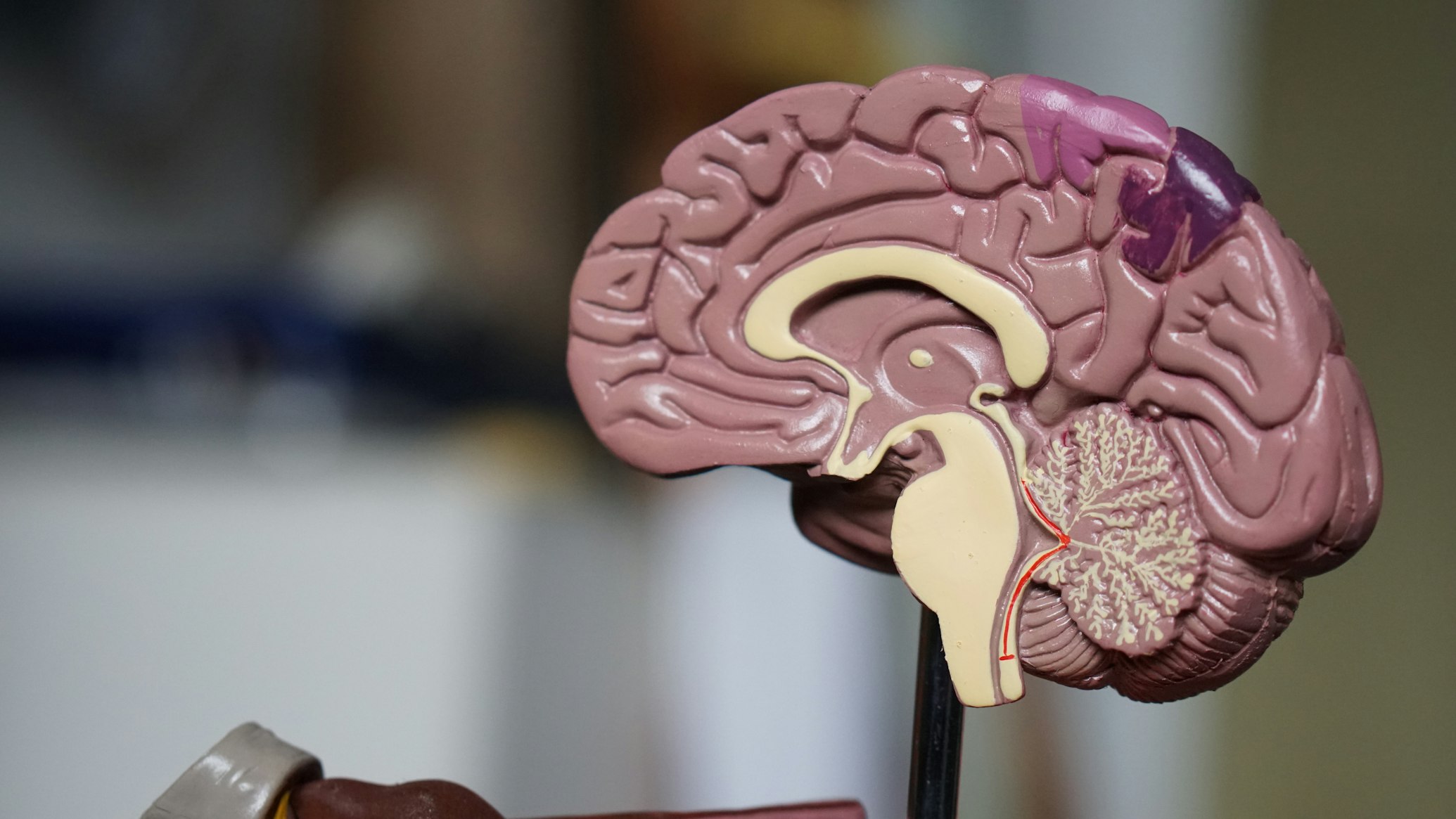
Restoring Brain Function
The supramolecular nanoparticles restored the blood-brain barrier's ability to clear toxic proteins, reversing Alzheimer's pathology in mice.
Key Findings from the Alzheimer's Study
Treatment Timeline
Initial Treatment
Three doses of supramolecular nanoparticles administered
1 Hour Later
50-60% reduction in amyloid-beta proteins
6 Months Later
Aged mice recovered behavior of healthy mice
Amyloid-Beta Clearance Rate
Cognitive Recovery Timeline
The Future is Nano
China's nanomedicine revolution is accelerating, driven by deep interdisciplinary collaboration and a strong push to turn laboratory breakthroughs into real-world applications 6 . Experts foresee a future where precision drug delivery "nanorobots" will overcome difficult diseases, and efficient nanomaterials will enable new frontiers in clean energy and wearable devices 6 .
Nanorobots
Precision drug delivery systems for targeted treatment
Clean Energy
Efficient nanomaterials for sustainable power solutions
Wearable Tech
Advanced sensors and devices for health monitoring
Expert Insight
"Nanotechnology is a core force driving breakthroughs in strategic fields, and its micro power is poised to massively impact our macro world, turning what was once 'impossible' into a 'real reality' that benefits people everywhere." - Bai Chunli, Chinese scientist 6