PD-L1 vs. Siglec-15: Dual Checkpoints Shaping the Tumor Microenvironment and Immunotherapy Future
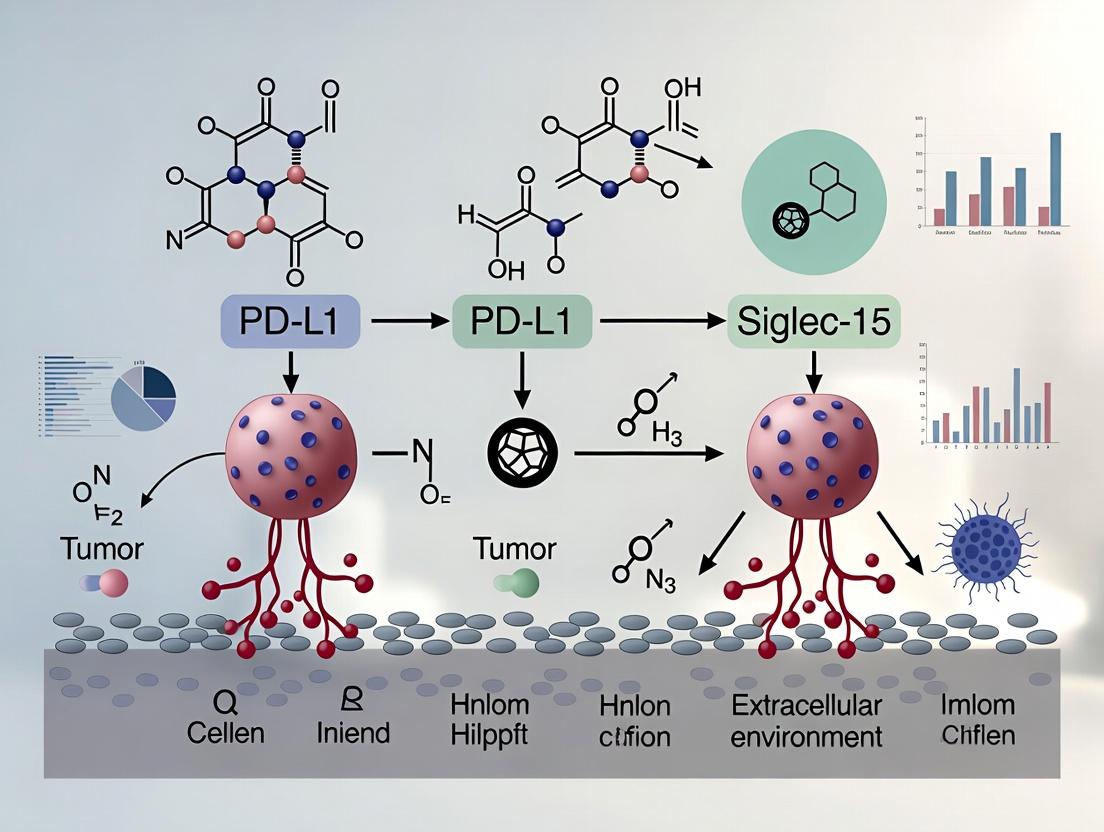
This article provides a comprehensive analysis of the immune checkpoint molecules PD-L1 and Siglec-15 within the tumor microenvironment (TME).
PD-L1 vs. Siglec-15: Dual Checkpoints Shaping the Tumor Microenvironment and Immunotherapy Future
Abstract
This article provides a comprehensive analysis of the immune checkpoint molecules PD-L1 and Siglec-15 within the tumor microenvironment (TME). Targeting researchers and drug developers, it explores their foundational biology, divergent and complementary roles in immune evasion, and clinical significance. We detail current methodologies for detecting their expression and spatial distribution, address common challenges in assay interpretation and biomarker validation, and critically compare therapeutic strategies targeting these pathways. The review synthesizes emerging data on their co-expression patterns, prognostic value, and potential as biomarkers for patient stratification in the era of combination immunotherapies.
Understanding PD-L1 and Siglec-15: Biology, Expression, and Roles in Tumor Immune Evasion
While PD-1/PD-L1 blockade has revolutionized oncology, its efficacy is limited to a subset of patients and tumor types. This has spurred extensive research into alternative immune checkpoint molecules. This whitepaper provides an in-depth technical guide on emerging checkpoints beyond the PD-1 axis, with a specific focus on their role within the tumor microenvironment (TME) and their integration into the broader research thesis investigating the dual expression and co-regulation of PD-L1 and Siglec-15. We detail molecular mechanisms, quantitative expression data, experimental methodologies, and essential research tools for scientists and drug development professionals.
Emerging Immune Checkpoint Molecules: Mechanisms and Significance
The immune checkpoint landscape extends far beyond PD-1/PD-L1. These alternative pathways often operate in distinct cellular contexts and can serve as compensatory resistance mechanisms to anti-PD-1/PD-L1 therapy. Their study is critical for understanding immune evasion and developing next-generation combinatorial immunotherapies.
T-cell Immunoglobulin and Mucin-Domain Containing-3 (TIM-3)
TIM-3 is a type I membrane protein expressed on IFN-γ-producing T cells, Tregs, and innate immune cells. It interacts with multiple ligands, including Galectin-9, CEACAM1, HMGB1, and Phosphatidylserine. Engagement typically leads to T-cell exhaustion and apoptosis.
Lymphocyte Activation Gene-3 (LAG-3)
LAG-3 (CD223) is expressed on activated T, B, and NK cells. Its primary ligand is MHC Class II, but interactions with FGL1, LSECtin, and others have been identified. LAG-3 signaling inhibits T-cell proliferation, activation, and cytokine secretion.
T-cell Immunoreceptor with Ig and ITIM Domains (TIGIT)
TIGIT is an inhibitory receptor on T and NK cells. It binds to CD155 (PVR) and CD112 (PVRL2, nectin-2) with high affinity, competing with the costimulatory receptor CD226 (DNAM-1). TIGIT signaling directly suppresses T-cell activation and enhances immunosuppressive functions of dendritic cells.
V-domain Ig Suppressor of T-cell Activation (VISTA)
VISTA is primarily expressed on myeloid cells and resting T cells. It functions both as a ligand on antigen-presenting cells and as a receptor on T cells, delivering a strong negative signal that suppresses T-cell proliferation and cytokine production.
Siglec-15: A PD-L1 Parallel Pathway
Siglec-15 is a sialic acid-binding immunoglobulin-like lectin expressed on tumor-associated macrophages (TAMs) and some tumor cells. It binds to an unknown receptor on T cells, inhibiting TCR signaling and T-cell function. Crucially, its expression is often mutually exclusive with PD-L1 in human carcinomas, positioning it as a compelling alternative or complementary target.
Quantitative Data on Checkpoint Expression and Therapeutic Targets
Table 1: Expression Profile of Key Alternative Immune Checkpoints in Human Carcinomas
| Checkpoint | Primary Cell Types Expressing in TME | Common Co-expression with PD-L1 | Prevalence in PD-L1 Negative Tumors (%)* | Associated Clinical Trial Phase (as of 2024) |
|---|---|---|---|---|
| TIM-3 | Exhausted CD8+ T cells, TAMs | Frequent (~40-60%) | 20-30% | Phase II/III |
| LAG-3 | Exhausted CD4+/CD8+ T cells, Tregs | Moderate (~30-50%) | 25-35% | Phase III (Approved in combo) |
| TIGIT | Exhausted T cells, NK cells, Tregs | Very Frequent (~50-70%) | 15-25% | Phase III |
| VISTA | Myeloid cells, TAMs, some tumor cells | Infrequent (~10-20%) | 40-50% | Phase I/II |
| Siglec-15 | TAMs, osteoclasts, some tumor cells | Mutually Exclusive (~<5%) | 20-40% | Phase II |
*Representative pooled estimates from recent pan-cancer analyses.
Table 2: Key Ligand-Receptor Interactions and Downstream Signaling Effects
| Checkpoint | Major Known Ligand(s) | Primary Downstream Signaling Molecule | Net Effect on T-cell in TME |
|---|---|---|---|
| TIM-3 | Galectin-9, CEACAM1 | Bat3, HLA-B, HCK | Inhibition of proliferation, apoptosis |
| LAG-3 | MHC Class II, FGL1 | KIAA0355, LAG-3 cytoplasmic domain | Reduced cytokine production, anergy |
| TIGIT | CD155 (PVR), CD112 | SHIP1, Grb2 | Inhibition of PI3K/MAPK pathways |
| VISTA | VSIG3, PSGL-1? | Unknown | Cell cycle arrest, reduced IL-2 |
| Siglec-15 | Unknown (sialylated glycans) | SYK, SHP1/SHP2? | Attenuation of TCR signaling |
Experimental Protocols for Key Analyses
Multiplex Immunofluorescence (mIF) for Co-expression Analysis of PD-L1 and Siglec-15
Purpose: To spatially profile the expression and cellular localization of PD-L1 and Siglec-15 within the tumor microenvironment, testing the hypothesis of mutual exclusivity. Detailed Protocol:
- Tissue Preparation: Cut 4-5 µm formalin-fixed, paraffin-embedded (FFPE) tumor sections. Bake at 60°C for 1 hour.
- Deparaffinization & Antigen Retrieval: Deparaffinize in xylene and rehydrate through graded ethanol. Perform heat-induced epitope retrieval (HIER) in citrate buffer (pH 6.0) or EDTA buffer (pH 9.0) at 95-100°C for 20 minutes.
- Multiplex Staining Cycle (Opal Polychromatic IHC method): a. Blocking: Block endogenous peroxidase with 3% H₂O₂, then block nonspecific sites with 10% normal goat serum for 1 hour. b. Primary Antibody Incubation: Incubate with the first primary antibody (e.g., anti-PD-L1, clone 22C3) overnight at 4°C in a humidified chamber. c. Polymer-HRP Conjugate: Apply appropriate polymer-HRP conjugate (e.g., anti-mouse/rabbit) for 1 hour at RT. d. Tyramide Signal Amplification (TSA): Apply Opal fluorophore (e.g., Opal 520) at 1:100 dilution for 10 minutes. e. Antibody Stripping: Perform microwave heat treatment in retrieval buffer to strip the primary-secondary-HRP complex, preserving tissue morphology. f. Repeat Cycle: Repeat steps b-e for subsequent markers (e.g., anti-Siglec-15, clone 1C5; anti-CD68 for macrophages; anti-PanCK for tumor cells; anti-CD8 for T cells). Use spectrally distinct Opal fluorophores (570, 620, 690, 780).
- Counterstaining & Mounting: Counterstain nuclei with Spectral DAPI. Mount with ProLong Diamond Antifade Mountant.
- Image Acquisition & Analysis: Scan slides using a multispectral imaging system (e.g., Vectra Polaris, Akoya Biosciences). Use image analysis software (inForm, HALO, QuPath) for spectral unmixing, cell segmentation (DAPI nucleus), phenotyping based on marker expression, and spatial analysis (e.g., distance of Siglec-15+ cells to CD8+ T cells).
In Vitro Co-culture Assay for Functional Validation of Siglec-15
Purpose: To assess the functional impact of tumor- or macrophage-expressed Siglec-15 on T-cell proliferation and cytokine production. Detailed Protocol:
- Cell Preparation:
- Antigen-Presenting Cells (APCs): Use a human monocyte cell line (THP-1) differentiated into M2-like macrophages (with PMA and IL-4/IL-13) or a Siglec-15-transfected tumor cell line (e.g., HEK293T or a Siglec-15-negative carcinoma line). Generate a Siglec-15 knockout control using CRISPR-Cas9.
- T cells: Isolate human CD3+ T cells from healthy donor PBMCs using magnetic negative selection.
- T-cell Stimulation & Co-culture: Label T cells with CellTrace Violet proliferation dye. Stimulate T cells with soluble anti-CD3 (OKT3, 1 µg/mL) and anti-CD28 (1 µg/mL) antibodies.
- Co-culture Setup: Plate APCs (macrophages or tumor cells) in a 96-well U-bottom plate. Add stimulated T cells at a 1:5 (APC:T cell) ratio. Include conditions with blocking anti-Siglec-15 antibody (e.g, NC318) or isotype control (10 µg/mL).
- Incubation: Co-culture for 72-96 hours in complete RPMI-1640 medium at 37°C, 5% CO₂.
- Analysis:
- Proliferation: Analyze CellTrace Violet dilution by flow cytometry on live CD3+ T cells.
- Cytokine Production: Harvest supernatant at 48 hours and measure IFN-γ and IL-2 by ELISA.
- T-cell Phenotype: Stain cells for activation/exhaustion markers (CD25, CD69, PD-1, TIM-3) and analyze by flow cytometry.
Signaling Pathway and Workflow Visualizations
(Title: PD-L1 and Siglec-15 Inhibitory Pathways on T-cells)
(Title: mIF Workflow for PD-L1 and Siglec-15 Co-expression Analysis)
The Scientist's Toolkit: Essential Research Reagents & Materials
Table 3: Key Reagent Solutions for Immune Checkpoint Research (Beyond PD-1/PD-L1)
| Reagent/Material | Supplier Examples (Non-exhaustive) | Primary Function in Research | Application Example |
|---|---|---|---|
| Recombinant Human Siglec-15 Fc Chimera | R&D Systems, Sino Biological | Ligand for binding assays; staining control for flow cytometry. | Validate unknown receptor binding on T-cells via ELISA-based binding assay. |
| Anti-Siglec-15 (Clone 1C5, NC318) | Cell Signaling, GenScript, Creative Biolabs | Blocking antibody for functional assays; detection for IHC/flow. | In vitro co-culture assay to reverse T-cell suppression. |
| Opal 7-Color Automation IHC Kit | Akoya Biosciences | Fluorophore-conjugated tyramide for multiplex IHC/IF. | 7-plex staining for PD-L1, Siglec-15, lineage markers. |
| CellTrace Violet Proliferation Dye | Thermo Fisher Scientific | Fluorescent dye dilution to track cell division. | Measure T-cell proliferation in Siglec-15-dependent co-culture. |
| Human TIM-3 / LAG-3 / TIGIT / VISTA ELISA Kits | BioLegend, Thermo Fisher, Abcam | Quantify soluble checkpoint levels in cell culture supernatant or patient serum. | Correlate soluble checkpoint levels with disease progression. |
| CRISPR/Cas9 Siglec-15 Knockout Kit | Synthego, Santa Cruz Biotechnology | Generate Siglec-15-isogenic cell lines for functional studies. | Create knockout controls in tumor cell lines for co-culture assays. |
| Phospho-SYK (Tyr525/526) Antibody | Cell Signaling Technology | Detect activation of SYK kinase downstream of Siglec-15. | Western blot to map early signaling events post Siglec-15 engagement. |
| Multispectral Tissue Reference Slide (Phenochart) | Akoya Biosciences | Calibration slide for multispectral imaging systems. | Ensure consistent spectral unmixing across mIF experiments. |
| Human TruStain FcX (Fc Receptor Blocking Solution) | BioLegend | Block non-specific antibody binding via Fc receptors. | Essential for flow cytometry of immune cells from dissociated tumors. |
| Tumor Dissociation Kit, human | Miltenyi Biotec | Enzymatic cocktail for gentle dissociation of solid tumors. | Generate single-cell suspensions for high-dimensional flow/cytometry by time-of-flight (CyTOF). |
This technical guide details the core biology of programmed death-ligand 1 (PD-L1, CD274), a critical immune checkpoint molecule. Framed within broader research on immune checkpoint molecules (including Siglec-15) in the tumor microenvironment (TME), this document provides an in-depth analysis of PD-L1's canonical signaling, regulatory mechanisms, and emerging tumor-intrinsic functions. Understanding these aspects is fundamental for developing next-generation immunotherapies and overcoming resistance to current PD-1/PD-L1 axis blockade.
Canonical PD-1/PD-L1 Signaling Pathway
The primary function of PD-L1 is to bind its receptor PD-1 on activated T cells, transmitting an inhibitory signal that suppresses T cell receptor (TCR)-mediated activation, proliferation, cytokine production, and cytotoxicity. This pathway is a key mechanism of immune homeostasis and, in cancer, a major driver of immune evasion.
Diagram: Canonical PD-L1/PD-1 Inhibitory Signaling in the TME
Table 1: Key Quantitative Outcomes of PD-1/PD-L1 Engagement
| Parameter | Effect of PD-1/PD-L1 Binding | Typical Experimental Readout (Quantitative Range) |
|---|---|---|
| T Cell Proliferation | Decreased | CFSE dilution (50-90% reduction) or Ki67+ flow cytometry (60-80% suppression) |
| Cytokine Production | Reduced | ELISA for IFN-γ, TNF-α, IL-2 (70-95% decrease in supernatant) |
| Cytotoxic Activity | Impaired | In vitro killing assay (target cell lysis reduced by 40-70%) |
| TCR Signal Transduction | Attenuated | Phospho-flow for p-ZAP70, p-ERK (≥50% reduction) |
| Metabolic Profile | Shift to Catabolism | Seahorse assay: Reduced OCR/ECAR (Glycolysis reduced by 30-60%) |
Regulation of PD-L1 Expression
PD-L1 expression on tumor and immune cells within the TME is dynamically regulated by multiple extrinsic and intrinsic signals.
Diagram: Key Regulatory Pathways of PD-L1 Expression
Experimental Protocol: Measuring PD-L1 Regulation by IFN-γ
- Objective: Quantify IFN-γ-induced PD-L1 surface expression on tumor cell lines.
- Materials: Human tumor cell line (e.g., A549, MDA-MB-231), recombinant human IFN-γ, flow cytometry buffer (PBS + 2% FBS), anti-human PD-L1 antibody (clone 29E.2A3 or MIH1) conjugated to a fluorophore (e.g., APC), isotype control antibody, cell culture incubator, flow cytometer.
- Method:
- Seed cells in 6-well plates (5 x 10^5 cells/well) and culture overnight.
- Stimulate with IFN-γ (typical range: 10-100 ng/mL) for 24-48 hours. Include an unstimulated control.
- Harvest cells using non-enzymatic dissociation buffer.
- Wash cells twice with flow cytometry buffer.
- Resuspend cell pellet (~1 x 10^6 cells) in 100 µL buffer containing anti-PD-L1 or isotype control antibody (0.5-1 µg/test). Incubate for 30 minutes at 4°C in the dark.
- Wash cells twice with buffer.
- Resuspend in 300 µL buffer and analyze immediately on a flow cytometer.
- Data Analysis: Quantify Median Fluorescence Intensity (MFI) of the PD-L1-stained population. Calculate fold-change in MFI relative to the isotype control and unstimulated sample.
Tumor-Intrinsic Functions of PD-L1
Beyond immune suppression, PD-L1 expressed on tumor cells can engage in "reverse signaling," influencing tumor cell phenotypes such as proliferation, apoptosis resistance, and metabolic adaptation.
Table 2: Tumor-Intrinsic Functions of PD-L1
| Function | Proposed Mechanism | Key Experimental Evidence |
|---|---|---|
| Anti-Apoptosis | Engagement by PD-1 or antibodies triggers intracellular (cytoplasmic domain) signaling, activating PI3K-AKT and/or ERK pathways. | PD-L1 crosslinking reduces caspase-3/7 activity; AKT phosphorylation increases. Effects are seen even in PD-1-negative tumor cells. |
| Enhanced Proliferation | PD-L1 signaling may regulate mTOR activity or expression of cell cycle proteins (e.g., Cyclin D1). | siRNA knockdown of PD-L1 leads to reduced in vitro proliferation and colony formation. |
| Metabolic Reprogramming | Association with mTORC1 promotes aerobic glycolysis (Warburg effect) and lipogenesis. | PD-L1+ tumor cells show higher ECAR (glycolysis) and increased lipid accumulation; knockdown reverses this. |
| Chemoresistance | Activation of survival pathways (AKT, BCL-2) protects against chemotherapy-induced DNA damage. | PD-L1 high tumors show poorer response in vivo to chemo; combination with blockade improves outcome. |
| Stemness | Modulation of pathways like STAT3 and β-catenin to maintain cancer stem cell (CSC) populations. | PD-L1+ subpopulations exhibit higher sphere-forming capacity and CSC marker expression. |
The Scientist's Toolkit: Key Research Reagents
Table 3: Essential Reagents for PD-L1 Research
| Reagent Category | Specific Example(s) | Function/Application |
|---|---|---|
| Anti-PD-L1 Antibodies (Flow Cytometry) | Clone 29E.2A3 (BioLegend), MIH1 (eBioscience), 405.9A11 (Cell Signaling) | Detecting surface PD-L1 expression on human cells. |
| Anti-PD-L1 Antibodies (IHC) | Clone 22C3 (Dako), SP142 (Ventana), 28-8 (Abcam) | Immunohistochemical staining for PD-L1 in tumor tissue sections. |
| Recombinant Human PD-1 Fc | PD-1-hFc (R&D Systems, Sino Biological) | As a binding partner to detect functional PD-L1 or to stimulate reverse signaling. |
| Recombinant Cytokines | IFN-γ (PeproTech), TNF-α (R&D Systems) | Inducing PD-L1 expression in cell culture models. |
| PD-L1 Reporter Cell Lines | PD-1/NFAT Reporter Jurkat cells (Promega) | Screening for PD-1/PD-L1 interaction inhibitors in a cellular context. |
| Gene Modulation Tools | CD274 siRNA/sgRNA pools (Dharmacon, Sigma), Lentiviral overexpression constructs (VectorBuilder) | Knockdown or overexpression of PD-L1 for functional studies. |
| Inhibitors | BMS-202 (small molecule inhibitor of PD-1/PD-L1 binding), JAK inhibitor (Ruxolitinib) | Blocking interaction or upstream regulation (e.g., IFN-γ signaling). |
Advanced Experimental Workflow: Integrating PD-L1 and Siglec-15 Analysis
Given the thesis context, co-investigation of PD-L1 and Siglec-15 is crucial for understanding compensatory immune evasion pathways.
Diagram: Workflow for Co-Analysis of PD-L1 and Siglec-15 in the TME
Experimental Protocol: Multiplex Immunofluorescence (mIF) for PD-L1 and Siglec-15
- Objective: Spatially localize and quantify PD-L1 and Siglec-15 expression in formalin-fixed, paraffin-embedded (FFPE) tumor sections.
- Materials: FFPE tissue sections, automated mIF platform (e.g., Akoya Biosciences OPAL, Ventana), primary antibodies (anti-PD-L1 clone 28-8, anti-Siglec-15 clone 1G10), Opal fluorophore tyramide signal amplification (TSA) reagents (e.g., Opal 520, Opal 690), spectral DAPI, antigen retrieval buffer, antibody diluent, fluorescence microscope with multispectral imaging capability.
- Method (Sequential Staining):
- Bake slides at 60°C for 1 hour. Deparaffinize and rehydrate.
- Perform antigen retrieval in a pressure cooker (e.g., pH 9 buffer, 20 min).
- Cycle 1: Block, incubate with anti-PD-L1 (1:200), apply HRP-polymer secondary, incubate with Opal 520 TSA, perform microwave-based antibody stripping.
- Cycle 2: Incubate with anti-Siglec-15 (1:100), apply HRP-secondary, incubate with Opal 690 TSA, perform antibody stripping.
- Counterstain with spectral DAPI.
- Image Acquisition & Analysis: Scan slides using a multispectral imager (e.g., Vectra/Polaris). Use software (inForm, HALO) for spectral unmixing, tissue segmentation (tumor vs. stroma), and cell segmentation. Quantify single-positive and dual-positive cells within defined compartments.
Within the landscape of tumor immune checkpoint research, the focus has broadened beyond the canonical PD-1/PD-L1 axis to identify novel, complementary therapeutic targets. Siglec-15 (Sialic acid-binding immunoglobulin-type lectin 15) has emerged as a myeloid-focused checkpoint with a distinct expression profile and mechanism, positioning it as a potential "general" immune suppressor in the tumor microenvironment (TME). This whitepaper details its molecular architecture, known ligands, and the experimental frameworks essential for its investigation, contextualized within the broader pursuit of multi-targeted immune-oncology strategies.
Molecular Structure of Siglec-15
Siglec-15 is a type I transmembrane protein belonging to the CD33-related Siglec family. Its extracellular region features a single N-terminal V-set immunoglobulin (Ig) domain responsible for sialic acid binding, followed by a C2-set Ig domain. A conserved arginine residue (Arg(^{124}) in human) within the V-set domain is critical for sialic acid recognition. Unlike many Siglecs, Siglec-15 lacks intracellular immunoreceptor tyrosine-based inhibitory motifs (ITIMs). Instead, it possesses a positively charged lysine residue in its transmembrane domain, enabling association with DNAX activation protein (DAP)12 and DAP10 adaptors, which contain immunoreceptor tyrosine-based activation motifs (ITAMs) and a YxxM motif, respectively. This association suggests a capacity for both activating and inhibitory signaling, though its dominant role in the TME is immunosuppressive.
Table 1: Key Structural Features of Human Siglec-15
| Domain | Amino Acid Residues | Key Features | Functional Implication |
|---|---|---|---|
| Signal Peptide | 1-18 | Leader sequence | Targets protein for secretion/insertion. |
| V-set Ig Domain | 19-135 | Contains Arg(^{124}) | Essential for sialic acid ligand binding. |
| C2-set Ig Domain | 136-229 | Stabilizes V-set domain | Supports structural integrity. |
| Transmembrane | 250-270 | Contains Lys(^{259}) | Mediates association with DAP12/DAP10. |
| Cytoplasmic Tail | 271-328 | Short, no ITIM/ITAM | Signaling via associated adaptors. |
Known and Putative Ligands
The primary physiological ligand for Siglec-15 is α2,3- and α2,6-linked sialic acid glycans presented on cell surface glycoproteins and glycolipids. This sialic acid-dependent binding is a hallmark of Siglec family interactions. Recent research indicates that Siglec-15 also recognizes Tumor-Associated Carbohydrate Antigens (TACAs), such as sialylated Tn (sTn) antigen, which is commonly overexpressed on various carcinomas.
Notably, Siglec-15 can also function in a sialic acid-independent manner. It has been shown to bind to the leukocyte surface receptor CD44, particularly in its variant forms (e.g., CD44v), which are upregulated on tumor cells. This interaction represents a distinct, glycan-independent ligand-receptor axis contributing to immune suppression.
Table 2: Siglec-15 Ligands and Binding Characteristics
| Ligand Category | Specific Example | Binding Dependency | Context/Evidence |
|---|---|---|---|
| Sialoglycans | α2,3-/α2,6-linked Sia | Sialic Acid-Dependent | Canonical binding; blocked by sialidase treatment. |
| Tumor Antigen | Sialylated Tn (sTn) | Sialic Acid-Dependent | Expressed on MUC1 and other carriers in TME. |
| Surface Receptor | CD44 (variant forms) | Sialic Acid-Independent | Direct protein-protein interaction; promotes immunosuppression. |
Mechanism of Action as an Immune Suppressor
Siglec-15 is predominantly expressed on tumor-associated macrophages (TAMs), immature myeloid cells, and some cancer cells (e.g., in bone tumors). Its expression is often mutually exclusive with PD-L1. The immunosuppressive mechanism is primarily mediated through its interaction with a putative receptor on T cells (identity not fully elucidated), leading to inhibition of CD4+ and CD8+ T cell proliferation and function. The DAP12 association is crucial for this inhibitory signaling, which is believed to involve Syk kinase recruitment and downstream modulation of NFAT and NF-κB pathways, ultimately blunting T cell activation.
Title: Siglec-15 Mediated T Cell Suppression Pathway
Key Experimental Protocols
5.1. Assessing Siglec-15 Expression via Flow Cytometry
- Objective: To quantify Siglec-15 surface protein expression on immune and tumor cell subsets from dissociated tumors or cell lines.
- Protocol:
- Sample Prep: Generate a single-cell suspension from mouse tumors or human biopsy tissue using a tumor dissociation kit. Include DNase I.
- Staining: Aliquot cells. Use Fc receptor block (e.g., anti-CD16/32) for 10 mins. Stain with fluorescently conjugated anti-Siglec-15 antibody (e.g., clone 1A5 for mouse, polyclonal or validated mAbs for human) and lineage markers (CD45, CD11b, F4/80 for macrophages; EpCAM for tumor cells) for 30 mins at 4°C in the dark.
- Analysis: Wash, resuspend in buffer with viability dye. Acquire on a flow cytometer. Use fluorescence-minus-one (FMO) controls for gating. Analyze co-expression with PD-L1 to confirm mutual exclusivity.
5.2. Functional T Cell Suppression Assay
- Objective: To evaluate the inhibitory function of Siglec-15-expressing antigen-presenting cells (APCs) on T cell activation.
- Protocol:
- APC Preparation: Use Siglec-15-transfected cells or primary Siglec-15+ TAMs sorted from tumors. Control: Siglec-15-negative or vector-transfected cells. Treat some with anti-Siglec-15 blocking mAb (10 µg/mL) or isotype control.
- T Cell Isolation: Isolate naïve CD4+ or CD8+ T cells from spleen/lymph nodes using magnetic negative selection kits.
- Co-culture: Plate APCs with CFSE-labeled T cells at a defined ratio (e.g., 1:5) in the presence of soluble anti-CD3ε (1 µg/mL). Culture for 72-96 hours.
- Readout: Harvest cells. Analyze T cell proliferation via CFSE dilution by flow cytometry. Quantify IFN-γ or IL-2 in supernatant by ELISA.
The Scientist's Toolkit: Essential Research Reagents
Table 3: Key Reagents for Siglec-15 Research
| Reagent Category | Example Product/Specificity | Function in Research |
|---|---|---|
| Anti-Siglec-15 Antibodies | Mouse mAb (Clone 1A5), Rabbit polyclonal Ab | Detection (flow cytometry, IHC), Functional blocking. |
| Recombinant Siglec-15 Protein | Fc-tagged human/mouse Siglec-15 | Binding studies (ELISA, SPR), ligand screening. |
| Siglec-15 Expression Plasmids | pCMV3-Siglec-15 (human/mouse) | Generating stable/transient overexpression cell lines. |
| DAP12/DAP10 siRNA/CRISPR | siRNA pools, CRISPR knockout kits | Disrupt adaptor signaling to study mechanism. |
| Sialidase (Neuraminidase) | Neuraminidase from Arthrobacter ureafaciens | Cleaves sialic acids to test glycan-dependent interactions. |
| Control Ligands | Sialylated glycoproteins (e.g., fetuin), CD44-Fc | Positive controls for binding assays. |
Visualization of Research Workflow
Title: Siglec-15 Research and Drug Discovery Workflow
Siglec-15 represents a structurally and mechanistically distinct immune checkpoint with a "general" suppressor role, particularly in PD-L1 negative tumors. Its dual ligand recognition (sialic acid-dependent and -independent) and unique signaling adaptor usage offer rich avenues for fundamental research. The development of robust experimental protocols and specialized reagents, as outlined, is critical for validating its therapeutic potential. Integrating Siglec-15 inhibition with existing PD-1/PD-L1 blockade strategies presents a promising rational approach to overcome resistance and expand the population of cancer patients benefiting from immunotherapy.
1. Introduction This whitepaper, framed within the broader thesis of PD-L1 and Siglec-15 in tumor microenvironment (TME) research, provides a comparative analysis of the distinct cellular origins and regulatory signals for these two critical immune checkpoint molecules. Understanding their non-redundant biology is essential for developing next-generation immunotherapies.
2. Cellular Sources of PD-L1 vs. Siglec-15 in the TME PD-L1 and Siglec-15 exhibit markedly different expression patterns across cellular compartments within the TME. Their primary sources are summarized below.
Table 1: Comparative Cellular Sources of PD-L1 and Siglec-15 in Human TMEs
| Cell Type | PD-L1 Expression | Siglec-15 Expression |
|---|---|---|
| Tumor Cells | High; inducible by oncogenic signals (e.g., PTEN loss, MYC) and IFN-γ. | Variable; often associated with mesenchymal phenotype, hypoxia, tumor stroma. |
| Myeloid Cells (M2 TAMs, MDSCs) | High; major source, strongly induced by IFN-γ and other inflammatory signals. | High; considered a dominant source; constitutive and induced by IL-4/IL-13. |
| Dendritic Cells | Inducible (e.g., by IFN-γ). | Generally low/negative. |
| Cancer-Associated Fibroblasts (CAFs) | Low/Inducible. | Frequently high; driven by TGF-β and hypoxia. |
| Endothelial Cells | Inducible by IFN-γ. | Typically negative. |
3. Key Inducing Signals and Regulatory Pathways The expression of PD-L1 and Siglec-15 is governed by distinct upstream signaling cascades, reflecting their different biological roles.
Table 2: Core Inducing Signals and Pathways for PD-L1 vs. Siglec-15
| Feature | PD-L1 (CD274) | Siglec-15 (SIGLEC15) |
|---|---|---|
| Primary Inflammatory Inducer | IFN-γ via JAK/STAT1/IRF1 axis is the dominant signal. | Not induced by IFN-γ; suppressed by it. |
| Cytokine/Growth Factor Inducers | Type I IFNs, TNF-α, VEGF. | IL-4, IL-13 (via STAT6), M-CSF, TGF-β. |
| Oncogenic Drivers | PTEN/PI3K-AKT, MYC, EGFR, ALK. | Not well-defined; associated with mesenchymal programs. |
| Hypoxia Response | Induced via HIF-1α. | Strongly induced via HIF-1α. |
| Key Transcription Factors | STAT1, IRF1, HIF-1α, NF-κB. | STAT6, HIF-1α, possibly SMADs. |
Diagram 1: Core Inducing Pathways for PD-L1 and Siglec-15
4. Experimental Protocols for Key Analyses
Protocol 4.1: Multiplex Immunofluorescence (mIF) for Spatial Cellular Source Validation Objective: To simultaneously localize PD-L1, Siglec-15, and cell lineage markers in formalin-fixed, paraffin-embedded (FFPE) tumor sections.
- Deparaffinization & Antigen Retrieval: Bake slides at 60°C for 1 hr. Deparaffinize in xylene and rehydrate. Perform heat-induced epitope retrieval in citrate buffer (pH 6.0) or EDTA buffer (pH 9.0) using a pressure cooker.
- Multiplex Staining Cycle (Iterative): a. Blocking: Incubate with Protein Block (e.g., 10% normal serum) for 30 min at RT. b. Primary Antibody Incubation: Apply a pre-optimized monoclonal antibody (e.g., anti-PD-L1 [clone E1L3N], anti-Siglec-15 [clone 1C8], anti-CD68 [macrophages], anti-αSMA [CAFs]) overnight at 4°C. c. Detection: Use a tyramide signal amplification (TSA)-based Opal system. Incubate with HRP-conjugated secondary antibody for 10 min, followed by the corresponding Opal fluorophore (e.g., Opal 520, 570, 620, 690) for 10 min. d. Antibody Stripping: Heat slides in retrieval buffer to strip antibodies before the next cycle.
- Counterstaining & Imaging: After all cycles, counterstain nuclei with DAPI. Acquire images using a multispectral microscope (e.g., Vectra/Polaris). Use image analysis software (inForm, QuPath) for spectral unmixing and cell phenotyping.
Protocol 4.2: In Vitro Induction and Flow Cytometry Analysis Objective: To quantify PD-L1 and Siglec-15 induction on distinct primary cell types.
- Cell Isolation & Culture: Isolate primary human monocytes (CD14+ selection) and differentiate into M2 macrophages with M-CSF (50 ng/mL, 6 days) + IL-4 (20 ng/mL, final 48 hrs). Culture human cancer cell lines of interest.
- Stimulation: Treat cells for 24-48 hrs with:
- For PD-L1 Induction: IFN-γ (50 ng/mL).
- For Siglec-15 Induction: IL-4 (20 ng/mL) or CoCl2 (150 µM, hypoxia mimic).
- Include untreated controls.
- Flow Cytometry Staining: a. Harvest cells, wash with PBS, and resuspend in FACS buffer. b. Surface Staining: Incubate with anti-PD-L1-APC and anti-Siglec-15-PE antibodies (or corresponding isotypes) for 30 min on ice, protected from light. c. Fixation: Fix cells with 2% paraformaldehyde for 15 min. d. Acquisition & Analysis: Acquire data on a flow cytometer (e.g., BD Fortessa). Use fluorescence minus one (FMO) controls for gating. Report geometric mean fluorescence intensity (MFI) and percentage of positive cells.
Diagram 2: Workflow for Induced Expression Analysis
5. The Scientist's Toolkit: Key Research Reagents
Table 3: Essential Reagents for PD-L1/Siglec-15 TME Research
| Reagent Category | Specific Example(s) | Function & Application |
|---|---|---|
| Validated Antibodies (IHC/mIF) | Anti-PD-L1 (Clone E1L3N, 22C3); Anti-Siglec-15 (Clone 1C8) | Detecting protein expression and spatial localization in FFPE tissues. Critical for Table 1 data. |
| Validated Antibodies (Flow Cytometry) | Anti-human PD-L1-APC (Clone 29E.2A3); Anti-human Siglec-15-PE (Clone 1C8) | Quantifying surface protein density on live cells post-stimulation (Protocol 4.2). |
| Recombinant Cytokines | Human IFN-γ, IL-4, IL-13, M-CSF, TGF-β | Inducing target molecule expression in in vitro and ex vivo assays (Protocol 4.2). |
| Multiplex IHC Detection Kit | Opal Polaris 7-Color Automation Kit | Enables sequential labeling of up to 7 markers on a single FFPE section (Protocol 4.1). |
| Hypoxia Mimetic | Cobalt Chloride (CoCl₂) | Chemically stabilizes HIF-1α to simulate hypoxic signaling in normoxic culture. |
| Cell Isolation Kits | CD14+ MicroBeads (Human) | Positive selection of monocytes from PBMCs for differentiation into macrophages. |
| Signal Pathway Inhibitors | STAT1 inhibitor (Fludarabine); STAT6 inhibitor (AS1517499) | Mechanistic validation of key inducing pathways outlined in Table 2. |
This technical guide explores the spatial architecture and cellular interactions within the tumor microenvironment (TME), framed within ongoing research on immune checkpoint molecules PD-L1 and Siglec-15. The TME is a complex ecosystem where malignant cells coexist with immune cells, fibroblasts, endothelial cells, and extracellular matrix. Its profound spatial heterogeneity dictates disease progression, immune evasion, and therapeutic response. Understanding the co-localization patterns of PD-L1 and Siglec-15 expressing cells within this niche is critical for developing next-generation immunotherapies.
Spatial Heterogeneity of Immune Checkpoint Expression
Spatial heterogeneity refers to the non-uniform distribution of cellular and molecular features across different regions of a tumor. For checkpoint inhibitors, this is paramount, as expression is often focal and dynamic.
PD-L1 Distribution Patterns
PD-L1 (Programmed Death-Ligand 1) expression is not ubiquitous. It can be expressed on tumor cells (TC), antigen-presenting cells (APCs), and other stromal cells, varying between the invasive margin, tumor core, and tertiary lymphoid structures (TLS).
Table 1: Quantitative Analysis of PD-L1 Spatial Expression in NSCLC (Representative Data)
| Tumor Region | PD-L1+ Tumor Cells (%) | PD-L1+ Immune Cells (cells/mm²) | Association with CD8+ T Cells |
|---|---|---|---|
| Invasive Margin | 15-60% | 80-200 | High Co-localization |
| Tumor Core | 5-30% | 20-100 | Low/Moderate Co-localization |
| Tertiary Lymphoid Structures | <1% | 300-600 | High (on APCs) |
Siglec-15 Expression Niche
Siglec-15 is an emerging immune suppressor predominantly expressed on tumor-associated macrophages (TAMs), dendritic cells, and a subset of tumor cells. Its expression is often mutually exclusive with PD-L1, suggesting a complementary resistance mechanism.
Table 2: Siglec-15 Expression in the TME of Human Carcinoma
| Cell Type | Expression Prevalence | Primary Micro-niche | Correlation with M2 Macrophage Markers |
|---|---|---|---|
| M2-like TAMs | High (>70% of cases) | Hypoxic/necrotic regions | Strong (CD163, CD206) |
| Tumor Cells | Moderate (~30% of cases) | Invasive front | Variable |
| Dendritic Cells | Low (~15% of cases) | Perivascular areas | Weak |
Methodologies for Mapping Cellular Co-localization
Advanced multiplexed techniques are required to decode spatial relationships.
Multiplex Immunofluorescence (mIF) and Image Analysis
Protocol: 7-Color mIF for PD-L1, Siglec-15, and Phenotypic Markers
- Tissue Preparation: Formalin-fixed, paraffin-embedded (FFPE) tissue sections (4 µm).
- Antibody Panel Design: Use tyramide signal amplification (TSA) or CODEX systems.
- Panel: CD8 (Cytotoxic T), CD68 (Macrophages), PD-L1, Siglec-15, Pan-CK (Tumor), CD31 (Endothelium), DAPI (Nuclei).
- Staining Cycle:
- Deparaffinize, rehydrate, perform heat-induced epitope retrieval (HIER).
- Apply primary antibody (e.g., anti-CD8), then HRP-conjugated secondary.
- Apply fluorescent TSA dye (e.g., Cy5), then inactivate HRP with microwave or H2O2 treatment.
- Repeat steps 2-3 for each marker sequentially.
- Image Acquisition: Use a multispectral microscope (e.g., Vectra/Polaris). Scan entire section at 20x magnification.
- Spectral Unmixing & Analysis: Use inForm or QuPath software. Apply cell segmentation algorithms. Calculate metrics like Cell-to-Cell Distance and Interaction Enrichment Score.
Digital Spatial Profiling (DSP)
Protocol: GeoMx DSP for Region-Specific RNA/Protein Profiling
- Region of Interest (ROI) Selection: On a stained tissue section (FFPE or frozen), select morphologically distinct ROIs (e.g., Siglec-15+ niche vs. PD-L1+ niche) guided by fluorescent morphology markers.
- UV Cleavage: Pre-designed oligonucleotide-tagged antibodies or RNA probes bind to their targets. A UV laser precisely cleaves oligonucleotides from the selected ROI.
- Collection & Quantification: Cleaved tags are aspirated into a microplate and quantified via next-generation sequencing (NGS) or NanoString nCounter.
- Data Analysis: Compare immune gene signatures, checkpoint profiles, and stromal scores between different spatially defined niches.
Key Signaling Pathways in the Checkpoint Niche
Title: PD-L1 and Siglec-15 Upregulation & Signaling Pathways
Experimental Workflow for Niche Analysis
Title: Spatial TME Analysis Workflow
The Scientist's Toolkit: Key Research Reagent Solutions
Table 3: Essential Reagents for PD-L1/Siglec-15 TME Research
| Reagent / Material | Function / Specificity | Example Application |
|---|---|---|
| Validated Anti-Human PD-L1 mAb (Clone 73-10) | High-affinity antibody for IHC/mIF. Recognizes both tumor and immune cell PD-L1. | Quantifying PD-L1 expression and spatial distribution in FFPE tissues. |
| Recombinant Anti-Siglec-15 Antibody (Clone 1C5) | Specifically binds human Siglec-15 extracellular domain. | Identifying Siglec-15+ TAMs and tumor cells in multiplex panels. |
| Opal 7-Color Automation IHC Kit | Tyramide-based signal amplification for multiplex fluorescence. | Simultaneous detection of 7 markers (PD-L1, Siglec-15, CD8, etc.) on one slide. |
| GeoMx Human Immune Cell Profiling Core | Oligo-tagged antibody panel for spatial proteomics. | Profiling 50+ immune proteins from user-selected ROIs in the TME. |
| Visium Spatial Gene Expression Slide | Capture areas for spatially resolved whole transcriptome analysis. | Mapping gene expression programs in PD-L1+ vs. Siglec-15+ niches. |
| PhenoCycler-Fusion CODEX Antibody Panel | Metal-tagged antibodies for ultra-high-plex imaging (50+ markers). | Deep phenotyping of all cellular components in the checkpoint niche. |
| QuPath Open-Source Software | Digital pathology image analysis platform. | Cell segmentation, phenotyping, and spatial statistics (distance, clustering). |
Within the broader research thesis on immune checkpoint molecules PD-L1 and Siglec-15 in the tumor microenvironment (TME), this guide details the pre-clinical methodologies for functionally validating their immunosuppressive roles. The co-expression and non-redundant functions of these checkpoints necessitate rigorous in vitro and in vivo models to dissect their mechanisms and inform therapeutic blockade strategies.
Key Immunosuppressive Mechanisms & Validation Targets
PD-L1 (CD274)
- Ligand-Receptor Interaction: Binds to PD-1 on activated T cells, delivering an inhibitory signal.
- Intracellular Signaling: Upon engagement, PD-1 recruits SHP-1/SHP-2 phosphatases, leading to dephosphorylation of key TCR signaling molecules (e.g., ZAP70, CD3ζ, PI3K), culminating in T cell exhaustion, anergy, and apoptosis.
- TME Modulation: Expressed on tumor cells, myeloid-derived suppressor cells (MDSCs), and regulatory T cells (Tregs).
Siglec-15
- Putative Receptor: Believed to interact with a receptor expressed on T lymphocytes and myeloid cells, distinct from PD-1.
- Downstream Effects: Promotes differentiation of immunosuppressive M2-like tumor-associated macrophages (TAMs) and inhibits T cell proliferation and function.
- Expression Pattern: Often expressed in PD-L1 negative tumors, highlighting its role as a complementary immunosuppressive pathway.
In Vitro Validation Protocols
Protocol 1: T Cell Functional Suppression Assay
Objective: To quantify the suppression of T cell activation by PD-L1 or Siglec-15 expressed on antigen-presenting cells or tumor cells.
Methodology:
- Co-culture Setup: Isolate CD3+ T cells from human PBMCs or mouse splenocytes. Activate T cells with plate-bound anti-CD3/CD28 antibodies.
- Effector Cell Preparation: Use tumor cell lines (e.g., MC38, B16F10) or engineered antigen-presenting cells (e.g., CHO cells) with:
- Group 1: Wild-type (low/no checkpoint expression).
- Group 2: Overexpression of PD-L1 via lentiviral transduction.
- Group 3: Overexpression of Siglec-15.
- Group 4: Knockout of both using CRISPR-Cas9.
- Co-culture: Seed effector cells (tumor/APCs) in a 96-well plate. Add activated T cells at defined ratios (e.g., 1:1, 1:5 tumor:T cell).
- Blockade Conditions: Include wells with blocking agents: anti-PD-L1 mAb (10 µg/mL), anti-Siglec-15 mAb (10 µg/mL), or isotype control.
- Readout (After 48-72 hours):
- Proliferation: Measure via CFSE dilution or EdU incorporation by flow cytometry.
- Cytokine Production: Quantify IFN-γ and IL-2 in supernatant by ELISA.
- Activation Markers: Analyze CD69 and CD25 surface expression on T cells by flow cytometry.
Table 1: Representative In Vitro T Cell Suppression Data (MC38 Co-culture, 1:5 Ratio)
| Effector Cell Type | Blocking Antibody | T Cell Proliferation (% Divided) | IFN-γ Secretion (pg/mL) |
|---|---|---|---|
| MC38 WT | None | 78.2 ± 5.1 | 1250 ± 150 |
| MC38 PD-L1+ | None | 32.5 ± 4.3 | 280 ± 45 |
| MC38 PD-L1+ | α-PD-L1 | 70.8 ± 6.2 | 1050 ± 120 |
| MC38 Siglec-15+ | None | 35.1 ± 3.8 | 310 ± 50 |
| MC38 Siglec-15+ | α-Siglec-15 | 72.1 ± 5.7 | 1150 ± 135 |
| MC38 PD-L1+/Siglec-15+ DKO | None | 85.5 ± 4.9 | 1400 ± 165 |
Protocol 2: Macrophage Polarization Assay (Siglec-15 Focus)
Objective: To assess the role of Siglec-15 in promoting an immunosuppressive M2 macrophage phenotype.
Methodology:
- Macrophage Differentiation: Isolate CD14+ monocytes from human PBMCs or bone marrow-derived macrophages (BMDMs) from mice. Differentiate with M-CSF (50 ng/mL) for 6 days.
- Polarization Stimulus: Treat macrophages with:
- M1 control: LPS (100 ng/mL) + IFN-γ (20 ng/mL).
- M2 control: IL-4 (20 ng/mL) + IL-13 (20 ng/mL).
- Test condition: Recombinant Siglec-15-Fc protein (5 µg/mL) or co-culture with Siglec-15+ tumor cells.
- Analysis (After 48 hours):
- Surface Markers: Flow cytometry for CD80/CD86 (M1) vs. CD206/CD163 (M2).
- Cytokine Profile: ELISA for TNF-α/IL-12 (M1) vs. IL-10/TGF-β (M2).
- Functional Assay: Assess phagocytic capacity using pHrodo-labeled beads.
In Vivo Validation Protocols
Protocol 3: Syngeneic Mouse Tumor Model
Objective: To evaluate the therapeutic effect of checkpoint blockade and the role of target molecules in an immunocompetent host.
Methodology:
- Animal Model: 6-8 week old C57BL/6 mice (n=8-10 per group).
- Tumor Inoculation: Subcutaneously inject 5x10^5 MC38 colon carcinoma cells (or other syngeneic line) engineered for PD-L1/Siglec-15 modulation.
- Treatment Groups:
- Group A: Isotype control IgG (200 µg, i.p., twice weekly).
- Group B: Anti-PD-L1 mAb (clone 10F.9G2, 200 µg).
- Group C: Anti-Siglec-15 mAb (clone 1C8, 200 µg).
- Group D: Combination of B + C.
- Monitoring: Measure tumor volume (calipers) and mouse weight bi-weekly. Endpoint: Day 28 or tumor volume > 1500 mm³.
- Post-mortem Analysis:
- Tumor: Flow cytometry for tumor-infiltrating lymphocytes (CD8+, CD4+, Tregs), myeloid cells (MDSCs, TAMs), and checkpoint expression.
- Spleen/DLNs: Assess antigen-specific T cell responses by intracellular cytokine staining after re-stimulation with tumor lysate.
Table 2: Representative In Vivo Efficacy Data (MC38 Model, Day 28)
| Treatment Group | Mean Tumor Volume (mm³) | Tumor-Free Survivors | CD8+ T cell Infiltration (cells/mg tumor) |
|---|---|---|---|
| Isotype Control | 1450 ± 210 | 0/10 | 850 ± 120 |
| α-PD-L1 Monotherapy | 520 ± 115 | 2/10 | 3200 ± 380 |
| α-Siglec-15 Monotherapy | 610 ± 98 | 1/10 | 2950 ± 410 |
| Combination Therapy | 210 ± 75 | 5/10 | 5100 ± 560 |
Signaling Pathway Diagrams
Title: PD-1/PD-L1 Inhibitory Signaling Pathway in T Cells
Title: Siglec-15 Mediated Immunosuppression in the TME
Title: Pre-clinical Validation Workflow for Immune Checkpoints
The Scientist's Toolkit: Research Reagent Solutions
Table 3: Essential Reagents for Checkpoint Validation Studies
| Reagent Category | Specific Example(s) | Function & Application |
|---|---|---|
| Validated Antibodies (Blocking/Detection) | Anti-human/mouse PD-L1 (clone 29E.2A3, 10F.9G2), Anti-Siglec-15 (clone 1C8, polyclonal), Anti-PD-1 (RMP1-30) | Block ligand-receptor interaction for functional assays; Detect expression via flow cytometry/IHC. |
| Recombinant Proteins | PD-L1-Fc, Siglec-15-Fc, PD-1-Fc | Immobilize for binding studies; use as soluble ligands to stimulate receptor-bearing cells. |
| Engineered Cell Lines | MC38-PD-L1+, B16-Siglec-15+, CHO cells expressing checkpoints | Standardized effector cells for co-culture suppression assays. |
| Cytokine ELISA Kits | Mouse/Human IFN-γ, IL-2, IL-10, IL-12, TNF-α | Quantify T cell and macrophage functional outputs from co-culture supernatants. |
| T Cell Isolation Kits | Magnetic-activated CD3+/CD4+/CD8+ isolation kits (e.g., Miltenyi) | Obtain pure lymphocyte populations for functional assays. |
| In Vivo Antibodies | InVivoMAb anti-mouse PD-L1 (clone 10F.9G2), InVivoPure anti-Siglec-15 | Ultra-pure, low-endotoxin antibodies for therapeutic studies in syngeneic models. |
| CRISPR-Cas9 Systems | Lentiviral sgRNA constructs for PD-L1/Siglec-15 knockout | Generate isogenic checkpoint-deficient tumor cell lines for mechanistic studies. |
| Flow Cytometry Panels | Antibodies for CD3, CD4, CD8, CD25, CD69, CD206, F4/80, PD-1, PD-L1, Siglec-15 | Comprehensive immunophenotyping of in vitro and ex vivo samples. |
Detecting and Targeting Dual Checkpoints: Assays, Therapeutics, and Clinical Translation
Immune checkpoint molecules, notably PD-L1 and the emerging target Siglec-15, are critical regulators of the tumor microenvironment (TME). Accurate assessment of their expression via immunohistochemistry (IHC) is fundamental for patient stratification, biomarker-driven therapy, and drug development. This whitepaper details the current gold-standard IHC platforms, protocols, and analytical frameworks for detecting PD-L1 and Siglec-15 within the context of TME research.
The TME is a complex ecosystem where tumor cells evade immune surveillance through checkpoint pathways. The PD-1/PD-L1 axis is a clinically validated target, with IHC-based companion diagnostics guiding therapeutic decisions. Siglec-15, a novel immunosuppressive molecule, represents a promising target, particularly in PD-L1-negative tumors. Precise, reproducible IHC assays are the cornerstone for evaluating these biomarkers in research and clinical settings.
Gold-Standard IHC Platforms: Technical Specifications
The selection of IHC platform depends on assay requirements for automation, throughput, sensitivity, and regulatory compliance. The following table summarizes key platforms validated for PD-L1 and emerging Siglec-15 assays.
Table 1: Comparative Analysis of Key IHC Platforms
| Platform (Vendor) | Assay Type | Primary Antibodies Validated | Key Features | Best Suited For |
|---|---|---|---|---|
| VENTANA BenchMark (Roche) | Automated, chromogenic IHC | PD-L1 (SP142, SP263), Siglec-15 (clone 7D10) | UltraView or OptiView DAB detection, integrated staining. | High-throughput clinical labs, companion diagnostics. |
| Autostainer Link 48 (Agilent) | Automated, chromogenic IHC | PD-L1 (22C3, 28-8) | Flexible protocol setup, EnVision FLEX detection system. | Research and diagnostic labs requiring protocol customization. |
| BOND-III (Leica Biosystems) | Automated, chromogenic IHC | PD-L1 (SP263) | Refined polymer detection, open system for LDTs. | Labs developing laboratory-developed tests (LDTs). |
| Opal Multiplex (Akoya Biosciences) | Automated, multiplex fluorescence IHC | PD-L1, Siglec-15 (with validation) | Tyramide signal amplification (TSA), 7+ color phenotyping. | Deep spatial profiling of TME, co-expression analysis. |
Quantitative Data from Pivotal Studies
Standardized scoring algorithms are essential for data interpretation. Quantitative data from key studies are consolidated below.
Table 2: Scoring Criteria and Prevalence in Key Studies
| Biomarker | Assay (Clone) | Scoring Algorithm | Reported Expression Prevalence | Clinical/Research Context |
|---|---|---|---|---|
| PD-L1 | VENTANA SP142 | Tumor Area (TC) and Immune Cell (IC) % | TC≥1%: ~45-60%; IC≥1%: ~15-25% (NSCLC) | IMpower trials (Atezolizumab) |
| PD-L1 | Dako 22C3 | Tumor Proportion Score (TPS) | TPS≥1%: ~60-70%; TPS≥50%: ~25-30% (NSCLC) | KEYNOTE trials (Pembrolizumab) |
| Siglec-15 | Custom IHC (7D10) | H-Score (0-300) or % Tumor Membrane | H-Score>50: ~30-40% in NSCLC; ~20-35% in PD-L1(-) tumors | Phase 1 trial of NC318 (anti-Siglec-15) |
Detailed Experimental Protocols
Protocol A: VENTANA BenchMark Ultra for PD-L1 (SP263)
- Tissue Preparation: 4-µm formalin-fixed, paraffin-embedded (FFPE) sections on charged slides.
- Deparaffinization & Conditioning: Automated on-platform with EZ Prep solution (64°C).
- Antigen Retrieval: Cell Conditioning 1 (CC1, Tris-EDTA pH 8.4) for 64 minutes at 95-100°C.
- Primary Antibody Incubation: Anti-PD-L1 (SP263, ready-to-use) for 32 minutes at 36°C.
- Detection: Apply OptiView HQ Universal DAB Detection Kit (Horseradish peroxidase).
- Counterstaining & Coverslipping: Hematoxylin II for 12 minutes, Bluing Reagent for 8 minutes, then automated.
Protocol B: Multiplex Fluorescence IHC for Siglec-15 and Immune Phenotyping
- Tissue Prep & Antigen Retrieval: Bake FFPE slides, deparaffinize, perform heat-induced epitope retrieval (HIER) in pH 9.0 buffer.
- Blocking: Incubate with Antibody Diluent/Block for 1 hour.
- Primary Antibody Cycle 1: Incubate with anti-Siglec-15 (clone 7D10, 1:100) overnight at 4°C.
- Detection Cycle 1: Apply HRP-conjugated secondary antibody, then Opal 690 TSA fluorophore.
- Antigen Stripping: Microwave in retrieval buffer to strip antibodies.
- Subsequent Cycles: Repeat steps for PD-L1 (Opal 520), CD8 (Opal 570), Pan-CK (Opal 620).
- Nuclear Stain & Mounting: Apply Spectral DAPI, mount with anti-fade medium.
- Imaging: Scan with multispectral imaging system (e.g., Vectra Polaris, PhenoImager).
Signaling Pathways and Experimental Workflows
Title: PD-1/PD-L1 Inhibitory Signaling Pathway
Title: Siglec-15 Immunosuppressive Signaling via TYROBP
Title: Standard IHC Staining and Analysis Workflow
The Scientist's Toolkit: Key Research Reagent Solutions
Table 3: Essential Reagents for PD-L1/Siglec-15 IHC
| Item | Function & Specification | Example Vendor/Catalog |
|---|---|---|
| Validated Primary Antibodies | Clone-specific binders for target antigen detection. Critical for specificity. | PD-L1: Clone 22C3 (Agilent), SP142 (Spring Bioscience); Siglec-15: Clone 7D10 (custom/in-house) |
| Isotype Controls | Matched IgG controls to assess non-specific staining and background. | Rabbit Monoclonal IgG, Mouse Monoclonal IgG |
| Detection System | Enzymatic (HRP/AP) or fluorescent (TSA) systems for signal amplification. | VECTASTAIN Elite ABC-HRP, Opal TSA Kits (Akoya) |
| Chromogen | Substrate for enzymatic detection, producing a visible precipitate. | DAB (3,3'-Diaminobenzidine), AEC (3-Amino-9-ethylcarbazole) |
| Antigen Retrieval Buffer | Reverses formaldehyde cross-links to expose epitopes. pH is critical. | Tris-EDTA pH 9.0, Citrate Buffer pH 6.0 |
| Automated IHC Instrument | Provides consistent, reproducible staining conditions. | Roche VENTANA BenchMark Ultra, Leica BOND-III |
| Whole Slide Scanner | Digitizes slides for quantitative, pathologist-independent analysis. | Aperio AT2 (Leica), Vectra Polaris (Akoya) |
| Image Analysis Software | Quantifies staining intensity and percentage in defined regions. | HALO (Indica Labs), QuPath (Open Source), inForm (Akoya) |
| Multiplex IHC Panel | Pre-optimized antibody panels for simultaneous multi-target detection. | PanCK/PD-L1/CD8/CD68 panels (Akoya, Cell Signaling Tech) |
Robust IHC platforms for PD-L1 and Siglec-15 are indispensable tools for dissecting the immune checkpoint landscape of the TME. As research advances toward multiplexed spatial profiling, these assays will evolve, demanding continued standardization and validation to fuel the next generation of cancer immunotherapies.
The tumor microenvironment (TME) is a complex ecosystem where immune checkpoint molecules like PD-L1 and the emerging target Siglec-15 orchestrate immune evasion. Understanding their co-expression, spatial distribution, and cellular context is critical for advancing immunotherapy. Advanced spatial profiling via multiplex immunohistochemistry/immunofluorescence (mIHC/IF) and digital pathology has become indispensable for deconvoluting this complexity, moving beyond simple bulk protein quantification to a multidimensional view of cellular interactions and functional states.
Core Technologies and Quantitative Data
Multiplex spatial profiling technologies enable simultaneous detection of multiple biomarkers on a single tissue section, preserving crucial spatial relationships. The table below summarizes key platform characteristics.
Table 1: Comparison of Major Multiplex Spatial Profiling Platforms
| Technology Platform | Principle | Maxplex Capability (Proteins) | Resolution | Key Output |
|---|---|---|---|---|
| Opal/TSA-based mIF | Tyramide signal amplification with sequential staining cycles. | 6-8+ | Cellular/Subcellular | Phenotype mapping, spatial relationships. |
| CODEX/IBEX | DNA-barcoded antibodies with iterative hybridization/imaging. | 40-60+ | Cellular/Subcellular | High-plex deep phenotyping of cell types. |
| MIBI-TOF/Ion Beam | Imaging mass cytometry using metal-tagged antibodies. | 40-50 | Subcellular | High-plex with simultaneous antigen detection. |
| GeoMx (DSP) | Digital spatial profiling with UV-photocleavable barcodes. | Whole Transcriptome/100+ proteins | Region of Interest (ROI) | Geo-transcriptomic/proteomic data from selected ROIs. |
| Visium (10x Genomics) | Spatial transcriptomics with barcoded spots on a slide. | Whole Transcriptome | 55 µm spots | Unbiased transcriptomics with spatial context. |
Table 2: Representative Findings in PD-L1 and Siglec-15 Co-Expression Studies
| Study Focus | Technology Used | Key Quantitative Finding | Spatial Context |
|---|---|---|---|
| PD-L1 Distribution in NSCLC | Opal 7-plex mIF | PD-L1+ tumor cells were within 30 µm of CD8+ T cells in 65% of immune-active cases. | PD-L1 expression is spatially regulated by T-cell proximity. |
| Siglec-15 Expression in Solid Tumors | CODEX (12-plex) | Siglec-15 was expressed on 15-40% of tumor-associated macrophages (TAMs) and a subset of tumor cells, mutually exclusive to PD-L1 in ~70% of samples. | Expression is predominantly on myeloid subsets in the stromal region. |
| Dual Checkpoint Landscape | MIBI-TOF | In triple-negative breast cancer, tumors with high spatial co-localization of PD-L1+ and Siglec-15+ cells exhibited a 3.2-fold higher density of exhausted CD8+ T cells. | Defines an immune-suppressive niche. |
Detailed Experimental Protocols
Protocol 1: Sequential Multiplex Immunofluorescence (Opal TSA) for PD-L1, Siglec-15, and Phenotypic Markers
Objective: To simultaneously detect PD-L1, Siglec-15, immune cell markers (CD8, CD68, FoxP3), and a tumor marker (Pan-CK) in formalin-fixed, paraffin-embedded (FFPE) tissue sections.
Materials:
- FFPE tissue sections (4-5 µm) on charged slides.
- Primary antibodies: Validated clones for PD-L1 (e.g., E1L3N), Siglec-15 (e.g., D9G6P), CD8, CD68, FoxP3, Pan-Cytokeratin.
- Opal polymer HRP kits (e.g., Opal 520, 570, 620, 690, 780).
- Antigen retrieval buffer (pH 6 or pH 9).
- Microwave or pressure cooker for retrieval.
- Autofluorescence eliminator reagent.
- Automated staining system (e.g., Vectra Polaris, Akoya Biosciences) or manual setup with humidity chamber.
- Fluorescent slide scanner.
Methodology:
- Deparaffinization & Retrieval: Bake slides at 60°C for 1 hr. Deparaffinize in xylene and ethanol series. Perform heat-induced epitope retrieval (HIER) in appropriate buffer using a microwave (20 min at 100°C).
- Blocking: Block endogenous peroxidase with 3% H₂O₂. Block non-specific protein with serum-free protein block for 10 min.
- Sequential Staining Cycle (Repeated for each marker):
- Apply primary antibody (e.g., anti-PD-L1) for 1 hr at RT.
- Apply Opal polymer HRP for 10 min.
- Apply Opal fluorophore (diluted 1:100 in amplification diluent) for 10 min.
- Perform microwave treatment (HIER) to strip antibodies, preserving fluorophores.
- Order Optimization: Stain phenotyping markers (CD8, CD68, Pan-CK) first, followed by labile/regulatory markers (FoxP3, PD-L1, Siglec-15). Final DAPI counterstain.
- Imaging & Analysis: Scan slides using a multispectral imaging system. Use spectral unmixing software to generate single-channel images. Analyze with digital image analysis software (e.g., HALO, inForm) for cell segmentation, phenotyping, and spatial analysis (e.g., distance-based colocalization).
Protocol 2: ROI-Based Digital Spatial Profiling (GeoMx DSP) for Immune Checkpoint Expression
Objective: To obtain quantitative, region-specific protein or RNA expression profiles from defined morphological regions (e.g., PD-L1+ tumor islands vs. Siglec-15+ stromal regions).
Materials:
- FFPE or fresh-frozen tissue sections.
- GeoMx Cancer Transcriptome Atlas or Immune Cell Profiling Core.
- Morphology markers: SYTO 83 (nuclear stain), Pan-CK-AF532 (tumor), CD45-AF647 (immune).
- GeoMx DSP instrument.
- NGS library preparation reagents and sequencer.
Methodology:
- Probe Hybridization: Deparaffinize and perform HIER. Hybridize tissue with a cocktail of UV-photocleavable, index-barcoded oligonucleotide-conjugated antibodies or RNA probes overnight.
- Morphology Imaging: Stain with fluorescent morphology markers. Capture whole-slide fluorescence images to guide ROI selection.
- ROI Selection: Based on morphology (e.g., Pan-CK+ CD45- tumor region vs. Pan-CK- CD45+ immune cell region), draw ROIs directly on the digital image.
- UV Photocleaving & Collection: The instrument exposes each selected ROI to UV light, releasing the index barcodes unique to that ROI. The barcodes are collected into a microplate well specific to each ROI.
- Quantification: For RNA, prepare NGS libraries from the collected barcodes and sequence. For protein, count barcodes via nanoString nCounter. Data is returned as counts per ROI.
- Data Analysis: Normalize counts and compare expression profiles (e.g., PD-L1 mRNA vs. Siglec-15 mRNA) across different selected tissue compartments.
Visualizing Signaling and Workflows
The Scientist's Toolkit: Research Reagent Solutions
Table 3: Essential Materials for Multiplex Spatial Profiling Experiments
| Item Category | Specific Example/Product | Function in Experiment |
|---|---|---|
| Validated Primary Antibodies | Rabbit anti-PD-L1 (Clone E1L3N), Rabbit anti-Siglec-15 (Clone D9G6P), anti-CD8, anti-CD68, anti-Pan-CK. | Specific detection of target proteins/epitopes in FFPE tissue. Critical for multiplex compatibility. |
| Signal Amplification Kits | Opal Polaris 7-Color Automation IHC Kit (Akoya), TSA Plus Cyanine 3/5/7 Kits (PerkinElmer). | Enable sequential, high-sensitivity detection of multiple antibodies on a single slide via fluorophore-conjugated tyramide. |
| Multispectral Imaging System | Vectra Polaris/PhenoImager HT (Akoya), ZEISS Axioscan 7. | Captures whole-slide, multispectral images for unmixing and quantitative analysis. |
| Digital Image Analysis Software | HALO (Indica Labs), inForm (Akoya), QuPath (Open Source). | Performs cell segmentation, phenotype classification, and advanced spatial analysis (nearest neighbor, density mapping). |
| Spatial Barcoding Platform | GeoMx Digital Spatial Profiler (nanoString), Visium Spatial Gene Expression (10x Genomics). | Allows for precise, region-of-interest-specific molecular profiling (RNA/protein). |
| Automated Stainers | BOND RX (Leica), DISCOVERY ULTRA (Roche). | Standardizes and automates complex sequential staining protocols, improving reproducibility. |
| Indexed Oligo-Conjugated Antibodies | GeoMx Protein Panels, BioLegend TotalSeq Antibodies. | Antibodies conjugated to unique DNA barcodes for high-plex spatial proteomics via NGS readout. |
RNA-Seq and Transcriptomic Signatures for Pathway Activity Assessment
This technical guide details the application of RNA sequencing (RNA-Seq) and transcriptomic signature analysis for assessing pathway activity, specifically within the context of research on immune checkpoint molecules PD-L1 and Siglec-15 in the tumor microenvironment (TME). Accurate quantification of pathway activity from bulk or single-cell transcriptomic data is critical for understanding immune evasion mechanisms and developing novel immunotherapies.
Core Concepts: From Reads to Pathway Scores
Pathway activity assessment moves beyond differential expression of individual genes to infer the functional state of biological processes. This is achieved by analyzing coordinated changes in the expression levels of predefined gene sets.
Key Methodologies:
- Gene Set Enrichment Analysis (GSEA): A non-parametric method that determines whether a priori defined gene set shows statistically significant, concordant differences between two biological states (e.g., tumor vs. normal).
- Single Sample GSEA (ssGSEA): Projects a single sample’s expression profile onto a gene set, generating an enrichment score per sample per pathway, enabling sample-wise comparison.
- Pathway-Specific Signatures: Curated lists of genes whose aggregate expression serves as a proxy for pathway activity (e.g., IFN-γ response, TGF-β signaling).
Experimental Protocols for Key Applications
Protocol: Bulk RNA-Seq for PD-L1 and Siglec-15 Co-expression Analysis in Tumor Biopsies
Objective: To characterize the transcriptomic landscape and immune pathway activity in tumors stratified by PD-L1 and Siglec-15 protein expression.
Materials: Fresh-frozen or optimally preserved tumor tissue sections, paired normal tissue.
Workflow:
- RNA Extraction: Use a column-based kit (e.g., RNeasy Mini Kit) with DNase I treatment. Assess integrity with Agilent Bioanalyzer (RIN > 7.0).
- Library Preparation: Employ a poly-A selection-based kit (e.g., Illumina Stranded mRNA Prep) for mRNA enrichment. Use 500 ng – 1 µg of total RNA as input.
- Sequencing: Perform paired-end sequencing (2x150 bp) on an Illumina NovaSeq platform to a minimum depth of 30-50 million reads per sample.
- Bioinformatics Analysis:
- Alignment & Quantification: Align reads to the human reference genome (GRCh38) using STAR aligner. Generate gene-level counts with featureCounts.
- Differential Expression & Pathway Analysis: Using R/Bioconductor packages (
DESeq2,limma-voom), compare expression between groups (e.g., PD-L1+/Siglec-15+ vs. PD-L1-/Siglec-15-). Perform GSEA using the MSigDB hallmark gene sets.
Protocol: Single-Cell RNA-Seq (scRNA-Seq) for Deconvoluting the Immune TME
Objective: To dissect cellular heterogeneity and identify cell-type-specific expression of PD-L1, Siglec-15, and associated pathway activities.
Materials: Fresh tumor dissociates or viable cryopreserved single-cell suspensions.
Workflow:
- Single-Cell Capture & Library Prep: Use the 10x Genomics Chromium platform with the 3’ Gene Expression v3.1 kit. Target 5,000-10,000 cells per sample.
- Sequencing: Sequence libraries to a saturation of 50,000-100,000 reads per cell.
- Bioinformatics Analysis:
- Preprocessing: Use
Cell Rangerfor demultiplexing, alignment, and UMI counting. - Downstream Analysis: Utilize
Seuratfor QC, normalization, clustering, and marker gene identification. Annotate cell types using reference databases (e.g., ImmGen). - Pathway Scoring: Calculate pathway activity scores (e.g., for "inflammatory response," "complement," "IFN-γ response") per cell using the
AddModuleScorefunction in Seurat or theAUCellpackage, based on relevant gene signatures.
- Preprocessing: Use
Data Presentation: Key Quantitative Findings in PD-L1/Siglec-15 Research
Table 1: Summary of Key Transcriptomic Findings in PD-L1 and Siglec-15 Research
| Study Focus | Cohort Description | Key Quantitative Finding (Pathway Enrichment) | Method Used | Implication |
|---|---|---|---|---|
| PD-L1+ TME | NSCLC (n=58) | PD-L1+ tumors show significant enrichment (FDR<0.01) of HallmarkInflammatoryResponse and HallmarkIFN-γResponse gene sets. | ssGSEA | Inflamed TME; may predict response to anti-PD-1/PD-L1. |
| Siglec-15+ TME | Pan-Cancer (TCGA, n=~10,000) | Siglec-15 expression inversely correlates (Pearson r = -0.62) with CD8+ T cell infiltration signature score. | Signature Scoring | Indicates a non-inflamed, immune-excluded TME. |
| Dual Biomarker | HNSCC (scRNA-seq, n=8) | Macrophages co-expressing PD-L1 and Siglec-15 show a 3.5-fold higher TGF-β pathway activity score vs. single-positive subsets. | AUCell | Identifies a myeloid subset with potent immunosuppressive activity. |
| Therapy Response | Pre/Post anti-PD-1 melanoma biopsies (n=22) | Non-responders exhibit a 2.1-fold increase in a myeloid-derived suppressor cell (MDSC) signature post-treatment (p=0.004). | Gene Set Variation Analysis (GSVA) | Suggests a mechanism of adaptive resistance. |
Table 2: Essential Research Reagent Solutions for Transcriptomic Studies of Immune Checkpoints
| Reagent / Kit | Primary Function | Key Consideration for PD-L1/Siglec-15 Research |
|---|---|---|
| RNeasy Mini/Micro Kit (Qiagen) | High-quality total RNA extraction from tissue/cells. | Critical for preserving labile immune transcript signatures. Use with RNase inhibitors. |
| Illumina Stranded mRNA Prep | Poly-A selected mRNA library preparation for bulk RNA-Seq. | Provides strand information, improving accuracy for immune gene annotation. |
| 10x Genomics Chromium Next GEM Single Cell 3’ Kit v3.1 | High-throughput scRNA-seq library construction. | Enables profiling of rare immune cell populations in the TME. |
| TruSeq Immune Repertoire RNA Library Prep | Target enrichment for immune receptor sequencing. | Can be paired with transcriptomics to link checkpoint expression to T/B cell clonality. |
| NanoString PanCancer Immune Profiling Panel | Digital counting of 770+ immune transcripts from FFPE. | Validated for immune pathway scoring when RNA-Seq is not feasible (e.g., clinical FFPE). |
| Multiplex IHC/IF Antibody Panels (e.g., PD-L1, Siglec-15, CD8, CD68) | Spatial protein validation of transcriptomic findings. | Essential for confirming protein-level expression and cellular co-localization. |
Pathway and Workflow Visualizations
Title: Bulk and Single-Cell RNA-Seq Workflows for TME Analysis
Title: Transcriptional Regulation of PD-L1 and Siglec-15
Title: Computational Methods for Pathway Activity Scoring
The tumor microenvironment (TME) orchestrates immune evasion through the expression of co-inhibitory "checkpoint" molecules. While the PD-1/PD-L1 axis is a clinically validated pathway, Siglec-15 has emerged as a parallel, non-redundant immunosuppressive mechanism. This whitepaper provides a technical guide to the current therapeutic agents targeting PD-L1 and the investigational landscape for Siglec-15 blockade, framed within core research on their expression and function in the TME.
PD-L1 (B7-H1, CD274) expressed on tumor and antigen-presenting cells engages PD-1 on T cells, transmitting an inhibitory signal that suppresses cytotoxicity and promotes T-cell exhaustion.
FDA-Approved Agents and Key Quantitative Data
The following table summarizes the primary approved anti-PD-L1 monoclonal antibodies, their indications, and key pharmacodynamic data.
Table 1: Approved Anti-PD-L1 Antibody Therapeutics
| Generic Name (Brand) | Key Approved Indications (Examples) | Target Binding Region | IgG Isotype | Notable Pharmacokinetic (t1/2) |
|---|---|---|---|---|
| Atezolizumab (Tecentriq) | NSCLC, TNBC, SCLC, HCC, Alveolar Soft Part Sarcoma | PD-L1 (Blocks PD-1 & B7.1) | IgG1 (Fc engineered) | ~27 days |
| Durvalumab (Imfinzi) | NSCLC, SCLC, Biliary Tract Cancer | PD-L1 (Blocks PD-1 & B7.1) | IgG1κ (Fc engineered) | ~18 days |
| Avelumab (Bavencio) | MCC, Urothelial Carcinoma, RCC | PD-L1 (Blocks PD-1 & B7.1) | IgG1λ (Wild-type Fc) | ~6.1 days |
Data compiled from latest FDA Prescribing Information and clinical reviews. TNBC: Triple-Negative Breast Cancer; NSCLC: Non-Small Cell Lung Cancer; SCLC: Small Cell Lung Cancer; HCC: Hepatocellular Carcinoma; MCC: Merkel Cell Carcinoma; RCC: Renal Cell Carcinoma.
Core Experimental Protocol: Evaluating PD-L1 Expression in TME
Protocol: Multiplex Immunofluorescence (mIF) for PD-L1+ Cell Phenotyping
- Objective: To spatially quantify PD-L1 expression on specific cell subsets (tumor, immune) within the TME.
- Methodology:
- Tissue Sectioning: Cut 5μm sections from FFPE tumor blocks.
- Antigen Retrieval: Use EDTA-based (pH 9.0) or citrate-based (pH 6.0) buffer in a pressure cooker.
- Multiplex Staining Cycle: Employ a tyramide signal amplification (TSA) based Opal system.
- Apply primary antibody (e.g., anti-PD-L1, clone 73-10).
- Apply HRP-conjugated secondary antibody.
- Apply Opal fluorophore (e.g., Opal 690).
- Perform microwave stripping to remove antibodies.
- Repeat Cycle for other markers: Pan-cytokeratin (tumor cells), CD8 (cytotoxic T cells), CD68 (macrophages), DAPI (nuclei).
- Image Acquisition: Scan slides using a multispectral imaging system (e.g., Vectra/Polaris).
- Image Analysis: Use phenotyping software (inForm, HALO) to segment tissue, identify cell types, and quantify PD-L1 positivity on each phenotype. Report as cells/mm² or percentage.
Investigational Anti-Siglec-15 Agents
Siglec-15 is an immunomodulatory receptor upregulated on tumor-associated macrophages (TAMs) and some carcinomas. It binds to an unknown ligand on T cells, inhibiting TCR signaling and promoting a suppressive TME distinct from PD-L1.
Current Investigational Agents and Preclinical/Clinical Data
Table 2: Investigational Anti-Siglec-15 Agents in Development
| Agent Name / Code | Developer | Format / Type | Current Phase & Key Indication | Preclinical/Clinical Insight |
|---|---|---|---|---|
| NC318 | NextCure / AstraZeneca | Humanized IgG1 mAb | Phase I/II (NCT04699123) - NSCLC, Ovarian, Head and Neck | Shows activity in PD-(L)1 refractory models; clinical activity observed in subset of PD-L1 non-responders. |
| S15-011 (JS015) | JSI / Shanghai Junshi Biosciences | Humanized IgG4κ mAb | Phase I (NCT05891171) - Advanced Solid Tumors | Preclinical data shows blockade enhances T cell activation. |
| (Bispecifics) | Various | PD-1/Siglec-15, etc. | Discovery/Preclinical | Designed to co-block both pathways, potentially overcoming resistance. |
Data sourced from latest clinical trial registries (ClinicalTrials.gov) and company pipelines.
Core Experimental Protocol:In VitroSiglec-15 Mediated T-cell Suppression Assay
Protocol: T-cell Activation Assay with Siglec-15 Expressing Antigen-Presenting Cells
- Objective: To functionally validate Siglec-15-mediated immunosuppression and the efficacy of blocking agents.
- Methodology:
- APC Preparation: Transfect HEK293 cells or use primary M2-polarized macrophages to express full-length Siglec-15. Use empty vector as control.
- T-cell Isolation: Isolate human CD4+ or CD8+ T cells from PBMCs using magnetic bead separation.
- Co-culture Setup: Plate Siglec-15+ or control APCs. Add purified T cells at a 1:5 (APC:T cell) ratio. Stimulate with suboptimal dose of anti-CD3 (OKT3, 0.5 μg/mL).
- Therapeutic Intervention: Add titrating doses of anti-Siglec-15 mAb (NC318 analog) or isotype control.
- Readout (48-72 hrs):
- Proliferation: CFSE dilution measured by flow cytometry.
- Activation Markers: Surface staining for CD25, CD69.
- Cytokine Production: Intracellular staining for IFN-γ, TNF-α, or multiplex ELISA of supernatant.
- Data Analysis: Normalize T-cell response in Siglec-15 co-culture + isotype group to control APC group. Calculate percent reversal of suppression with blocking antibody.
Pathway and Workflow Visualizations
Title: PD-L1 and Siglec-15 Immunosuppressive Pathways
Title: Spatial Phenotyping of TME Checkpoint Expression
The Scientist's Toolkit: Essential Research Reagents
Table 3: Key Reagent Solutions for PD-L1/Siglec-15 Research
| Reagent / Material | Primary Function in Research | Example & Notes |
|---|---|---|
| Recombinant Human PD-L1 & Siglec-15 Proteins | Target protein for binding assays (ELISA, SPR), antibody screening, and standardization. | His-tagged or Fc-fusion proteins from R&D Systems, Sino Biological. Critical for characterizing novel antibodies. |
| Validated Anti-PD-L1 IHC/mIF Antibodies | Detecting and quantifying protein expression in FFPE tissues with spatial context. | Clone 73-10, SP142, 22C3 for PD-L1. Clone D-9 (Santa Cruz) for Siglec-15 IHC. Validation per CAP guidelines is essential. |
| Flow Cytometry Antibody Panels (Human/Mouse) | Immunophenotyping immune cells and measuring checkpoint expression ex vivo. | Include anti-CD3, CD8, CD68, PD-L1, Siglec-15. Use fixable viability dyes. |
| Immune Cell Co-culture Systems | In vitro modeling of TME interactions to test functional blockade. | Human PBMC/T cell + tumor cell lines (e.g., MDA-MB-231) or engineered APC systems. Require serum-free media. |
| Immune-Competent Mouse Tumor Models | In vivo evaluation of therapeutic efficacy and TME remodeling. | MC38, CT26 syngeneic models. Use humanized or Siglec-15 transgenic mice for human-targeting antibodies. |
| Multiplex Cytokine/Chemokine Assay | Profiling immune activation or suppression in response to therapy. | Luminex or MSD platforms (e.g., Proinflammatory Panel 1). Measure IFN-γ, TNF-α, IL-2, IL-6, etc. |
Immune checkpoint blockade has revolutionized cancer therapy, primarily targeting the PD-1/PD-L1 axis. However, response rates are variable, prompting investigation into alternative and complementary checkpoints. This whitepaper situates its analysis within the broader thesis that the tumor microenvironment (TME) co-opts multiple inhibitory pathways, including the emerging PD-L1 and Siglec-15 axes, to facilitate immune escape. A comprehensive understanding of therapeutic mechanisms—from simple blockade to effector function engagement—is critical for designing next-generation immunotherapies that target this complex immunosuppressive network.
Core Mechanisms of Therapeutic Antibodies
Blockade of Ligand-Receptor Interaction
The foundational mechanism of checkpoint inhibitors is the steric inhibition of ligand-receptor binding, restoring T-cell effector function. For PD-1/PD-L1, this prevents transducing an inhibitory signal. Siglec-15, a novel checkpoint, functions via a distinct, poorly understood receptor, suppressing T-cell function in PD-L1-negative tumors.
Antibody-Dependent Cellular Cytotoxicity (ADCC) and Phagocytosis (ADCP)
Therapeutic IgG antibodies, particularly of subclasses like IgG1, can engage Fcγ receptors (FcγR) on natural killer (NK) cells, macrophages, and neutrophils. This engagement recruits these innate immune cells to eliminate antibody-coated tumor cells.
- ADCC: FcγRIIIa (CD16a) on NK cells triggers perforin/granzyme-mediated killing.
- ADCP: FcγRI (CD64) or FcγRIIa (CD32a) on macrophages induces phagocytosis.
Complement-Dependent Cytotoxicity (CDC)
Antibodies can activate the classical complement pathway, forming the membrane attack complex (MAC) that lyses target cells. This mechanism is less emphasized for checkpoint antibodies but relevant for some tumor-targeting mAbs.
Beyond Blockade: Receptor Internalization & Treg Depletion
Some antibodies induce checkpoint receptor internalization and degradation, providing a cis-blockade. Depleting antibodies against checkpoints expressed on regulatory T cells (Tregs) within the TME can directly reduce suppression.
Table 1: Quantitative Comparison of Key Checkpoint Inhibitor Mechanisms
| Mechanism | Primary Effector Cells | Key Molecular Mediators | Approximate Time Scale | Key Readout Assays |
|---|---|---|---|---|
| Blockade | T cells | Antibody Fab region | Minutes to sustain | SPR/BLI (binding affinity), T-cell activation assays (IL-2/IFN-γ) |
| ADCC | NK cells, γδ T cells | FcγRIIIa (CD16a), Perforin, Granzymes | Hours | ⁵¹Cr-release, LDH-release, Incucyte killing imaging |
| ADCP | Macrophages (M1/M2) | FcγRI/IIa (CD64/CD32a) | Hours to Days | Flow cytometry (pHrodo bioparticles), microscopy |
| CDC | Serum complement | C1q, C3b, C5b-9 (MAC) | Minutes to Hours | ⁵¹Cr-release, MAC deposition by flow cytometry |
| Internalization | Target tumor cell | Clathrin/dynamin | Minutes to Hours | Flow cytometry (surface loss), confocal microscopy |
Experimental Protocols for Mechanism Validation
Protocol: In Vitro ADCC Reporter Bioassay
Purpose: To quantify the ADCC potency of an anti-PD-L1 or anti-Siglec-15 antibody. Workflow Diagram:
Title: In Vitro ADCC Reporter Bioassay Workflow
Detailed Steps:
- Target Cell Preparation: Harvest adherent tumor cells (e.g., CHO cells engineered to overexpress human PD-L1). Detach, count, and resuspend in assay medium (RPMI-1640 + 10% FBS). Seed 10,000 cells/well in a white, flat-bottom 96-well plate. Incubate overnight.
- Effector Cell Thawing: Rapidly thaw ADCC Reporter Effector Cells (e.g., Jurkat cells stably expressing FcγRIIIa and an NFAT-response element driving luciferase). Wash once in warm medium and resuspend at 1x10⁶ cells/mL.
- Antibody Dilution: Prepare a 3-fold serial dilution of the test antibody (e.g., from 10 µg/mL) in assay medium in a separate plate.
- Assay Assembly: Remove target cell plate. Add 50 µL of antibody dilution per well. Immediately add 50 µL of effector cell suspension (50,000 cells, Effector:Target = 5:1). Include controls: Target + Effector only (background), Target + Lysis buffer (max signal).
- Incubation: Incubate plate at 37°C, 5% CO₂ for 6 hours.
- Detection: Equilibrate Bio-Glo Luciferase Assay Reagent to room temperature. Add 100 µL per well. Protect from light, incubate for 5-30 minutes, and measure luminescence on a plate reader.
- Analysis: Calculate % cytotoxicity or fold induction over background. Fit dose-response curve to determine EC₅₀.
Protocol: Flow Cytometric Analysis of Checkpoint Internalization
Purpose: To assess if an anti-PD-1 antibody induces receptor internalization on activated T cells. Workflow Diagram:
Title: Flow Cytometry Protocol for Receptor Internalization
Detailed Steps:
- T Cell Activation: Isolate PBMCs from healthy donor blood via Ficoll-Paque. Activate with soluble anti-CD3 (1 µg/mL) and anti-CD28 (2 µg/mL) in complete T-cell media for 3-5 days.
- Antibody Treatment: Harvest activated T cells, wash, and count. Aliquot 1x10⁶ cells per condition into FACS tubes. Pre-chill one aliquot on ice (0-minute control). Treat other aliquots with test antibody (10 µg/mL) in pre-warmed media and incubate at 37°C for respective time points (15, 30, 60, 120 min).
- Surface Staining: Immediately place tubes on ice, wash with cold FACS buffer. Block Fc receptors with human Fc block for 10 min. Stain surface markers with fluorescent antibodies against CD3 (e.g., BV785) and a non-competing anti-PD-1 clone (e.g., APC) for 30 min on ice. Wash twice.
- Intracellular Staining (Optional): Fix cells with 4% PFA for 20 min, wash, then permeabilize with ice-cold 90% methanol for 30 min on ice. Wash twice, stain with the same anti-PD-1 antibody (or a different fluorophore) for intracellular PD-1.
- Acquisition & Analysis: Acquire on a flow cytometer (e.g., BD Fortessa). Analyze geometric mean fluorescence intensity (gMFI) of surface PD-1 on live CD3+ T cells over time. Internalization is indicated by decreasing surface gMFI, with a corresponding increase in intracellular signal if stained.
The Scientist's Toolkit: Key Research Reagent Solutions
Table 2: Essential Reagents for Checkpoint Mechanism Research
| Reagent Category | Specific Example | Function & Application | Key Supplier(s) |
|---|---|---|---|
| Recombinant Proteins | Human PD-1 Fc Chimera, Biotinylated Siglec-15 | Binding affinity assays (SPR, BLI), cell-free blocking validation. | ACROBiosystems, Sino Biological |
| Engineered Cell Lines | CHO-K1/hPD-L1, MC38/hSiglec15, ADCC Reporter Effector Cells (Jurkat/FcγRIIIa/NFAT) | Standardized target/effector cells for in vitro functional assays (ADCC, blockade). | Promega, ATCC (engineered in-house) |
| Critical Antibodies | Anti-human PD-1 (clone EH12.2H7), Anti-human Siglec-15 (clone 1B7), FcγR blocking antibody (clone 10.1) | Flow cytometry, functional blockade, controlling for Fc-mediated effects. | BioLegend, BD Biosciences |
| Assay Kits | Human IFN-γ ELISA Kit, Luminescent Caspase-3/7 Apoptosis Assay, pHrodo Green E. coli BioParticles | Quantifying T-cell activation, measuring cell death, quantifying phagocytosis. | R&D Systems, Promega, Thermo Fisher |
| In Vivo Models | C57BL/6-hPD-1 mice, Humanized NCG (hCD34+) mice | Evaluating therapeutic efficacy and mechanisms in a physiological TME context. | Jackson Laboratory, Charles River |
| Fc Engineering Controls | Afucosylated anti-PD-L1 (enhanced ADCC), LALA-PG mutant anti-PD-1 (no FcγR binding) | Isolating the contribution of Fc-mediated mechanisms vs. pure blockade. | Produced via site-directed mutagenesis |
Integrated Signaling in the TME: PD-L1 and Siglec-15
The TME often exhibits heterogeneous and co-existing expression of PD-L1 and Siglec-15. Their signaling converges on inhibiting T-cell receptor (TCR)-mediated activation, though through distinct proximal mechanisms, representing parallel immune evasion pathways.
Diagram: Converging Immunosuppressive Pathways in the TME
Title: PD-L1 and Siglec-15 Converge to Inhibit T-Cell Function
The efficacy of cancer immunotherapy is dictated by multiple, often overlapping, mechanisms of action. Moving beyond simple blockade to leverage ADCC, ADCP, and receptor modulation offers avenues to enhance clinical responses. This is particularly salient within the thesis framework of a multi-checkpoint TME. Future drug development must involve deliberate Fc engineering and combinatorial strategies targeting both the PD-L1 and Siglec-15 axes, informed by robust mechanistic assays that dissect these complex biological actions.
The investigation of immune checkpoint molecules, particularly the dual-axis system of PD-L1 and Siglec-15 within the tumor microenvironment (TME), represents a pivotal frontier in oncology. This whitepaper frames clinical trial design within this specific research thesis. While PD-1/PD-L1 blockade has achieved clinical success, a significant proportion of patients remain non-responsive. Emerging research identifies Siglec-15 as a key independent immunosuppressor often expressed in PD-L1-negative tumors, creating complementary biological niches. Therefore, modern trial design must evolve from single-biomarker paradigms to incorporate multiplexed biomarker strategies. This guide details the technical methodologies for integrating such biomarkers into patient selection frameworks to enrich trial populations, enhance treatment effect signals, and advance personalized immunotherapy.
Key Biomarkers: PD-L1 and Siglec-15 in the TME
Thesis Core: The expression of PD-L1 and Siglec-15 is frequently non-overlapping and regulated by distinct tumor microenvironmental cues (e.g., IFN-γ for PD-L1 vs. IL-1β/TNF-α/M-CSF for Siglec-15). This creates four functional patient subsets with distinct immune evasion mechanisms, necessitating precise stratification for targeted checkpoint inhibition.
Table 1: Comparative Biology of PD-L1 and Siglec-15
| Feature | PD-L1 (CD274) | Siglec-15 |
|---|---|---|
| Primary Inducer | IFN-γ (JAK/STAT1 pathway) | Pro-inflammatory cytokines (IL-1β, TNF-α, M-CSF) |
| Cellular Source in TME | Tumor cells, myeloid cells, some lymphocytes | Tumor-associated macrophages (TAMs), tumor cells, dendritic cells |
| Receptor on T-cells | PD-1 | Putatively T-cell immunoglobulin (specific receptor under investigation) |
| Primary Immunosuppressive Mechanism | Inhibits TCR signaling, reduces T-cell proliferation & cytokine production | Modulates T-cell differentiation, inhibits T-cell activation |
| Common Co-expression Patterns | Often mutually exclusive or independent with Siglec-15 | High expression in "immune-excluded" or "immune-desert" TME phenotypes |
| Current Clinical Agents | Atezolizumab, Pembrolizumab, Durvalumab (anti-PD-L1) | NC318 (anti-Siglec-15, in clinical trials) |
Experimental Protocols for Biomarker Assessment
Protocol: Multiplex Immunofluorescence (mIF) for Spatial Profiling of PD-L1 and Siglec-15
Objective: To quantitatively assess the expression and spatial relationship of PD-L1 and Siglec-15 within the architecture of the tumor microenvironment.
Detailed Methodology:
- Tissue Sectioning: Cut 4-5 µm thick sections from formalin-fixed, paraffin-embedded (FFPE) tumor blocks.
- Deparaffinization & Antigen Retrieval: Bake slides at 60°C for 1 hr. Deparaffinize in xylene and rehydrate through graded ethanol. Perform heat-induced epitope retrieval (HIER) in EDTA-based buffer (pH 9.0) at 97°C for 20 mins.
- Multiplex Staining Cycle (Iterative): a. Blocking: Incubate with protein block (e.g., 10% normal goat serum) for 30 mins. b. Primary Antibody: Apply target-specific primary antibody (e.g., rabbit anti-PD-L1, clone E1L3N) for 1 hr at RT. c. Detection: Apply HRP-conjugated secondary antibody, then tyramide signal amplification (TSA) fluorophore (e.g., Opal 520). d. Antibody Stripping: Apply heat or mild denaturant to remove the antibody complex without damaging tissue or other fluorophores. e. Repeat steps a-d for subsequent markers (e.g., mouse anti-Siglec-15, clone 1C8; Opal 690). Include markers for tumor (pan-Cytokeratin, Opal 570) and immune cells (CD8, Opal 620).
- Counterstaining & Mounting: Stain nuclei with DAPI. Apply anti-fade mounting medium.
- Image Acquisition & Analysis: Scan slides using a multispectral imaging system (e.g., Vectra Polaris). Use spectral unmixing software. Employ image analysis pipelines (e.g., inForm, HALO) to segment tissue into tumor, stroma, and immune compartments. Quantify biomarker expression (positive cell count, H-score) and calculate spatial metrics (e.g., distance of CD8+ T-cells to nearest PD-L1+ or Siglec-15+ cell).
Protocol: RNA-Seq for TME Classification and Biomarker Discovery
Objective: To classify the immune contexture of tumors (e.g., immune-inflamed, immune-excluded, immune-desert) and identify gene expression signatures correlated with PD-L1 and Siglec-15 expression.
- RNA Extraction: Isolate total RNA from FFPE tumor cores or fresh-frozen tissue using silica-membrane column kits with DNase I treatment. Assess RNA integrity (RIN > 6.5 for optimal results).
- Library Preparation: Use stranded mRNA-seq library prep kits. For FFPE-derived RNA, employ kits designed to repair fragmentation and deplete ribosomal RNA.
- Sequencing: Perform paired-end sequencing (2x150 bp) on an Illumina platform to a minimum depth of 50 million reads per sample.
- Bioinformatic Analysis: a. Alignment & Quantification: Align reads to the human reference genome (GRCh38) using STAR aligner. Quantify gene-level expression with featureCounts. b. TME Deconvolution: Use computational tools (e.g., CIBERSORTx, MCP-counter) to infer the relative abundance of immune and stromal cell populations from gene expression data. c. Signature Scoring: Calculate published gene signature scores (e.g., IFN-γ signature, T-cell-inflamed GEP, macrophage signature) using single-sample GSEA (ssGSEA) or averaging methods. d. Correlation & Clustering: Perform Spearman correlation between CD274 (PD-L1) and SIGLEC15 expression. Conduct unsupervised clustering (e.g., consensus clustering) to define molecular subgroups.
Diagram Title: Dual Checkpoint Pathway: PD-L1 vs. Siglec-15 in TME
Clinical Trial Design: Integrating Biomarker Strategies
Table 2: Biomarker-Enriched Clinical Trial Designs
| Design Type | Rationale | Application to PD-L1/Siglec-15 Thesis | Key Statistical Consideration |
|---|---|---|---|
| Enrichment Design | Screen and enroll only patients whose tumors express the biomarker(s). | Enroll only patients with tumors positive for either PD-L1 or Siglec-15, based on IHC. | Pre-specified assay cutoff; high positive predictive value (PPV) assumed. |
| Stratified / Basket Design | Test therapy in multiple biomarker-defined cohorts simultaneously. | Separate cohorts: 1) PD-L1+/S15-, 2) PD-L1-/S15+, 3) PD-L1+/S15+, 4) Double Negative. | Requires hierarchical testing or alpha allocation; cohort-specific endpoints. |
| Adaptive Biomarker Design | Use interim data to modify enrollment based on emerging biomarker signals. | Initially enroll all-comers. At interim, pause enrollment in biomarker-negative subgroups showing futility. | Strong Type I error control via pre-specified adaptation rules; independent data monitoring committee. |
| Hybrid / Platform Design | Evaluate multiple therapies against a control across biomarker subgroups. | Test anti-PD-L1 in Cohort A, anti-Siglec-15 in Cohort B, and combination in Cohort C, with a shared control. | Complex master protocol; requires shared infrastructure and common endpoints. |
Diagram Title: Biomarker-Stratified Master Protocol Workflow
The Scientist's Toolkit: Key Research Reagent Solutions
Table 3: Essential Reagents for PD-L1/Siglec-15 TME Research
| Item | Function & Application | Example Product/Catalog # (for reference) |
|---|---|---|
| Validated Anti-PD-L1 IHC Antibody | Detection of PD-L1 protein expression in FFPE tissues for clinical scoring and research. | Rabbit monoclonal, Clone 73-10 (Abcam, ab237726) or E1L3N (CST, 13684). |
| Validated Anti-Siglec-15 Antibody | Specific detection of human Siglec-15 protein in IHC/mIF assays. Crucial for patient stratification. | Mouse monoclonal, Clone 1C8 (Abcam, ab245843) or Rabbit monoclonal (Sigma, HPA051890). |
| Multiplex IHC/mIF Detection Kit | Enables sequential labeling of multiple biomarkers on a single tissue section with signal amplification. | Akoya Biosciences Opal Polaris Kits; Ultivue IbisPlus Kit. |
| Spatial Transcriptomics Kit | For correlating gene expression signatures (e.g., IFN-γ response) with spatial biomarker localization. | 10x Genomics Visium CytAssist; Nanostring GeoMx DSP. |
| Recombinant Human Siglec-15 Fc Chimera | Used in binding assays, ELISA development, and functional studies to identify/interfere with its receptor. | R&D Systems, 2240-SL-050. |
| IFN-γ & Pro-inflammatory Cytokine Mix | For in vitro stimulation of tumor or myeloid cells to study differential induction of PD-L1 vs. Siglec-15. | PeproTech, Human IFN-γ (300-02); IL-1β/TNF-α (200-01B/300-01A). |
| FFPE RNA Isolation Kit (with DNase) | High-yield RNA extraction from archival tissues for downstream RNA-seq and signature analysis. | Qiagen RNeasy FFPE Kit (73504); Invitrogen PureLink FFPE RNA Isolation Kit. |
| Tumor Dissociation Kit | Generation of single-cell suspensions from tumor tissues for flow cytometry or single-cell RNA-seq. | Miltenyi Biotec Human Tumor Dissociation Kit (130-095-929). |
| Flow Cytometry Antibody Panel | Includes anti-CD45, CD3, CD8, CD68, PD-L1, Siglec-15 for immunophenotyping of TME. | Multiple clones available from BioLegend, BD Biosciences. |
Challenges in Biomarker Analysis: Heterogeneity, Assay Variability, and Data Interpretation
Within the broader thesis on Immune checkpoint molecules PD-L1 and Siglec-15 expression in the tumor microenvironment (TME) research, a critical technical challenge is the standardization and interpretation of PD-L1 immunohistochemistry (IHC) assays. The four predominant commercial assays—Ventana SP142, Dako 22C3, Dako 28-8, and Ventana SP263—exhibit well-documented discrepancies in staining performance and scoring criteria, impacting clinical trial enrollment, companion diagnostics, and translational research. This whitepaper provides an in-depth technical guide to the analytical characteristics of these assays, their alignment studies, and practical protocols for researchers navigating this complex landscape.
Analytical Performance & Key Comparisons
The following tables summarize the core characteristics and comparative performance data of the four major PD-L1 IHC assays.
Table 1: Assay Platform, Antibody, and Approved Indications
| Assay Clone | Platform / Kit | Primary Approved Indications (Examples) | Scoring System(s) |
|---|---|---|---|
| SP142 | Ventana OPTIVIEW / BENCHMARK | NSCLC (Atezo), UC (Atezo), TNBC (Atezo) | TC (%) and IC (%): <1%, ≥1%, ≥5%, ≥10% |
| 22C3 | Dako LINK 48 / Agilent | NSCLC (Pembro), GC/GEJ (Pembro), HNSCC (Pembro) | TPS: <1%, 1-49%, ≥50% |
| 28-8 | Dako LINK 48 / Agilent | NSCLC (Nivo) | TC (%): <1%, 1-4%, 5-9%, 10-24%, 25-49%, ≥50% |
| SP263 | Ventana OPTIVIEW / BENCHMARK | NSCLC (Durva), UC (Durva) | TC (%): <1%, ≥1%, ≥25%, ≥50% |
Abbreviations: TC: Tumor Cell; IC: Immune Cell (stromal); TPS: Tumor Proportion Score; NSCLC: Non-Small Cell Lung Cancer; UC: Urothelial Carcinoma; TNBC: Triple-Negative Breast Cancer; GC/GEJ: Gastric/ Gastroesophageal Junction Cancer; HNSCC: Head and Neck Squamous Cell Carcinoma; Atezo: Atezolizumab; Pembro: Pembrolizumab; Nivo: Nivolumab; Durva: Durvalumab.
Table 2: Blueprint Phase 2 & IASLC Comparative Study Key Findings (Summarized)
| Study | SP142 | 22C3 | 28-8 | SP263 | Primary Conclusion |
|---|---|---|---|---|---|
| Blueprint Phase 2 (NSCLC) | Consistently lower TC scores vs. others | High concordance for TC with 28-8 & SP263 | High concordance for TC with 22C3 & SP263 | High concordance for TC with 22C3 & 28-8 | 22C3, 28-8, and SP263 show comparable TC staining. SP142 stains fewer TCs. |
| IASLC Study (NSCLC) | - | Overall high analytical concordance among 22C3, 28-8, SP263 for TC. Inter-reader variability remains a key challenge. | Assays (excluding SP142) can be technically aligned on appropriate platforms. |
Detailed Experimental Protocols
Protocol 1: PD-L1 IHC Staining Using Ventana SP263 Assay
This protocol is for use on a Ventana BENCHMARK ULTRA automated stainer.
- Tissue Preparation: Cut 3-4 μm formalin-fixed, paraffin-embedded (FFPE) tissue sections onto charged slides. Bake at 60°C for 20-60 minutes.
- Deparaffinization & Conditioning: Use EZ Prep solution (Ventana) at 75°C for 8 minutes.
- Antigen Retrieval: Apply Cell Conditioning 1 (CC1, Tris-based EDTA buffer, Ventana) at 95-100°C for 64 minutes.
- Primary Antibody Incubation: Apply anti-PD-L1 (Clone SP263, Ventana) undiluted and incubate at 36°C for 32 minutes.
- Detection: Apply the OptiView DAB IHC Detection Kit (Ventana) per manufacturer's instructions: Hydrogen peroxide inhibitor → secondary antibody (OptiView HQ Linker) → HRP multimer (OptiView HRP Multimer) → DAB chromogen & H2O2 → copper enhancement.
- Counterstaining: Hematoxylin II for 12 minutes, followed by bluing reagent for 8 minutes.
- Dehydration & Mounting: Rinse, dehydrate through graded alcohols and xylene, and mount with permanent mounting medium.
Protocol 2: Analytical Comparison Study for Multiple Assays
A methodology to compare staining patterns across assays.
- Cohort Selection: Select a tissue microarray (TMA) with diverse tumor types (e.g., NSCLC, UC, melanoma) and known PD-L1 expression range.
- Sectioning & Batch Staining: Cut consecutive TMA sections. Stain each section with a different assay (SP142, 22C3, 28-8, SP263) on their approved, respective platforms in a single run to minimize batch effects.
- Digital Pathology Scanning: Scan all slides at 40x magnification using a whole slide scanner (e.g., Aperio, Hamamatsu).
- Blinded Scoring: Have at least two certified pathologists score each case for relevant metrics (TPS, TC%, IC%) blinded to assay and other readers' scores.
- Statistical Analysis: Calculate inter-assay concordance (e.g., intraclass correlation coefficient for continuous scores, Cohen's kappa for categorical thresholds like ≥1%, ≥50%). Analyze inter-reader variability.
Signaling Pathway and Experimental Workflow Diagrams
Diagram 1: IFN-γ Induced PD-L1 Expression Pathway
Diagram 2: Multi-Assay Comparison Study Workflow
The Scientist's Toolkit: Research Reagent Solutions
Table 3: Essential Reagents and Materials for PD-L1 Assay Research
| Item | Function / Description | Example Vendor(s) |
|---|---|---|
| FFPE Tissue Sections | The standard substrate for clinical IHC; quality (fixation, age) critically impacts staining. | Institutional biobanks, commercial TMA providers. |
| Validated Primary Antibodies | Clone-specific antibodies are key to assay performance. | Ventana: SP142, SP263. Agilent/Dako: 22C3, 28-8. Cell Signaling Technology: E1L3N (research-use). |
| Automated IHC Stainer & Assay Kits | Ensures standardized, reproducible staining conditions. Platform matters. | Ventana BENCHMARK series (for SP142/SP263). Dako/Agilent Autostainer Link 48 (for 22C3/28-8). |
| Detection System (DAB) | Chromogenic visualization of antibody binding. Must be matched to platform/antibody. | Ventana OptiView/UltraView, Dako EnVision FLEX. |
| Cell Conditioning Buffers | Antigen retrieval solutions crucial for epitope unmasking in FFPE tissue. | Ventana CC1, CC2; Dako Target Retrieval Solution. |
| Control Tissue Slides | Essential for assay validation and run quality control. | Commercially available PD-L1 high/medium/low/negative controls. |
| Whole Slide Scanner | Enables high-resolution digital pathology for archiving, sharing, and quantitative analysis. | Leica Aperio, Hamamatsu NanoZoomer, Philips UltiFast. |
| Image Analysis Software | For quantitative, objective scoring of PD-L1 expression (TPS, IC density). | HALO, Visiopharm, QuPath, Aperio ImageScope. |
Navigating discrepancies between PD-L1 assays requires a deep understanding of their technical specifications, platform dependencies, and biological context within the TME. While 22C3, 28-8, and SP263 demonstrate strong analytical concordance for tumor cell scoring in NSCLC, the unique staining profile of SP142 (emphasizing immune cell staining) and differing clinical cut-offs across assays preclude simple interchangeability. For researchers operating within the field of PD-L1 and Siglec-15 biology, rigorous experimental design, adherence to standardized protocols, and the use of appropriate controls and digital tools are paramount. Future efforts must focus on harmonizing scoring criteria and developing platform-agnostic, quantitative imaging solutions to advance precision immuno-oncology research.
1. Introduction Siglec-15 (S15) has emerged as a potent immune checkpoint molecule, structurally and functionally distinct from PD-1/PD-L1. Its expression on tumor-associated macrophages (TAMs), subsets of dendritic cells, and some tumor cells makes it a compelling therapeutic target, especially in PD-L1 negative tumors. However, its reliable detection in the tumor microenvironment (TME) via immunohistochemistry (IHC) is plagued by significant standardization challenges. This whitepaper details the critical hurdles in antibody validation and scoring criteria development, framing them within the essential research on dual immune checkpoint landscapes.
2. The Siglec-15 Antibody Validation Challenge A primary hurdle is the lack of widely available, well-validated monoclonal antibodies for IHC. Current antibodies exhibit variable specificity, sensitivity, and performance across tissue fixation and antigen retrieval conditions.
Table 1: Comparison of Published Anti-Siglec-15 Antibodies for IHC
| Clone/Identifier | Host Species | Reported Specificity (Validation) | Key Reported Expression Pattern in Tumors | Major Reported Pitfalls |
|---|---|---|---|---|
| Clone 1A5 (Mouse mAb) | Mouse | Knockout (KO) cell line validation; competitive blocking with recombinant protein. | Membranous/cytoplasmic on TAMs and tumor cells. | Potential cross-reactivity with other Siglec family members; sensitivity to fixation time. |
| Polyclonal (Rabbit) | Rabbit | Peptide absorption assay; siRNA knockdown validation. | Strong stromal macrophage staining. | High background; batch-to-batch variability. |
| Clone 3C8 (Mouse mAb) | Mouse | Recombinant protein ELISA & flow cytometry; limited tissue KO validation. | Predominantly macrophages in TME. | Weak membranous staining for tumor cells; optimal protocol not standardized. |
2.1 Essential Validation Protocols A rigorous, multi-pronged validation strategy is required for any S15 IHC antibody.
Protocol A: Genetic Knockout/Knockdown Validation.
- Method: Perform IHC on isogenic cell line pairs (S15 WT vs. S15 CRISPR KO) formatted as formalin-fixed paraffin-embedded (FFPE) cell pellets. Concurrently, use tissue sections from Siglec-15 knockout mouse models (if applicable) or human tissues with siRNA-mediated knockdown via in situ hybridization correlation.
- Acceptance Criterion: Complete absence of signal in KO/KD samples under identical IHC conditions.
Protocol B: Recombinant Protein Blocking Assay.
- Method: Pre-incubate the primary antibody with a 10-20 molar excess of recombinant human Siglec-15 protein (e.g., Fc-tagged extracellular domain) for 1 hour at room temperature before applying to a known positive tissue section. Run alongside an isotype control and unblocked antibody.
- Acceptance Criterion: Significant, quantifiable reduction (>80%) in staining intensity in the blocked sample.
Protocol C: Multi-Platform Concordance.
- Method: Compare IHC staining patterns on serial sections or same-tissue blocks with orthogonal techniques: in situ hybridization (ISH) for Siglec-15 mRNA and/or highly validated flow cytometry on fresh tissue dissociates from matched samples.
- Acceptance Criterion: High spatial correlation between IHC signal and mRNA/protein detection via other methods.
3. Developing Robust IHC Scoring Criteria Scoring S15 expression is complicated by its expression on multiple cell types within the TME. A simple tumor proportion score (TPS), as used for PD-L1, is insufficient.
3.1 Proposed Multi-Parameter Scoring Framework A comprehensive score should account for:
- Cellular Compartment: Tumor cells (membranous/cytoplasmic) vs. Immune cells (predominantly TAMs, membranous).
- Staining Prevalence: Percentage of positive cells for each compartment.
- Staining Intensity: Semi-quantitative (0-3+) scale.
- Spatial Distribution: Invasive margin vs. tumor core.
Table 2: Proposed Siglec-15 IHC Scoring Criteria Schema
| Compartment | Prevalence Score (Example) | Intensity Score | Composite Score Consideration |
|---|---|---|---|
| Tumor Cells (TC) | TC0: <1%; TC1: 1-10%; TC2: 11-50%; TC3: >50% | 0 (Neg), 1+ (Weak), 2+ (Moderate), 3+ (Strong) | Combine prevalence and intensity (e.g., TC3-2+). |
| Immune Cells (IC) | IC0: <1%; IC1: 1-10%; IC2: 11-30%; IC3: >30% of stromal area | 0, 1+, 2+, 3+ | Report separately (e.g., IC3-3+). Can calculate combined positive score (CPS) if validated. |
| Final Reporting | Report TC and IC scores independently. Document spatial patterns. |
4. The Scientist's Toolkit: Research Reagent Solutions Table 3: Essential Reagents for Siglec-15 IHC Research
| Item | Function & Importance |
|---|---|
| Validated Anti-Siglec-15 Primary Antibody | Core detection reagent. Must be validated via Protocols A-C. Clone choice dictates protocol. |
| Isotype Control Antibody | Critical negative control to distinguish specific staining from background/noise. |
| Recombinant Human Siglec-15 Protein | Essential for blocking assays to confirm antibody specificity. |
| CRISPR-modified S15 KO Cell Lines | Gold-standard negative control for FFPE cell pellet validation blocks. |
| Multiplex IHC/IF Panel (e.g., CD68, Pan-CK, CD8) | To phenotypically identify S15+ cells (TAMs vs. tumor cells) and study spatial context. |
| Automated Image Analysis Software | For reproducible quantification of prevalence, intensity, and spatial metrics in stained slides. |
5. Visualizing Context and Workflow
Siglec-15 in the Immune Checkpoint Network
Siglec-15 IHC Staining & Validation Workflow
6. Conclusion Standardizing Siglec-15 IHC is a non-trivial but essential prerequisite for accurate biomarker development, patient stratification, and understanding resistance mechanisms in the era of combination immune checkpoint therapy. Success hinges on adopting stringent, multi-parameter antibody validation and moving beyond simple scoring to a nuanced, compartment-aware system. Collaborative consortia efforts to share validated reagents, protocols, and digitally annotated reference images are urgently needed to accelerate this field.
Accounting for Dynamic and Spatial Heterogeneity in Biopsy Samples
Introduction Advancements in immune checkpoint research extend beyond PD-1/PD-L1, with emerging targets like Siglec-15 offering new therapeutic avenues. A critical bottleneck in this research is the accurate assessment of checkpoint molecule expression within the tumor microenvironment (TME), which is fundamentally shaped by dynamic (temporal) and spatial heterogeneity. Traditional, single-region biopsy analysis fails to capture this complexity, leading to potential mischaracterization of the TME and discordant predictive biomarkers. This guide provides a technical framework for accounting for these heterogeneities in biopsy-based studies of PD-L1, Siglec-15, and related biomarkers.
1. Quantifying Heterogeneity: Key Data and Metrics The impact of heterogeneity is evidenced by quantifiable discrepancies in molecular and cellular readouts across tumor regions and over time.
Table 1: Documented Heterogeneity in Checkpoint Expression & TME Composition
| Metric | Inter-Tumor Heterogeneity (Range Across Patients) | Intra-Tumor Heterogeneity (Range Within a Tumor) | Temporal Heterogeneity (Change Over Time/ Therapy) | Measurement Technique |
|---|---|---|---|---|
| PD-L1 TPS (Tumor Cell) | 0% to >90% | Variation of >20% between regions in ~30-40% of NSCLC cases | Increase or decrease post-therapy in ~50% of cases | IHC (22C3, SP142, etc.) |
| Siglec-15 Expression | ~10-30% of various carcinomas (subset often PD-L1 neg) | Focal vs. diffuse stromal patterns; spatial inverse correlation with PD-L1 reported | Not yet fully characterized; potential upregulation upon PD-L1 blockade | IHC (Validated mAbs) |
| CD8+ T-cell Density | 0 to >1000 cells/mm² | >5-fold variation between central tumor and invasive margin common | Infiltration increases with response to immunotherapy | IHC (CD8), mIF |
| Tumor Mutational Burden | 0 to >50 mut/Mb | Subclonal vs. clonal variants; ~80% concordance between biopsy sites | Clonal evolution under therapeutic pressure | WES, NGS panels |
Table 2: Spatial Correlation Patterns of Key Immune Checkpoints
| Spatial Relationship | Biological Implication | Technique for Co-assessment |
|---|---|---|
| PD-L1+ tumor cells adjacent to CD8+ T-cells | Adaptive immune resistance mechanism | Multiplex IHC (mIHC)/Immunofluorescence (mIF) |
| Siglec-15+ myeloid cells in stroma, distant from PD-L1+ regions | Alternative, non-redundant immunosuppressive pathway | mIHC/mIF with sequential staining |
| Exclusion of T-cells from tumor islets ("cold" regions) | Barrier to immunotherapy efficacy | Digital pathology analysis of H&E/mIHC |
2. Experimental Protocols for Multi-Region & Spatial Analysis
Protocol 1: Multi-Region, Image-Guided Biopsy Processing for Longitudinal Studies Objective: To obtain spatially-distinct samples from the same tumor lesion at baseline and on-treatment for integrated genomic and immune profiling.
- Pre-Biopsy Imaging: Perform high-resolution CT or MRI to map tumor sub-regions (e.g., necrotic core, enhancing rim).
- Image-Guided Sampling: Using radiologic guidance, obtain 3-5 core needle biopsies from distinct, pre-defined regions (core, margin, intermediate).
- Sample Allocation: Each biopsy core is divided longitudinally:
- Segment 1 (FFPE): Fixed in 10% NBF for 24h, processed, embedded for IHC/mIHC.
- Segment 2 (Fresh Frozen): Snap-frozen in liquid N₂ for RNA/DNA extraction (RNA-seq, WES).
- Segment 3 (Live Tissue): Placed in cold transport media for single-cell RNA sequencing (scRNA-seq) or functional assays.
- Longitudinal Repeat: Repeat at on-treatment timepoint (e.g., post-cycle 2), targeting same lesion.
Protocol 2: Multiplex Immunofluorescence (mIHC/mIF) for PD-L1, Siglec-15, and Immune Phenotyping Objective: To simultaneously visualize the spatial co-expression and cellular context of multiple checkpoints.
- FFPE Sectioning: Cut 4-5μm sections onto charged slides. Bake at 60°C for 1h.
- Multiplex Staining Cycle (Opal/Tyramide Signal Amplification): a. Antigen Retrieval: High-pH buffer, 20 min, 97°C. b. Primary Antibody Incubation: e.g., anti-PD-L1 (Clone E1L3N, 1:100), 1h at RT. c. HRP Polymer Incubation: 10 min at RT. d. Fluorophore Tyramide Opal: e.g., Opal 520, 1:100, 10 min. e. Microwave Stripping: Heat-induced epitope retrieval to strip antibodies, 20 min. f. Repeat Steps b-e for subsequent markers: anti-Siglec-15 (Clone [Validated Research Clone]), anti-CD8 (Clone C8/144B), anti-CD68 (Clone PG-M1), anti-Pan-CK.
- Counterstaining & Mounting: DAPI counterstain, mount with ProLong Diamond.
- Image Acquisition & Analysis: Use a multispectral microscope (Vectra/Polaris). Unmix spectra. Export images for analysis in QuPath or HALO software for cell segmentation, phenotyping, and spatial statistics (e.g., nearest-neighbor distances).
3. Visualizing Pathways and Workflows
Diagram 1: Multi-region biopsy processing workflow
Diagram 2: PD-L1 and Siglec-15 pathways in TME
4. The Scientist's Toolkit: Essential Research Reagents & Solutions
Table 3: Key Reagents for Heterogeneity Research in Immune Checkpoints
| Reagent/Solution | Function & Purpose | Example Product/Clone |
|---|---|---|
| Validated Anti-Siglec-15 Antibody (IHC) | Detects human Siglec-15 protein in FFPE tissues; crucial for spatial mapping. | Rabbit mAb [Clone D-9]; Recombinant Rabbit mAb [Validated for IHC] |
| Multiplex IHC/IF Detection Kit | Enables sequential labeling of 5+ markers on one FFPE section for spatial context. | Opal Polychromatic IHC Kits (Akoya); UltraVision Quanto Detection System (Thermo) |
| High-Plex Spatial Transcriptomics Kit | Captures genome-wide expression data within morphological context from biopsy sections. | Visium Spatial Gene Expression (10x Genomics); GeoMx Digital Spatial Profiler (NanoString) |
| Tumor Dissociation Kit (Live Tissue) | Generates single-cell suspensions from fresh biopsies for scRNA-seq or flow cytometry. | Human Tumor Dissociation Kit (Miltenyi); GentleMACS Dissociator |
| CITE-seq Antibody Panel | Simultaneously measures cell surface protein (PD-L1, Siglec-15) and transcriptome at single-cell level. | TotalSeq Anti-Human Antibodies (BioLegend) |
| Digital Pathology Analysis Software | Quantifies cell phenotypes, density, and spatial interactions from mIHC whole-slide images. | HALO (Indica Labs); QuPath (Open Source); Visiopharm |
Within the context of immune checkpoint research, specifically focusing on PD-L1 and Siglec-15 expression in the tumor microenvironment (TME), a critical analytical challenge is the frequent discordance between mRNA transcript levels and the final functional protein product. This discrepancy can lead to misinterpretation of biomarker data, impacting patient stratification for immunotherapy and the development of novel therapeutic agents. This whitepaper delineates the core technical and biological causes of this discordance, providing a technical guide for researchers and drug development professionals.
Biological Causes of Discordance
Biological mechanisms operate at multiple stages between transcription and protein degradation, creating inherent noise in the mRNA-protein correlation.
2.1 Post-Transcriptional Regulation
- MicroRNA (miRNA) Mediated Silencing: miRNAs bind to complementary sequences on target mRNAs, leading to translational repression or mRNA degradation. In the TME, specific miRNAs can differentially regulate checkpoint molecules.
- RNA-Binding Proteins (RBPs): RBPs influence mRNA stability, localization, and translation efficiency. For instance, proteins like HuR can stabilize CD274 (PD-L1) mRNA under inflammatory conditions.
2.2 Translational Control The rate of initiation, elongation, and termination during translation is highly regulated. Upstream Open Reading Frames (uORFs) in the 5' UTR of mRNAs, like those found in some CD274 transcripts, can significantly dampen the translation of the main coding sequence.
2.3 Post-Translational Modifications & Protein Turnover Protein abundance is a function of synthesis and degradation. Immune checkpoint proteins are heavily regulated post-translationally.
- Modifications: Glycosylation (critical for PD-L1 stability and function), phosphorylation, and ubiquitination.
- Degradation Pathways: Proteasomal (e.g., via GSK3β-mediated phosphorylation of PD-L1) and lysosomal autophagy pathways determine protein half-life independently of mRNA levels.
2.4 Spatial Compartmentalization In the TME, mRNA might be transcribed in the nucleus but not efficiently exported to the cytoplasm for translation. Conversely, protein can be rapidly secreted (soluble forms) or internalized, making its localized detection variable.
Technical Causes of Discordance
Methodological limitations often artificially create or mask true discordance.
3.1 Pre-Analytical Variables
| Variable | Impact on mRNA Measurement | Impact on Protein Measurement |
|---|---|---|
| Ischemia Time | Rapid degradation of labile transcripts. | Generally more stable, but phosphorylation states change quickly. |
| Fixation Delay/Type | Formalin fixation cross-links RNA; delays degrade it. | Antigen masking or retrieval efficiency varies with fixation. |
| Sample Heterogeneity | Bulk RNA from mixed cells averages signal. | IHC allows spatial context but is semi-quantitative. |
3.2 Assay-Specific Limitations
- mRNA Techniques (qRT-PCR, RNA-seq): Measure pooled expression from all cells in a lysate, lacking spatial context. Cannot distinguish between actively translating mRNA and stalled transcripts.
- Protein Techniques (IHC, Western Blot, Flow Cytometry): Subject to antibody specificity (clone, validation), affinity, and epitope accessibility (affected by PTMs like glycosylation). IHC scoring is observer-dependent.
3.3 Cellular and Spatial Resolution Disparity Single-cell RNA sequencing (scRNA-seq) reveals transcriptomes of individual cells but matching this with protein data at the same resolution requires complex modalities like CITE-seq or subsequent spatial validation. Bulk analyses from tumor homogenates conflate expression from malignant, immune, and stromal cells.
Table 1: Reported Correlations Between mRNA and Protein Expression for Key Immune Checkpoints.
| Checkpoint Molecule | Cancer Type | Reported mRNA-Protein Correlation (r or ρ) | Key Reason for Discordance Cited | Reference (Example) |
|---|---|---|---|---|
| PD-L1 (CD274) | Non-Small Cell Lung Cancer | 0.40 - 0.65 | Post-translational stabilization; tumor heterogeneity; different assay thresholds. | Patel et al., JTO, 2017 |
| PD-L1 (CD274) | Triple-Negative Breast Cancer | Moderate (p<0.05) | Regulation by oncogenic pathways (PI3K-AKT) at translational level. | Mittendorf et al., CCR, 2014 |
| Siglec-15 | Various Solid Tumors | Generally Weak | Extensive glycosylation affecting antibody detection; constitutive secretion. | Wang et al., Nature Med, 2019 |
| PD-1 (PDCD1) | Tumor-Infiltrating Lymphocytes | Low | Rapid protein turnover upon T cell activation. | Fraticelli et al., Sci Immunol, 2021 |
Table 2: Impact of Key Biological Processes on mRNA-Protein Concordance.
| Biological Process | Effect on Protein Level Relative to mRNA | Relevant to Checkpoint |
|---|---|---|
| Glycosylation Inhibition | Decrease (increased degradation) | PD-L1 |
| GSK3β Activation | Decrease (increased ubiquitination) | PD-L1 |
| Inflammatory Cytokines (IFN-γ) | Increase (enhanced translation/stability) | PD-L1, Siglec-15? |
| EGFR/MEK Pathway Activation | Increase (enhanced translation) | PD-L1 |
Detailed Experimental Protocols
5.1 Protocol: Integrated scRNA-seq and Surface Protein Detection (CITE-seq) Purpose: To concurrently measure mRNA and surface protein levels in single cells from TME dissociates. Methodology:
- Single-Cell Suspension: Generate a viable single-cell suspension from fresh tumor tissue using a gentle mechanical and enzymatic (e.g., collagenase/DNase) dissociation protocol.
- Antibody Labeling: Stain live cells with a panel of oligonucleotide-conjugated antibodies (TotalSeq) against surface proteins (e.g., CD274-PD-L1, Siglec-15, CD45, CD3, EpCAM). Include a viability dye.
- Cell Washing: Thoroughly wash cells to remove unbound antibodies.
- Library Preparation: Process cells on a platform like the 10x Genomics Chromium Controller. GEM generation captures cells, antibodies, and poly-dT barcoded beads. Reverse transcription creates cDNA containing both cellular mRNA and antibody-derived tags (ADTs).
- Library Sequencing: Separate and amplify cDNA and ADT libraries. Sequence on an Illumina platform.
- Data Analysis: Align mRNA reads to a reference genome and ADT reads to the antibody tag reference. Normalize ADT counts (e.g., using CLR) and correlate with paired transcriptomic data per cell.
5.2 Protocol: Proximity Ligation Assay (PLA) for Detecting Protein-Protein Interactions & PTMs Purpose: To visualize context-specific protein interactions or modifications (e.g., PD-L1 glycosylation status) in situ in FFPE TME sections. Methodology:
- Sectioning & Deparaffinization: Cut 4-5 µm FFPE sections. Deparaffinize in xylene and rehydrate through graded ethanol.
- Antigen Retrieval: Perform heat-induced epitope retrieval in appropriate buffer (e.g., citrate pH 6.0).
- Blocking: Block with serum or commercial blocking buffer.
- Primary Antibody Incubation: Incubate with TWO primary antibodies raised in different species (e.g., mouse anti-PD-L1 and rabbit anti-specific glycosylation marker). Controls: single antibodies only.
- PLA Probe Incubation: Add species-specific PLA probes (secondary antibodies conjugated to unique oligonucleotides).
- Ligation & Amplification: If probes are in close proximity (<40 nm), enzymatically join oligonucleotides to form a circular DNA template. Perform rolling-circle amplification with fluorescently labeled nucleotides.
- Imaging: Counterstain (DAPI), mount, and image with a fluorescence microscope. Each fluorescent spot represents a single interaction/modification event.
Visualizations
Diagram 1: Biological pathways causing mRNA-protein discordance.
Diagram 2: Workflow for concurrent single-cell mRNA and protein measurement.
The Scientist's Toolkit: Research Reagent Solutions
Table 3: Essential Reagents and Tools for Studying Checkpoint Discordance.
| Item | Function & Application | Example/Note |
|---|---|---|
| Oligonucleotide-Conjugated Antibodies (TotalSeq/CITE-seq) | For simultaneous detection of surface protein and mRNA in single cells. | Critical for integrated analysis. Validate clones for specific applications (e.g., mouse vs. human). |
| Validated IHC Antibody Clones | For spatial protein detection in FFPE tissue. Key for biomarker assessment. | PD-L1: Clones 22C3, 28-8, SP142 (each with defined clinical assay). Siglec-15: Clone DJR2. |
| Glycosylation Inhibitors (Tunicamycin, 2-DG) | To probe the role of N-linked glycosylation on protein stability and antibody detection. | Tunicamycin blocks N-glycosylation, often leading to reduced PD-L1 protein. |
| Proteasome Inhibitors (MG-132, Bortezomib) | To inhibit protein degradation, revealing turnover rates and ubiquitination effects. | Can increase intracellular accumulation of non-glycosylated PD-L1. |
| IFN-γ Recombinant Protein | To induce checkpoint expression via the JAK-STAT pathway, studying regulatory dynamics. | Standard positive control for inducing PD-L1 transcription and translation. |
| RNA Stabilization Reagent (RNAlater) | To preserve RNA integrity immediately upon tissue collection for accurate transcriptomics. | Minimizes pre-analytical RNA degradation. |
| Multiplex Fluorescence IHC/IF Kits | For co-localization studies of multiple proteins and markers in the TME. | Opal, PhenoImager systems. Allows context-specific analysis. |
| Spatial Transcriptomics Platforms | To preserve spatial location of mRNA expression within tissue architecture. | Visium (10x Genomics), GeoMx (Nanostring). Correlate regions with protein IHC. |
Optimizing Multiplex Assay Panels to Capture TME Context and Co-expression
Within the evolving landscape of cancer immunotherapy, understanding the tumor microenvironment (TME) is paramount. A core thesis in the field focuses on the expression and interplay of immune checkpoint molecules, notably PD-L1 and the emerging target Siglec-15. These molecules are not uniformly expressed; their presence, co-expression patterns, and spatial context within the TME significantly influence patient response to checkpoint blockade. This technical guide details the optimization of multiplex immunoassay panels—specifically multiplex immunohistochemistry/immunofluorescence (mIHC/IF) and spatial transcriptomics—to accurately capture this complex biology, enabling deeper insights for researchers and drug development professionals.
The Imperative for Multiplexing in TME Analysis
Single-plex assays fail to capture the cellular interactions and co-expression networks defining the TME. An optimized multiplex panel allows for the simultaneous detection of multiple markers on a single tissue section, preserving spatial relationships. This is critical for:
- Mapping the geographic distribution of PD-L1⁺ and Siglec-15⁺ cells.
- Identifying cells co-expressing both checkpoints or other functional markers.
- Characterizing immune cell subsets (e.g., CD8⁺ T cells, Tregs, macrophages) in proximity to checkpoint-expressing tumor cells.
- Correlating spatial findings with transcriptomic data for pathway validation.
Core Panel Design & Optimization Strategy
Marker Selection and Validation
The panel must balance breadth with specificity. Core categories include:
Table 1: Essential Marker Categories for PD-L1/Siglec-15 TME Studies
| Category | Example Markers | Purpose |
|---|---|---|
| Primary Targets | PD-L1 (CD274), Siglec-15 (SIGLEC15) | Direct quantification of key checkpoint molecules. |
| Tumor Compartment | Pan-Cytokeratin (CK), EpCAM | Define tumor epithelium and tumor cell morphology. |
| Immune Cell Lineage | CD8, CD4, FoxP3, CD68, CD163 | Discriminate cytotoxic T cells, helper T cells, regulatory T cells, and macrophage subsets. |
| Activation/Exhaustion | Ki-67, CD69, LAG-3, TIM-3 | Assess immune cell state and additional inhibitory pathways. |
| Spatial Reference | DAPI | Nuclear counterstain for cellular segmentation. |
Validation Protocol: For antibody-based multiplexing, each antibody must be validated for single-plex performance (specificity, sensitivity, ideal dilution) on relevant tissue controls (e.g., tonsil, cancer tissue microarrays) before multiplex assembly. A critical step is validation via antibody cross-reactivity testing using a sequential staining and stripping protocol to ensure no off-target binding or signal carry-over between cycles.
Technological Platform Selection
Choice of platform dictates panel size and resolution.
Table 2: Comparison of Multiplex Assay Platforms
| Platform | Maxplex (Typical) | Spatial Resolution | Key Output | Best For |
|---|---|---|---|---|
| Multiplex IHC/IF (Opal/TSA) | 6-8 markers | Cellular/Subcellular | Protein expression & morphology | Deep phenotyping in defined regions. |
| Imaging Mass Cytometry (IMC) | 40+ markers | ~1 μm | High-dimensional protein data | Discovery-based, maximal panel breadth. |
| Digital Spatial Profiling (DSP) | 80+ (protein), Whole Transcriptome | Region-of-Interest (ROI) | Quantified protein/RNA counts | Correlating morphology with targeted or genomic data. |
| Spatial Transcriptomics (Visium) | Whole Transcriptome | 55 μm spot | Genome-wide expression data | Unbiased discovery of co-expression networks and pathways. |
Experimental Workflow for Multiplex IHC/IF
A detailed protocol for a 7-color mIHC/IF panel using tyramide signal amplification (TSA):
Protocol: Sequential TSA-based mIHC/IF
- Tissue Preparation: Cut 4-5 μm formalin-fixed, paraffin-embedded (FFPE) sections. Bake, deparaffinize, and rehydrate.
- Antigen Retrieval: Perform heat-induced epitope retrieval (HIER) in a high-pH buffer (e.g., Tris-EDTA, pH 9.0) for 20 minutes.
- Endogenous Blocking: Block peroxidase activity with 3% H₂O₂, then block non-specific protein with serum-free protein block.
- Sequential Staining Cycle (Repeated per marker): a. Primary Antibody Incubation: Apply optimized primary antibody (e.g., anti-PD-L1) for 1 hour at room temperature. b. HRP Polymer Incubation: Apply appropriate HRP-conjugated secondary polymer for 30 minutes. c. TSA Fluorophore Incubation: Apply Opal fluorophore (e.g., Opal 520) at 1:100 dilution for 10 minutes. d. Antibody Stripping: Heat slides in retrieval buffer to remove antibody complexes, preserving tissue integrity and fluorescence.
- Counterstain & Mount: After all cycles, stain nuclei with DAPI and mount with anti-fade medium.
- Image Acquisition & Analysis: Use a multispectral microscope (e.g., Vectra/Polaris). Acquire images. Use image analysis software (e.g., inForm, HALO, QuPath) for spectral unmixing, cell segmentation (based on DAPI/CK), and phenotyping.
Title: Multiplex IHC/IF Sequential Staining Workflow
Integration with Spatial Transcriptomics
To link protein expression with pathway activity, mIHC data can be integrated with spatial transcriptomics.
- Adjacent Section Analysis: Perform mIHC on one section and spatial transcriptomics (e.g., 10x Visium) on a consecutive section, then align datasets computationally.
- Direct Protein/RNA Co-detection: Use platforms like DSP or newer in situ sequencing methods that allow for combined protein and RNA measurement from the same ROI.
Analysis Protocol for Integration:
- Region of Interest (ROI) Annotation: Based on mIHC, annotate ROIs (e.g., PD-L1⁺ tumor region, Siglec-15⁺ stroma).
- Spatial Alignment: Use histological features or fiducial markers to align the mIHC image with the spatial transcriptomics spot array.
- Differential Gene Expression: Extract transcriptomic data from aligned spots and perform differential expression analysis between ROIs.
- Pathway Enrichment: Use tools like GSEA or Ingenuity Pathway Analysis on differential genes to identify activated signaling networks.
Title: Integrating mIHC with Spatial Transcriptomics
The Scientist's Toolkit: Key Research Reagent Solutions
Table 3: Essential Materials for Optimized Multiplex Panels
| Item | Function | Example/Supplier |
|---|---|---|
| Validated Primary Antibodies | Specific detection of target proteins. | Cell Signaling Technology, Abcam, CST; Validate for FFPE/IHC. |
| TSA-based Multiplex Kit | Enables sequential high-sensitivity fluorescent detection. | Akoya Biosciences Opal Polaris Kits, PerkinElmer OPAL. |
| Multispectral Imaging System | Acquires and unmixes complex spectral data. | Akoya Vectra/Polaris, Zeiss Axioscan. |
| Image Analysis Software | Performs cell segmentation, phenotyping, and spatial analysis. | Akoya inForm, HALO (Indica Labs), QuPath. |
| Spatial Transcriptomics Kit | For whole-transcriptome mapping from FFPE. | 10x Genomics Visium for FFPE. |
| FFPE Tissue Controls | Positive controls for assay optimization and standardization. | Tonsil, spleen, or cancer TMA with known expression. |
| Autofluorescence Quencher | Reduces tissue autofluorescence background. | Vector TrueVIEW, Sudan Black B. |
Data Analysis & Interpretation
Quantitative data from optimized panels should be structured for robust comparison:
Table 4: Example Output Data from a PD-L1/Siglec-15 TME Study
| Sample ID | ROI | % PD-L1⁺ Tumor | % Siglec-15⁺ Stroma | CD8⁺ Density (cells/mm²) | % CD8⁺ PD-1⁺ | CD68⁺ Density (cells/mm²) | Siglec-15⁺/CD68⁺ Co-expression |
|---|---|---|---|---|---|---|---|
| Patient_1 | Invasive Margin | 45% | 22% | 850 | 65% | 310 | 85% |
| Patient_1 | Tumor Core | 60% | 5% | 120 | 80% | 150 | 10% |
| Patient_2 | Invasive Margin | 10% | 55% | 1100 | 30% | 600 | 95% |
| Patient_2 | Tumor Core | 5% | 70% | 80 | 25% | 450 | 92% |
Interpretation: Patient 1 shows a classical adaptive PD-L1 response (high in core with exhausted CD8⁺ T cells). Patient 2 shows a dominant Siglec-15⁺ macrophage-driven, potentially innate immune-resistant TME. This highlights how co-expression mapping informs mechanistic hypotheses.
Optimizing multiplex assay panels is a critical, iterative process that requires careful marker selection, rigorous validation, and appropriate platform choice. When executed within the thesis of PD-L1 and Siglec-15 biology, such panels move beyond simple quantification to reveal the spatial context, cellular co-expression networks, and molecular pathways that define the functional immune checkpoint landscape of the TME. This depth of insight is indispensable for identifying novel biomarkers, understanding mechanisms of resistance, and developing the next generation of combination immunotherapies.
Bioinformatics Pipelines for Integrated Multi-Omics Data Analysis
This technical guide details the construction and application of bioinformatics pipelines for the integrated analysis of multi-omics data, specifically within the research context of the immune checkpoint molecules PD-L1 and Siglec-15 in the tumor microenvironment (TME). The co-expression, regulation, and functional interplay of these two critical immune modulators are complex and require a systems biology approach. Integrating genomics, transcriptomics, proteomics, and epigenomics data is paramount to unravel their synergistic or compensatory roles, identify predictive biomarkers, and inform novel combination immunotherapies.
Core Multi-Omics Pipeline Architecture
A robust pipeline for PD-L1/Siglec-15 research must handle heterogeneous data types from tumor biopsies or single-cell assays. The following workflow represents a standardized, modular approach.
Diagram: Integrated Multi-Omics Pipeline for Immune Checkpoint Research
Key Experimental Protocols & Data Integration Points
Protocol: Spatial Transcriptomics/Proteomics for TME Context
- Objective: Map the spatial co-expression of PD-L1 (CD274) and Siglec-15 (SIGLEC15) within the tumor architecture.
- Methodology:
- Tissue Preparation: Fresh-frozen or FFPE tumor sections (5-10 µm) are mounted on slides.
- Multiplexed Imaging: Utilize multiplex immunofluorescence (e.g., CODEX, Phenocycler) or spatial transcriptomics (e.g., 10x Visium, Nanostring GeoMx).
- Probe Panel: Include antibodies/RNA probes for: PD-L1, Siglec-15, Pan-cytokeratin (tumor), CD45 (immune), CD8, CD68, DAPI.
- Image Analysis: Employ software (QuPath, HALO) for cell segmentation, phenotyping, and spatial analysis (nearest neighbor, neighborhood composition).
- Data Integration: Align spatial coordinates with bulk/single-cell omics data from adjacent tissue to infer cell states and communication.
Protocol: ChIP-seq & ATAC-seq for Epigenetic Regulation
- Objective: Identify transcriptional regulators (e.g., STATs, HIF1α) binding to CD274 and SIGLEC15 loci.
- Methodology:
- Cell Source: PD-L1+/Siglec-15+ tumor cell lines or sorted primary tumor/immune cells.
- Chromatin Preparation: Crosslink cells, isolate nuclei, and shear chromatin via sonication.
- Immunoprecipitation: Incubate with antibodies against target transcription factors (TFs) or histone marks (H3K27ac).
- Library & Sequencing: Build libraries from precipitated DNA and perform high-throughput sequencing.
- Bioinformatics Analysis: Align reads (Bowtie2), call peaks (MACS2), and perform motif enrichment (HOMER). Integrate with RNA-seq to correlate binding with expression.
Table 1: Representative Multi-Omics Findings in PD-L1 / Siglec-15 Research
| Data Type | Key Metric | Typical Finding in PD-L1^High Tumors | Correlation with Siglec-15 | Analysis Tool |
|---|---|---|---|---|
| Transcriptomics (Bulk) | CD274 FPKM | > 10 FPKM | Often mutually exclusive expression | DESeq2, edgeR |
| Transcriptomics (scRNA-seq) | % of Tumor Cells Expressing | 15-40% | <5% co-expression in same cell | Seurat, Scanpy |
| Genomics (WES) | Amplification Frequency (CD274 locus 9p24.1) | ~10% in NSCLC | SIGLEC15 locus (18q21.33) rarely amplified | GATK, Mutect2 |
| Epigenomics (ATAC-seq) | Chromatin Accessibility at Promoter | Increased in IFN-γ treated cells | Distinct accessible regions | DiffBind |
| Proteomics (mIHC) | Protein Density (cells/mm²) | 50-200 cells/mm² | Spatial exclusion (>200µm apart) | HalO, inForm |
Table 2: Core Bioinformatics Tools for Pipeline Modules
| Pipeline Stage | Task | Recommended Tools (2024) |
|---|---|---|
| Quality Control | Raw Read QC | FastQC, MultiQC |
| Adapter Trimming | Trimmomatic, cutadapt | |
| Alignment/Quantification | RNA-seq Alignment | STAR, HISAT2 |
| scRNA-seq UMI Counting | Cell Ranger, alevin-fry | |
| Proteomics ID/Quant | MaxQuant, DIA-NN | |
| Single-Omics Analysis | Differential Expression | DESeq2 (bulk), Seurat::FindMarkers (sc) |
| Variant Calling | GATK Best Practices | |
| Peak Calling (ChIP/ATAC) | MACS2 | |
| Multi-Omics Integration | Dimension Reduction | MOFA+, Multi-Omics Factor Analysis |
| Pathway/Network Integration | OmicsIntegrator, mixOmics | |
| Spatial Data Integration | Giotto, Squidpy |
Signaling Pathway Integration Diagram
Diagram: PD-L1 & Siglec-15 Signaling Crosstalk in TME
The Scientist's Toolkit: Essential Research Reagents & Solutions
Table 3: Key Research Reagents for PD-L1/Siglec-15 Multi-Omics Studies
| Reagent / Solution | Provider Examples | Function in Pipeline |
|---|---|---|
| TruSeq Stranded Total RNA Library Prep Kit | Illumina | Prepares high-quality RNA-seq libraries from bulk tissue for transcriptomic profiling of checkpoint gene expression. |
| Chromium Next GEM Single Cell 5' Kit | 10x Genomics | Enables capture of 3' or 5' transcriptomes from thousands of single cells, crucial for dissecting TME heterogeneity. |
| Cell Multiplexing Oligo-Tagged Antibodies (TotalSeq) | BioLegend | Allows sample pooling in scRNA-seq, reducing batch effects and enabling direct surface protein detection (e.g., PD-L1). |
| Anti-PD-L1 [28-8] Rabbit mAb (for IHC/mIF) | Abcam | Validated antibody for detecting PD-L1 protein in tissue sections for spatial proteomics integration. |
| Recombinant Anti-Siglec-15 Antibody [EPR23002-25] | Abcam | Key reagent for validating Siglec-15 protein expression via Western Blot, flow cytometry, or multiplex IF. |
| Magna ChIP Protein A/G Beads | MilliporeSigma | Essential for chromatin immunoprecipitation experiments to map TF binding to checkpoint gene loci. |
| Nextera DNA Flex Library Prep Kit | Illumina | Used for preparing sequencing libraries from ChIP or ATAC-seq DNA, assessing epigenetic regulation. |
| Cell-Free DNA Collection Tubes | Streck | Preserves blood samples for liquid biopsy analysis of checkpoint gene copy number alterations in ctDNA. |
PD-L1 vs. Siglec-15: Head-to-Head Comparison of Prognostic Power and Therapeutic Utility
Prognostic and Predictive Value Meta-Analysis Across Cancer Types
This whitepaper provides a technical guide for conducting a meta-analysis on the prognostic and predictive value of biomarkers, specifically framed within a broader thesis investigating immune checkpoint molecules PD-L1 and Siglec-15 in the tumor microenvironment (TME). Such an analysis is critical for synthesizing evidence across diverse cancer types to inform clinical development strategies and personalized immunotherapy.
Core Concepts: Prognostic vs. Predictive Value
- Prognostic Value: Indicates a biomarker's association with a clinical outcome (e.g., Overall Survival, OS) irrespective of therapy. A prognostic biomarker identifies disease aggressiveness.
- Predictive Value: Indicates a biomarker's ability to identify patients who are more or less likely to benefit from a specific treatment. A predictive biomarker for an immune checkpoint inhibitor (ICI) identifies responders.
Technical Framework for Meta-Analysis
Protocol Development & Literature Search
A pre-defined, registered protocol (PROSPERO) is mandatory to minimize bias.
PICOS Framework:
- Population: Patients with solid tumors (e.g., NSCLC, HNSCC, gastric carcinoma).
- Intervention/Exposure: High vs. low expression of PD-L1 or Siglec-15 (by IHC, RNA-seq).
- Comparator: Standard therapy or placebo (for predictive analysis).
- Outcomes: Hazard Ratios (HR) for OS, Progression-Free Survival (PFS); Odds Ratios (OR) for objective response rate (ORR).
- Study Design: Published and unpublished prospective/retrospective cohort studies, randomized controlled trials (RCTs).
Search Strategy: Perform a live search across PubMed, EMBASE, Cochrane Library, and major conference proceedings (e.g., ASCO, ESMO). Example search string:
("PD-L1" OR "CD274" OR "B7-H1") AND ("Siglec-15" OR "SIGLEC15") AND ("tumor microenvironment" OR "TME") AND ("prognostic" OR "predictive") AND ("cancer" OR "neoplasm")
Data Extraction & Quality Assessment
Extract quantitative data into structured tables. Assess study quality using the QUIPS tool for prognostic studies and the Cochrane Risk of Bias tool for RCTs.
Table 1: Extracted Data for Prognostic Meta-Analysis of PD-L1/Siglec-15
| Study ID (First Author, Year) | Cancer Type | Biomarker (Assay, Cut-off) | Sample Size (N) | High Expression Group OS HR (95% CI) | High Expression Group PFS HR (95% CI) | Quality Score (QUIPS) |
|---|---|---|---|---|---|---|
| Example_A, 2023 | NSCLC | PD-L1 IHC (22C3, TPS≥50%) | 450 | 0.65 (0.50-0.85) | 0.70 (0.55-0.90) | Low Risk |
| Example_B, 2022 | HNSCC | Siglec-15 IHC (H-Score≥100) | 300 | 1.40 (1.10-1.78) | 1.35 (1.05-1.70) | Moderate Risk |
Table 2: Extracted Data for Predictive Meta-Analysis (ICI vs. Control)
| Study ID (Trial Name) | Cancer Type | Treatment Arm | Biomarker Status | N | OS HR (95% CI) | PFS HR (95% CI) | ORR (95% CI) |
|---|---|---|---|---|---|---|---|
| Example_C, 2024 (CHECK-1) | Gastric | Anti-PD-1 | PD-L1+ | 150 | 0.60 (0.42-0.85) | 0.55 (0.40-0.76) | 40% (32-48%) |
| Example_C, 2024 (CHECK-1) | Gastric | Chemotherapy | PD-L1+ | 150 | 0.95 (0.70-1.30) | 1.00 (0.75-1.33) | 30% (23-38%) |
Statistical Synthesis
- Pooled Effect Estimates: Use random-effects models (DerSimonian and Laird method) to account for heterogeneity. Pool HRs and 95% CIs.
- Heterogeneity: Quantify using I² statistic and Cochran's Q test. I² > 50% indicates substantial heterogeneity.
- Subgroup & Sensitivity Analysis: Analyze by cancer type, assay, cut-off value, and TME compartment (tumor vs. immune cell).
- Publication Bias: Assess visually with funnel plots and statistically with Egger's test.
Featured Experimental Protocols
Multiplex Immunofluorescence (mIF) for TME Contextual Analysis
- Purpose: To spatially quantify PD-L1 and Siglec-15 expression on tumor cells, macrophages, and other immune cells within the TME.
- Detailed Protocol:
- Sectioning & Baking: Cut 4-μm FFPE tissue sections. Bake at 60°C for 1 hour.
- Deparaffinization & Antigen Retrieval: Use xylene and ethanol series. Perform heat-induced epitope retrieval (HIER) in citrate buffer (pH 6.0) for 20 min at 97°C.
- Sequential Staining Cycles (Opal Polaris 7-Color Kit): a. Blocking: Peroxidase block, then protein block. b. Primary Antibody Incubation: Apply primary antibody (e.g., anti-CD68 for macrophages) for 1 hour at room temp (RT). c. Polymer-HRP Incubation: Apply HRP-conjugated secondary polymer for 10 min. d. Tyramide Signal Amplification (TSA): Apply Opal fluorophore (e.g., Opal 520) for 10 min. e. Microwave Stripping: Heat slide in retrieval buffer to strip antibodies, leaving fluorophore intact.
- Repeat Steps 3b-3e for each marker (e.g., Pan-CK, PD-L1, Siglec-15, CD8, FOXP3).
- Counterstaining & Mounting: Apply spectral DAPI, mount with anti-fade medium.
- Image Acquisition & Analysis: Scan with multispectral microscope (Vectra/Polaris). Use image analysis software (inForm, HALO) for cell segmentation and phenotyping.
RNA Sequencing & Deconvolution for Immune Cell Profiling
- Purpose: To quantify PD-L1 (CD274) and Siglec-15 (SIGLEC15) mRNA levels and infer immune cell composition from bulk tumor RNA.
- Detailed Protocol:
- RNA Extraction: Isolate total RNA from FFPE or fresh-frozen tissue using kits with DNase treatment (e.g., RNeasy FFPE Kit). Assess integrity (RIN/DV200).
- Library Preparation: Use stranded mRNA-seq library prep kits (e.g., Illumina TruSeq). Poly-A selection for fresh RNA; ribosomal depletion for FFPE RNA.
- Sequencing: Run on Illumina NovaSeq platform for ≥50 million paired-end 150bp reads per sample.
- Bioinformatics Analysis: a. Alignment & Quantification: Align reads to reference genome (GRCh38) using STAR. Quantify gene expression with featureCounts. b. Deconvolution: Use computational tools (CIBERSORTx, quanTIseq) with LM22/LM6 gene signature matrices to estimate relative fractions of 22 immune cell types. c. Correlation Analysis: Perform Spearman correlation between CD274/SIGLEC15 expression and immune cell fractions.
Visualizations
Diagram 1: Meta-Analysis Workflow.
Diagram 2: PD-L1 Upregulation & Checkpoint Signaling.
Diagram 3: mIF Sequential Staining Protocol.
The Scientist's Toolkit: Research Reagent Solutions
Table 3: Essential Materials for PD-L1/Siglec-15 TME Research
| Item / Reagent Solution | Function / Explanation |
|---|---|
| Validated Anti-PD-L1 IHC Antibodies (clones 22C3, 28-8, SP142) | For standardized detection of PD-L1 protein expression in FFPE tissue; different clones may have varying sensitivity for tumor vs. immune cell staining. |
| Validated Anti-Siglec-15 Antibody (clone 3E8 or equivalent) | Critical for detecting this emerging, non-redundant immune checkpoint in the TME. |
| Multiplex IHC/IF Staining Platforms (e.g., Opal, Ultivue) | Enable simultaneous, spatially resolved detection of 4-8 biomarkers on a single tissue section, essential for TME context analysis. |
| RNA Extraction Kits for FFPE (e.g., RNeasy FFPE Kit) | Specialized kits for isolating degraded RNA from archived clinical FFPE samples for downstream sequencing. |
| Immune Deconvolution Software (CIBERSORTx, quanTIseq) | Computational tools to infer immune cell composition from bulk tumor RNA-seq data, allowing correlation with checkpoint expression. |
| Spectral Cell Imaging & Analysis Systems (Vectra Polaris, HALO) | Hardware and software for acquiring and analyzing high-plex mIF images, including cell segmentation and phenotyping. |
| Soluble PD-L1/Siglec-15 ELISA Kits | For quantifying circulating levels of checkpoint proteins in patient serum/plasma as potential liquid biomarkers. |
| Recombinant PD-L1 & Siglec-15 Proteins | Used as standards in assays, for blocking experiments, or in functional T-cell activation co-culture assays. |
This technical guide examines the expression patterns—mutual exclusivity and overlap—of the immune checkpoint molecules PD-L1 (Programmed Death-Ligand 1, CD274) and Siglec-15 (Sialic acid-binding immunoglobulin-type lectin 15) within the tumor microenvironment (TME). Their coordinated and distinct roles in mediating tumor immune evasion are critical for developing next-generation immunotherapies and predictive biomarkers, framing a broader thesis on TME research.
Biological Significance of PD-L1 and Siglec-15
PD-L1 interacts with PD-1 on T cells to deliver an inhibitory signal, suppressing anti-tumor immunity. Siglec-15 binds to an unidentified receptor on T cells, inducing a distinct immunosuppressive pathway. While both are negative regulators, their expression is governed by different upstream signals: PD-L1 is often induced by IFN-γ and PI3K/AKT pathways, while Siglec-15 is upregulated by macrophage colony-stimulating factor (M-CSF) and hypoxia.
Quantitative Analysis of Expression Patterns
Comprehensive studies across multiple carcinoma types reveal complex co-expression landscapes.
Table 1: PD-L1 and Siglec-15 Expression Across Tumor Types
| Tumor Type | Sample Size (n) | PD-L1+ Only (%) | Siglec-15+ Only (%) | Double Positive (%) | Double Negative (%) | Reference/Study |
|---|---|---|---|---|---|---|
| Non-Small Cell Lung Cancer | 196 | 24.0 | 31.1 | 16.3 | 28.6 | Wang et al., 2019 |
| Hepatocellular Carcinoma | 110 | 18.2 | 40.9 | 10.9 | 30.0 | Sun et al., 2021 |
| Gastric Cancer | 152 | 19.7 | 25.0 | 11.2 | 44.1 | Zhang et al., 2022 |
| Ovarian Cancer | 85 | 14.1 | 36.5 | 9.4 | 40.0 | Li et al., 2020 |
| Renal Cell Carcinoma | 123 | 15.4 | 28.5 | 8.9 | 47.2 | Raskovalova et al., 2021 |
Table 2: Clinical Correlations of Expression Subgroups
| Expression Subgroup | Correlation with TIL Density | Median OS (Months) | Response to anti-PD-1/PD-L1 | Proposed Therapeutic Strategy |
|---|---|---|---|---|
| PD-L1+ / Siglec-15- | High CD8+ TILs | 34.2 | Higher (∼40%) | PD-1/PD-L1 blockade |
| PD-L1- / Siglec-15+ | Low CD8+ TILs, High TAMs | 18.5 | Low (∼10%) | Siglec-15 blockade |
| Double Positive | Intermediate/Mixed | 22.1 | Intermediate (∼25%) | Combination blockade |
| Double Negative | Variable, often low | 26.7 | Low (∼15%) | Alternative checkpoints |
Detailed Experimental Protocols
Multiplex Immunofluorescence (mIF) and Image Analysis
Purpose: To simultaneously detect PD-L1 and Siglec-15 protein in formalin-fixed, paraffin-embedded (FFPE) tumor sections and quantify co-expression. Protocol:
- Sectioning & Baking: Cut 4-5 µm FFPE sections. Bake at 60°C for 1 hour.
- Deparaffinization & Antigen Retrieval: Use xylene and ethanol series. Perform heat-induced epitope retrieval (HIER) in citrate buffer (pH 6.0) at 97°C for 20 minutes.
- Multiplex Staining Cycle (Opal System):
- Blocking: Apply protein block (e.g., 10% normal goat serum) for 30 minutes at RT.
- Primary Antibody Incubation: Apply mouse anti-human PD-L1 (Clone 22C3) at 1:100 dilution overnight at 4°C.
- Polymer-HRP Secondary: Apply for 30 minutes at RT.
- Tyramide Signal Amplification (TSA): Apply Opal 520 fluorophore (1:100) for 10 minutes.
- Antibody Stripping: Microwave slides in retrieval buffer to remove antibody complexes.
- Repeat steps for Siglec-15 using rabbit anti-human Siglec-15 (Clone E5G8R) and Opal 690.
- Counterstain & Mount: Apply DAPI, mount with anti-fade medium.
- Image Acquisition & Analysis: Scan slides using a multispectral microscope (e.g., Vectra Polaris). Use image analysis software (e.g., HALO, inForm) to segment tissue into tumor parenchyma and stroma, identify individual cells (DAPI+ nuclei), and quantify marker positivity. Define positivity using validated thresholds (e.g., ≥1% membranous staining for PD-L1; H-score >5 for Siglec-15). Calculate co-expression statistics.
RNA In Situ Hybridization (RNA-ISH) Co-Detection
Purpose: To validate protein co-expression patterns at the mRNA level and assess transcriptional regulation. Protocol (RNAScope):
- Pretreatment: Bake, deparaffinize, and treat slides with hydrogen peroxide. Perform target retrieval and protease digestion.
- Probe Hybridization: Simultaneously hybridize target probes for CD274 (PD-L1) and SIGLEC15 mRNA for 2 hours at 40°C.
- Signal Amplification: Perform sequential AMP steps per manufacturer's protocol.
- Chromogenic Development: Develop CD274 signal with Fast Red (red) and SIGLEC15 signal with Fast Blue (blue).
- Analysis: Score under brightfield microscopy. Cells showing both red and blue puncta are classified as double positive.
Signaling Pathways and Molecular Regulation
Title: PD-L1 and Siglec-15 Regulatory Signaling Pathways
Title: Workflow for Analyzing PD-L1 and Siglec-15 Co-Expression
The Scientist's Toolkit: Key Research Reagent Solutions
Table 3: Essential Reagents for PD-L1/Siglec-15 Co-Expression Research
| Reagent Category | Specific Product/Clone | Vendor Examples | Function in Research |
|---|---|---|---|
| Anti-PD-L1 Antibody (IHC/mIF) | Clone 22C3 (mouse mAb) | Agilent Dako | FDA-approved companion diagnostic clone for detecting PD-L1 protein in FFPE. |
| Anti-PD-L1 Antibody (IHC/mIF) | Clone SP142 (rabbit mAb) | Ventana/Roche | Alternative diagnostic clone with emphasis on immune cell staining. |
| Anti-Siglec-15 Antibody (IHC/mIF) | Clone E5G8R (rabbit mAb) | Cell Signaling Technology | Validated antibody for specific detection of human Siglec-15 in FFPE tissues. |
| Multiplex IHC/IF Detection Kit | Opal 7-Color Automation Kit | Akoya Biosciences | Enables sequential labeling of up to 7 markers on a single FFPE section. |
| RNA In Situ Hybridization Probes | RNAScope Probe-Hs-CD274 | Advanced Cell Diagnostics | Target-specific probe sets for detecting CD274 (PD-L1) mRNA at single-molecule sensitivity. |
| RNA In Situ Hybridization Probes | RNAScope Probe-Hs-SIGLEC15 | Advanced Cell Diagnostics | Target-specific probe sets for detecting SIGLEC15 mRNA. |
| Chromogenic Detection Kit | RNAScope 2.5 HD Duplex Detection Kit | Advanced Cell Diagnostics | Allows simultaneous visualization of two different RNA targets in distinct colors. |
| Image Analysis Software | HALO with Indica Labs modules | Indica Labs | AI-based platform for tissue segmentation, cell identification, and multiplex marker quantification. |
| Image Analysis Software | inForm / Phenoptics | Akoya Biosciences | Software for unmixing multispectral images and analyzing cell phenotypes. |
| Positive Control Tissue Microarray | Tumor/Normal TMA with known PD-L1 status | US Biomax, Pantomics | Essential for assay validation and batch-to-batch consistency. |
Clinical Implications and Therapeutic Strategies
The observed mutual exclusivity in a significant subset of tumors (∼25-40%) provides a strong rationale for patient stratification. Tumors expressing Siglec-15 in the absence of PD-L1 represent a population unlikely to benefit from anti-PD-1/PD-L1 monotherapy but are prime candidates for Siglec-15-targeted agents (e.g., NC318 antibody). Double-positive tumors may require combination therapy. Standardized, simultaneous detection of both checkpoints is recommended for future clinical trial design to optimize patient selection and improve immunotherapy response rates.
Comparative Efficacy of Monotherapies in Pre-clinical Models
This whitepaper evaluates the comparative efficacy of monotherapies targeting the immune checkpoint molecules PD-1/PD-L1 and Siglec-15 within pre-clinical models. The analysis is framed within the broader thesis of dissecting the tumor microenvironment (TME), where co-expression, spatial distribution, and compensatory upregulation of these non-redundant inhibitory pathways critically influence therapeutic outcomes. Understanding the single-agent activity of these targeted therapies is foundational for designing rational combination strategies.
Key Signaling Pathways in the TME
PD-1/PD-L1 Checkpoint Pathway
The PD-1 receptor on T cells engages with PD-L1 (and PD-L2) expressed on tumor or antigen-presenting cells, delivering an intracellular inhibitory signal that suppresses T cell receptor (TCR)-mediated activation, cytokine production, and cytotoxic function.
Siglec-15 Checkpoint Pathway
Siglec-15 is a novel immune suppressor highly expressed on tumor-associated macrophages (TAMs) and some tumor cells. It binds to an unknown receptor on T cells, triggering an ITIM-mediated signaling cascade that inhibits TCR signaling and dampens T cell responses.
Diagram 1: PD-L1 and Siglec-15 Inhibitory Pathways in TME (98 chars)
The following table consolidates key findings from recent in vivo studies evaluating anti-PD-1/PD-L1 and anti-Siglec-15 monotherapies across various murine tumor models.
Table 1: Comparative Efficacy of Checkpoint Monotherapies in Murine Models
| Therapy (Target) | Tumor Model (Cell Line) | Model Type | Efficacy Metric (vs. Control) | Key TME Change Post-Treatment | Ref. (Year) |
|---|---|---|---|---|---|
| Anti-PD-1 mAb | MC38 (Colon CA) | Immunocompetent (C57BL/6) | 65% Tumor Growth Inhibition (TGI) | ↑ CD8+ T cell infiltration; ↓ Tregs in tumor | (2023) |
| Anti-PD-L1 mAb | B16-F10 (Melanoma) | Immunocompetent (C57BL/6) | 40% TGI; 20% Complete Response (CR) | ↑ IFN-γ+ CD8+ T cells | (2022) |
| Anti-PD-1 mAb | 4T1 (Breast CA) | Immunocompetent (BALB/c) | 30% TGI (Limited efficacy) | ↑ PD-L1 on MDSCs; minimal T cell influx | (2023) |
| Anti-Siglec-15 mAb | EMT6 (Breast CA) | Immunocompetent (BALB/c) | 70% TGI; 40% CR | ↓ M2-like TAMs; ↑ M1/M2 ratio | (2024) |
| Anti-Siglec-15 mAb | MC38 (Colon CA) | Immunocompetent (C57BL/6) | 50% TGI | Reprogramming of TAMs; ↑ antigen presentation | (2023) |
| Anti-PD-1 mAb | CT26 (Colon CA) | Immunocompetent (BALB/c) | 55% TGI | ↑ Proliferating CD8+ T cells | (2022) |
| Anti-Siglec-15 mAb | LLC1 (Lung CA) | Immunocompetent (C57BL/6) | 60% TGI | Significant reduction in fibrosis | (2024) |
| Anti-PD-L1 mAb | Pan02 (Pancreatic) | Immunocompetent (C57BL/6) | 25% TGI (Poor efficacy) | Dense stroma barrier maintained | (2023) |
Table 2: Biomarker Correlation with Monotherapy Response
| Biomarker | Detection Method | Correlation with Anti-PD-1/L1 Response | Correlation with Anti-Siglec-15 Response |
|---|---|---|---|
| Tumor PD-L1 IHC | IHC (SP142/22C3) | Strong positive correlation (High vs Low) | No correlation |
| Tumor Siglec-15 IHC | IHC (NC2) | No correlation or inverse correlation | Strong positive correlation |
| CD8+ T Cell Density | IHC/IF (CD8a) | Moderate positive correlation | Moderate positive correlation |
| M2/M1 TAM Ratio | Flow Cytometry (CD206/iNOS) | Weak or no correlation | Strong inverse correlation (High ratio predicts resistance) |
| TMB (Murine) | Whole Exome Sequencing | Positive correlation | Weak correlation |
Detailed Experimental Protocols
1In VivoEfficacy Study for Monotherapy Evaluation
Objective: To assess the anti-tumor activity of PD-1/PD-L1 or Siglec-15 blocking antibodies as monotherapy in a syngeneic mouse model.
Materials:
- Animals: 6-8 week old female C57BL/6 or BALB/c mice (n=8-10 per group).
- Tumor Cells: MC38 (C57BL/6) or CT26 (BALB/c) cells cultured under standard conditions.
- Therapeutics: Purified anti-mouse PD-1 (clone RMP1-14), anti-mouse PD-L1 (clone 10F.9G2), anti-mouse Siglec-15 (clone 6C10) or isotype control antibodies.
- Equipment: Calipers, flow cytometer, tissue processing tools.
Procedure:
- Tumor Inoculation: Harvest log-phase cells, wash, and resuspend in PBS. Inject 0.5-1x10^6 cells subcutaneously into the right flank.
- Randomization & Dosing: When tumors reach ~50-100 mm³ (Day 7 post-inoculation), randomize mice into treatment groups. Administer antibody (200 µg per dose) or vehicle control via intraperitoneal injection.
- Dosing Schedule: Administer therapy every 3-4 days for a total of 4 doses (Q3Dx4).
- Tumor Monitoring: Measure tumor dimensions with digital calipers twice weekly. Calculate volume: Volume = (Length x Width²) / 2.
- Endpoint Analysis: At study endpoint (Day 21-28, or when tumors exceed IACUC limit):
- Euthanize mice and excise tumors.
- Weigh tumors.
- Process for downstream analysis: one part snap-frozen for RNA/protein, one part formalin-fixed for IHC, one part digested for flow cytometry.
- Data Analysis:
- Plot mean tumor volume ± SEM over time.
- Calculate Tumor Growth Inhibition (TGI): TGI (%) = [1 - (ΔT/ΔC)] x 100, where ΔT and ΔC are the change in mean tumor volume for treatment and control groups, respectively.
- Perform statistical analysis (e.g., two-way ANOVA for tumor growth curves, log-rank test for survival).
Tumor Immune Profiling via Flow Cytometry
Objective: To characterize changes in the tumor immune infiltrate following monotherapy.
Procedure:
- Tumor Digestion: Mechanically dissociate and digest tumor tissue with collagenase IV (1 mg/mL) and DNase I (100 µg/mL) at 37°C for 30-45 min.
- Single-Cell Suspension: Pass through a 70µm strainer, lyse RBCs, wash, and count live cells.
- Surface Staining: Fc block, then stain with antibody cocktail (30 min, 4°C):
- T cell panel: CD45, CD3, CD4, CD8, PD-1, TIM-3, LAG-3.
- Myeloid panel: CD45, CD11b, F4/80, Ly6C, Ly6G, CD206, MHC II, Siglec-15.
- Intracellular Staining (if needed): Fix/permeabilize, stain for FoxP3 (Tregs), Ki-67, or cytokines.
- Acquisition & Analysis: Acquire on a flow cytometer (e.g., CytoFLEX). Analyze using FlowJo software. Gate on live, single CD45+ cells, then subset into lineages.
Diagram 2: Tumor Immune Profiling Workflow (60 chars)
The Scientist's Toolkit: Key Research Reagent Solutions
Table 3: Essential Reagents for Pre-clinical Checkpoint Therapy Studies
| Reagent Category | Specific Item/Clone (Example) | Function & Application | Key Consideration |
|---|---|---|---|
| In Vivo Antibodies | anti-mouse PD-1 (RMP1-14) | Blocks PD-1 in vivo for efficacy studies; depleting in some contexts. | Validate isotype control (Rat IgG2a). |
| In Vivo Antibodies | anti-mouse Siglec-15 (6C10) | Blocks Siglec-15 function in vivo; key for monotherapy studies. | Confirm specificity for mouse Siglec-15. |
| Flow Cytometry | Anti-mouse CD45 (30-F11) | Pan-hematopoietic marker; essential for identifying immune infiltrate. | Use a brilliant UV/violet dye for high-parameter panels. |
| Flow Cytometry | Anti-mouse Siglec-15 (Clone 5B11) | Detects Siglec-15 expression on TAMs/tumor cells by flow. | Different clone from therapeutic antibody. |
| IHC/IF Antibodies | Anti-PD-L1 (SP142) | Detects PD-L1 expression on tumor and immune cells in FFPE tissue. | Scoring guidelines are clone-specific. |
| IHC/IF Antibodies | Anti-Siglec-15 (NC2) | Detects Siglec-15 protein in formalin-fixed tumor sections. | Critical for patient stratification hypothesis. |
| Cell Lines | MC38 (C57BL/6) | Syngeneic colon carcinoma model; responsive to checkpoint therapy. | Regularly screen for mycoplasma and authenticate. |
| Cell Lines | EMT6 (BALB/c) | Syngeneic breast carcinoma; shows differential sensitivity to Siglec-15 vs PD-1 blockade. | Maintain low passage number for consistency. |
| Enzymes | Collagenase IV | Digests tumor extracellular matrix for single-cell suspension prep. | Optimize concentration and time per tumor type. |
| Analysis Software | FlowJo v10.8+ | Comprehensive flow cytometry data analysis. | Essential for high-dimensional immunophenotyping. |
The tumor microenvironment (TME) is a complex ecosystem where malignant cells co-opt immune checkpoint pathways to evade surveillance. While PD-1/PD-L1 blockade has revolutionized oncology, intrinsic and adaptive resistance remains a major clinical hurdle. Emerging research, framed within a broader thesis on immune checkpoint molecules, identifies Siglec-15 as a key, complementary immunosuppressive axis operating independently in the PD-L1-negative TME. This whitepaper provides an in-depth technical rationale for the dual targeting of PD-L1 and Siglec-15, dissecting the molecular synergy, resistance mechanisms, and integrated safety profile critical for next-generation immunotherapy development.
Synergistic Mechanisms of PD-L1 and Siglec-15 Inhibition
PD-L1 and Siglec-15 represent non-redundant immunosuppressive pathways. PD-L1 primarily engages PD-1 on T cells, delivering an inhibitory signal that dampens TCR-mediated activation and effector functions. In contrast, Siglec-15 binds to an unknown receptor on T cells, modulating T cell differentiation and function through a distinct, DAP12-coupled signaling cascade. Critically, their expression patterns are largely non-overlapping.
Table 1: Comparative Biology of PD-L1 and Siglec-15
| Feature | PD-L1 (CD274) | Siglec-15 (SIGLEC15) |
|---|---|---|
| Primary Cellular Source | Tumor cells, myeloid cells, activated T cells | Tumor-associated macrophages (TAMs), tumor cells (especially in PD-L1-negative contexts) |
| Receptor on T cells | PD-1 (Programmed Death-1) | Putative, uncharacterized receptor (Not PD-1, TIM-3, LAG-3) |
| Downstream Signal | SHP-2 phosphatase recruitment, attenuation of TCR/CD28 signaling | DAP12 ITAM motif phosphorylation, Syk kinase recruitment |
| Key Functional Outcome | Inhibition of T cell activation, proliferation, cytokine production | Promotion of T cell dysfunction, skewing of macrophage polarization to M2-like state |
| Expression Regulation | IFN-γ, oncogenic signaling (PI3K/AKT, EGFR) | IL-4, IL-10, TGF-β, hypoxic TME |
Dual blockade releases complementary brakes on the anti-tumor immune response. Inhibition of PD-L1/PD-1 restores the functionality of pre-existing tumor-infiltrating lymphocytes (TILs), while Siglec-15 blockade may prevent the de novo induction of T cell dysfunction and counteract myeloid-mediated suppression.
Dual Checkpoint Blockade in the TME
Mechanisms of Resistance Addressed by Dual Targeting
Resistance to single-agent PD-1/PD-L1 blockade is multifactorial. Dual targeting strategically overcomes several canonical mechanisms.
Table 2: Resistance Mechanisms and Dual-Targeting Counteractions
| Resistance Mechanism to PD-1/PD-L1 Blockade | Role of Siglec-15 Pathway | Effect of Dual Targeting |
|---|---|---|
| Upregulation of Alternative Checkpoints | Siglec-15 is a primary, independent alternative checkpoint. | Directly neutralizes a major compensatory resistance axis. |
| Lack of Pre-existing TILs (Immune-Desert TME) | Siglec-15+ myeloid cells actively suppress T cell infiltration and priming. | Reprograms immunosuppressive myeloid compartment, potentially enabling T cell recruitment. |
| T cell Exhaustion/Dysfunction | Siglec-15 signaling promotes terminally exhausted T cell phenotypes. | Prevents induction of deep exhaustion, may preserve stem-like TCF1+ progenitor T cells. |
| Tumor-Intrinsic PD-L1 Negativity | Siglec-15 expression is frequently elevated in PD-L1-negative tumors. | Provides a therapeutic target in otherwise checkpoint-non-responsive populations. |
| Myeloid-Derived Suppression | Siglec-15 is a hallmark molecule on suppressive M2-like TAMs. | Depletes or repolarizes Siglec-15+ TAMs towards an immunostimulatory phenotype. |
A critical experimental approach involves profiling patient samples pre- and post-PD-1 therapy.
Experimental Protocol 1: Multiplex Immunohistochemistry (IHC) for Spatial Profiling
- Objective: To map the co-expression and spatial relationship of PD-L1 and Siglec-15 in the TME before and after anti-PD-1 therapy.
- Methodology:
- Sample Preparation: Formalin-fixed, paraffin-embedded (FFPE) tumor sections (4µm).
- Multiplex Staining: Employ sequential staining with primary antibodies (anti-PD-L1 [Clone 73-10], anti-Siglec-15 [Clone 1C8]), horseradish peroxidase (HRP)-conjugated secondary antibodies, and tyramide signal amplification (TSA) fluorophores (Opal 520, Opal 570, Opal 690).
- Image Acquisition: Scan slides using a multispectral imaging system (e.g., Vectra Polaris).
- Image Analysis: Use inForm or HALO software for tissue segmentation (tumor, stroma, immune cells) and phenotyping. Calculate densities, co-expression percentages, and nearest-neighbor distances.
- Key Output: Quantitative data on compensatory Siglec-15 upregulation in non-responders.
Multiplex IHC and Analysis Workflow
Safety Considerations for Combined Checkpoint Inhibition
Combining immunotherapies elevates the risk of immune-related adverse events (irAEs). The non-overlapping expression profiles of PD-L1 and Siglec-15 may, however, confer a more favorable safety window compared to combinations targeting broadly expressed checkpoints.
Table 3: Comparative Tissue Expression and Safety Implications
| Tissue/Organ | PD-L1 Expression (Basal/Inducible) | Siglec-15 Expression (Basal) | Predicted irAE Risk from Dual Blockade |
|---|---|---|---|
| Lung (Alveoli) | Moderate (Inducible) | Very Low | Moderate (primarily from PD-L1 blockade: pneumonitis) |
| Gastrointestinal | High (Intestinal Epithelium) | Low (Limited to myeloid cells) | High (primarily from PD-L1 blockade: colitis) |
| Liver | Low | Low on hepatocytes; Moderate on Kupffer cells | Low to Moderate |
| Endocrine (Thyroid) | High (Inducible) | Very Low | Moderate (thyroiditis from PD-L1 blockade) |
| Skin | High (Keratinocytes) | Very Low | Moderate (dermatitis from PD-L1 blockade) |
| Reproductive Tract | High (Placenta) | Very Low | Critical: Theoretical risk of fetal rejection; contraindicated in pregnancy. |
Experimental Protocol 2: Comprehensive Toxicity Profiling in Humanized Mouse Models
- Objective: To assess the severity and incidence of irAEs from mono vs. combination therapy in a physiologically relevant model.
- Methodology:
- Model Generation: Immunodeficient NSG mice are engrafted with human CD34+ hematopoietic stem cells to create a human immune system (HIS mice).
- Tumor Engraftment: HIS mice are subcutaneously implanted with a human PD-L1-/Siglec-15+ tumor cell line.
- Treatment Arms: Mice are randomized into: (a) Isotype control, (b) anti-PD-L1, (c) anti-Siglec-15, (d) combination. Dosing: 10 mg/kg, i.p., twice weekly for 4 weeks.
- Toxicity Monitoring: Daily clinical observation. Weekly serum analysis for liver enzymes (ALT, AST), creatinine, and cytokines (IFN-γ, IL-6, IL-17). Terminal histopathology of major organs (lung, liver, colon, skin) scored by a veterinary pathologist.
- Key Output: Quantified irAE scores and cytokine profiles defining the therapeutic index.
The Scientist's Toolkit: Key Research Reagent Solutions
Table 4: Essential Reagents for PD-L1/Siglec-15 Research
| Reagent/Category | Example Product/Clone | Function & Application |
|---|---|---|
| Anti-Human PD-L1 mAb (IHC) | Clone 73-10 (Rabbit mAb) | High-sensitivity detection of PD-L1 on tumor and immune cells in FFPE tissues. |
| Anti-Human Siglec-15 mAb | Clone 1C8 (Mouse mAb) | Specific detection of Siglec-15 in IHC and flow cytometry; also blocks function. |
| Recombinant Human Proteins | His-tagged Siglec-15 Fc Chimera | For binding assays (SPR, ELISA), receptor identification, and screening blocking antibodies. |
| Siglec-15 Reporter Cell Line | Jurkat cells expressing putative S15R and NFAT-luciferase | Functional in vitro assay to quantify inhibitory signaling and antibody blockade efficacy. |
| PD-1/PD-L1 Blockade Bioassay | hPD-1 Jurkat / hPD-L1 aAPC Co-culture (Promega) | Standardized system to measure T cell activation and checkpoint blockade potency. |
| Multiplex IHC Kits | Opal Polaris 7-Color Kit (Akoya Biosciences) | Enables simultaneous detection of PD-L1, Siglec-15, and cell markers (CD8, CD68, PanCK) on one slide. |
| Validated Knockout Cell Lines | PD-L1 KO or Siglec-15 KO tumor lines (CRISPR) | Essential controls for in vitro and in vivo studies to confirm target specificity. |
| Syngeneic Mouse Model | MC38 (murine colon carcinoma) engineered to express human Siglec-15 | Evaluates anti-Siglec-15 therapy in an immunocompetent context with a intact murine immune system. |
The dual targeting of PD-L1 and Siglec-15 is underpinned by a strong mechanistic rationale rooted in their non-redundant biological roles and complementary expression within the TME. This strategy proactively counters well-defined resistance pathways, particularly in PD-L1-negative or myeloid-rich tumors. While vigilant safety assessment is paramount, the distinct expression profiles offer a promising risk-benefit profile. This approach represents a logically engineered advancement in immune checkpoint therapy, moving beyond sequential blockade to coordinated inhibition of parallel immunosuppressive axes.
Within the research paradigm focused on immune checkpoint molecules, particularly PD-L1 and Siglec-15, and their expression in the tumor microenvironment (TME), the rigorous evaluation of biomarker performance is foundational. These metrics—sensitivity, specificity, and negative predictive value (NPV)—determine the clinical and experimental utility of a biomarker in stratifying patients, predicting therapeutic response, and elucidating biological mechanisms.
Core Definitions and Calculations
Sensitivity (True Positive Rate): The probability that the test correctly identifies patients (or samples) with the biomarker-positive condition (e.g., PD-L1 expression ≥1%). Formula: Sensitivity = TP / (TP + FN)
Specificity (True Negative Rate): The probability that the test correctly identifies patients (or samples) without the biomarker-positive condition. Formula: Specificity = TN / (TN + FP)
Negative Predictive Value (NPV): The probability that a patient with a negative test result truly does not have the biomarker-positive condition. Formula: NPV = TN / (TN + FN)
Where:
- TP: True Positives
- TN: True Negatives
- FP: False Positives
- FN: False Negatives
Application in PD-L1/Siglec-15 Research
The assessment of PD-L1 expression via immunohistochemistry (IHC) is a cornerstone of immune checkpoint inhibitor therapy. Emerging interest in Siglec-15 as an alternative or complementary immune suppressor necessitates similar performance validation. These metrics are critical when correlating biomarker status with clinical outcomes like objective response rate (ORR) or progression-free survival (PFS).
Table 1: Representative Performance Metrics for PD-L1 IHC Assays in NSCLC (vs. Clinical Response to Anti-PD-1/PD-L1)
| Assay / Cutoff | Sensitivity (%) | Specificity (%) | NPV (%) | Reference Study Context |
|---|---|---|---|---|
| 22C3 (TPS ≥1%) | ~85 | ~60 | ~75 | Keynote-042; vs. Placebo |
| 22C3 (TPS ≥50%) | ~45 | ~90 | ~65 | Keynote-024; vs. Chemotherapy |
| SP142 (IC ≥1%) | ~70 | ~80 | ~82 | IMpower110; Atezolizumab vs. Chemo |
| SP263 (TC ≥25%) | ~50 | ~92 | ~70 | EMPOWER-Lung 1; Cemiplimab vs. Chemo |
Table 2: Hypothetical Performance of Siglec-15 IHC in a TME Cohort
| Biomarker / Condition | Sensitivity (%) | Specificity (%) | NPV (%) | Research Context Note |
|---|---|---|---|---|
| Siglec-15 (High) in PD-L1(-) Tumors | 65 | 88 | 81 | Predicting response to anti-Siglec-15 therapy (Preclinical) |
| Dual PD-L1(+)/Siglec-15(+) | 30 | 95 | 70 | Identifying immune-cold TME phenotype |
Detailed Experimental Protocols
Protocol 1: Immunohistochemistry (IHC) for PD-L1 Quantification (Ventana SP142 Assay)
Purpose: To quantify PD-L1 expression in formalin-fixed, paraffin-embedded (FFPE) tumor tissue sections within the immune cell (IC) compartment.
Methodology:
- Sectioning: Cut FFPE tissue blocks at 3-5 μm thickness and mount on charged slides.
- Deparaffinization and Rehydration: Use xylene and graded ethanol series.
- Antigen Retrieval: Perform heat-induced epitope retrieval (HIER) using Cell Conditioning 1 (CC1, pH 8.5) buffer for 64 minutes at 95-100°C.
- Primary Antibody Incubation: Apply anti-PD-L1 (SP142) rabbit monoclonal primary antibody. Incubate for 32 minutes at 36°C.
- Detection: Use the OptiView DAB IHC Detection Kit on a Ventana Benchmark automated staining platform.
- Apply OptiView HQ Linker for 16 minutes.
- Apply OptiView HRP Multimer for 16 minutes.
- Apply DAB Chromogen and H₂O₂ substrate for 8 minutes.
- Counterstaining: Apply Hematoxylin II for 12 minutes, followed by bluing reagent for 8 minutes.
- Scoring: Assess the percentage of tumor area occupied by PD-L1-stained tumor-infiltrating immune cells (IC). The score is the IC percentage.
Protocol 2: Multiplex Immunofluorescence (mIF) for PD-L1 and Siglec-15 Co-Expression
Purpose: To spatially analyze the co-expression and cellular localization of PD-L1 and Siglec-15 within the TME.
Methodology:
- Multiplex Staining: Use an automated system (e.g., Akoya Biosciences Opal) for sequential IHC staining on a single FFPE section.
- Cycle 1 (Siglec-15):
- Primary Antibody: Anti-Siglec-15 (Clone [Research-Use Only]).
- Secondary: HRP-conjugated polymer.
- Detection: Opal 520 fluorophore (1:100).
- Heat stripping to remove antibodies.
- Cycle 2 (PD-L1):
- Primary Antibody: Anti-PD-L1 (Clone E1L3N or similar).
- Secondary: HRP-conjugated polymer.
- Detection: Opal 690 fluorophore (1:100).
- Heat stripping.
- Nuclear Counterstain and Mounting: Apply spectral DAPI, then mount with anti-fade medium.
- Image Acquisition & Analysis: Acquire multispectral images using a scanner (e.g., Vectra Polaris). Use informatics software (inForm, QuPath) for spectral unmixing, cell segmentation (nuclei: DAPI; membrane/cytoplasm: markers), and phenotyping (e.g., PD-L1+ tumor cells, Siglec-15+ macrophages).
Pathway and Workflow Visualizations
Title: Immune Checkpoint Inhibition in the Tumor Microenvironment
Title: Biomarker Detection and Analysis Workflow
The Scientist's Toolkit: Research Reagent Solutions
Table 3: Essential Reagents for PD-L1/Siglec-15 Biomarker Research
| Item | Function & Specification | Example Product/Catalog (Research-Use) |
|---|---|---|
| Anti-PD-L1 IHC Validated Antibodies | Primary antibodies for detection of human PD-L1 on FFPE tissue; clone selection critical for assay alignment. | Rabbit mAb [E1L3N] (CST #13684); Mouse mAb [22C3] (Dako) |
| Anti-Siglec-15 Antibodies | Primary antibodies for detecting human Siglec-15 in IHC/IF; many are for research use only (RUO). | Rabbit mAb [Clone D9T8L] (CST #87041); Recombinant Anti-Siglec-15 [Clone 9B5] (Abcam) |
| Automated IHC/IF Staining Platform | Ensures consistent, reproducible staining for biomarker quantification. | Ventana Benchmark Ultra; Leica BOND RX; Akoya Biosciences Opal Polaris |
| Multispectral Imaging System | Captures high-resolution, multiplex fluorescence data for spatial analysis. | Akoya Vectra Polaris/PLX; Zeiss Axioscan 7 |
| Digital Pathology Analysis Software | Enables quantitative, high-throughput scoring and complex spatial phenotyping. | Indica Labs HALO; Akoya inForm; QuPath (Open Source) |
| FFPE Tissue Microarrays (TMAs) | Contain multiple tumor cores on one slide for high-throughput biomarker screening. | Commercial (e.g., US Biomax) or custom-built from cohort samples. |
| Cell Line Xenograft Models | PD-L1/Siglec-15 expressing cell lines for controlled in vivo assay development. | MC38 (murine); HEK293T overexpression models. |
| Precision-Cut Tissue Slices | Ex vivo model maintaining native TME architecture for functional biomarker tests. | Generated from patient-derived xenografts (PDX) or surgical specimens. |
Precise calculation and contextual interpretation of sensitivity, specificity, and NPV are non-negotiable for advancing biomarker-driven research in immune checkpoint biology. As the field moves beyond PD-L1 to explore targets like Siglec-15 and complex spatial signatures within the TME, these performance metrics will underpin the validation of novel assays, guide patient stratification strategies, and ultimately inform the development of more effective immunotherapies.
Immune checkpoint blockade (ICB) targeting the PD-1/PD-L1 axis represents a landmark in oncology. However, primary and acquired resistance remain significant challenges, with response rates often below 50% across many cancer types. This necessitates the expansion of the therapeutic arsenal. Our broader thesis posits that dual analysis of PD-L1 and Siglec-15 (S15) expression within the tumor microenvironment (TME) provides a critical, non-redundant framework for patient stratification and novel drug positioning. PD-L1 is a well-characterized inhibitor of T-cell function, while S15, an emerging immunosuppressive molecule, is frequently expressed in PD-L1-negative tumors, suggesting complementary biological roles. Strategic positioning of next-generation inhibitors requires a deep technical understanding of these pathways, their co-expression dynamics, and methods to target them.
Core Biology & Pathways
PD-L1/PD-1 Signaling Pathway
The programmed cell death ligand 1 (PD-L1, B7-H1, CD274) expressed on tumor and antigen-presenting cells binds to its receptor PD-1 (CD279) on activated T cells. This interaction recruits phosphatases (e.g., SHP2) to the PD-1 immunoreceptor tyrosine-based switch motif (ITSM), leading to dephosphorylation of key proximal signaling molecules in the TCR cascade (e.g., ZAP70, PKCθ). This results in the inhibition of T-cell proliferation, cytokine production (IFN-γ, IL-2), and cytotoxic function, promoting immune evasion.
Siglec-15 Signaling Mechanism
Siglec-15 (S15) is a transmembrane protein highly expressed on tumor-associated macrophages (TAMs) and some carcinomas. Its immunosuppressive function is mediated through interaction with an unknown receptor(s) on T cells, leading to inhibition of TCR-mediated activation and NF-κB signaling. S15 expression is often mutually exclusive with PD-L1, regulated by distinct transcriptional programs (e.g., C/EBPβ vs. STAT3/IFN-γ).
Quantitative Landscape: Co-Expression & Clinical Relevance
Recent multi-omics studies illuminate the expression patterns of PD-L1 and S15. The table below summarizes key quantitative data from recent tumor profiling studies (2023-2024).
Table 1: PD-L1 and Siglec-15 Expression Across Major Cancers
| Cancer Type | Sample Size (n) | PD-L1+ (%) (TPS ≥1%) | Siglec-15+ (%) (H-Score ≥10) | Double Positive (%) | Double Negative (%) | Mutual Exclusivity (p-value) | Key Reference |
|---|---|---|---|---|---|---|---|
| Non-Small Cell Lung | 512 | 42.5% | 31.2% | 15.8% | 41.5% | <0.001 | Sun et al. Nat Cancer. 2023 |
| Triple-Negative Breast | 287 | 24.0% | 35.2% | 9.1% | 49.8% | <0.005 | Li et al. Cell Rep Med. 2024 |
| Colorectal (MSS) | 203 | 12.3% | 48.8% | 5.4% | 44.5% | <0.01 | Wang et al. J Immunother Cancer. 2023 |
| Glioblastoma | 145 | 8.3% | 62.1% | 4.1% | 33.8% | <0.05 | Chen et al. Clin Cancer Res. 2024 |
| Renal Cell Carcinoma | 189 | 26.5% | 28.6% | 11.1% | 56.0% | 0.12 | Patel et al. OncoImmunology. 2023 |
Table 2: Clinical Outcomes by Expression Subgroup (Example: NSCLC)
| Biomarker Subgroup | Objective Response Rate (ORR) to anti-PD-1/L1 (%) | Median PFS (months) | Proposed Therapeutic Strategy |
|---|---|---|---|
| PD-L1+ / S15- | 38.5 | 7.2 | Prioritize PD-1/L1 monotherapy |
| PD-L1- / S15+ | 9.8 | 3.1 | Prime candidate for anti-S15 therapy |
| PD-L1+ / S15+ | 22.1 | 5.5 | Rational for dual combination blockade |
| PD-L1- / S15- | 5.4 | 2.8 | Need novel, non-checkpoint approaches |
Experimental Protocols for TME Profiling
Strategic positioning requires robust laboratory methods to define the target populations. Below are detailed protocols for key assays.
Multiplex Immunofluorescence (mIF) for PD-L1/S15 Co-Localization
Objective: To spatially quantify PD-L1 and Siglec-15 expression and identify co-expressing cells within the TME architecture.
Detailed Protocol:
- Sample Preparation: Cut 5 µm sections from FFPE tumor blocks. Bake at 60°C for 1 hour.
- Deparaffinization & Antigen Retrieval: Deparaffinize in xylene and rehydrate through graded ethanol. Perform heat-induced epitope retrieval (HIER) using pH 9.0 Tris-EDTA buffer in a pressure cooker for 15 minutes.
- Multiplex Staining Cycle (Opal-Polaris or similar):
- Blocking: Incubate with antibody diluent/blocking serum for 30 min at RT.
- Primary Antibody 1: Apply mouse anti-human PD-L1 (Clone 22C3 or E1L3N), dilute 1:100, incubate overnight at 4°C.
- Secondary & Fluorophore: Apply HRP-conjugated anti-mouse polymer for 10 min, then apply Opal 520 fluorophore (1:100) for 10 min.
- Antigen Stripping: Microwave slides in retrieval buffer to strip antibodies.
- Repeat steps for subsequent markers: Siglec-15 (Rabbit anti-human, Clone D9T9L, 1:150, Opal 690), CD68 (Macrophages, Opal 570), CD8 (Cytotoxic T cells, Opal 620), Pan-CK (Tumor cells, Opal 480).
- Counterstain & Mount: Apply DAPI for nuclei, mount with antifade medium.
- Image Acquisition & Analysis: Scan slides using a multispectral imaging system (Vectra Polaris/Akoya Biosciences). Use image analysis software (inForm, HALO, QuPath) to perform cell segmentation (DAPI) and phenotyping. Create density maps and calculate co-expression percentages.
Flow Cytometry for Immune Cell Phenotyping
Objective: To quantify PD-1 expression on T cells and S15 expression on myeloid cells from fresh tumor digests.
Detailed Protocol:
- Single-Cell Suspension: Process fresh tumor tissue using a human tumor dissociation kit (e.g., Miltenyi Biotec) and a gentleMACS Octo Dissociator. Filter through a 70 µm strainer.
- Antibody Staining:
- Viability Stain: Incubate cells with Zombie NIR fixable viability dye for 15 min on ice.
- Fc Block: Incubate with Human TruStain FcX for 10 min.
- Surface Stain: Incubate with antibody cocktail for 30 min at 4°C in the dark. Cocktail includes: CD45-BV785, CD3-APC/Cy7 (T cells), CD8-BV510, CD4-BV605, PD-1-PE/Cy7, CD11b-FITC, CD14-BV421 (monocytes/macrophages), Siglec-15-PE (Clone 1B7), relevant isotype controls.
- Fixation & Acquisition: Fix cells in 2% PFA. Acquire data on a 4-laser or higher flow cytometer (e.g., BD Symphony). Collect at least 100,000 live CD45+ events.
- Analysis: Use FlowJo software. Gate on live, single CD45+ cells. Analyze T-cell subsets (CD3+CD4+/CD8+) for PD-1 expression. Gate on CD11b+CD14+ cells to analyze Siglec-15 expression on myeloid cells. Report as % positive and geometric MFI.
The Scientist's Toolkit: Key Research Reagent Solutions
Table 3: Essential Reagents for PD-L1/Siglec-15 Research
| Reagent / Solution | Specific Example (Clone) | Provider (Example) | Primary Function in Research |
|---|---|---|---|
| Anti-PD-L1 mAb (IHC) | Rabbit mAb (E1L3N) | Cell Signaling Technology | Gold-standard for PD-L1 IHC staining on FFPE tissue. |
| Anti-Siglec-15 mAb (IHC/mIF) | Rabbit mAb (D9T9L) | Cell Signaling Technology | Validated for detection of human Siglec-15 in FFPE tissues for IHC and multiplex IF. |
| Anti-Siglec-15 mAb (Flow/Blocking) | Mouse IgG1 (1B7) | BioLegend, Novartis (Licensed) | Used for flow cytometry detection and in vitro functional blockade assays. |
| Multiplex IHC/Fluorophore Kit | Opal 7-Color Automation Kit | Akoya Biosciences | Enables sequential labeling of 6+ biomarkers on a single FFPE section for spatial biology. |
| Tissue Dissociation Kit (Human Tumor) | Human Tumor Dissociation Kit | Miltenyi Biotec | Gentle enzymatic blend for generating high-viability single-cell suspensions from solid tumors. |
| Viability Stain (Flow) | Zombie NIR Fixable Viability Kit | BioLegend | Distinguishes live from dead cells during flow cytometry, critical for accurate immune profiling. |
| Magnetic Cell Isolation Kits | CD8+ T Cell Isolation Kit; CD14+ Monocyte Isolation Kit | Miltenyi Biotec, STEMCELL | Rapid, negative selection for isolating specific immune cell populations for functional co-culture assays. |
| Recombinant Proteins | Human Siglec-15 Fc Chimera; Human PD-L1 His-tag | R&D Systems, AcroBiosystems | Used for binding ELISAs, receptor-ligand interaction studies, and screening anti-S15 antibodies. |
Future Positioning & Strategic Framework
The future arsenal will move beyond monotherapy. Positioning requires a biomarker-driven approach:
- S15-Monotherapy Niche: Target PD-L1- / S15+ tumors, a population poorly served by current ICB.
- Rational Combinations: PD-L1+ / S15+ tumors may benefit from dual blockade to overcome redundant immunosuppression. Pre-clinical models show synergistic activity.
- Sequencing Strategies: S15 inhibition may be positioned as a second-line therapy after PD-1/L1 failure, particularly in tumors showing upregulated S15 post-treatment.
- Novel Modalities: Position next-generation S15-targeting agents (e.g., ADC, bispecific antibodies) based on expression intensity and cellular source (tumor vs. macrophage).
Integration of PD-L1 and Siglec-15 profiling is not merely additive but multiplicative in understanding immune evasion. It provides the essential map for intelligently navigating and positioning assets within the next generation of the checkpoint inhibitor arsenal.
Conclusion
PD-L1 and Siglec-15 represent two critical, yet biologically distinct, immune suppressive axes within the TME. While PD-L1 remains a cornerstone biomarker with established therapies, Siglec-15 presents a promising complementary target, particularly in PD-L1 negative tumors, offering a potential strategy to overcome primary resistance. Successful clinical translation hinges on resolving methodological challenges in biomarker assessment, especially concerning spatial heterogeneity and assay standardization. Future research must prioritize elucidating the integrated biology of these checkpoints within specific TME contexts, validating robust companion diagnostics, and strategically designing combination trials. The concurrent targeting of PD-L1 and Siglec-15, alongside other modalities, may pave the way for more effective, personalized immunotherapy regimens, expanding the population of patients who can achieve durable clinical benefit.