Reversing T Cell Exhaustion: Mechanisms, Therapeutic Targets, and Next-Generation Immunotherapies for Chronic Disease
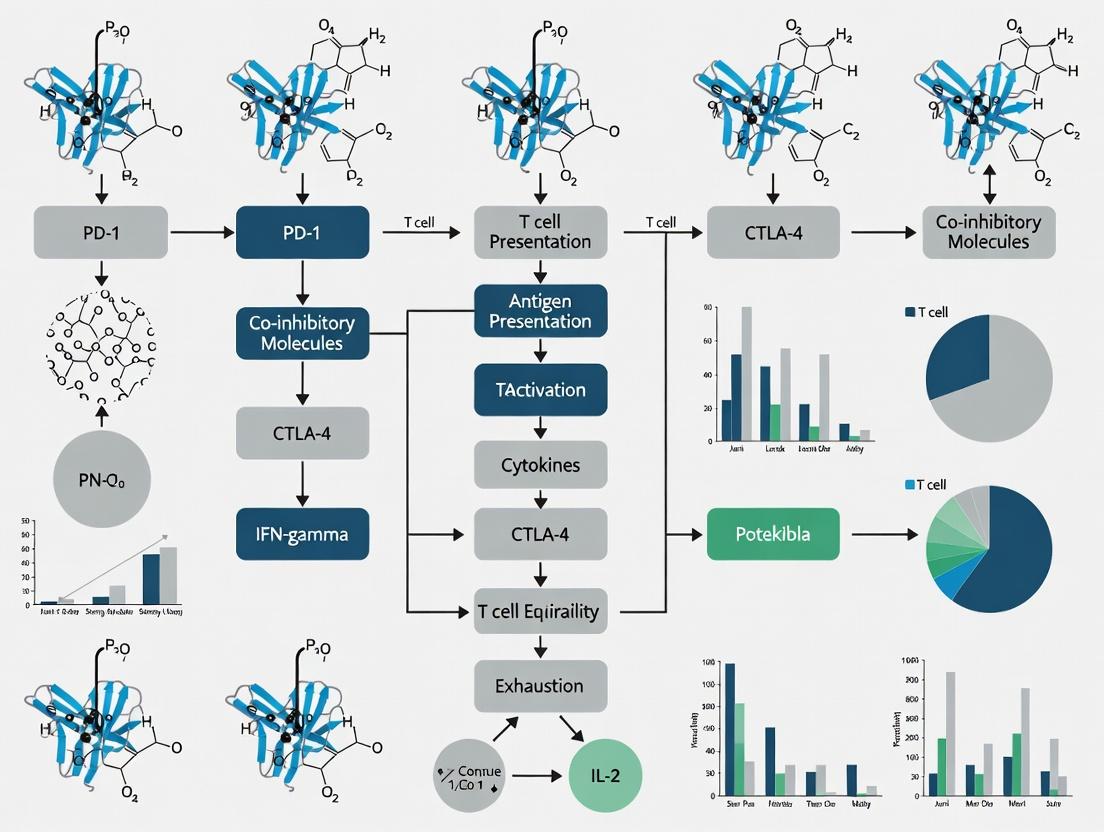
This article provides a comprehensive resource for researchers and drug developers focused on T cell exhaustion, a critical barrier in treating chronic infections and cancer.
Reversing T Cell Exhaustion: Mechanisms, Therapeutic Targets, and Next-Generation Immunotherapies for Chronic Disease
Abstract
This article provides a comprehensive resource for researchers and drug developers focused on T cell exhaustion, a critical barrier in treating chronic infections and cancer. It explores the transcriptional and epigenetic foundations of exhaustion, details cutting-edge methodological approaches for its reversal in vitro and in vivo, addresses common experimental challenges and optimization strategies, and validates leading therapeutic candidates through comparative analysis. The scope encompasses fundamental biology, translational application, and the clinical implications of overcoming this dysfunctional state to restore potent and durable anti-tumor or anti-viral immunity.
Decoding T Cell Exhaustion: From Phenotypic Hallmarks to Transcriptional Master Regulators
Technical Support Center: Troubleshooting T Cell Exhaustion Assays
This support center is designed to assist researchers in the field of chronic antigen exposure and T cell exhaustion, within the broader mission of combating this dysfunctional state. Find solutions to common experimental challenges below.
Troubleshooting Guides & FAQs
Q1: My flow cytometry analysis shows inconsistent co-expression levels of PD-1, TIM-3, and LAG-3 on antigen-specific CD8+ T cells. What could be wrong? A: Inconsistent co-expression can stem from several sources.
- Antigen Stimulation Variability: Ensure the peptide concentration and duration of in vitro stimulation are standardized. For chronic infection models (e.g., LCMV Clone 13), analyze cells at a consistent timepoint post-infection.
- Antibody Titration: Re-titrate all conjugated antibodies for your specific cell type (e.g., mouse vs. human, splenocytes vs. PBMCs). Use fluorescence-minus-one (FMO) controls to set gates accurately.
- Cell Viability: Low viability can cause nonspecific antibody binding. Include a viability dye and gate on live cells only.
- Reference Control: Include a positive control sample (e.g., T cells from a well-characterized chronic infection model) in each experiment to benchmark expression levels.
Q2: When performing a recall stimulation (e.g., with PMA/Ionomycin), my "exhausted" T cells produce negligible IFN-γ and TNF-α. Is this expected, or is my assay failing? A: This is a defining characteristic of severe exhaustion. However, to confirm it's not an assay failure:
- Positive Control: Always include a population of functional (e.g., naive or effector) T cells from the same host or model. They should respond robustly.
- Secretory Inhibition: Add a protein transport inhibitor (e.g., Brefeldin A) at the correct timepoint (typically 1-2 hours after stimulation start) and for the recommended duration (4-6 hours total).
- Stimulator Potency: Verify the concentration and freshness of PMA/Ionomycin. Test on healthy donor PBMCs.
- Permeabilization Protocol: Intracellular cytokine staining requires effective permeabilization. Ensure your kit buffers are fresh and the protocol is followed precisely.
Q3: My metabolic flux analysis (Seahorse) shows unclear differences in OCR and ECAR between effector and exhausted T cells. What are critical steps to optimize? A: Metabolic profiling is sensitive to cell preparation.
- Cell Number & Purity: Accurately count cells. Use a consistent number (e.g., 2-3 x 10^5 per well) and ensure >90% purity of your T cell population of interest via sorting.
- Substrate Availability: The assay medium must contain appropriate fuels. For a Mitochondrial Stress Test, ensure the presence of glucose (10 mM) and glutamine (2 mM) unless explicitly testing their deprivation.
- Activation State: Do not re-stimulate cells immediately before the assay. Measure their basal and stressed metabolic state.
- Inhibitor Port Injection Timing: Calibrate the Seahorse instrument and confirm that oligomycin, FCCP, and rotenone/antimycin A are injected at the correct timepoints.
Q4: In my in vitro exhaustion induction model, T cells are dying rather than transitioning to a stable exhausted state. How can I improve culture conditions? A: This indicates excessive stress.
- Antigen Strength & Duration: Lower the TCR stimulus (peptide concentration). Consider using weaker tonic signaling or repetitive, lower-dose stimulation instead of a single high dose.
- Cytokine Support: Include low levels of IL-2 (e.g., 10-50 IU/mL) or IL-7/IL-15 to promote survival without fully rescuing effector function.
- Checkpoint Ligands: If using artificial antigen-presenting cells (aAPCs), confirm the expression level of checkpoint ligands like PD-L1. Excessive ligation can drive apoptosis.
Q5: How do I best validate that a candidate drug reverses exhaustion in vitro versus simply causing activation/proliferation? A: You need a multi-parameter readout.
- Phenotype vs. Function: Assess if surface marker downregulation (e.g., PD-1) is coupled with polyfunctional cytokine production (IFN-γ, TNF-α, IL-2) upon recall, not just proliferation.
- Metabolic Shift: Test if the treatment increases both glycolytic capacity (ECAR) and mitochondrial spare respiratory capacity (OCR), indicating metabolic reprogramming.
- Transcriptional Analysis: Use qRT-PCR or NanoString to check for sustained reduction in canonical exhaustion transcription factors (e.g., TOX) and upregulation of memory/effector genes.
Table 1: Characteristic Surface Marker Co-expression Profiles on Exhausted CD8+ T Cells
| Model (Chronic) | PD-1+ TIM-3+ LAG-3+ (%) | PD-1+ TIM-3+ (%) | PD-1+ LAG-3+ (%) | PD-1+ Only (%) | Key Reference |
|---|---|---|---|---|---|
| LCMV Clone 13 (Mouse, Day 30) | ~30-50% (of virus-specific) | ~60-80% | ~40-60% | ~10-20% | Wherry et al., 2007 |
| Human HIV (viremic) | ~15-30% (of Gag-specific) | ~25-50% | ~20-40% | ~5-15% | Day et al., 2006 |
| Human Hepatits C Virus | ~10-25% (of NS3-specific) | ~20-45% | ~15-35% | ~10-20% | Bengsch et al., 2010 |
| Murine B16 Melanoma (TILs) | ~20-40% (of CD8+ TILs) | ~40-70% | ~30-50% | ~5-15% | Blackburn et al., 2009 |
Table 2: Functional & Metabolic Parameters of Exhausted vs. Effector CD8+ T Cells
| Parameter | Acute (Effector) T Cell | Chronic (Exhausted) T Cell | Measurement Method |
|---|---|---|---|
| Cytokine Polyfunctionality | High (IFN-γ+, TNF-α+, IL-2+) | Low (Primarily IFN-γ only) | Intracellular staining post-stimulation |
| Proliferative Capacity | High | Severely Limited | CFSE dilution, Ki67 staining |
| Cytolytic Activity | High (Perforin, Granzyme B+) | Low | In vitro killing, granzyme B flow |
| Basal Glycolysis (ECAR) | High | Low | Seahorse XF Glycolysis Stress Test |
| Mitochondrial Capacity (OCR) | High | Very Low | Seahorse XF Mito Stress Test |
| Spare Respiratory Capacity | High | Absent | Calculated from OCR data |
Experimental Protocols
Protocol 1: Multispectral Flow Cytometry for Exhaustion Surface Markers Objective: To identify and phenotype exhausted antigen-specific CD8+ T cells from murine spleen or human PBMCs.
- Prepare single-cell suspension: Process spleen (mouse) or PBMCs (human) into a single-cell suspension. Use RBC lysis buffer if needed.
- Antigen-specific cell enrichment (Optional): Use MHC class I tetramers/dextramers conjugated to a unique fluorophore to label antigen-specific cells. Incubate for 20-30 min at 4°C in the dark.
- Surface staining cocktail: Prepare antibody master mix in FACS buffer (PBS + 2% FBS). Include antibodies against: CD3, CD8, PD-1, TIM-3, LAG-3, CD39, CD44, CD62L. Include a viability dye. Titrate all antibodies beforehand.
- Stain: Resuspend cell pellet in antibody mix. Incubate 30 min at 4°C in the dark.
- Wash & Fix: Wash cells twice with FACS buffer. Fix cells with 1-2% PFA for 15-20 min at 4°C if not sorting.
- Acquire data: Acquire on a flow cytometer capable of detecting ≥10 colors. Use FMO controls for gating.
- Analyze: Gate on live, single, CD3+CD8+ cells. Identify antigen-specific cells via tetramer or based on activation markers (CD44hi CD62Llo). Analyze checkpoint receptor co-expression.
Protocol 2: Intracellular Cytokine Staining for Functional Deficit Assessment Objective: To assess the functional capacity of putative exhausted T cells upon re-stimulation.
- Isolate T cells: Sort or enrich for your cell population of interest (e.g., PD-1+ TIM-3+ vs. PD-1- TIM-3-).
- Stimulate: Plate cells in RPMI complete medium. Stimulate with:
- Antigen-specific: Peptide-pulsed APCs (1-10 µg/mL peptide) OR
- Strong/nonspecific: PMA (50 ng/mL) + Ionomycin (1 µg/mL).
- Inhibit cytokine secretion: Add Brefeldin A (1:1000 dilution from stock) after 1 hour of stimulation.
- Incubate: Continue incubation for 4-6 hours total at 37°C, 5% CO2.
- Surface stain: Stain for surface markers (CD3, CD8) and potentially a viability dye.
- Fix & Permeabilize: Wash cells, then fix and permeabilize using a commercial IC Fixation/Permeabilization kit (e.g., from Invitrogen or BD).
- Intracellular stain: Stain with antibodies against IFN-γ, TNF-α, and IL-2 in 1X Permeabilization Buffer for 30 min at 4°C.
- Wash & Acquire: Wash twice in Perm/Wash buffer, resuspend in FACS buffer, and acquire immediately.
Protocol 3: Metabolic Profiling Using a Seahorse XF Analyzer Objective: To compare the glycolytic and mitochondrial metabolic profiles of effector and exhausted T cells.
- Day before assay:
- Cell Preparation: Sort ≥2 million pure T cell populations into separate tubes. Rest cells overnight in complete, non-buffered Seahorse XF RPMI medium (supplemented with 10 mM glucose, 2 mM glutamine, 1 mM pyruvate) at 37°C without CO2.
- Day of assay:
- Count & Plate: Count rested cells. Dilute to 2-3 x 10^6 cells/mL. Plate 100 µL per well (2-3 x 10^5 cells) into a Seahorse XF96 cell culture microplate coated with Cell-Tak (to adhere non-adherent cells). Centrifuge at 200 x g for 1 min. Add 150 µL of pre-warmed assay medium per well.
- Incubate: Incubate for 45-60 min in a 37°C non-CO2 incubator.
- Prepare Drug Injections (Mito Stress Test):
- Port A: Oligomycin (1.5 µM final)
- Port B: FCCP (1-2 µM final, titrate beforehand)
- Port C: Rotenone/Antimycin A (0.5 µM final each)
- Run Assay: Load cartridge, calibrate, and run the standard Mitochondrial Stress Test program (3 basal measurement cycles, inject oligomycin, 3 measurement cycles, inject FCCP, 3 cycles, inject Rot/AA, 3 cycles).
- Normalize: Post-run, lyse cells with RIPA buffer and perform a protein assay (e.g., BCA) on each well for data normalization.
Visualizations
The Scientist's Toolkit: Key Research Reagent Solutions
Table 3: Essential Reagents for T Cell Exhaustion Research
| Reagent Category | Specific Example(s) | Function & Application |
|---|---|---|
| Checkpoint Inhibitor Antibodies | Anti-mouse/human PD-1 (clone RMP1-30, 29F.1A12), Anti-TIM-3 (clone RMT3-23, F38-2E2), Anti-LAG-3 (clone C9B7W, 11C3C65) | In vitro/vivo blockade experiments; Flow cytometry detection and sorting. |
| MHC Tetramers/Dextramers | PE- or APC-conjugated H-2Db gp33 (LCMV), HLA-A*02:01 NY-ESO-1 | Identification and isolation of antigen-specific T cells for downstream analysis. |
| Intracellular Cytokine Staining Kit | BD Cytofix/Cytoperm, eBioscience Foxp3/Transcription Factor Staining Buffer Set | Fixation and permeabilization for staining cytokines (IFN-γ, TNF-α, IL-2) and transcription factors (TOX, T-bet, Eomes). |
| Metabolic Assay Kits | Agilent Seahorse XF Cell Mito Stress Test Kit, XF Glycolysis Stress Test Kit | Standardized reagents for profiling mitochondrial respiration and glycolytic function in live cells. |
| T Cell Activation/Exhaustion Inducers | LCMV gp33 peptide, PMA/Ionomycin kit, Anti-CD3/CD28 Dynabeads | In vitro stimulation for functional assays or induction of exhaustion models. |
| Viability Dyes | Fixable Viability Dye eFluor 506, Propidium Iodide (PI) | Distinguishing live from dead cells during flow cytometry to improve accuracy. |
| Key Transcription Factor Antibodies | Anti-TOX (clone TXRX10), Anti-TCF1 (clone C63D9) | Intracellular staining to confirm exhaustion-associated transcriptional programming. |
| Cytokines for Culture | Recombinant human/mouse IL-2, IL-7, IL-15 | Supporting survival and modulating differentiation of T cells in in vitro models. |
Technical Support Center
Troubleshooting Guide & FAQs
Q1: In our in vitro T cell exhaustion model using repeated antigen exposure, we observe high rates of apoptosis instead of a stable exhausted phenotype. What could be the issue? A: This is often due to an excessive effector-phase stimulus. The transition to exhaustion requires a specific signaling intensity.
- Troubleshooting Steps:
- Check Antigen-Presenting Cell (APC) to T Cell Ratio: A 1:10 to 1:20 (APC:T cell) ratio is often optimal for chronic models, versus 1:1 for acute activation.
- Titrate Antigen Peptide Concentration: Use a suboptimal dose (e.g., 0.1-1 nM for strong peptides) rather than a saturating dose (≥ 10 nM).
- Modulate Co-stimulation: Lower CD28 co-stimulation (e.g., use anti-CD3/CD28 beads at a lower bead-to-cell ratio of 0.5:1) can promote exhaustion over apoptosis.
- Cytokine Environment: Ensure IL-2 is present at low physiological levels (10-20 IU/mL); high IL-2 drives terminal differentiation and death.
Q2: When profiling tumor-infiltrating lymphocytes (TILs) by flow cytometry, the canonical exhaustion markers (PD-1, TIM-3, LAG-3) are highly expressed, but the cells still proliferate upon ex vivo stimulation. Are these truly "exhausted"? A: This highlights the heterogeneity within the exhausted T cell compartment. A subset with a progenitor exhausted (Tpex) phenotype retains proliferative capacity.
- Troubleshooting Steps:
- Refine Your Panel: Include markers to subset the exhausted population:
- Tpex: PD-1+, CD39−, CXCR5+, TCF1+ (by transcription factor staining).
- Terminally Exhausted: PD-1++, CD39+, CXCR6+, TCF1−.
- Functional Assay: Couple your proliferation assay with cytokine polyfunctionality (IFN-γ, TNF-α, IL-2) measurement. Terminally exhausted cells will show poor polyfunctional cytokine production.
- Check Stimulation Strength: Use PMA/Ionomycin as a positive control to confirm maximal stimulatory capacity versus antigen-specific stimulation.
- Refine Your Panel: Include markers to subset the exhausted population:
Q3: Our chromatin immunoprecipitation (ChIP) assay for transcription factors like TOX or NR4A in chronically stimulated T cells yields low DNA yield. How can we optimize this? A: This is common due to the dense, repressive chromatin state in exhausted T cells.
- Troubleshooting Protocol:
- Cell Fixation: Increase fixation time from 10 to 15 minutes at room temperature with 1% formaldehyde.
- Sonication: Use a focused ultrasonicator for higher efficiency. Aim for DNA fragments of 200-500 bp. Perform 6-8 cycles of 30-second pulses at high intensity, on ice.
- Chromatin Pre-clearing: Pre-clear lysate with Protein A/G beads for 1 hour before adding the specific antibody.
- Antibody Validation: Ensure antibodies are validated for ChIP. Use at least 2-5 µg per 1x10⁶ cells.
- Positive Control: Always include a positive control antibody (e.g., anti-H3K4me3) to assess overall chromatin quality.
Q4: Adoptive T cell therapy (ACT) products manufactured under chronic stimulation protocols show reduced in vivo persistence in our mouse model. What key parameters should we review? A: In vitro chronic stimulation can drive terminal differentiation, hampering persistence.
- Troubleshooting Steps:
- Culture Duration: Limit the chronic stimulation phase to 3-4 rounds (e.g., 2 days on, 2 days rest with low IL-7/IL-15) instead of 5+ rounds.
- Cytokine Switch: Replace IL-2 with IL-7 and IL-15 (10 ng/mL each) for the final 48-72 hours of culture to promote a memory-like state.
- Metabolic Check: Measure mitochondrial mass (MitoTracker Deep Red) and spare respiratory capacity (Seahorse assay). Low values indicate metabolic insufficiency. Consider culturing with galactose instead of glucose to force oxidative phosphorylation.
- Phenotype QC: Before transfer, ensure a subset (≥10%) expresses stem/progenitor markers like CD62L, CCR7, or TCF1.
Table 1: Core Exhaustion Marker Expression Across Chronic Settings
| Marker | LCMV Clone 13 Infection (CD8+ TILs, Day 30) | MC38 Tumor Model (CD8+ TILs) | In Vitro Chronic Stimulation (Day 10) | Primary Function |
|---|---|---|---|---|
| PD-1 (MFI) | 12,500 - 15,000 | 8,000 - 12,000 | 5,000 - 9,000 | Inhibitory Receptor |
| TIM-3 (%+) | 60-75% | 40-60% | 30-50% | Inhibitory Receptor |
| LAG-3 (%+) | 50-65% | 30-45% | 20-40% | Inhibitory Receptor |
| TOX (Nuclear MFI) | High | High | Medium-High | Master Regulator |
| TCF1 (%+, Progenitor) | 5-15% | 10-20% | 15-30%* | Transcription Factor |
*Can be modulated by stimulus strength.
Table 2: Efficacy of Exhaustion-Reversal Interventions in Preclinical Models
| Intervention Target | Model (e.g., LCMV Cl13) | Readout | Effect Size vs. Control | Key Consideration |
|---|---|---|---|---|
| Anti-PD-L1 mAb | MC38 Colon CA | Tumor Volume (Day 21) | 60-70% Reduction | Requires pre-existing Tpex |
| TOX Knockout (Conditional) | LCMV Cl13 | Viral Titer (Day 30) | 2-log Reduction | Impaired initial exhaustion |
| NR4A Inhibition | In Vitro Chronic Stim. | IL-2 Production | 3-4 fold Increase | Can enhance apoptosis |
| IL-2 Cytokine Complex | B16 Melanoma | TIL Count | 5-fold Increase | Risk of Treg expansion |
Experimental Protocols
Protocol 1: In Vitro Generation of Exhausted CD8+ T Cells
- Objective: Mimic chronic antigen exposure to generate a phenotypically and functionally exhausted T cell population.
- Materials: Naive OT-I CD8+ T cells, SIINFEKL peptide, T cell media, recombinant IL-2, irradiated APCs.
- Method:
- Isolate naive CD8+ T cells (CD44low CD62Lhigh) from OT-I transgenic mice.
- Co-culture with irradiated (3000 rad) antigen-presenting cells at a 1:20 (APC:T cell) ratio.
- Stimulate with a low dose of SIINFEKL peptide (0.5 nM).
- Add low-dose IL-2 (20 IU/mL).
- On day 4, split cells and rest in fresh media with low IL-2.
- On day 7, re-stimulate with fresh APCs and peptide. Repeat cycle every 3-4 days.
- Analyze exhaustion markers (PD-1, TIM-3) by flow cytometry from day 10 onwards and assess function (cytokine production upon re-stimulation).
Protocol 2: Intracellular Staining for Transcription Factors (TOX, TCF1) in TILs
- Objective: Reliably detect nuclear transcription factors critical for exhaustion.
- Materials: Single-cell suspension of TILs, Foxp3/Transcription Factor Staining Buffer Set, anti-TOX, anti-TCF1 antibodies, flow cytometry antibodies for surface markers.
- Method:
- Stain surface markers (e.g., CD45, CD8, PD-1) in PBS for 30 min at 4°C.
- Wash cells, then fix and permeabilize using the Foxp3 buffer set's fixation/permeabilization working solution for 45 min at 4°C.
- Wash twice with 1X permeabilization buffer.
- Incubate with anti-TOX and/or anti-TCF1 antibodies diluted in permeabilization buffer for 1 hour at room temperature (protected from light).
- Wash twice with permeabilization buffer, resuspend in FACS buffer, and acquire on a flow cytometer within 24 hours.
Diagrams
Title: Signaling Cascade in T Cell Exhaustion Induction
Title: Workflow for Exhaustion Model & Reversal Testing
The Scientist's Toolkit: Key Research Reagent Solutions
| Item | Function in Chronic Antigen Stimulation Research |
|---|---|
| Anti-mouse/anti-human PD-1/PD-L1 blocking antibodies | Key reagents for in vitro or in vivo checkpoint blockade to assess functional reinvigoration of exhausted T cells. |
| Recombinant IL-2, IL-7, IL-15 cytokines | Cytokines used to modulate T cell differentiation fate during chronic stimulation (IL-2 promotes exhaustion, IL-7/15 promote memory). |
| TOX / NR4A / TCF1 validated antibodies for flow/ChIP | Essential for identifying and quantifying the molecular drivers and subsets within the exhausted T cell pool. |
| Tetramers / Dextramers for chronic viral antigens (e.g., LCMV GP33) | Enable precise tracking and isolation of antigen-specific T cells in persistent infection models. |
| Metabolic assay kits (Seahorse XFp, MitoTracker dyes) | Tools to assess the dysfunctional metabolic state (glycolysis vs. OXPHOS) associated with T cell exhaustion. |
| In vivo mouse models: LCMV Clone 13, transgenic tumor models (MC38, B16) | Gold-standard in vivo systems to study T cell exhaustion dynamics and therapeutic interventions in a physiological context. |
Technical Support Center: Troubleshooting Guides & FAQs
Frequently Asked Questions
Q1: Our ChIP-seq for TOX in exhausted T cells shows high background noise. What could be the cause and how can we improve specificity? A1: High background in TOX ChIP-seq is often due to antibody non-specificity or suboptimal chromatin shearing. TOX is a high-mobility group (HMG) box protein that binds DNA with lower affinity, making clean ChIP challenging.
- Solution: Use a validated monoclonal antibody (e.g., clone D5O3Q). Perform cross-linking optimization: test dual cross-linking with DSG (disuccinimidyl glutarate) followed by formaldehyde. Increase sonication time to achieve 150-300 bp fragments. Include a pre-clearing step with IgG and protein A/G beads. Validate with a positive control locus (e.g., the Pdcd1 promoter) by qPCR.
Q2: When overexpressing NR4A1 (Nur77) in primary human T cells to model exhaustion, we observe massive apoptosis. How do we circumvent this? A2: NR4A1 overexpression can induce pro-apoptotic signals. This requires fine-tuning expression levels and timing.
- Solution: Use an inducible expression system (e.g., doxycycline-inducible lentivirus) and titrate the inducer concentration to find a sub-apoptotic level. Co-express a survival signal like Bcl-2 or use a NR4A1 mutant with attenuated apoptotic function. Alternatively, use a NR4A1 reporter system (Nur77-GFP) to sort endogenous high-expressers instead of overexpression.
Q3: Inhibition of EZH2 (e.g., with GSK126) in our chronic infection model does not reverse exhaustion markers as expected. Why might this be? A3: EZH2's role is context-dependent and its inhibition may not be sufficient alone due to stable H3K27me3 marks or parallel repressive pathways.
- Solution: Confirm target engagement by checking global H3K27me3 levels via Western blot. Prolong the inhibition period (7-14 days), as epigenetic reprogramming is slow. Combine EZH2i with a DNA methyltransferase inhibitor (e.g., 5-aza-2'-deoxycytidine) or TCR stimulation to unlock plasticity. Check for compensatory upregulation of EZH1.
Q4: In our single-cell RNA-seq analysis of tumor-infiltrating lymphocytes, TOX, NR4A1, and EZH2 co-expression does not neatly correlate with canonical exhaustion markers. How should we interpret this? A4: Heterogeneity within the exhausted T cell compartment is now well-established. Co-expression defines sub-states.
- Solution: Re-analyze using trajectory inference (e.g., Monocle3, Slingshot) to see if this co-expression defines a progenitor exhausted subset. Perform integrated scRNA-seq with scATAC-seq on the same cells to correlate expression with chromatin accessibility at key loci. Validate at the protein level by flow cytometry, as mRNA and protein levels can discord.
Q5: We cannot detect a physical interaction between TOX and EZH2 by co-immunoprecipitation in Jurkat cells. Are they not in the same complex? A5: The interaction is likely indirect, mediated by larger chromatin remodeling complexes or DNA.
- Solution: Try a sequential IP (Re-ChIP) where you first ChIP for TOX, elute the complex, and then re-ChIP for EZH2. Use proximity ligation assays (PLA) in situ to visualize spatial proximity in the nucleus. Consider BioID or TurboID for identifying proximal proteins, as these can capture weak or transient interactions.
Experimental Protocols
Protocol 1: Chromatin Immunoprecipitation Sequencing (ChIP-seq) for TOX in Exhausted CD8+ T Cells
- Cell Source: Antigen-specific CD8+ T cells sorted from mice with chronic LCMV clone 13 infection (day 30+ p.i.) or from human tumor samples.
- Cross-linking: Resuspend 2x10^6 cells in 1% formaldehyde for 8 min at RT. Quench with 125mM glycine. For TOX: Pre-crosslink with 2mM DSG for 45 min at RT before formaldehyde.
- Cell Lysis & Sonication: Lyse cells in SDS Lysis Buffer. Sonicate chromatin to 200-500 bp fragments (e.g., Covaris S220, 25 min, Duty Factor 20%, PIP 140, Cycles/Burst 200). Verify size on agarose gel.
- Immunoprecipitation: Dilute lysate 10-fold in ChIP Dilution Buffer. Pre-clear with protein A/G beads for 1h. Incubate 10 μg chromatin with 5 μg anti-TOX antibody overnight at 4°C. Add beads for 2h.
- Washing & Elution: Wash sequentially: Low Salt Wash Buffer, High Salt Wash Buffer, LiCl Wash Buffer, TE Buffer. Elute in 1% SDS, 0.1M NaHCO3.
- Reverse Cross-linking & Clean-up: Add NaCl to 200mM and incubate at 65°C overnight. Add RNase A and Proteinase K. Purify DNA with SPRI beads.
- Library Prep & Sequencing: Use a standard Illumina library kit for low-input DNA. Sequence on a HiSeq/NovaSeq platform (minimum 20M reads/sample).
Protocol 2: In Vitro Induction of T Cell Exhaustion with NR4A Agonists
- T Cell Activation: Isolate naive CD8+ T cells (mouse or human) using a negative selection kit. Activate with plate-bound anti-CD3 (5 μg/mL) and soluble anti-CD28 (2 μg/mL) in RPMI-1640 + 10% FBS + IL-2 (50 U/mL).
- Exhaustion Induction: At 24h post-activation, add the NR4A agonist Cytosporone B (Csn-B, 10 μM) or a specific Nur77 agonist (e.g., SA-450). Maintain cells in IL-2 (50 U/mL) and IL-21 (30 ng/mL) to promote exhaustion over proliferation.
- Culture Duration: Refresh media and cytokines every 2-3 days. An exhausted phenotype (high PD-1, TIM-3, TOX) typically emerges by day 6-8.
- Validation: Assess by flow cytometry for PD-1, TIM-3, LAG-3, and intracellular TOX. Perform functional assays: re-stimulation with PMA/lonomycin and measure IFN-γ, TNF-α production.
Protocol 3: Assessing Epigenetic Modulation via EZH2 Inhibition in Vivo
- Mouse Model: C57BL/6 mice infected with LCMV clone 13 (2x10^6 PFU i.v.).
- Treatment Regimen: Administer EZH2 inhibitor GSK126 (50 mg/kg) or vehicle control via intraperitoneal injection. Begin treatment at established exhaustion (day 15-20 post-infection). Inject 5 days on, 2 days off for 2-3 weeks.
- Sample Collection: Harvest spleen and liver at endpoint. Process into single-cell suspensions. Enrich CD8+ T cells or sort antigen-specific cells (GP33 tetramer+).
- Downstream Analysis:
- Flow Cytometry: Exhaustion markers (PD-1, TIM-3), memory markers (CD62L, CD127), intracellular TOX.
- Functional Assay: Ex vivo peptide re-stimulation, cytokine multiplex.
- Epigenetic Analysis: ChIP-qPCR for H3K27me3 at target loci (Ifng, Tnf, Pdcd1) or bulk RNA-seq.
Data Presentation
Table 1: Key Phenotypic Markers in T Cell Exhaustion Models
| Model System | Key Upregulated Markers | Key Downregulated Markers | Functional Deficit | Reference |
|---|---|---|---|---|
| LCMV clone 13 (in vivo) | PD-1, TIM-3, LAG-3, TOX, NR4A1, EZH2 | TCF-1, IL-2, IFN-γ (upon re-stim) | Proliferation, Cytokine Production, Cytotoxicity | PMID: 31080062 |
| Tumor-Infiltrating Lymphocytes | PD-1, TIM-3, CD39, TOX, NR4A3 | CD28, CD62L | Proliferation, Cytokine Polyfunctionality | PMID: 33239788 |
| In vitro NR4A agonism | PD-1, TIM-3, TOX | T-bet, IFN-γ | Reduced IL-2 secretion | PMID: 32555344 |
| EZH2 Inhibition (in vivo) | (Variable: TCF-1 may increase) | (Variable: PD-1, TIM-3 may decrease) | Partial restoration of cytokine production | PMID: 35087477 |
Table 2: Common Reagents for Modulating Target Proteins
| Target | Small Molecule Agonist/Activator | Concentration | Small Molecule Inhibitor | Concentration | Genetic Tool (shRNA/miRNA) |
|---|---|---|---|---|---|
| TOX | (None direct) | N/A | (None direct) | N/A | shTOX (lentiviral) |
| NR4A1 | Cytosporone B (Csn-B) | 5-20 μM | DIM-C-pPhOH (antagonist) | 1-10 μM | shNR4A1, dominant-negative Nr4a |
| EZH2 | (None direct) | N/A | GSK126, Tazemetostat (EPZ-6438) | 0.5-5 μM | shEZH2, catalytically dead mutant |
The Scientist's Toolkit: Research Reagent Solutions
| Reagent/Tool | Supplier Examples | Function in Exhaustion Research |
|---|---|---|
| Anti-TOX Antibody (D5O3Q) | Cell Signaling Technology | For ChIP-seq, Western blot, and immunofluorescence to detect TOX protein expression and localization. |
| Nur77-GFP Reporter Mouse | Jackson Laboratory | Identifies T cells with active NR4A1 transcription in vivo without perturbing function. |
| GSK126 (EZH2 Inhibitor) | Cayman Chemical, Selleckchem | Pharmacologically inhibits H3K27 trimethylation to study the role of PRC2 in exhaustion maintenance. |
| LMCV clone 13 virus | ATCC, internal stocks | Gold-standard model to induce chronic infection and bona fide T cell exhaustion in mice. |
| Recombinant IL-2 & IL-21 | PeproTech | Cytokine combination used in vitro to promote an exhaustion-like transcriptional program. |
| Mouse/Ruman T Cell Nucleofection Kit | Lonza | For efficient transfection of primary T cells with plasmids encoding TOX, NR4A, or EZH2 mutants. |
| H3K27me3 ChIP-seq Grade Ab | Active Motif, Diagenode | High-specificity antibody for mapping repressive histone marks in exhausted vs. functional T cells. |
| Pdcd1 (PD-1) Reporter Cell Line | Generated in-house | Screen for compounds that modulate PD-1 expression via the TOX/NR4A/EZH2 axis. |
Visualizations
Diagram 1: Transcriptional & Epigenetic Circuit in T Cell Exhaustion
Diagram 2: Experimental Workflow for Targeting the Circuit
Technical Support Center: Troubleshooting Chronic Exhaustion Research
Troubleshooting Guides & FAQs
Q1: In a chronic LCMV infection model, my sorted progenitor exhausted CD8+ T cells (TPEX) fail to sustain expansion in vitro. What are the likely causes?
- A: This is a common issue. Likely culprits and solutions include:
- Insufficient Cytokine Support: TPEX cells require IL-2 and IL-21 for survival and proliferative capacity. Ensure your culture medium is supplemented with recombinant IL-2 (10-20 IU/mL) and IL-21 (50-100 ng/mL).
- Suboptimal T Cell Receptor (TCR) Re-stimulation: In vitro expansion often requires CD3/CD28 bead-based stimulation. Verify bead-to-cell ratio (typically 1:1 to 3:1) and functional integrity of the beads.
- Inhibitory Receptor Interference: High surface expression of PD-1 on TPEX means your culture system may require the addition of a PD-1/PD-L1 blocking antibody (αPD-1, 5-10 µg/mL) to mitigate this intrinsic suppression.
- Oxidative Stress: TPEX are sensitive to ROS. Incorporate a low concentration (e.g., 50 µM) of the antioxidant N-acetylcysteine (NAC) into your culture.
Q2: My single-cell RNA sequencing (scRNA-seq) analysis of tumor-infiltrating lymphocytes (TILs) shows poor clustering resolution between TPEX and terminally exhausted (TEX) populations. How can I improve discriminatory analysis?
A: Low resolution often stems from:
Insufficient Panel Depth: Ensure your analysis includes key discriminatory genes. Use the following core marker panel for differential expression and clustering:
Cell Population Core Defining Markers (High) Key Low/Negative Markers Progenitor Exhausted (TPEX) Tcf7, Sell (CD62L), Il7r (CD127), Cxcr5, Id3 Pdcd1 (PD-1) (int), Havcr2 (TIM-3) (low) Terminally Exhausted (TEX) Havcr2 (TIM-3), Entpd1 (CD39), Cd38, Ptpn2, Prdm1 (Blimp-1) Tcf7, Sell, Il7r - Batch Effects: Process all samples for library prep and sequencing in a single batch if possible. Use integration tools (e.g., Harmony, Seurat's CCA) to correct for technical variation.
- Ambient RNA Contamination: Use bioinformatic tools (e.g., SoupX, DecontX) to remove background noise, which is common in solid tumor digests.
Q3: When adopting a in vivo adoptive T cell transfer therapy model, the persistence of transferred TPEX-like cells is minimal. What experimental parameters should I check?
- A: Persistence failure points to issues in cell state or host environment.
- Cell Product Quality: Verify the in vitro differentiation protocol. Over-stimulation can drive cells toward a terminal state pre-transfer. Assess precursor state via flow cytometry for CD62L, TCF1 before transfer.
- Lymphodepletion: Ensure the host mouse (e.g., NSG or C57BL/6 with irradiation/chemotherapy) is adequately lymphodepleted to create cytokine "space" (IL-7, IL-15) for engraftment.
- Host Immunosuppression: The tumor microenvironment may rapidly exhaust transferred cells. Co-administer a blocking antibody against PD-L1 (200 µg, days 1, 4, 7 post-transfer) to alleviate this pressure.
Experimental Protocols
Protocol 1: Isolation and Functional Validation of TPEX and TEX from B16-OVA Melanoma Tumors
Materials: B16-OVA tumor-bearing C57BL/6 mice (day 14-18), cold PBS, digestion cocktail (Collagenase IV + DNase I), MACS buffer, CD8a+ T Cell Isolation Kit, fluorescently-labeled antibodies (anti-CD8, CD45, PD-1, TIM-3, CD62L, TCF1 intracellular), FACS sorter.
Method:
- Harvest and weigh tumors. Mince thoroughly with razor blades.
- Digest tissue in 5 mL of digestion cocktail (1 mg/mL Collagenase IV, 50 µg/mL DNase I in RPMI) for 30-45 min at 37°C with gentle agitation.
- Pass digest through a 70µm strainer, wash with cold PBS.
- Islive CD8+ T cells via negative selection MACS according to kit instructions.
- Stain cells for surface markers (CD8, CD45, PD-1, TIM-3, CD62L) for 30 min on ice.
- Fix, permeabilize, and perform intracellular staining for TCF1.
- FACS sort populations:
- TPEX: Live CD45+ CD8+ PD-1+ TIM-3- CD62L+ TCF1+
- TEX: Live CD45+ CD8+ PD-1+ TIM-3+ CD62L- TCF1-
- Validate function via in vitro stimulation (PMA/Ionomycin + protein transport inhibitor) followed by IFN-γ & TNF-α staining. TPEX should show greater cytokine polyfunctionality.
Protocol 2: In Vitro Suppression Assay to Test TPEX Resilience
Materials: Sorted TPEX and TEX, naïve CD8+ T cells (responder cells), anti-CD3/CD28 Dynabeads, CFSE dye, IL-2, flow cytometer.
Method:
- Label responder naïve CD8+ T cells with 5 µM CFSE for 10 min at 37°C. Quench with serum.
- Co-culture CFSE+ responders (1x10^4) with titrated numbers of TPEX or TEX (e.g., 1:1, 1:2 suppressor:responder ratio) in U-bottom plates.
- Add anti-CD3/CD28 beads at a 1:1 bead:responder cell ratio. Include IL-2 (50 IU/mL).
- Culture for 72-96 hours.
- Analyze by flow cytometry: Collect all cells, stain for CD8, and analyze CFSE dilution in the responder gate. TPEX should exhibit less potent suppression of responder cell proliferation compared to TEX.
The Scientist's Toolkit: Research Reagent Solutions
| Reagent / Material | Function / Application | Example Catalog # |
|---|---|---|
| Recombinant Murine IL-2 | Critical cytokine for maintaining TPEX survival and proliferative potential in culture. | BioLegend, 575404 |
| Recombinant Murine IL-21 | Key cytokine for promoting stem-like memory and TPEX differentiation/ maintenance. | R&D Systems, 594-MI-020 |
| anti-PD-1 (CD279) Blocking Antibody | In vivo or in vitro blockade of PD-1 signaling to reverse suppression and enhance TPEX expansion. | BioXCell, Clone RMP1-14 |
| anti-TIM-3 (CD366) APC Antibody | Essential surface marker for identifying and sorting the terminally exhausted (TEX) population. | BioLegend, Clone RMT3-23 |
| TCF1/TCF7 Antibody | Intracellular/nuclear staining to definitively identify the progenitor (TPEX) population. | Cell Signaling Technology, C63D9 |
| CellTrace CFSE | Fluorescent dye for tracking cell division (proliferation) in suppression or expansion assays. | Thermo Fisher, C34554 |
| Mouse CD8a+ T Cell Isolation Kit | Negative selection kit for high-purity isolation of CD8 T cells from tumor or spleen. | Miltenyi Biotec, 130-104-075 |
| Collagenase Type IV | Enzyme for gentle dissociation of solid tumors to obtain viable tumor-infiltrating lymphocytes. | Worthington, CLS-4 |
Signaling & Fate Diagrams
TPEX to TEX Differentiation Pathway
TPEX/TEX Isolation & Analysis Workflow
Troubleshooting Guide & FAQ
Q1: In our chronic LCMV infection mouse model, we observe inconsistent T cell exhaustion phenotypes between experiments. What are the primary variables to control? A: Inconsistency often stems from viral titer, route of inoculation, and host genetics. For the Armstrong strain (acute) vs. Clone 13 (chronic) models, precise viral stock quantification is critical.
- Key Control Table:
| Variable | Recommended Standardization | Impact on Exhaustion |
|---|---|---|
| Viral Inoculum | Titer via plaque assay; Use 2x10^6 PFU LCMV Clone 13 i.v. for systemic exhaustion. | < 1x10^6 PFU may lead to clearance; > 5x10^6 PFU increases mortality. |
| Mouse Strain & Age | Use C57BL/6 mice, 6-8 weeks old. | Age impacts immune competence; genetic background affects MHC presentation. |
| Route of Infection | Intravenous (i.v.) for systemic exhaustion; intracranial for CNS studies. | Intraperitoneal (i.p.) can lead to more variable antigen distribution. |
| Co-infection Screen | Regularly test for MHV, parvovirus, etc. | Subclinical infections alter immune baseline. |
Q2: When assessing exhaustion via flow cytometry, our PD-1/TIM-3 double-positive population is low. Is our staining protocol faulty? A: This may be protocol or reagent-related. Follow this optimized surface staining methodology for exhaustion markers.
- Detailed Protocol: 1) Harvest & Wash: Isolate splenocytes or lymphocytes from blood. Lyse RBCs using ACK buffer. Wash twice in FACS buffer (PBS + 2% FBS + 1mM EDTA). 2) Viability Stain: Use a live/dead fixable dye (e.g., Zombie Aqua) in PBS for 20 min at 4°C in the dark. Wash. 3) FC Block: Incubate with anti-CD16/32 (1:100) in FACS buffer for 10 min at 4°C. 4) Surface Antibody Cocktail: Add directly without wash. Use titrated antibodies: anti-CD8 (clone 53-6.7), anti-PD-1 (clone 29F.1A12), anti-TIM-3 (clone RMT3-23), anti-LAG-3 (clone C9B7W). Incubate 30 min at 4°C in the dark. 5) Wash & Fix: Wash twice, resuspend in FACS buffer. Analyze immediately or fix with 2% PFA (10 min, 4°C). 6) Gating Strategy: Live, singlet, CD8+ T cells -> Analyze PD-1+ TIM-3+ population.
Q3: Our in vitro re-stimulation of exhausted CD8+ T cells yields poor cytokine production (IFN-γ, TNF). How can we optimize the assay? A: Exhausted T cells have blunted effector function. Use a strong, TCR-focused stimulation.
- Optimized Re-stimulation Protocol: 1) Plate Coating: Coat 96-well flat-bottom plates with anti-CD3ε (clone 145-2C11) at 5 µg/mL in PBS overnight at 4°C. 2) Cell Preparation: Isolate CD8+ T cells from chronically infected mice (day 30+ p.i.) using a negative selection kit. 3) Stimulation: Add cells to coated plate with soluble anti-CD28 (clone 37.51, 2 µg/mL) and Protein Transport Inhibitor (e.g., Brefeldin A, 1:1000) in complete RPMI. 4) Incubation: Culture for 5-6 hours at 37°C, 5% CO2. 5) Intracellular Staining: After surface staining, permeabilize with Cytofix/Cytoperm, then stain for intracellular IFN-γ (clone XMG1.2) and TNF (clone MP6-XT22). Use an extended staining time (45-60 min at 4°C).
The Scientist's Toolkit: Key Research Reagent Solutions
| Item | Function in LCMV/Exhaustion Research |
|---|---|
| LCMV Clone 13 Viral Stock | Gold-standard for establishing chronic infection and robust T cell exhaustion in vivo. |
| MHC Tetramers (GP33, NP396) | Precise identification and isolation of antigen-specific CD8+ T cells for functional analysis. |
| Anti-PD-1 (clone 29F.1A12) & Anti-TIM-3 (clone RMT3-23) | Key antibodies for defining exhausted population via flow cytometry and for blockade experiments. |
| Intracellular Cytokine Staining Kit | Enables measurement of functional impairment (IFN-γ, TNF, IL-2) in exhausted T cells post-stimulation. |
| Negative Selection CD8+ T Cell Isolation Kit | Provides high-purity, untouched CD8+ T cells for adoptive transfer or in vitro assays. |
| Brefeldin A / Monensin | Protein transport inhibitors essential for capturing cytokine production during re-stimulation assays. |
| In Vivo Anti-PD-L1 (clone 10F.9G2) | Therapeutic antibody for checkpoint blockade experiments to assess reversibility of exhaustion. |
Visualizations
Diagram 1: Key Signaling in T Cell Exhaustion
Diagram 2: Chronic LCMV Exhaustion Model Workflow
Intervention Strategies: In Vitro and In Vivo Methods to Prevent and Reverse Exhaustion
Technical Support Center: Troubleshooting & FAQs for PD-1/PD-L1 Research
Context: This support center is designed to assist researchers within the broader thesis framework of Combating T cell exhaustion in chronic antigen exposure. The following guides address common experimental challenges in studying PD-1/PD-L1 checkpoint blockade.
Frequently Asked Questions (FAQs)
Q1: In our in vitro T cell exhaustion assay, anti-PD-1 treatment fails to restore IFN-γ production. What are the primary causes? A: This is a common issue. Primary causes include: 1) Insufficient Exhaustion Induction: The chronic stimulation protocol may not have fully established a deeply exhausted state with high PD-1 expression. 2) Co-expression of Other Inhibitory Receptors: T cells may co-express TIM-3, LAG-3, or TIGIT, requiring combined blockade. 3) Antibody Functionality: The anti-PD-1 clone used may be blocking, not agonistic, or may have lost activity. 4) Assay Timing: Cytokine measurement may be too early or late post-treatment.
Q2: Our mouse model of chronic infection shows poor response to anti-PD-L1 therapy despite high PD-L1 expression on tumor/infected cells. What could explain this discrepancy? A: Consider these factors: 1) Tumor Microenvironment (TME) Barriers: The TME may have high levels of adenosine, TGF-β, or M2 macrophages that suppress T cell function independently of PD-L1. 2) Lack of T cell Infiltration ("Cold" Microenvironment): PD-1/PD-L1 blockade requires pre-existing tumor-infiltrating lymphocytes (TILs). 3) Compensatory Upregulation: Blockade may upregulate alternative checkpoints (e.g., VISTA). 4) Host Microbiome: Recent evidence indicates the gut microbiome composition significantly influences anti-PD-L1 efficacy.
Q3: When performing flow cytometry to assess T cell reinvigoration, what are the critical markers and controls to include? A: Critical Surface Markers: PD-1, TIM-3, LAG-3, TIGIT (co-inhibitory receptors); CD39, CD69 (activation/exhaustion). Intracellular Markers: TOX (exhaustion transcription factor), Ki-67 (proliferation), Granzyme B, IFN-γ, TNF-α (effector function). Essential Controls: Fluorescence-minus-one (FMO) controls for each marker, isotype controls, unstimulated T cells (baseline), and a known positive control (e.g., PMA/ionomycin stimulated cells).
Q4: We observe significant variability in patient-derived xenograft (PDX) response to anti-PD-1. How can we standardize these models for therapy testing? A: Standardization steps: 1) Characterize Baseline: Profile PD-L1 expression (tumor and host cells), TIL density, and mutation burden in the PDX pre-treatment. 2) Use Humanized Mice: Employ NSG or NOG mice reconstituted with a human immune system to study the human-specific PD-1/PD-L1 interaction. 3) Monitor Exhaustion Markers: Track PD-1, TIM-3 on CD8+ T cells in blood and tumor over time. 4) Co-administer Supportive Therapy: Consider low-dose chemotherapy to enhance T cell infiltration in "cold" PDX models.
Table 1: Clinical Response Rates to Anti-PD-1/PD-L1 Monotherapy Across Indications
| Cancer Type | Objective Response Rate (ORR) Range | Primary Limitation Cited |
|---|---|---|
| Metastatic Melanoma | 30-45% | Acquired resistance via JAK1/2 mutations |
| Non-Small Cell Lung Cancer (NSCLC) | 15-25% | Low TMB or PD-L1 expression |
| Mismatch Repair-Deficient (dMMR) Colorectal | 35-55% | Limited patient population |
| Hepatocellular Carcinoma | 15-20% | Immunosuppressive liver microenvironment |
| Triple-Negative Breast Cancer | 10-15% | Low immunogenicity, "cold" tumor |
Table 2: Key Biomarkers for Predicting Response to PD-1/PD-L1 Blockade
| Biomarker | Measurement Method | Typical Threshold for Positive Response | Predictive Value (Approx. AUC) |
|---|---|---|---|
| PD-L1 Expression (TPS) | IHC (22C3, SP142 clones) | ≥ 50% for NSCLC (pembrolizumab) | 0.63-0.71 |
| Tumor Mutational Burden (TMB) | Whole-exome or targeted NGS | ≥ 10 mutations/megabase | 0.66-0.72 |
| Tumor-Infiltrating Lymphocyte (TIL) Density | H&E or IHC (CD8) | High vs. Low (visual scoring) | 0.68-0.75 |
| Gene Expression Profile (GEP) | RNA-seq (e.g., IFN-γ signature) | Continuous score | 0.70-0.78 |
Detailed Experimental Protocols
Protocol 1: In Vitro Induction of T Cell Exhaustion and PD-1 Blockade Rescue Purpose: To generate chronically stimulated, exhausted human CD8+ T cells and test reinvigoration by anti-PD-1.
- Isolation & Activation: Isolate naïve human CD8+ T cells (MACS). Activate with plate-bound anti-CD3 (5 µg/mL) and soluble anti-CD28 (2 µg/mL) in IL-2 (50 IU/mL) media for 48h.
- Chronic Antigen Exposure: Re-stimulate cells every 3-4 days with irradiated antigen-presenting cells pulsed with a specific peptide (e.g., CMV pp65) or with plate-bound anti-CD3 (1 µg/mL). Maintain in low-dose IL-2 (10 IU/mL). Continue for 3-4 weeks.
- Exhaustion Validation: At week 3, stain cells for high PD-1, TIM-3, LAG-3 co-expression via flow cytometry. Assess functional impairment by re-stimulating with PMA/ionomycin and measuring IFN-γ/TNF-α production (intracellular staining) compared to freshly activated controls.
- Checkpoint Blockade: Add clinical-grade anti-PD-1 antibody (e.g., nivolumab biosimilar, 10 µg/mL) or isotype control at the time of a final re-stimulation (using low-dose anti-CD3, 0.5 µg/mL).
- Rescue Assessment: 24h post-treatment, analyze surface marker expression. 48-72h post-treatment, measure cytokine production (ELISA or intracellular staining) and proliferation (CFSE dilution or Ki-67).
Protocol 2: Evaluating In Vivo Efficacy in a MC38 Syngeneic Model Purpose: To assess the anti-tumor effect of anti-PD-1 and analyze associated immune correlates.
- Tumor Inoculation: Subcutaneously inject 0.5x10^6 MC38 colon adenocarcinoma cells into the right flank of C57BL/6 mice (n=10/group).
- Treatment: When tumors reach ~50 mm³ (Day 7), begin treatment. Administer anti-mouse PD-1 antibody (RMP1-14) or isotype control (200 µg per dose) via intraperitoneal injection every 3 days for 4 doses.
- Monitoring: Measure tumor dimensions with calipers every 2-3 days. Calculate volume = (length x width²)/2. Euthanize mice when tumor volume exceeds 1500 mm³.
- Endpoint Immune Profiling: At study endpoint (Day 21), harvest tumors and spleens. Process tumors into single-cell suspensions using a gentleMACS Dissociator. Enrich for lymphocytes via Percoll gradient. Stain for flow cytometry: Live/Dead, CD45, CD3, CD8, CD4, PD-1, TIM-3, LAG-3, FoxP3 (Tregs), CD11b, F4/80, Ly6G (myeloid cells).
Visualizations
The Scientist's Toolkit: Key Research Reagent Solutions
| Item | Function & Application in PD-1 Research |
|---|---|
| Recombinant Human/Mouse PD-L1 Fc Chimera | Used to bind and validate PD-1 receptor expression on T cells via flow cytometry or as a blocking agent in functional assays. |
| Clinical-Grade Anti-PD-1 (e.g., Nivolumab, Pembrolizumab) for Research | Essential for in vitro and in vivo studies to mimic therapeutic mechanisms. Ensure it is a non-azide, low-endotoxin formulation. |
| Anti-PD-1 Blocking/Depleting Antibodies (In Vivo) | Clone RMP1-14 (mouse anti-mouse PD-1) for syngeneic tumor studies. Clone 29F.1A12 (mouse anti-human PD-1) for humanized mouse models. |
| Multicolor Flow Cytometry Panels for Exhaustion | Pre-conjugated antibodies against PD-1, TIM-3, LAG-3, TIGIT, CD39, CD69, CD8, CD4, CD3, and a viability dye. |
| TOX (Thymocyte Selection-Associated HMG Box) Antibody | Critical for intracellular staining to identify the epigenetic state of exhausted T cells via flow or immunofluorescence. |
| Mouse Syngeneic Tumor Cell Lines (MC38, CT26) | Well-characterized models with known responsiveness (MC38) or resistance (CT26) to anti-PD-1 therapy for in vivo proof-of-concept studies. |
| Human T Cell Expansion & Exhaustion Media Kits | Serum-free media systems optimized with precise cytokine/antibody concentrations for reproducible in vitro exhaustion generation. |
| Percoll Density Gradient Medium | For gentle isolation of viable tumor-infiltrating lymphocytes (TILs) from dissociated tumor tissue for downstream analysis. |
Technical Support Center: Troubleshooting & FAQs for Epigenetic Modulation in T Cell Exhaustion Research
Frequently Asked Questions (FAQs)
Q1: My DNMT inhibitor (e.g., 5-Azacytidine) treatment is not reversing exhaustion markers in my in vitro cultured human T cells. What could be the issue? A1: Common issues include:
- Concentration & Timing: Excessive concentration can induce cytotoxicity and apoptosis, masking any rescue effect. Chronic, low-dose treatment (e.g., 10-100 nM 5-Aza over 7-14 days) is often more effective than a single high dose.
- Cell State: The inhibitor may be unable to remodel the epigenome of fully terminally exhausted T cells (e.g., high TOX, PD-1++). Consider applying inhibitors during the early phases of exhaustion induction.
- Media Components: Check that your culture medium does not contain nucleosides (like cytidine), which can compete with nucleoside analog inhibitors (e.g., 5-Azacytidine) and diminish their incorporation into DNA.
Q2: I observe high cell death when combining a DNMT inhibitor (DAC) with a histone deacetylase inhibitor (HDACi) in my murine T cell exhaustion model. How can I optimize this? A2: Synergistic toxicity is a known challenge. Implement a dose matrix to find sub-toxic combinations. Often, sequential treatment (e.g., DNMTi priming followed by HDACi) is better tolerated than concurrent treatment. Monitor apoptosis markers (Annexin V) every 24 hours after treatment initiation to establish a viable window.
Q3: After HDAC6-selective inhibition, I see increased IL-2 but no change in IFN-γ production. Is this expected? A3: Yes, this is pathway-specific. HDAC6 primarily modulates tubulin acetylation and HSP90 function, impacting signaling pathways more directly linked to T cell activation/IL-2 than the IFN-γ locus. Assess other cytokines (TNF-α) and examine upstream signaling (STAT phosphorylation). For IFN-γ, consider inhibitors targeting HDACs involved in Ifng locus repression (e.g., HDAC1/2/3).
Q4: My ChIP-qPCR for H3K27ac after EZH2 (PRC2) inhibition shows no signal increase at target gene promoters. What should I check? A4:
- Inhibitor Efficacy: Verify loss of H3K27me3 via western blot as a positive control for EZH2 inhibition.
- Antibody Specificity: Ensure the H3K27ac antibody is validated for ChIP. Include a known active gene promoter as a positive control region.
- Timing: Epigenetic remodeling is slow. Harvest cells 72-96 hours post-inhibition for histone acetylation mark analysis.
Troubleshooting Guide Table
| Symptom | Possible Cause | Recommended Action | Expected Outcome |
|---|---|---|---|
| No demethylation at target loci (pyrosequencing/MS-HRM) | Inhibitor inefficient; wrong timing; cells not proliferating. | Validate DNMT protein depletion (WB); ensure cells are cycling; treat for ≥3 cell divisions. | Detectable reduction in CpG methylation (5-20%). |
| Off-target gene activation | Global epigenetic modulation affecting non-exhaustion loci. | Switch to more selective agents (e.g., GSK343 for EZH2 vs. broad DZNep); use lower doses. | Focused upregulation of target exhaustion-related genes (e.g., TCF7). |
| Loss of T cell phenotype (e.g., CD8+ downregulation) | Drug-induced cellular stress or differentiation shift. | Reduce dose by 50%; shorten exposure time; add IL-7/IL-15 to maintain subset stability. | Preservation of core T cell surface markers post-treatment. |
| Poor synergy in combination therapy | Antagonistic mechanisms; overlapping toxicity. | Perform sequential dosing (DNMTi → HDACi, 48h apart); use non-competitive pathway targets. | Enhanced rescue of function (proliferation, cytokine polyfunctionality) vs. monotherapy. |
Key Experimental Protocols
Protocol 1: Assessing Epigenetic Rescue of Exhausted Human CD8+ T Cells In Vitro
- Generate Exhausted T Cells: Isolate naive CD8+ T cells. Activate with anti-CD3/CD28 beads and culture in exhausted T cell (TEX) polarizing conditions (chronic TCR stimulation + IL-2 low, TGF-β present) for 10-14 days.
- Inhibitor Treatment: Add epigenetic modulator (e.g., 50 nM Guadecitabine) at day 7 and day 10 of polarization. Include DMSO vehicle control.
- Functional Assay: At day 14, re-stimulate with PMA/ionomycin for 6h (Brefeldin A added). Perform intracellular cytokine staining for IFN-γ, TNF-α, IL-2.
- Molecular Validation: Harvest parallel samples for DNA/RNA. Perform bisulfite pyrosequencing for loci like PDCD1 (PD-1) and RT-qPCR for exhaustion (TOX, LAG3) and memory (TCF7, LEF1) transcripts.
- Analysis: Compare cytokine-positive populations and methylation/expression levels between treated and vehicle groups.
Protocol 2: ChIP-qPCR for Histone Marks in Murine Tumor-Infiltrating Lymphocytes (TILs)
- TIL Isolation & Treatment: Isolate TILs from murine tumor model (e.g., MC38). Culture 1x10^6 TILs with HDACi (e.g., 100 nM Ricolinostat/ACY-1215) or DMSO for 24h.
- Crosslinking & Sonication: Fix cells with 1% formaldehyde. Quench with glycine. Lyse cells and sonicate chromatin to ~200-500 bp fragments. Validate fragment size on agarose gel.
- Immunoprecipitation: Incubate chromatin with 2-5 μg of target antibody (e.g., anti-H3K9ac) or IgG control overnight at 4°C. Use protein A/G beads for pull-down.
- Wash, Elute, Reverse Crosslinks: Perform stringent washes. Elute DNA. Reverse crosslinks at 65°C overnight.
- DNA Purification & qPCR: Purify DNA with a PCR cleanup kit. Perform qPCR with primers specific for regulatory regions of genes like Ifng or Il2. Calculate % input or fold enrichment over IgG.
Diagrams
Diagram 1: Core Epigenetic Modulation Pathway in T Cell Exhaustion
Diagram 2: Combination Therapy Experimental Workflow
The Scientist's Toolkit: Research Reagent Solutions
| Reagent/Category | Example Product Names | Function in T Cell Exhaustion Research |
|---|---|---|
| DNMT Inhibitors (Nucleoside Analogs) | 5-Azacytidine (Vidaza), Decitabine (Dacogen), Guadecitabine (SGI-110) | Incorporate into DNA, trap DNMTs, leading to global DNA demethylation. Used to reactivate silenced effector genes. |
| HDAC Inhibitors (Class I/IIb Selective) | Entinostat (MS-275, Class I), Ricolinostat (ACY-1215, HDAC6), Tubastatin A (HDAC6) | Increase histone acetylation, promoting open chromatin and gene transcription. Modulate T cell signaling and metabolism. |
| HMT Inhibitors (EZH2/PRC2) | GSK126, GSK343, EPZ-6438 (Tazemetostat) | Block H3K27 trimethylation, relieving repression of polycomb-target genes including key transcription factors for T cell memory. |
| Bromodomain Inhibitors | JQ1, I-BET151, I-BET762 | Displace BET proteins from acetylated histones, used to suppress exhaustion-associated oncogenic & inflammatory gene transcription. |
| T Cell Exhaustion Polarization Cocktails | Anti-PD-1, Anti-LAG3, High TGF-β, Low IL-2 | Generate stable, reproducible in vitro models of T cell exhaustion from naive or primary T cells for inhibitor testing. |
| Multi-Omics Analysis Kits | Illumina MethylationEPIC, CUT&Tag Assay Kits, Single Cell RNA-seq Kits | Profile genome-wide DNA methylation, histone modifications, and transcriptional changes in treated vs. control T cell populations. |
Technical Support Center: Troubleshooting & FAQs
Frequently Asked Questions
Q1: Our CRISPR knockout of TOX in primary human T cells is showing very low editing efficiency (<10%). What are the most common causes and solutions? A: Low knockout efficiency in primary T cells is often due to delivery or gRNA design issues.
- Cause 1: Inefficient RNP delivery. Electroporation parameters are not optimized for your cell type.
- Solution: Perform a dose-response titration of the Cas9-gRNA RNP complex. Use a fluorescent tracer (e.g., FAM-labeled scrambled gRNA) to monitor delivery efficiency via flow cytometry. Adjust voltage and pulse length according to manufacturer (e.g., Lonza, Thermo Fisher) protocols for activated human T cells.
- Cause 2: Poor gRNA activity.
- Solution: Use validated, high-efficiency gRNAs from reputable sources (see Toolkit). Always design and test at least 3 gRNAs per target. Include a positive control gRNA (e.g., targeting TRAC) and assess editing via T7E1 assay or NGS 48-72 hours post-electroporation.
- Cause 3: High cell mortality post-electroporation.
- Solution: Ensure T cells are 1) freshly isolated and healthy, 2) activated for 48-72 hours prior to editing, and 3) recovered in complete medium with 10% FBS and 50-100 IU/mL IL-2. Allow 24-hour rest post-electroporation before any functional assay.
Q2: After dual KO of PDCD1 and TOX, our CAR-T cells show improved persistence in vitro but fail to control tumor growth in our NSG mouse model of chronic antigen exposure. What could be happening? A: This points to potential exhaustion mechanisms beyond PD-1 and TOX, or issues with the model.
- Cause 1: Compensatory upregulation of other inhibitory receptors (e.g., TIM-3, LAG-3).
- Solution: Perform high-parameter flow cytometry (≥12 colors) on re-isolated tumor-infiltrating lymphocytes (TILs) from mice. Check for expression of TIM-3, LAG-3, TIGIT, and CTLA-4. Consider sequential or multi-gene knockout strategies.
- Cause 2: The chronic antigen model induces severe exhaustion that KO alone cannot rescue.
- Solution: Combine KO with an "armored" CAR design (e.g., secretes IL-7 or expresses a dominant-negative TGF-β receptor). Refer to the experimental protocol for combining KO with cytokine expression.
- Cause 3: Inadequate CAR-T cell expansion or trafficking in vivo.
- Solution: Bioluminescence imaging (if cells are luciferase+) to track trafficking. Ensure the tumor model expresses the correct antigen at a high, uniform level to maintain consistent antigenic pressure.
Q3: We are engineering a 4th generation "armored" CAR-T with inducible cytokine expression. How do we prevent tonic signaling from the synthetic cytokine receptor during ex vivo expansion? A: Tonic signaling can lead to premature exhaustion. Use a strictly inducible system.
- Solution: Employ a drug-inducible dimerization system (e.g., rimiducid-inducible MyD88/CD40). The cytokine transgene is only expressed/activated upon addition of the small molecule dimerizer. Use a truncated, non-functional receptor as the baseline construct. Always include a non-induced control arm in experiments. Monitor activation markers (CD25, CD69) during expansion in the absence of the inducer to validate the "off" state.
Q4: How do we accurately quantify the degree of exhaustion in our engineered T cells before and after chronic antigen exposure? A: Use a multi-modal assessment, not just a single marker.
- Solution: Implement the following panel in a longitudinal study:
- Surface Phenotype (Flow Cytometry): PD-1, TIM-3, LAG-3, CD39, CD69.
- Transcriptional Profiling (qPCR or Nanostring): TOX, NR4A, BATF, EOMES.
- Functional Assays: Re-stimulation with antigen-presenting cells followed by intracellular cytokine staining (IFN-γ, TNF-α, IL-2) and degranulation marker (CD107a) detection. See the detailed protocol below.
Experimental Protocols
Protocol 1: CRISPR-Cas9 RNP Mediated Dual Knockout of TOX and PDCD1 in Activated Human T Cells
- T Cell Activation: Isolate PBMCs, enrich CD3+ T cells via negative selection. Activate with CD3/CD28 Dynabeads (1:1 bead-to-cell ratio) in TexMACS medium + 5% human AB serum + 50 IU/mL IL-2 for 48-72 hours.
- RNP Complex Formation: For each target (TOX, PDCD1), combine 60 pmol of high-fidelity Cas9 protein (e.g., Alt-R S.p. HiFi Cas9) with 60 pmol of chemically modified synthetic gRNA (crRNA + tracrRNA) in duplex buffer. Incubate 10-20 minutes at RT.
- Electroporation: Wash activated T cells 2x in PBS. Resuspend at 1e6 cells/20µL in P3 primary cell buffer (Lonza). Mix cell suspension with pre-formed RNP complexes (up to 3 targets). Transfer to a 16-well Nucleocuvette strip. Electroporate using the Lonza 4D-Nucleofector (Program: EH-115 for activated T cells). Immediately add 80µL pre-warmed medium.
- Recovery & Expansion: Transfer cells to a 24-well plate with 1mL complete medium + IL-2 (50 IU/mL). After 24 hours, replace medium and remove beads. Expand cells for 7-10 days, splitting as needed.
- Efficiency Validation: At day 5-7, extract genomic DNA. Perform T7 Endonuclease I assay or PCR-amplify target loci for Sanger sequencing and analysis via Inference of CRISPR Edits (ICE) tool or Next-Generation Sequencing (NGS).
Protocol 2: Functional Exhaustion Assay via Chronic Antigen Exposure In Vitro
- Effector Cell Preparation: Generate control and gene-edited CAR-T cells. Expand for 10-14 days post-activation/transduction.
- Antigen-Presenting Cell (APC) Setup: Use target tumor cells (e.g., NALM-6 for CD19 CAR) expressing the cognate antigen. Irradiate (80 Gy) or treat with mitomycin C to arrest proliferation.
- Chronic Stimulation Co-culture: Plate 1e5 ACPs per well in a 24-well plate. Add effector T cells at a 1:1 E:T ratio. Maintain co-culture for 7-14 days, replenishing half the medium with fresh IL-2 (50 IU/mL) every 2-3 days. Do not re-stimulate with fresh APCs.
- Assessment Timepoints: Sample cells at days 0, 3, 7, and 14.
- Day 0/3: Baseline phenotype.
- Day 7: High-parameter flow cytometry for exhaustion markers, intracellular TOX staining.
- Day 14: Functional re-challenge: Wash cells, re-stimulate with fresh APCs (1:1) for 6 hours in the presence of brefeldin A/monensin. Perform intracellular cytokine staining for IFN-γ, TNF-α, and IL-2. Analyze via flow cytometry.
Data Presentation
Table 1: Comparison of Exhaustion Resistance Strategies in Preclinical Models
| Strategy | Target(s) | Model (Tumor, Mouse) | Key Outcome Metric | Result vs. Control | Reference (Example) |
|---|---|---|---|---|---|
| CRISPR KO Single Gene | PDCD1 | MC38 (Colon), hPD-1 knock-in | Tumor Volume (Day 28) | 45% reduction | Wei et al., 2019 |
| CRISPR KO Dual Gene | PDCD1 + TOX | Chronic LCMV infection | Virus-specific CD8+ T cell frequency | 3.5-fold increase | Khan et al., 2019 |
| 4th Gen "Armored" CAR | CAR + IL-7 expression | NALM-6 (B-ALL), NSG | Median Survival | 62 vs. 48 days | Guedan et al., 2018 |
| KO + Armored CAR | PDCD1 KO + CAR (CD19-28z) | Patient-derived xenograft (DLBCL) | Complete Remission Rate | 4/5 vs. 1/5 | Hypothetical Composite |
Table 2: Troubleshooting Guide for Low CAR-T Cell Yield Post-Editing
| Symptom | Possible Cause | Diagnostic Test | Corrective Action |
|---|---|---|---|
| >70% cell death 24h post-electroporation | Electroporation toxicity | Trypan blue exclusion, Annexin V staining | Optimize voltage/pulse; switch electroporation buffer; ensure cells are healthy pre-edit. |
| Poor expansion over 7 days | Overwhelming DNA damage from off-target effects | Cell cycle analysis (PI staining); NGS off-target analysis. | Use HiFi Cas9 variant; reduce RNP concentration; use FACS to sort successfully edited cells early. |
| Low CAR transduction after KO workflow | Viral transduction inhibition post-activation/editing | Transduce a mock-edited control; check GFP+ % in lentiviral prep. | Transduce with CAR virus before CRISPR editing, or allow ≥72 hours recovery post-editing before transduction. |
The Scientist's Toolkit: Research Reagent Solutions
| Item | Function & Rationale |
|---|---|
| Alt-R S.p. HiFi Cas9 Nuclease V3 (IDT) | High-fidelity Cas9 protein reduces off-target editing, critical for clinical-grade T cell engineering. |
| Lonza P3 Primary Cell 4D-Nucleofector X Kit | Optimized buffer and cuvettes for high-efficiency, low-toxicity delivery of RNPs into primary human T cells. |
| Human T Cell TransAct (Miltenyi) | Soluble CD3/CD28 activator for gentle, bead-free T cell activation, simplifying downstream editing steps. |
| REAPseq Antibody Conjugation Kit | Enables conjugation of oligonucleotide barcodes to antibodies for high-parameter (>40) surface phenotyping on standard cytometers. |
| CellTrace Violet (Thermo Fisher) | Cell proliferation dye to track division history of edited vs. unedited T cells during chronic stimulation. |
| Foxp3 / Transcription Factor Staining Buffer Set (eBioscience) | Essential for reliable intracellular staining of nuclear exhaustion transcription factors like TOX. |
| Gibco CTS Dynabeads CD3/CD28 | Standardized, GMP-compatible beads for consistent, scalable T cell activation prior to editing. |
Diagrams
Diagram 1: Signaling Pathways in T Cell Exhaustion
Diagram 2: Experimental Workflow for Engineering Exhaustion Resistance
Technical Support Center
Troubleshooting Guide: Common Issues in Preclinical Models
Issue 1: Inadequate Reversal of T Cell Exhaustion Phenotype
- Problem: Treatment with IL-2, IL-21, or 4-1BB agonists fails to restore T cell proliferation or effector function in a chronic infection or tumor model.
- Potential Causes & Solutions:
- Cause: Incorrect dosing or timing. Administration may be too late in the exhaustion process.
- Solution: Initiate therapy earlier in the antigen exposure timeline. Perform a dose-ranging study (see Table 1).
- Cause: Concurrent high levels of inhibitory receptors (e.g., PD-1, TIM-3) are blocking the co-stimulatory signal.
- Solution: Combine cytokine/agonist therapy with checkpoint blockade (e.g., anti-PD-1). Validate target engagement via phospho-STAT flow cytometry (IL-2/21) or NF-κB pathway assays (4-1BB).
- Cause: Poor reagent quality or activity. The agonist antibody may have suboptimal cross-reactivity for the preclinical species.
- Solution: Source reagents from validated suppliers. Use species-specific recombinant cytokines. Confirm agonist activity in a reporter cell line assay before in vivo use.
Issue 2: Off-Target Toxicity or Cytokine Release Syndrome (CRS)
- Problem: Severe adverse effects, including weight loss, hepatotoxicity, or hyperinflammatory responses, observed after treatment.
- Potential Causes & Solutions:
- Cause: Excessively high doses of IL-2 leading to vascular leak syndrome and expansion of regulatory T cells (Tregs).
- Solution: Implement a lower, fractionated dosing schedule. Consider using engineered IL-2 variants with preferential binding to the IL-2Rβγ (CD122/CD132) over IL-2Rα (CD25) to favor effector over Treg expansion.
- Cause: Systemic administration of a potent 4-1BB agonist causing liver inflammation.
- Solution: Switch to a tumor-targeted or locally delivered 4-1BB agonist. Monitor liver enzymes (ALT/AST) and histology.
Issue 3: Lack of Durable Response & Memory Formation
- Problem: Initial restoration of T cell function is not sustained; cells re-exhaust or fail to generate a protective memory pool upon re-challenge.
- Potential Causes & Solutions:
- Cause: IL-2 alone may promote terminal differentiation and apoptosis.
- Solution: Combine IL-2 with IL-21, which promotes memory differentiation and persistence. Use an intermittent dosing regimen.
- Cause: Insufficient 4-1BB co-stimulation duration.
- Solution: Consider a sustained-release formulation or repeated dosing of the agonist to maintain signaling throughout the critical effector phase.
Frequently Asked Questions (FAQs)
Q1: What are the key differences between using IL-2 and IL-21 for combating T cell exhaustion? A: IL-2 is potent for expanding effector T cells but can drive terminal differentiation and Treg expansion, potentially limiting durability. IL-21 promotes a less differentiated state, enhances CD8+ T cell persistence and memory formation, and does not expand Tregs, making it favorable for sustaining responses in chronic settings.
Q2: Should I use a monoclonal antibody or a natural ligand as a 4-1BB agonist? A: Agonistic monoclonal antibodies (e.g., utomilumab, urelumab analogs) are commonly used due to their stability and tunable affinity. However, they can cause hepatotoxicity at high doses. The natural ligand (4-1BBL) presented on a cell or in a membrane-bound form may provide more physiological signaling but is more complex to deliver. The choice depends on your specific model and toxicity tolerance.
Q3: How do I quantify the reversal of exhaustion in my model? A: Use a multi-parameter flow cytometry panel to assess:
- Function: Cytokine production (IFN-γ, TNF-α) upon re-stimulation.
- Phenotype: Co-expression of inhibitory receptors (PD-1, TIM-3, LAG-3).
- Proliferation: Dye dilution assays (CFSE, CellTrace Violet).
- Metabolic State: Mitochondrial mass/function (e.g., MitoTracker).
- Epigenetic Status: Assay for open chromatin regions at exhaustion-associated loci if possible.
Q4: What is a critical control for 4-1BB agonist experiments? A: Always include an isotype control antibody matched to the agonist's Fc region. The Fc domain can influence agonistic activity through FcγR cross-linking. For some antibodies, a non-Fc-binding (Fc-silent) variant is essential to attribute effects solely to 4-1BB signaling and not FcR engagement.
Data Presentation
Table 1: Comparative Summary of Cytokine and Co-stimulation Strategies in Preclinical Exhaustion Models
| Strategy | Key Receptor(s) | Primary Signaling Pathway(s) | Main Effects on Exhausted T Cells | Typical Dose Range (Mouse Models) | Common Toxicity in Models |
|---|---|---|---|---|---|
| IL-2 | IL-2R (CD25/122/132) | JAK1/3 → STAT5 | Promotes proliferation, enhances effector function. Can expand Tregs. | 10,000 - 100,000 IU, daily x5 (i.p.) | Vascular leak syndrome, Treg-mediated suppression. |
| IL-21 | IL-21R + γc | JAK1/3 → STAT1/3 | Supports survival, promotes memory-like phenotype, reduces terminal differentiation. | 1 - 10 µg, every other day x3 (i.p.) | Minimal reported; potential inflammation at high doses. |
| 4-1BB Agonist (mAb) | 4-1BB (CD137) | TRAF1/2 → NF-κB, MAPK | Enhances proliferation, survival, and cytokine production. Synergizes with PD-1 blockade. | 100 - 200 µg, weekly x2-3 (i.p.) | Dose-dependent hepatotoxicity, splenomegaly. |
Experimental Protocols
Protocol 1: Assessing Synergy Between IL-21 and 4-1BB Agonist in a Chronic LCMV Model
- Model: C57BL/6 mice infected with Lymphocytic Choriomeningitis Virus clone 13 (LCMV-Cl13).
- Treatment Initiation: Day 30-35 post-infection (established exhaustion).
- Dosing:
- Group 1: Isotype control (200 µg i.p., days 30, 37).
- Group 2: Recombinant murine IL-21 (2 µg i.p., days 30, 32, 34).
- Group 3: Anti-mouse 4-1BB agonist mAb (clone 3H3, 100 µg i.p., days 30, 37).
- Group 4: IL-21 + 4-1BB agonist (as above).
- Analysis (Day 45):
- Isolate splenocytes.
- Stimulate with LCMV GP33 peptide for 6h in the presence of brefeldin A.
- Surface stain for CD8, PD-1, TIM-3.
- Intracellular stain for IFN-γ, TNF-α, and perform tetramer staining for antigen-specific cells.
- Analyze by flow cytometry. Key metrics: Frequency of cytokine+ antigen-specific CD8+ T cells, mean fluorescence intensity (MFI) of inhibitory receptors.
Protocol 2: Validating 4-1BB Agonist Activity via NF-κB Signaling Assay
- Principle: A 4-1BB-overexpressing reporter cell line (e.g., NF-κB luciferase reporter Jurkat cells) is used to quantify agonist-induced signaling.
- Steps:
- Plate 50,000 reporter cells per well in a 96-well plate.
- Add serially diluted test agonist antibody or isotype control (concentration range: 0.001 - 10 µg/mL).
- To require cross-linking for some antibodies, add a secondary cross-linking reagent or plate the antibodies first.
- Incubate for 6 hours at 37°C.
- Add luciferase substrate and measure luminescence.
- Calculate EC50. A true agonist will show a dose-dependent increase in luminescence.
Pathway & Workflow Visualizations
Title: IL-2 and IL-21 Signaling Pathways in T Cells
Title: Strategic Intervention on Exhausted T Cell Pathway
The Scientist's Toolkit: Research Reagent Solutions
| Reagent | Function in Exhaustion Research | Key Consideration |
|---|---|---|
| Recombinant Murine IL-2 | Expands antigen-specific CD8+ T cells in vivo; used in ACT protocols. | Bioactivity varies by vendor; monitor Treg expansion as an off-target effect. |
| Recombinant Murine IL-21 | Promotes a persistent, memory-like CD8+ T cell phenotype in chronic models. | Often requires more frequent dosing than IL-2 due to shorter half-life. |
| Agonistic Anti-Mouse 4-1BB mAb (Clone 3H3) | Provides co-stimulatory signal to reverse exhaustion and enhance survival. | Highly toxic at >100 µg doses. Fc-silent variants reduce toxicity. |
| LCMV Clone 13 | Gold-standard viral model for inducing severe, stable T cell exhaustion. | Requires BSL-2 facility. Exhaustion is established by ~30 days post-infection. |
| Fluorochrome-conjugated Peptide:MHC Tetramers | Identifies antigen-specific T cells for phenotypic/functional analysis. | Critical for tracking the exhausted population of interest. |
| Anti-Mouse PD-1 Blocking Antibody | Checkpoint inhibitor used in combination studies to test synergy. | Clone RMP1-14 is common for in vivo blockade. |
| Intracellular Cytokine Staining Kit | Measures functional restoration (IFN-γ, TNF-α) after peptide re-stimulation. | Must include protein transport inhibitor (e.g., brefeldin A). |
| Cell Proliferation Dye (e.g., CFSE) | Tracks division history of T cells ex vivo or after in vivo transfer. | Confirms restored proliferative capacity post-treatment. |
Overcoming Experimental Hurdles: Optimizing Models and Assays for Exhaustion Research
Technical Support Center
FAQs & Troubleshooting Guides
Q1: In the Chronic LCMV mouse model, my infected mice are not showing the expected high viral titers or CD8+ T cell exhaustion phenotype by day 30. What could be wrong? A: This is often due to incorrect viral stock handling or host genetic background.
- Troubleshooting: 1) Verify the LCMV clone 13 viral stock titer via plaque assay on Vero cells. A low-passage stock is critical. 2) Ensure you are using the correct mouse strains (e.g., C57BL/6). SJL or BALB/c backgrounds clear clone 13. 3) Confirm the infection route (intravenous) and dose (2x10^6 PFU is standard). 4) Check animal facility for unintended pathogens that may alter immune responses.
Q2: My tumor organoids fail to engraft or grow when co-cultured with exhausted T cells. How can I improve viability? A: Organoid viability depends heavily on the extracellular matrix and media composition.
- Troubleshooting: 1) Use a high-concentration, growth-factor reduced basement membrane extract (e.g., Corning Matrigel). Keep it on ice before use. 2) Supplement co-culture media with essential niche factors: 10μM Y-27632 (ROCK inhibitor) for the first 48h to prevent anoikis, and 1x B-27 supplement. 3) Ensure T cell media (e.g., RPMI-1640 + 10% FBS + IL-2) is compatible; perform a 50/50 mix with organoid media. 4) Start with a low effector-to-target ratio (1:5) to minimize organoid damage.
Q3: In my humanized mouse model, I observe poor human T cell reconstitution or graft-versus-host disease (GVHD). How can I optimize this system? A: This points to issues with the hematopoietic stem cell (HSC) source or mouse host.
- Troubleshooting: 1) Use highly immunodeficient hosts like NSG (NOD.Cg-Prkdcscid Il2rgtm1Wjl/SzJ) or BRGS (Balb/c Rag2-/- Il2rg-/- SirpαNOD). 2) Source CD34+ HSCs from fetal liver or cord blood for better engraftment and lower GVHD risk vs. adult peripheral blood. 3) Inject a minimum of 1x10^5 CD34+ cells via intrahepatic (newborn) or intravenous (adult) route. 4) Monitor human cell chimerism in peripheral blood by flow cytometry for CD45+ cells at 12-16 weeks post-engraftment before starting experiments.
Q4: When testing PD-1 blockade in these models, the therapeutic response is inconsistent. What are key control experiments? A: Variability often stems from differences in checkpoint inhibitor antibody pharmacokinetics and timing.
- Troubleshooting: 1) For mice, use species-specific antibodies: anti-mouse PD-1 (clone RMP1-14) for LCMV; anti-human PD-1 (clone nivolumab biosimilar) for humanized mice. Verify dose (200-250 μg, i.p., every 3-4 days) and treatment start point (established exhaustion/chronic phase). 2) Include isotype control antibody groups. 3) For organoids, use recombinant human PD-1/PD-L1 blocking proteins in vitro and confirm blockade by measuring increased IFN-γ in supernatant via ELISA.
Table 1: Model System Comparison for T Cell Exhaustion Research
| Feature | Chronic LCMV Infection (Mouse) | Tumor Organoid Co-culture | Humanized Mouse (e.g., NSG) |
|---|---|---|---|
| Physiological Relevance | High (intact immune system, chronic infection) | Moderate (3D tumor architecture, defined components) | High for human immunology (functional human immune system) |
| Throughput & Cost | Moderate throughput, Low cost | High throughput, Moderate cost | Low throughput, Very high cost |
| Timeline to Exhaustion | 30-60 days post-infection | 5-14 days of co-culture | 12-20 weeks post-engraftment + antigen challenge |
| Key Exhaustion Markers | PD-1+, TIM-3+, LAG-3+, TOX+, CD39+ | PD-1+, TIM-3+, decreased cytokine production | Human-specific: PD-1+, CD39+, Eomes+ |
| Genetic Manipulation Ease | High (transgenic/knockout mice) | High (organoid gene editing) | Low (requires human cell editing ex vivo) |
| Data Variability | Low (inbred mice, standardized virus) | Moderate (organoid batch differences) | High (donor HSC variability) |
| Primary Use Case | In vivo mechanisms of exhaustion, immunotherapies | High-throughput drug screening, tumor-T cell interactions | Preclinical evaluation of human-specific therapeutics |
Experimental Protocols
Protocol 1: Establishing Chronic LCMV Infection and Assessing Exhaustion
- Virus Preparation: Thaw LCMV clone 13 stock on ice. Dilute in sterile PBS + 1% FBS to a dose of 2x10^6 plaque-forming units (PFU) per 200μL for intravenous injection.
- Mouse Infection: Restrain an 8-12 week old C57BL/6 mouse. Inject 200μL of virus solution into the tail vein.
- Monitoring: Weigh mice twice weekly. Expected weight loss of 5-15% in the first two weeks, followed by recovery.
- Harvest & Analysis (Day 30+): Sacrifice mouse. Collect spleen and blood. Process spleen into a single-cell suspension. Stimulate 1x10^6 splenocytes with LCMV gp33 peptide (1μg/mL) for 5h with brefeldin A. Stain for surface markers (CD8, PD-1, TIM-3, LAG-3), then fix, permeabilize, and stain for intracellular IFN-γ and TNF-α. Analyze by flow cytometry.
Protocol 2: Co-culture of Tumor Organoids with Exhausted T Cells
- Organoid Generation: Embed dissociated tumor cells (e.g., from melanoma biopsy) in 50μL droplets of Matrigel. Plate in pre-warmed 24-well plates. Allow to polymerize (30 min, 37°C). Overlay with organoid culture medium.
- T Cell Isolation & Exhaustion: Isolate human CD8+ T cells from PBMCs using magnetic beads. Activate with CD3/CD28 beads (1:1 ratio) in media with 100 IU/mL IL-2 for 3 days. Induce exhaustion by adding 10ng/mL IL-2 (low) and repeated TCR stimulation (e.g., PHA, 1μg/mL every 3 days) for 7-10 days.
- Co-culture: Gently break established organoids (day 7-10) into fragments. Wash T cells and seed onto organoid fragments at a 5:1 (T cell:organoid cell) ratio in a 50/50 mix of T cell and organoid media in a round-bottom low-attachment plate.
- Assessment: After 5 days, collect supernatant for cytokine ELISA. Dissociate co-culture with TrypLE to analyze T cell markers (PD-1, LAG-3) and organoid cell death (Annexin V/Propidium Iodide) by flow cytometry.
Protocol 3: Evaluating Anti-PD-1 Therapy in Humanized Mice
- Humanization: Inject 1x10^5 human cord blood-derived CD34+ HSCs intrahepatically into sub-lethally irradiated (1 Gy) newborn NSG pups.
- Validation: At 12 weeks, bleed mice to assess human immune reconstitution via flow cytometry for hCD45+, hCD3+, hCD19+ cells. Proceed if >25% human leukocyte chimerism is achieved.
- Tumor Engraftment: Subcutaneously inject 1x10^6 PD-L1+ human tumor cells (e.g., H292 lung carcinoma) in 100μL Matrigel into the flank of adult humanized mice.
- Treatment: When tumors reach ~100 mm3, randomize mice into groups. Administer anti-human PD-1 antibody (200μg in PBS) or isotype control intraperitoneally every 3 days for 4 doses.
- Endpoint Analysis: Measure tumor volume (calipers) twice weekly. Harvest tumors at endpoint, process for flow cytometry to analyze tumor-infiltrating human T cells (exhaustion markers, Ki-67) and for IHC to assess CD8+ T cell density and tumor cell death (cleaved caspase-3).
The Scientist's Toolkit
Table 2: Key Research Reagent Solutions
| Reagent/Material | Function & Application | Example Product/Catalog |
|---|---|---|
| LCMV Clone 13 | Virus stock to establish chronic infection in mice, driving antigen-specific T cell exhaustion. | Generated in-house or obtained from repository (e.g., ATCC VR-121). |
| Growth Factor-Reduced Matrigel | Basement membrane extract for 3D organoid culture, providing structural and biochemical support. | Corning Matrigel Matrix, Phenol Red-free (#356231). |
| Anti-mouse PD-1 (clone RMP1-14) | Blocking antibody for in vivo checkpoint inhibition studies in murine models like LCMV. | Bio X Cell, BE0146. |
| Anti-human PD-1 (clone EH12.2H7) | Antibody for detecting human PD-1 expression on T cells via flow cytometry. | BioLegend, 329938. |
| Human Recombinant IL-2 | Cytokine for T cell culture; low doses (10-100 IU/mL) help maintain and study exhausted phenotypes. | PeproTech, 200-02. |
| Y-27632 (ROCK inhibitor) | Prevents anoikis in dissociated organoid cells, critical for passaging and co-culture setup. | Tocris, 1254. |
| CD34+ MicroBead Kit, human | Immunomagnetic selection kit for isolation of human hematopoietic stem cells for mouse humanization. | Miltenyi Biotec, 130-046-702. |
| CellStripper / TrypLE | Gentle, enzyme-free cell dissociation reagents for harvesting sensitive cells like organoids or exhausted T cells. | Corning, 25-056-Cl. |
Visualizations
Title: Chronic LCMV Mouse Model Experimental Workflow
Title: Core Signaling Pathway Driving T Cell Exhaustion
Title: Model Selection Logic for Exhaustion Research
Technical Support Center
Troubleshooting Guide
Q1: Our high-parameter panel (14+ colors) shows poor resolution on key exhaustion markers like TIM-3 and TIGIT after prolonged stimulation. What are the primary causes and solutions?
A: This is commonly caused by fluorophore bleaching or spreading error (SSE). Implement these steps:
- Titrate All Antibodies: Use an extracellular antigen staining protocol. Prepare a single cell suspension from human PBMCs. Aliquot 1x10^6 cells per test tube. Prepare antibody dilutions in Brilliant Stain Buffer Plus. Incubate for 30 minutes at 4°C in the dark. Wash twice with FACS buffer. Analyze immediately. Optimal concentration is typically 2-3 dilutions below the saturation point.
- Validate Panel with FMOs: For each parameter, include a fluorescence-minus-one (FMO) control. This is critical for setting gates on dim markers like CD160.
- Check Instrument Configuration: Ensure the cytometer's lasers and detectors are aligned daily using calibration beads. Adjust PMT voltages using unstained and single-stained controls to place populations in the linear range of detection.
Q2: When assaying functional recovery via recall stimulation, we observe high background IFN-γ in our "unstimulated" exhausted T-cell controls. How can this be minimized?
A: High background indicates residual activation from the ex vivo expansion or an overly sensitive intracellular staining protocol.
- Solution Protocol:
- Rest Period: After in vitro exhaustion model generation (e.g., 14-day chronic TCR stimulation), harvest cells and culture them in fresh, cytokine-free media (e.g., RPMI-1640 + 10% FBS) for 36-48 hours before the recall assay.
- Inhibit Secretion Thoroughly: During the recall stimulation (e.g., with PMA/Ionomycin or cognate antigen), use a protein transport inhibitor cocktail containing Brefeldin A and Monensin. Use final concentrations of 1x Brefeldin A and 1x Monensin from commercial kits.
- Fixation/Permeabilization: Use a commercially available kit designed for transcription factor and cytokine co-staining (e.g., Foxp3/Transcription Factor Staining Buffer Set). Fix for 45 minutes at 4°C, then permeabilize overnight at 4°C before intracellular staining.
Q3: Our co-staining for transcription factors (e.g., TOX) and cytokines (e.g., IL-2) is inconsistent. What is the optimal fixation/permeabilization method?
A: Co-staining nuclear transcription factors and cytoplasmic cytokines requires a sequential fixation/permeabilization approach.
- Detailed Protocol:
- Surface stain cells first, then fix with 2% paraformaldehyde (PFA) for 10 minutes at room temperature.
- Wash once.
- Permeabilize cells using ice-cold 100% methanol for 15 minutes on ice. This step is critical for TOX staining.
- Wash twice with a permeabilization wash buffer.
- Proceed with intracellular antibody staining for cytokines (anti-IFN-γ, anti-IL-2) and transcription factors (anti-TOX, anti-TCF-1) simultaneously, incubating for 1 hour at room temperature.
Q4: In spectral flow cytometry, how do we design a panel to separate progenitor exhausted (Tpex) from terminally exhausted (Tex) cells within the same sample?
A: This requires a panel incorporating differentiation, inhibitory, and functional markers. Use the following logic for gating:
Diagram Title: Gating Strategy for T Cell Exhaustion Subsets
Q5: When calculating polyfunctional strength indices (PSI) for recovered T-cells, which software tools are recommended and what are common data export errors?
A: Use R packages (flowCore, CytoRSuite) or commercial software (FACSDiva, FlowJo v10.9+). Common errors arise from improper boolean gate setup.
- Table: Comparison of Polyfunctionality Analysis Tools
| Tool Name | Type | Key Feature for PSI | Common Export Error to Avoid |
|---|---|---|---|
| FlowJo v10.9 | Commercial | Integrated Polyfunctional Platform | Forgetting to export parent population count, skewing normalized frequencies. |
| Cytobank | Cloud-based | Automated SPICE algorithm processing | Misalignment of sample IDs when uploading FCS files in bulk. |
R/flowCore |
Open-source | Customizable statistical modeling | Incorrect transformation leading to negative values in background-subtracted data. |
Frequently Asked Questions (FAQs)
Q: What are the top 5 markers beyond PD-1 and IFN-γ to include in a panel assessing functional recovery from exhaustion? A: 1) CD39 (terminal exhaustion, adenosine generation), 2) CXCR5 (progenitor exhaustion, lymphoid homing), 3) CD101 (terminal exhaustion marker), 4) TOX (exhaustion-driving transcription factor), and 5) IL-2 (critical recovery cytokine). Measuring CD226 (DNAM-1) loss alongside TIGIT gain is also highly informative.
Q: What is the recommended viability dye for panels requiring subsequent cell sorting for functional assays? A: Use a fixable viability dye eFluor 780 or Zombie NIR. They are amine-reactive, provide excellent separation, and are compatible with both intracellular staining and subsequent cell sorting and culture.
Q: How long can fixed samples be stored before acquisition on a spectral cytometer without significant signal loss? A: Samples stained with metal-conjugated antibodies (Mass Cytometry or Spectral) and fixed with 2% PFA can be stored in PBS at 4°C for up to 72 hours before significant signal degradation (defined as >10% loss in MFI for dim markers). For polymer dye-based panels, acquire within 24 hours.
Q: What is the critical control for confirming "functional recovery" in a drug treatment assay? A: A restimulation control is critical. Include a condition where "recovered" cells (e.g., after anti-PD-1/LAG-3 treatment) are re-challenged with their cognate antigen or strong TCR stimulus. The key readout is a significant increase in polyfunctional cytokine profiles (co-production of IFN-γ, TNF-α, IL-2) compared to untreated exhausted cells, not just an increase in a single cytokine.
The Scientist's Toolkit: Research Reagent Solutions
| Reagent / Material | Function in Exhaustion/Recovery Assays |
|---|---|
| Brilliant Stain Buffer Plus | Mitigates fluorophore polymer dye aggregation, essential for high-parameter panels (>12 colors). |
| Foxp3/Transcription Factor Buffer Set | Permits concurrent staining of intracellular cytokines (e.g., IL-2) and key nuclear factors (e.g., TOX, TCF-1). |
| Cell Activation Cocktail (w/ Brefeldin A/Monensin) | Stimulates cytokine production while inhibiting secretion, standardized for recall responses in exhausted T-cells. |
| Human T-Cell Exhaustion Media Supplement | Commercial cytokine mix (high IL-2, TGF-β) for consistent in vitro generation of exhausted T-cell models. |
| Anti-human CD28/CD3 Coated Beads | Provides strong TCR stimulation to model chronic antigen exposure in culture. |
| UltraComp eBeads Plus | Compensation beads for both traditional and polymer dyes, crucial for accurate spectral unmixing. |
| Cell Preservation Media (CryoStor) | For freezing defined T-cell subsets post-sort to enable batch analysis of functional recovery endpoints. |
Diagram Title: Signaling in Exhaustion and Recovery Pathways
Technical Support Center
Troubleshooting Guides & FAQs
FAQ 1: My T cells are undergoing apoptosis instead of entering a stable exhausted state after repeated stimulation. What could be wrong?
- Answer: This is often due to excessively high antigen dose or overly frequent stimulation, leading to activation-induced cell death (AICD). To induce a reversible exhausted state, titrate your antigen (e.g., anti-CD3/CD28 beads, peptide) to sub-saturating levels. Refer to Table 1 for optimized dosing ranges. Ensure your cytokine support (e.g., IL-2) is at a low, maintenance concentration (e.g., 10-50 IU/mL) rather than high, expansion-level doses.
FAQ 2: How do I functionally confirm that my in vitro model has a reversible, not terminally, exhausted phenotype?
- Answer: Perform a reinvigoration assay. After establishing the exhausted state, rest the cells (remove antigen stimulus for 48-72 hours) and then re-challenge with fresh antigen-presenting cells and a strong stimulus (e.g., PMA/Ionomycin). Measure cytokine polyfunctionality (IFN-γ, TNF-α, IL-2) via intracellular cytokine staining before and after rest. A significant increase in polyfunctional cells indicates reversibility. Persistent low function suggests terminal exhaustion.
FAQ 3: My exhausted T cell model shows variable expression of exhaustion markers (PD-1, TIM-3, LAG-3). Is this expected?
- Answer: Yes. Exhaustion is a graded and heterogeneous state. Use a combination of markers, not a single one, for identification. Analyze via flow cytometry using a panel including PD-1, TIM-3, LAG-3, and transcription factors like TOX. See Table 2 for typical expression ranges. High co-expression of multiple markers correlates with deeper exhaustion.
FAQ 4: What is the recommended culture medium and supplements for maintaining exhausted T cells long-term?
- Answer: Use complete RPMI 1640 with 10% FBS, 1% Pen/Strep, 1% HEPES, and 1% Sodium Pyruvate. Crucially, maintain low-dose IL-2 (10-50 IU/mL) and consider adding low-dose IL-15 (5-10 ng/mL) to promote survival without driving proliferation. Avoid high levels of IL-2, IL-7, or IL-15, as they can drive differentiation away from exhaustion.
Table 1: Optimization of Antigen Dose and Timing for Reversible Exhaustion In Vitro
| Stimulus Type | Low Dose (Exhaustion-Inducing) | High Dose (AICD-Inducing) | Optimal Stimulation Interval | Peak Exhaustion Marker Readout (Days Post-Initiation) |
|---|---|---|---|---|
| Soluble anti-CD3 | 0.1 - 0.5 μg/mL | > 1 μg/mL | Every 48-72 hours | Day 10-14 |
| Anti-CD3/CD28 Beads | 0.25:1 - 0.5:1 (bead:cell) | 1:1 - 3:1 | Every 72-96 hours | Day 12-16 |
| Antigen-Presenting Cells + Peptide | 0.01 - 0.1 μM peptide | > 1 μM peptide | Every 96-120 hours | Day 14-21 |
Table 2: Phenotypic Hallmarks of Reversibly vs. Terminally Exhausted CD8+ T Cells In Vitro
| Marker / Assay | Reversibly Exhausted (Progenitor) | Terminally Exhausted (Terminal) |
|---|---|---|
| Surface Marker (MFI) | ||
| PD-1 | High (10³-10⁴) | Very High (10⁴-10⁵) |
| TIM-3 | Low/Intermediate | Very High |
| LAG-3 | Variable | Consistently High |
| CD39 | Low | High |
| Transcription Factor | TCF-1+ | TOX+ |
| Functional Assay | ||
| Proliferation (CFSE) | Retains some capacity upon rest | Minimal |
| IL-2 Production | Low but inducible upon rest | Absent |
| TNF-α/IFN-γ Co-production | Low frequency, increases after rest | Very low, refractory |
Experimental Protocols
Protocol 1: Generation of Human Reversibly Exhausted CD8+ T Cells Using Repeated Suboptimal Stimulation
- Isolate and Activate: Isolate naïve CD8+ T cells from PBMCs using a negative selection kit. Activate cells in a 24-well plate with suboptimal dose of soluble anti-CD3 (0.2 μg/mL) and anti-CD28 (1 μg/mL) in complete RPMI with 100 IU/mL IL-2.
- First Expansion: After 48 hours, transfer cells to a 12-well plate and dilute to 0.5x10⁶ cells/mL in fresh medium with low-dose IL-2 (20 IU/mL).
- Repetitive Stimulation: Every 72 hours, re-stimulate cells by adding a fresh suboptimal dose of anti-CD3 (0.1 μg/mL). Maintain cell density between 0.5-1.5x10⁶ cells/mL.
- Phenotype Monitoring: Sample cells every 2-3 days for flow cytometry analysis of PD-1, TIM-3, LAG-3, and CD44/CD62L.
- Reinvigoration Test: At day 14, split cells. Rest one group in medium with only 10 IU/mL IL-2 (no antigen) for 72 hours. Re-challenge both rested and control exhausted cells with PMA (50 ng/mL)/Ionomycin (1 μg/mL) for 6 hours with Brefeldin A, then perform intracellular staining for IFN-γ and TNF-α.
Protocol 2: Assessing Reversibility via TCR Signaling Resensitization
- Generate Exhausted Cells: Follow Protocol 1 to generate exhausted T cells (day 10-14).
- Rest Period: Wash cells and culture in antigen-free, low-dose IL-2 (10 IU/mL) medium for 48 hours.
- TCR Re-stimulation: Stimulate rested and non-rested control cells with anti-CD3/CD28 beads (1:1 ratio) for 15, 30, and 60 minutes.
- Phospho-Flow Cytometry: Immediately fix cells after each time point using pre-warmed Phosflow Fix Buffer I. Permeabilize with cold methanol. Stain with antibodies for phosphorylated signaling molecules: p-ERK, p-AKT (S473), and p-S6.
- Analysis: Compare the magnitude and kinetics of phosphorylation in rested vs. non-rested exhausted cells. Increased signaling amplitude after rest indicates resensitization and a reversible state.
Diagrams
The Scientist's Toolkit: Research Reagent Solutions
| Item | Function in Experiment | Example/Details |
|---|---|---|
| Anti-CD3/Anti-CD28 Antibodies | TCR/CD28 crosslinking to simulate antigen exposure. Use soluble or bead-bound. | Critical for dose titration. Use purified NA/LE clones for mouse; OKT3 and CD28.2 for human. |
| Recombinant Human IL-2 | T cell survival and differentiation signal. Low dose maintains exhaustion. | Use at 10-50 IU/mL for maintenance; >100 IU/mL promotes effector differentiation. |
| Inhibitory Receptor Antibodies | Phenotypic characterization of exhausted state via flow cytometry. | Anti-PD-1 (EH12.2H7), Anti-TIM-3 (F38-2E2), Anti-LAG-3 (11C3C65). |
| Intracellular Cytokine Staining Kit | Functional assessment of T cell polyfunctionality (IFN-γ, TNF-α, IL-2). | Kit includes Brefeldin A/Monensin, fixation/permeabilization buffer, and antibodies. |
| CFSE or Cell Proliferation Dye | Tracking proliferative history and capacity. Exhausted cells show limited divisions. | Vital dye diluted with each cell division. Use to monitor response to restimulation. |
| Phosflow Antibodies | Assessing resensitization of TCR signaling pathways after a rest period. | Antibodies against p-ERK (T202/Y204), p-AKT (S473), p-S6 (S235/236). |
| TOX and TCF-1 Antibodies | Key transcription factors for identifying exhaustion subsets. | TOX marks terminal exhaustion. TCF-1 marks progenitor exhausted/ memory-like cells. |
| Antigen-Presenting Cells | For physiologically relevant peptide/MHC stimulation. | Use irradiated PBMCs, T2 cells, or artificial APC lines expressing HLA and costimulatory molecules. |
Technical Support Center: Troubleshooting Guides & FAQs
Context: This support center is designed to assist researchers combating T cell exhaustion in chronic antigen exposure by enabling robust epigenetic profiling of rare T-cell subsets (e.g., exhausted T cells, stem-like T cells).
FAQ & Troubleshooting
Q1: During ATAC-seq on sorted rare T cells, I get extremely low library yield after PCR amplification. What are the main causes and solutions?
A: Low yield typically stems from insufficient starting material or tagmentation issues.
- Cause 1: Over-fixation or poor nuclear permeability. Fixed cells for sorting can impede Tn5 transposase access.
- Solution: Titrate fixation (e.g., 0.1-0.5% PFA, 5-15 min). Include a permeabilization step (e.g., 0.1% Triton X-100) post-sort before tagmentation.
- Cause 2: Excessive cell loss during wash steps.
- Solution: Use carrier materials. Add 0.1-0.2% UltraPure BSA to wash buffers. Use low-binding tubes. Minimize transfer steps.
- Protocol Adjustment for Rare Cells: Scale down reaction volumes. Perform tagmentation in a smaller volume (e.g., 10 µL for 1,000-5,000 cells) using a concentrated Tn5 enzyme mix. Use more PCR cycles (e.g., 18-22) and high-fidelity polymerase.
Q2: My ChIP-seq for histone marks (e.g., H3K27ac) in rare exhausted T cells shows high background noise. How can I improve signal-to-noise?
A: High background is often due to non-specific antibody binding or chromatin fragmentation.
- Cause 1: Insufficient chromatin fragmentation or inappropriate fragment size selection.
- Solution: Optimize sonication for fixed, low-cell-number suspensions. Use focused ultrasonicator with microTUBEs. Aim for 100-500 bp fragments. Perform rigorous size selection using SPRI beads with dual-sided ratio cleanup (e.g., 0.5x to remove large fragments, then 1.8x to retain small fragments).
- Cause 2: Non-specific antibody binding.
- Solution: Increase wash stringency. Include a high-salt wash (e.g., 500 mM NaCl LiCl wash buffer). Use ChIP-validated antibodies and include a species-matched IgG control for every experiment. Pre-clear chromatin with protein A/G beads before antibody addition.
Q3: How do I prevent the loss of material during the multiple cleanup steps in low-input protocols?
A: Implement carrier strategies and optimized cleanup.
- Best Practice: Use linear polyacrylamide (LPA) or glycogen as an inert carrier during ethanol precipitations. For bead-based cleanups, ensure beads are thoroughly resuspended before each binding step. Elute in low-EDTA TE buffer or nuclease-free water pre-warmed to 55°C to increase DNA recovery.
Q4: For integrated analysis of ATAC-seq and ChIP-seq from the same rare population, what's the critical experimental control?
A: The most critical control is an input DNA library sequenced from the same starting material.
- Protocol: After chromatin preparation/sonication for ChIP, or after nuclei preparation for ATAC, reserve 1-10% of the material. Decrosslink (if fixed) and purify DNA. Process this through the same library construction pipeline. This controls for sequencing bias, genomic DNA contamination, and maps accessible regions (for ATAC input).
Table 1: Comparison of Low-Input Epigenetic Profiling Methods
| Method | Recommended Cell Number (Minimum) | Key Challenge for Rare T Cells | Typical Mapping Rate (Goal) | Key Quality Metric (QC) |
|---|---|---|---|---|
| Standard ATAC-seq | 50,000 | Cell loss during processing | >60% | Fragment size periodicity (plot) |
| Low-Input ATAC-seq | 500 - 5,000 | Library complexity/PCR duplicates | >50% | PCR Bottleneck Coefficient (PBC) > 0.8 |
| Standard ChIP-seq | 1-10 million | Non-specific background | >70% | FRiP score > 1% (histones) |
| Low-Input ChIP-seq | 10,000 - 50,000 | Signal-to-noise ratio | >60% | FRiP score > 0.5% (histones) |
Table 2: Essential QC Metrics and Benchmarks
| Metric | ATAC-seq (Target) | ChIP-seq (Target) | Troubleshooting Action if Below Target |
|---|---|---|---|
| Total Reads | > 25 million | > 20 million | Increase sequencing depth. |
| Uniquely Mapped Reads | > 60% | > 70% | Check read quality, adapter contamination. |
| Mitochondrial Reads | < 20% | < 5% | Improve nuclei isolation; use lysis buffer. |
| FRiP Score | N/A | > 1% (Histones) | Optimize antibody/blocking; increase enrichment. |
| PCR Bottleneck Coeff. | > 0.8 | > 0.8 | Increase starting cells; reduce PCR cycles. |
| TSS Enrichment | > 10 | > 10 (Active marks) | Check sample/assay quality; may be biological. |
Experimental Protocols
Protocol 1: Low-Input ATAC-seq from Sorted Rare T Cells
- Cell Sort: Sort target T cell population (e.g., PD-1+Tim-3+ exhausted T cells) into 1.5 mL low-binding tube with collection buffer (PBS + 0.2% BSA).
- Nuclei Preparation: Pellet 1,000-10,000 cells (500g, 5 min, 4°C). Lyse in 50 µL cold lysis buffer (10 mM Tris-HCl pH 7.4, 10 mM NaCl, 3 mM MgCl2, 0.1% IGEPAL CA-630). Incubate 3 min on ice. Add 1 mL wash buffer, pellet nuclei (500g, 10 min, 4°C).
- Tagmentation: Resuspend pellet in 10 µL TD Buffer, 5 µL Tn5 Transposase (high concentration), and 5 µL nuclease-free water. Incubate 30 min at 37°C.
- DNA Purification: Add 20 µL DNA Cleanup Beads (SPRI), incubate 5 min. Elute in 21 µL Elution Buffer.
- Library Amplification: Amplify with 20 µL purified DNA, 2.5 µL i7 index, 2.5 µL i5 index, 25 µL NEB Next Hi-Fi PCR Mix. Cycle: 72°C 5 min; 98°C 30s; [98°C 10s, 63°C 30s] x 12-18 cycles.
- Cleanup: Purify with 1.2x SPRI beads. Elute in 20 µL TE. QC via Bioanalyzer.
Protocol 2: Low-Input ChIP-seq for Histone Marks
- Crosslinking & Sort: Fix 50,000-100,000 cells in 1% PFA for 10 min at RT. Quench with 125 mM Glycine. Sort fixed cells.
- Chromatin Prep: Lyse cells in SDS Lysis Buffer. Sonicate using focused ultrasonicator (15 cycles, 30s ON/30s OFF) to ~200-500 bp. Dilute 10-fold in ChIP Dilution Buffer.
- Pre-clearing & Immunoprecipitation: Add 20 µL protein A/G beads, rotate 1h at 4°C. Pellet beads. Add 1-5 µg antibody (e.g., H3K27ac) to supernatant, rotate overnight at 4°C.
- Bead Capture & Washes: Add 40 µL beads, rotate 2h. Wash sequentially: Low Salt Wash Buffer (1x), High Salt Wash Buffer (1x), LiCl Wash Buffer (1x), TE Buffer (2x).
- Elution & Decrosslinking: Elute in 100 µL Fresh Elution Buffer (1% SDS, 0.1M NaHCO3). Add 5 µL 5M NaCl, incubate 65°C overnight.
- DNA Recovery: Add 1 µL RNase A, 1h at 37°C. Add Proteinase K, 2h at 55°C. Purify DNA using MinElute columns with LPA carrier.
Diagrams
Title: Workflow for Epigenetic Profiling of Rare T Cells
Title: Troubleshooting Low Yield in Low-Input Protocols
The Scientist's Toolkit: Research Reagent Solutions
Table 3: Essential Reagents for Rare Cell Epigenetic Profiling
| Reagent Category | Specific Item | Function & Rationale |
|---|---|---|
| Cell Handling | UltraPure BSA (0.2%) | Reduces cell/nuclei loss in buffers during sort and washes. |
| Cell Handling | Low-Binding Microcentrifuge Tubes | Minimizes adsorption of rare cells/DNA to tube walls. |
| Nucleic Acid Carrier | Linear Polyacrylamide (LPA) | Inert carrier for ethanol precipitation; does not inhibit enzymes. |
| Tagmentation/Assay | High-Activity Tn5 Transposase | Enables efficient tagmentation on limited nuclei counts. |
| Chromatin Prep | Focused Ultrasonicator (e.g., Covaris) | Provides consistent chromatin shearing for low-cell-number inputs. |
| Immunoprecipitation | ChIP-Validated Antibodies (e.g., H3K27ac) | Ensures specificity and sensitivity for low-input chromatin. |
| Library Prep | SPRI (Solid Phase Reversible Immobilization) Beads | Allows scalable, clean PCR product and size selection. |
| Library Prep | High-Fidelity PCR Master Mix | Reduces PCR errors during limited-cycle amplification. |
| QC Instrument | Bioanalyzer/TapeStation | Assesses library quality and size distribution pre-sequencing. |
Technical Support Center: Troubleshooting Guide & FAQs
Q1: My T cells express high levels of PD-1. Can I definitively conclude they are exhausted in my chronic infection model? A: No. PD-1 is a marker of recent activation and is upregulated in anergic and senescent cells as well. Concluding exhaustion based solely on PD-1 is a common pitfall. You must assess a broader co-inhibitory receptor profile (e.g., TIM-3, LAG-3, TIGIT), transcription factor expression (TOX, NR4A), and, crucially, functional assays for cytokine polyfunctionality (see Table 1).
Q2: In my tumor-infiltrating lymphocyte (TIL) culture, I observe substantial cell death after re-stimulation. Is this activation-induced cell death (AICD) or a sign of terminal exhaustion? A: This requires careful dissection. AICD is typically Fas/FasL-mediated and occurs rapidly after strong TCR re-engagement in previously activated cells. Terminally exhausted cells may also die due to metabolic insufficiency. To distinguish:
- Time-course: AICD peaks at 24-48h post-stimulation.
- Inhibition: Use a caspase inhibitor (e.g., Z-VAD-FMK) or block FasL; this will rescue AICD but not death from metabolic collapse.
- Marker combo: Assess for concurrent high expression of CD95 (Fas) and early activation marker CD69 for AICD, vs. TOXhi, CD39hi for exhaustion.
Q3: My "exhausted" T cell population has ceased proliferation and shows a flat cytokine response. How do I rule out senescence? A: Senescence is a stable, irreversible cell cycle arrest driven by DNA damage and p53/p21/p16 pathways, often with a distinct secretory phenotype (SASP). Key differentiators:
- Marker: Senescence-Associated β-Galactosidase (SA-β-Gal) activity is a key identifier.
- Cell Cycle: Exhausted cells can be cyclically arrested but may retain some low-level proliferative capacity upon PD-1 blockade. Senescent cells are irreversibly arrested.
- Surface Phenotype: Senescent T cells often maintain high CD27/CD28 expression, while exhausted cells downregulate them. See Table 1.
Q4: I am trying to reverse exhaustion with a PD-L1 blocker, but my T cells remain unresponsive. What could be wrong? A: Your cells might be anergic, not exhausted. Anergy is a hyporesponsive state induced by suboptimal priming (signal 1 without co-stimulation, signal 2) and is resistant to PD-1/PD-L1 blockade. Check:
- Activation History: Were cells primed with proper CD28 co-stimulation?
- Calcium Flux: Anergic cells show blunted calcium mobilization upon re-stimulation.
- Alternative Pathways: Consider testing agents that target anergy- maintenance pathways like E3 ubiquitin ligases (Cbl-b, GRAIL) or use IL-2 to bypass the block.
Q5: My multi-parameter flow cytometry shows a population that is PD-1+ TIM-3+ but also secretes IL-2. Is this a contradictory result? A: Not necessarily. This may represent a "progenitor exhausted" or "transitional" subset. These cells retain some proliferative and IL-2 capacity and are critical for response to checkpoint therapy. Ensure your gating strategy correctly identifies this subset (often CD62L-, TCF-1+, CXCR5+ in mice; analogous subsets defined by TCF-7 in humans). This highlights the need for high-dimensional analysis to dissect heterogeneity.
Table 1: Key Distinguishing Features of T Cell Dysfunctional States
| Feature | Exhaustion | Anergy | Senescence | Activation-Induced Cell Death (AICD) |
|---|---|---|---|---|
| Primary Cause | Chronic antigen/TCR stimulation | Suboptimal priming (lack of costim) | Replicative stress/DNA damage | Strong re-stimulation of activated T cells |
| Reversibility | Partially reversible (early) | Reversible with IL-2 or strong co-stim | Irreversible | Irreversible (post-death commitment) |
| Proliferation | Severely impaired | Impaired | Irreversibly arrested | Not applicable (leads to death) |
| Key Surface Markers | PD-1, TIM-3, LAG-3, CD39 | PD-1, CTLA-4, CD73, FR4 | CD57, KLRG1, SA-β-Gal | CD95 (Fas), CD178 (FasL) |
| Key Transcription Factors | TOX, NR4A, Blimp-1 | Egr2/3, Ikzf4 (Eos) | p53, p16INK4a, p21CIP | NFAT, Nur77 |
| Cytokine Profile | Loss of IL-2, TNFα, IFNγ (hierarchical) | Global loss (including IL-2) | SASP (e.g., CCL3, CCL4) | Not applicable |
| Metabolic Profile | Mitochondrial dysfunction, OXPHOS↓ | Metabolic quiescence, glycolysis↓ | Mitochondrial dysfunction | Not well-defined |
| Response to PD-1 Blockade | Yes (subset dependent) | No | No | No |
Experimental Protocols
Protocol 1: Functional Assay for Exhaustion vs. Anergy (Intracellular Cytokine Staining)
- Isolate T Cells: Isolate T cells from your chronic model (e.g., tumor, chronic infection).
- Re-stimulate: Culture 1e5 cells/well with PMA (50 ng/mL) + Ionomycin (1 µg/mL) in the presence of protein transport inhibitor (e.g., Brefeldin A, 1 µL/mL) for 5-6 hours at 37°C.
- Stain Surface Markers: Stain for live/dead fixable dye, then surface markers (e.g., CD3, CD8, PD-1, TIM-3) in FACS buffer for 30 min on ice.
- Fix/Permeabilize: Use a commercial fixation/permeabilization kit (e.g., Foxp3/Transcription Factor Staining Buffer Set).
- Stain Intracellularly: Stain intracellularly for IFN-γ, TNF-α, and IL-2 in perm buffer for 30 min at room temp.
- Acquire & Analyze: Acquire on a flow cytometer. Interpretation: Anergic cells show minimal cytokine production. Exhausted cells may produce IFN-γ but fail to co-produce TNF-α and IL-2 (hierarchical loss). Functional effector cells will be polyfunctional.
Protocol 2: Detecting Senescence (SA-β-Gal Assay)
- Cell Preparation: Adherent cells: seed in a 6-well plate. Suspension cells: cytospin onto a slide.
- Fixation: Wash cells with PBS and fix with 2% formaldehyde/0.2% glutaraldehyde in PBS for 5 min at room temp.
- Staining: Incubate cells with fresh SA-β-Gal staining solution (1 mg/mL X-Gal, 40 mM citric acid/Na phosphate buffer pH 6.0, 5 mM potassium ferrocyanide, 5 mM potassium ferricyanide, 150 mM NaCl, 2 mM MgCl2) overnight at 37°C (no CO2).
- Analysis: Observe under a brightfield microscope. Interpretation: Senescent cells stain blue. Count percentage of blue cells in multiple fields. This should be combined with flow cytometry for CD57/KLRG1.
Protocol 3: Quantifying AICD (Annexin V / Propidium Iodide Assay)
- Induce AICD: Re-stimulate pre-activated T cells (e.g., from day 5-6 in vitro culture) with plate-bound anti-CD3ε (5 µg/mL) for 16-24 hours.
- Harvest & Stain: Harvest cells, wash in cold PBS, then resuspend in 1X Annexin V Binding Buffer.
- Add Dyes: Add Annexin V-FITC (or other fluorophore) and Propidium Iodide (PI) according to manufacturer instructions. Incubate for 15 min at RT in the dark.
- Acquire: Analyze immediately via flow cytometry. Interpretation: Early apoptotic cells: Annexin V+, PI-. Late apoptotic/necrotic cells: Annexin V+, PI+. Include controls (unstimulated, stimulation + Z-VAD-FMK caspase inhibitor).
Diagrams
T Cell Exhaustion Induction Pathway
Diagnostic Flowchart for T Cell Dysfunction
Intracellular Cytokine Staining Workflow
The Scientist's Toolkit: Research Reagent Solutions
| Reagent / Material | Primary Function | Key Consideration |
|---|---|---|
| Recombinant IL-2 | Rescues anergic T cells; expands T cell cultures. | Use high-dose (100 IU/mL+) for anergy reversal; low-dose for maintaining exhausted progenitor cells. |
| Anti-PD-1 / PD-L1 Blocking Antibodies | Checkpoint blockade to reinvigorate exhausted T cells. | Test both αPD-1 & αPD-L1; efficacy depends on exhaustion subset (progenitor vs. terminal). |
| TOX / NR4A Antibodies | Intracellular staining for key exhaustion-driver transcription factors. | Requires high-quality fixation/permeabilization (Foxp3 buffer sets are optimal). |
| SA-β-Gal Staining Kit | Histochemical detection of senescent cells. | Optimize incubation time to avoid background; combine with surface marker staining. |
| Z-VAD-FMK (Pan-Caspase Inhibitor) | Inhibits AICD by blocking caspase activity. | Use as a control (10-20 µM) to confirm AICD mechanism in re-stimulation assays. |
| CellTrace Violet / CFSE | Fluorescent dyes to track cell proliferation. | Distinguish arrested (senescent) vs. slowly dividing (exhausted) populations. |
| Mouse / Human T Cell Activation/Expansion Kits | Provide optimal co-stimulation (CD3/CD28) to prevent anergy induction. | Essential for generating controls (non-anergic, non-exhausted T cells). |
| High-Parameter Flow Cytometry Panels | Simultaneous detection of surface, intracellular, and functional markers. | Must include: Subset (CD4/8, CD62L, CXCR5), Exhaustion (PD-1, TIM-3), Function (cytokines), and viability. |
Bench to Bedside: Validating Therapeutic Candidates and Comparative Efficacy Analysis
Technical Support Center
Troubleshooting Guides & FAQs
Q1: In our in vitro T cell exhaustion model using chronic antigen stimulation, combinatorial anti-PD-1 + EZH2 inhibitor treatment shows no additive effect on IFN-γ production compared to monotherapy. What are potential causes? A: This lack of synergy can stem from several experimental variables:
- Timing/Dosing Mismatch: Epigenetic reprogramming is a slower process than immediate checkpoint blockade. Ensure the EZH2 inhibitor (e.g., GSK126, EPZ6438) is administered 24-48 hours prior to anti-PD-1 addition to allow for chromatin remodeling.
- Insufficient Exhaustion Phenotype: The model may not have induced a deep enough exhaustion state (high TOX, high PD-1, low TCF1). Validate with high-dimensional flow cytometry (see Table 1). Shallow exhaustion is less responsive to epigenetic intervention.
- Inhibitor Specificity/Efficacy: Verify target engagement. Check H3K27me3 levels via western blot to confirm EZH2 inhibition. Use a combination of inhibitors (e.g., DNMT + EZH2i) if a single agent is insufficient.
- Critical Checkpoint: Perform single-cell RNA-seq to confirm that the exhausted T cell subset expresses the target of your epigenetic drug (e.g., Ezh2).
Q2: When treating human PBMC-derived exhausted CD8+ T cells with a DNMT inhibitor (e.g., 5-aza-2’-deoxycytidine), we observe high cell death. How can we mitigate this? A: DNMT inhibitors are broadly cytotoxic. Implement these protocol adjustments:
- Titrate Dose: Use a low-dose, pulsatile regimen (e.g., 10-100 nM for 24h, then wash out) rather than continuous high-dose exposure.
- Optimize Cell Health: Pre-activate T cells with CD3/CD28 beads for 48h prior to exhaustion induction and drug treatment. Ensure culture media is supplemented with IL-7 (5 ng/mL) and IL-15 (10 ng/mL) to promote survival.
- Use Alternative Agents: Consider more specific, less toxic agents like GSK3494246 (DNMT1-selective inhibitor) or utilize siRNA/shRNA for targeted DNMT3A knockdown.
- Control: Always include a vehicle control and a proliferation/viability control (e.g., untreated, non-exhausted T cells).
Q3: Our in vivo combo therapy (anti-CTLA-4 + HDACi) in a chronic LCMV model leads to severe adverse events (weight loss, cytokine release). How do we dissect toxicity from efficacy? A: Systemic HDAC inhibition can cause pleiotropic effects. Redesign the experiment:
- Dose De-escalation: Refer to Table 2 for published MTD ranges. Start at 50% of the reported monotherapy MTD for the HDACi when combining.
- Sequential vs. Concurrent: Administer HDACi (e.g., Entinostat) in cycles after the initial anti-CTLA-4 dose to separate immune activation from epigenetic priming.
- Biomarker Monitoring: Collect serum weekly for cytokine analysis (IFN-γ, TNF-α, IL-6). Correlate high cytokine levels with toxicity.
- Tissue-Specific Delivery: Investigate nanoparticle or antibody-drug conjugate strategies to deliver the HDACi selectively to T cells or the tumor microenvironment.
Q4: How do we accurately quantify the "reinvigoration" of exhausted T cells in a co-culture kill assay post-combo treatment? A: Standard chromium-release assays may not capture subtle changes. Use a dynamic, real-time method:
- Protocol - Live-Cell Imaging Kill Assay:
- Induce exhaustion in human CD8+ T cells (e.g., 10-day repeated stimulation with PHA-pulsed feeders).
- Treat with combo (e.g., anti-PD-L1 + BET inhibitor JQ1) for 96h.
- Label target tumor cells (e.g., A375 melanoma) with CellTracker Green CMFDA.
- Seed treated T cells with targets at multiple E:T ratios in an imaging-compatible plate.
- Add a viability dye (e.g., propidium iodide, PI) to the culture.
- Image every 2 hours for 48h using an incubator-equipped microscope.
- Quantification: Calculate the rate of increase in PI+ CMFDA+ cells (dead target cells) over time. Compare the slope of killing curves between monotherapy and combo groups.
Data Presentation
Table 1: Phenotypic Markers of T Cell Exhaustion for Model Validation
| Marker Category | Key Proteins | Expression Level in Exhaustion | Assay Method |
|---|---|---|---|
| Inhibitory Receptors | PD-1, TIM-3, LAG-3 | High (PD-1++ TIM-3+) | Flow Cytometry |
| Transcription Factors | TOX, NR4A, EOMES | High | scRNA-seq / Western Blot |
| Progenitor-like | TCF1 (TCF7) | Low (or retained in subset) | Flow Cytometry |
| Effector Function | IFN-γ, TNF-α, Granzyme B | Low (upon re-stimulation) | intracellular Cytokine Staining |
Table 2: Published Efficacy & Toxicity Metrics in Preclinical Models (Chronic LCMV or Tumor)
| Therapy Class | Example Agent(s) | Typical Dose in vivo | Key Efficacy Readout (Mean ± SD) | Common Dose-Limiting Toxicity |
|---|---|---|---|---|
| ICI Monotherapy | Anti-PD-1 (RMP1-14) | 200 µg, i.p., q3d x 4 | Viral Titer/Tumor Volume: 40% ± 12% reduction | Immune-related colitis (mild) |
| Epigenetic Monotherapy | EZH2i (GSK126) | 50 mg/kg, p.o., qd | H3K27me3 Reduction: >70% | Anemia, Limited Efficacy Alone |
| Combinatorial (ICI+Epi) | Anti-PD-1 + GSK126 | As above, concurrent | Viral Titer/Tumor Volume: 68% ± 10% reduction* | Enhanced but manageable (weight loss <15%) |
| Combinatorial (ICI+Epi) | Anti-CTLA-4 + HDACi (Entinostat) | 100 µg + 5 mg/kg, i.p. | TCF1+ Progenitor Expansion: 3.5-fold increase* | Severe cytokine release, >20% weight loss |
*Statistically significant (p<0.05) vs. both monotherapies.
Experimental Protocols
Protocol: Establishing a Chronic Antigen Exposure Model Using Human CD8+ T Cells
- Isolation: Isolate naïve CD8+ T cells from PBMCs using magnetic negative selection kits.
- Initial Activation: Activate cells with plate-bound anti-CD3 (5 µg/mL) and soluble anti-CD28 (2 µg/mL) in RPMI-1640 + 10% FBS + IL-2 (50 IU/mL) for 48 hours.
- Chronic Stimulation: Wash cells and re-seed them onto plates re-coated with anti-CD3. Maintain in IL-2 (50 IU/mL) for 7-10 days, refreshing media and cytokines every 2-3 days.
- Validation: On day 10, re-stimulate with PMA/Ionomycin and assess IFN-γ/TNF-α production via intracellular staining. >70% of cells should be PD-1hi TIM-3+ with low cytokine polyfunctionality.
Protocol: Chromatin Immunoprecipitation (ChIP) to Assess Epigenetic Changes Post-Treatment
- Crosslinking & Lysis: Fix 1-2x10^6 treated T cells with 1% formaldehyde for 10 min. Quench with glycine. Lyse cells and shear chromatin via sonication to 200-500 bp fragments.
- Immunoprecipitation: Incubate sheared chromatin overnight at 4°C with antibody-coated beads (e.g., anti-H3K27ac for active enhancers, anti-H3K27me3 for repressed regions). Use IgG as control.
- Wash & Elute: Wash beads stringently. Reverse crosslinks and purify DNA.
- Analysis: Analyze by qPCR at loci of interest (e.g., IFNG promoter, PDCD1 regulatory regions) or next-generation sequencing.
Visualizations
Diagram 1: Key Signaling Pathways in T Cell Exhaustion & Intervention
Diagram 2: Experimental Workflow for Combo Therapy Assessment
The Scientist's Toolkit: Research Reagent Solutions
| Item | Function in Exhaustion/Combo Research |
|---|---|
| Anti-Human CD3/CD28 Dynabeads | Provides strong, reversible TCR stimulation for exhaustion model setup. |
| Recombinant Human IL-2 / IL-7 / IL-15 | Cytokines essential for T cell survival, exhaustion induction, and homeostatic proliferation. |
| Fluorochrome-conjugated Antibodies (PD-1, TIM-3, LAG-3, CD39, CD69) | Critical for high-dimensional immunophenotyping via flow cytometry. |
| EZH2 Inhibitor (GSK126, EPZ6438) | Small molecule targeting histone methyltransferase EZH2 to reduce H3K27me3. |
| HDAC Inhibitor (Entinostat/MS-275) | Class I HDAC selective inhibitor for modulating chromatin accessibility and gene expression. |
| CellTrace Violet / CFSE | Cell proliferation dyes to track division history of exhausted vs. reinvigorated T cells. |
| Foxp3/Transcription Factor Staining Buffer Set | Permeabilization buffers for intracellular staining of key TFs (TOX, TCF1, EOMES). |
| Magnetic Cell Separation Kits (Naïve CD8+) | For high-purity isolation of starting T cell populations. |
Technical Support Center: Troubleshooting Guides & FAQs
Q1: Our flow cytometry panel for identifying exhausted T cell subsets (e.g., PD-1+, TIM-3+, LAG-3+) shows high background fluorescence and poor population resolution. What could be the cause and how can we fix it? A: High background is often due to antibody aggregates or suboptimal staining. First, centrifuge all antibody conjugates at 14,000-16,000 x g for 10 minutes to remove aggregates immediately before use. Second, titrate every antibody in the panel on control cells to determine the optimal signal-to-noise ratio. Third, increase the concentration of Fc receptor blocking reagent (e.g., human or mouse Fc block) and extend the blocking step to 20 minutes at 4°C. Finally, ensure you are using a viability dye to gate out dead cells, which cause nonspecific binding.
Q2: When performing RNA-seq to derive a predictive exhaustion signature, our bioinformatic pipeline identifies significant batch effects between patient cohorts. How should we proceed with validation?
A: Batch effects must be corrected before signature validation. Employ computational correction using methods like ComBat-seq (for count data) or limma's removeBatchEffect. For subsequent validation experiments, design the study to include technical replicates and samples from different cohorts randomized across sequencing runs. Use spike-in controls (e.g., ERCC RNA Spike-In Mix) to normalize technical variation. The final validation must be performed on a completely independent, prospectively collected cohort processed in a new batch.
Q3: Our in vitro T cell exhaustion model, using chronic antigen stimulation, fails to upregulate key inhibitory receptors like PD-1 consistently. What protocol adjustments are recommended? A: Inconsistent exhaustion induction is common. Use the following optimized protocol:
- Isolate CD8+ T cells from healthy donors using positive selection kits.
- Activate with plate-bound anti-CD3 (5 µg/mL) and soluble anti-CD28 (2 µg/mL) for 48 hours.
- Replace media and re-stimulate cells every 48-72 hours with a lower dose of soluble anti-CD3 (1 µg/mL) in the presence of high-dose IL-2 (100 IU/mL). Do not use feeder cells.
- Assess exhaustion markers (PD-1, TIM-3, LAG-3) and functional impairment (cytokine production upon re-stimulation) from day 7 onwards. The phenotype typically stabilizes and plateaus between days 10-14.
Q4: We are validating a multiplex immunofluorescence (mIF) panel for spatial analysis of exhausted T cells in tumor tissue. The autofluorescence from tumor microenvironment obscures our signals. How can we quench this? A: Use a two-step quenching protocol. First, treat formalin-fixed, paraffin-embedded (FFPE) sections with 0.1% Sudan Black B in 70% ethanol for 20 minutes to quench lipofuscin autofluorescence. Rinse thoroughly. Second, if collagen/elastin autofluorescence (common in stroma) persists, use Vector TrueVIEW Autofluorescence Quenching Kit post-primary antibody incubation. Always include a no-primary-antibody control slide to assess the effectiveness of quenching.
Q5: Our attempt to correlate a transcriptional exhaustion signature with response to anti-PD-1 therapy in patient samples yields a statistically significant but weak (AUC < 0.65) predictive value. What are the next steps? A: A weak signature often lacks robustness or integration of key biology. Proceed as follows:
- Refine the Signature: Re-analyze your RNA-seq data to include alternative splicing events or non-coding RNAs associated with exhaustion.
- Multi-Omics Integration: Augment the RNA signature with proteomic data (from flow/mIF) for key surface proteins (e.g., TOX, CD39) or epigenetic markers accessible via chromatin profiling.
- Spatial Context: Apply your mIF panel to see if the location of signature-positive cells (e.g., tumor margin vs. core) improves predictive power.
- Dynamic Biomarkers: Consider if on-treatment changes in the signature (e.g., from pre-therapy to cycle 2) are more predictive than baseline alone.
Key Experimental Protocols
Protocol 1: Generation of a Murine Chronic Viral Infection Model for Exhaustion Studies
Purpose: To establish an in vivo system with antigen-specific exhausted CD8+ T cells for biomarker discovery and therapeutic testing. Methodology:
- Virus: Use Lymphocytic Choriomeningitis Virus (LCMV) clone 13 strain.
- Infection: Infect C57BL/6 mice intravenously with 2 x 10^6 PFU of LCMV clone 13.
- Monitoring: Viral titers persist for months. Exhaustion in P14 transgenic CD8+ T cells (specific for LCMV gp33) can be tracked.
- Analysis Timepoint: Isolate splenocytes and liver lymphocytes at >30 days post-infection for high-resolution phenotyping of exhausted T cells.
Protocol 2: High-Parameter Spectral Flow Cytometry for Exhaustion Biomarker Panel
Purpose: To simultaneously quantify 20+ surface and intracellular proteins defining exhaustion subsets. Methodology:
- Cell Preparation: Isolate mononuclear cells from blood/tissue. Stimulate with PMA/ionomycin + protein transport inhibitor for 4-6 hours for cytokine detection.
- Staining: Use a pre-titrated antibody panel. Include viability dye and Fc block.
- Fixation/Permeabilization: Fix with 2% PFA, permeabilize with Foxp3/Transcription Factor Staining Buffer Set for transcription factors (TOX, TCF1).
- Acquisition: Run on a 3-laser, 30+ parameter spectral flow cytometer (e.g., Cytek Aurora). Use single-color controls for unmixing.
- Analysis: Use OMIQ or FlowJo for dimensionality reduction (t-SNE, UMAP) and clustering (PhenoGraph).
Data Presentation
Table 1: Performance Metrics of Published T Cell Exhaustion Signatures in Predicting Anti-PD-1 Response
| Signature Name (Reference) | Core Biomarkers | Validation Cohort (Cancer Type) | Predictive Performance (AUC) | Limitations |
|---|---|---|---|---|
| T-cell-inflamed GEP (Ayers et al., 2017) | 18 genes (incl. CXCL9, IDO1, PD-L1) | Melanoma (KEYNOTE-012/029) | 0.76 | Stromal inflammation can confound. |
| CD8+ Exhaustion Score (Sade-Feldman et al., 2018) | PDCD1, HAVCR2, LAG3, etc. | Melanoma (anti-PD-1) | 0.72 | Less predictive in "cold" tumors. |
| TOX-associated Signature (Scott et al., 2019) | TOX, NR4A2, ETV6 | Chronic Infection (LCMV) | N/A (Mouse) | Needs human tumor validation. |
| Integrated Metabolic/Exhaustion (Vodnala et al., 2019) | ENTPD1 (CD39), KLRB1 (CD161) | Clear Cell Renal Carcinoma | 0.69 | Requires protein-level confirmation. |
The Scientist's Toolkit: Research Reagent Solutions
| Reagent Category | Specific Item | Function in Exhaustion Research |
|---|---|---|
| Cell Isolation | Human CD8+ T Cell Isolation Kit (Magnetic) | Obtains pure population for in vitro exhaustion modeling. |
| Activation/Stimulation | Cell Activation Cocktail (with Brefeldin A) | Stimulates cytokine production for intracellular staining. |
| Key Antibodies | Anti-human PD-1 (Clone EH12.2H7), TIM-3 (Clone F38-2E2) | Gold-standard clones for flow/mIF detection of key markers. |
| Transcription Factor Staining | Foxp3/Transcription Factor Staining Buffer Set | Permeabilizes nuclear membrane for TOX, TCF1, EOMES staining. |
| Cytokine Detection | LEGENDplex Human CD8/NK Cell Panel | Multiplex assay for secreted IFN-γ, TNF-α, Granzyme B. |
| In Vivo Model | Recombinant LCMV Clone 13 | Induces robust, stable T cell exhaustion in mouse models. |
| Spatial Analysis | OPAL Multiplex IHC Detection Kits | Enables 7+ color multiplex immunofluorescence on FFPE. |
Visualizations
T Cell Exhaustion Differentiation Pathway
Biomarker Validation Workflow for Exhaustion
Technical Support Center: Troubleshooting & FAQs for Exhaustion-Targeting Research
FAQs & Troubleshooting
Q1: In our in vitro exhaustion model using repetitive antigen stimulation, we observe inconsistent upregulation of PD-1 and TIM-3. What are the critical variables to control? A1: Inconsistent marker expression often stems from variability in antigen presentation or T cell receptor (TCR) signal strength. Ensure:
- Antigen-Presenting Cell (APC) Consistency: Use a uniform APC source (e.g., irradiated PBMCs from a single donor pool or a defined dendritic cell line) and precise peptide loading concentrations (e.g., 1-10 nM for cognate peptides).
- Stimulation Interval: Maintain a strict schedule (e.g., re-stimulate with peptide-pulsed APCs every 48-72 hours). Deviations >6 hours can alter exhaustion kinetics.
- Cytokine Baseline: Pre-charge media with consistent levels of IL-2 (e.g., 50 IU/mL) or IL-15 (e.g., 10 ng/mL) before each stimulation. Test different concentrations to find the optimal level for your model.
Q2: When assessing combination therapy (e.g., anti-PD-1 + novel agent) in a murine chronic infection model, how do we differentiate additive from synergistic effects? A2: Implement a rigorous multi-parameter analysis:
- Use a Defined Synergy Model: Apply the Bliss Independence or Chou-Talalay combination index (CI) method to your quantitative readouts (e.g., viral titer, tumor volume).
- Measure Exhaustion Depth: Beyond surface markers, perform single-cell RNA sequencing (scRNA-seq) on sorted CD8+ T cells to analyze co-expression programs of exhaustion (e.g., TOX, ENTPD1, HAVCR2) and memory/stemness (e.g., TCF7, IL7R). A synergistic combination should significantly reduce the proportion of TOXhi TCF7lo cells.
- Functional Output: Use an in vivo cytotoxicity assay. Adoptively transfer target cells pulsed with relevant antigen into treated mice. Synergy is indicated by target cell clearance significantly greater than the sum of monotherapy effects.
Q3: Our flow cytometry panels for exhaustion markers are yielding high background in samples from treated mice. How can we resolve this? A3: High background is common after antibody-based therapies (e.g., anti-PD-1). Solutions include:
- Use Anti-Human/Mouse Cross-Reactive Antibodies: If the therapeutic is a humanized antibody (e.g., nivolumab analog), use detection antibodies that bind to a non-competing epitope of the mouse protein.
- Employ a Fab-Secondary Strategy: Stain with a biotinylated Fab fragment against the target, followed by fluorescent streptavidin. Fab fragments minimize competition with full-length therapeutic IgG.
- Intracellular Staining: For transcription factors (TOX, NFATc1), perform intracellular staining, which is unaffected by surface-bound therapeutics.
Q4: What is the best practice for evaluating epigenetic remodeling in rescued exhausted T cells (TEX) following treatment? A4: Assay for chromatin accessibility changes:
- ATAC-seq on Sorted Populations: Isolate TEX (PD-1+ CD39+ CD8+) from treated vs. control cohorts. Use a low-cell-number ATAC-seq protocol (≥5,000 cells). Focus analysis on loci of known exhaustion-associated genes (Pdcd1, Tox, Batf) and effector genes (Ifng, Tnf).
- Validate with CUT&Tag: For specific histone modifications (e.g., H3K27ac for active enhancers, H3K27me3 for repression), use CUT&Tag on sorted cells to confirm remodeling at key loci identified by ATAC-seq.
Data gathered from recent clinical trial registries and publications (2023-2024).
Table 1: Selected Novel Exhaustion-Targeting Agents in Phase I/II Trials
| Agent Name (Company) | Target/Mechanism | Trial Phase & Indication | Key Efficacy Metric (Response) | Key Safety Note (Most Common TRAE*) |
|---|---|---|---|---|
| INCAGN02385 (Incyte) | Anti-TIM-3 mAb | I/II (NCT05612466) Advanced Solid Tumors | ORR: 4% (2/49) in PD-1 refractory NSCLC | Fatigue (18%), Pruritus (15%) |
| GSK4428856A (GSK) | Anti-PD-1 x TIM-3 Bispecific DART | I (NCT05844035) Advanced Solid Tumors | Disease Control Rate: 58% (11/19) in escalation | Pyrexia (32%), AST increase (26%) |
| ABBV-151 (AbbVie) | Anti-GARP/TGF-β1 Complex mAb | I (NCT03821935) Solid Tumors | Stable Disease ≥24 weeks: 15% (6/40) | Rash (25%), Headache (20%) |
| LY-3454738 (Eli Lilly) | TOX Inhibitor (Small Molecule) | I (NCT05674535) Advanced Solid Tumors & Mycosis Fungoides | Pharmacodynamic TOX reduction in TEX (≥50% in 5/8 paired biopsies) | Nausea (Grade 1-2, 40%) |
| PTX-100 (Pionyr) | Anti-TIGIT mAb (Fc-enhanced) | II (NCT05778357) w/ anti-PD-1 in HNSCC* | Preliminary: 12-mo PFS** of 42% (n=22) vs. 28% historical control | Infusion-related reaction (17%) |
TRAE: Treatment-Related Adverse Event; ORR: Objective Response Rate; *HNSCC: Head and Neck Squamous Cell Carcinoma; **PFS: Progression-Free Survival
Experimental Protocol: In Vitro Human T Cell Exhaustion Model & Rescue Assay
Purpose: To generate and phenotype exhausted CD8+ T cells in vitro and test the rescuing capacity of novel agents.
Materials:
- Source: Human PBMCs from healthy donor (leukapheresis pack).
- Isolation: Human CD8+ T Cell Isolation Kit (negative selection).
- APCs: Autologous CD14+-derived dendritic cells (moDCs) or irradiated PBMCs.
- Antigen: HLA-A*02:01-restricted cytomegalovirus (CMV) pp65 peptide (NLVPMVATV).
- Cytokines: Recombinant human IL-2, IL-15, IL-21.
- Therapeutic Agents: Anti-PD-1 (nivolumab biosimilar), novel agent (e.g., anti-TIM-3).
- Flow Antibodies: Anti-human CD3, CD8, CD279 (PD-1), CD366 (TIM-3), CD39, CD69, Live/Dead stain.
Protocol:
- T Cell Activation (Day 0): Isolate naïve/central memory CD8+ T cells (CD45RO+ CD62L+). Plate at 1e5 cells/well in a 96-well U-bottom plate. Stimulate with plate-bound anti-CD3 (5 µg/mL) and soluble anti-CD28 (2 µg/mL) in complete RPMI + 100 IU/mL IL-2.
- Exhaustion Induction (Days 3, 6, 9): Harvest cells. Re-stimulate with autologous antigen-presenting cells (APCs) pulsed with 10 nM CMV pp65 peptide at a 1:5 (APC:T cell) ratio. Use complete RPMI + 10 ng/mL IL-15.
- Rescue Intervention (Day 12): Rest cells for 48 hours in low IL-2 (10 IU/mL). Re-culture exhausted T cells (TEX) with peptide-pulsed APCs. Add experimental conditions:
- Control: Isotype antibody.
- Anti-PD-1: 10 µg/mL.
- Novel Agent: Titrated dose (e.g., 1, 10 µg/mL).
- Combination: Anti-PD-1 + Novel Agent.
- Readout (Day 14):
- Phenotype: Surface stain for exhaustion markers (PD-1, TIM-3, CD39) and activation (CD69). Analyze via flow cytometry.
- Function: Re-stimulate cells with PMA/ionomycin for 5 hours with brefeldin A. Perform intracellular cytokine staining for IFN-γ and TNF-α.
Signaling Pathway & Experimental Workflow Diagrams
Title: Core Signaling in T Cell Exhaustion
Title: In Vitro Exhaustion & Rescue Assay Workflow
The Scientist's Toolkit: Key Research Reagent Solutions
Table 2: Essential Materials for Exhaustion-Targeting Research
| Reagent/Material | Function & Application in Exhaustion Research | Example Product/Catalog |
|---|---|---|
| Ultra-LEAF Purified Antibodies | Low-endotoxin, azide-free antibodies for functional in vitro blocking/activation assays (e.g., anti-human CD3, CD28). | BioLegend, Clone OKT3 |
| Recombinant Human IL-15 | Critical cytokine for maintaining survival of exhausted T cell (TEX) populations in chronic stimulation models. | PeproTech, 200-15 |
| Foxp3/Transcription Factor Staining Buffer Set | Essential for intracellular staining of exhaustion-associated transcription factors (TOX, NFATc1, T-bet). | Thermo Fisher, 00-5523-00 |
| CellTrace Violet Proliferation Dye | To track proliferative history and correlate division number with exhaustion marker expression. | Invitrogen, C34557 |
| MACSxpress Exhaustion Marker Kits | For rapid magnetic isolation of specific TEX subsets (e.g., PD-1+ TIM-3+ CD8+ cells) from mouse tissues. | Miltenyi Biotec, 130-126-334 |
| Chromium Next GEM Chip K | For single-cell RNA-sequencing library prep to define exhaustion transcriptional states pre- and post-treatment. | 10x Genomics, 1000286 |
| Anti-Mouse PD-1 (CD279), Clone 29F.1A12 | In vivo blocking antibody for mouse models; does not compete with common therapeutic anti-PD-1 clones. | BioXCell, BE0273 |
| Human T Cell Nucleofector Kit | For efficient transfection of primary human T cells with CRISPR-Cas9 or overexpression plasmids to edit exhaustion genes. | Lonza, VPA-1002 |
Technical Support Center
Troubleshooting Guides & FAQs
Q1: In our in vitro exhaustion and reinvigoration assay, reinvigorated CD8+ T cells show strong initial cytokine production but fail to persist in long-term co-culture. What could be the cause?
A: This is a common issue related to incomplete epigenetic reprogramming. Check the following:
- Exhaustion Induction Protocol: Ensure chronic antigen exposure is sufficiently long (typically 7-14 days with repeated stimulation) to establish stable epigenetic exhaustion markers (e.g., methylation at PDCD1, TOX overexpression).
- Reinvigoration Agent: Confirm the concentration and duration of exposure to your checkpoint inhibitor (e.g., anti-PD-1) or other immunomodulator. Suboptimal dosing may lead to transient transcriptional changes without durable memory formation.
- Cytokine Support: Supplement your long-term culture with low-dose IL-7 and/or IL-15 (1-5 ng/mL) to support memory precursor survival. The absence of homeostatic cytokines is a frequent oversight.
Q2: When adopting a fate-mapping reporter system to track reinvigorated T cell clones in vivo, we see poor reporter signal over time. How can we troubleshoot this?
A: This likely indicates either inefficient initial labeling or true loss of the tracked population.
- Control Validation: Run a parallel control using healthy, non-exhausted T cells with the same reporter system to confirm baseline technical efficiency.
- Adoptive Transfer Timing: If transferring reinvigorated cells into a host, ensure the host is lymphodepleted or has a compatible niche (e.g., antigen-free) to allow initial engraftment and persistence. Competition with endogenous cells can limit visibility.
- Sample Processing: For ex vivo analysis, verify that your tissue dissociation protocol is optimized for recovering fragile, persistent memory-like cells, which can be lost in harsh mechanical processing.
Q3: Our chromatin accessibility assay (ATAC-seq) on putative "durably reinvigorated" cells shows inconsistent patterns. What are key protocol points to standardize?
A: Consistency in cell state at the time of harvesting is critical.
- Cell Sorting Stringency: Use a stringent, multi-parameter FACS panel (e.g., CD62L+, CD44+, TCF-1+, low Tim-3) to isolate a pure population of memory precursor-like cells. Small contaminations from effector-like or still-exhausted cells will skew results.
- Re-stimulation Avoidance: Do not re-stimulate cells with antigen prior to ATAC-seq harvesting. Re-stimulation will dramatically and rapidly alter chromatin accessibility profiles, confounding the "persistent" state signature.
- Replicate Number: Given biological variability, perform assays with a minimum of n=3-4 biologically independent replicates. Pooling samples can mask inconsistency.
Q4: When assessing memory recall function in vivo, the rechallenge with the original antigen often yields a weaker than expected secondary response. What experimental parameters should we re-examine?
A:
- Antigen Clearance: Verify that the initial chronic antigen exposure model (e.g., LCMV clone 13, tumor burden) is fully cleared before the memory recall challenge. Residual antigen can drive re-exhaustion.
- Recall Timing: The interval between reinvigoration and rechallenge is crucial. Assess recall at multiple time points (e.g., 30, 60, 90 days) to capture the durability curve. A decline after 60 days may indicate waning functionality.
- Pathogen/Vaccine Boost: Consider using a heterologous prime-boost system (e.g., recombinant vectors) to provide a strong, acute stimulatory environment that optimally reveals the recall capacity of the persisting cells.
Key Experimental Protocols
Protocol 1: In Vitro Generation, Reinvigoration, and Long-Term Persistence Assay of Exhausted CD8+ T Cells
- Isolate Naïve CD8+ T cells from mouse spleen or human PBMCs using a negative selection kit.
- Activate & Exhaust: Coat plate with anti-CD3ε (5 µg/mL) and anti-CD28 (2 µg/mL). Culture cells in complete RPMI with IL-2 (50 U/mL). Re-stimulate with coated anti-CD3/CD28 every 3-4 days for 12-14 days.
- Reinvigorate: On day 14, harvest exhausted cells. Treat with clinical-grade anti-PD-1 antibody (10 µg/mL) or relevant inhibitor for 72 hours in media with low-dose IL-2 (10 U/mL).
- Persistence Culture: Wash out inhibitor. Culture cells in complete media supplemented with IL-7 and IL-15 (5 ng/mL each). Feed weekly. Sample cells for flow cytometry (viability, memory markers) and functional assays (restimulated IFN-γ/TNFα production) at days 7, 14, 21, and 28 post-reinvigoration.
Protocol 2: In Vivo Assessment of Recall Function
- Generate & Reinvigorate antigen-specific exhausted T cells ex vivo (as in Protocol 1) or establish exhaustion in a chronic infection model (e.g., LCMV clone 13).
- Reinvigorate In Vivo: Administer therapeutic (e.g., αPD-1/αPD-L1, i.p., 200 µg/dose, 3 doses every 3 days).
- Clearance & Rest Period: Confirm antigen clearance (viral titer, tumor measurement). Allow a rest period of ≥30 days.
- Recall Challenge: Re-challenge host with the original antigen (e.g., tumor cell re-injection, LCMV Armstrong). Monitor expansion of antigen-specific T cells via tetramer staining and effector function by intracellular cytokine staining 5-7 days post-challenge.
Table 1: Efficacy of Various Reinvigoration Agents on Long-Term Persistence Markers
| Reinvigoration Agent | % of Cells Expressing TCF-1 (Day 7) | % of Cells Expressing TCF-1 (Day 28) | Recall IFN-γ+ SFU per 10⁶ cells (Mean ± SD) | Key Epigenetic Change Observed |
|---|---|---|---|---|
| αPD-1 monotherapy | 25.4% | 8.7% | 1,250 ± 320 | Moderate demethylation at Pdcd1 locus |
| αTIM-3 + αPD-1 | 32.1% | 15.2% | 2,980 ± 540 | Enhanced accessibility at Tcf7 promoter |
| IL-21 cytokine therapy | 40.5% | 31.8% | 4,150 ± 610 | Sustained reduction in H3K27me3 at memory loci |
| TOX/TOX2 knockdown | 55.2% | 48.9% | 5,780 ± 720 | Profound loss of exhaustion-associated chromatin marks |
Table 2: Correlation Between Early Biomarkers and Long-Term Recall Capacity
| Biomarker Measured at Day 3 Post-Reinvigoration | Correlation Coefficient (r) with Day 45 Recall Response | P-value | Suggested Cut-off for Predicting Success |
|---|---|---|---|
| Mitochondrial Mass (MitoTracker High) | 0.89 | <0.001 | >1.5-fold increase vs. exhausted |
| CD62L+ CD44+ population | 0.76 | <0.01 | >15% of total |
| IL-2 secretion upon re-stim | 0.82 | <0.005 | >500 pg/mL |
| pSTAT5 in response to IL-7 | 0.91 | <0.001 | >2-fold increase in MFI |
The Scientist's Toolkit: Research Reagent Solutions
| Reagent/Material | Function in Durability Research |
|---|---|
| TOX Reporter Mice | Genetically engineered models to track the expression of TOX, a master regulator of exhaustion, facilitating fate-mapping of exhausted vs. reinvigorated cells. |
| Proliferation Dye (e.g., CFSE, CellTrace Violet) | To track division history and proliferation kinetics of reinvigorated T cells over long-term culture or in vivo. |
| IL-7/IL-15 Cytokine Cocktail | Essential cytokines for promoting the survival and homeostatic proliferation of memory precursor T cells in persistence assays. |
| MitoTracker Dyes (e.g., Deep Red FM) | Fluorescent probes to assess mitochondrial mass and membrane potential, key indicators of metabolic fitness linked to durable function. |
| Methylation-Specific PCR Primers | For targeted analysis of CpG methylation status at key loci like PD-1, CTLA-4, and TCF-1, assessing epigenetic remodeling. |
| Fixable Viability Dyes | Crucial for accurately distinguishing live, persistent cells from dead cells in long-term endpoint assays. |
Diagrams
Diagram 1: Signaling Pathways in Exhaustion vs. Durable Memory Formation
Diagram 2: Experimental Workflow for Assessing Long-Term Persistence
Technical Support Center: Troubleshooting Cytokine Release and Autoimmunity in T Cell Exhaustion Reversal Experiments
FAQs & Troubleshooting Guides
Q1: In our in vitro T cell reinvigoration assay using a checkpoint inhibitor (e.g., anti-PD-1), we observe excessive T cell proliferation and high levels of IFN-γ and IL-6 in the supernatant, suggesting potential Cytokine Release Syndrome (CRS). How can we modulate this response?
A: This indicates a robust but potentially unsafe reactivation. To mitigate CRS risk while maintaining efficacy:
- Titrate the therapeutic agent: Use a dose-response curve (see Table 1) to identify the minimum effective dose.
- Implement cytokine monitoring: Use a multiplex ELISA panel (IFN-γ, TNF-α, IL-6, IL-10, IL-2) at 6, 24, and 48 hours.
- Add a corticosteroid (e.g., dexamethasone) control well to confirm that cytokine release is specifically tied to the therapeutic pathway.
- Consider combination with a prophylactic cytokine blocker: Pre-treat cells with a low dose of an IL-6 receptor antagonist (e.g., tocilizumab) to assess if it dampens CRS markers without abrogating the desired reinvigoration (measured by CD69/OX40 expression).
Q2: In our in vivo model (chronic LCMV infection), reversal therapy leads to improved viral clearance but also induces autoimmune vitiligo and colitis. How can we dissect the antigen specificity of the reinvigorated T cells?
A: This points to the breakdown of self-tolerance. To troubleshoot:
- Perform single-cell TCR sequencing on reinvigorated (PD-1low, Ki-67+) CD8+ T cells from spleen and affected tissues (skin, colon). Compare TCR clonotypes to those known to be virus-specific versus self-antigen specific (e.g., from gp100 for vitiligo).
- Adoptive transfer experiment: Isolate reinvigorated T cell populations and transfer them into naive hosts versus hosts expressing the chronic antigen. Monitor for autoimmune pathology to confirm specificity.
- Protocol: TCR Sequencing Workflow:
- Sort target T cell populations (Live/CD8+/PD-1low/Ki-67+) at peak response (Day 7-10 post-therapy).
- Use a platform like 10x Genomics for paired V(D)J and gene expression.
- Analyze data with tools like Cell Ranger and VDJviz to track clonal expansion and tissue distribution.
Q3: Our CAR-T therapy targeting a chronic viral antigen shows potent efficacy but is accompanied by high-grade neurotoxicity (ICANS). What are the key cytokines to monitor, and what are the intervention thresholds in our murine model?
A: Neurotoxicity is often linked to specific cytokine cascades.
- Key Cytokines: IL-6, IL-1, IFN-γ, and notably, GM-CSF. Recent data implicate endothelial activation markers (ANG2, VWF).
- Recommended Murine Monitoring Panel: Serum IL-6, IFN-γ, GM-CSF. Brain histology for microglial activation (Iba1 staining).
- Intervention Thresholds (Based on recent pre-clinical studies): See Table 2 for actionable guidelines.
- Preventive Strategy: Engineer CAR-T cells to lack GM-CSF secretion (e.g., via CRISPR knockout) or administer a GM-CSF neutralising antibody at the time of infusion.
Experimental Protocol: In Vitro Cytokine Release Syndrome (CRS) Predictive Assay This protocol assesses the CRS potential of T cell-directed therapeutics using a human PBMC co-culture system.
- Isolate PBMCs from healthy donor blood using Ficoll density gradient centrifugation.
- Seed PBMCs (200,000 cells/well) in a 96-well plate. Establish conditions: (a) Medium only, (b) Positive control (e.g., Superantigen SEB), (c) Therapeutic agent (e.g., anti-CD3/anti-CD28 beads, checkpoint inhibitor), (d) Therapeutic + Prophylactic (e.g., anti-IL-6R).
- Incubate for 48-72 hours at 37°C, 5% CO2.
- Harvest Supernatant at 24h and 48h for cytokine analysis via multiplex ELISA.
- Analyze Cells at 72h via flow cytometry for activation markers (CD25, CD69) and exhaustion markers (PD-1, TIM-3).
- Calculate a "CRS Risk Score" based on the ratio of pro-inflammatory (IL-6, IFN-γ) to regulatory (IL-10) cytokines.
Data Presentation
Table 1: Dose-Dependent Effects of an Anti-PD-1 Antibody on T Cell Reinvigoration and Cytokine Release In Vitro
| Anti-PD-1 Dose (μg/mL) | % Reinvigorated CD8+ T Cells (PD-1low/Ki-67+) | IFN-γ Secretion (pg/mL) | IL-6 Secretion (pg/mL) | IL-10 Secretion (pg/mL) | CRS Risk Index (IFN-γ+IL-6/IL-10) |
|---|---|---|---|---|---|
| 0 (Control) | 5.2 ± 1.1 | 150 ± 45 | 80 ± 25 | 95 ± 20 | 2.4 |
| 0.1 | 18.5 ± 3.2 | 580 ± 120 | 320 ± 65 | 110 ± 30 | 8.2 |
| 1.0 | 42.3 ± 5.6 | 2450 ± 380 | 1850 ± 310 | 250 ± 55 | 17.2 |
| 10.0 | 45.1 ± 4.8 | 5100 ± 650 | 4200 ± 590 | 280 ± 60 | 33.2 |
Data is representative. CRS Risk Index >15 is considered high concern.
Table 2: Cytokine Thresholds and Interventions for Neurotoxicity (ICANS) in Murine Models
| Parameter | Baseline Level | Caution Threshold (Grade 1-2) | Intervention Threshold (Grade 3-4) | Recommended Immediate Action |
|---|---|---|---|---|
| Serum IL-6 (pg/mL) | < 50 | 200 - 500 | > 500 | Administer anti-IL-6R (e.g., tocilizumab analogue). |
| Serum GM-CSF (pg/mL) | < 20 | 100 - 250 | > 250 | Administer anti-GM-CSF antibody. |
| Clinical Score (Mice) | 0 | Lethargy, mild tremor | Seizure, paralysis | Administer high-dose corticosteroid (e.g., dexamethasone). |
Visualizations
The Scientist's Toolkit: Research Reagent Solutions
| Reagent / Material | Function in Managing CRS/Autoimmunity Risks |
|---|---|
| Human/Murine Cytokine Multiplex ELISA Panels (e.g., IL-6, IFN-γ, IL-2, TNF-α, IL-10) | Quantifies cytokine release profiles to assess CRS risk and kinetics. |
| Recombinant IL-6R Antagonist (e.g., Tocilizumab analogue for murine studies) | Used as a prophylactic or interventional control to dissect IL-6's role in CRS. |
| Fluorochrome-conjugated Antibodies for Exhaustion Markers (PD-1, TIM-3, LAG-3, TIGIT) & Activation (CD69, OX40, CD25) | Critical for phenotyping the reinvigorated T cell population via flow cytometry. |
| Single-Cell TCR Sequencing Kit (e.g., 10x Genomics 5' vDJ) | Determines the clonality and antigen-specificity of expanded T cells to link efficacy to autoimmune pathology. |
| CAR-T Cells with GM-CSF Knockout (CRISPR) | Next-generation therapeutic design to intrinsically reduce neurotoxicity (ICANS) risk. |
| In Vivo Imaging Dyes (e.g., Luciferase-expressing T cells, IVIS system) | Tracks biodistribution of therapeutic T cells; accumulation in CNS may correlate with neurotoxicity. |
| Checkpoint Inhibitor Antibodies (anti-PD-1, anti-CTLA-4, anti-LAG-3) - research grade | The primary reversal agents; titration is essential for balancing efficacy and toxicity. |
Conclusion
Combating T cell exhaustion requires a multi-layered strategy that integrates foundational knowledge of its stable epigenetic programming with innovative therapeutic modalities. Success hinges on moving beyond single-axis checkpoint inhibition to rationally designed combinations—such as epigenetic drugs with metabolic adjuvants or next-generation engineered cell therapies—that fundamentally reprogram the exhausted state. Future research must prioritize translating insights from refined preclinical models into clinically viable strategies that induce durable, stem-like memory recall while minimizing toxicity. The ultimate goal is to transform T cell exhaustion from a terminal endpoint into a reversible condition, unlocking the full potential of immunotherapy across a broader spectrum of chronic diseases.