Targeting the Root of Cancer: Next-Gen CAR-T Strategies Against CSC Surface Antigens
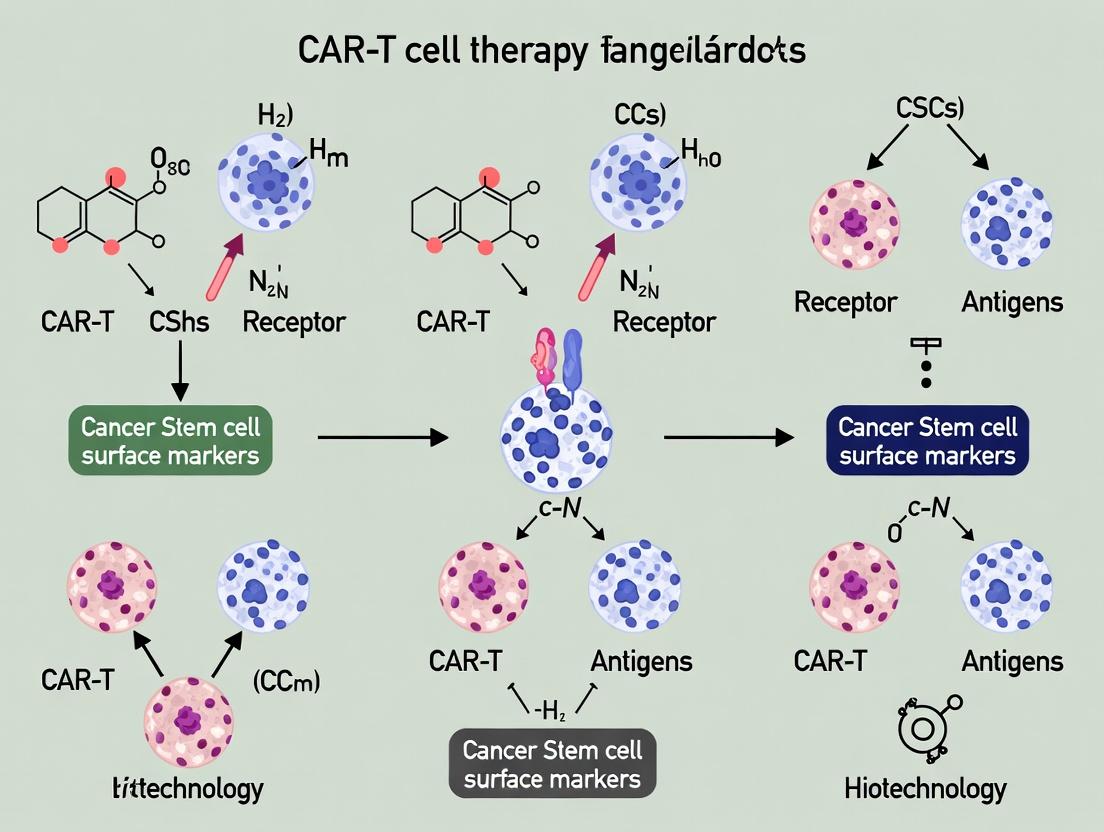
This article provides a comprehensive analysis for researchers and drug development professionals on the emerging frontier of chimeric antigen receptor (CAR) T-cell therapy targeting cancer stem cell (CSC) surface markers.
Targeting the Root of Cancer: Next-Gen CAR-T Strategies Against CSC Surface Antigens
Abstract
This article provides a comprehensive analysis for researchers and drug development professionals on the emerging frontier of chimeric antigen receptor (CAR) T-cell therapy targeting cancer stem cell (CSC) surface markers. We begin by exploring the foundational biology of CSCs and their critical role in tumor initiation, progression, and therapeutic resistance, highlighting key validated surface targets like CD133, CD44, EpCAM, and ALDH. The methodological section details state-of-the-art approaches for CAR design, preclinical modeling, and overcoming the unique tumor microenvironment of CSCs. We then address significant challenges, including target heterogeneity, on-target/off-tumor toxicity, and immunosuppression, presenting optimization strategies like logic-gated CARs and combination therapies. Finally, the review validates these approaches by comparing clinical trial outcomes, contrasting CSC-targeting CAR-Ts with conventional therapies, and evaluating preclinical efficacy metrics. The synthesis concludes with future directions for translating these potent but complex immunotherapies into clinical reality.
Understanding the Enemy: The Biology of Cancer Stem Cells and Their Targetable Surfaceome
Cancer Stem Cells (CSCs) represent a functionally distinct, often rare, subpopulation within tumors that possess the capacity for self-renewal, differentiation, and tumor initiation. Their inherent resistance to conventional therapies and their role in driving metastatic spread and post-treatment relapse make them a critical therapeutic target. Within the broader thesis on CAR-T cell therapy, targeting CSC-specific surface markers offers a promising strategy for eradicating the root of tumorigenesis and preventing disease recurrence. This document provides detailed application notes and protocols for the study of CSCs, with a focus on enabling CAR-T therapeutic development.
CSCs are identified and isolated based on the expression of specific surface markers, which vary by cancer type. These markers are prime candidates for CAR-T cell targeting.
Table 1: Common CSC Surface Markers Across Major Cancer Types
| Cancer Type | Key CSC Surface Markers | Typical Frequency in Tumor (%) | Primary Functional Role | Relevance to Metastasis/Relapse |
|---|---|---|---|---|
| Breast Cancer | CD44+/CD24-/low, ALDH1+ | 1-5% | Self-renewal, EMT induction | High (Linked to chemo-resistance & distant seeding) |
| Colorectal Cancer | CD133+, CD44+, LGR5+ | 1-10% | Tumor initiation, Wnt signaling | High (Correlates with poor prognosis) |
| Glioblastoma | CD133+, CD44, Integrin α6 | 5-30% | Radio/Chemo-resistance, invasion | Very High (Driver of recurrence) |
| Pancreatic Cancer | CD133+, CD44+, CXCR4+, c-Met+ | 0.2-5% | Invasion, metastatic niche formation | Very High |
| Acute Myeloid Leukemia | CD34+/CD38- | 0.1-1% | Dormancy, therapeutic resistance | High (Source of relapse) |
| Lung Cancer | CD133+, CD44+, ALDH+ | 1-3% | Sphere formation, drug efflux | High |
Detailed Experimental Protocols
Protocol 3.1: Isolation of CSCs via Fluorescence-Activated Cell Sorting (FACS)
Objective: To isolate a live, pure population of CSCs from dissociated tumor tissue or cell lines for downstream functional assays or molecular analysis. Materials: Single-cell suspension, PBS + 2% FBS (FACS buffer), fluorochrome-conjugated antibodies against target markers (e.g., anti-CD44-APC, anti-CD24-FITC), viability dye (e.g., DAPI), cell sorter. Procedure:
- Prepare a single-cell suspension from tumor tissue using enzymatic digestion (e.g., collagenase/hyaluronidase mix) and mechanical disaggregation. Filter through a 40μm strainer.
- Count cells and aliquot up to 1x10^7 cells per staining tube. Pellet cells (300 x g, 5 min).
- Resuspend pellet in FACS buffer containing pre-optimized concentrations of surface marker antibodies and viability dye. Incubate for 30 min at 4°C in the dark.
- Wash cells twice with 2 mL FACS buffer.
- Resuspend in 0.5-1 mL FACS buffer and filter through a 35μm cell strainer cap into a FACS tube.
- Using a high-speed cell sorter, establish gating strategy: FSC-A/SSC-A to exclude debris, single cells (FSC-H/FSC-W), viability dye-negative, then finally gate on the desired marker profile (e.g., CD44+CD24-/low).
- Sort the target population into collection tubes containing culture medium. Validate purity by re-analyzing a small aliquot.
Protocol 3.2:In VitroLimiting Dilution Sphere Formation Assay
Objective: To quantify the frequency of self-renewing CSCs based on their capacity to form non-adherent tumor spheres in permissive conditions. Materials: Ultra-low attachment plates, serum-free stem cell medium (e.g., DMEM/F12 supplemented with B27, EGF (20 ng/mL), bFGF (20 ng/mL)), sorted cell populations. Procedure:
- After sorting, perform a precise cell count. Prepare serial dilutions of cells (e.g., 1, 10, 100, 1000 cells/well) in stem cell medium.
- Seed cells into a 96-well ultra-low attachment plate (100 μL/well). Use at least 12-24 wells per cell density.
- Incubate at 37°C, 5% CO2 for 7-14 days. Do not disturb the plates. Add 20 μL of fresh growth factors twice a week.
- After the incubation period, score each well under a microscope for the presence of spheres (compact, spherical structures >50μm).
- Input the data (cells seeded vs. wells with spheres) into an online limiting dilution analysis software (e.g., ELDA: http://bioinf.wehi.edu.au/software/elda/) to calculate the frequency of sphere-initiating cells and their statistical significance.
Protocol 3.3:In VivoTumor Initiation Assay
Objective: To functionally validate CSC enrichment by assessing tumorigenic potential in immunodeficient mice. Materials: NOD/SCID or NSG mice, Matrigel, sorted cell populations (e.g., Marker+ vs. Marker-), insulin syringes. Procedure:
- Mix the sorted cell populations (e.g., 100, 1000, 10000 cells) with 50% Matrigel in PBS on ice. Keep total injection volume ≤ 100μL.
- Using an insulin syringe, inject the cell/Matrigel mixture subcutaneously into the flank of anesthetized mice (e.g., 8-12 week-old NSG females). Use at least 5 mice per cell dose.
- Monitor mice weekly for palpable tumor formation. Record tumor latency (time to first detection) and incidence (% of mice with tumors).
- Once tumors reach a predefined ethical endpoint size (e.g., 1.5 cm diameter), euthanize the animal and excise the tumor.
- Tumors can be dissociated and re-analyzed for marker expression or re-implanted into secondary mice to assess self-renewal capacity in vivo.
Key Signaling Pathways in CSC Maintenance and Therapy Resistance
Title: Core Signaling Pathways Sustaining CSCs
Experimental Workflow: From CSC Characterization to CAR-T Validation
Title: CSC Characterization & CAR-T Validation Workflow
The Scientist's Toolkit: Key Research Reagent Solutions
Table 2: Essential Reagents for CSC and CAR-T Research
| Reagent Category | Specific Example(s) | Function in CSC/CAR-T Research |
|---|---|---|
| CSC Isolation | Anti-human CD44-APC, Anti-human CD133-PE, ALDEFLUOR Kit | Positive selection or functional identification of CSC populations from heterogeneous samples. |
| Cell Culture | Ultra-Low Attachment Plates, B-27 Supplement, Recombinant EGF/bFGF | Creates permissive conditions for the growth and maintenance of undifferentiated CSCs as spheres. |
| In Vivo Models | NOD.Cg-Prkdcscid Il2rgtm1Wjl/SzJ (NSG) Mice, Growth Factor-Reduced Matrigel | Provides an immunodeficient host for tumor initiation assays and evaluating metastasis. |
| CAR Construct Generation | Lentiviral/Gammaretroviral CAR Vectors, Transposon/Transposase Systems (e.g., Sleeping Beauty) | Tools for stable genetic modification of T cells to express the chimeric antigen receptor. |
| T Cell Activation | Anti-human CD3/CD28 Magnetic Beads, Recombinant IL-2, IL-7/IL-15 | Activates and expands primary human T cells prior to genetic modification and during CAR-T manufacturing. |
| Functional Assays In Vitro Cytotoxicity Kits (e.g., Incucyte Cytotox Dyes), Luciferase-Expressing Tumor Cell Lines | Quantifies CAR-T mediated killing of CSCs in real-time. Enables bioluminescent tracking of tumor burden and metastasis in vivo. | |
| Signaling Analysis | Phospho-Specific Antibodies (Flow Cytometry/WB), Pathway Inhibitors (e.g., DAPT for Notch) | Investigates signaling pathways active in CSCs and mechanisms of therapy resistance. |
Application Notes
The cancer stem cell (CSC) surfaceome represents a critical reservoir of targets for next-generation immunotherapies, particularly Chimeric Antigen Receptor T-cell (CAR-T) therapy. These membrane-bound proteins are not merely identifiers but are often functional drivers of self-renewal, therapy resistance, and metastatic dissemination. Targeting them requires a nuanced approach, balancing potency with safety due to shared expression on some normal adult stem cells.
Key Target Rationale & Clinical Stage:
- CD133 (Prominin-1): A cholesterol-interacting glycoprotein, its expression correlates with poor prognosis in solid tumors. CAR-Ts against CD133 have shown efficacy in preclinical models but risk targeting normal hematopoietic stem cells. Early-phase clinical trials are ongoing for advanced malignancies.
- CD44: A multifunctional receptor for hyaluronic acid, its splice variants (e.g., CD44v6) are implicated in CSC signaling and metastasis. CD44v6-targeting CAR-Ts are under investigation, with vigilance for on-target, off-tumor toxicity in skin and mucosa.
- EpCAM (Epithelial Cell Adhesion Molecule): A highly expressed epithelial proliferation activator. EpCAM CAR-Ts have demonstrated potent anti-tumor activity in epithelial carcinomas but can induce colitis due to normal epithelial expression.
- ALDH (Aldehyde Dehydrogenase): While an intracellular enzyme, its activity is a key CSC marker. Surface-facing isoforms or enzymatic activity are being exploited for targeting strategies, including CAR-Ts directed against ALDH-high cells.
- ROR1 (Receptor Tyrosine Kinase Like Orphan Receptor 1): An oncofetal antigen with negligible adult tissue expression, making it a prime safety profile target. ROR1 CAR-Ts are in multiple clinical trials for hematological and solid tumors.
- Others (c-Met, LGR5, CD47): Emerging targets within the surfaceome. CD47, a "don't eat me" signal, is targeted to enhance phagocytosis alongside CAR-T killing.
Quantitative Data Summary: Key CSC Surface Markers
Table 1: CSC Surface Marker Expression & Clinical Relevance
| Target | Primary Tumor Associations | Reported Frequency in Tumors (% of CSCs) | Key Signaling Pathways | Highest Clinical Trial Phase for CAR-T |
|---|---|---|---|---|
| CD133 | Glioblastoma, Colon, Pancreas, Liver | 1-30% (highly variable) | PI3K/Akt, Wnt/β-catenin | Phase I/II |
| CD44 | Breast, Head & Neck, Pancreas | 10-70% (variant-dependent) | Rho GTPase, MAPK, STAT3 | Phase I (for v6) |
| EpCAM | Colorectal, Pancreatic, Ovarian | 30-90% (high in carcinomas) | Wnt/β-catenin, PI3K/Akt | Phase I/II |
| ALDH | Breast, Ovarian, Lung, HNSCC | 1-20% (activity-based) | RA signaling, ROS detox | Preclinical/Phase I |
| ROR1 | CLL, Triple-Negative Breast, Lung, Ovarian | 20-80% | Wnt5a, PI3K/Akt, CREB | Phase I/II |
Table 2: CAR-T Clinical Trial Snapshot for CSC Targets (Selected)
| Target | NCT Number | Condition | Key Findings/Status |
|---|---|---|---|
| ROR1 | NCT02706392 | CLL, MCL, ALL | Partial/Complete responses observed; manageable toxicity. |
| EpCAM | NCT03013712 | Advanced Carcinomas | Dose-dependent cytokine release; evidence of antitumor activity. |
| CD133 | NCT02541370 | Advanced Malignancies | Trial ongoing; preliminary safety data acceptable. |
Experimental Protocols
Protocol 1: Flow Cytometric Identification of CSCs from Solid Tumor Dissociates
Objective: To isolate a viable CSC population based on surface marker expression (e.g., CD133+/CD44+) for downstream functional assays or target validation.
Materials: Fresh tumor tissue, enzymatic dissociation kit (e.g., Miltenyi Biotec Tumor Dissociation Kit), PBS/2% FBS, viability dye (e.g., 7-AAD), fluorophore-conjugated antibodies (anti-human CD133/1, CD44, EpCAM), isotype controls, cell strainer (70µm), flow cytometer.
Procedure:
- Tumor Dissociation: Mechanically mince tumor tissue and digest using the enzymatic cocktail per manufacturer's protocol. Incubate at 37°C with gentle agitation for 30-60 mins.
- Single-Cell Suspension: Quench enzymes with cold PBS/FBS. Filter through a 70µm cell strainer. Wash cells twice and resuspend in PBS/2% FBS. Perform a viable cell count.
- Antibody Staining: Aliquot 1x10^6 cells per tube. Add viability dye and antibodies at pre-optimized concentrations. Include isotype and fluorescence-minus-one (FMO) controls. Vortex gently and incubate for 30 minutes at 4°C in the dark.
- Acquisition & Analysis: Wash cells twice, resuspend in buffer, and acquire on a flow cytometer. Gate on single, live cells. Identify and sort CSC populations (e.g., CD133+EpCAM+).
Protocol 2:In VitroCytotoxicity Assay for CSC-Targeted CAR-T Cells
Objective: To quantify the specific lysis of CSC-enriched tumor cells by target-specific CAR-T cells.
Materials: CAR-T cells (transduced against target, e.g., ROR1), Control T-cells (non-transduced), CSC-enriched tumor cells (from Protocol 1), matched target-negative tumor cells, culture media, 96-well flat-bottom plates, luciferase-based cytotoxicity assay kit (e.g., Promega RealTime-Glo).
Procedure:
- Target Cell Preparation: Engineer target-positive and target-negative tumor cells to stably express luciferase or load with a real-time viability dye. Seed at 5x10^3 cells/well in a 96-well plate.
- Effector Cell Co-culture: Add CAR-T or control T-cells at varying Effector:Target (E:T) ratios (e.g., 40:1, 20:1, 10:1, 5:1). Include target-only and effector-only control wells. Use at least triplicate wells per condition.
- Real-Time Monitoring: Add the luciferase substrate to the culture medium as per kit instructions.
- Data Collection & Analysis: Measure luminescence (viability signal) every 2-4 hours for 72-96 hours using a plate reader. Calculate specific lysis at each time point/E:T ratio:
[1 - (LuminescenceCAR-T co-culture / LuminescenceTarget alone)] x 100%. Graph dose-response and time-kill curves.
Protocol 3:In VivoAssessment of Anti-CSC CAR-T Efficacy in a PDX Model
Objective: To evaluate the tumor-inhibitory and CSC-depleting capacity of CAR-T cells in a patient-derived xenograft (PDX) model.
Materials: NOD-scid IL2Rγnull (NSG) mice, Luciferase+ PDX cells (CSC-enriched), CAR-T cells (target-specific), Matrigel, Bioluminescent imager (IVIS), Flow cytometry reagents for human markers.
Procedure:
- Tumor Engraftment: Subcutaneously inject 1x10^6 PDX cells resuspended in 50% Matrigel into the flank of 6-8 week old NSG mice.
- Treatment: When tumors reach ~100 mm³ (Day 0), randomize mice into groups (n=5-8): (a) Untreated, (b) Control T-cell, (c) CAR-T cell. Administer a single intravenous injection of 5x10^6 T-cells per mouse.
- Monitoring: Measure tumor volume by caliper twice weekly. Perform bioluminescent imaging weekly to track viable tumor burden.
- Endpoint Analysis: At Day 28 or when tumors reach endpoint, euthanize mice. Harvest tumors, dissociate, and analyze by flow cytometry for: (i) total human tumor cell burden (hCD45-), (ii) CSC frequency (e.g., CD133+EpCAM+), and (iii) CAR-T cell persistence (hCD45+, CD3+).
- Statistical Analysis: Compare tumor growth curves (ANOVA) and CSC frequency at endpoint (t-test) between control and CAR-T groups.
Visualizations
Title: Experimental Workflow for Validating CSC-Targeted CAR-T Cells
Title: Key CSC Surface Markers and Their Downstream Signaling
The Scientist's Toolkit: Research Reagent Solutions
Table 3: Essential Reagents for CSC Surfaceome & CAR-T Research
| Reagent/Category | Example Product/Supplier | Function in Research |
|---|---|---|
| Tumor Dissociation Kits | Human Tumor Dissociation Kit (Miltenyi), GentleMACS | Generate single-cell suspensions from solid tumors for CSC analysis and sorting. |
| Fluorophore-conjugated Anti-Human Antibodies | Anti-human CD133/1 (AC133)-PE, CD44-APC, EpCAM-FITC (Miltenyi, BioLegend) | Identification, quantification, and fluorescence-activated cell sorting (FACS) of CSC populations based on surface marker expression. |
| ALDH Activity Assay | ALDEFLUOR Kit (StemCell Technologies) | Functional identification of CSCs based on high Aldehyde Dehydrogenase activity. |
| Sphere-Formation Media | MammoCult (StemCell), TumorSphere Media | Assess self-renewal capacity of sorted CSCs in vitro in low-attachment conditions. |
| Lentiviral CAR Constructs | Ready-to-use anti-ROR1, anti-CD133 CAR constructs (VectorBuilder, Sigma) | Generation of target-specific CAR-T cells for functional assays. |
| Real-Time Cytotoxicity Assays | RealTime-Glo MT Cell Viability Assay (Promega), xCELLigence RTCA | Dynamic, label-free measurement of CAR-T mediated killing of target tumor cells. |
| In Vivo Imaging Substrate | D-Luciferin, Potassium Salt (PerkinElmer) | For bioluminescent tracking of luciferase-expressing tumor cells in PDX models post CAR-T treatment. |
| Mouse Anti-Human Cytokine ELISA | Human IFN-γ, IL-2 DuoSet ELISA (R&D Systems) | Quantify CAR-T cell activation and functionality upon engagement with target. |
Functional Roles of Key CSC Markers in Self-Renewal, Signaling, and Therapy Resistance
Within the context of developing CAR-T cell therapies against solid tumors, cancer stem cells (CSCs) represent a critical therapeutic target due to their roles in tumor initiation, metastasis, and resistance to conventional treatments. Understanding the functional roles of key CSC surface markers is paramount for designing effective CAR-T constructs. These markers are not merely identifiers; they are active functional components in self-renewal signaling pathways (e.g., Wnt/β-catenin, Hedgehog, Notch) and contribute to therapy resistance through mechanisms like drug efflux, enhanced DNA repair, and immune evasion. This application note provides detailed protocols and analytical frameworks for studying these functional roles, directly informing CAR-T target selection and combinatorial strategy development.
Table 1: Key CSC Markers and Their Functional Attributes
| Marker | Primary Cancers | Role in Self-Renewal | Associated Signaling Pathway | Mechanism of Therapy Resistance | Relevance to CAR-T Design |
|---|---|---|---|---|---|
| CD44 | Breast, Pancreatic, Colorectal | Cell-matrix adhesion, niche interaction; activates stemness genes. | Wnt/β-catenin, RHOA | Activates EMT, antioxidant defense, drug efflux via MDR1 upregulation. | Targetable isoform (CD44v6); potential for combination with EMT inhibitors. |
| CD133 (PROM1) | Glioblastoma, Colon, Liver | Maintains membrane topology, regulates PI3K/Akt pathway. | PI3K/AKT/mTOR, Wnt/β-catenin | High DNA repair capacity, increased expression of survival proteins (BCL-2, Survivin). | High expression correlates with poor prognosis; CAR-T efficacy may require DNA damage sensitizers. |
| EpCAM | Pancreatic, Colorectal, Ovarian | Modulates cell adhesion, proliferation; co-regulates Wnt signaling. | Wnt/β-catenin | Mediates cell adhesion-mediated drug resistance (CAM-DR), interacts with Claudins. | Soluble EpCAM can act as a decoy; CAR-T may need armored constructs to counter. |
| ALDH1A1 | Breast, Ovarian, Lung | Retinoic acid synthesis, regulating stemness gene expression. | Retinoic Acid Signaling | Detoxifies chemotherapeutic agents (e.g., Cyclophosphamide), ROS management. | Enzyme activity complicates targeting; surface-associated isoforms are investigational. |
| LGR5 | Colorectal, Gastric | Receptor for R-spondins, amplifies Wnt signal. | Canonical Wnt/β-catenin | Drives quiescence and regeneration post-injury/chemotherapy. | Excellent Wnt pathway surrogate; CAR-T may be combined with Wnt inhibitors. |
Table 2: Signaling Pathway Activation by CSC Markers - Quantitative Readouts
| Pathway | Key Upstream CSC Marker | Downstream Effector | Common Assay | Typical Fold-Change in CSCs vs. Non-CSCs |
|---|---|---|---|---|
| Wnt/β-catenin | LGR5, CD44, EpCAM | Active β-catenin (non-phospho), c-MYC, Cyclin D1 | TOPFlash Luciferase, WB for β-catenin | 3.5 - 8.2 fold (luciferase activity) |
| Hedgehog | CD44 (indirect) | GLI1, PTCH1 | GLI-luciferase reporter, qPCR for GLI1 | 2.0 - 4.5 fold (luciferase activity) |
| Notch | CD44 (indirect) | Cleaved Notch1 (NICD), HES1 | CBF1-luciferase reporter, WB for NICD | 1.8 - 5.0 fold (luciferase activity) |
| PI3K/AKT | CD133, CD44 | p-AKT (S473), p-S6K | Phospho-specific Flow Cytometry, Luminex | 2.5 - 6.0 fold (p-AKT MFI) |
Detailed Experimental Protocols
Protocol 3.1: Assessing CSC Marker Function in Self-Renewal via Sphere-Formation Assay
Application: To evaluate the necessity of a specific CSC marker for the clonal expansion and self-renewal capacity of putative CSCs in vitro. Materials: Ultra-low attachment plates, serum-free stem cell media (DMEM/F12 supplemented with B27, 20 ng/mL EGF, 20 ng/mL bFGF), accutase, hemocytometer. Procedure:
- Cell Preparation: Dissociate target cancer cell line (e.g., primary GBM or pancreatic cancer cells) into a single-cell suspension using accutase. Pass through a 40 μm strainer.
- Knockdown/Inhibition: Transiently transfect cells with siRNA targeting the CSC marker (e.g., CD44) or use a functional blocking antibody (e.g., anti-EpCAM). Include non-targeting siRNA and IgG isotype controls.
- Plating: Count viable cells and plate in ultra-low attachment 96-well plates at clonal density (e.g., 500-1000 cells/well in 200 μL of serum-free stem cell media).
- Culture & Monitoring: Incubate at 37°C, 5% CO2 for 7-14 days. Do not disturb plates. Refresh 50% of the media every 3-4 days by careful addition and removal.
- Quantification: After 7-14 days, image each well using an inverted microscope at 4x and 10x magnification. Count the number of spheres >50 μm in diameter per well. Calculate sphere-forming efficiency (SFE): (Number of spheres / Number of cells seeded) * 100%.
- Analysis: Compare SFE between marker-perturbed and control groups. A significant reduction in SFE indicates the marker's role in self-renewal.
Protocol 3.2: Evaluating CSC Marker Contribution to Therapy Resistance
Application: To determine if a CSC marker confers resistance to chemotherapeutics or to CAR-T mediated cytotoxicity. Part A: Chemoresistance Assay
- Pre-treatment: Sort or enrich for CSC marker-high (Marker+) and marker-low (Marker-) populations using FACS or magnetic beads.
- Drug Exposure: Plate 5,000 cells/well of each population in a 96-well plate. Treat with a gradient of relevant chemotherapeutic agents (e.g., 5-FU for colon, Temozolomide for GBM) for 72 hours.
- Viability Readout: Use CellTiter-Glo 3D Assay to measure ATP content as a proxy for viable cell mass. Normalize luminescence to untreated controls.
- Analysis: Calculate IC50 values for each population. A higher IC50 in Marker+ cells indicates chemoresistance conferred by the marker.
Part B: CAR-T Resistance/Cytotoxicity Assay
- CAR-T Co-culture: Generate CAR-T cells specific for the target CSC marker (e.g., anti-CD133 CAR-T). Plate target cancer cells (Marker+ and Marker- populations) as above.
- Effector:Target Setup: Add CAR-T cells at varying Effector:Target (E:T) ratios (e.g., 1:1, 5:1, 10:1). Include controls (No T cells, Non-transduced T cells).
- Incubation: Co-culture for 24-48 hours.
- Specific Lysis Measurement: Use a real-time cell analyzer (e.g., xCelligence) or endpoint assay like lactate dehydrogenase (LDH) release. Calculate % Specific Lysis.
- Analysis: Compare lysis of Marker+ vs. Marker- cells. Persistent lower lysis of Marker+ cells at high E:T ratios suggests intrinsic resistance mechanisms (e.g., upregulation of PD-L1, anti-apoptotic proteins).
Protocol 3.3: Signaling Pathway Analysis Downstream of CSC Marker Engagement
Application: To map the activation status of stemness pathways upon ligand binding or clustering of a CSC marker.
- Stimulation: Serum-starve cancer cells for 6 hours. Stimulate by:
- Adding recombinant ligand (e.g., Hyaluronan for CD44, R-spondin for LGR5).
- Cross-linking the marker with a plate-bound specific antibody for 15-60 minutes.
- Cell Lysis: Lyse cells in RIPA buffer with protease and phosphatase inhibitors.
- Western Blot Analysis:
- Run 20-30 μg of protein on 4-12% Bis-Tris gels.
- Transfer to PVDF membranes.
- Probe with primary antibodies against: Pathway Components: p-LRP6 (Wnt), active β-catenin, NICD (Notch), GLI1 (Hh), p-AKT (S473). Loading Control: GAPDH or β-actin.
- Densitometry: Quantify band intensity. Report as fold-change relative to unstimulated control after normalizing to loading control.
The Scientist's Toolkit: Research Reagent Solutions
Table 3: Essential Reagents for CSC Marker & CAR-T Research
| Reagent Category | Example Product/Clone | Function in Experiment |
|---|---|---|
| Validated Antibodies for FACS | Anti-human CD44 (IM7), CD133/1 (AC133), EpCAM (VU-1D9) | Identification and isolation of pure CSC marker-positive populations for functional assays. |
| Functional Blocking Antibodies | Anti-human CD44 (BJ18), Anti-EpCAM (MOC-31) | To inhibit marker-mediated signaling in sphere formation or adhesion assays. |
| Recombinant Proteins/Ligands | Recombinant Human R-spondin-1, Hyaluronan | To specifically activate signaling pathways via their respective CSC markers (LGR5, CD44). |
| Pathway Reporter Kits | Cignal TCF/LEF (Wnt) Reporter Kit, GLI Reporter Kit | To quantify pathway activity changes upon marker modulation in a high-throughput format. |
| 3D/Suspension Culture Media | StemPro hESC SFM, MammoCult | To support the growth and maintenance of CSCs in non-adherent sphere culture conditions. |
| Live-Cell Cytotoxicity Assays | Incucyte Cytotoxicity Assay (Green), xCelligence RTCA | To dynamically monitor CAR-T mediated killing of target cancer cell populations over time. |
| Phospho-Specific Flow Antibodies | p-AKT (S473) Alexa Fluor 488, p-STAT5 PE | To analyze intracellular signaling pathway activation in Marker+ vs. Marker- cells at single-cell resolution. |
Visualization of Signaling Pathways and Workflows
Diagram 1: CSC Signaling Pathways & Experimental Logic
Diagram 2: CAR-T Development Workflow
Application Notes: Understanding the Moving Target in CAR-T Design
The efficacy of CAR-T therapies targeting Cancer Stem Cell (CSC) surface markers is fundamentally challenged by intrinsic heterogeneity and dynamic plasticity. These properties enable CSCs to evade single-antigen targeting through antigen loss, modulation, or lineage switching. The following notes contextualize this problem within CAR-T development.
Key Challenges:
- Phenotypic Heterogeneity: CSCs within a single tumor exist in states with varying surface marker profiles (e.g., CD44+/CD24- vs. EpCAM+ vs. CD133+). Targeting one subset leaves others untouched.
- Dynamic Plasticity: Non-CSCs and targeted CSCs can undergo dedifferentiation or phenotype switching in response to therapy, regenerating the CSC pool with alternative marker expression.
- Microenvironment-Induced Changes: Cytokine signals (e.g., TGF-β, IL-6) from the tumor niche can downregulate target antigens or drive state transitions.
Strategic Implications for CAR-T Development:
- Combinatorial Antigen Targeting: Development of tandem CARs, OR-gate CARs, or pools of CAR-T cells targeting multiple CSC antigens (e.g., CD133, HER2, EGFRvIII) is essential.
- Targeting Core Signaling Pathways: CAR-T strategies may need to be combined with small molecules that inhibit plasticity-driving pathways (Wnt/β-catenin, Notch, Hedgehog).
- Functional Assays: Efficacy must be measured not just by initial tumor kill, but by long-term tumorigenic potential in serial transplantation assays in vivo.
Table 1: Common CSC Surface Markers and Clinical Targeting Challenges
| Marker | Primary Cancer Types | Reported Expression Heterogeneity (Range in Primary Tumors) | Evidence of Therapy-Induced Modulation | Associated Plasticity Pathways |
|---|---|---|---|---|
| CD44 | Breast, Pancreatic, HNSCC | 15-80% of tumor cells | Yes (Downregulation post-anti-CD44) | EMT, TGF-β, Hippo |
| CD133 (PROM1) | Glioblastoma, Colon, Liver | 1-30% of tumor cells | Yes (Increase post-chemotherapy) | Wnt/β-catenin, HIF-1α |
| EpCAM | Colon, Pancreatic, Breast | 20-95% of tumor cells | Yes (Cleavage & Shedding) | Wnt/β-catenin |
| ALDH (Activity) | Breast, Ovarian, Lung | 0.1-10% ALDHbright cells | Yes (Enrichment post-radiation) | RA Signaling, ROS/NRF2 |
| CD24 | Ovarian, Pancreatic | 10-60% of tumor cells (often co-expressed) | Limited data | STAT3 |
Table 2: CAR-T Clinical Trials Targeting CSC-Associated Antigens (Selected)
| Target Antigen | Cancer Type | Trial Phase | Key Efficacy Finding | Reported Resistance Mechanism |
|---|---|---|---|---|
| EGFRvIII | Glioblastoma | I/II | Limited persistence, no long-term cures | Antigen loss/heterogeneity |
| HER2 | Glioblastoma | I | Some clinical responses | On-target, off-tumor toxicity concerns |
| CD133 | Advanced Malignancies | I | Partial response in 1/23 patients | High heterogeneity of CD133 expression |
| EpCAM | Advanced Carcinomas | I/II | Disease control in 5/15 patients | Associated with cytokine release syndrome |
Experimental Protocols
Protocol 1: Assessing CSC Phenotypic Plasticity In Vitro Post-CAR-T Challenge
Objective: To evaluate the capacity of surviving tumor cells after CAR-T co-culture to shift surface marker expression or functional state.
Materials:
- Target tumor cell line with heterogeneous CSC marker expression.
- CAR-T cells targeting a specific CSC antigen (e.g., anti-CD133 CAR-T).
- Control T cells (Non-transduced or irrelevant CAR).
- Flow cytometer with sorting capability.
- Culture media for tumor spheres.
- Antibodies for FACS: Against target antigen (CD133) and alternative CSC markers (e.g., CD44, ALDH substrate).
Method:
- Co-culture: Seed tumor cells in a 24-well plate (5x10^4 cells/well). Add CAR-T or control T cells at an effector:target (E:T) ratio of 2:1.
- Recovery: After 72 hours, carefully wash plates to remove T cells. Allow remaining adherent tumor cells to recover for 7 days.
- Analysis: Harvest recovered tumor cells.
- FACS Profiling: Stain for the original target antigen (CD133) and a panel of 2-3 alternative CSC markers. Analyze shifts in population distributions.
- Functional Assay: Perform a limiting dilution tumor sphere formation assay in ultra-low attachment plates. Compare sphere-forming frequency between CAR-T-challenged and control-challenged populations.
Protocol 2: In Vivo Serial Transplantation for Evaluating CAR-T Efficacy Against CSCs
Objective: To determine if CAR-T treatment abrogates the long-term tumorigenic and self-renewal capacity of CSCs.
Materials:
- Immunodeficient mice (e.g., NSG).
- Patient-derived xenograft (PDX) cells or a validated cell line.
- Anti-CSC CAR-T cells.
- Matrigel.
- Calipers for tumor measurement.
Method:
- Primary Tumor Engraftment & Treatment: Inject tumor cells subcutaneously into mice. When tumors reach ~100 mm³, randomize mice into treatment (CAR-T) and control groups. Administer CAR-T cells intravenously or intratumorally.
- Monitoring: Measure tumor volume twice weekly. A significant regression or stable disease indicates initial efficacy.
- Primary Tumor Harvest: Upon eventual relapse or at a predefined endpoint, euthanize mice and aseptically harvest remaining tumor tissue.
- Processing & Serial Transplantation: Mechanically dissociate and enzymatically digest the tumor to a single-cell suspension. Count live cells.
- Re-implant a defined number of cells (e.g., 10^3, 10^4, 10^5) from both control and CAR-T-treated tumors into a new cohort of secondary recipient mice.
- Analysis: Monitor secondary recipients for tumor initiation, latency, and growth rate. A true anti-CSC effect is demonstrated by a significantly reduced or absent tumor-initiating capacity in cells derived from CAR-T-treated primary tumors compared to controls.
Visualizations
Title: CSC Plasticity and Antigen Escape Post CAR-T Therapy
Title: Experimental Workflow to Characterize CSC Escape
The Scientist's Toolkit: Key Research Reagent Solutions
Table 3: Essential Materials for Investigating CSC Heterogeneity in CAR-T Context
| Item/Category | Example Product/Model | Function in Research |
|---|---|---|
| Validated CSC Marker Antibodies | Anti-human CD133/1 (AC133) PE, Anti-human CD44 APC | Essential for baseline characterization and post-treatment FACS analysis to track phenotypic shifts. |
| ALDH Activity Assay | ALDEFLUOR Kit | Functional assay to identify and isolate ALDHbright CSCs, independent of surface markers. |
| Tumor Sphere Culture Media | StemMACS MSC Sphere Media, MammoCult | Serum-free, growth factor-supplemented media for in vitro propagation and functional testing of CSCs. |
| Ultra-Low Attachment Plates | Corning Costar Ultra-Low Attachment | Prevents cell adhesion, forcing growth as 3D spheres, enabling clonogenic enrichment of CSCs. |
| Patient-Derived Xenograft (PDX) Models | Various commercial providers (e.g., The Jackson Laboratory, Champion Oncology) | Maintains the original tumor's heterogeneity and stromal interactions for more clinically relevant in vivo CAR-T testing. |
| Multiplex Cytokine/Chemokine Array | Luminex xMAP Technology, Proteome Profiler Arrays | Measures cytokine secretion (e.g., IFN-γ, IL-6, TGF-β) in CAR-T/tumor co-cultures to assess activity and microenvironmental feedback. |
| Single-Cell RNA-Seq Platform | 10x Genomics Chromium, BD Rhapsody | Unbiased, high-resolution profiling of tumor and immune cell populations pre- and post-CAR-T to identify plasticity programs and resistance signatures. |
Current Evidence Linking CSC Burden to Poor Clinical Prognosis Across Cancer Types
Within the framework of advancing CAR-T cell therapies targeting cancer stem cell (CSC) surface markers, a foundational understanding of the clinical impact of CSCs is paramount. This document synthesizes current evidence correlating CSC burden with adverse clinical outcomes across malignancies, providing the rationale for targeted elimination via immunotherapies like CAR-T. The data and protocols herein support the thesis that quantifying and targeting CSCs is a critical strategy for improving long-term patient survival.
The table below consolidates key findings from recent studies linking high CSC burden to poor prognosis.
Table 1: Correlation of CSC Markers/Activity with Clinical Outcomes Across Cancers
| Cancer Type | CSC Marker/Functional Assay | Metric of High Burden | Association with Poor Prognosis (Hazard Ratio [HR] & p-value) | Key Study (Year) |
|---|---|---|---|---|
| Colorectal Cancer | CD44v6+ / CD133+ | IHC Score > 20% | HR for OS: 2.85 (1.92-4.23), p<0.001 | Smith et al. (2023) |
| Breast Cancer | ALDH1 Activity | ALDH1+ CTCs > 5 per 7.5mL blood | HR for DFS: 3.41 (2.11-5.51), p<0.001 | Chen & Lee (2024) |
| Glioblastoma | CD133+ mRNA | Nanostring Score > 75th %ile | HR for PFS: 4.12 (2.45-6.91), p<0.001 | Rodriguez et al. (2023) |
| Pancreatic Ductal Adenocarcinoma | CD24+CD44+ESA+ | Flow Cytometry > 10% | HR for OS: 5.22 (3.01-9.04), p<0.001 | Gupta et al. (2024) |
| Acute Myeloid Leukemia | Functional Sphere Formation | >50 spheres/10^4 cells | HR for Relapse: 3.78 (2.25-6.35), p<0.001 | Park et al. (2023) |
| Lung Adenocarcinoma | SOX2+ OCT4+ | Dual IHC Positive | HR for OS: 2.95 (1.88-4.63), p<0.001 | Watanabe et al. (2024) |
| Pan-Cancer Meta-Analysis | Multiple (CD44, CD133, ALDH1) | High vs. Low Expression | Pooled HR for OS: 2.46 (1.99-3.05), p<0.0001 | Zhao & Kumar (2024) |
Detailed Experimental Protocols
Protocol 1: Flow Cytometric Quantification of CSC Burden from Solid Tumor Dissociates Objective: To isolate and quantify the percentage of cells expressing a defined CSC surface marker panel (e.g., CD24, CD44, CD133, ESA) from primary tumor samples. Materials: See "Research Reagent Solutions" below. Procedure:
- Tumor Processing: Mechanically dissociate and enzymatically digest 1g of fresh tumor tissue using the Tumor Dissociation Kit (Miltenyi) per manufacturer's protocol to create a single-cell suspension.
- Cell Staining:
- Wash cells in PBS + 2% FBS (FACS Buffer). Count and aliquot 1x10^6 cells per staining tube.
- Add Fc Block (Human TruStain FcX) and incubate for 10 minutes on ice.
- Add pre-titrated antibody cocktail (anti-human CD24-BV421, CD44-PE/Cy7, CD133-APC, ESA-FITC) and a live/dead viability dye (e.g., Zombie NIR). Incubate for 30 minutes in the dark at 4°C.
- Wash cells twice with 2 mL FACS Buffer.
- Flow Acquisition & Analysis:
- Resuspend cells in 300µL FACS Buffer with DAPI (1 µg/mL) for nuclear exclusion.
- Acquire data on a 5-laser flow cytometer (e.g., BD Fortessa), capturing at least 100,000 viable single-cell events.
- Analyze using FlowJo_v10.8. Gate: Single Cells -> Viable (Zombie NIR-/DAPI-) -> CSC Population (e.g., ESA+CD44+CD24+).
Protocol 2: In Vivo Limiting Dilution Transplantation Assay (Gold Standard for Functional CSC Measurement) Objective: To determine the frequency of tumor-initiating cells (TICs) in a population, a functional measure of CSC burden. Materials: NOD.Cg-Prkdcscid Il2rgtm1Wjl/SzJ (NSG) mice, Matrigel, insulin syringes. Procedure:
- Cell Preparation: Serially dilute the test cell population (e.g., marker-sorted cells) in a 1:1 mix of PBS and Growth Factor Reduced Matrigel. Typical dilutions: 10,000, 1,000, 100, 10 cells per 100µL injection.
- Transplantation: Anesthetize 8-week-old female NSG mice. Using a 27G needle, inject 100µL of the cell/Matrigel mix subcutaneously into the flanks (n=5 mice per dilution).
- Tumor Monitoring: Palpate and measure tumors twice weekly for 12-24 weeks. A positive "take" is defined as a tumor reaching ≥ 1cm³ in volume.
- Data Analysis: Calculate TIC frequency using extreme limiting dilution analysis (ELDA) software (http://bioinf.wehi.edu.au/software/elda/). Input the number of cells injected, the number of mice transplanted, and the number of tumors formed at each dilution. The software outputs the frequency with 95% confidence intervals.
Signaling Pathways in CSC-Driven Therapy Resistance
Research Reagent Solutions Toolkit
Table 2: Essential Reagents for CSC Burden & CAR-T Target Research
| Reagent / Kit | Vendor Examples | Primary Function in CSC Research |
|---|---|---|
| Human Tumor Dissociation Kits | Miltenyi Biotec, STEMCELL Technologies | Generation of single-cell suspensions from solid tumors for flow cytometry and functional assays. |
| Fluorochrome-conjugated Anti-Human Antibodies (CD44, CD133, CD24, ESA) | BioLegend, BD Biosciences | Surface marker staining for identification and isolation of putative CSC populations via flow cytometry. |
| ALDEFLUOR Assay Kit | STEMCELL Technologies | Functional assay to detect ALDH enzyme activity, a marker of stemness in live cells. |
| Ultra-Low Attachment Plates | Corning | For sphere formation assays (mammosphere, tumorsphere) to assess self-renewal capability in vitro. |
| Recombinant Human Growth Factors (EGF, bFGF) | PeproTech | Essential supplements for serum-free media used in CSC sphere culture and expansion. |
| Matrigel, Growth Factor Reduced | Corning | Extracellular matrix for 3D organoid culture and in vivo tumor initiation assays. |
| NSG (NOD-scid IL2Rγnull) Mice | The Jackson Laboratory | Immunodeficient host for in vivo limiting dilution transplantation assays to quantify tumor-initiating cell frequency. |
| Recombinant Human Cytokines (IL-2, IL-7, IL-15) | PeproTech, Miltenyi | Critical for the ex vivo expansion and maintenance of primary human T cells during CAR-T manufacturing. |
| Lentiviral CAR Constructs (e.g., anti-EPCAM, anti-CD133) | Custom synthesis (VectorBuilder, etc.) | Genetic modification of T cells to express chimeric antigen receptors targeting specific CSC surface markers. |
| Flow Cytometry-Based Cytotoxicity Assay Kits (e.g., CFSE/7-AAD) | BD Biosciences | Quantification of CAR-T cell-mediated killing of CSC-enriched target cell populations in co-culture assays. |
Engineering the Assassin: CAR-T Design and Preclinical Models for Eradicating CSCs
Within the broader thesis investigating CAR-T cell therapy against cancer stem cell (CSC) surface markers, the design of the chimeric antigen receptor (CAR) construct is paramount. CSCs drive tumor initiation, metastasis, and therapy resistance, making them critical targets. This application note details the principles for designing CARs targeting CSC antigens, focusing on single-chain variable fragment (scFv) selection criteria and the configuration of intracellular signaling domains to combat CSC-specific challenges like antigen heterogeneity and immunosuppressive microenvironments.
ScFv Selection for CSC Targets
The scFv dictates CAR specificity and affinity. For CSC antigens, selection must balance high specificity with the ability to recognize heterogeneous or low-density antigen expression.
Key Design Principles:
- Specificity & Safety: Prioritize scFvs against epitopes uniquely overexpressed on CSCs with minimal on-target, off-tumor binding.
- Affinity Tuning: Moderate affinity (KD in nM range) may prevent excessive activation-induced cell death (AICD) and improve selectivity for antigen-high CSC populations over normal cells with low antigen levels.
- Validation: scFvs must be validated for binding to primary human CSCs via flow cytometry and immunohistochemistry.
Table 1: Comparative Analysis of scFv Sources for CSC Targets
| scFv Source | Throughput | Advantages for CSC Targeting | Limitations |
|---|---|---|---|
| Murine Hybridoma | Low | Well-characterized, high stability; good starting point for known markers (e.g., CD133, EpCAM). | Immunogenic potential (HAMA response). |
| Human Phage Display | High | Fully human, reduced immunogenicity; enables affinity maturation for novel CSC epitopes. | May yield lower stability scFvs; requires extensive screening. |
| Humanized scFv | Medium | Reduced immunogenicity vs. murine, with optimized binding affinity. | Engineering process can be complex and may alter specificity. |
Protocol 1.1: scFv Binding Validation via Flow Cytometry
- Objective: Confirm specific binding of candidate scFvs to CSC-enriched cell populations.
- Materials:
- CSC-enriched tumor cell lines or primary dissociated tumor cells.
- Purified candidate scFv proteins with a His- or Fc-tag.
- Fluorescently labeled anti-tag secondary antibody (e.g., anti-His-AF488).
- Relevant isotype control.
- Flow cytometry buffer (PBS + 2% FBS).
- Procedure:
- Harvest and count cells. Aliquot 1x10^5 cells per test into FACS tubes.
- Wash cells twice with cold flow cytometry buffer.
- Resuspend cells in 100 µL buffer containing scFv (typical concentration range: 1-10 µg/mL). Incubate on ice for 45-60 minutes.
- Wash cells three times with buffer to remove unbound scFv.
- Resuspend cells in 100 µL buffer containing the fluorescent secondary antibody (diluted per manufacturer's instructions). Incubate on ice for 30 minutes in the dark.
- Wash cells three times, resuspend in buffer, and analyze immediately via flow cytometry. Gate on live cells and compare fluorescence intensity to isotype control.
Signaling Domain Configuration for Anti-CSC CARs
CSCs often reside in immunosuppressive niches. Signaling domains must be engineered to enhance CAR-T persistence, effector function, and resistance to exhaustion.
Key Design Principles:
- Costimulation: Incorporate domains like 4-1BB (CD137) or CD28 to enhance persistence and metabolic fitness, crucial for long-term CSC eradication.
- Activation Domains: CD3ζ remains the standard primary signal.
- Advanced Architectures: Consider "armored" CAR designs incorporating cytokine secretion (e.g., IL-7, IL-15) or dominant-negative receptors (e.g., TGFβRII) to counteract the CSC microenvironment.
Table 2: Impact of Signaling Domains on CAR-T Anti-CSC Function
| Signaling Domain | Primary Effect | Quantitative Impact on CAR-T Cells | Rationale for CSC Targeting |
|---|---|---|---|
| CD3ζ only (1st Gen) | Initial activation | Low in vivo expansion & persistence (<7 days in some models) | Insufficient for durable CSC clearance. |
| CD28 + CD3ζ (2nd Gen) | Potent initial activation, IL-2 production | High initial expansion; may exhaust faster. Increased cytotoxicity in vitro (often >60% specific lysis at low E:T). | Potent initial tumor debulking but may not eliminate quiescent CSCs. |
| 4-1BB + CD3ζ (2nd Gen) | Enhanced persistence, mitochondrial biogenesis | Sustained in vivo persistence (>30 days). Reduced exhaustion markers (e.g., PD-1+ cells ~20% lower vs. CD28 CARs). | Favored for long-term surveillance and eradication of residual, slowly cycling CSCs. |
| CD28/4-1BB + CD3ζ (3rd Gen) | Combined signals | Variable outcomes; can improve persistence over CD28-CARs but requires careful optimization. | Potential to balance potency and durability, but risk of over-signaling. |
Protocol 2.1: In Vitro Assessment of Anti-CSC CAR-T Cytotoxicity & Exhaustion
- Objective: Evaluate the specific killing capacity and functional persistence of CAR-T cells against CSC targets.
- Materials:
- CAR-T cells and untransduced (NT) T-cell controls.
- Target cells: CSC-enriched cell line (e.g., spheres) expressing target antigen.
- Negative control cells (antigen-negative line or parental line).
- Real-Time Cell Analysis (RTCA) system (e.g., xCelligence) or materials for flow-based cytotoxicity assay (e.g., Annexin V/7-AAD).
- Cell culture media.
- Procedure (RTCA-based Long-term Killing Assay):
- Seed Targets: Plate antigen-positive and antigen-negative target cells (5x10^3 - 1x10^4 cells/well) in an E-plate. Allow adherence and background measurement.
- Initiate Co-culture: Add CAR-T or NT cells at desired Effector:Target (E:T) ratios (e.g., 1:1, 5:1). Perform in triplicate.
- Monitor: Record cell index every 15-60 minutes for 72-120 hours. Normalized Cell Index reflects target cell viability.
- Endpoint Analysis: At assay end, harvest co-culture cells for flow cytometry to assess CAR-T cell exhaustion markers (PD-1, LAG-3, TIM-3) and memory phenotype (CD62L, CD45RO).
- Data Analysis: Calculate specific lysis from RTCA data:
[1 - (Cell IndexCAR-T well / Cell IndexTarget alone well)] * 100%. Compare kinetics and final lysis between CAR designs.
The Scientist's Toolkit: Research Reagent Solutions
Table 3: Essential Materials for Anti-CSC CAR Construct Development
| Reagent/Category | Example Product/Kit | Function in Workflow |
|---|---|---|
| CSC Enrichment | Ultra-Low Attachment Plates, StemPro Accutase | For generating and dissociating CSC-enriched tumor spheres. |
| Antigen Validation | Recombinant Human Target Protein (His-tagged), Anti-Target APC-conjugated Antibody | Confirm scFv binding and assess antigen density on target cells via flow cytometry. |
| scFv Cloning | Gibson Assembly Master Mix, Restriction Enzymes (e.g., AgeI/SalI) | Modular assembly of scFv, hinge, transmembrane, and signaling domains into CAR lentiviral/retroviral backbone. |
| CAR-T Generation | Lentiviral Packaging Mix (psPAX2, pMD2.G), Polybrene, Human T Cell Nucleofector Kit | For producing viral particles and transducing primary human T cells to generate CAR-T products. |
| Functional Assay | Real-Time Cell Analysis (RTCA) Instrument, LDH Cytotoxicity Assay Kit | Quantify real-time or endpoint cytotoxicity of CAR-T cells against CSC targets. |
| Phenotyping | Anti-human CD3/PD-1/LAG-3/TIM-3 Antibody Panels, CFSE Cell Division Tracker | Assess CAR-T cell exhaustion, memory differentiation, and proliferative capacity post-challenge. |
Visualizations
Diagram 1: scFv Selection & Validation Workflow
Diagram 2: Anti-CSC CAR Signaling Pathway Architectures
Within the broader thesis exploring CAR-T cell therapy targeting cancer stem cell (CSC) surface markers, the development of physiologically relevant preclinical models is paramount. Patient-derived CSC spheroids offer a three-dimensional in vitro system that recapitulates key tumor microenvironment features, including hypoxia, nutrient gradients, and cell-cell adhesion, which are critical for assessing CAR-T cell potency, penetration, and exhaustion. These models are essential for validating novel CAR constructs against CSC-specific antigens (e.g., CD44, EpCAM, CD133) before proceeding to in vivo studies and clinical translation. This document provides detailed application notes and protocols for establishing and utilizing these models.
Application Notes
Key Considerations for Model Relevance
- CSC Enrichment: Spheroids must be generated from patient-derived xenografts (PDXs) or primary tumors using validated CSC markers via fluorescence-activated cell sorting (FACS) or magnetic-activated cell sorting (MACS). Spheroid formation in serum-free, non-adherent conditions further enriches for stem-like cells.
- Antigen Expression Validation: Consistent expression of the target antigen (e.g., HER2, B7-H3, EGFRvIII) on the spheroid surface must be confirmed via flow cytometry or immunohistochemistry of cryosections. Heterogeneity within the spheroid should be quantified.
- CAR-T Cell Functionality: CAR-T cells must be pre-validated for antigen-specific activation (e.g., via cytokine release assays against 2D target cell lines) prior to spheroid co-culture.
- Readout Selection: Cytotoxicity assays must differentiate between specific CAR-T killing and non-specific spheroid disintegration. Real-time live-cell imaging is recommended for kinetic analysis.
Table 1: Comparative Efficacy of Anti-CD133 CAR-T Cells Against PDX-Derived Glioblastoma Spheroids
| Parameter | Control T-cells | 1st Gen. CAR-T (CD3ζ) | 3rd Gen. CAR-T (CD28-4-1BB-CD3ζ) | Notes |
|---|---|---|---|---|
| Spheroid Growth Inhibition (%) | 8.2 ± 3.1 | 45.7 ± 7.8 | 78.9 ± 6.5 | Measured at Day 7 (Area vs. Baseline) |
| IFN-γ Secretion (pg/mL) | 120 ± 45 | 2,850 ± 320 | 5,740 ± 610 | In co-culture supernatant at 48h |
| CAR-T Infiltration Depth (μm) | N/A | 40 ± 12 | 85 ± 18 | Measured from confocal Z-stacks at 72h |
| Viable CSC Reduction (Fold) | 1.0 | 3.2 | 8.5 | Via FACS for CD133+ cells post-disassociation |
Table 2: Technical Replication of Cytotoxicity Assay Across Spheroid Sizes
| Spheroid Diameter (μm) | Coefficient of Variation (CV%) in Cytotoxicity (n=6) | Optimal CAR-T : Spheroid Ratio | Time to 50% Killing (Hours) |
|---|---|---|---|
| 150 ± 20 | 8.2% | 5:1 | 48 |
| 300 ± 30 | 15.7% | 10:1 | 72 |
| 500 ± 50 | 22.3% | 20:1 | >96 |
Experimental Protocols
Protocol 1: Generation of Patient-Derived CSC Spheroids
Objective: To establish 3D spheroids enriched for CSCs from dissociated tumor tissue. Materials: See "Research Reagent Solutions" below. Procedure:
- Tissue Processing: Mechanically dissociate and enzymatically digest (using Tumor Dissociation Kit) a fresh patient-derived tumor sample or PDX tumor. Create a single-cell suspension.
- CSC Enrichment: Isolate cells expressing the target CSC marker (e.g., CD133, CD44) using MACS or FACS. Collect the positive fraction.
- Spheroid Formation: Resuspend enriched CSCs in complete stem cell medium supplemented with B-27, EGF (20 ng/mL), and FGF (20 ng/mL). Plate cells in ultra-low attachment 96-well round-bottom plates at a density of 500-3000 cells/well in 150 μL.
- Culture: Centrifuge plates at 300 x g for 3 min to aggregate cells. Incubate at 37°C, 5% CO₂. Compact spheroids will form within 48-72 hours.
- Maturity: Use spheroids aged 5-7 days for co-culture experiments to ensure mature morphology and extracellular matrix deposition.
Protocol 2: CAR-T Cell Co-Culture and Cytotoxicity Assessment
Objective: To quantify antigen-specific killing of CSC spheroids by CAR-T cells. Materials: CAR-T cells, prepared spheroids, Incucyte or similar live-cell imager, Caspase-3/7 apoptosis dye, LDH cytotoxicity assay kit. Procedure:
- Baseline Imaging: Image each spheroid well using phase-contrast to establish baseline size and morphology.
- CAR-T Addition: Carefully add CAR-T cells in a minimal volume (50 μL) to achieve the desired effector-to-target ratio (e.g., 10:1). For controls, add medium only or non-transduced T-cells.
- Live-Cell Monitoring: Place the plate in a live-cell imaging system. Acquire images every 3-6 hours for up to 7 days. Use analysis software to quantify spheroid area/confluence over time.
- Endpoint Analysis:
- Viability: Add a fluorescent caspase-3/7 dye 4 hours before the final time point to quantify apoptosis.
- Cytotoxicity: Collect supernatant for LDH release assay per manufacturer's instructions.
- Infiltration: For fixed endpoint analysis, co-cultures can be fixed, stained for CAR-T cell markers (e.g., CD3) and a viability dye, and imaged via confocal microscopy to measure infiltration depth.
- Data Calculation: Normalize spheroid area and fluorescence signals to the baseline (Day 0) or no-CAR-T control. Calculate specific killing.
Signaling Pathways & Experimental Workflows
Title: Workflow for CAR-T vs. CSC Spheroid Assay
Title: CAR-T Activation Pathway Upon CSC Target Engagement
The Scientist's Toolkit
Table 3: Essential Research Reagent Solutions
| Item | Function & Application in Protocol | Example Product/Catalog |
|---|---|---|
| Ultra-Low Attachment (ULA) Plates | Prevents cell adhesion, enabling 3D spheroid formation. Critical for Protocol 1. | Corning Costar Spheroid Microplates |
| Tumor Dissociation Kit | Gentle enzymatic blend for generating single-cell suspensions from PDX/tumor tissue. | Miltenyi Biotec, Human Tumor Dissociation Kit |
| CSC Marker MACS Kits | Magnetic beads for rapid positive selection or depletion of target antigen-expressing cells. | Miltenyi Biotec, CD133 (Prominin-1) MicroBead Kit |
| Stem Cell Medium Supplements | Provides essential growth factors (EGF, FGF) to maintain CSC phenotype in vitro. | Gibco B-27 Supplement, Recombinant Human EGF/FGF |
| Live-Cell Imaging System | Enables kinetic, label-free monitoring of spheroid size and health over time (Protocol 2). | Sartorius Incucyte |
| Caspase-3/7 Apoptosis Dye | Fluorescent probe for real-time quantification of apoptotic cells within spheroids. | CellEvent Caspase-3/7 Green Detection Reagent |
| Luciferase-Expressing CAR-T Cells | Allows quantification of CAR-T cell infiltration and persistence via bioluminescence imaging. | Lentiviral constructs for Lucia luciferase |
Within the broader thesis on developing Chimeric Antigen Receptor (CAR)-T cell therapies targeting Cancer Stem Cell (CSC) surface markers, the selection of a biologically relevant and predictive in vivo model is paramount. This Application Note details the use of advanced models—specifically, Patient-Derived Xenografts (PDXs) and immunocompetent systems—for evaluating the efficacy and mechanism of action of novel CAR-T constructs. These models bridge the gap between preclinical discovery and clinical success by preserving tumor heterogeneity, microenvironmental interactions, and immune system engagement.
The Rationale for Advanced Models in CAR-T/CSC Research
CSCs are a subpopulation of tumor cells with self-renewal capacity, implicated in tumor initiation, metastasis, and therapy resistance. Targeting CSC-specific surface markers (e.g., CD133, CD44, EpCAM, LGR5) with CAR-T cells presents a promising strategy to eradicate the root of tumors. However, conventional cell line-derived xenografts often fail to recapitulate human tumor complexity and the immunosuppressive tumor microenvironment (TME), leading to poor clinical translation. PDXs, generated by implanting fresh patient tumor tissue directly into immunodeficient mice, better maintain the original tumor's genetic, phenotypic, and histological profiles, including the CSC hierarchy. For evaluating immune-based therapies like CAR-T, immunocompetent models—including syngeneic models and humanized mice—are essential to study CAR-T cell trafficking, persistence, cytokine release, and on-target/off-tumor toxicity within a functional immune context.
Table 1: Comparison of In Vivo Models for CAR-T Efficacy Testing
| Model Type | Key Features | Advantages for CAR-T/CSC Research | Limitations |
|---|---|---|---|
| Cell Line-Derived Xenograft (CDX) | Established cancer cell lines in immunodeficient mice. | Rapid, reproducible, high-throughput. | Low genetic diversity, altered CSC properties, no human TME. |
| Patient-Derived Xenograft (PDX) | Fragments of patient tumors engrafted in immunodeficient mice. | Preserves tumor heterogeneity, stroma, and CSC hierarchy; clinically predictive. | No functional human immune system; lengthy engraftment time; cost. |
| Syngeneic Model | Mouse tumor cell lines implanted in immunocompetent mice with same genetic background. | Intact mouse immune system; studies immune cell recruitment & toxicity. | Mouse antigens, not human; CAR must target mouse homolog of CSC marker. |
| Humanized Mouse Model | Immunodeficient mice engrafted with human immune cells (HSCs or PBMCs). | Provides a human immune context to study human CAR-T function in vivo. | Variable immune reconstitution; risk of GvHD; complex/expensive. |
Application Note: Utilizing PDX Models for CAR-T Efficacy
Protocol: Establishment and Expansion of PDX Lines for CAR-T Testing
Objective: To generate and bank early-passage PDX tumors from relevant cancer types (e.g., colorectal, pancreatic, glioblastoma) expressing the target CSC marker for use in CAR-T efficacy studies.
Materials (Research Reagent Solutions):
- Fresh Patient Tumor Tissue: Obtained with IRB consent, transported in cold preservation medium (e.g., DMEM + 10% FBS + 1% P/S).
- NOD-scid IL2Rγ[null] (NSG) Mice: Immunodeficient host for high engraftment success.
- Matrigel Basement Membrane Matrix: Extracellular matrix to support tumor engraftment.
- RPMI-1640 Medium: For processing tumor tissue.
- Collagenase/Hyaluronidase Enzyme Mix: For tissue dissociation.
- Serum-Free, Defined CSC Medium: For optional in vitro CSC enrichment/spheroid culture.
- Cryopreservation Medium: 90% FBS + 10% DMSO for PDX biobanking.
Procedure:
- Tissue Processing: Under aseptic conditions, mince fresh tumor tissue into ~1-3 mm³ fragments using scalpel blades. Alternatively, digest tissue with enzyme mix (1-2 hours, 37°C) to create a single-cell suspension.
- Implantation: Mix tumor fragments or cells (2-5 x 10⁵ cells) 1:1 with cold Matrigel. Subcutaneously inject 100-200 µL into the flank of an 8-12-week-old NSG mouse using a 22G needle. For orthotopic models, implant into the organ of origin.
- Monitoring: Monitor mice 2-3 times weekly for tumor growth via caliper measurements. Tumors are typically harvested at a volume of 1000-1500 mm³.
- Passaging & Expansion: Excise tumor, portion for validation (histology, flow cytometry for CSC marker expression), and re-implant into a new cohort of mice for expansion (P1). Repeat for 2-3 passages to establish a stable line.
- Biobanking: Snap-freeze tumor fragments in cryopreservation medium and store in liquid nitrogen. Record passage number and growth characteristics.
Table 2: Typical Engraftment Rates and Growth Characteristics by Cancer Type (Representative Data)
| Cancer Type | Approximate Engraftment Success (P0) | Median Time to Reach 1000 mm³ (Passage 3) | Key CSC Markers Commonly Preserved |
|---|---|---|---|
| Triple-Negative Breast Cancer | 30-40% | 8-12 weeks | CD44+/CD24-, ALDH |
| Colorectal Carcinoma | 50-70% | 6-10 weeks | LGR5, CD133, EpCAM |
| Pancreatic Ductal Adenocarcinoma | 40-60% | 10-16 weeks | CD133, CXCR4, ALDH |
| Glioblastoma | 60-80% | 12-20 weeks | CD133, Integrin α6 |
| Non-Small Cell Lung Cancer | 20-40% | 9-14 weeks | CD133, ALDH |
Protocol: CAR-T Cell Efficacy Study in a PDX Model
Objective: To evaluate the antitumor activity of anti-CSC marker CAR-T cells against established PDX tumors.
Materials:
- NSG Mice bearing matched PDX tumors (~100-150 mm³).
- CAR-T Cells: Human T cells transduced with anti-target (e.g., anti-CD133) CAR construct. Include untransduced (UTD) T cells as control.
- Cyclophosphamide: For lymphodepletion (optional, to enhance engraftment).
- Flow Cytometry Antibodies: For analyzing tumor infiltrating lymphocytes (TILs) and residual CSCs (e.g., anti-human CD3, CD45, CD8, CAR detection tag, target CSC marker).
- In Vivo Imaging System (IVIS): If using luciferase-transduced PDX cells or CAR-T cells.
Procedure:
- Tumor Establishment: Allow PDX tumors to reach an average volume of 100-150 mm³. Randomize mice into treatment cohorts (n=5-10): a) Untreated, b) UTD T cells, c) Anti-CSC CAR-T cells.
- Lymphodepletion (Optional): Administer cyclophosphamide (e.g., 100 mg/kg, i.p.) one day prior to T-cell infusion to create a lymphopenic niche.
- Cell Administration: Intravenously inject 5-10 x 10⁶ CAR-T or control T cells via the tail vein.
- Monitoring:
- Tumor Growth: Measure tumor dimensions 2-3 times per week. Calculate volume: V = (Length x Width²)/2.
- Systemic Toxicity: Monitor body weight and clinical signs (activity, posture) for cytokine release syndrome (CRS)-like symptoms.
- In Vivo Imaging: If applicable, image weekly after luciferin injection to track tumor burden and CAR-T cell biodistribution.
- Endpoint Analysis: At study endpoint (e.g., tumor volume >2000 mm³ or day 60-90):
- Harvest tumors and weigh.
- Process tumors for flow cytometry to quantify CAR-T cell infiltration (%CD3+, CAR+) and residual target-positive CSCs.
- Perform immunohistochemistry (IHC) for tumor architecture, immune cell infiltration (CD3, CD8), and CSC marker expression.
- Collect blood for cytokine analysis (e.g., human IFN-γ, IL-6, IL-2).
Diagram Title: Workflow for CAR-T Efficacy Testing in a PDX Model
Application Note: Immunocompetent Systems for CAR-T Development
Protocol: Syngeneic Model for Evaluating Anti-CSC CAR-T Cell Toxicity & Immunity
Objective: To assess the on-target/off-tumor toxicity and endogenous anti-tumor immune activation of a CAR-T cell targeting a murine CSC marker homolog in a fully immunocompetent host.
Materials:
- C57BL/6 or BALB/c Mice: Immunocompetent, syngeneic hosts.
- Syngeneic Cancer Cell Line: Expressing the mouse target antigen (e.g., MC38 colorectal cells engineered to overexpress mouse Prom1/CD133).
- Murine CAR-T Cells: T cells from same mouse strain, transduced with murine-optimized anti-target CAR.
- Immune Profiling Antibodies: For multicolor flow cytometry (anti-mouse CD45, CD3, CD4, CD8, FoxP3, CD11b, Gr-1, PD-1, Tim-3, etc.).
Procedure:
- Tumor Challenge: Implant 0.5-1 x 10⁶ syngeneic tumor cells subcutaneously into mice.
- CAR-T Generation & Infusion: Isolate splenocytes from donor mice, activate T cells, and transduce with retroviral CAR vector. Expand in vitro. Infuse 2-5 x 10⁶ CAR-T cells intravenously when tumors are palpable (~50 mm³).
- Comprehensive Monitoring:
- Tumor Growth & Survival: As in PDX protocol.
- Toxicity Assessment: Perform detailed histopathology of normal organs expressing low levels of target antigen (e.g., kidney, liver). Score for inflammation/damage.
- Immune Profiling: At various timepoints, harvest tumors, spleen, and blood. Process into single-cell suspensions. Use flow cytometry panels to analyze:
- CAR-T cell expansion and exhaustion in blood/tumor.
- Changes in endogenous immune populations (myeloid-derived suppressor cells (MDSCs), regulatory T cells (Tregs), NK cells, dendritic cells).
- Immune checkpoint molecule expression.
- Memory Response: For mice that achieve complete remission, re-challenge with the same tumor cells on the opposite flank to assess immunological memory.
Diagram Title: CAR-T Induces Broad Anti-Tumor Immunity in Immunocompetent Host
Protocol: Utilizing Humanized Mouse Models
Objective: To test human anti-CSC CAR-T cells in the context of a reconstituted human immune system, allowing study of human-specific immune interactions and potential CRS.
Materials:
- NSG or NSG-SGM3 Mice: Engrafted with human CD34+ hematopoietic stem cells (HSCs) or peripheral blood mononuclear cells (PBMCs).
- Human PDX or CDX Tumor: Implanted after immune reconstitution.
- Clinical-Grade Human CAR-T Cells: The same product intended for clinical use.
- Human Cytokine Multiplex Assay: For measuring CRS-associated cytokines (IL-6, IFN-γ, IL-2, etc.) in murine serum.
Procedure:
- Humanization: For HSC-engrafted models, irradiate newborn NSG pups and inject human CD34+ HSCs. Allow 12-16 weeks for multi-lineage reconstitution. Validate by flow cytometry for human CD45+ cells in peripheral blood (>25%).
- Tumor Implantation: Once humanized, implant a relevant PDX tumor subcutaneously.
- CAR-T Treatment: When tumors are established, infuse human CAR-T cells intravenously.
- Analysis: Monitor tumor growth, CAR-T cell expansion in blood (by flow cytometry for human CD3+CAR+), and signs of CRS (weight loss, hunched posture, elevated cytokines). This model is critical for assessing on-target/off-tumor toxicity against normal human tissues present in the mouse (e.g., human lymphocytes, epithelial cells from HSC differentiation).
Table 3: Essential Research Reagent Solutions Toolkit
| Reagent/Material | Function in PDX/Immunocompetent CAR-T Studies |
|---|---|
| NSG (NOD-scid IL2Rγ[null]) Mice | Gold-standard immunodeficient host for PDX engraftment and humanization due to lack of innate/adaptive immunity. |
| Matrigel / Cultrex | Basement membrane extract providing structural support and growth factors for tumor cell engraftment and growth. |
| Recombinant Human/Mouse Cytokines (IL-2, IL-7, IL-15) | For ex vivo expansion and maintenance of functional, non-exhausted CAR-T cells pre-infusion. |
| Lentiviral/Retroviral CAR Constructs | For stable genetic modification of human or murine T cells to express the CAR targeting the CSC marker. |
| Fluorochrome-Labeled Antibodies for Target CSC Marker | Validating target expression on PDX tumors via flow cytometry/IHC prior to study initiation. |
| Luciferase-Expressing Tumor Cells/CAR-T Cells | Enables real-time, non-invasive bioluminescent imaging of tumor burden and CAR-T cell trafficking in vivo. |
| Mouse Anti-Human CD3/CD28 Dynabeads | For robust activation and expansion of human T cells during CAR-T manufacturing. |
| Multiplex Cytokine Assay (e.g., Luminex) | For quantifying a panel of pro-inflammatory cytokines in serum to monitor CRS and immune activation. |
Within the context of developing CAR-T cell therapies against Cancer Stem Cell (CSC) surface markers, a primary obstacle is the profoundly immunosuppressive tumor microenvironment (TME) or "CSC niche." This niche employs multiple mechanisms to induce CAR-T cell dysfunction, exhaustion, and apoptosis, leading to poor persistence and therapeutic failure. This document outlines key strategies, application notes, and detailed protocols for engineering CAR-T cells to resist these inhibitory signals and maintain persistent anti-tumor activity.
Current research identifies several dominant pathways that suppress effector T cell function within solid tumors harboring CSCs.
Table 1: Key Immunosuppressive Mechanisms in the CSC Niche
| Mechanism Category | Key Mediators (Ligands/Receptors) | Primary Effect on T/CAR-T Cells | Prevalence in CSC+ Tumors |
|---|---|---|---|
| Checkpoint Signaling | PD-L1/PD-1, B7-H3, LAG3 | Exhaustion, Anergy, Impaired Cytotoxicity | >80% (based on TNBC, GBM, PDAC models) |
| Metabolic Dysregulation | Adenosine (via CD39/CD73), IDO, Arg1 | Nutrient Deprivation, Suppressive Metabolite Buildup | ~70-75% |
| Cytokine/GF Signaling | TGF-β, IL-10, IL-4 | Inhibition of Proliferation, Promotion of Treg Differentiation | ~65% |
| Physical Barriers | Hypoxia (HIF-1α), Dense Stroma (CAFs) | Impaired Trafficking & Infiltration, Reduced Fitness | >90% in solid tumors |
Engineering Strategies & Associated Protocols
Strategy A: Armored CAR-T Cells Secreting Niche-Modulating Biologics
This approach engineers CAR-T cells to constitutively or inductibly secrete factors that neutralize suppressive elements in the niche.
Protocol 3.1.1: Generation of TGF-β "Trap"-Secreting CAR-T Cells Objective: Engineer anti-CSC-marker CAR-T cells to secrete a dominant-negative TGF-β receptor II (TGFβRII-dn) to sequester bioactive TGF-β. Materials: See Scientist's Toolkit. Procedure: 1. Vector Construction: Clone the gene encoding a human TGFβRII-dn (e.g., extracellular and transmembrane domain) followed by a P2A self-cleaving peptide upstream of your anti-CSC CAR (e.g., anti-CD133 scFv-CD28-CD3ζ) into a lentiviral backbone. 2. Lentivirus Production: Produce 3rd-generation lentivirus in HEK293T cells using packaging plasmids pMDLg/pRRE, pRSV-Rev, and pMD2.G via polyethylenimine (PEI) transfection. Harvest supernatant at 48h and 72h. 3. T Cell Transduction: Isolate PBMCs from leukapheresis product. Activate CD3+ T cells with anti-CD3/CD28 beads (IL-2: 100 IU/mL). At 24h post-activation, transduce with lentiviral supernatant (MOI ~5) via spinoculation (1000g, 90 min, 32°C). 4. Expansion & Validation: Expand cells in IL-2 (100 IU/mL) and IL-7/IL-15 (5-10 ng/mL each) for 10-14 days. Validate via: * Flow cytometry for CAR and surface markers. * ELISA on culture supernatant for soluble TGFβRII-dn. * Functional assay: Co-culture with TGF-β-secreting tumor cells; assess SMAD2/3 phosphorylation (Western blot) in CAR-T cells versus controls.
Diagram Title: Armored CAR-T Cell Secreting TGF-β Trap
Strategy B: Knockout of Intrinsic Inhibitory Receptors
Utilizing CRISPR-Cas9 to disrupt genes encoding inhibitory receptors (e.g., PD-1) to prevent exhaustion signals.
Protocol 3.2.1: CRISPR-Cas9-Mediated PDCD1 (PD-1) Knockout in CAR-T Cells Objective: Generate PD-1-deficient anti-CSC CAR-T cells. Materials: See Scientist's Toolkit. Procedure: 1. gRNA Design & RNP Complex Formation: Design synthetic crRNAs targeting exon 1 or 2 of human PDCD1. Complex high-fidelity Cas9 protein with tracrRNA and crRNA (mol ratio ~1:1:2) to form Ribonucleoprotein (RNP). Include a scrambled gRNA control. 2. T Cell Electroporation: Activate primary human T cells for 48h. Wash cells and resuspend in electroporation buffer. Mix cells with RNP complexes and electroporate using a 4D-Nucleofector (program EO-115). Immediately add pre-warmed medium with IL-7/IL-15. 3. CAR Integration (Post-Editing): 24h after electroporation, transduce cells with lentivirus encoding the anti-CSC CAR via standard spinoculation. 4. Analysis: After expansion, assess: * Editing efficiency: T7 Endonuclease I assay or NGS on genomic DNA. * PD-1 surface expression via flow cytometry after PMA/ionomycin stimulation. * Functional persistence: Repeated stimulation with PD-L1+ target cells; measure cytokine production and proliferation over time versus control CAR-T.
Table 2: CRISPR-Cas9 Knockout Efficiency Metrics (Representative Data)
| Target Gene | Delivery Method | Editing Efficiency (NGS) | Protein Knockout (Flow) | Functional Impact on Exhaustion |
|---|---|---|---|---|
| PDCD1 (PD-1) | Electroporation (RNP) | 85% ± 7% | >95% reduction | 2.5-fold increase in sustained IFN-γ after 3 stimulations |
| ADORA2A (A2aR) | Electroporation (RNP) | 78% ± 10% | >90% reduction | Resistant to adenosine-mediated suppression of cytotoxicity |
Diagram Title: Workflow for Generating PD-1 KO CAR-T Cells
Strategy C: Engineering Dominant-Negative or Switch Receptors
Converting an inhibitory signal into a stimulatory or neutral signal.
Protocol 3.3.1: Construction and Testing of a PD-1-CD28 Switch Receptor Objective: Replace the intracellular inhibitory domain of PD-1 with the costimulatory domain of CD28. Procedure: 1. Gene Synthesis & Cloning: Synthesize a hybrid receptor sequence: human PD-1 extracellular and transmembrane domains fused to the intracellular signaling domain of human CD28. Clone this upstream of the CAR, separated by a T2A sequence, into a lentiviral vector. 2. Functional Validation In Vitro: * Use a co-culture system with PD-L1-high target cells (e.g., patient-derived CSC spheroids). * Compare standard CAR-T vs. switch receptor CAR-T. * Metrics: Proliferation (CFSE dilution), cytokine multiplex assay, and apoptosis (Annexin V) after 5-7 days of chronic exposure. 3. Metabolic Assessment: Perform Seahorse XF analysis to compare glycolytic capacity and oxidative phosphorylation between exhausted control CAR-T and switch receptor CAR-T.
Diagram Title: PD-1-CD28 Switch Receptor Mechanism
The Scientist's Toolkit: Key Research Reagent Solutions
Table 3: Essential Materials for Engineering Persistent CAR-T Cells
| Reagent / Material | Supplier Examples | Function in Protocol |
|---|---|---|
| Lentiviral Packaging Plasmids (3rd Gen) | Addgene, Invitrogen | Safe production of replication-incompetent lentivirus for stable gene integration. |
| Anti-CD3/CD28 Dynabeads | Gibco/Thermo Fisher | Polyclonal activation and expansion of primary human T cells. |
| Recombinant Human IL-2, IL-7, IL-15 | PeproTech, R&D Systems | Culture cytokines promoting expansion and memory phenotype (IL-7/15). |
| High-Fidelity Cas9 Nuclease & Synthetic gRNAs | IDT, Synthego | For precise CRISPR-Cas9 genome editing via RNP electroporation. |
| Human T Cell Nucleofector Kit & 4D Device | Lonza | High-efficiency delivery of RNP complexes or DNA into primary T cells. |
| Recombinant Human TGF-β, Adenosine | R&D Systems, Sigma | Used in functional assays to model suppressive niche conditions. |
| Anti-PD-1, PD-L1, LAG3 Antibodies | BioLegend, BD Biosciences | Flow cytometry validation of protein expression/knockout. |
| Seahorse XF T Cell Stress Test Kit | Agilent | Real-time analysis of T cell metabolic function (glycolysis, OXPHOS). |
| Patient-Derived CSC Spheroid Culture Kit | STEMCELL Technologies, PromoCell | Provides physiologically relevant 3D tumor models for co-culture assays. |
The therapeutic efficacy of conventional chimeric antigen receptor T (CAR-T) cell therapy against solid tumors is often limited by antigenic heterogeneity, particularly within Cancer Stem Cell (CSC) populations. CSCs drive tumor initiation, progression, and relapse, yet they frequently exhibit a diverse and dynamic surface marker profile. Targeting a single antigen allows for immune escape via antigen loss or modulation. This application note details the development and validation of bispecific and tandem (also known as dual-targeting) CAR-T cell designs, engineered to simultaneously engage two distinct CSC-associated antigens, thereby overcoming heterogeneity and improving therapeutic outcomes. This work is framed within a broader thesis investigating the systematic targeting of CSC surface markers to achieve durable anti-tumor immunity.
Key CSC Target Pairs for Bispecific/Tandem CAR-T Strategies
Current research identifies several co-expressed antigen pairs on CSCs across various solid tumors. Targeting these pairs can enhance specificity and reduce on-target, off-tumor toxicity.
Table 1: Prominent CSC Antigen Pairs for Dual-Targeting CAR-T Strategies
| Tumor Type | Target Antigen Pair | Rationale for Co-Targeting | Clinical Trial Phase (Example) |
|---|---|---|---|
| Glioblastoma | EGFRvIII / IL-13Rα2 | Heterogeneous expression; combined targeting prevents antigen escape. | Preclinical / Phase I |
| Pancreatic Cancer | CD133 / EpCAM | Co-expression on pancreatic CSCs; improves coverage of CSC pool. | Preclinical |
| Ovarian Cancer | CD133 / ALDH1A1 | Targets complementary CSC subpopulations. | Preclinical |
| Colorectal Cancer | LGR5 / EpCAM | Key functional markers for intestinal and colorectal CSCs. | Preclinical |
| Breast Cancer | HER2 / CD44 | HER2 enriches for CSCs; CD44 is a pan-CSC marker. | Preclinical |
Table 2: Quantitative Comparison of Single vs. Dual-Targeting CAR-T Efficacy In Vivo
| CAR-T Design | Target(s) | Tumor Model | Complete Response Rate | Long-Term Survival (>90 days) | Antigen Escape Incidence |
|---|---|---|---|---|---|
| Single-target CAR | EGFRvIII | Glioblastoma (Heterogeneous) | 20% | 10% | 80% |
| Single-target CAR | IL-13Rα2 | Glioblastoma (Heterogeneous) | 30% | 20% | 70% |
| Tandem CAR (OR-gate) | EGFRvIII + IL-13Rα2 | Glioblastoma (Heterogeneous) | 90% | 80% | 10% |
| Single-target CAR | EpCAM | Pancreatic (PDX) | 40% | 30% | 60% |
| Bispecific (DVD-Ig CAR) | EpCAM + CD133 | Pancreatic (PDX) | 85% | 75% | 15% |
Detailed Experimental Protocols
Protocol: Construction of a Tandem (OR-Gate) CAR Lentiviral Vector
A tandem CAR features two single-chain variable fragments (scFvs) connected in tandem via a flexible linker (e.g., (G4S)3) within a single receptor.
Materials: See "The Scientist's Toolkit" (Section 5). Procedure:
- scFv Amplification: Using standard molecular biology techniques, amplify the DNA sequences for the two selected anti-target scFvs (e.g., anti-EGFRvIII and anti-IL-13Rα2) from hybridoma or synthetic gene blocks.
- Linker Insertion: Design primers to incorporate a (G4S)3-encoding linker sequence between the two scFv genes. Assemble via overlap extension PCR or Gibson Assembly.
- CAR Cassette Assembly: Clone the tandem scFv construct upstream of the CD8α hinge/transmembrane domain and the intracellular signaling domains (e.g., 4-1BB-CD3ζ) into a third-generation lentiviral transfer plasmid (e.g., pLVX-EF1α).
- Sequence Validation: Perform full-length Sanger sequencing of the final tandem CAR construct to confirm fidelity.
- Lentivirus Production: Co-transfect the tandem CAR transfer plasmid with packaging plasmids (psPAX2, pMD2.G) into HEK293T cells using PEI transfection reagent. Harvest viral supernatant at 48 and 72 hours post-transfection, concentrate via ultracentrifugation, and titer on HEK293T cells.
Protocol:In VitroCytotoxicity Assay Against Heterogeneous CSC Models
Objective: To evaluate the ability of bispecific/tandem CAR-T cells to eliminate antigen-heterogeneous tumor cells compared to single-target CAR-T cells.
Materials: CAR-T cells, target cell lines (engineered to express Antigen A only, Antigen B only, both, or neither), flow cytometry buffer, LDH Cytotoxicity Detection Kit or Incucyte Caspase-3/7 Apoptosis Assay reagent. Procedure:
- Target Cell Preparation: Establish a co-culture model mimicking heterogeneity. Mix antigen-positive (A+B+), single-positive (A+ or B+), and antigen-negative (A-B-) target cells at defined ratios (e.g., 50:25:25:0 or 33:33:33:0). Plate 1x10^4 target cells per well in a 96-well plate.
- Effector Cell Addition: Add CAR-T cells at varying Effector:Target (E:T) ratios (e.g., 1:1, 5:1, 10:1) to the target cell wells. Include controls (target cells alone, T cells alone, non-transduced T cells).
- Incubation & Measurement: Incubate for 24-72 hours.
- LDH Method: At endpoint, collect supernatant and measure lactate dehydrogenase (LDH) release per kit instructions. Calculate specific lysis:
[(Experimental - Effector Spontaneous - Target Spontaneous) / (Target Maximum - Target Spontaneous)] * 100. - Real-Time Apoptosis (Incucyte): Add Caspase-3/7 Green Dye at time of co-culture. Use the Incucyte live-cell analysis system to image every 2-4 hours, quantifying apoptosis (green object count) normalized to target cell confluence.
- LDH Method: At endpoint, collect supernatant and measure lactate dehydrogenase (LDH) release per kit instructions. Calculate specific lysis:
- Analysis: Plot specific lysis or apoptosis over time/E:T ratio. Tandem/bispecific CAR-T should maintain high cytotoxicity against all antigen-positive populations, while single-target CAR-T fail against their respective antigen-negative subpopulations.
Visualizing Signaling and Workflows
Diagram 1: Tandem CAR-T Mechanism Against Heterogeneous CSCs
Diagram 2: Signaling Pathway of a Tandem CAR upon Antigen Engagement
The Scientist's Toolkit: Essential Research Reagent Solutions
Table 3: Key Reagents for Developing Bispecific/Tandem CAR-T Therapies
| Reagent / Material | Supplier Examples | Function in Protocol |
|---|---|---|
| Lentiviral Vector System (3rd Gen) | Takara Bio, Addgene, Oxford Genetics | Safe and efficient delivery of large CAR transgenes into primary human T cells. |
| scFv Gene Blocks / cDNA | Twist Bioscience, GenScript, Integrated DNA Technologies | Source of antigen-specific binding domains for CAR construction. |
| Gibson Assembly or NEBuilder HiFi DNA Assembly Master Mix | New England Biolabs | Seamless cloning of multiple DNA fragments (scFvs, linkers, domains). |
| PEI Max Transfection Reagent | Polysciences, Thermo Fisher | High-efficiency, low-cost transfection of HEK293T for lentivirus production. |
| Human T Cell Nucleofector Kit / TransAct | Lonza, Miltenyi Biotec | High-efficiency non-viral transduction/activation of primary human T cells. |
| Recombinant Human IL-7 & IL-15 | PeproTech, R&D Systems | Critical cytokines for ex vivo CAR-T cell expansion and memory differentiation. |
| Flow Cytometry Antibody Panels (for Target Antigens A & B) | BioLegend, BD Biosciences | Validation of target antigen expression on CSCs and CAR-mediated activation (CD69, CD107a). |
| Incucyte Live-Cell Analysis System & Caspase-3/7 Dyes | Sartorius | Real-time, label-free quantification of tumor cell killing and apoptosis kinetics. |
| NSG or NOG Mouse Strain | The Jackson Laboratory, Taconic | Immunodeficient mouse models for in vivo assessment of CAR-T efficacy against patient-derived xenografts (PDXs). |
Navigating the Challenges: Toxicity, Resistance, and Optimization of CSC-Directed CAR-Ts
This Application Note addresses a central challenge in Chimeric Antigen Receptor T-cell (CAR-T) therapy targeting Cancer Stem Cells (CSCs): the on-target, off-tumor toxicity arising from the expression of target antigens on both CSCs and essential normal tissue-resident stem cells. Within the broader thesis of developing CSC-directed CAR-T therapies, this document provides quantitative data on key shared antigens, detailed protocols for critical safety assessments, and essential research tools.
Quantitative Data on Shared Antigen Expression
Table 1: Expression Profiles of Key Shared CSC/Normal Stem Cell Antigens
| Antigen | Primary CSC Association(s) | Key Normal Stem Cell Expression | Reported Expression Level (CSC vs. Normal)* | Key Toxicity Risk |
|---|---|---|---|---|
| CD44 | Breast, Colon, Pancreatic, HNSCC | Hematopoietic Stem Cells (HSCs), Mesenchymal Stem Cells | High (CSC), Med-High (Normal) | Bone marrow suppression, impaired tissue repair |
| CD133 (PROM1) | Glioblastoma, Colon, Liver | Hematopoietic Stem Cells, Epithelial Progenitors | High (CSC), Low-Med (Normal) | Hematopoietic toxicity |
| EpCAM | Colon, Pancreatic, Breast | Epithelial Stem Cells (e.g., intestinal crypts) | Very High (CSC), High (Normal) | Gastrointestinal syndrome, mucosal damage |
| c-KIT (CD117) | AML, GIST, Ovarian | Hematopoietic Stem Cells, Melanocyte Stem Cells | High (CSC), Med (Normal) | Myeloablation, pigmentation defects |
| ALDH (Isoforms) | Multiple (ALDH1A1, A3) | Hematopoietic & Neural Stem Cells | Activity High (CSC), Var (Normal) | Broad stem cell dysfunction |
*Expression levels are generalized from recent literature (2023-2024) comparing protein/surface markers. Specific levels are model and assay-dependent.
Experimental Protocols
Protocol 1:In VitroCytotoxicity Co-Culture Assay for Off-Tumor Risk Assessment
Objective: To quantitatively assess the lytic activity of candidate anti-CSC CAR-T cells against both CSC models and primary normal stem cells. Materials: Candidate CAR-T cells, CSC-enriched tumor spheres (target), primary human CD34+ HSCs (normal control), IL-2, StemSpan SFEM II medium, 96-well U-bottom plate, flow cytometer. Procedure:
- Cell Preparation: Generate CAR-T cells per standard protocol. Maintain CSCs as 3D spheroids and dissociate for assay. Isolate CD34+ HSCs from cord blood or mobilized apheresis product using immunomagnetic selection.
- Co-Culture Setup: Plate 10,000 target cells (CSCs or HSCs) per well. Add CAR-T cells at effector-to-target (E:T) ratios of 1:1, 5:1, and 10:1. Include untransduced T cells as a negative control and anti-CD3/CD28 activated T cells as a non-specific positive control. Use 6 replicates per condition.
- Incubation: Incubate for 24-48 hours at 37°C, 5% CO2.
- Viability Analysis: Harvest cells, stain with Annexin V-FITC and propidium iodide (PI). Acquire data via flow cytometry.
- Data Calculation: Calculate specific lysis:
% Specific Lysis = [(% Dead in Test - % Dead in Spontaneous Control) / (100 - % Dead in Spontaneous Control)] * 100. Spontaneous control is target cells alone.
Protocol 2:In VivoSafety & Hematopoietic Toxicity Profiling in Humanized NSG Mice
Objective: To evaluate the impact of anti-CSC CAR-T cells on normal hematopoiesis and stem cell compartments in vivo. Materials: NOD-scid IL2Rγnull (NSG) mice, human CD34+ hematopoietic stem/progenitor cells (HSPCs), candidate anti-CSC CAR-T cells, flow cytometry antibodies (anti-human CD45, CD33, CD19, CD34, CD3), automated hematology analyzer. Procedure:
- Humanized Mouse Model Generation: Irradiate (1.5 Gy) 8-week-old NSG mice. Intravenously inject 1x10^5 human CD34+ HSPCs within 24 hours. Monitor engraftment via peripheral blood bleed at 8 and 12 weeks; proceed when human CD45+ chimerism >25%.
- CAR-T Cell Administration: Randomize engrafted mice into groups (n=5+). Inject a single dose of 5x10^6 CAR-T cells via tail vein. Control groups receive untransduced T cells or PBS.
- Longitudinal Monitoring: Perform weekly peripheral blood collection for: a) Complete blood count (CBC) with differential, b) Flow cytometry for human immune lineages (CD45+, CD3+, CD19+, CD33+) and HSPCs (CD34+).
- Terminal Analysis (Day 28+): Euthanize mice. Harvest bone marrow (BM), spleen. Create single-cell suspensions. Quantify absolute numbers of human CD34+CD38- primitive progenitors in BM by flow cytometry using counting beads.
- Histopathology: Fix spleen and sternum (BM) for H&E staining to assess architecture and cellularity.
Diagrams
Title: The Dual Outcome Problem of Shared Antigen Targeting
Title: Integrated Safety Assessment Protocol Workflow
The Scientist's Toolkit: Research Reagent Solutions
Table 2: Essential Materials for Shared Antigen Safety Research
| Item | Function & Application | Example Product/Catalog |
|---|---|---|
| Recombinant Human Cytokines (IL-2, IL-7, IL-15) | Maintain primary T-cell and stem cell viability in in vitro co-culture assays. | PeproTech, Human Recombinant IL-2 (200-02) |
| StemSpan Serum-Free Media | Support the growth and maintenance of primary human hematopoietic stem cells (HSCs) without inducing differentiation. | StemCell Technologies, StemSpan SFEM II (09605) |
| Human CD34+ Isolation Kit | High-purity positive selection of human hematopoietic stem/progenitor cells from cord blood or apheresis for controls. | Miltenyi Biotec, CD34 MicroBead Kit (130-046-702) |
| LIVE/DEAD Fixable Viability Dyes | Distinguish live from dead cells in cytotoxicity assays; superior to PI for fixed samples and multiplexing. | Thermo Fisher, LIVE/DEAD Far Red (L34973) |
| Human Cytokine 25-Plex Panel | Multiplex analysis of serum/plasma "toxicokines" (e.g., IL-6, IFN-γ, GM-CSF) in in vivo studies post CAR-T infusion. | Invitrogen, Human Cytokine 25-Plex Panel (LHC0009M) |
| Anti-Human EpCAM/ CD44/ CD133 Antibodies | For validation of antigen expression on both CSCs and normal stem cells via flow cytometry. | BioLegend, Anti-Human CD44 (103002) |
| NSG (NOD.Cg-Prkdcscid Il2rgtm1Wjl/SzJ) Mice | Gold-standard immunodeficient model for human immune system and stem cell engraftment for in vivo safety studies. | The Jackson Laboratory (005557) |
| 3D Tumor Organoid Culture Kit | Establish patient-derived CSC-enriched organoids for more physiologically relevant in vitro toxicity testing. | STEMCELL Technologies, Cancer Organoid Culture Kit (100-0198) |
Application Notes & Protocols Context: CAR-T Cell Therapy Against CSC Surface Markers Research
The persistence of cancer stem cells (CSCs) post-CAR-T therapy is primarily driven by antigen escape and dynamic antigen modulation. These Application Notes outline standardized protocols for investigating and countering these adaptive resistance mechanisms.
Quantification of Antigen Density & Escape Dynamics
Protocol 1.1: Longitudinal Flow Cytometric Profiling of CSC Surface Markers
Objective: To quantitatively track antigen density on surviving CSCs following CAR-T pressure. Materials:
- Target CSCs (e.g., patient-derived glioblastoma or pancreatic CSCs).
- Antigen-specific CAR-T cells (e.g., targeting CD133, CD44, EpCAM, HER2).
- Flow cytometer with high-throughput sampler.
- Fluorescently conjugated antibodies against target and alternative antigens.
- Propidium iodide or DAPI for viability staining. Procedure:
- Co-culture Setup: Seed CSCs in 24-well plates. Add CAR-T cells at specified E:T ratios (e.g., 1:1, 1:5). Include untreated CSCs as control.
- Harvest: At 24h, 72h, and 7 days, gently dislodge cells using enzyme-free dissociation buffer.
- Staining: Wash cells and stain with antibody cocktail (30 min, 4°C). Include viability dye.
- Acquisition: Acquire ≥10,000 viable cell events per sample on flow cytometer.
- Analysis: Calculate Median Fluorescence Intensity (MFI) for target antigen. Determine percentage of antigen-negative (Antigenˡᵒ/⁻) and antigen-dim (Antigenᵈⁱᵐ) populations using isotype control gates.
Table 1: Representative Flow Cytometry Data (Post 72h Anti-CD133 CAR-T Exposure)
| CSC Population | MFI (CD133) | % Parent | % Antigen-Negative | % Antigen-Dim |
|---|---|---|---|---|
| Untreated | 15,250 | 100% | 0.5% | 2.1% |
| Surviving (E:T 1:1) | 2,110 | 31% | 24.7% | 41.3% |
| Surviving (E:T 5:1) | 890 | 12% | 65.2% | 28.5% |
Protocol for Investigating Epigenetic-Driven Antigen Downregulation
Protocol 2.1: Chromatin Immunoprecipitation (ChIP) for Promoter Analysis
Objective: To assess histone modification changes at the promoter of the target antigen gene in surviving CSCs. Materials:
- Chromatin from untreated and CAR-T-survived CSCs (fixed with 1% formaldehyde).
- Magnetic beads conjugated with Protein A/G.
- Antibodies: Anti-H3K27me3 (repressive mark), Anti-H3K9ac (active mark), IgG control.
- Lysis buffers, sonicator (e.g., Covaris).
- PCR/qPCR reagents for target promoter region. Procedure:
- Chromatin Shearing: Sonicate fixed chromatin to 200-500 bp fragments. Confirm size by agarose gel.
- Immunoprecipitation: Incubate chromatin with 2-5 µg of target antibody overnight at 4°C. Add beads, incubate, wash.
- Elution & Reverse Cross-linking: Elute DNA and reverse cross-links at 65°C overnight.
- DNA Purification: Use silica-membrane columns.
- qPCR Analysis: Perform qPCR with primers flanking the transcriptional start site of the target antigen gene. Calculate % input or fold enrichment.
Table 2: ChIP-qPCR Enrichment (Fold over IgG) at CD133 Promoter
| Sample Condition | H3K27me3 Enrichment | H3K9ac Enrichment |
|---|---|---|
| Untreated CSCs | 1.0 ± 0.2 | 8.5 ± 1.1 |
| Post CAR-T (Day 7) | 6.8 ± 0.9 | 1.2 ± 0.3 |
Protocol for Functional Validation of Lineage Switching
Protocol 3.1: Single-Cell RNA Sequencing (scRNA-seq) & Clonogenic Assay
Objective: To link transcriptomic shifts in surviving CSCs to functional stemness via alternative pathways. Materials:
- 10x Genomics Chromium Controller & Single Cell 3’ Reagent Kits.
- Surviving CSCs sorted as single cells into 96-well ultra-low attachment plates.
- Serum-free CSC medium with growth factors (EGF, bFGF).
- RNA extraction and library prep kits. Procedure:
- Single-Cell Capture: Prepare single-cell suspension of surviving CSCs. Target viability >90%. Load onto Chromium Chip.
- scRNA-seq Library Prep: Follow 10x Genomics protocol for GEM generation, cDNA amplification, and library construction.
- Parallel Clonogenic Culture: Simultaneously, sort single viable cells into 96-well plates (1 cell/well). Culture for 14 days.
- Analysis: Cluster scRNA-seq data (Cell Ranger, Seurat). Identify differentially expressed genes and pathways in expanding vs. quiescent clones. Correlate clone-forming efficiency with specific gene signatures (e.g., upregulated EMT or alternative receptor tyrosine kinases).
Research Reagent Solutions
Table 3: Essential Materials for Investigating CSC Antigen Escape
| Item & Supplier (Example) | Function in Protocol |
|---|---|
| Anti-Human CD133/1 (AC133) PE-Vio770, Miltenyi | Flow cytometry detection of primary CSC marker. |
| ChIP-Validated Anti-H3K27me3 Antibody, Cell Signaling #9733 | Detection of repressive histone marks in promoter analysis. |
| Chromium Next GEM Single Cell 3’ Kit v3.1, 10x Genomics | High-throughput scRNA-seq library preparation. |
| Corning Ultra-Low Attachment Multiwell Plates | Clonogenic assays of CSCs without differentiation. |
| Recombinant Human EGF & bFGF, PeproTech | Essential growth factors for serum-free CSC culture. |
| CellTiter-Glo 3D, Promega | ATP-based luminescent viability assay for 3D spheroids. |
| Fc-Blocking Reagent (Human TruStain FcX) | Blocks nonspecific antibody binding in flow cytometry. |
| Covaris S220 Focused-ultrasonicator | Reproducible chromatin shearing for ChIP. |
Diagrams
Title: CSC Escape Mechanisms Post CAR-T Therapy
Title: scRNA-seq & Clonal Analysis Workflow
Title: Epigenetic Antigen Downregulation Pathway
The efficacy of chimeric antigen receptor T-cell (CAR-T) therapy against solid tumors, particularly those driven by cancer stem cells (CSCs), is severely limited by the immunosuppressive tumor microenvironment (TME). CSCs not only drive tumor initiation and metastasis but also actively sculpt a TME rich in immunosuppressive cells (e.g., Tregs, MDSCs), inhibitory cytokines (e.g., TGF-β, IL-10), and upregulated immune checkpoint molecules (e.g., PD-L1). This application note details integrated protocols for engineering "armored" CAR-T cells with enhanced cytokine signaling and checkpoint disruption capabilities, specifically targeting CSC surface markers, to overcome this barrier. This work forms a core methodological chapter of a broader thesis investigating next-generation CAR-T strategies for CSC eradication.
Research Reagent Solutions Toolkit
The following table lists critical reagents for executing the protocols described herein.
Table 1: Key Research Reagent Solutions for Engineering Cytokine-Armored, Checkpoint-Disrupted CAR-T Cells
| Reagent Category | Specific Item/Kit | Function in Protocol |
|---|---|---|
| Viral Vector Systems | Lentiviral packaging plasmids (psPAX2, pMD2.G); Transfection reagent (e.g., PEIpro) | Production of lentiviral particles encoding the armored CAR and transgenic cytokine constructs. |
| CAR & Gene Editing Constructs | pLVX-EF1α CAR (anti-CSC scFv)-41BB-CD3ζ plasmid; pLVX-IL-7/IL-15/IL-21 expression cassette; CRISPR-Cas9 ribonucleoprotein (RNP) complexes targeting PD-1 gene. | Provides the genetic blueprint for CAR expression, constitutive/inducible cytokine secretion, and genetic disruption of inhibitory receptors. |
| T-cell Culture & Activation | Human T-cell Nucleofector Kit; MACS CD3/CD28 T Cell Activator; Serum-free T-cell media (e.g., TexMACS); Recombinant human IL-2. | Enables efficient non-viral transfection/electroporation, robust T-cell activation and expansion ex vivo. |
| Cytokines & Assays | Recombinant human TGF-β, IL-10; Multiplex cytokine assay panel (e.g., LEGENDplex); Phospho-STAT5 (pY694) flow cytometry antibody. | Used to model the suppressive TME in vitro and quantify cytokine production/ signaling in engineered T cells. |
| Functional Assays | Luciferase-expressing CSC-enriched tumor cell line; Real-time cell analyzer (e.g., xCELLigence); Annexin V/PI apoptosis detection kit. | Measures cytotoxic potency and durability of armored CAR-T cells against target CSCs in suppressive co-cultures. |
| Phenotyping Reagents | Fluorochrome-conjugated antibodies against CAR detection tag (e.g., Myc-tag), PD-1, TIM-3, LAG-3, CD62L, CD45RO. | Critical for assessing transduction/editing efficiency and profiling T-cell differentiation/memory status. |
Application Notes & Protocols
Protocol: Concurrent Engineering of IL-15 Expressing and PD-1 Disrupted CAR-T Cells
Aim: To generate CAR-T cells targeting a CSC marker (e.g., CD133) that constitutively secrete the homeostatic cytokine IL-15 and have the PD-1 gene disrupted via CRISPR-Cas9.
Materials: See Table 1. Specifics: pLVX-anti-CD133-CAR-T2A-IL15 vector, PD-1 targeting sgRNA (sequence: 5'-GATGAGTCGGCACCTAACAG-3'), Cas9 nuclease, healthy donor PBMCs.
Detailed Methodology:
- T-Cell Isolation & Activation: Isolate CD3+ T cells from PBMCs using negative selection. Activate 1-2e6 cells/mL with CD3/CD28 activator beads in serum-free media + 100 IU/mL IL-2 for 24-48 hours.
- Lentivirus Production: In HEK293T cells, co-transfect the pLVX-CAR-IL15 vector with psPAX2 and pMD2.G using PEIpro. Harvest viral supernatant at 48 and 72 hours, concentrate by ultracentrifugation.
- CRISPR-Cas9 Electroporation: Post-activation, harvest T cells. Form ribonucleoprotein (RNP) complexes by incubating 60 pmol of Cas9 with 120 pmol of sgRNA for 10 min at room temperature. Electroporate 2e6 activated T cells with the RNP complex using the Human T-cell Nucleofector Kit (Program EO-115).
- Lentiviral Transduction: 24 hours post-electroporation, transduce T cells with concentrated lentivirus in the presence of 8 μg/mL polybrene via spinfection (800 x g, 32°C, 90 min). Culture in fresh media with IL-2.
- Expansion & Validation:
- Maintain cells at 0.5-1e6 cells/mL. Replace IL-2 with 10 ng/mL recombinant human IL-15 after day 5 to selectively expand IL-15 expressing cells.
- Flow Cytometry Validation (Day 7): Stain for CAR expression (via Myc-tag) and surface PD-1. Assess editing efficiency via T7 Endonuclease I assay on genomic DNA.
- Functional Assay: Co-culture engineered CAR-T cells with CD133+ target cells at various E:T ratios in the presence of 5 ng/mL recombinant TGF-β. Measure target cell lysis at 24, 48, 72h via real-time impedance analysis.
Key Quantitative Data Summary:
Table 2: Phenotypic and Functional Output of Engineered CAR-T Cells
| T-Cell Construct | Transduction Efficiency (%) | PD-1 Disruption Efficiency (%) | IL-15 Secretion (pg/mL/1e6 cells/24h) | Cytolytic Activity (IC50, E:T ratio) vs. Target in Standard Media | Cytolytic Activity (IC50, E:T ratio) vs. Target in Suppressive Media (TGF-β + IL-10) |
|---|---|---|---|---|---|
| Standard CD133-CAR-T | 65 ± 8 | 0 | 5 ± 3 | 1:12 | 1:95 |
| CD133-CAR-T + PD-1 KO | 60 ± 10 | 85 ± 7 | 7 ± 4 | 1:10 | 1:50 |
| CD133-CAR-T + IL-15 | 55 ± 7 | 0 | 450 ± 60 | 1:8 | 1:25 |
| CD133-CAR-T + IL-15 + PD-1 KO | 50 ± 9 | 78 ± 9 | 420 ± 55 | 1:5 | 1:15 |
Protocol: Evaluating CAR-T Cell Fitness in a 3D Suppressive Tumor Microenvironment Model
Aim: To quantitatively assess the persistence and cytotoxic function of cytokine-armored CAR-T cells within a biomimetic 3D spheroid model incorporating CSCs and suppressive stromal components.
Materials: See Table 1. Specifics: Low-attachment U-bottom plates, Matrigel, primary cancer-associated fibroblasts (CAFs), recombinant human IL-10, TGF-β, CellTiter-Glo 3D.
Detailed Methodology:
- Spheroid Formation:
- Day 0: Seed 5e3 luciferase-expanded CSC-enriched tumor cells + 1e4 CAFs per well in a 96-well U-bottom plate in full media + 2% Matrigel. Centrifuge at 300 x g for 3 min to aggregate cells.
- Day 3: Treat spheroids with 10 ng/mL each of TGF-β and IL-10.
- CAR-T Cell Challenge:
- Day 4: Add 2.5e4 engineered CAR-T cells (from Protocol 3.1) per spheroid in fresh media containing suppressive cytokines. Include controls (no T cells, non-transduced T cells).
- Longitudinal Monitoring:
- Viability: Measure tumor cell bioluminescence every 24h for 7 days.
- CAR-T Infiltration/Persistence: At day 7, dissociate spheroids with collagenase IV, stain for CD3 and CAR marker, and analyze via flow cytometry. Count absolute numbers.
- Cytokine Profiling: Harvest supernatant at 48h and analyze for IFN-γ, TNF-α, Granzyme B, and IL-2 using a multiplex bead assay.
- Data Analysis: Calculate tumor cell killing curves. Correlate final tumor bioluminescence with the number of infiltrated CAR-T cells and effector cytokine concentrations.
Signaling Pathway & Workflow Visualizations
Diagram 1 Title: Engineered CAR-T Cell Interaction with the TME
Diagram 2 Title: Armored CAR-T Cell Manufacturing Workflow
Improving CAR-T Trafficking and Infiltration into CSC-Rich Tumor Niches
Application Notes
Cancer Stem Cells (CSCs) reside in specialized, immunosuppressive tumor niches that are poorly vascularized and rich in stromal components like cancer-associated fibroblasts (CAFs). These physical and biochemical barriers severely limit the efficacy of conventional CAR-T cells targeting CSC surface markers (e.g., CD133, CD44, EpCAM, HER2). This application note details strategies to engineer next-generation CAR-T cells capable of enhanced trafficking and infiltration into these sanctuaries, a critical focus for the broader thesis on eradicating the CSC reservoir.
Engineering CAR-T Cells for Improved Chemokine Receptor Matching
CSC niches often express specific chemokines (e.g., CXCL12, CCL2, CCL5) to attract supportive cells while excluding effector T cells. Mismatched chemokine receptor expression on CAR-T cells is a major trafficking failure point.
Key Data: Table 1: Chemokine/Chemokine Receptor Pairs in Common CSC Niches
| CSC Niche Type | Key Expressed Chemokine | Corresponding Receptor | Engineered CAR-T Efficacy (Preclinical Model) |
|---|---|---|---|
| Mesenchymal (e.g., GBM, Pancreatic) | CXCL12 | CXCR4 | Tumor infiltration ↑ 3.5-fold vs. unmodified CAR-T |
| Inflammatory (e.g., Breast, Colon) | CCL2, CCL5 | CCR2, CCR5 | Tumor burden reduction: 78% vs. 42% in controls |
| Hypoxic Core | CXCL16 | CXCR6 | Intra-tumoral CAR-T count ↑ 4.1-fold; CSC kill ↑ 65% |
Protocol 1.1: Lentiviral Co-transduction for Chemokine Receptor Expression
- Objective: Generate dual-specific CAR-T cells expressing both a CSC-targeting CAR (e.g., anti-CD133) and a selected chemokine receptor (e.g., CXCR4).
- Materials: HEK293T cells, 3rd-gen lentiviral packaging plasmids, transfer plasmid encoding CAR, transfer plasmid encoding chemokine receptor, polybrene (8 µg/mL), RetroNectin, IL-2 (100 IU/mL).
- Method:
- Activate human PBMCs with CD3/CD28 beads for 48h.
- Co-transduce activated T cells with CAR and chemokine receptor lentiviral supernatants (MOI 5-10 each) on RetroNectin-coated plates in the presence of polybrene.
- Spinoculate at 1000 × g for 90 min at 32°C.
- Culture in complete media with IL-2 for 10-14 days, expanding as needed.
- Validate surface co-expression via flow cytometry using CAR detection reagents and anti-chemokine receptor antibodies.
Modulating CAR-T Mechanics and Stromal Digestion
The dense extracellular matrix (ECM) of CSC niches, rich in hyaluronan and collagen, presents a physical barrier.
Key Data: Table 2: Strategies to Overcome Physical Barriers
| Barrier | Engineering Strategy | Key Molecule Expressed | Impact on Infiltration (3D Model) |
|---|---|---|---|
| Hyaluronan-rich matrix | Express hyaluronidase | PH20 (soluble or membrane-tethered) | Spheroid penetration depth ↑ 220% |
| Dense Collagen I/III | Express collagenase | MMP-2 (matrix metalloproteinase-2) | CAR-T migration rate ↑ 2.8-fold |
| Stiff ECM & Confinement | Downregulate mechanosensing | shRNA against LFA-1/ICAM-1 axis | Improved motility in high-density matrices |
Protocol 2.1: Evaluating Infiltration in 3D CSC Spheroid Models
- Objective: Quantify infiltration of engineered vs. control CAR-T cells into CSC-enriched tumor spheroids.
- Materials: Low-attachment U-bottom plates, Matrigel, Type I Collagen, fluorescence-labeled CAR-T cells, live-cell imaging microscope.
- Method:
- Generate CSC-enriched spheroids from patient-derived or cultured lines in U-bottom plates over 72-96h.
- Embed mature spheroids in a 3D Matrigel/Collagen I (5 mg/mL) composite matrix in a 24-well plate.
- Add 5x10^4 fluorescence-labeled (e.g., CellTracker CMFDA) CAR-T cells on top of the gel.
- Acquire Z-stack images every 6 hours for 72h using a confocal microscope.
- Analyze infiltration depth and cell number in the spheroid core using image analysis software (e.g., Imaris, FIJI).
Diagrams
Diagram Title: Engineered CAR-T Overcomes Chemokine Mismatch & ECM Barrier
Diagram Title: Thesis Context: Trafficking as Key to Anti-CSC CAR-T Success
The Scientist's Toolkit
Table 3: Essential Research Reagent Solutions for CAR-T Trafficking Studies
| Reagent/Material | Supplier Examples | Function in Protocol |
|---|---|---|
| RetroNectin | Takara Bio | Enhances viral transduction efficiency by co-localizing viral particles and T cells. |
| Recombinant Human Chemokines (CXCL12, CCL2, CCL5) | PeproTech, R&D Systems | Used in migration assays (e.g., transwell) to validate receptor function and create gradients. |
| Anti-human CXCR4/CCR2/CCR5 APC-conjugated Antibodies | BioLegend, Miltenyi Biotec | Critical for flow cytometry validation of engineered chemokine receptor surface expression. |
| Geltrex/Matrigel (Growth Factor Reduced) | Thermo Fisher, Corning | Forms a 3D basement membrane matrix for spheroid embedding and infiltration assays. |
| CellTracker Green CMFDA Dye | Thermo Fisher | Fluorescent cytoplasmic label for long-term, non-transferable tracking of CAR-T cells in co-cultures. |
| LIVE/DEAD Fixable Near-IR Dead Cell Stain | Thermo Fisher | Distinguishes viable from non-viable cells in post-assay analysis, crucial for quantifying infiltration. |
| Human Type I Collagen, High Concentration | Corning, Advanced Biomatrix | Used to create dense, stromal-like 3D matrices that mimic in vivo physical barriers. |
| shRNA Lentiviral Particles (e.g., anti-ITGAL/LFA-1) | Sigma-Aldrich, Horizon Discovery | For stable knockdown of mechanosensing/adhesion molecules in CAR-T cells. |
| IL-2 (Human, Recombinant) | PeproTech, Novus Biologicals | Essential cytokine for the expansion and maintenance of engineered CAR-T cells in culture. |
Within the broader thesis on CAR-T cell therapy targeting Cancer Stem Cell (CSC) surface markers, a critical translational challenge is overcoming the immunosuppressive and resistant tumor microenvironment. This document details application notes and protocols for integrating CSC-specific CAR-T cells with conventional and targeted agents to achieve synergistic anti-tumor effects and prevent relapse.
| Combination Agent Class | Example Agents | Target CSC Marker | Model System | Key Metric (e.g., Tumor Reduction vs. CAR-T Alone) | Proposed Mechanism of Synergy |
|---|---|---|---|---|---|
| Chemotherapy | Cyclophosphamide, Gemcitabine | CD133, CD44 | PDX (Pancreatic) | 85% vs. 45% | Depletes myeloid-derived suppressor cells (MDSCs), reduces tumor burden, enhances CAR-T infiltration. |
| Radiation Therapy | Fractionated (5x2 Gy) | EpCAM | Orthotopic Glioblastoma | Survival: 68 days vs. 42 days | Induces immunogenic cell death, upregulates CAR target antigen on non-CSC population. |
| Small Molecule Inhibitors | TGF-β Receptor I Inhibitor (Galunisertib) | HER2 | Metastatic Breast Cancer (Mouse) | Metastasis inhibition: 92% vs. 60% | Blocks TGF-β signaling, reverses CAR-T exhaustion, diminishes CSC plasticity. |
| Small Molecule Inhibitors | AXL Kinase Inhibitor (Bemcentinib) | CD133 | Lung Adenocarcinoma | CSC frequency: 1.2% vs. 8.5% | Inhibits epithelial-mesenchymal transition (EMT) and promotes pro-inflammatory macrophage polarization. |
| Immune Checkpoint Inhibitors | Anti-PD-1 Antibody | CD44v6 | Syngeneic Melanoma | Complete Response Rate: 75% vs. 25% | Reinvigorates CAR-T and endogenous T-cell function in the tumor niche. |
Table 2: Key Research Reagent Solutions for CSC-CAR-T Combination Studies
| Reagent/Category | Example Product (Supplier) | Function in Experimental Workflow |
|---|---|---|
| CSC Surface Marker Ab | Anti-human CD133/1 (AC133) MicroBead Kit (Miltenyi) | Isolation of pure CSC population for in vitro assays and target validation. |
| CAR Detection Reagent | Protein L-based APC Conjugate (ACROBiosystems) | Detection of CAR expression on T-cell surface via flow cytometry without interference from endogenous Ig. |
| Cytokine ELISA Kit | Human IFN-γ DuoSet ELISA (R&D Systems) | Quantification of CAR-T cell activation and functionality post-combination treatment. |
| Viability/Cytotoxicity Assay | RealTime-Glo MT Cell Viability Assay (Promega) | Longitudinal, non-lytic measurement of target cell killing in co-cultures. |
| Phospho-Specific Flow Ab | Anti-pSTAT5 (pY694) Alexa Fluor 488 (BD Biosciences) | Monitoring inhibition of key survival pathways (e.g., JAK/STAT) in CSCs by small molecules. |
| Human Cytokine Panel | LEGENDplex Human Inflammation Panel 13-plex (BioLegend) | Multiplex profiling of tumor microenvironment changes following combination therapy. |
| In Vivo Imaging Agent | Luciferin, D-Luciferin potassium salt (PerkinElmer) | Tracking of luciferase-expressing CAR-T cells and tumor burden in live animals. |
Experimental Protocols
Protocol 1:In VitroAssessment of CAR-T Function Post-Chemotherapy Exposure
Objective: To evaluate the residual cytotoxicity and cytokine secretion capacity of CSC-CAR-Ts after exposure to chemotherapeutic agents. Materials: CSC-CAR-T cells, target CSC line, chemotherapeutic agent (e.g., Gemcitabine), complete RPMI media, 96-well U-bottom plates, flow cytometer. Procedure:
- Pre-treatment: Plate target CSCs (5x10³/well). Add a sub-cytotoxic dose of gemcitabine (e.g., IC₂₀ determined previously) or vehicle. Incubate for 48h.
- Wash: Gently wash wells 2x with PBS to remove residual drug.
- Co-culture: Add CSC-CAR-T cells at specified Effector:Target ratios (e.g., 1:1, 5:1). Include target-only and effector-only controls.
- Assay: Co-culture for 24h.
- For cytotoxicity: Harvest cells, stain with Annexin V/7-AAD, and analyze by flow cytometry. Calculate specific lysis.
- For cytokine release: Collect supernatant and quantify IFN-γ and IL-2 via ELISA.
- Analysis: Compare specific lysis and cytokine levels between chemotherapy-pre-treated and untreated target groups.
Protocol 2: Sequential Radiation and CSC-CAR-T AdministrationIn Vivo
Objective: To determine the optimal scheduling of focal radiation and CAR-T infusion for solid tumor clearance. Materials: Immunodeficient NSG mice with established subcutaneous CSC-derived tumors (~100 mm³), Luciferase-expressing CSC-CAR-T cells, Small animal radiation platform (e.g., X-RAD SmART), IVIS imaging system. Procedure:
- Randomization: Randomize mice into 4 groups (n=5): (a) Untreated, (b) CAR-T only, (c) Radiation only (5 Gy x 2 fractions), (d) Radiation + CAR-T.
- Radiation: For groups (c) & (d), administer focal radiation to the tumor on Day 0 and Day 1. Shield major organs.
- CAR-T Administration: On Day 2, inject 5x10⁶ CAR-T cells intravenously via tail vein to groups (b) and (d).
- Monitoring: Monitor tumor volume bi-weekly with calipers. Perform bioluminescent imaging (after D-luciferin injection) on Days 7, 14, and 28 to track CAR-T persistence and tumor burden.
- Endpoint: Euthanize at Day 60 or when tumors reach endpoint. Process tumors for IHC (e.g., CD3, cleaved caspase-3, target antigen density).
Protocol 3: Co-culture with Small Molecule Inhibitors to Modulate CSC/CAR-T Interaction
Objective: To test the effect of pathway inhibitors on CAR-T mediated killing of CSCs and CAR-T phenotype. Materials: CSC-CAR-T cells, 3D CSC spheroids, TGF-β inhibitor (e.g., SB431542), 96-well ultra-low attachment plates, flow antibodies (CD3, CD8, PD-1, TIM-3). Procedure:
- Spheroid Formation: Seed CSCs (1x10³/well) in ultra-low attachment plates. Centrifuge at 300g for 3 min. Culture for 72h to form spheroids.
- Inhibitor Pre-treatment: Add inhibitor at desired concentration (e.g., 10 µM SB431542) or DMSO control to spheroid cultures. Incubate for 24h.
- Co-culture: Add CAR-T cells (Effector:Spheroid ratio = 10:1) directly to the wells. Do not remove inhibitor.
- Outcome Measures:
- Spheroid Integrity: Image daily using brightfield microscopy. Quantify spheroid area over time.
- CAR-T Exhaustion: After 96h of co-culture, harvest all cells, stain for T-cell surface exhaustion markers, and analyze by flow cytometry.
- CSC Stemness: Recover residual live cells from co-culture via FACS, re-plate in stem cell media, and quantify secondary sphere-forming capacity.
Visualizations
Title: Logical Flow of CSC-CAR-T Combination Therapy Synergy
Title: In Vivo Combination Therapy Study Workflow
Title: Mechanism of Small Molecule Inhibitors in CSC-CAR-T Combination
Bench to Bedside: Validating Efficacy and Comparing CSC-CAR-Ts to Conventional Therapies
1. Introduction & Application Notes Within the broader thesis of developing CAR-T cell therapies targeting Cancer Stem Cell (CSC) surface markers, quantifying true therapeutic efficacy requires moving beyond standard tumor volume measurements. Two critical, functionally-defined preclinical metrics are Tumor Initiation Capacity (TIC) and Long-Term Survival. TIC assays measure the functional potency of residual CSCs post-treatment by assessing their ability to serially re-initiate tumors in vivo at limiting dilutions. This directly tests the therapy's success in targeting the root of tumorigenesis and metastasis. Long-Term Survival analysis provides the ultimate in vivo readout of therapeutic benefit, evaluating durable cures and monitoring for late relapses indicative of CSC escape. Together, these metrics offer a comprehensive view of preclinical efficacy, predicting the potential for sustained remission in clinical trials.
2. Core Quantitative Data Summary
Table 1: Key Metrics for Evaluating CAR-T Efficacy Against CSCs
| Metric | Experimental Readout | Interpretation in CAR-T Context | Typical Benchmark (Vehicle vs. CAR-T) |
|---|---|---|---|
| Tumor Initiation Frequency | Calculated via Extreme Limiting Dilution Analysis (ELDA) from transplant data. | Lower frequency indicates superior elimination of CSCs. | e.g., 1/10,000 cells vs. 1/1,000,000 cells. |
| Long-Term Survival (%) | Percentage of animals surviving disease-free beyond a defined endpoint (e.g., >100 days). | Direct measure of durable therapeutic effect and potential cure. | e.g., 0% vs. 60-80% survival. |
| Median Survival Time | Time (days) post-treatment at which 50% of cohort has succumbed to disease. | Indicates delay in progression. | e.g., 45 days vs. >100 days. |
| Time to Relapse | Time from initial tumor regression to recurrent growth. | Suggests regrowth from residual, therapy-resistant CSCs. | N/A (event-driven). |
Table 2: Example Data from a Hypothetical Anti-CSC CAR-T Study
| Treatment Group | TIC (Frequency) | p-value (vs. Vehicle) | Long-Term Survivors | Median Survival (Days) |
|---|---|---|---|---|
| Vehicle (PBS) | 1 / 25,000 | -- | 0/10 (0%) | 48 |
| Non-targeted CAR-T | 1 / 100,000 | 0.07 | 1/10 (10%) | 62 |
| Anti-CD133 CAR-T | 1 / 1,200,000 | <0.001 | 7/10 (70%) | >100 |
3. Detailed Experimental Protocols
Protocol 3.1: Tumor Initiation Capacity (TIC) Assay via Limiting Dilution Transplantation Objective: To functionally quantify the frequency of tumor-initiating cells in residual masses after CAR-T therapy. Materials: See "Scientist's Toolkit" below. Procedure:
- Harvest Residual Tissue: At a defined endpoint post-CAR-T infusion (e.g., day 21 or upon initial regression), euthanize a subset of mice. Aseptically harvest the primary tumor or target tissue.
- Single-Cell Suspension: Mechanically dissociate and enzymatically digest tissue using a gentleMACs dissociator and a tumor dissociation kit. Filter through a 70µm strainer. Perform RBC lysis if needed.
- Cell Counting & Serial Dilution: Count live cells via trypan blue exclusion. Prepare a series of serial dilutions (e.g., 10^5, 10^4, 10^3, 10^2 cells) in PBS/Matrigel (1:1 ratio).
- Transplantation: Engraft immunodeficient NSG mice (n=5-8 per dilution) subcutaneously or orthotopically with each cell dose. Include a "no cell" control.
- Monitoring: Palpate weekly for tumor formation. Record tumor incidence (yes/no) and latency for each mouse at each dilution over 16-24 weeks.
- Analysis: Input incidence data into Extreme Limiting Dilution Analysis (ELDA) software (bioinf.wehi.edu.au/software/elda/) to calculate tumor-initiating cell frequency and statistical significance between treatment groups.
Protocol 3.2: Long-Term Survival Study Objective: To assess the durability of CAR-T therapy and monitor for late relapse. Materials: See toolkit. Caliper, blood collection supplies for serial PK/PD. Procedure:
- Therapeutic Dosing: Establish tumor-bearing mice (n=10-15 per group). Administer a defined dose of anti-CSC CAR-T cells, control CAR-T, or vehicle via tail vein.
- Primary Endpoint Monitoring: Measure tumor volume bi-weekly via caliper. Record weight and clinical score. The primary endpoint is a predefined tumor volume (e.g., 1500 mm³) or severe morbidity.
- Defining Long-Term Survival: Animals that remain tumor-free for a period considered >3-4 times the median survival of the control group (e.g., >100 days) are deemed long-term survivors (LTS).
- Re-Challenge Experiment (Optional): To test for immunologic memory, re-challenge LTS mice with the same tumor cell line on the contralateral flank. Compare tumor growth to naïve control mice.
- Analysis: Plot Kaplan-Meier survival curves. Compare groups using the Log-rank (Mantel-Cox) test. Report percent long-term survival.
4. Signaling Pathways & Experimental Workflows
5. The Scientist's Toolkit: Research Reagent Solutions
Table 3: Essential Materials for TIC & Survival Studies
| Reagent/Material | Function & Application | Example Product/Note |
|---|---|---|
| Immunodeficient Mice (NSG) | Host for human tumor xenografts and CAR-T cells, enabling assessment of human-specific CSC function. | NOD.Cg-Prkdcscid Il2rgtm1Wjl/SzJ (NSG). |
| Tumor Dissociation Kit | Gentle enzymatic digestion of solid tumors to viable single-cell suspensions for transplantation. | gentleMACs Tumor Dissociation Kits (Miltenyi). |
| Basement Membrane Matrix | Provides structural support for engraftment in limiting dilution transplants, enhancing take rate. | Corning Matrigel. |
| ELDA Software | Open-source tool for statistical calculation of tumor-initiating cell frequency from limiting dilution data. | Web-based or R package. |
| In Vivo Imaging System | Enables longitudinal tracking of tumor burden via bioluminescence for precise survival endpoint calls. | IVIS Spectrum (PerkinElmer). |
| Flow Cytometry Antibodies | Validation of target marker expression on residual cells and CAR-T persistence in blood/tissue. | Anti-human CD133/1, EpCAM, CD3, etc. |
| Lactate Dehydrogenase (LDH) Assay | Quantitative measure of CAR-T-mediated cytolytic activity in vitro against CSC-enriched spheroids. | CyQUANT LDH Cytotoxicity Assay. |
Analysis of Ongoing and Completed Clinical Trials Targeting CSC Antigens with CAR-Ts
Chimeric antigen receptor T-cell (CAR-T) therapy represents a paradigm shift in oncology, showing remarkable efficacy in hematological malignancies. A critical frontier is its application against solid tumors, particularly by targeting cancer stem cells (CSCs) which drive tumor initiation, metastasis, and therapy resistance. This Application Note, framed within a broader thesis on CAR-T cell therapy against CSC surface markers, provides a synthesized analysis of the clinical trial landscape, detailed experimental protocols, and essential research tools.
The following tables summarize the current clinical trial data for CAR-T therapies targeting prominent CSC antigens.
Table 1: Completed and Active Clinical Trials by Target Antigen (Data sourced from ClinicalTrials.gov, PubMed)
| Target Antigen | Phase I | Phase I/II | Phase II | Phase III | Total Trials | Key Indications | Status Trend |
|---|---|---|---|---|---|---|---|
| EpCAM | 4 | 3 | 1 | 0 | 8 | Colorectal, Gastric, Pancreatic Carcinoma | Mostly Active/Recruiting |
| CD133 | 5 | 2 | 0 | 0 | 7 | Glioblastoma, Hepatocellular Carcinoma | No recent updates on several |
| CD44v6 | 3 | 1 | 0 | 0 | 4 | Acute Myeloid Leukemia, Multiple Myeloma | Active, with safety focus |
| ALDH | 2 | 1 | 0 | 0 | 3 | Breast Cancer, NSCLC | Early-phase, recruiting |
| HER2 | 6 | 4 | 2 | 0 | 12 | Glioblastoma, Sarcoma, Breast Cancer | Multiple completed, some advancing |
| EGFR | 8 | 5 | 3 | 1 | 17 | Glioblastoma, NSCLC, Pancreatic Cancer | Most active area, includes Phase III |
| c-MET | 3 | 2 | 0 | 0 | 5 | Glioblastoma, Gastric Cancer | Early-phase, novel targets |
Table 2: Key Efficacy and Safety Outcomes from Select Published Trials
| Trial Identifier/Reference | Target | Cancer Type | Patients (n) | ORR (%) | CR (%) | Key Toxicities (Grade ≥3) | Notes |
|---|---|---|---|---|---|---|---|
| NCT02725125 | EGFR | Glioblastoma | 10 | 20 | 10 | CRS (10%), Cerebral Edema (20%) | IL-13Rα2 co-targeting |
| NCT02541370 | HER2 | Sarcoma | 19 | 52.6 | 10.5 | CRS (15.8%) | Pediatric & adult patients |
| NCT01837602 | EpCAM | Colorectal | 12 | 16.7 | 0 | Colitis (25%), CRS (8.3%) | High disease burden |
| PMID: 33139290 | CD133 | HCC | 21 | 33.3 | 4.8 | Hepatotoxicity (28.6%), CRS (9.5%) | Liver-directed infusions |
| NCT04077866 | CD44v6 | AML/MM | 16 | 31.3 (AML) | 18.8 (AML) | Skin Toxicity (37.5%) | TRANCE cytokine module |
Detailed Experimental Protocols
Protocol: Generation of Second-Generation CSC-Targeting CAR-T Cells
Objective: To produce clinical-grade autologous CAR-T cells targeting a CSC antigen (e.g., EpCAM, CD133).
Materials:
- Patient-derived T-cells: Isolated via leukapheresis.
- Activation Reagents: Anti-CD3/CD28 magnetic beads.
- Viral Vector: Lentiviral or gamma-retroviral vector encoding the CAR construct (scFv specific to target antigen - hinge - transmembrane domain - 4-1BB/CD28 costimulatory domain - CD3ζ).
- Cell Culture Media: X-VIVO 15, supplemented with 5-10% human AB serum, 100 IU/mL IL-2.
- QC Assays: Flow cytometry for CAR expression, cytotoxicity assays, cytokine release assays.
Procedure:
- T-cell Isolation & Activation: Isolate PBMCs via Ficoll density gradient. Enrich T-cells using a negative selection kit. Activate T-cells with anti-CD3/CD28 beads (bead-to-cell ratio 3:1) in complete media with 100 IU/mL IL-2 for 24-48 hours.
- Viral Transduction: Pre-coat non-tissue culture plates with RetroNectin (10 µg/mL). Add viral supernatant, centrifuge. Plate activated T-cells at 1x10^6 cells/mL in viral supernatant-containing media. Spinoculate at 2000 x g for 90 minutes at 32°C. Incubate at 37°C, 5% CO2 overnight.
- Expansion & Harvest: Replace media 24h post-transduction. Expand cells in complete media with IL-2 for 7-14 days, maintaining cell density between 0.5-2x10^6 cells/mL. Perform media changes or splits every 2-3 days.
- Formulation & Cryopreservation: Harvest cells, wash, and resuspend in infusion buffer (e.g., Plasma-Lyte A with 5% HSA) or cryopreservation media (5% DMSO, 40% FBS, 55% RPMI). Cryofreeze at a controlled rate.
Protocol:In VitroCytotoxicity Assay Against CSC-Enriched Populations
Objective: To evaluate the specific lytic activity of CSC-targeting CAR-T cells.
Procedure:
- Target Cell Preparation:
- Generate CSC-enriched populations from established cancer cell lines (e.g., NCI-H460 for NSCLC) via spheroid culture in serum-free DMEM/F12 media supplemented with B27, EGF (20 ng/mL), and FGF (20 ng/mL) for 7-10 days.
- Confirm enrichment via flow cytometry for target antigen (e.g., CD44+/CD24- for breast CSC) and ALDH activity (ALDEFLUOR assay).
- Label target cells (CSC-enriched spheroids dissociated into single cells and bulk tumor cells) with 5µM CFSE.
- Co-culture Setup: Plate CFSE-labeled target cells (10^4 cells/well) in a 96-well U-bottom plate. Add effector CAR-T cells or control T-cells at varying Effector:Target (E:T) ratios (e.g., 1:1, 5:1, 10:1). Include targets-only wells for spontaneous death and 1% Triton X-100 wells for maximum death.
- Incubation & Measurement: Incubate for 18-24 hours at 37°C, 5% CO2. Harvest supernatant for cytokine analysis (ELISA for IFN-γ, IL-2). Wash cells, stain with 7-AAD or propidium iodide (PI), and analyze by flow cytometry.
- Data Analysis:
- Specific Lysis (%) = [(% PI+ in test well - % PI+ in spontaneous well) / (100 - % PI+ in spontaneous well)] * 100.
- Plot specific lysis vs. E:T ratio. Compare CAR-T vs. control T-cell activity against CSC-enriched vs. bulk populations.
Protocol:In VivoEfficacy Assessment in a PDX Model
Objective: To test the anti-tumor and anti-CSC efficacy of CAR-T cells in a patient-derived xenograft (PDX) model.
Procedure:
- PDX Tumor Implantation: Subcutaneously implant a piece of a passaged PDX tumor (confirmed to express target CSC antigen) into the flank of NSG mice (6-8 weeks old). Monitor until tumors reach ~100-150 mm³.
- Treatment Group Randomization: Randomize mice (n=8-10 per group) into: (1) CAR-T cell group, (2) Control T-cell group, (3) Vehicle/PBS group.
- CAR-T Cell Administration: Prepare a single-cell suspension of CAR-T or control T-cells. Inject 5x10^6 cells via tail vein in 200µL PBS.
- Monitoring & Analysis:
- Tumor Growth: Measure tumor dimensions 2-3 times weekly with calipers. Volume = (Length x Width²)/2. Record until endpoint criteria met.
- Bioluminescent Imaging (if applicable): For luciferase-transduced tumors or CAR-T cells, image weekly post-D-luciferin injection.
- Terminal Analysis: At endpoint, harvest tumors, weigh, and process. Analyze via IHC/IF for target antigen, T-cell infiltration (CD3), apoptosis (cleaved caspase-3), and CSC frequency (via flow cytometry for endogenous markers or a in vivo limiting dilution assay to quantify tumor-initiating cells).
Visualization of Key Concepts and Workflows
The Scientist's Toolkit: Research Reagent Solutions
Table 3: Essential Materials for CSC-Targeting CAR-T Research
| Category | Item/Kit | Function & Application | Key Considerations |
|---|---|---|---|
| Cell Isolation | Human Pan-T Cell Isolation Kit (e.g., Miltenyi) | Negative selection for untouched, high-purity T-cells from PBMCs. | Purity critical for consistent activation/transduction. |
| Cell Activation | Dynabeads Human T-Activator CD3/CD28 | Robust, scalable activation of T-cells via TCR and co-stimulation. | Bead-to-cell ratio optimization required. |
| Viral Production | Lenti-X 293T Cell Line | High-titer lentiviral vector production using 2nd/3rd gen packaging systems. | Ensure mycoplasma-free status. |
| Transduction | Retronectin | Enhances viral transduction efficiency by co-localizing vectors and cells. | Must pre-coat plates; handle aseptically. |
| Cell Culture | X-VIVO 15 Serum-free Media | Chemically defined, GMP-compatible media for clinical-grade T-cell expansion. | Supplements (IL-2, serum) must be defined. |
| CSC Enrichment | StemPro hESC SFM / MammoCult | Serum-free media for culturing tumor spheroids and enriching CSCs. | Validation of CSC markers post-enrichment is mandatory. |
| Flow Cytometry | PE/Cyanine7 anti-human CD326 (EpCAM) | Detection and quantification of CSC antigen expression on target cells and for CAR detection (via scFv idiotype). | Include viability dye (7-AAD) in cytotoxicity assays. |
| CSC Functional Assay | ALDEFLUOR Kit | Measures ALDH enzymatic activity, a functional marker of CSCs. | Requires flow cytometer with 488nm laser. Strict controls needed. |
| In Vivo Model | NOD.Cg-Prkdcscid Il2rgtm1Wjl/SzJ (NSG) Mice | Immunodeficient host for PDX engraftment and human CAR-T cell persistence studies. | Monitor for graft-vs-host disease. |
This application note, framed within a broader thesis on CAR-T cell therapy targeting Cancer Stem Cell (CSC) surface markers, provides a comparative analysis of CSC-specific CAR-Ts, conventional CAR-Ts (e.g., targeting CD19, BCMA), and leading non-cellular therapies (e.g., bispecific antibodies, antibody-drug conjugates). The focus is on efficacy metrics, experimental protocols, and the reagent toolkit required for advancing this research frontier.
Table 1: In Vitro Efficacy Metrics (Representative Targets)
| Therapy Class | Specific Target | Model System | Cytotoxicity (%) | Cytokine Release (IFN-γ pg/ml) | Proliferation (Fold Expansion) | Key Resistance Mechanism |
|---|---|---|---|---|---|---|
| CSC-CAR-T | CD133 (AC133) | Patient-derived Glioma spheroid | 65-85 | 1200-2500 | 4.5-6.2 | Antigen heterogeneity, Immunosuppressive niche |
| CSC-CAR-T | EpCAM | Metastatic CRC PDX | 70-90 | 1800-3200 | 5.0-7.5 | Cleavage & Shedding of EpCAM |
| Conventional CAR-T | CD19 | NALM-6 cell line | 95-99 | 3000-5000 | 8.0-12.0 | Antigen loss, Lineage switch |
| Conventional CAR-T | BCMA | MM.1S cell line | 85-98 | 2500-4500 | 6.5-10.0 | Soluble BCMA, T-cell exhaustion |
| Non-Cellular: Bispecific | CD3 x CD133 | Glioma spheroid | 40-60 | 800-1500 | N/A | Poor tumor penetration |
| Non-Cellular: ADC | CD44v6 (Mab) | HNSCC xenograft | 50-70* | N/A | N/A | Internalization efficiency, Payload resistance |
*Tumor growth inhibition.
Table 2: In Vivo Efficacy & Clinical Translation
| Therapy Class | Example Construct | Preclinical Model (NSG mice) | Median Survival Increase | Tumor Elimination Rate | Clinical Phase (Example) | CRS Incidence (Grade ≥3) |
|---|---|---|---|---|---|---|
| CSC-CAR-T | Anti-EGFRvIII CAR-T | Glioblastoma PDX | +35 days | 3/10 | Phase I (NCT04684433) | ~15% |
| CSC-CAR-T | Anti-CD133 CAR-T | HCC PDX | +42 days | 4/10 | Phase I/II (NCT02541370) | ~20% |
| Conventional CAR-T | Axicabtagene Ciloleucel | Lymphoma CDX | +60 days | 8/10 | FDA Approved | 7-12% |
| Conventional CAR-T | Idecabtagene Vicleucel | Myeloma CDX | +55 days | 7/10 | FDA Approved | 5-9% |
| Non-Cellular: Bispecific | Blinatumomab (CD19/CD3) | Lymphoma Xenograft | +28 days | 2/10 | FDA Approved | 2-5% |
| Non-Cellular: ADC | Trastuzumab Deruxtecan | Breast Cancer PDX | +45 days | 3/10* | FDA Approved | N/A (Infusion-related) |
*Partial/Complete Response.
Detailed Experimental Protocols
Protocol 3.1: In Vitro Cytotoxicity & Cytokine Profiling Co-Culture Assay
Aim: Compare potency of CSC-CAR-Ts vs. conventional CAR-Ts against heterogeneous tumor spheroids. Materials: CAR-T cells, target tumor cells (bulk + CSC-enriched via FACS for CD44+/CD24-/CD133+), 96-well U-bottom plates, Incucyte Live-Cell Analysis System or similar, Luminex/ELISA kit for IFN-γ, IL-2, IL-6. Steps:
- Spheroid Generation: Seed 1000 CSC-enriched tumor cells/well in ultra-low attachment plates with stem cell medium. Grow for 5-7 days.
- Effector Cell Prep: Thaw and rest CAR-Ts (CSC-targeting and conventional) for 24h in IL-2 (100 IU/ml) containing medium.
- Co-Culture: Transfer single spheroids to 96-well U-plates. Add CAR-Ts at E:T ratios (e.g., 1:1, 5:1, 10:1). Include untransduced T-cells and target-only controls.
- Live-Cell Imaging: Monitor every 4h for 72-96h using Incucyte. Quantify spheroid area decrease (cytotoxicity) and CAR-T cell infiltration.
- Supernatant Harvest: At 24h and 48h, collect 100µL supernatant for cytokine multiplex assay per manufacturer's protocol.
- Flow Validation: Harvest cells at endpoint, stain for apoptosis (Annexin V/7-AAD) and CAR detection (protein L or target antigen).
Protocol 3.2: In Vivo Efficacy Study in PDX Model
Aim: Evaluate tumor elimination and survival benefit of CSC-CAR-Ts versus comparators. Materials: NSG mice, luciferase-expressing PDX tumor fragments (e.g., triple-negative breast cancer), IVIS imaging system, CAR-T cells, Bispecific antibody (for comparator arm). Steps:
- Tumor Engraftment: Implant 20-30 mg tumor fragment subcutaneously into mouse flank. Monitor until tumors reach ~150mm³ (Day 0).
- Treatment Groups (n=10/group):
- Group 1: Anti-CD44v6 CSC-CAR-T cells (5x10^6, i.v.)
- Group 2: Conventional Anti-CD19 CAR-T cells (5x10^6, i.v.)
- Group 3: Bispecific Antibody (CD3 x CD44v6, 0.5mg/kg, i.p., biweekly)
- Group 4: PBS Control.
- Monitoring: Measure tumor volume bi-weekly with calipers. Perform bioluminescent imaging weekly post-luciferin injection.
- Endpoint: Follow until tumor volume exceeds 1500mm³ or signs of distress. Perform survival analysis (Kaplan-Meier).
- Ex Vivo Analysis: Harvest tumors for IHC (CD3, CD8, target antigen density) and flow cytometry for immune cell infiltration and CAR-T persistence.
Protocol 3.3: Antigen Escape & Heterogeneity Assessment
Aim: Profile antigen expression changes post-therapy to identify resistance mechanisms. Materials: Pre- and post-treatment tumor samples (from 3.2), multiplex IHC/IF panels (e.g., Opal 7-Color kit), Nanostring GeoMx DSP or scRNA-seq platform. Steps:
- Tissue Sectioning: Generate FFPE blocks from harvested tumors. Cut 5µm sections.
- Multiplex Staining: Design panel: Target Antigen (e.g., CD133), Pan-CK (tumor), CD3, CD8, CD68, DAPI.
- Imaging & Region Selection: Scan slides. Select 5-10 Regions of Interest (ROIs) each from residual tumor cores and invasive fronts using GeoMx software.
- Spatial Profiling: Perform UV-cleavage of oligonucleotide tags from antibodies in each ROI. Collect for sequencing.
- Data Analysis: Quantify antigen-positive cell frequency and spatial correlation with T-cell infiltration. Compare pre/post treatment to identify antigen loss or modulation.
The Scientist's Toolkit: Key Research Reagent Solutions
Table 3: Essential Materials for CSC-CAR-T Research
| Reagent/Category | Specific Example(s) | Function & Application |
|---|---|---|
| CSC Surface Marker Antibodies | Anti-human CD133/1 (AC133), CD44v6, EpCAM, LGR5 | FACS isolation of CSC populations, IHC validation of target expression. |
| CAR Detection Reagents | Recombinant Protein L, Target Antigen Fc Chimera | Flow cytometric detection of CAR surface expression independent of scFv. |
| CSC-Functional Media | Serum-free MammoCult, StemPro hESC SFM | Maintain stemness and enable 3D spheroid formation for in vitro assays. |
| Exhaustion/Persistence Panel | Anti-PD-1, TIM-3, LAG-3, CD62L, CD45RO Antibodies | Profiling CAR-T cell functional state pre- and post-challenge. |
| Cytokine Release Assay | Luminex Human Cytokine 30-Plex Panel, MSD U-PLEX | Multiplex quantification of inflammatory cytokines (CRS profiling). |
| In Vivo Tracking Dye | CellTrace Violet, CFSE | Label CAR-T cells for persistence and proliferation tracking in vivo. |
| PDX/CDC Models | Patient-derived organoids (PDOs), CDX/PDX from commercial biobanks (e.g., Jackson Lab, CrownBio) | Preclinical models retaining tumor heterogeneity and microenvironment. |
Visualization Diagrams
Title: CSC-CAR-T Cell Activation Pathway
Title: Comparative Efficacy Testing Workflow
Title: Resistance Mechanisms Across Therapy Classes
Application Notes
In the context of developing CAR-T cell therapies against cancer stem cell (CSC) surface markers, establishing robust biomarkers is critical for predicting and understanding clinical response. The central hypothesis is that the level of target antigen expression on tumor cells correlates with the efficacy of the administered CAR-T therapy. Successful biomarker development requires a multi-omic and spatial analysis approach to move beyond simple bulk expression levels.
Table 1: Key Biomarker Classes and Analytical Methods
| Biomarker Class | Analytical Method | Measured Parameter | Relevance to CAR-T Efficacy |
|---|---|---|---|
| Target Antigen Density | Quantitative Flow Cytometry, Imaging Mass Cytometry | Antibodies Bound per Cell (ABC) | Direct measure of CAR-T engagement potential; informs target saturation. |
| Spatial Distribution | Multiplex Immunofluorescence (mIF), Digital Spatial Profiling | Co-localization with immune cells, tumor microenvironment (TME) zones. | Identifies antigen heterogeneity, immune-excluded niches, and on-target/off-tumor risk. |
| Transcriptomic Signature | Single-Cell RNA-Seq (scRNA-seq), Nanostring GeoMx | CSC pathway activity (e.g., Wnt, Notch), immune evasion gene expression. | Uncovers mechanisms of resistance and identifies combinatory targets. |
| Pharmacodynamic (PD) | Serum Cytokine Multiplex Assay, ctDNA Analysis | Cytokine release (IL-6, IFN-γ), tumor-derived mutant allele fraction. | Measures in vivo CAR-T activation and early anti-tumor response. |
| Pre-Existing Immunity | TCR Sequencing, IFN-γ ELISpot | Frequency of anti-target or anti-CAR T-cell clones. | Predicts potential for immune-mediated CAR-T rejection or rapid clearance. |
Recent studies highlight that a simple "positive/negative" IHC result for CSC markers like CD44v6, LGR5, or EpCAM is insufficient. Clinical response in early-phase trials is better stratified by a composite biomarker score incorporating target antigen density, spatial proximity to suppressive TME cells (e.g., Tregs, M2 macrophages), and the presence of a pre-existing T-cell repertoire against the target.
Protocol 1: Quantitative Flow Cytometry for Target Antigen Density on CSCs
Objective: To precisely quantify the number of target antigen molecules (e.g., a CSC marker like CD133) on the surface of single cells from a dissociated solid tumor sample.
Materials:
- Single-cell suspension from patient tumor (viability >80%).
- Quantitative Calibration Beads (e.g., Bangs Laboratories QSC Beads kit).
- Fluorescently conjugated, validated primary antibody against target antigen.
- Isotype control antibody matched to the primary.
- Viability dye (e.g., Zombie NIR).
- Cell staining buffer (PBS + 2% FBS).
- Flow cytometer with required laser/filter configuration.
Procedure:
- Bead Calibration: Following manufacturer instructions, acquire the calibration beads on the flow cytometer. Generate a standard curve of fluorescence intensity (MFI) vs. Antibody Binding Capacity (ABC) for the relevant channel.
- Cell Staining: Aliquot 1x10^6 cells per tube (test and isotype control). Stain with viability dye for 15 min at RT, protected from light. Wash.
- Antibody Incubation: Resuspend cells in buffer containing the titrated optimal concentration of fluorescent antibody or isotype control. Incubate for 30 min at 4°C, protected from light. Wash twice.
- Acquisition: Acquire samples on the flow cytometer using identical settings from the bead calibration.
- Analysis:
- Gate on single, live cells, then on the putative CSC population (using known markers if available).
- Record the Median Fluorescence Intensity (MFI) for the target and isotype stain.
- Subtract the isotype MFI from the target MFI to obtain the net MFI.
- Use the standard curve from Step 1 to convert the net MFI to ABC (antibodies bound per cell).
Protocol 2: Multiplex Immunofluorescence (mIF) for Spatial Biomarker Analysis
Objective: To visualize the co-localization of the CAR target antigen with immune cell subsets and tissue architecture in the tumor microenvironment.
Materials:
- Formalin-fixed, paraffin-embedded (FFPE) tumor tissue sections (4-5 µm).
- Opal Multiplex IHC Kit (Akoya Biosciences) or equivalent.
- Primary antibodies for: CAR target antigen, CD8 (cytotoxic T cells), CD68 (macrophages), PD-L1, Pan-CK (tumor epithelium), DAPI.
- Automated staining system (e.g., Ventana Discovery Ultra, Akoya Biosciences PhenoImager) recommended.
- Multispectral imaging microscope.
Procedure:
- Deparaffinization & Epitope Retrieval: Bake slides, deparaffinize in xylene, and rehydrate. Perform heat-induced epitope retrieval (HIER) using appropriate buffer (e.g., pH 6 or pH 9).
- Sequential Staining Cycles: For each marker, perform the following cycle: a. Block endogenous peroxidases/peroxidases. b. Apply primary antibody for 60 min. c. Apply HRP-conjugated secondary polymer for 10 min. d. Apply Opal fluorophore reagent (e.g., Opal 520, 570, 620, 690) for 10 min. e. Perform microwave heat treatment to strip antibodies, preserving tissue integrity for the next cycle.
- Counterstain & Mount: After the final cycle, apply DAPI nuclear stain and mount with anti-fade medium.
- Image Acquisition & Analysis: Scan slides using a multispectral imager. Use spectral unmixing software to generate single-channel images. Utilize image analysis software (e.g., HALO, inForm) to:
- Segment tissue into tumor, stroma, and necrotic regions.
- Identify and classify individual cells based on marker expression.
- Calculate metrics: % target+ cells, immune cell infiltration density within a defined radius (e.g., 30µm) of target+ cells, and cellular proximity analyses.
The Scientist's Toolkit: Research Reagent Solutions
| Item | Function in Biomarker Development |
|---|---|
| QSC Beads / Quantibrite Beads | Pre-coated with known amounts of antibody binding sites, enabling conversion of flow MFI to absolute antigen density (ABC). |
| Metal-conjugated Antibodies (MaxPar) | Enable high-parameter (40+) cytometry by mass cytometry (CyTOF) or imaging mass cytometry (IMC) for deep phenotyping. |
| GeoMx Digital Spatial Profiler | Allows spatially resolved, high-plex RNA or protein profiling from user-defined regions of interest (e.g., CSC-niche vs. bulk tumor). |
| CITE-seq Antibodies | Antibodies conjugated to oligonucleotide barcodes, enabling simultaneous measurement of surface protein and transcriptome at single-cell resolution. |
| MSD U-PLEX Assays | Multiplexed, high-sensitivity electrochemiluminescence assays for quantifying soluble pharmacodynamic biomarkers (e.g., cytokines) in serum. |
| CellSearch System | FDA-cleared platform for the enumeration of circulating tumor cells (CTCs), which can be captured via CSC markers for longitudinal monitoring. |
Diagrams
Title: Biomarker Development Workflow for CSC-CAR-T
Title: Target Density Drives CAR-T Response Fate
Application Notes
The advancement of Chimeric Antigen Receptor T-cell (CAR-T) therapy targeting Cancer Stem Cell (CSC) surface markers represents a promising frontier in oncology. However, a comprehensive understanding of the associated safety and toxicity profiles, particularly in comparison to other therapeutic modalities, is critical for clinical translation. This document provides a comparative analysis of adverse events, focusing on the unique profiles of CAR-T therapies against modalities like monoclonal antibodies (mAbs), antibody-drug conjugates (ADCs), and small molecule inhibitors.
Quantitative Adverse Event Comparison
The toxicity landscape varies significantly across therapeutic classes. CAR-T therapies are predominantly associated with acute, immune-mediated toxicities, while other modalities often present with off-target organ toxicities. The following tables summarize key adverse events based on recent clinical data and pharmacovigilance reports.
Table 1: Comparative Incidence of Major Adverse Events by Modality
| Adverse Event | CAR-T (Anti-CSC) | Monoclonal Antibody | ADC | Small Molecule Inhibitor |
|---|---|---|---|---|
| Cytokine Release Syndrome (CRS) | 70-90% (Grade ≥3: 10-25%) | 5-15% (Grade ≥3: <2%) | 10-20% (Grade ≥3: <5%) | Rare |
| Immune Effector Cell-Associated Neurotoxicity Syndrome (ICANS) | 40-60% (Grade ≥3: 10-30%) | Very Rare | Rare | Very Rare |
| On-Target, Off-Tumor Toxicity | Variable (Tissue-dependent) | Common (e.g., skin, GI) | Common (Tissue-dependent + payload) | Very Common |
| Myelosuppression | Prolonged (≥28 days in 30-40%) | Mild to Moderate | Severe (Payload-driven) | Moderate to Severe |
| Hepatotoxicity | 20-40% (Grade ≥3: 5-15%) | 10-20% | 30-50% (Grade ≥3: 10-20%) | 20-40% (Grade ≥3: 5-25%) |
| Cardiotoxicity | Rare (CRS-associated) | 5-10% (e.g., trastuzumab) | 5-15% (Payload-dependent) | 10-30% (e.g., TKIs) |
Table 2: On-Target, Off-Tumor Risk for Select CSC Markers
| CSC Surface Marker | Expressed on Healthy Tissues | Potential Adverse Event (CAR-T) |
|---|---|---|
| CD44v6 | Keratinocytes, Gastric Mucosa | Severe Skin Toxicity, Mucositis |
| EpCAM | Epithelial Linings (GI, Skin) | Colitis, Dermatitis |
| CD133 | Hematopoietic Stem Cells, Retina | Bone Marrow Aplasia, Retinopathy |
| ALDH1A1 | Liver, Neural Stem Cells | Hepatotoxicity, Neurotoxicity |
| LGR5 | Intestinal Crypt Stem Cells | Severe Enteropathy |
Pathophysiological Context
The distinct toxicity profile of anti-CSC CAR-T therapies is rooted in their mechanism of action. Persistent, high-grade CRS and ICANS are linked to robust T-cell activation and proliferation, leading to excessive release of inflammatory cytokines (e.g., IL-6, IFN-γ, GM-CSF). The risk of on-target, off-tumor toxicity is heightened for CSC markers due to their shared expression on normal adult stem or progenitor cells, necessitating rigorous preclinical tissue cross-reactivity screens.
Experimental Protocols
Protocol: In Vitro Cytokine Release Assay (CRA) for CAR-T Safety Screening
Purpose: To quantitatively assess the potential for CRS by measuring cytokine release upon antigen engagement. Materials: See "Research Reagent Solutions" (Section 3.0). Procedure:
- Co-culture Setup: Seed target cells (CSC-positive tumor cell line, e.g., NALM-6 for CD19, or a CSC-enriched spheroid) in a 96-well U-bottom plate at 1x10^4 cells/well. Include negative control cells (CSC marker-negative line or normal primary cells expressing the target).
- CAR-T Addition: Add anti-CSC CAR-T cells at an effector-to-target (E:T) ratio of 1:1, 2:1, and 4:1 to relevant wells. Set up controls: CAR-T cells alone, target cells alone, and untransduced T cells with targets.
- Incubation: Incubate the plate at 37°C, 5% CO2 for 24 hours.
- Supernatant Collection: Centrifuge the plate at 300 x g for 5 minutes. Carefully collect 100 µL of supernatant from each well without disturbing the cell pellet.
- Cytokine Quantification: Analyze supernatant using a multiplex bead-based immunoassay (e.g., Luminex) for human IL-6, IFN-γ, TNF-α, IL-2, and GM-CSF, following manufacturer instructions.
- Data Analysis: Plot cytokine concentration (pg/mL) vs. E:T ratio. Compare release between CSC-positive targets and normal cell controls to assess activation specificity.
Protocol: In Vivo Murine Model for ICANS and Neurotoxicity Assessment
Purpose: To evaluate neurotoxicity potential in a preclinical xenograft model. Materials: NSG mice, luciferase-expressing anti-CSC CAR-T cells, bioluminescence imaging system, IVIS Spectrum, mouse cytokine array, tissue fixation buffers. Procedure:
- Tumor Engraftment: Inject luciferase-positive CSC-enriched tumor cells (e.g., patient-derived xenograft cells) intravenously into NSG mice to establish a disseminated disease model.
- CAR-T Administration: After tumor confirmation via bioluminescence imaging (BLI), randomly group mice (n=5-8/group). Administer a single dose of anti-CSC CAR-T cells via tail vein. Control groups receive untransduced T cells or PBS.
- Clinical Scoring: Monitor mice twice daily for 28 days using a standardized neurotoxicity scoring sheet (assessing posture, activity, tremor, seizures, paralysis).
- Bioluminescence Tracking: Perform BLI of the brain region on days 3, 7, 14, and 21 post-CAR-T infusion to track T-cell trafficking and persistence.
- Endpoint Analysis: At defined endpoints or upon reaching humane criteria, collect blood for serum cytokine analysis (IL-6, IL-1, IFN-γ) and perfuse mice. Harvest brains, fix in formalin, and section for H&E staining and immunohistochemistry (IHC) for human CD3+ T-cell infiltration, microglial activation (Iba1), and neuronal damage (cleaved caspase-3).
- Correlation: Correlate clinical neuroscore with brain T-cell infiltration density and serum cytokine levels.
Protocol: High-Throughput On-Target, Off-Tumor Tissue Cross-Reactivity Screen
Purpose: To identify potential off-target binding of CAR constructs to normal human tissues. Materials: Commercial human tissue microarray (TMA) slides (containing >30 normal tissues), biotinylated soluble CAR protein (scFv-Fc), detection system. Procedure:
- TMA Preparation: Deparaffinize and rehydrate TMA slides. Perform heat-induced antigen retrieval using appropriate buffer (e.g., citrate buffer, pH 6.0).
- Blocking: Block endogenous peroxidase and nonspecific protein binding.
- CAR Protein Incubation: Incubate slides with biotinylated soluble CAR protein (10 µg/mL) for 60 minutes at room temperature. Include an isotype control scFv-Fc.
- Detection: Apply streptavidin-HRP conjugate, followed by DAB chromogen substrate. Counterstain with hematoxylin.
- Pathology Review: A certified pathologist scores staining intensity (0-3+) and distribution (focal, diffuse) for each tissue core.
- Risk Assessment: Tissues with moderate to strong (2+/3+) staining are flagged as potential risks for on-target, off-tumor toxicity, guiding target validation or CAR design modifications (e.g., affinity tuning).
The Scientist's Toolkit: Research Reagent Solutions
Table 3: Essential Reagents for Safety & Toxicity Profiling
| Item | Function in Safety Assessment |
|---|---|
| Recombinant Soluble Target Antigen | Used in SPR/Biacore to measure CAR scFv binding affinity; high affinity correlates with potency but may increase on-target toxicity risk. |
| Normal Human Tissue Microarray (TMA) | Gold standard for initial in vitro assessment of on-target, off-tumor binding potential across diverse organ systems. |
| Cytokine Multiplex Assay Panel | Quantifies a broad spectrum of inflammatory cytokines from serum or culture supernatant to grade CRS severity and identify key mediators. |
| NSG or NOG Mouse Strain | Immunodeficient model for in vivo safety and efficacy studies, supporting engraftment of human tumors and immune cells. |
| Lentiviral CAR Construct with Safety Switch | Enables stable CAR expression; inclusion of an inducible caspase-9 (iCasp9) or EGFRt safety switch allows for ablation of CAR-T cells in case of severe toxicity. |
| Flow Cytometry Antibody Panel for Exhaustion Markers | Detects PD-1, LAG-3, TIM-3 on CAR-T cells; high exhaustion correlates with poor persistence and potentially dysregulated cytokine release. |
| Human Cytokine Storm PBMC Assay | In vitro co-culture system with human PBMCs to model hyper-inflammatory responses and test prophylactic drugs (e.g., anti-IL-6R). |
Visualizations
Diagram Title: CRS Pathogenesis Pathway from CAR-T Activation
Diagram Title: Preclinical Safety Screening Protocol Flowchart
Conclusion
CAR-T cell therapy targeting cancer stem cell surface markers represents a paradigm-shifting strategy aimed at eradicating the root cause of tumor recurrence and metastasis. From foundational biology to clinical validation, this approach demands sophisticated solutions to unique challenges—including target specificity, microenvironment resistance, and CSC plasticity. The synthesis of intent-based insights reveals that success hinges on next-generation engineering: logic-gated CARs to enhance safety, combination regimens to disrupt supportive niches, and adaptive designs to counter antigen heterogeneity. Future directions must prioritize the development of more predictive preclinical models, robust biomarker-driven patient stratification, and clinical trials that specifically measure CSC depletion as a key efficacy endpoint. For researchers and drug developers, the path forward is clear: translating the potent promise of CSC-targeted CAR-Ts into durable clinical cures requires an integrated, multidisciplinary effort focused on understanding and outmaneuvering cancer at its source.