The Ultimate Guide to ISO Standards for Organoid Biobanking: Ensuring Reproducibility, Quality, and Global Collaboration
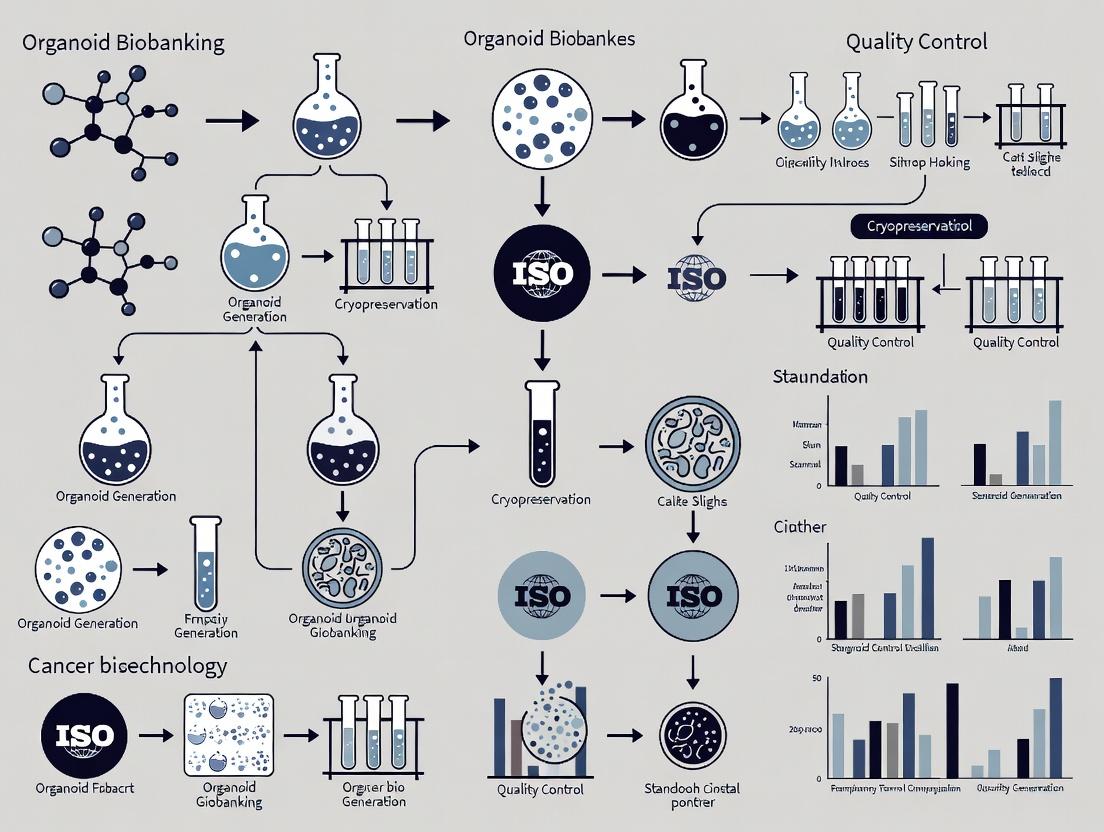
This comprehensive guide explores the critical role of ISO standards in establishing robust, reliable, and globally harmonized organoid biobanks.
The Ultimate Guide to ISO Standards for Organoid Biobanking: Ensuring Reproducibility, Quality, and Global Collaboration
Abstract
This comprehensive guide explores the critical role of ISO standards in establishing robust, reliable, and globally harmonized organoid biobanks. Targeted at researchers, scientists, and drug development professionals, it provides a foundational understanding of the ISO framework, detailed methodological guidance for implementation, practical troubleshooting advice, and insights into validation and comparative analysis. The article bridges the gap between cutting-edge organoid research and the standardized practices required for translation into drug discovery, personalized medicine, and regulatory applications, ensuring data integrity and fostering international collaboration.
Why ISO Standards Are the Bedrock of Modern Organoid Biobanking
The promise of organoids—self-organizing, three-dimensional in vitro models that recapitulate key aspects of organ structure and function—is threatened by a pervasive reproducibility crisis. High variability in protocols, materials, and characterization methods across laboratories leads to inconsistent data, hindering comparative analysis, clinical translation, and regulatory acceptance. This crisis underscores the urgent need for standardization, a core objective of the broader thesis on developing ISO standards for organoid biobanking research. This guide details technical strategies to achieve robust, reproducible organoid culture, framed within this standardization imperative.
Quantifying the Crisis: Key Variability Drivers
The following table summarizes primary sources of variability and their estimated impact on experimental outcomes.
Table 1: Key Sources of Variability in Organoid Research
| Variability Source | Example Factors | Reported Impact on Key Metrics (e.g., Morphology, Gene Expression) |
|---|---|---|
| Starting Material | Donor-to-donor genetic variation, tissue sourcing (biopsy vs. surgical resection), cell isolation method. | Coefficient of Variation (CV) in organoid size can exceed 40%; gene expression clusters by donor origin. |
| Matrix & Scaffold | Basement membrane extract (BME) lot variability, polymer concentration, mechanical properties. | Differences in budding efficiency (up to 30% deviation) and differentiation patterns between BME lots. |
| Culture Media | Growth factor source/concentration, small molecule timing, media supplement stability. | >50% variation in target cell type yield across labs using "the same" published protocol. |
| Passaging & Maintenance | Dissociation enzyme (e.g., Trypsin vs. Accutase), splitting ratio, interval. | Alters clonality and population heterogeneity; cumulative genetic drift over passages. |
| Characterization | Fixation method, antibody validation, imaging depth, analysis algorithm. | Qualitative scoring leads to low inter-rater reliability (<60% agreement). |
Standardized Experimental Protocol: Cerebral Organoid Generation
This protocol, designed for minimal lot-to-lot variability, is presented as a model for ISO-compliant methodology.
Title: Standardized Defined-Matrix Cerebral Organoid Generation Objective: To generate neural progenitor-containing cerebral organoids with minimal batch variation. Duration: 60+ days.
| Day | Process | Key Reagents & Specifications |
|---|---|---|
| -3 to 0 | hPSC Culture | Maintain feeder-free hPSCs in defined, xenofree conditions. Passage at 70-80% confluence using EDTA-based dissociation. |
| 0 | Embryoid Body (EB) Formation | Dissociate hPSCs to single cells. Plate 9,000 cells/well in 96-well ULA plate in Medium A (DMEM/F-12, 20% KSR, 50 µM Y-27632). Centrifuge at 300xg for 3 min to aggregate. |
| 1-5 | Neural Induction | Replace medium with Medium B (DMEM/F-12, 20% KSR, 10 µM SB431542, 1 µM Dorsomorphin). Full medium change every other day. |
| 6+ | Matrix Embedding & Neuroepithelial Expansion | Manually transfer individual EBs to 20 µL droplets of Synthetic Peptide Hydrogel (e.g., Corning PuraMatrix). Polymerize. Overlay with Medium C (Neurobasal, 1x B-27, 1x N-2, 20 ng/mL FGF-2). Change medium every 3 days. |
| 11+ | Maturation | Switch to Medium D (Neurobasal, 1x B-27, 1x N-2). On Day 20, transfer to orbital shaker in 6cm dish. Feed twice weekly. |
Signaling Pathways in Cerebral Organoid Patterning
A standardized protocol requires understanding of the manipulated pathways.
Diagram Title: Cerebral Organoid Patterning Pathways
Comprehensive Workflow for Standardized Organoid R&D
The entire lifecycle must be controlled for reproducibility.
Diagram Title: Standardized Organoid R&D Workflow
The Scientist's Toolkit: Essential Research Reagent Solutions
Standardization depends on consistent, well-characterized materials.
Table 2: Key Reagents for Standardized Organoid Research
| Reagent Category | Specific Example & Function | Standardization Purpose |
|---|---|---|
| Defined Matrix | Synthetic Peptide Hydrogel (e.g., Corning PuraMatrix): Defined, shear-thinning nanofiber scaffold. | Eliminates batch variability of BME/Matrigel, enables chemical modification. |
| Base Media | Commercial, Xenofree Neural Basal Medium (e.g., Thermo Fisher): Chemically defined, consistent nutrient and ion composition. | Provides reproducible foundational environment, lot-to-lot consistency. |
| Key Growth Factors | Recombinant Human FGF-2 (GMP-grade): Expands neural progenitor pools. | High purity and specific activity reduce concentration variability. |
| Small Molecule Inhibitors | SMAD Inhibitors (SB431542 & LDN-193189): Induce default neural fate. | Defined, synthetic molecules are more consistent than biological inhibitors (e.g., Noggin). |
| Cell Dissociation Reagent | Enzyme-Free, EDTA-Based Dissociation Buffer: Detaches cells without proteolytic degradation. | Gentler, more consistent than trypsin, preserving surface markers and cell health. |
| Viability Assay | Luminescence-based ATP Assay (e.g., CellTiter-Glo 3D): Penetrates organoids for 3D viability readout. | Quantitative, scalable alternative to error-prone manual counting or MTT. |
What is ISO? Demystifying the International Organization for Standardization for Scientists
The International Organization for Standardization (ISO) is an independent, non-governmental international organization that develops and publishes voluntary consensus-based standards. These standards provide specifications, guidelines, or characteristics for materials, products, processes, and services to ensure quality, safety, efficiency, and interoperability. For scientists, particularly in fields like biotechnology and drug development, ISO standards provide a critical framework for ensuring reproducibility, data integrity, and international collaboration.
In the context of organoid biobanking research—a cornerstone of personalized medicine, disease modeling, and drug discovery—ISO standards offer a structured pathway to harmonize complex procedures. They address everything from ethical procurement of starting materials to the long-term cryopreservation and distribution of these complex, self-organizing three-dimensional tissue cultures. This guide demystifies ISO's structure and directly applies its principles to the rigorous demands of organoid science.
ISO Structure and the Development Process for Scientific Standards
ISO's work is conducted through a network of technical committees (TCs), sub-committees (SCs), and working groups (WGs) composed of experts from its member bodies. Standards relevant to life sciences and biobanking primarily fall under:
- ISO/TC 276: Biotechnology.
- ISO/TC 212: Clinical laboratory testing and in vitro diagnostic test systems.
- ISO/TC 309: Governance of organizations.
The standard development process follows stages from proposal and preparatory stage through committee, enquiry, approval, to publication. For scientists, engaging with national member bodies (e.g., ANSI in the USA, BSI in the UK, DIN in Germany) is the entry point to contribute to this consensus-driven process.
Core ISO Standards for Biobanking and Their Application to Organoid Research
The following key standards form the bedrock of quality management in biobanking. Their application to organoid biobanks presents unique challenges due to the living, dynamic nature of organoids.
Table 1: Core ISO Standards for Biobanking & Organoid Research
| Standard Number | Title | Key Scope | Specific Application to Organoid Biobanking |
|---|---|---|---|
| ISO 20387:2018 | Biotechnology — Biobanking — General requirements for biobanking | Covers all activities related to biobanking, including collection, processing, storage, retrieval, and distribution of biological material and associated data. | Provides the overarching Quality Management System (QMS) framework for an organoid core facility. Mandates competency assessments for technicians handling complex 3D culture protocols. |
| ISO 9001:2015 | Quality management systems — Requirements | Sets out criteria for a QMS, focusing on customer satisfaction and continuous improvement. | Often integrated with ISO 20387. Ensures the organoid biobank's processes are consistent and that "customer" (e.g., research partner) needs for viable, well-characterized organoids are met. |
| ISO/IEC 17025:2017 | General requirements for the competence of testing and calibration laboratories | Specifies requirements for laboratory competence to carry out specific tests and calibrations, including sampling. | Critical for organoid biobanks that perform functional assays (e.g., drug screening, genomic analysis) as a service. Validates the accuracy and reliability of generated data. |
| ISO 15189:2022 | Medical laboratories — Requirements for quality and competence | Requirements for quality and competence in medical laboratories, linking closely to patient care. | Essential for organoid biobanks operating in a clinical or translational context, where results may inform patient-specific treatment strategies. |
| ISO 13022:2022 | Medical products containing viable cells — Application of risk management and requirements for processing practices | Specific requirements for handling therapeutic viable cells. | Provides a direct framework for the risk assessment and processing of organoids intended for advanced therapy medicinal products (ATMPs) or clinical applications. |
Experimental Protocols: Implementing ISO 20387 in Organoid Biobanking Workflows
Protocol: Standardized Receipt and Processing of Tissue for Organoid Generation (Annex to Quality Management System)
Objective: To establish a standardized, traceable procedure for the receipt and initial processing of human tissue samples for derivation of organoids, in compliance with ISO 20387 requirements for pre-analytical handling.
Materials: See "The Scientist's Toolkit" below. Method:
- Pre-Acquisition & Ethical Review: Prior to receipt, ensure documented ethical approval (IRB/EC) and informed donor consent are in place, aligned with ISO 20387 clause 6.1.
- Receipt & Verification:
- Upon arrival, verify sample container integrity and temperature of transport medium (recorded by data logger, if provided).
- Immediately cross-check donor/sample identifier against accompanying documentation (Chain of Custody form).
- Log the sample into the Biobank Information Management System (BIMS), assigning a unique, permanent biobank accession ID. Record any discrepancies.
- Initial Processing in Class II Biological Safety Cabinet:
- Aseptically transfer tissue to a sterile Petri dish.
- Wash tissue 3x in cold, antibiotic/antimycotic-containing wash buffer.
- Using sterile instruments, mechanically mince tissue into ~1-2 mm³ fragments.
- Proceed immediately to enzymatic digestion protocol (e.g., Collagenase/Dispase) or cryopreservation of primary tissue fragments as a backup.
- Recording: Document all steps, reagents (lot numbers), equipment used, and processing time intervals. Any deviation from this SOP must be recorded as a non-conformance and investigated per QMS procedures.
Protocol: Validation of Organoid Cryopreservation and Recovery
Objective: To validate a cryopreservation protocol ensuring post-thaw viability >70% and retention of key histological and functional characteristics, fulfilling ISO 20387 requirements for process validation.
Method:
- Experimental Design: Use a minimum of n=3 organoid lines per tissue type. Use a standardized batch of organoids at a defined growth stage (e.g., day 7-10 post-passage).
- Control Arm: Analyze fresh organoids for baseline metrics (viability, histology, gene expression).
- Cryopreservation Arm:
- Harvest organoids, embed in basement membrane extract (BME) droplets.
- Transfer to cryovials containing pre-cooled recovery medium + 10% DMSO.
- Use a controlled-rate freezer: -1°C/min to -80°C, then transfer to liquid nitrogen vapor phase for long-term storage (≥1 week).
- Thaw & Recovery:
- Rapid-thaw cryovial in 37°C water bath.
- Immediately dilute DMSO by adding pre-warmed medium dropwise.
- Pellet, wash, and re-embed organoids in fresh BME. Culture for 72h.
- Assessment Metrics (Quantitative Data Table):
Table 2: Organoid Cryopreservation Validation Metrics
| Metric | Method | Acceptance Criterion (ISO-Compliant) | Typical Result (Example Data) |
|---|---|---|---|
| Viability | Live/Dead assay (Calcein-AM/EthD-1) | >70% viable cells post-72h recovery | 78% ± 5% |
| Morphology | Bright-field imaging; H&E staining | Retention of >80% of organoid architecture (e.g., lumen formation, budding) | 85% of organoids show normal architecture |
| Phenotype Markers | Immunofluorescence (IF) | >90% positive cells for key lineage markers (e.g., EpCAM for epithelial organoids) | 92% EpCAM+ |
| Functional Output | ELISA for secreted factors (e.g., MUC2 for intestinal) | Secretion within 2 standard deviations of fresh control | 105% of control secretion |
| Genomic Stability | Short Tandem Repeat (STR) profiling | 100% match to parental line pre-cryo | 100% match |
| Microbiological Sterility | Mycoplasma PCR, culture assays | 0% contamination | No detection |
Visualizing ISO-Compliant Workflows and Biological Processes
Title: ISO 20387-Compliant Organoid Biobanking Workflow
Title: Core Signaling Pathways in Intestinal Organoid Culture
The Scientist's Toolkit: Key Reagents for ISO-Compliant Organoid Work
Table 3: Essential Research Reagent Solutions for Organoid Biobanking
| Item | Function in ISO-Compliant Research | Critical for Standardization |
|---|---|---|
| Basement Membrane Extract (BME/Matrigel) | Provides a 3D extracellular matrix scaffold for organoid growth and polarization. | High batch-to-batch variability requires validation of each lot for key assays. |
| Defined Organoid Culture Media | Chemically defined formulations (e.g., IntestiCult, STEMdiff) support specific organoid lineages with reduced variability. | Enables reproducibility across labs and over time, crucial for ISO 17025/15189 compliance. |
| Cell Recovery Solution | Used to dissolve BME for organoid passaging or harvesting without enzymatic damage. | Standardized dissociation is vital for consistent subculturing and downstream analysis. |
| Controlled-Rate Freezer | Ensures consistent, reproducible cooling rates during cryopreservation of organoid lines. | Validated equipment is mandatory for process consistency (ISO 20387 clause 7.1.3). |
| Viability Assay Kits (Live/Dead) | Quantify post-thaw viability to meet release criteria for distributed samples. | Provides quantitative, comparable data for validation protocols and QC. |
| Mycoplasma Detection Kit | Routine screening for microbial contamination in organoid cultures. | Essential for ensuring biological safety and quality of banked material (ISO 20387). |
| STR Profiling Kit | Authenticates organoid line identity and monitors genomic stability over passages. | Critical for traceability and preventing cross-contamination (ISO 20387: 8.4.1). |
For scientists in organoid research and drug development, ISO standards are not merely administrative hurdles but essential tools. They provide the structural framework to transform innovative but variable protocols into robust, reproducible, and internationally recognized scientific resources. Implementing a QMS based on ISO 20387, supported by the technical rigor of ISO 17025 or 15189, elevates an organoid biobank from a laboratory resource to a certified pillar of reproducible science. This facilitates data sharing, multi-center trials, and ultimately, the translation of organoid technology into reliable clinical and pharmaceutical applications. Embracing ISO is, therefore, a strategic investment in the credibility and impact of one's research.
Within the rapidly advancing field of organoid biobanking for research and therapeutic development, the implementation of robust, standardized quality management systems is paramount. ISO standards provide the foundational framework to ensure the reliability, reproducibility, and ethical integrity of biological materials and data. This whitepaper provides an in-depth technical overview of two pivotal ISO standards—ISO 20387 for biobanking and ISO 9001 for quality management—contextualized specifically for their application in organoid research.
ISO 20387: Biotechnology — Biobanking — General Requirements
ISO 20387:2018 specifies general requirements for the competence, impartiality, and consistent operation of biobanks. For organoid biobanks, this standard ensures that these complex, living cellular models are collected, processed, stored, and distributed under stringent, traceable conditions to preserve their biological fidelity for downstream applications.
Core Principles & Technical Requirements
The standard is built on several core principles, translated into specific technical and managerial requirements:
- Competence: Personnel must possess documented education, training, and skills relevant to organoid culture, characterization, and cryopreservation.
- Impartiality: The biobank must structure its operations to prevent commercial or academic conflicts of interest from affecting the quality of its biospecimens.
- Traceability: A documented chain of custody must be maintained for each organoid line from donor/procurement through all processing steps to distribution or destruction.
- Quality Control: Regular monitoring and technical validation must be performed to ensure the viability, identity, purity, and functionality of banked organoids.
Key Quantitative Requirements (Summarized)
The following table summarizes critical quantitative data points and parameters referenced within the ISO 20387 framework relevant to organoid biobanking.
Table 1: Key Quantitative Benchmarks for Organoid Biobanking (ISO 20387 Context)
| Parameter | Typical Benchmark / Requirement | Measurement Method / Standard |
|---|---|---|
| Post-thaw Viability | >70% (varies by organoid type) | Flow cytometry (PI/DAPI), ATP assays |
| Mycoplasma Testing | Negative (mandatory) | PCR-based or culture-based assays |
| Short Tandem Repeat (STR) Profiling | Match to donor/source tissue ≥80% | PCR & capillary electrophoresis |
| Temperature Monitoring (Liquid N₂) | Continuous logging; alarm at > -150°C | Calibrated thermal sensors |
| Sample Identity Accuracy | 100% (Zero tolerance for errors) | Barcode/RFID systems with parity checks |
| Data Integrity | ALCOA+ principles (Attributable, Legible, Contemporaneous, Original, Accurate) | Audit trails in LIMS systems |
Experimental Protocol: Validating Organoid Line Identity and Purity (ISO 20387-Compliant)
A core requirement for biobank accreditation is the validation of biospecimen identity and purity.
Protocol Title: STR Profiling and Mycoplasma Detection for Organoid Line Authentication.
- Sample Preparation: Harvest a representative portion of the organoid batch (≥10 organoids or a matched cell pellet). For the parental tissue/DNA source, use archived genomic DNA.
- DNA Extraction: Use a commercial silica-column or magnetic bead-based kit to extract high-molecular-weight DNA. Quantify using a fluorometric method (e.g., Qubit).
- Short Tandem Repeat (STR) Profiling:
- Amplify 16-24 core STR loci plus a sex chromosome marker using a commercial human identification kit (e.g., PowerPlex 16HS).
- Perform PCR in a thermal cycler according to manufacturer specifications.
- Analyze amplicons via capillary electrophoresis on a genetic analyzer.
- Analysis: Compare the generated STR profile to the donor tissue reference profile. A match at ≥80% of loci is typically required for authentication, with discrepancies investigated as potential cross-contamination.
- Mycoplasma Detection:
- Method A (PCR): Extract total nucleic acids from spent organoid culture medium. Perform PCR using a validated kit targeting conserved mycoplasma genomic regions (e.g., 16S rRNA). Include positive and negative controls.
- Method B (Culture): Inoculate spent medium into both liquid and solid mycoplasma-specific culture media. Incubate anaerobically for up to 28 days, checking weekly for characteristic "fried egg" colony formation.
- Documentation: Record all raw data, instrument outputs, and analysis reports. The results must be linked to the specific organoid batch in the Laboratory Information Management System (LIMS).
ISO 9001: Quality Management Systems — Requirements
ISO 9001:2015 provides a generic framework for establishing a Quality Management System (QMS) based on a process approach and risk-based thinking. Its integration is critical for organoid biobanks to manage all interrelated activities systematically, ensuring consistent quality and continuous improvement beyond the technical scope of ISO 20387.
The Process Approach & Plan-Do-Check-Act (PDCA) Cycle
The standard mandates a process-driven QMS, where each activity is managed as an interconnected process. This is operationalized through the PDCA cycle:
- Plan: Establish objectives, processes, and resources.
- Do: Implement the planned processes.
- Check: Monitor and measure processes against policies and objectives.
- Act: Take actions to improve performance.
Risk-Based Thinking
A pivotal element of ISO 9001:2015 is the proactive identification and mitigation of risks. For organoid biobanking, this includes risks like:
- Operational: Cross-contamination, equipment failure, loss of differentiation capacity.
- Scientific: Loss of genetic fidelity, phenotypic drift over passages.
- Data: Breach of donor confidentiality, loss of metadata integrity.
Integration of ISO 20387 within an ISO 9001 QMS
ISO 20387 can be viewed as a sector-specific application of the broader ISO 9001 QMS principles. The technical requirements of ISO 20387 (competence, validation, traceability) become the subject matter of the processes managed under the ISO 9001 framework (document control, management review, corrective action).
The Scientist's Toolkit: Key Research Reagent Solutions for Organoid Biobanking
Implementing ISO-compliant workflows requires standardized, high-quality materials. The table below details essential reagents and their functions in key organoid biobanking processes.
Table 2: Essential Reagents for ISO-Compliant Organoid Biobanking & QC
| Item / Reagent | Function / Application in Biobanking | Key Considerations for ISO Compliance |
|---|---|---|
| Defined Basal Matrix (e.g., Cultrex BME, Matrigel) | Provides a 3D extracellular scaffold for organoid growth and differentiation. | Lot-to-lot variability must be assessed; Certificate of Analysis (CoA) required for traceability. |
| Serum-Free, Defined Culture Medium | Supports proliferation and maintains lineage-specific differentiation without undefined components. | Formulation must be documented; all components must be traceable. Pre-screened for mycoplasma/endotoxins. |
| Cryopreservation Medium (e.g., with DMSO) | Allows long-term storage of organoids in liquid nitrogen. | Validated cooling rate protocol is critical. DMSO concentration and batch must be controlled. |
| Cell Dissociation Reagents (e.g., Accutase, TrypLE) | Gently dissociates organoids into single cells or small clusters for passaging or analysis. | Enzyme activity must be consistent; use of animal-origin-free reagents reduces contamination risk. |
| Viability Assay Kit (e.g., Calcein-AM/PI, CellTiter-Glo) | Quantifies live/dead cell ratio pre- and post-cryopreservation for QC release. | Assay must be validated for 3D organoid structures. Standard Operating Procedure (SOP) required. |
| Mycoplasma Detection Kit (PCR-based) | Routine screening for mycoplasma contamination in culture supernatants. | Must include positive and negative controls. Sensitivity should be ≤ 10 CFU/mL. |
| STR Profiling Kit (e.g., PowerPlex 16HS) | Genetic fingerprinting for authenticating organoid lines against donor tissue. | Kit must be validated for use with organoid-derived DNA. Analysis software must be standardized. |
| Barcoded Cryovials & LIMS | Ensures unambiguous sample identification and full chain-of-custody tracking. | Barcode must be resistant to liquid nitrogen temperatures. LIMS must have audit trail functionality. |
For organoid biobanking research aiming for regulatory acceptance and translational impact, a dual adherence to ISO 20387 and ISO 9001 is a strategic imperative. ISO 20387 provides the specific technical and ethical benchmarks for handling complex biological specimens, while ISO 9001 establishes the overarching management system for ensuring consistent quality, mitigating risks, and driving continual improvement. Together, they create a rigorous ecosystem that fosters trust in organoid-based data, facilitating their reliable use in drug discovery, disease modeling, and future regenerative medicine applications.
Within the paradigm of ISO standards for organoid biobanking research, the utility of an organoid collection is predicated on three interdependent pillars: Quality, Traceability, and Fitness-for-Purpose. This whitepaper establishes a technical framework for defining and implementing these principles to ensure organoid resources are reliable, reproducible, and suitable for their intended applications in basic research, drug discovery, and translational medicine.
The Triad of Foundational Principles
Quality: Defining and Measuring Biological Fidelity
Quality in organoid collections extends beyond the absence of contamination. It is a measure of biological fidelity—the extent to which an organoid recapitulates the structural, cellular, and functional properties of its tissue of origin.
Key Quality Attributes (QAs) and Quantitative Benchmarks: Recent literature and consortium guidelines (e.g., Hubrecht Organoid Technology, Human Cancer Models Initiative) provide measurable benchmarks for key QAs.
Table 1: Core Quality Attributes and Measurement Benchmarks for Organoids
| Quality Attribute | Measurement Technique | Target Benchmark / Acceptance Criterion | Relevant ISO Standard Context |
|---|---|---|---|
| Genomic Stability | Short Tandem Repeat (STR) profiling, Karyotyping, Whole Genome Sequencing | ≥80% STR match to donor source; No persistent karyotypic abnormalities beyond passage 10. | ISO 20387:2018 (General requirements for biobanking) - Clause 7.5.2 (Characteristics of biological material) |
| Phenotypic Fidelity | Immunohistochemistry (IHC) / Immunofluorescence (IF) | Expression of ≥3 key lineage-specific markers (e.g., EpCAM for epithelial, TUJ1 for neuronal) in >70% of cells. | ISO 20166-1:2018 (Formalin-fixed paraffin-embedded tissues) - For protocol standardization. |
| Functional Competence | Calcium flux assays (neuronal), Albumin ELISA (hepatic), Barrier integrity (TEER - intestinal). | Response to agonist >2x baseline; Secretion >5ng/mL/24h; TEER >200 Ω*cm². | ISO 20688-1:2021 (Biological characterization of nanoparticles) - Analogous for functional assay validation. |
| Microbiological Sterility | Mycoplasma PCR, Bacterial/Fungal culture. | Negative for mycoplasma and microbial growth in culture supernatants. | ISO 17025:2017 (Testing and calibration laboratories) - For assay competence. |
| Viability & Recovery | Trypan Blue exclusion, Post-thaw recovery assay. | Viability ≥85% pre-cryopreservation; ≥70% recovery 24h post-thaw. | ISO 21973:2020 (Transportation of cells) - For viability maintenance. |
Experimental Protocol: Assessment of Phenotypic Fidelity via Quantitative Immunofluorescence
- Fixation: Culture 3 representative organoids per line in Matrigel domes. Fix with 4% paraformaldehyde for 30 minutes at RT.
- Processing: Permeabilize with 0.5% Triton X-100 for 20 min. Block with 5% BSA/10% normal serum for 1 hour.
- Staining: Incubate with validated primary antibodies (e.g., anti-CDX2, anti-SOX2, anti-KRT20) overnight at 4°C. Use isotype controls.
- Detection: Apply fluorescently conjugated secondary antibodies and nuclear counterstain (DAPI) for 2 hours at RT.
- Imaging & Quantification: Acquire z-stacks using a confocal microscope. Use image analysis software (e.g., ImageJ, CellProfiler) to quantify the percentage of DAPI+ cells expressing each marker across ≥3 organoids. Calculate mean and standard deviation.
Traceability: The Chain of Custody and Data Integrity
Traceability is the documented, unbroken chain of identification, handling, and processing from donor tissue to experimental data. It is the backbone of reproducibility and aligns with ISO 20387 requirements for data management and pre-analytical variable recording.
Critical Tracking Elements:
- Donor Information: De-identified but linkable clinical metadata (age, diagnosis, treatment history).
- Provenance: Tissue acquisition details (date, method, anatomical location).
- Process History: Complete protocol log (dissociation reagents, matrix lot, media formulation, passage number, cryopreservation method).
- Lineage & Distribution: Record of all splits, aliquots, and transfers.
Mandatory Visualization: Organoid Biobanking Traceability Workflow
Diagram Title: Traceability Chain in Organoid Biobanking
Fitness-for-Purpose: Aligning Models with Research Questions
Fitness-for-Purpose is the principle that quality specifications must be defined relative to a specific application. A model fit for genetic screening may not suffice for pharmacokinetic studies.
Application-Driven QA Prioritization:
Table 2: Fitness-for-Purpose Criteria for Common Applications
| Research Application | Critical Quality Attributes | Optional / Less Critical Attributes | Example Validation Experiment |
|---|---|---|---|
| High-Throughput Drug Screening | Batch-to-batch viability consistency, Robust Z'-factor in assays, Absence of mycoplasma. | Complex multi-lineage differentiation, High-fidelity ultrastructure. | Dose-response curve to standard chemotherapeutics; Z' factor calculation using a positive control. |
| Developmental Biology | Precise temporal expression of stage-specific markers, Ability to recapitulate morphogenetic events. | Long-term genomic stability, Scalability. | Single-cell RNA-seq time-course to compare with in vivo developmental atlases. |
| Personalized Medicine / Co-Clinical Trials | Genomic concordance with patient tumor (mutations, CNVs), Short turnaround time, Drug response correlation in vivo. | Perfect histological architecture, Unlimited expansion. | Ex vivo drug testing comparing organoid IC50 to patient clinical response. |
| Host-Pathogen Interaction | Presence of relevant receptor populations, Functional secretion/absorption, Appropriate barrier function. | Full immune cell repertoire, Complete in vivo polarity. | Infection model with pathogen; qPCR measurement of pathogen load and host inflammatory cytokines. |
Mandatory Visualization: Fitness-for-Purpose Decision Pathway
Diagram Title: Selecting Organoids Based on Research Purpose
The Scientist's Toolkit: Essential Reagent Solutions
Table 3: Key Research Reagents for Organoid Quality Control and Protocol Standardization
| Reagent / Material | Primary Function | Critical for Which Principle? | Considerations for Standardization |
|---|---|---|---|
| Defined Basement Membrane Extract (BME) | Provides 3D scaffold for growth; contains signaling ligands. | Quality, Fitness-for-Purpose | Lot-to-lot variability is high. Use pre-qualified lots for critical studies; document lot number. |
| Tissue-Specific Media Formulations | Provides niche factors (e.g., Wnt, R-spondin, Noggin) for stem cell maintenance/differentiation. | Quality, Fitness-for-Purpose | Prefer commercial, defined formulations over conditioned media for traceability. |
| Validated Primary Antibody Panels | Characterization of phenotypic fidelity via IHC/IF. | Quality | Validate antibodies on known positive/negative controls; use same clones across studies. |
| Mycoplasma Detection Kit | Routine screening for contamination. | Quality, Traceability | Use PCR-based methods with sensitivity <10 CFU/mL. Test monthly and post-recovery from storage. |
| STR Profiling Kit | Confirms donor identity and monitors cross-contamination. | Traceability | Perform at banking, and at regular intervals during long-term culture (e.g., every 10 passages). |
| Controlled-Rate Freezer | Ensures consistent, viable cryopreservation. | Quality, Traceability | Use validated freezing profiles (-1°C/min). Calibrate regularly per ISO 21973 guidance. |
| Laboratory Information Management System (LIMS) | Digitally tracks sample provenance, processing, and storage. | Traceability | Must be customizable to log organoid-specific metadata and protocols (ISO 20387 compliance). |
| Reference Pharmacological Compounds | Positive/Negative controls for functional competence assays. | Fitness-for-Purpose | Use USP-grade or equivalent; prepare fresh stock solutions to avoid degradation. |
The integration of organoid biobanks into the drug discovery pipeline represents a paradigm shift in preclinical research. However, the translational power of this innovative model hinges on the reproducibility and standardization of organoid culture, characterization, and banking processes. This whitepaper articulates how adherence to specific ISO standards, particularly within the framework of biobanking (ISO 20387) and quality management (ISO 9001), provides the critical foundation that accelerates lead compound identification, validation, and clinical translation.
The Standardization Gap in Organoid Research
Organoid variability stemming from donor sourcing, differentiation protocols, and culture conditions remains a significant bottleneck. Data from recent literature highlight the impact of standardization:
Table 1: Impact of Protocol Variability on Organoid Assay Outcomes
| Experimental Parameter | Non-Standardized Coefficient of Variation (CV) | ISO-Compliant Standardized CV | Observed Impact on Drug Screen |
|---|---|---|---|
| Organoid Size (Diameter) | 35-50% | 10-15% | Z'-factor improved from 0.1 to >0.5 |
| Cell Composition (Marker % by Flow) | 40-60% | 15-25% | Target-specific response signal increased 3-fold |
| Metabolite Baseline (LC-MS) | >60% | <20% | Reliable detection of pathway modulation |
| RNA-seq Batch Effects | High (PCA clustering by batch) | Low (PCA clustering by phenotype) | Robust biomarker identification enabled |
Core ISO Frameworks and Experimental Implementation
ISO 20387: Biobanking – Ensuring Biological Relevance and Integrity
This standard provides requirements for competence, impartiality, and consistent operation of biobanks. For organoids, this translates to rigorous control over the pre-analytical phase.
Detailed Protocol: ISO-Compliant Organoid Biobanking for a High-Throughput Screen (HTS)
- Sample Acquisition & Informed Consent (Clause 8.2): All donor tissue is procured under IRB-approved protocols with traceable, auditable consent documentation (Donor ID → Biobank ID → Project ID).
- Processing & Preservation (Clause 8.4):
- Standard Operating Procedure (SOP): A single, validated SOP for tissue digestion (e.g., 2 mg/mL Collagenase IV, 37°C, 20 min) and initial plating in defined matrix (e.g., 15 µL dome of Cultrex Reduced Growth Factor BME).
- Control Materials: Include a reference donor cell line with each processing batch. Monitor viability (trypan blue exclusion >90%) and plating efficiency (target: 500 organoids/10,000 cells).
- Cryopreservation: At passage 3-5, harvest organoids of 200-300 µm diameter. Use a controlled-rate freezer for preservation in 90% FBS/10% DMSO. Record vial location in a LIMS (Laboratory Information Management System).
- Quality Control (Clause 8.6.2):
- Viability Post-Thaw: >70% by ATP-luminescence assay.
- Identity: Short tandem repeat (STR) profiling annually against donor sample.
- Phenotype Stability: Immunofluorescence (IF) panel (e.g., CDX2 for intestinal, TUJ1 for neuronal) on 5 random vials per lot. Must meet pre-defined positivity thresholds.
ISO 9001: Quality Management – Driving Reproducible Assay Development
The Plan-Do-Check-Act (PDCA) cycle of ISO 9001 is applied to the development of organoid-based functional assays.
Detailed Protocol: Implementing a Qualified Organoid Viability/Growth Assay
- Plan (Establishing Objectives): Define the assay's purpose: "To quantify the dose-dependent anti-proliferative effect of compound libraries on colorectal cancer organoids." Determine acceptance criteria: Z' factor >0.4, signal-to-background >3.
- Do (Development & Execution):
- Material Standardization: Use a single lot of BME, growth factor-reduced media, and ATP-based viability reagent for the entire study.
- Workflow: Plate 10-15 size-selected organoids (50-150 µm) per well in 384-well format. At 96h post-treatment, add viability reagent, lyse organoids, and measure luminescence.
- Data Capture: Raw luminescence values are automatically uploaded to the LIMS, linked to the specific organoid biobank lot and compound plate barcode.
- Check (Monitoring & Measurement): Review control well CVs weekly. Perform a formal "assay qualification" run monthly using a reference inhibitor (e.g., Staurosporine) to confirm IC50 falls within the historical control range (e.g., 0.5 - 1.5 µM).
- Act (Improvement): If CVs drift outside limits, initiate a root-cause analysis (e.g., new BME lot, incubator humidity). Update SOPs based on findings.
Signaling Pathway Analysis in a Standardized Framework
ISO-compliant biobanking ensures that observed pathway modulation is due to the experimental intervention, not underlying biological noise.
Title: ISO-Controlled Organoid Assay Reveals Clear EGFR-PI3K-Akt-mTOR Pathway Modulation
The Scientist's Toolkit: Key Research Reagent Solutions
Table 2: Essential Materials for ISO-Compliant Organoid Drug Screening
| Item | Function & ISO Relevance | Example Product(s) |
|---|---|---|
| Defined Extracellular Matrix | Provides standardized 3D scaffold for growth. Lot-to-lot consistency is critical for reproducibility. | Cultrex UltiMatrix BME, Geltrex, synthetic PEG-based hydrogels. |
| Panel of Validated Antibodies | For QC phenotyping (identity) and target engagement assessment. Requires validation records. | IF-validated anti-Ki67 (proliferation), anti-cleaved Caspase-3 (apoptosis), lineage-specific markers. |
| Reference/Control Compounds | For assay qualification (viability control) and pathway modulation verification. | Staurosporine (cytotoxicity), Pathway-specific agonists/inhibitors (e.g., EGF, LY294002). |
| ATP-Based Viability Assay | Luminescent endpoint for HTS. Requires high signal-to-background and low well-to-well variability. | CellTiter-Glo 3D. |
| LIMS (Laboratory Information Management System) | Digital backbone for traceability. Links donor data, protocol versions, raw data, and results. | LabVantage, BaseSpace, or custom-built solutions. |
| Annotated Master Cell Bank | ISO 20387 core requirement. Provides a renewable, characterized reference standard for all experiments. | In-house derived reference organoid line from common source (e.g., cell line). |
Accelerated Translation to Clinical Trials
The strategic value of ISO compliance culminates in de-risking the translational pathway. Regulators require evidence of assay robustness and sample integrity. Data packages generated from ISO-compliant organoid platforms provide:
- Robust Biomarker Identification: Reduced noise enables detection of predictive genomic or proteomic signatures.
- Patient Stratification Hypotheses: Biobanks with associated clinical data can be used to identify organoid sub-types with differential drug response.
- Strong Investigational New Drug (IND) Enabling Data: Documented, auditable processes satisfy requirements for non-clinical study reports, supporting trial design and patient selection.
In conclusion, the integration of ISO 20387 and ISO 9001 principles into organoid biobanking and assay development is not an administrative burden but a catalytic strategy. It transforms organoids from exploratory research tools into reliable, reproducible engines for target discovery, lead optimization, and the generation of compelling evidence for clinical translation.
Within the framework of advancing ISO standards for organoid biobanking research, the establishment of standardized, high-quality organoid banks has become a critical international endeavor. These banks are essential for providing reproducible, physiologically relevant human tissue models for biomedical research, drug discovery, and personalized medicine. This whitepaper details the current global adoption, major initiatives, and the technical protocols underpinning standardized organoid banking.
Global Adoption and Major Initiatives
The following table summarizes key international initiatives and their contributions to standardized organoid biobanking.
Table 1: Major Global Organoid Banking Initiatives
| Initiative / Consortium | Lead Region/Country | Primary Focus | Key Standardization Output |
|---|---|---|---|
| Human Organoid Atlas (HOA) | EU (LifeTime Initiative) | Creating a comprehensive atlas of human organoids. | Standardized protocols for generation, multi-omics characterization, and data integration. |
| Hubrecht Organoid Technology (HUB) | Netherlands | Banking of patient-derived tumor and healthy organoids. | Certified SOPs for culturing, biobanking, and quality control (QC); HUB Organoids are ISO 9001 certified. |
| Stem Cell Project - NIBIOHN | Japan | Banking and distributing clinical-grade iPS cell-derived organoids. | Guidelines for GMP-compliant differentiation and batch-to-batch consistency. |
| Cancer Moonshot / PDMR | USA (NCI) | Developing Patient-Derived Models (PDMs), including organoids. | Standardized workflows for model development, annotation, and distribution. |
| Human Biomaterials Resource Center (HBRC) | UK | Biobanking of human tissues and derived models. | Implementing ISBER best practices and developing organoid-specific QC benchmarks. |
Table 2: Quantitative Metrics in Published Organoid Bank Studies (Representative)
| Study / Bank Type | Number of Lines Banked | Long-Term Viability (Cryopreserved) | Key QC Metric (e.g., Genetic Stability) |
|---|---|---|---|
| Colorectal Cancer Organoid Biobank (van de Wetering et al.) | > 20 lines | > 80% recovery at 1 year | STR profiling match to origin (>95%), Genomic stability over 10 passages (SNV concordance >98%). |
| Cerebral Organoid Bank for Disease Modeling | 50+ iPSC lines | 70-90% recovery at 6 months | Pluripotency marker loss confirmation (PCR, >99% efficiency), Batch transcriptomic correlation (R² > 0.95). |
| Healthy Epithelial Organoid Biobank | Multiple tissues (intestine, liver, pancreas) | > 85% recovery at 2 years | Mycoplasma testing (100% negative), Secretion of tissue-specific markers (ELISA, consistent across thaw cycles). |
Core Experimental Protocols for Standardized Biobanking
Protocol 1: Establishment and Expansion of Patient-Derived Organoids (PDOs)
Primary Tissue Digestion and Culture Initiation:
- Tissue Processing: Mince fresh tissue (1-3 mm³) in cold advanced DMEM/F12. Digest using 2 mg/mL collagenase/dispase (or tissue-specific enzyme cocktail) for 30-60 minutes at 37°C with agitation.
- Cell Isolation: Filter suspension through 100μm then 40μm cell strainers. Pellet cells at 300-500 x g for 5 minutes.
- Matrix Embedding: Resuspend pellet in Cultrex Reduced Growth Factor Basement Membrane Extract (BME) or Matrigel. Plate 10-50 μL droplets (containing ~500-5000 cells) in pre-warmed tissue culture plates. Polymerize for 20-45 minutes at 37°C.
- Culture Maintenance: Overlay with complete organoid growth medium (e.g., IntestiCult for intestine, specific growth factor cocktails for other tissues). Replace medium every 2-3 days.
- Passaging: Mechanically and enzymatically disrupt organoids (TrypLE for 5-15 min) to single cells or small clusters every 7-14 days. Re-embed in fresh BME.
Protocol 2: Quality Control and Characterization for Biobanking
A multi-parameter QC pipeline is mandatory prior to banking.
- Viability and Growth Kinetics: Assess using bright-field imaging and metabolic assays (e.g., CellTiter-Glo 3D) over multiple passages. Document population doubling time.
- Identity and Genetic Fidelity:
- Perform Short Tandem Repeat (STR) profiling and compare to primary tissue source DNA.
- Conduct targeted or whole-exome sequencing to confirm retention of key driver mutations (for tumor organoids) and monitor for culture-acquired genomic aberrations.
- Phenotypic Characterization:
- Immunofluorescence: Fix organoids in 4% PFA, embed in paraffin or OCT for sectioning. Stain for tissue-specific markers (e.g., EpCAM for epithelium, Cadherin 17 for intestine, β-III-tubulin for neurons).
- Functional Assays: Perform drug screens or stimulated secretion assays (e.g., insulin for islet organoids) to confirm physiological response.
Protocol 3: Cryopreservation and Thawing of Organoids
Freezing Protocol:
- Harvest organoids, dissociate to small clusters (<100μm).
- Resuspend in chilled cryopreservation medium (e.g., 90% FBS + 10% DMSO or commercial serum-free freeze media like CryoStor CS10).
- Aliquot 1 mL into cryovials. Use a controlled-rate freezer (cool at -1°C/min to -80°C) before transfer to liquid nitrogen vapor phase for long-term storage. Thawing and Recovery Protocol:
- Rapidly thaw cryovial in a 37°C water bath.
- Immediately transfer cell suspension to 10 mL of warm recovery medium.
- Pellet gently (300 x g, 5 min), wash once to remove DMSO.
- Resuspend in BME and plate as per Protocol 1, Step 3. Assess recovery and outgrowth after 5-7 days.
Visualizing the Standardized Organoid Biobanking Workflow
Title: Standard Organoid Biobanking and QC Workflow
The Scientist's Toolkit: Key Research Reagent Solutions
Table 3: Essential Materials for Standardized Organoid Culture and Banking
| Reagent / Material | Function & Rationale |
|---|---|
| Basement Membrane Extract (BME, Matrigel) | Provides a 3D extracellular matrix scaffold mimicking the in vivo basement membrane, essential for polarized growth and crypt formation. |
| Advanced DMEM/F12 Medium | Base medium optimized for low background, supporting a wide range of epithelial organoid types with reduced serum requirements. |
| Recombinant Growth Factors (EGF, Noggin, R-spondin, Wnt3a) | Critical niche factors that maintain stemness, promote proliferation, and inhibit differentiation in many epithelial organoid cultures. |
| ROCK Inhibitor (Y-27632) | A pro-survival small molecule added during passaging and thawing to inhibit apoptosis in dissociated single cells. |
| Enzymatic Dissociation Reagent (TrypLE, Accutase) | Gentle, stable enzymes for dissociating organoids into clusters or single cells for passaging or analysis, preserving viability. |
| Serum-Free Cryopreservation Medium (e.g., CryoStor) | Chemically defined, xeno-free formulation designed to maximize post-thaw viability and function while minimizing lot-to-lot variability. |
| Liquid Recovery Assay (e.g., CellTiter-Glo 3D) | Luminescent assay quantifying ATP, providing a sensitive metric for viable cell mass in 3D cultures for QC and growth assessment. |
The global movement toward standardized organoid banking, framed within the pursuit of rigorous ISO standards, is establishing a new paradigm for reliable and reproducible biomedical research. The convergence of detailed SOPs, comprehensive QC pipelines, and major international consortia is critical for transforming organoid technology from a specialized tool into a robust, universally accessible resource for understanding human biology and disease.
Implementing ISO Standards: A Step-by-Step Guide for Your Organoid Biobank
In the rapidly evolving field of organoid biobanking for research and therapeutic applications, reproducibility and reliability are paramount. A robust Quality Management System (QMS) is not an administrative burden but a foundational scientific tool. Framed within the broader thesis of implementing ISO standards (specifically ISO 20387:2018 for Biobanking and ISO 9001:2015 for Quality Management Systems), this guide details the core components of a QMS: its documentation hierarchy, Standard Operating Procedures (SOPs), and control procedures. For researchers and drug development professionals, this system ensures that every organoid line—a complex, patient-derived 3D micro-tissue—is a consistently high-quality, well-characterized, and ethically sourced resource for disease modeling, drug screening, and regenerative medicine.
The QMS Documentation Hierarchy
A compliant QMS is built on a structured documentation pyramid. Each level provides specific guidance and traceability.
Table 1: QMS Documentation Hierarchy for an ISO-Compliant Organoid Biobank
| Level | Document Type | Purpose & Content | Example in Organoid Biobanking |
|---|---|---|---|
| Level 1 | Quality Manual | Top-tier document stating the biobank's quality policy, objectives, and scope. It outlines the QMS structure and commitment to ISO standards. | "Quality Manual for the XYZ Center for Organoid Research," referencing ISO 20387 and 9001. |
| Level 2 | Standard Operating Procedures (SOPs) | Documents describing how to perform core activities to ensure consistency and quality. They define responsibilities, materials, and steps. | SOP-001: "Derivation of Intestinal Organoids from Human Biopsy Tissue." |
| Level 3 | Work Instructions & Forms | Detailed, task-specific instructions, checklists, and templates for data recording. These support the SOPs. | WI-001: "Daily Microscope Calibration Checklist"; Form-005: "Donor Consent Verification Form." |
| Level 4 | Records | Objective evidence of activities performed. These are the outputs—filled forms, datasheets, calibration logs. | Signed consent form, QC data sheet for organoid viability (e.g., 92% viability via CellTiter-Glo), freezer temperature log. |
Diagram 1: The QMS Documentation Hierarchy Pyramid.
Developing Effective Standard Operating Procedures (SOPs)
An SOP must be clear, unambiguous, and followed by all personnel. The following methodology is critical for key processes like organoid derivation and quality control.
Experimental Protocol: Organoid Viability and QC Assessment via ATP-based Luminescence
- Objective: To quantify the viability of cryopreserved organoids post-thaw as a critical quality attribute (CQA).
- Principle: The assay detects ATP, present in all metabolically active cells, generating a luminescent signal proportional to viability.
- Materials: See "The Scientist's Toolkit" below.
- Methodology:
- Sample Preparation: Thaw a vial of cryopreserved intestinal organoids per SOP-010. Centrifuge at 300 x g for 5 min. Wash with 1x PBS.
- Organoid Dissociation: Aspirate PBS. Add 500 µL of Gentle Cell Dissociation Reagent. Incubate at 37°C for 5-10 min. Triturate gently to achieve a single-cell/small-cluster suspension.
- Cell Seeding: Count cells using an automated counter. Seed 5,000 cells per well in a white-walled, clear-bottom 96-well plate in 100 µL of complete IntestiCult organoid growth medium. Include a negative control well (medium only).
- Incubation & Assay: Culture plate for 72 hours at 37°C, 5% CO2. Equilibrate CellTiter-Glo 3D reagent to room temperature for 30 min. Add 100 µL of reagent directly to each well.
- Measurement & Analysis: Shake plate on an orbital shaker for 5 min to induce cell lysis. Incubate at room temperature for 25 min to stabilize signal. Measure luminescence on a plate reader. Calculate relative viability (%) compared to a healthy control batch.
Diagram 2: Post-Thaw Organoid Viability QC Workflow.
Implementing Control Procedures
Control procedures are the checks and balances that ensure the QMS functions correctly.
Table 2: Essential Control Procedures for Organoid Biobanking
| Control Category | Procedure | Frequency | Acceptance Criterion (Example) | Corrective Action |
|---|---|---|---|---|
| Equipment | Liquid Nitrogen Storage Monitoring | Continuous | Temperature < -150°C | Alarm triggers; transfer samples to backup dewar. |
| Process | Sterility Testing of Media | Per batch | 0 CFU after 14-day incubation | Quarantine and discard failed batch. |
| Material | Cell Line Authentication | At establishment and pre-distribution | STR profile match >85% to donor source. | Flag line for investigation; do not distribute. |
| Personnel | SOP Training & Competency Assessment | Before task assignment & annually | 100% on written test & practical demonstration. | Retrain until competency is demonstrated. |
| Output | Organoid Viability QC (Post-Thaw) | Per cryovial batch | Mean viability ≥ 70% (batch-specific target). | Investigate thaw process; reject batch if out-of-spec. |
The Scientist's Toolkit: Key Research Reagent Solutions
Table 3: Essential Materials for Organoid Biobanking QC Experiments
| Item / Reagent | Function & Role in QMS | Example Product / Specification |
|---|---|---|
| Gentle Cell Dissociation Reagent | Generates single-cell/small-cluster suspensions from 3D organoids for accurate seeding in QC assays, ensuring reproducibility. | Gibco Gentle Cell Dissociation Reagent, or similar enzyme-free buffers. |
| ATP-based Viability Assay Kit | Provides a quantitative, sensitive, and standardized measure of metabolically active cells (viability), a key Critical Quality Attribute (CQA). | Promega CellTiter-Glo 3D Cell Viability Assay. |
| Defined Organoid Growth Medium | Ensures consistent and reproducible organoid culture conditions, minimizing batch-to-batch variability. Essential for SOP compliance. | STEMCELL Technologies IntestiCult Organoid Growth Medium, or equivalent. |
| Mycoplasma Detection Kit | Critical for routine sterility and contamination control testing, safeguarding the biobank's collection. | PCR-based detection kits (e.g., Lonza MycoAlert). |
| Automated Cell Counter | Provides objective, reproducible cell counts for standardizing seeding densities in experiments and QC protocols. | Countess 3 Automated Cell Counter or equivalent with trypan blue exclusion. |
| Controlled-Rate Freezer | Enables standardized, reproducible cryopreservation workflows (SOPs), a vital step for long-term biobanking viability. | CryoMed Controlled-Rate Freezer, programmed with a validated cooling curve (e.g., -1°C/min to -80°C). |
Integration with ISO Standards: A Pathway to Credibility
Building this QMS directly supports conformity with ISO 20387, which mandates competence, impartiality, and consistent operation. Each document and control procedure maps to a clause of the standard—from addressing ethical requirements (donor consent forms as Level 4 records) to ensuring technical competence (training SOPs and records). For drug development professionals utilizing these biobanked organoids, this ISO-aligned QMS provides the assurance of data integrity and sample traceability, reducing regulatory risk in preclinical research. Ultimately, a meticulously built QMS transforms an organoid collection from a research asset into a credible, globally recognized biobank.
Within the framework of a broader thesis on ISO standards for organoid biobanking research, the foundational pillars are unequivocally donor consent and ethical tissue sourcing. As organoids—three-dimensional, self-organizing in vitro tissue models—become indispensable for disease modeling, drug screening, and personalized medicine, the biological starting material gains profound ethical significance. Adherence to international standards, primarily the ISO 20387:2018 Biotechnology — Biobanking — General requirements for biobanking and complementary ethical guidelines, is non-negotiable for ensuring research integrity, reproducibility, and public trust. This guide details the technical and procedural alignment required to transform ethical principles into actionable, ISO-compliant biobanking protocols.
Core ISO and Ethical Framework: A Comparative Analysis
The ethical sourcing of tissues for organoid derivation is governed by a synergistic interplay between ISO standards, which provide the quality management system (QMS) framework, and ethical guidelines, which define the substantive principles. Key documents include:
Table 1: Core Standards and Guidelines for Ethical Organoid Biobanking
| Document | Scope & Focus | Key Relevance to Donor Consent & Sourcing |
|---|---|---|
| ISO 20387:2018 | General requirements for competence, impartiality, and consistent operation of biobanks. | Mandates documented procedures for donor consent, ethical approval, and traceability (chain of custody). Establishes the QMS for ethical compliance. |
| Declaration of Helsinki | Ethical principles for medical research involving human subjects. | Foundation for informed, voluntary, and understandable consent. Emphasizes donor welfare and right to withdraw. |
| CIOMS Guidelines | International ethical guidelines for health-related research. | Provides detailed frameworks for broad consent, use in future research, and community engagement. |
| GDPR (EU) | General Data Protection Regulation. | Governs processing of personal and genetic data. Requires explicit consent for data use, right to erasure, and data protection by design. |
Quantitative Landscape: Consent Practices and Donor Perspectives
Recent data illuminates current practices and donor attitudes, underscoring the need for standardized protocols.
Table 2: Key Data on Donor Consent in Biobanking Research
| Metric | Recent Finding (2022-2024) | Implication for Organoid Biobanking |
|---|---|---|
| Donor Preference for Consent Type | ~65-70% of participants prefer broad consent for future research; ~20-25% prefer study-specific consent. | Supports implementing tiered or broad consent models, with clear donor opt-in/out options. |
| Withdrawal Rate | Less than 1% of donors actively withdraw consent post-donation in well-structured biobanks. | Highlights importance of clear initial communication and accessible withdrawal mechanisms. |
| Comprehension Gap | Up to 30% of participants may not fully understand the scope of research under "broad consent." | Necessitates enhanced informational materials (e.g., multimedia aids, interactive Q&A) during consent. |
| Ethical Approval Time | Median time for full ethical review of a new biobanking protocol ranges from 45 to 90 days. | Critical path item for project planning; underscores value of pre-approved, master biobank protocols. |
Experimental Protocol: Implementing an ISO-Compliant Consent and Sourcing Workflow
Protocol Title: Standard Operating Procedure (SOP) for Ethical Tissue Acquisition and Informed Consent for Organoid Biobanking
I. Pre-Acquisition Phase
- Ethical & Legal Review: Submit detailed protocol to Institutional Review Board (IRB) or Research Ethics Committee (REC). The protocol must include:
- Consent form template.
- Donor information sheet (in lay language, multiple formats).
- Data management and privacy plan (GDPR/regional compliance).
- Material Transfer Agreement (MTA) templates.
- Sourcing Agreement: Establish a formal agreement with the tissue source (e.g., surgical department, clinic). Define roles, responsibilities, and audit rights per ISO 20387 requirements.
II. Donor Interaction & Consent Process
- Identification of Potential Donor: Clinician identifies eligible donor (e.g., patient undergoing resection with excess tissue not required for diagnostics).
- Information Provision: A trained consent officer provides the donor with the information sheet and explains:
- Purpose of biobanking and organoid research.
- Voluntary nature and right to refuse/withdraw without prejudice.
- Types of data generated (genetic, phenotypic).
- Potential commercial applications and benefit-sharing policy.
- Anonymization/pseudonymization procedures.
- Duration of storage and future use scope.
- Consent Documentation: After a mandatory reflection period, signed consent is obtained. The form must have separate checkboxes for:
- Use of tissue for organoid generation.
- Use of associated clinical data.
- Use for future, unspecified research projects.
- Re-contact for additional information or future studies.
- Documentation & Traceability: The signed consent form is scanned into the Biobank Information Management System (BIMS). A unique, pseudonymized Donor ID is generated and linked irreversibly to the sample.
III. Tissue Procurement & Initial Processing
- Collection: Surgeon places excess tissue in a pre-labeled, sterile container with appropriate transport medium (see Scientist's Toolkit).
- Transport: Container is transported to the biobank lab under defined conditions (e.g., 4°C, within 1 hour) with a chain-of-custody form.
- Receipt & Qualification: Biobank technician verifies donor ID, consent status, and tissue integrity. Records all data in BIMS. Any discrepancy triggers a non-conformance event per ISO QMS.
Diagram 1: ISO-Compliant Ethical Sourcing Workflow (100 chars)
Key Signaling Pathways in Organoid Ethics and Governance
The ethical framework governing organoid biobanking can be modeled as a regulatory signaling network where external guidelines activate internal biobank processes.
Diagram 2: Ethical Governance Signaling Pathway (97 chars)
The Scientist's Toolkit: Essential Reagents & Materials for Ethical Sourcing
Table 3: Research Reagent Solutions for Ethical Tissue Procurement & Processing
| Item | Function in Ethical Sourcing Protocol |
|---|---|
| Informed Consent Forms (ICF) & Info Sheets | Document donor authorization. Must be version-controlled per ISO 20387. |
| Biobank Information Management System (BIMS) | Software for tracking consent status, sample lineage, and data, ensuring audit trail and donor privacy. |
| Pseudonymization Coding System | Generates unique donor IDs to de-identify samples, linking data only via a secure key. |
| Sterile Transport Medium | Preserves tissue viability during transfer from clinic to lab (e.g., Hypothermosol or advanced DMEM/F12). |
| Chain-of-Custody Forms | Paper or electronic logs documenting every handler of the sample from donor to biobank. |
| IRB-Approved Protocol Database | Central repository for all approved study and consent documents, accessible for audit. |
For organoid biobanking research to advance with legitimacy and social license, technical excellence must be built upon an unwavering ethical foundation. Aligning donor consent and tissue sourcing with ISO 20387 and international ethical guidelines is not an administrative burden but a critical scientific and quality imperative. The integrated protocols, data management, and governance pathways detailed herein provide a actionable blueprint for researchers and biobank operators to achieve this alignment, ensuring that the remarkable potential of organoid technology is realized responsibly.
Standard Operating Procedures (SOPs) for Organoid Generation, Expansion, and Quality Control
1. Introduction and Context Within the framework of ISO standards for biobanking research (e.g., ISO 20387:2018, ISO 20184-1:2018), the establishment of standardized, reproducible, and quality-controlled protocols for organoid culture is paramount. This SOP document outlines the core technical procedures for the generation, expansion, and quality control of epithelial organoids, intended to ensure batch-to-batch consistency, traceability, and fitness-for-purpose in downstream applications such as drug screening and disease modeling.
2. Research Reagent Solutions: Essential Materials Table 1: Key Reagents for Organoid Culture and QC
| Reagent/Material | Function | Example/Notes |
|---|---|---|
| Basement Membrane Extract (BME) | Provides a 3D scaffold mimicking the extracellular matrix; essential for polarity and structure. | Cultrex Reduced Growth Factor BME, Matrigel. Lot-to-lot variability necessitates QC. |
| Advanced Culture Medium | Base nutrient medium (e.g., DMEM/F12) without confounding growth factors. | |
| Recombinant Growth Factors | Key signaling pathway agonists for stem cell maintenance and differentiation. | R-spondin 1 (WNT enhancer), Noggin (BMP inhibitor), EGF (Epithelial growth factor). |
| WNT Pathway Agonist | Critical for stem/progenitor cell proliferation. | Recombinant WNT-3a or small molecule CHIR99021 (GSK-3β inhibitor). |
| NICHE Factors | Supports growth of specific organoid types. | Gastrin (gastric), FGF10 (lung), Prostaglandin E2 (intestinal). |
| Y-27632 (ROCK inhibitor) | Inhibits anoikis; improves viability of dissociated single cells. | Used during passaging and thawing. |
| Triton X-100 / Saponin | Detergent for permeabilization in immunofluorescence (IF). | Enables antibody entry for intracellular targets. |
| DAPI or Hoechst | Nuclear counterstain for imaging and QC. | Quantifies cell number and nuclear morphology. |
| Propidium Iodide (PI) | Viability dye for flow cytometry QC. | Distinguishes live (PI-) from dead (PI+) cells. |
3. Experimental Protocols
3.1 Protocol: Generation of Human Intestinal Organoids from Biopsy Objective: To establish a primary 3D organoid line from a human intestinal tissue biopsy. Materials: Human intestinal crypts or biopsy, Advanced DMEM/F12, Complete Intestinal Organoid Growth Medium (see Table 2), BME, 24-well plate. Procedure:
- Tissue Processing: Wash biopsy in cold Advanced DMEM/F12. Dissociate tissue mechanically and enzymatically (e.g., 2 mM EDTA for 30 min at 4°C) to isolate crypts.
- Crypt Embedding: Pellet crypt fragments. Resuspend in 100% BME on ice (~50 crypts/μL BME). Plate 20-30 μL domes in pre-warmed 24-well plate. Polymerize for 20-30 min at 37°C.
- Media Overlay: Carefully add 500 μL of pre-warmed Complete Intestinal Organoid Growth Medium per well.
- Culture Maintenance: Incubate at 37°C, 5% CO2. Refresh medium every 2-3 days. First budding structures appear in 2-5 days.
- Passaging (every 7-10 days): Remove medium, mechanically disrupt BME dome, and recover organoids. Dissociate into small fragments or single cells using TrypLE (5-10 min, 37°C). Pellet, resuspend in BME, and replate as above. Include 10 μM Y-27632 in medium for the first 48h post-passage.
3.2 Protocol: Quantitative Organoid Bursting Assay for Differentiation QC Objective: To quantify differentiation efficiency by measuring the percentage of organoids exhibiting cyst-like "budded" morphology. Materials: 7-day old organoids, 4% Paraformaldehyde (PFA), PBS, Imaging microscope. Procedure:
- Fixation: Harvest organoids, remove medium, and fix with 4% PFA for 30 min at RT.
- Imaging: Transfer a representative aliquot to a glass-bottom dish. Image at least 50 organoids per condition using a 10x objective.
- Quantification: Score each organoid as "budded" (differentiated, cystic with multiple lumina) or "unbudded" (spherical, dense). Calculate: % Budded = (Number of budded organoids / Total organoids scored) x 100. A successful differentiation batch should exceed 60% budded structures.
4. Data Presentation: Culture Media Formulations Table 2: Standardized Media Compositions for Key Organoid Types
| Component | Human Intestinal | Human Cerebral | Human Hepatic |
|---|---|---|---|
| Base Medium | Advanced DMEM/F12 | DMEM/F12, Neurobasal (1:1) | Advanced DMEM/F12 |
| BMP Inhibitor | Noggin (100 ng/mL) | - | A-83-01 (0.5 μM) |
| WNT Agonist | R-spondin (500 ng/mL) | CHIR99021 (3 μM) | - |
| EGF | 50 ng/mL | - | 50 ng/mL |
| FGF | - | bFGF (10 ng/mL) | FGF10 (100 ng/mL) |
| Other Critical Factors | N-Acetylcysteine (1 mM), Gastrin (10 nM) | N2 & B27 Supplements | HGF (50 ng/mL), Dexamethasone (10 μM) |
| Typical Split Ratio | 1:4 to 1:8 weekly | 1:3 to 1:6 every 10-14d | 1:3 to 1:5 every 10d |
| Key QC Marker (IF) | KRT20 (differentiated), OLFM4 (stem) | PAX6 (progenitor), MAP2 (neurons) | Albumin (hepatocytes), CYP3A4 (function) |
5. Visualization of Core Signaling Pathways and Workflows
This whitepaper, framed within the context of advancing ISO standards for organoid biobanking research, details technical protocols for cryopreservation and storage to ensure long-term viability. The application of International Organization for Standardization (ISO) standards, particularly ISO 20387:2018 (Biobanking), is critical for ensuring the quality, reproducibility, and traceability of biospecimens, including complex 3D organoid models used in drug development and translational research.
Key ISO Standards and Requirements
Adherence to ISO standards establishes a Quality Management System (QMS) for biobanking. The following table summarizes core ISO standards and their quantitative requirements relevant to cryopreservation.
Table 1: Key ISO Standards and Quantitative Requirements for Biobanking
| ISO Standard | Title | Core Requirement | Quantitative/Technical Specification |
|---|---|---|---|
| ISO 20387:2018 | Biotechnology — Biobanking — General requirements for biobanking | Establishes competence, impartiality, and consistent operation of biobanks. | Requires documented procedures for all processes, including collection, processing, preservation, storage, and distribution. |
| ISO 9001:2015 | Quality management systems — Requirements | Provides framework for QMS focusing on customer satisfaction and continuous improvement. | Mandates risk-based thinking and process approach. |
| ISO/IEC 17025:2017 | General requirements for the competence of testing and calibration laboratories | For biobanks performing analytical testing. | Requires validation of methods, estimation of measurement uncertainty, and participation in proficiency testing. |
| ISO 21973:2020 | Biotechnology — General requirements for the transportation of biological materials | Guidance for safe and compliant shipment. | Specifies packaging, labeling, and temperature monitoring requirements. |
Critical Parameters in Cryopreservation
Successful cryopreservation hinges on controlling physical and chemical parameters to minimize ice crystal formation and associated cellular damage (cryoinjury). The following table outlines optimized parameters for organoid cryopreservation based on current literature.
Table 2: Optimized Cryopreservation Parameters for Organoids
| Parameter | Recommended Specification | Rationale & Impact on Viability |
|---|---|---|
| Cryoprotectant Agent (CPA) | 10% DMSO + 90% FBS or defined CPA cocktails | DMSO penetrates cells; non-penetrating CPAs (e.g., sucrose) create hypertonic buffer. Reduces intracellular ice formation. |
| Cooling Rate | -1°C/min to -80°C, then transfer to liquid nitrogen (LN2) | Controlled slow cooling allows cellular dehydration. Rates > -5°C/min cause intracellular ice; < -0.5°C/min increase toxic CPA exposure. |
| Storage Temperature | Below -135°C (LN2 vapor phase or mechanical freezer) | Halts all biochemical activity. Temperatures above -130°C permit deleterious recrystallization. |
| Post-Thaw Viability | Target > 70-80% (Assessed by ATP/MTT/Live-Dead staining) | Viability benchmark for functional utility in downstream assays. |
| Recovery Medium | CPA-free, with ROCK inhibitor (Y-27632, 10µM) for 24-48h | Mitigates anoikis (detachment-induced apoptosis) in newly thawed cells. |
Detailed ISO-Compliant Cryopreservation Protocol for Organoids
Protocol 1: Slow Freezing for Intestinal/Neural Organoids
Objective: To preserve organoid structure and cellular heterogeneity with high post-thaw viability.
Materials: See "The Scientist's Toolkit" below.
Pre-Freeze Procedure:
- Quality Assessment: Image organoids and assess size uniformity. Confirm absence of microbial contamination (ISO 20387:2018, clause 7.4).
- CPA Preparation: Prepare freezing medium (e.g., 90% culture-grade FBS + 10% DMSO). Hold at 4°C to reduce CPA toxicity.
- Harvesting: Gently dissociate Matrigel droplets using cold PBS. Collect organoids by gentle centrifugation (300g, 5 min, 4°C).
- CPA Addition: Resuspend organoid pellet in cold freezing medium at a defined ratio (e.g., 1mL per 1000 organoids). Mix gently.
- Aliquoting: Transfer 1 mL suspension into labeled, pre-chilled ISO-compliant cryovials. Use barcodes for full traceability (ISO 20387:2018, clause 7.5).
Freezing Procedure:
- Place cryovials in an isopropanol-filled "Mr. Frosty" freezing container or a controlled-rate freezer.
- Transfer container to a -80°C freezer for 18-24 hours. This achieves an approximate cooling rate of -1°C/min.
- Within 24 hours, swiftly transfer vials to long-term storage in LN2 vapor phase (< -150°C).
Thawing & Recovery:
- Retrieve vial from LN2 storage. Record retrieval in biobank database.
- Perform rapid thaw in a 37°C water bath (gentle agitation) until only a small ice crystal remains (~90 seconds).
- Decontaminate vial with 70% ethanol.
- Gently transfer organoid suspension to a 15mL tube. Slowly add 10mL of pre-warmed, CPA-free basal medium dropwise over 5 minutes to dilute CPA.
- Centrifuge (300g, 5 min). Aspirate supernatant.
- Resuspend pellet in recovery medium containing 10µM ROCK inhibitor (Y-27632).
- Re-embed organoids in Matrigel or seed into recovery culture plates. Refresh medium after 24h, maintaining ROCK inhibitor for 48-72h total.
Diagram 1: Organoid Cryopreservation Workflow
Protocol 2: Vitrification for High-Viability Applications
Objective: Ultra-rapid cooling to form a glassy state, minimizing ice crystals. Suitable for sensitive organoids.
Methodology:
- Equilibrate organoids in 7.5% (v/v) ethylene glycol (EG) + 7.5% DMSO in culture medium for 15 min at room temperature.
- Transfer to vitrification solution (15% EG + 15% DMSO + 0.5M sucrose) for 60 seconds.
- Using a fine tip, place organoids (~5µL volume) directly onto a pre-cooled Cryotop device and plunge immediately into LN2.
- For thawing, rapidly warm Cryotop in 37°C thawing solution (1.0M sucrose) for 60 seconds.
- Sequentially transfer organoids through decreasing sucrose concentrations (0.5M, 0.25M) for 5 min each.
- Wash in basal medium and proceed to recovery culture.
The Scientist's Toolkit: Essential Reagents & Materials
Table 3: Key Research Reagent Solutions for Cryopreservation
| Item | Function & ISO-Compliance Relevance |
|---|---|
| Defined Cryoprotectant Cocktails | Serum-free, xeno-free CPA mixtures (e.g., with trehalose). Reduces batch variability, aligns with ISO requirements for standardized materials. |
| Barcoded Cryogenic Vials | Enable unambiguous sample identification and full traceability, a core mandate of ISO 20387 (clause 7.5). |
| Controlled-Rate Freezer | Provides documented, reproducible cooling profiles. Critical for process validation and audit trails. |
| Liquid Nitrogen Storage System | With vapor-phase storage to minimize cross-contamination risks. Requires continuous temperature monitoring (ISO 20387, clause 8.4.2). |
| ROCK Inhibitor (Y-27632) | Essential for post-thaw recovery of pluripotent and epithelial cells; improves organoid reformation viability. |
| Validated Viability Assay Kits | ATP-based or Calcein-AM/Propidium Iodide assays. Required for post-process quality control and release criteria. |
| Laboratory Information Management System (LIMS) | Software for tracking pre-analytical variables, storage location, and chain of custody. Foundational for ISO compliance. |
Post-Thaw Viability Assessment & Quality Control
A robust QC program is non-negotiable for ISO compliance. Post-thaw assessment must be documented.
Table 4: Post-Thaw Quality Control Metrics
| QC Test | Method | Acceptance Criterion (Example) |
|---|---|---|
| Viability | ATP assay or flow cytometry (Live/Dead stain) | > 70% viability relative to unfrozen control. |
| Structural Integrity | Bright-field/H&E imaging | Preservation of 3D lumenized architecture. |
| Phenotype Retention | Immunofluorescence (Cell-specific markers) | > 80% marker-positive cells. |
| Functional Capacity | Organoid-specific assay (e.g., CYP450 induction, glucose-stimulated insulin secretion) | Significant activity retained vs. control. |
| Microbial Sterility | Mycoplasma PCR, bacterial/fungal culture | Negative. |
Diagram 2: Post-Thaw Quality Control Pathway
Implementing ISO-compliant cryopreservation protocols is fundamental for establishing organoid biobanks that yield reproducible, high-quality research data. By standardizing procedures from CPA selection to post-thaw QC, and by integrating rigorous documentation and traceability systems, researchers can ensure the long-term viability and functional utility of these critical biomedical models, thereby accelerating drug development and personalized medicine.
The emergence of organoid technology as a transformative model in biomedical research necessitates rigorous standardization, particularly for biobanking. A Laboratory Information Management System (LIMS) is the digital backbone enabling compliance with critical ISO standards—such as ISO 20387:2018 (Biobanking) and ISO/IEC 17025:2017 (Testing and Calibration Laboratories). This guide details the technical implementation of a LIMS specifically architected to ensure data integrity, traceability, and operational excellence in organoid research.
Core LIMS Modules for Organoid Workflow Management
An organoid biobanking LIMS must manage a complex lifecycle. The following modules are essential:
- Sample Management: Tracks donor tissue to mature organoid, including lineage, passages, and splits.
- Protocol & SOP Execution: Digitally enforces standardized procedures for differentiation, maintenance, and quality control (QC).
- Freezer & Inventory Management: Maps physical storage (vials in boxes in freezers) with real-time location tracking.
- Quality Control & Testing: Integrates results from assays (e.g., viability, mycoplasma, genomics).
- Chain of Custody: Logs every access, use, transfer, or aliquot of a sample with user timestamps.
- Reporting & Analytics: Generates audit trails, batch reports, and performance metrics.
Table 1: Quantitative Impact of LIMS Implementation in Biobanking Operations
| Metric | Pre-LIMS (Manual) | Post-LIMS Implementation | % Improvement |
|---|---|---|---|
| Sample Entry Error Rate | ~2.5% | <0.1% | 96% |
| Sample Retrieval Time | 15-30 min | <2 min | >90% |
| Audit Trail Compilation Time | 8-16 person-hours | Automated (<5 min) | >99% |
| Freezer Space Utilization | ~65% | ~85% | 20% increase |
| Protocol Deviation Rate | ~5% | ~1% | 80% |
Experimental Protocols for Critical QC Assays
For an organoid biobank, QC data must be intrinsically linked to each sample line in the LIMS.
Protocol 3.1: Organoid Viability Assessment via ATP-based Luminescence
- Objective: Quantify viable cell biomass in 3D organoid cultures.
- Materials: Organoids in 96-well plate, CellTiter-Glo 3D Reagent, microplate shaker, luminescence reader.
- Methodology:
- Equilibrate assay reagent and plate to room temperature for 30 min.
- Add a volume of CellTiter-Glo 3D Reagent equal to the culture medium volume.
- Shake plate orbitally at 700 rpm for 5 min to induce lysis.
- Incubate plate at RT for 25 min to stabilize luminescent signal.
- Record luminescence (RLU) using an integration time of 0.5-1 sec/well.
- LIMS Integration: RLU values, standard curve data, and calculated viability percentages are automatically uploaded and attached to the specific organoid batch record.
Protocol 3.2: Mycoplasma Detection by PCR
- Objective: Confirm culture absence of Mycoplasma contamination.
- Materials: Spent culture supernatant, mycoplasma PCR kit (e.g., VenorGeM), thermal cycler.
- Methodology:
- Centrifuge 500 µL of supernatant at 12,000 × g for 5 min.
- Resuspend pellet in 50 µL of provided lysis buffer; incubate at 95°C for 10 min.
- Prepare PCR master mix with genus-specific primers targeting 16S rRNA gene.
- Cycling: 95°C/2 min; [95°C/30s, 60°C/30s, 72°C/30s] x 40 cycles; 72°C/5 min.
- Analyze amplicons by agarose gel electrophoresis (visualize ~500 bp band).
- LIMS Integration: PCR results (Pass/Fail), gel image files, and user ID are logged. The LIMS automatically flags any contaminated batch and quarantines linked samples.
Signaling Pathway and Workflow Visualizations
Diagram 1: Organoid Biobanking Core Workflow (760x500px)
Diagram 2: Key Signaling Pathways in Intestinal Organoid Culture (760x400px)
The Scientist's Toolkit: Key Research Reagent Solutions
Table 2: Essential Materials for Organoid Culture & QC
| Item (Example) | Function in Organoid Biobanking |
|---|---|
| Basement Membrane Extract (BME, e.g., Matrigel) | Provides a 3D scaffold mimicking the extracellular matrix for organoid growth and polarization. |
| Advanced DMEM/F-12 | Basal culture medium optimized for epithelial cell types, used as the foundation for organoid media. |
| Recombinant Growth Factors (Wnt-3a, R-spondin-1, Noggin) | Critical morphogens that maintain stem cell niche signaling and direct lineage specification. |
| ROCK Inhibitor (Y-27632) | Enhances survival of dissociated single cells and cryopreserved organoids by inhibiting apoptosis. |
| Gentle Cell Dissociation Reagent | Enzymatically dissociates organoids into fragments or single cells for passaging with minimal damage. |
| Cryopreservation Medium (e.g., with DMSO) | Allows long-term storage of organoid lines in liquid nitrogen while maintaining viability post-thaw. |
| CellTiter-Glo 3D Assay | Luminescent ATP assay optimized for 3D structures to quantify viability and growth. |
| Mycoplasma PCR Detection Kit | Validates culture sterility, a critical quality attribute for biobanked samples. |
| Barcoded Cryogenic Vials | Enables unique sample identification and integration with LIMS scanning workflows. |
Integration with ISO 20387: The Digital Quality Management System (QMS)
A LIMS operationalizes ISO 20387 clauses:
- Clause 7.3 (Sample Collection): Digital consent forms, donor anonymization, and pre-collection data.
- Clause 8.2 (Processing): Enforces SOPs, records all processing parameters, and links derived samples.
- Clause 8.3 (Storage): Manages freezer hierarchies, records temperatures (via IoT integration), and tracks aliquot locations.
- Clause 8.4 (Quality Control): Automatically schedules QC tests, holds non-conforming samples, and manages corrective actions.
- Clause 8.5 (Distribution): Manages access requests, Material Transfer Agreements (MTAs), and shipping logs.
The LIMS-generated audit trail provides immutable proof of adherence to these clauses, forming the core evidence for accreditation audits.
Implementing a purpose-built LIMS is not an IT project but a strategic quality initiative for organoid biobanks. It transforms data management from a compliance burden into a driver of scientific reproducibility, operational efficiency, and collaborative potential. By ensuring full data integrity and sample traceability from donor to data point, a LIMS establishes the foundational trust required for organoid models to fulfill their promise in translational research and drug development.
In organoid biobanking research, the quality and reproducibility of scientific outputs are inextricably linked to the competence of the personnel involved. This technical guide frames personnel training within the rigorous framework of ISO standards, specifically ISO 20387:2018 (General requirements for biobanking) and ISO/IEC 17025:2017 (General requirements for the competence of testing and calibration laboratories). The core thesis is that a systematic, documented, and continuously evaluated training program is not merely an operational necessity but a fundamental quality indicator, ensuring the integrity of complex biological resources used in drug development and translational research.
Core Competence Framework: Defining and Mapping Skills
Competence is defined as the application of knowledge, skills, and behaviors to achieve intended results. For organoid biobanking, this spans technical, analytical, and quality management domains.
Table 1: Core Competence Domains for Organoid Biobanking Personnel
| Competence Domain | Key Skills & Knowledge Areas | Relevant ISO Clause(s) |
|---|---|---|
| Technical & Scientific | Aseptic technique, organoid culture & propagation, cryopreservation, viability assessment, genomic/ phenotypic characterization. | ISO 20387:2018, 6.2 |
| Quality & Process Management | Documenting procedures, managing deviations, corrective/preventive actions (CAPA), internal auditing, traceability. | ISO 20387:2018, 8.1; ISO/IEC 17025:2017, 7.7 |
| Data & Information Management | Laboratory Information Management System (LIMS) operation, metadata annotation, data integrity principles, controlled vocabulary use. | ISO 20387:2018, 7.11 |
| Ethical & Regulatory | Informed consent, ethical use of human tissue, data privacy (GDPR, HIPAA), material transfer agreements (MTAs). | ISO 20387:2018, 5.2, 5.3 |
Establishing a Training Program: A Protocol-Based Approach
Training Needs Analysis (TNA) Protocol
- Objective: Systematically identify gaps between current and required competencies for each role.
- Methodology:
- Role Profiling: Define specific job descriptions and map each to the competence domains in Table 1.
- Gap Assessment: Use a combination of direct observation, proficiency testing, and manager interviews to evaluate current staff against the role profile.
- Prioritization: Rank competence gaps based on risk to biobank quality (e.g., impact on sample integrity, data validity).
Training Delivery and Evaluation Protocol
- Objective: Deliver effective training and objectively measure its efficacy.
- Methodology:
- Modular Design: Structure training into theory (SOPs, regulations) and practical (hands-on) modules.
- Competency-Based Validation: For practical skills (e.g., organoid passaging), use a "demonstrate and document" approach. The trainee must successfully perform the task independently, observed and signed off by a designated trainer.
- Evaluation Metrics: Combine written tests (for knowledge) with practical assessments and periodic re-evaluation (e.g., annual proficiency in core techniques).
Table 2: Quantitative Metrics for Training Program Efficacy
| Metric | Measurement Method | Target Benchmark (Industry Standard) |
|---|---|---|
| Training Compliance | % of personnel with complete, current training records. | ≥ 98% |
| Proficiency Pass Rate | % of personnel passing initial practical competency assessment. | 100% (mandatory) |
| Deviation Rate Linkage | Frequency of procedural deviations/non-conformities attributed to training gaps. | Trend towards zero |
| Internal Audit Findings | Number of audit findings related to personnel competence. | Zero (major findings) |
Experimental Protocol: Proficiency Testing for Organoid Cryopreservation
This protocol serves as a model for a technical competence assessment.
- Title: Proficiency Testing for the Cryopreservation and Recovery of Intestinal Organoids.
- Purpose: To objectively assess a technician's competence in a critical biobanking process.
- Materials: See "The Scientist's Toolkit" below.
- Procedure:
- The trainee is provided with a standardized, characterized intestinal organoid culture.
- They must follow the approved SOP for cryopreservation, preparing at least two vials.
- After a minimum of 7 days in liquid nitrogen storage, one vial is retrieved for recovery assessment.
- The trainee performs the thaw and recovery protocol.
- Post-recovery, viability is assessed via Trypan Blue exclusion at 24 hours. The trainee must passage the recovered organoids successfully for at least two cycles.
- Acceptance Criteria: Viability post-recovery ≥ 70% compared to pre-cryopreservation control; successful re-establishment of proliferative cultures with normal morphology for ≥ two passages.
Visualizing the Competence Management Workflow
Diagram 1: Personnel Competence Management Cycle
The Scientist's Toolkit: Key Reagents for Proficiency Testing
Table 3: Essential Research Reagents for Organoid Culture Proficiency Assessment
| Item (Example Product) | Function in Training Context | Critical Quality Attribute for Competence |
|---|---|---|
| Basement Membrane Extract (BME) | Provides a 3D scaffold for organoid growth. | Trainee must demonstrate proper thawing, handling, and plating consistency. |
| Defined Organoid Growth Media | Contains essential growth factors (e.g., Wnt, R-spondin, Noggin). | Trainee must prepare media aseptically, validate pH/osmolality, and manage aliquots. |
| Cryopreservation Medium | Typically contains DMSO and a cryoprotectant in culture medium. | Trainee must demonstrate precise formulation and safe handling of DMSO. |
| Viability Stain (e.g., Trypan Blue) | Differentiates live from dead cells for post-recovery assessment. | Trainee must perform accurate cell counting and viability calculation. |
| Passaging Reagents | e.g., Enzymatic (TrypLE) and/or mechanical dissociation tools. | Trainee must optimize digestion time to achieve optimal fragment size for replating. |
Continuous Improvement: Integrating Training with the Quality Management System (QMS)
Competence assurance is a dynamic process. Training records must be integrated into the biobank's QMS, with links to:
- Change Control: Training on updated SOPs before implementation.
- Non-Conformance/Deviation Reports: Triggering re-training when human error is a root cause.
- Management Reviews: Providing data (as in Table 2) for strategic resource planning.
The ultimate goal is a closed-loop system where every process deviation and scientific advancement directly informs the evolution of the training program, creating a self-reinforcing culture of quality and expertise essential for the future of organoid-based research.
The establishment of high-fidelity organoid biobanks for translational research and drug development is a complex, multi-stage process. Within the context of a broader thesis on ISO standardization, this guide aligns proactive risk management with the core principles of ISO 20387:2018 (General requirements for biobanking) and the anticipated extensions for advanced therapy medicinal products (ATMPs). Effective risk management, as prescribed by ISO 31000, is not a peripheral activity but a foundational component of quality management systems (QMS) that ensures the biological integrity, reproducibility, and ethical compliance of biospecimens. For organoids, which are physiologically relevant but inherently variable 3D structures, systematic risk identification and mitigation are critical for their utility in downstream applications like high-throughput screening and disease modeling.
Proactive Risk Identification: A Systematic Approach
A proactive strategy involves mapping the entire organoid biobanking workflow to pinpoint potential failure modes before they occur. This aligns with the Failure Mode and Effects Analysis (FMEA) methodology, a staple in quality systems.
Risk Identification Table for Organoid Biobanking
The following table summarizes key risk points across the biobanking lifecycle, their potential impact, and the associated ISO 20387 clause for control.
Table 1: Risk Identification Matrix in Organoid Biobanking
| Process Phase | Identified Risk | Potential Impact on Sample/Data | Relevance to ISO 20387 |
|---|---|---|---|
| Donor Consent & Ethics | Inadequate/incomprehensible informed consent. | Ethical breach, sample unusability, legal repercussions. | Clause 6.2 (Impartiality & Ethics) |
| Tissue Procurement | Extended cold ischemia time; non-standardized collection media. | Reduced cell viability, altered gene expression profiles. | Clause 7.2 (Acquisition of biological material) |
| Organoid Derivation & Expansion | Microbial contamination (mycoplasma, bacteria); batch-to-batch variability in matrices (e.g., Matrigel); genetic drift. | Loss of culture, experimental noise, lack of reproducibility. | Clause 7.3 (Processing) & 8.3 (Control of monitoring & measuring equipment) |
| Characterization & Quality Control | Inadequate phenotypic/genotypic validation; insufficient metabolic activity assays. | Misidentified or non-functional organoids, erroneous research data. | Clause 7.6 (Characterization) & 9.1 (Monitoring, measurement, analysis) |
| Cryopreservation & Storage | Suboptimal cryoprotectant agent (CPA) formulation; uncontrolled freeze-thaw rate; liquid nitrogen failure. | Dramatic loss of viability & functionality post-thaw. | Clause 7.4 (Preservation) & 8.5 (Infrastructure) |
| Data Management & Metadata | Incomplete annotation; non-interoperable data formats; lack of chain of custody. | Loss of sample identity, inability to replicate or share research. | Clause 7.5 (Storage) & 7.9 (Information management) |
| Distribution | Breach of temperature during shipping; improper handling by recipient. | Compromised sample integrity at point of use. | Clause 7.8 (Distribution) |
Detailed Mitigation Protocols and Experimental Validation
Protocol: Validating Cryopreservation Efficacy for Intestinal Organoids
This protocol mitigates risks in the cryopreservation phase (Table 1).
Objective: To determine the optimal CPA and freeze-thaw rate for maximizing post-thaw viability, recovery, and functionality of human intestinal organoids.
Materials:
- Intestinal organoids (passage 5-15)
- Cryopreservation media: Base (e.g., IntestiCult Organoid Growth Medium) supplemented with varying concentrations of CPAs (e.g., 10% DMSO, 10% Ethylene Glycol, or commercial solutions like CryoStor CS10).
- Controlled-rate freezer
- Liquid nitrogen storage tank
- Recovery medium with Rho-kinase (ROCK) inhibitor Y-27632
- Live/Dead assay kit (e.g., Calcein AM/EthD-1)
- ATP-based viability assay (e.g., CellTiter-Glo 3D)
Methodology:
- Preparation: Harvest and dissociate organoids into single cells or small clusters.
- CPA Testing: Resuspend cell pellets in 4 different cryopreservation media formulations (n=3 per condition).
- Freezing: Aliquot into cryovials. Use a controlled-rate freezer program: Hold at 4°C for 10 min, cool at -1°C/min to -40°C, then at -10°C/min to -80°C, followed by transfer to liquid nitrogen vapor phase.
- Thawing: After 1 week, rapidly thaw vials in a 37°C water bath.
- Assessment: a. Immediate Viability: Use Live/Dead staining 2 hours post-thaw. Calculate viability (%) = (Calcein+ cells / Total cells) x 100. b. Recovery: Plate thawed cells in Matrigel. Count the number of organoid-forming units (OFUs) after 7 days. c. Functionality: Measure ATP luminescence 7 days post-thaw and compare to non-cryopreserved controls.
- Data Analysis: Use ANOVA to compare viability, OFU count, and ATP levels across CPA conditions. The formulation yielding >70% viability, >50% recovery, and ATP levels >80% of control is selected as optimal.
Quantitative Data from Cryopreservation Optimization
Table 2: Comparison of Cryoprotectant Agent (CPA) Efficacy for Intestinal Organoids
| CPA Formulation | Post-Thaw Viability (%) [Mean ± SD] | Organoid Recovery (% of Non-Frozen Control) [Mean ± SD] | Relative ATP Level (% of Control) [Mean ± SD] | Recommended for Biobanking? |
|---|---|---|---|---|
| 10% DMSO in Base Medium | 65.2 ± 8.1 | 45.3 ± 7.2 | 78.5 ± 6.9 | Conditional (if optimized) |
| 10% Ethylene Glycol in Base Medium | 58.7 ± 9.4 | 38.9 ± 8.5 | 72.1 ± 9.1 | No |
| CryoStor CS10 | 82.5 ± 5.6 | 68.4 ± 6.3 | 92.3 ± 4.8 | Yes |
| Serum-Free Commercial Organoid Freeze Medium | 75.8 ± 7.2 | 60.1 ± 7.9 | 85.7 ± 5.2 | Yes (Alternative) |
Visualizing Key Processes: Risk Management and Signaling Pathways
Organoid Biobanking Risk Management Workflow
Diagram Title: ISO-Aligned Risk Management Cycle for Biobanking
Key Signaling Pathways in Organoid Quality Control
Diagram Title: Key Wnt & BMP Pathways in Intestinal Organoid QC
The Scientist's Toolkit: Essential Research Reagent Solutions
Table 3: Key Reagents for Organoid Biobanking Risk Mitigation
| Reagent Category | Specific Example | Function in Risk Mitigation | Key Risk Addressed |
|---|---|---|---|
| Defined Culture Matrix | Cultrex UltiMatrix, Synthetic PEG-based hydrogels | Reduces batch-to-batch variability compared to basement membrane extracts. Provides defined chemical and mechanical properties. | Reproducibility risk during derivation/expansion. |
| Validated Growth Factor Cocktails | IntestiCult, STEMdiff Cerebral Organoid Kit | Standardized, serum-free formulations ensure consistent activation of Wnt, BMP, etc., pathways critical for lineage-specific growth. | Phenotypic drift and culture failure. |
| Specialized Cryopreservation Media | CryoStor CS10, mFreSR | Formulated with optimized CPA cocktails and intracellular-like ions to minimize ice crystal formation and osmotic shock. | Post-thaw viability loss. |
| Mycoplasma Detection Kits | MycoAlert PLUS, PCR-based kits | Rapid, sensitive detection of mycoplasma contamination, a major risk to culture integrity and cross-contamination. | Microbial contamination. |
| ATP-Based Viability Assays (3D) | CellTiter-Glo 3D | Quantifies metabolically active cells within 3D structures, providing a functional readout post-thaw or after treatment. | Inadequate quality control. |
| Nucleic Acid Stabilizers | RNAlater, DNA/RNA Shield | Immediately stabilizes biomolecules at collection/procurement, preserving molecular integrity for downstream -omics. | Pre-analytical degradation risk. |
| ROCK Inhibitor | Y-27632 (dihydrochloride) | Enhances single cell survival after dissociation and thawing by inhibiting apoptosis, improving recovery rates. | Low recovery post-cryopreservation. |
Overcoming Common Challenges in ISO-Compliant Organoid Biobanking
Troubleshooting Variable Organoid Quality and Batch-to-Batch Consistency
The advancement of organoid technology as a cornerstone of modern biomedical research and drug development necessitates the establishment of rigorous quality standards. This guide directly addresses the critical challenges of organoid quality variability and inconsistent batch performance, framing solutions within the emergent paradigm of ISO standards for biobanking, such as the developing guidelines under ISO/TC 276/WG 3 (Biobanks and Bioresources). Achieving reproducibility is not merely a technical goal but a prerequisite for generating reliable, clinically relevant data and for the eventual certification of organoid biobanks under international quality management systems.
A systematic approach to troubleshooting begins with the identification of primary variability sources. The following table summarizes major contributors and their typical quantitative impact based on recent literature.
Table 1: Primary Sources of Organoid Variability and Their Measurable Impact
| Variability Source | Typical Impact Metric | Range of Effect (Reported) | Key Influencing Factor |
|---|---|---|---|
| Starting Cell Population | Coefficient of Variation (CV) in Marker Expression | 25-60% | Donor genetics, passage number, sorting efficiency |
| Extracellular Matrix (ECM) | Organoid Formation Efficiency (% change) | ±15-40% | Lot-to-lot biochemical variation, polymerization temperature/thickness |
| Culture Media & Growth Factors | Diameter CV & Phenotypic Scoring Variance | ±20-50% | Growth factor bioactivity decay, supplier lot differences, media prep timing |
| Differentiation Protocol | Day-to-Day Reproducibility Score | 70-95% alignment | Incubator O2/CO2 fluctuation, enzymatic dissociation timing |
| Microbiome Contamination | Incidence Rate & Transcriptomic Shift | 5-20% contamination rate | Antibiotic choice, cell sourcing, aseptic technique |
Detailed Experimental Protocols for Root-Cause Analysis
Protocol: Quantitative Assessment of Starting Cell Homogeneity
Objective: To measure pre-culture heterogeneity in stem/progenitor cell populations. Materials: Single-cell suspension, viability dye, fluorescent antibodies for key markers (e.g., LGR5, EPCAM for gut; SOX2, PAX6 for cerebral), flow cytometer with sorter. Procedure:
- Generate single-cell suspension using validated enzymatic dissociation (e.g., TrypLE for 5-7 mins at 37°C).
- Filter through a 40 µm strainer. Count and assess viability (target >90%).
- Stain 1x10^6 cells with viability dye and conjugated antibodies per manufacturer's protocol. Include fluorescence-minus-one (FMO) controls.
- Acquire data on a flow cytometer. Analyze the percentage and intensity distribution of positive cells.
- Critical Step: If CV for intensity of key markers exceeds 15% between batches, implement fluorescence-activated cell sorting (FACS) to generate a uniform starting population for the next batch.
Protocol: ECM Bioactivity and Rheology Batch Testing
Objective: To qualify new lots of basement membrane extract (e.g., Matrigel, Cultrex). Materials: New and reference ECM lots, chilled tips & tubes, 24-well plate, fluorescence-calibrated plate reader. Procedure:
- On ice, prepare a 50 µL droplet of each ECM lot (at standard working concentration) in triplicate in a 24-well plate. Polymerize at 37°C for 30 min.
- Add 300 µL of serum-free medium containing a fluorescent dextran tracer (e.g., 70 kDa FITC-dextran).
- Incubate plate at 37°C on an orbital shaker (50 rpm). Measure fluorescence in the supernatant (excluding the droplet) at 0, 30, 60, and 120 minutes.
- Calculate diffusion rate. A significant deviation (>20%) from the reference lot indicates altered polymer density.
- Parallel Qualification: Seed a standardized cell aliquot in test and reference ECM lots. Compare organoid formation efficiency at 72 hours.
Core Signaling Pathways Governing Organoid Self-Organization
Understanding and monitoring the core signaling pathways is essential for diagnosing phenotypic drift.
Diagram 1: Core signaling pathways in epithelial organoid homeostasis.
The Scientist's Toolkit: Essential Reagent Solutions
Table 2: Critical Research Reagents for Consistent Organoid Culture
| Reagent Category | Specific Example(s) | Function & Quality Control Imperative |
|---|---|---|
| Defined Basement Membrane | Cultrex Reduced Growth Factor BME, Synthetic PEG-based hydrogels | Provides 3D scaffold; biochemical and mechanical cues. Pre-test each lot for gelation, growth factor presence, and support of organoid formation. |
| Recombinant Growth Factors | R-spondin-1, Noggin, Wnt-3a, EGF | Key pathway modulators. Use GMP-grade if possible. Validate bioactivity via cell-based reporter assays upon receipt and after aliquoting. |
| Small Molecule Inhibitors/Agonists CHIR99021 (GSK3β inhibitor), Y-27632 (ROCK inhibitor), A83-01 (TGF-β inhibitor) | Fine-tunes signaling pathways. Prepare concentrated stock solutions in stable solvents (e.g., DMSO), aliquot, and avoid freeze-thaw cycles. | |
| Chemically Defined Media Base | Advanced DMEM/F-12, Essential 8 | Nutrient foundation. Prepare in large, consistent batches, filter sterilize, and perform osmolarity/pH verification. |
| Cell Dissociation Enzymes | TrypLE Express, Accutase | Gentle passaging. Use low-enzyme, serum-free formulations. Test new lots for dissociation time and post-dissociation viability. |
Integrated Workflow for Batch Consistency Monitoring
A standardized workflow is critical for ISO-aligned biobanking operations.
Diagram 2: ISO-aligned organoid batch production and QC workflow.
Implementing an ISO-Aligned Corrective and Preventive Action (CAPA) System
When variability is detected, a structured CAPA system, as required by ISO 20387:2018 (Biobanking), must be followed:
- Documentation: Record the deviation (e.g., low formation efficiency) with all batch metadata.
- Root Cause Investigation: Use protocols in Section 3 to test hypotheses (e.g., test new vs. old ECM lot side-by-side).
- Action: Implement change (e.g., qualify new ECM supplier).
- Verification: Confirm the action resolves the issue in the next three consecutive batches.
- Update SOPs: Formally revise the standardized operating procedure to prevent recurrence.
Achieving high batch-to-batch consistency in organoid culture is a multifaceted challenge that demands rigorous technical standardization, continuous monitoring, and a systematic quality management approach. By integrating detailed quantitative assessments, standardized protocols, and a pathway-aware troubleshooting framework into an ISO-aligned biobanking structure, researchers can significantly reduce variability. This not only enhances the scientific rigor of basic research but also paves the way for the reliable use of organoids in translational drug development and personalized medicine, meeting the evolving regulatory expectations for biological models.
Within the emerging framework of ISO standards for organoid biobanking research, the cryopreservation protocol is the critical process determinant of downstream experimental validity. This technical guide details current methodologies designed to maximize post-thaw viability and function, directly supporting reproducible, high-quality research compliant with nascent ISO biobanking guidelines.
Core Principles of Cryopreservation Injury
Successful cryopreservation mitigates two primary causes of cell death: intracellular ice formation and "solution effects" from concentrated electrolytes. Optimization balances cooling rates, cryoprotectant agent (CPA) selection, and post-thaw handling.
Quantitative Comparison of Common Cryoprotectants
Live search data indicates the following efficacy metrics for organoid-relevant CPAs.
Table 1: Cryoprotectant Agent (CPA) Efficacy for 3D Organoid Cultures
| CPA Formulation | Typical Concentration | Post-Thaw Viability Range (%) | Key Functional Recovery Metric (vs. Fresh) | Primary Mechanism |
|---|---|---|---|---|
| DMSO | 10% v/v | 60-85% | 70-90% Metabolic Activity | Penetrating CPA, reduces ice crystal size |
| DMSO + Trehalose | 10% DMSO + 0.2M Trehalose | 75-92% | 80-95% Budding Capacity | Combined penetrating & non-penetrating (osmotic buffer) |
| Ethylene Glycol | 8-10% v/v | 65-80% | 75-88% Barrier Function | Lower toxicity, faster penetration than DMSO |
| Serum-Free Commercial Mix | As per kit | 80-95% | 85-98% Lineage-specific Marker Expression | Proprietary, often includes polymers & sugars |
Detailed Experimental Protocols
Optimized Slow-Freezing Protocol for Intestinal Organoids
This methodology is cited for its high reproducibility in drug screening applications.
Materials & Reagents:
- Matrigel-domd organoids in 24-well plate.
- Pre-cooled (4°C) Cryopreservation Medium (e.g., 10% DMSO, 10% FBS in advanced DMEM/F12).
- Controlled-rate freezer or Mr. Frosty isopropanol chamber.
- 37°C water bath.
- Pre-warmed Recovery Medium (Organoid basal medium with 10µM Y-27632 ROCK inhibitor).
Procedure:
- Pre-Cooling: Aspirate culture medium from organoid-Matrigel domes. Add 500 µL of pre-cooled (4°C) Cryopreservation Medium directly to each dome. Incubate plate on ice for 15 minutes.
- Harvesting: Use a chilled P1000 pipette tip to gently dislodge and dissociate the Matrigel dome. Transfer the cell/CPA suspension to a labeled cryovial.
- Cooling: Place cryovials immediately into a Mr. Frosty freezing container pre-filled with room-temperature isopropanol. Place the container at -80°C for a minimum of 4 hours (ideally overnight). This achieves an approximate cooling rate of -1°C/min.
- Long-Term Storage: Rapidly transfer cryovials to liquid nitrogen vapor phase storage (< -150°C) within 24 hours.
- Thawing: Retrieve vial and immediately place in a 37°C water bath with gentle agitation until only a small ice crystal remains (~90 seconds).
- CPA Removal & Plating: Immediately transfer thawed suspension to a 15mL conical tube containing 9mL of pre-warmed Recovery Medium (a 1:10 dilution). Centrifuge at 200 x g for 5 minutes. Aspirate supernatant and resuspend pellet in fresh, cold Matrigel. Plate as domes and incubate at 37°C for 15 minutes before adding Recovery Medium.
Post-Thaw Viability & Function Assessment Workflow
A multi-parametric assessment is required for ISO-compliant quality control.
Diagram Title: Post-Thaw Organoid Quality Assessment Workflow
Key Signaling Pathways in Cryopreservation-Induced Stress
Post-thaw recovery involves activation of specific survival and death pathways. Targeted pharmacological inhibition can enhance viability.
Diagram Title: Key Stress Pathways Activated Post-Thaw
The Scientist's Toolkit: Research Reagent Solutions
Table 2: Essential Materials for Optimized Organoid Cryopreservation
| Item | Function & Rationale | Example Product/Catalog |
|---|---|---|
| Defined Serum-Free CPA Medium | Eliminates batch variability of FBS; formulated for specific cell types. Enhances reproducibility for ISO compliance. | STEMCELL Technologies CryoStor CS10 |
| ROCK Inhibitor (Y-27632) | Critical post-thaw additive. Inhibits Rho-associated kinase, preventing dissociation-induced apoptosis (anoikis) in organoids. | Tocris Bioscience 1254 |
| Viability Stain (LIVE/DEAD) | Dual-fluorescence stain (Calcein-AM for live, EthD-1 for dead) for accurate, quantitative viability assessment pre- and post-cryo. | Thermo Fisher Scientific L3224 |
| ATP-Based Viability Assay | Luminescent readout of metabolic activity. Correlates with long-term organoid function better than membrane integrity alone. | Promega CellTiter-Glo 3D |
| Programmable Rate Freezer | Ensures consistent, optimized cooling rates (e.g., -1°C/min) crucial for protocol standardization. Essential for GLP/GMP workflows. | Planer Kryo 560-1.7 |
| Cold-Isolation Matrigel | High-concentration, phenol-red-free basement membrane matrix. Provides optimal structural support for recovering organoids post-thaw. | Corning Matrigel Growth Factor Reduced (GFR) |
| LN2 Storage Dewar with VVP | Liquid nitrogen vapor phase storage (-150°C to -190°C). Prevents cross-contamination and is safer than liquid phase storage. | Taylor-Wharton HC-34 |
Implementing these optimized cryopreservation protocols, grounded in an understanding of cellular stress pathways and validated by multi-parametric QC, is fundamental to establishing robust organoid biobanks. This directly supports the core objectives of ISO standardization for research: ensuring sample integrity, experimental reproducibility, and data reliability across the global scientific community.
Within the advancing field of organoid biobanking, the integrity of biological samples is the foundation of reproducible and translatable research. The broader thesis of implementing ISO standards (such as ISO 20387:2018 for biobanking and ISO 9001 for quality management systems) hinges upon the rigorous control of contamination. This technical guide details the primary biological and procedural contaminants—mycoplasma and cross-contamination—and the aseptic techniques required to mitigate them. Adherence to these protocols is not merely best practice but a prerequisite for achieving the standardized, high-quality data demanded by regulatory frameworks and drug development pipelines.
Mycoplasma Contamination: Detection, Impact, and Eradication
Mycoplasma species are small, cell-wall-less bacteria that persistently infect cell cultures, including organoids, often without causing overt turbidity. They alter host cell physiology, skewing genomic, transcriptomic, and metabolic data, thereby invalidating research outcomes.
2.1 Quantitative Impact of Mycoplasma Contamination Table 1: Documented Effects of Mycoplasma Contamination on Cell Cultures & Organoids
| Parameter Affected | Reported Magnitude of Change | Primary Consequence for Research |
|---|---|---|
| Cell Proliferation Rate | Inhibition by 20-50% | Altered growth kinetics, assay invalidation. |
| Gene Expression Profiles | Up to 300% up/down-regulation of key genes | False transcriptional signatures, irreproducible omics data. |
| Amino Acid & Nucleotide Depletion | Arginine depletion >90% within 24-48h | Metabolic stress, induced autophagy/apoptosis. |
| Cytokine Secretion | IL-1, IL-6, TNF-α increased by 2-10 fold | Inflammatory bias in co-culture or immunology studies. |
| Chromosomal Aberrations | Increased incidence by 15-35% | Genomic instability, confounding genetic studies. |
2.2 Detailed Experimental Protocol: Mycoplasma Detection via qPCR Protocol: This method is favored for its high sensitivity (able to detect <10 CFU/mL) and speed.
- Sample Collection: Collect 100 µL of spent culture supernatant from the organoid culture. Include positive (known mycoplasma-infected culture) and negative (culture medium only) controls.
- DNA Extraction: Use a commercial column-based nucleic acid extraction kit. Elute DNA in 50 µL of nuclease-free water. Include an internal extraction control to monitor inhibitor presence.
- Primer/Probe Design: Use primers targeting the highly conserved 16S rRNA gene of Mycoplasma. A common universal forward primer: 5'-GGGAGCAAACAGGATTAGATACCCT-3'. A common universal reverse primer: 5'-TGCACCATCTGTCACTCTGTTAACCTC-3'. Use a TaqMan probe (e.g., FAM-labeled) for specific detection.
- qPCR Setup: Prepare a 25 µL reaction containing: 12.5 µL of 2x qPCR Master Mix, 0.4 µM of each primer, 0.2 µM of probe, 5 µL of template DNA. Run in triplicate.
- Thermocycling Conditions: 95°C for 10 min (initial denaturation); 40 cycles of 95°C for 15 sec and 60°C for 1 min (annealing/extension).
- Data Analysis: A sample is considered positive if amplification occurs and the cycle threshold (Ct) value is ≤35-38, as defined by the standard curve from positive control genomic DNA.
2.3 Eradication Strategies Treatment with antibiotics like Plasmocin (a combination of macrolide and quinolone) is possible but risks selective pressure and altering organoid biology. The ISO-aligned approach for biobanks is preventative: quarantine of new lines, routine testing (e.g., quarterly), and immediate destruction of contaminated cultures to protect the biobank inventory.
Cross-Contamination: The Silent Compromiser of Biobank Identity
Cross-contamination, notably by misidentified or mobile cell lines (e.g., HeLa), represents a catastrophic failure of biobank quality management. It leads to false conclusions and wasted resources. The ISO 20387 standard mandates strict traceability and identity verification.
3.1 Detailed Experimental Protocol: Short Tandem Repeat (STR) Profiling Protocol: The gold standard for authenticating human cell lines and organoids.
- Sample Preparation: Extract genomic DNA from a representative sample of the organoid culture (>200 ng in 50 µL).
- STR Kit Selection: Use a commercially available multiplex PCR kit (e.g., PowerPlex 16 HS or GenePrint 24) targeting 8-24 core STR loci and the amelogenin gender marker.
- PCR Amplification: Follow manufacturer instructions precisely. Typically, a 25 µL reaction containing 1-2 ng/µL DNA, primer set, and master mix. Use a thermal cycler with a heated lid.
- Capillary Electrophoresis: Dilute PCR product appropriately, mix with internal size standard and formamide, denature, and load onto a genetic analyzer (e.g., ABI 3500).
- Data Analysis: Use dedicated software (e.g., GeneMapper ID-X) to call allele peaks at each locus. Compare the resulting STR profile to reference databases (e.g., ATCC, DSMZ, Cell Line Integrated Molecular Authentication database).
- Interpretation: A match score of ≥80% is typically required for authentication. Any discrepancy indicates potential cross-contamination or misidentification, requiring the sample to be quarantined and the biobank records flagged.
The Scientist's Toolkit: Essential Reagent Solutions
Table 2: Key Research Reagents for Contamination Control in Organoid Culture
| Reagent / Material | Primary Function | Technical Note |
|---|---|---|
| Mycoplasma Detection Kit (qPCR-based) | Highly sensitive, specific detection of mycoplasma nucleic acids. | Essential for routine screening. Prefer kits with internal controls to avoid false negatives. |
| STR Profiling Kit | Standardized multiplex PCR for DNA fingerprinting of human cell lines/organoids. | Mandatory for initial authentication and periodic re-authentication per ISO guidelines. |
| Validated Antibiotic/Antimycotic | Prophylactic suppression of bacterial/fungal growth in media. | Use judiciously; can mask low-level contamination. Not effective against mycoplasma. |
| PCR Mycoplasma Removal Reagent | Treatment for valuable, contaminated cultures. | A last resort. Treatment must be followed by extended quarantine and rigorous re-testing. |
| Sterility Testing Broth (TSB/FTM) | Culture-based detection of aerobic/anaerobic bacteria and fungi. | Used for final product (e.g., cryostock) sterility validation, as per pharmacopeial guidelines. |
| DNA/RNA Shield or similar | Nucleic acid stabilizing agent for spent media samples. | Preserves sample integrity for off-site or batch mycoplasma testing. |
Aseptic Technique: The Foundational Barrier
Aseptic technique is the suite of non-negotiable practices that form the primary physical barrier to contamination.
5.1 Core Principles and Workflow
- Environmental Control: Use a certified Class II Biological Safety Cabinet (BSC), with annual recertification. Work surface must be disinfected before and after (e.g., 70% ethanol, followed by a sporicidal agent like hydrogen peroxide).
- Personal Protective Equipment (PPE): Wear a lab coat, gloves (disinfected with 70% ethanol), and potentially a face mask. Personal hygiene is critical.
- Reagent and Material Management: All liquids must be handled with sterile disposable pipettes. Never share bottles of media between cell lines without aliquoting. Use filter tips for pipetting.
- Manipulation Discipline: Work quickly and methodically. Never pass non-sterile items over open containers. Cap bottles when not in immediate use. Avoid turbulence and aerosol generation.
5.2 Detailed Protocol: Routine Organoid Media Change in a BSC
- Preparation: Warm media in a 37°C water bath (exterior cleaned with ethanol). Gather sterile pipettes, waste aspirator, and fresh reagents. Decontaminate all items with 70% ethanol before placing in the running BSC.
- Execution: Briefly vortex and centrifuge organoid matrix (e.g., Matrigel dome). Gently aspirate spent medium from the side of the well using a sterile Pasteur pipette attached to a vacuum system with an in-line filter. Avoid touching the organoid dome.
- Replenishment: Gently add pre-warmed, complete medium down the side of the well. Minimize shear force. Cap the plate and gently rock to distribute medium.
- Closure: Seal the plate. Remove all items from the BSC. Decontaminate the BSC surface with appropriate disinfectants (e.g., ethanol, then hydrogen peroxide). Dispose of all consumables in biohazard waste.
Managing mycoplasma, cross-contamination, and aseptic technique is the operational core of the quality objectives mandated by ISO standards for organoid biobanking. Implementing the detection protocols (qPCR, STR profiling) provides the objective evidence required for ISO 20387's clauses on "process control" and "quality assurance." The rigorous aseptic workflow forms the basis of the "standard operating procedures" demanded by the standard. Ultimately, integrating these technical controls into a documented Quality Management System (as per ISO 9001) ensures the generation of reliable, traceable, and contaminant-free organoid resources, thereby underpinning their validity for biomedical research and drug development.
Within the rapidly advancing field of organoid biobanking for biomedical research and drug development, a fundamental tension exists between the imperative for standardization—essential for reproducibility, quality control, and regulatory compliance—and the need for experimental flexibility to drive innovation and address diverse research questions. This guide, framed within the broader thesis on the development and implementation of ISO standards for organoid biobanking, presents a practical framework to navigate this dichotomy. It aims to equip researchers and professionals with strategies to implement core standardized processes while preserving the adaptability required for exploratory science.
The Standardization Imperative in Organoid Research
The drive towards standardization in organoid biobanking is largely motivated by the need for reproducibility and translational validity. International Organization for Standardization (ISO) guidelines, such as those under development within Technical Committee 276 (Biotechnology), provide a scaffold. Key quantitative benchmarks from recent literature highlight the variability that standardization seeks to control.
Table 1: Quantitative Variability Metrics in Organoid Research
| Parameter | Reported Range of Variability | Primary Source of Variation | Impact on Reproducibility |
|---|---|---|---|
| Size Distribution | Diameter CV* 25-40% | Seeding density, ECM batch | High; affects drug diffusion assays |
| Gene Expression | 15-30% (key markers) | Donor, passage number, media lot | High; influences phenotypic classification |
| Drug Response (IC50) | 1.5-3 fold difference | Matrigel batch, serum factors | Critical for preclinical data |
| Cellular Composition | 10-25% (lineage ratios) | Differentiation protocol length | Alters model physiology |
*CV: Coefficient of Variation
A Tiered Framework for Balanced Practices
The proposed framework establishes a tiered system, distinguishing between core (standardized) and experimental (flexible) components of the research workflow.
Core Tier (Standardized)
- Source Material: Adherence to ethical procurement and donor consent (ISO 20387:2018).
- Biobanking: Cryopreservation protocols, storage conditions (vapor phase LN2), and associated metadata schemas (Minimum Information About Organoid Models - MIAM).
- Quality Control: Mandatory assays for viability, sterility, mycoplasma, and identity (STR profiling).
- Base Culture Medium: Standardized, commercially available basal medium formulation.
Experimental Tier (Flexible)
- Biological Matrices: Testing of novel synthetic hydrogels versus animal-derived ECM.
- Differentiation & Maturation: Protocol adjustments to steer lineage specificity or enhance functional maturity.
- Assay Endpoints: Incorporation of novel readouts (e.g., scRNA-seq, metabolic flux).
- Perturbations: Application of novel small molecules, genetic edits, or co-culture conditions.
Detailed Experimental Protocols
Protocol 1: Standardized QC for Biobanked Organoids
Title: Post-Thaw Viability and Phenotypic Stability Assessment Objective: To ensure banked organoids meet minimum viability and marker expression thresholds. Materials: See "Scientist's Toolkit" below. Method:
- Rapidly thaw cryovial in a 37°C water bath for 60-90 seconds.
- Transfer content to 9mL pre-warmed recovery medium. Centrifuge at 300 x g for 5 minutes.
- Resuspend pellet in 1mL of assay-specific medium. Gently dissociate into single cells/small clusters using a enzymatic dissociation kit (10 min, 37°C).
- Viability: Mix 20µL cell suspension with 20µL 0.4% Trypan Blue. Count using an automated cell counter. Acceptable viability: ≥80%.
- Phenotype: Fix a 100µL aliquot for immunofluorescence. Stain with standardized antibody panel (e.g., EpCAM for epithelial integrity, lineage-specific transcription factors). Acquire images on a high-content imager; quantify marker-positive area (%) using standardized analysis pipeline.
Protocol 2: Flexible Protocol for ECM Screening
Title: Evaluation of Alternative Matrices for Hepatic Organoid Expansion Objective: To compare a novel synthetic peptide hydrogel against standard Matrigel while maintaining all other core variables constant. Method:
- Prepare a single-cell suspension from a standardized, P3 intestinal stem cell-derived organoid line (core protocol).
- Split suspension into three equal aliquots.
- Embedding: Aliquot 1: Mix with 25µL Matrigel (Control). Aliquot 2: Mix with 25µL of 1% synthetic peptide hydrogel (Test 1). Aliquot 3: Plate in ultra-low attachment plate for aggregate formation (Test 2).
- Plate all three conditions in a pre-warmed 48-well plate (n=6 per condition). Polymerize at 37°C for 20 minutes.
- Overlay with 300µL of standardized expansion medium (core component).
- Culture for 7 days, with medium change every 48 hours.
- Analysis: On day 7, measure organoid diameter (≥50 organoids/condition), perform ATP-based viability assay, and fix for immunostaining (HNF4α, Albumin). Compare metrics to control.
Visualization of Workflows and Relationships
Diagram 1: Tiered Framework for Organoid Research
Diagram 2: Core vs. Flexible Modulation of Key Pathways
The Scientist's Toolkit: Essential Research Reagents
Table 2: Key Reagent Solutions for Organoid Work
| Reagent/Material | Function | Standardized vs. Flexible | Example |
|---|---|---|---|
| Basal Medium (e.g., Advanced DMEM/F-12) | Nutrient foundation for all culture media. | Standardized - Lot tracking required. | Thermo Fisher, 12634010 |
| Recombinant Growth Factors (EGF, R-spondin, Noggin) | Define niche signaling for stem cell maintenance. | Tiered - Core factors standardized; concentrations can be flexible. | PeproTech, R&D Systems |
| Biological ECM (Matrigel) | Provides 3D scaffold and basement membrane proteins. | Flexible - Major source of variability; target for replacement. | Corning, 356231 |
| Synthetic Hydrogels (Peptide-based) | Defined, xeno-free alternative to ECM. | Flexible - Actively investigated for standardization. | Cellendes, PEG-based kits |
| Cell Dissociation Reagents | Gentle enzymatic breakdown for passaging or analysis. | Standardized - Protocol critical for reproducibility. | STEMCELL Tech, Gentle Cell Dissoc. Kit |
| Viability Assay Kits (ATP-based) | Quantitative, high-throughput assessment of cell health. | Standardized - Core QC metric. | Promega, CellTiter-Glo 3D |
| Validated Antibody Panels | Immunophenotyping for identity and differentiation. | Standardized - Core panel; expanded panels are flexible. | CST, abcam (ISO 13485 certified) |
Within organoid biobanking research, the adoption of ISO standards—specifically ISO 20387:2018 (Biotechnology — Biobanking — General Requirements) and ISO 9001:2015 (Quality Management Systems)—represents a significant strategic and operational inflection point. This analysis quantifies the tangible and intangible returns of ISO accreditation, framing it not as a cost center but as a critical enabler of scientific reproducibility, commercial collaboration, and translational impact in drug development.
Quantifiable Costs of ISO Accreditation
The investment encompasses direct financial outlays, personnel time, and infrastructural upgrades. Data from recent industry surveys and implementation case studies are summarized below.
Table 1: Typical Cost Breakdown for ISO 20387/9001 Accreditation in a Mid-Size Organoid Biobank
| Cost Category | Estimated Range (USD) | Key Components & Notes |
|---|---|---|
| Pre-Assessment & Gap Analysis | $5,000 - $15,000 | External consultant fees, initial audit. |
| Documentation System Development | $20,000 - $50,000 | SOP writing, QMS software, document control. |
| Personnel Training & Time | $30,000 - $80,000 | Dedicated QA manager (0.5 FTE), lab staff training (30-50 hrs/person). |
| Infrastructure & Technical Upgrades | $50,000 - $200,000 | -20°C/-80°C monitoring systems, LIMS, traceable equipment calibration, enhanced IT security. |
| Certification Audit Fees | $10,000 - $25,000 | Fees paid to the accredited certification body. |
| Annual Surveillance Audits | $4,000 - $10,000/year | Required to maintain certification. |
| Total Initial Investment (Year 1) | $119,000 - $380,000 | Highly dependent on existing infrastructure scale. |
Quantifiable and Strategic Benefits
The return on investment manifests in operational efficiency, risk mitigation, and enhanced research credibility.
Table 2: Documented Benefits and Metrics Post-Accreditation
| Benefit Category | Measurable Outcome | Data Source / Experimental Validation |
|---|---|---|
| Reduced Pre-Analytical Variability | CV of organoid viability post-thaw reduced from >25% to <15%. | Protocol: Thaw 10 organoid lines pre- and post-QMS implementation. Measure ATP-based viability at 0h, 24h, 48h. N=5 replicates. Statistical analysis: ANOVA. |
| Increased Process Efficiency | 30% reduction in sample processing time; 40% reduction in documentation errors. | Track time-from-receipt to banking for 100 samples. Audit internal non-conformances quarterly. |
| Enhanced Funding & Collaboration Success | 2.5x increase in successful grant applications; 40% reduction in contract negotiation time with pharma partners. | Compare grant award rates 2 years pre- and post-accreditation. Survey collaboration managers on due diligence timelines. |
| Reduced Operational Risk | Elimination of sample mix-ups; 99.5% temperature adherence in storage. | Implement barcoding (ISO 20387 8.4.2). Monitor storage units with 24/7 calibrated loggers, generating audit trails. |
Key Experimental Protocol: Validating Accreditation Impact on Organoid Fitness
Objective: To empirically demonstrate that ISO-accredited SOPs improve the reproducibility and quality of hepatic organoids used in toxicity screening.
Methodology:
- Organoid Culture: Source primary hepatocytes from 3 donor lots. Generate hepatic organoids using a standardized differentiation protocol.
- Experimental Groups:
- Group A (Pre-QMS): Culture, passage, and cryopreserve using lab-specific, non-standardized historical protocols.
- Group B (Post-QMS): Culture, passage, and cryopreserve using documented, validated SOPs (covering media prep, passage ratio, cryopreservation cocktail, controlled-rate freezing).
- Quality Metrics Assessment Post-Thaw:
- Viability: Measure via flow cytometry (PI/Annexin V) at 24h post-thaw.
- Functionality: Quantify albumin (ELISA) and CYP3A4 activity (Luminescent P450-Glo assay) at day 5 post-thaw.
- Transcriptomic Consistency: Perform RNA-Seq on N=3 organoids per group per donor. Analyze variance using PCA and coefficient of variation for key hepatic genes (ALB, CYP3A4, HNF4A).
- Data Analysis: Compare inter-donor and intra-group variability (standard deviation) for all metrics. Significance testing via t-test.
The Scientist's Toolkit: Research Reagent Solutions for Accredited Biobanking
| Item | Function in ISO-Accredited Workflow | Critical for Compliance |
|---|---|---|
| Traceable, Certified Reference Materials | Provide a metrological link to SI units for calibration of equipment (e.g., thermometers, pipettes). | ISO 20387 7.3; Ensures measurement comparability. |
| Defined, Lot-Controlled Culture Matrices | (e.g., GMP-grade BME, synthetic hydrogels). Reduces batch-to-batch variability in organoid growth. | ISO 20387 8.2.1; Critical for process control. |
| Viability Assays with Validation Reports | (e.g., ATP-based, CFDA-AM). Provide standardized, quantitative metrics for quality control of banked material. | ISO 20387 8.4.1; Required for QC testing. |
| Barcoding & 2D Data Matrix System | Unique, scannable identifiers for every vial, sample, and donor. Integrated with LIMS. | ISO 20387 8.4.2; Prevents misidentification, enables full traceability. |
| Controlled-Rate Freezer with Data Logging | Ensures reproducible, documented freeze profiles (-1°C/min) for optimal organoid recovery. | ISO 20387 7.5.1; Controls a critical process parameter. |
| Calibrated Temperature Monitoring System | 24/7 independent monitoring of all storage units with alarms and audit trails. | ISO 20387 7.5.2; Documents critical storage conditions. |
Visualizing the ISO-QMS Impact on Research Output
ISO QMS Framework Leading to Trusted Biobank
Critical Signaling Pathway in Standardized Organoid Culture
Standardized Organoid Thaw and Culture Workflow
For organoid biobanks targeting pivotal roles in translational research and drug development, ISO accreditation is a justifiable and necessary investment. The initial costs are substantial but are systematically offset by profound gains in data quality, operational reliability, and stakeholder confidence. The resulting infrastructure transforms the biobank from a static repository into a dynamic, quality-assured bioreactor for discovery, de-risking the pipeline from bench to bedside.
Within the advanced field of organoid biobanking for biomedical research and drug development, precision, reproducibility, and traceability are paramount. This technical guide frames the critical quality management processes of internal audits and corrective actions within the context of ISO standards, specifically ISO 20387:2018 (General requirements for biobanking) and ISO 9001:2015 (Quality management systems). These processes are not mere compliance exercises but are the engine for building a demonstrable culture of continuous improvement, directly impacting the scientific validity and translational potential of organoid-based research.
The Role of ISO Standards in Organoid Biobanking
Organoid biobanks are complex ecosystems involving the procurement, derivation, expansion, characterization, preservation, and distribution of sophisticated 3D tissue models. Adherence to ISO standards provides a structured framework to ensure:
- Fitness-for-Purpose: Organoids are suitable for their intended research applications (e.g., disease modeling, toxicity testing).
- Data Integrity: All associated donor information, protocols, and experimental data are accurate, complete, and contemporaneous.
- Reproducibility: Processes are standardized, minimizing batch-to-batch variability—a critical factor for high-throughput drug screening.
- Ethical and Legal Compliance: Robust chain of custody and informed consent management.
Internal audits are the systematic, independent check to verify that the established Quality Management System (QMS) conforms to these planned arrangements (the standard's requirements and the biobank's own procedures) and is effectively implemented and maintained.
Designing an Effective Internal Audit Program for a Biobank
An audit is an evidence-gathering process. The scope for a biobank audit may cover the entire QMS or focus on critical technical areas like "organoid characterization and validation" or "cryopreservation and post-thaw viability assessment."
Experimental Protocol: Simulating an Audit of a Key Process – Organoid Characterization
- Objective: To audit the compliance and effectiveness of the organoid characterization protocol against ISO 20387 (Clause 7.4.2: Characterization) and internal SOP
BIO-SOP-028. - Methodology:
- Document Review: Examine SOP
BIO-SOP-028, training records for personnel, and the characterization reports for the last 3 batches of hepatic organoids (Lot #Hep-122 to #Hep-124). - Direct Observation: Witness a scientist performing the standard characterization panel (e.g., immunofluorescence (IF), qRT-PCR) for a new batch.
- Record & Data Trail Audit: Select one completed characterization report (e.g., for Lot #Hep-122) and trace all raw data: IF images (with metadata), qRT-PCR cycle threshold (Ct) values, analysis software outputs, and the final signed report. Verify the calibration records for the microscopes and PCR machines used.
- Personnel Interview: Interview the lead scientist and a technician regarding their understanding of acceptance criteria for marker expression and actions required if results fall out of specification.
- Document Review: Examine SOP
From Finding to Fix: The Corrective Action Process
An audit finding is a nonconformity—a breach of a requirement. The power of the system lies in the robust Corrective Action (CA) process, which moves beyond a simple "fix" (correction) to address the root cause.
Root Cause Analysis (RCA) Protocol: The 5 Whys A practical technique for drilling down to systemic causes.
- Problem Statement: "qRT-PCR data for hepatocyte marker ALB in Lot #Hep-123 was not recorded in the lab notebook contemporaneously; it was transcribed 48 hours later."
- First Why? "The scientist was analyzing three batches simultaneously and forgot to record the Ct values immediately."
- Second Why? "The current SOP requires manual transcription from the machine software to a paper notebook."
- Third Why? "The electronic data transfer from the qPCR machine to the LIMS is not yet validated, so paper records are the primary raw data."
- Fourth Why? "The LIMS validation project is delayed due to higher priority on experimental work."
- Fifth Why? "Resource allocation for QMS infrastructure projects is not formally prioritized alongside research milestones."
Root Cause: Lack of integrated data systems and formal resource balancing between research and QMS development.
Quantitative Metrics: Measuring Improvement
Tracking key performance indicators (KPIs) related to audits and CAs is essential to demonstrate a culture of improvement. Data should be reviewed at management meetings.
Table 1: Internal Audit Program Performance Metrics
| Metric | Calculation Period | Target | Actual (Example Q3 2023) | Trend |
|---|---|---|---|---|
| Audit Schedule Adherence | Quarterly | 100% | 92% (11/12 audits) | ▲ Improving |
| Nonconformities per Audit | Per Audit Cycle | < 2.0 | 2.3 | ▼ Requires Review |
| % Major vs. Minor NCs | Annual | <20% Major | 15% Major, 85% Minor | On Target |
| CA Initiation Timeliness (Days from Audit) | Per Finding | ≤ 5 business days | 3.2 days avg. | On Target |
Table 2: Corrective Action Effectiveness Metrics
| Metric | Calculation | Target | Actual (Example) | Significance |
|---|---|---|---|---|
| CA On-Time Closure Rate | (CAs Closed on Plan / Total CAs Due) x 100 | ≥ 90% | 87% | Slight delay trend |
| Recurrence Rate | (Recurring Problems / Total Problems) x 100 | < 5% | 3% | Effective RCA |
| Average CA Cycle Time | From Initiation to Effectiveness Check (Days) | < 60 days | 52 days | Efficient Process |
Visualizing Key Processes
Internal Audit and Corrective Action Workflow (85 characters)
Root Cause Analysis: Data Transcription Failure (72 characters)
The Scientist's Toolkit: Key Reagents & Materials for Organoid Characterization (Audited Process)
Table 3: Essential Research Reagent Solutions for Organoid Quality Control
| Item | Function in Audit Context | Key Consideration for Compliance |
|---|---|---|
| Validated Primary Antibodies | For immunofluorescence characterization of cell lineage markers (e.g., SOX2, PDX1, ALB). | Certificate of Analysis (CoA), lot-to-lot consistency records, and validated dilution in the biobank's specific protocol. |
| Reference RNA/DNA Samples | Positive and negative controls for qRT-PCR or genomic assays. | Traceability to a certified source, proper aliquoting and storage to prevent degradation. |
| Cell Viability Assay Kits (e.g., Calcein-AM/PI) | Quantifying post-thaw viability, a critical batch release criterion. | Kit expiry date monitoring and validation of the assay against a gold standard (e.g., manual count). |
| Karyotyping/GSTR Assay Kits | Monitoring genetic stability over long-term culture. | SOP defining the frequency of testing and clear acceptance criteria for "normal" results. |
| Matrigel/ECM Substitutes | Provides the 3D scaffold for organoid growth. | Batch qualification protocol to ensure consistent organoid formation efficiency before use in production. |
| Master Cell Bank (MCB) | The foundational stock from which all working banks are derived. | Comprehensive characterization data package (identity, purity, sterility, functionality) as per ISO 20387. Must be securely stored and access-controlled. |
For organoid biobanks serving cutting-edge research, internal audits and corrective actions are transformative scientific tools. When rigorously applied within the ISO framework, they move quality from a passive concept to an active, data-driven discipline. This systematic approach not only ensures compliance but, more importantly, builds inherent resilience and reliability into the biobank's outputs. The resulting culture of continuous improvement directly elevates the scientific credibility of the organoids, accelerating their impact in disease modeling and the development of novel therapeutics.
Benchmarking Success: Validating and Comparing ISO-Compliant Organoid Biobanks
The standardization of organoid biobanking is critical for advancing reproducible research and drug development. This whitepaper defines Critical Quality Attributes (CQAs) for organoids within the framework of emerging ISO standards for biobanking (e.g., ISO 20387:2018, General requirements for biobanking). CQAs are measurable properties that must be within appropriate limits to ensure product quality. For organoids intended as research tools or therapeutic products, establishing standardized CQAs across genomic, phenotypic, and functional domains is essential for benchmarking, quality control, and regulatory acceptance.
Genomic Stability and Identity Markers
Genomic CQAs confirm the genetic identity of the source material and monitor stability during culture, crucial for ISO compliance regarding traceability and integrity.
Key CQAs & Quantitative Benchmarks:
| Genomic CQA | Measurement Technique | Acceptable Range (Typical Benchmark) | Relevance to ISO Standard |
|---|---|---|---|
| Short Tandem Repeat (STR) Profile | Multiplex PCR/Capillary Electrophoresis | ≥80% match to parental cell line | ISO 20387: Sec. 7.2.2 (Donor/ sample identification) |
| Karyotypic Stability | G-banding Karyotyping | No major clonal aberrations (>5 cells with same change) | Demonstrates genetic integrity |
| Copy Number Variation (CNV) | SNP Array or Whole Genome Sequencing | <10% of genome altered vs. early passage | Critical for long-term culture |
| Mutation Burden (e.g., TP53) | Targeted NGS Panel | Absence of driver mutations not present in source | Safety & phenotype validity |
Detailed Protocol: STR Profiling for Organoid Identity
- Sample Prep: Harvest ~1x10^6 organoid cells, extract genomic DNA using a silica-column kit.
- PCR Amplification: Use a commercial STR kit (e.g., PowerPlex 16 HS). Reaction: 1 ng DNA, master mix, primers. Cycle: 96°C/2 min; then 30 cycles of [94°C/30s, 59°C/30s, 72°C/90s]; final extension 60°C/10 min.
- Analysis: Run products on capillary sequencer. Compare fragment sizes to parental cell line database. Match percentage calculated as (shared alleles / total alleles)*100.
Phenotypic Morphology and Marker Expression
Phenotypic CQAs assess structural and protein expression fidelity to the tissue of origin.
Key CQAs & Quantitative Benchmarks:
| Phenotypic CQA | Measurement Technique | Typical Output/Threshold | Purpose |
|---|---|---|---|
| Morphology Score | Bright-field Imaging + Quantitative Analysis | Size, circularity, lumen formation score vs. reference images | Structure/architecture assessment |
| Lineage-Specific Marker Expression | Immunofluorescence (IF) / Flow Cytometry | >70% cells positive for key markers (e.g., CDX2 for gut) | Confirmation of differentiation |
| Proliferation (Ki67) / Apoptosis (cCasp3) Index | IF / Flow Cytometry | Ki67+: 10-40% (organoid-dependent); cCasp3+: <5% | Health and growth status |
| Polarity & Ultrastructure | Transmission Electron Microscopy | Presence of apical microvilli, tight junctions, basal lamina | Functional maturity indicator |
Detailed Protocol: Quantitative Immunofluorescence Analysis
- Fixation & Staining: Fix organoids in 4% PFA (1h), permeabilize (0.5% Triton X-100, 30 min), block (5% BSA, 1h). Incubate with primary antibody (overnight, 4°C), then species-matched fluorophore-conjugated secondary (2h, RT). Include DAPI.
- Imaging: Acquire z-stacks on confocal microscope using consistent settings (laser power, gain).
- Quantification: Use image analysis software (e.g., ImageJ, CellProfiler). Segment nuclei (DAPI), define cytoplasmic/organoid mask. Measure mean fluorescence intensity (MFI) per cell for marker channel. Threshold set using isotype control. Report % positive cells and MFI distribution.
Title: Workflow for Organoid Phenotypic Analysis via Immunofluorescence
Functional Maturity and Response Markers
Functional CQAs validate the organoid's ability to recapitulate physiological responses, a core aspect of their utility.
Key CQAs & Quantitative Benchmarks:
| Functional CQA | Assay Type | Typical Readout & Benchmark | Relevance |
|---|---|---|---|
| Secretory Function | ELISA (e.g., MUC2, Hormones) | [Compound]-specific ng/μg protein/24h | Mucosal / Endocrine activity |
| Electrogenic Function | Transepithelial Electrical Resistance (TEER) | Ω·cm² values matching native tissue range (e.g., colonoids: >100 Ω·cm²) | Barrier integrity |
| Metabolic Competence | Cytochrome P450 (CYP) Activity Assay | Substrate-specific pmol/min/mg protein | Drug metabolism studies |
| Pharmacological Response | Dose-Response Curves (Viability, Calcium flux) | IC50 or EC50 within expected log range of clinical data | Drug efficacy/toxicity screening |
Detailed Protocol: Transepithelial Electrical Resistance (TEER) Measurement
- Organoid Preparation: Seed dissociated organoid cells onto Transwell inserts with extracellular matrix. Culture until confluent monolayer forms (5-10 days).
- Measurement: Equilibrate inserts in warm medium. Sterilize electrodes in 70% ethanol, then PBS. Place apical electrode in insert, basolateral in well. Measure resistance (Ω) using an epithelial voltohmmeter.
- Calculation: Subtract background resistance (cell-free insert with medium). Multiply net resistance (Ω) by the effective membrane area (cm²) to get TEER (Ω·cm²). Track over time; stable/high values indicate intact barrier.
Integrated CQA Assessment Workflow
A comprehensive quality control pipeline integrates these multi-modal CQAs.
Title: Integrated CQA Workflow for Organoid Biobanking Quality Control
The Scientist's Toolkit: Essential Research Reagent Solutions
| Tool / Reagent | Primary Function | Example in CQA Context |
|---|---|---|
| Extracellular Matrix (e.g., Cultrex BME, Matrigel) | Provides 3D scaffolding that mimics the basement membrane, essential for organoid growth and polarity. | Phenotypic assays: morphology, budding. |
| Defined Organoid Culture Media Kits | Chemically defined formulations containing essential growth factors (Wnt, R-spondin, Noggin) for specific lineages. | Maintains functional and genomic stability over passages. |
| Multiplex Immunofluorescence Kits (e.g., Akoya, Ultivue) | Enable simultaneous detection of 4+ protein markers on a single sample, maximizing phenotypic data. | Quantifying co-expression of lineage and proliferation markers. |
| Live-Cell Dyes (e.g., Calcein AM, Propidium Iodide) | Distinguish viable vs. dead cells in real-time without fixation. | Functional health assessment pre-assay. |
| gDNA Extraction Kits (Magnetic Bead-based) | High-yield, pure genomic DNA extraction from limited organoid samples for sequencing. | Genomic CQAs: STR, CNV, NGS. |
| CRISPR-Cas9 Editing Systems | Introduce reporter genes (e.g., GFP under cell-type promoter) or disease-relevant mutations. | Creating isogenic lines for functional CQA benchmarking. |
| Transepithelial Electrical Resistance (TEER) Meter | Precisely measures electrical resistance across a monolayer, indicating barrier integrity. | Key instrument for functional CQA of epithelial organoids. |
| Microfluidic Organoid-Chip Platforms | Provides controlled fluid flow, shear stress, and multi-tissue integration capabilities. | Advanced functional CQAs under physiologically relevant conditions. |
Within the evolving framework of ISO standards for organoid biobanking research, ensuring the predictive validity and reproducibility of organoid models is paramount. This technical guide outlines comprehensive validation strategies to confirm that organoid systems accurately recapitulate disease phenotypes and faithfully predict clinical drug responses. These strategies are critical for translating organoid-based research into reliable pre-clinical tools for drug discovery and personalized medicine.
Core Validation Pillars for Organoid Models
Validation is a multi-tiered process. The table below summarizes the key quantitative benchmarks for each validation pillar, derived from current literature and standards development.
Table 1: Quantitative Benchards for Organoid Validation Pillars
| Validation Pillar | Key Quantitative Metrics | Target/Threshold (Example Ranges) | Associated ISO Concept |
|---|---|---|---|
| Genomic & Genetic Fidelity | SNP Concordance; Mutational Burden; Copy Number Variation (CNV) profile correlation. | >95% key driver mutation retention; CNV profile correlation coefficient >0.85. | ISO 20387:2018 (Biobanking) - Traceability of biological characteristics. |
| Transcriptomic & Proteomic Profiling | Pearson correlation of gene expression profiles; Cell type-specific marker protein expression. | Correlation coefficient >0.8 to primary tissue reference; >70% expected cell types present. | ISO 20166 (under development) - Molecular analysis in formalin-fixed tissues. |
| Structural & Morphological Fidelity | Quantification of key structural features (e.g., lumen diameter, crypt villus dimensions). | Deviation <20% from in vivo histomorphometry data. | Alignment with histological quality standards. |
| Functional & Pharmacological Response | IC50/EC50 values; Pathway activation (e.g., phosphorylation levels); Apoptosis/viability assays. | IC50 correlation coefficient >0.9 to clinical response data; Z' factor >0.5 for HTS. | ISO/DIS 22902 (Preclinical efficacy) - Drug sensitivity testing standards. |
Detailed Experimental Protocols for Key Validation Experiments
Protocol 1: Genomic Validation via Whole Genome Sequencing (WGS) Analysis
Objective: To confirm the retention of patient-specific genomic alterations in derived tumor organoids.
Materials:
- Organoid genomic DNA (min. 100 ng, high-quality, extracted using silica-column method).
- Paired patient tissue or blood (germline control) DNA.
- Commercial WGS library preparation kit (e.g., Illumina DNA Prep).
- Sequencing platform (Illumina NovaSeq).
- Bioinformatic pipelines (BWA for alignment, GATK for variant calling, ASCAT for CNV analysis).
Methodology:
- DNA Extraction: Extract high-molecular-weight DNA from snap-frozen organoid pellets and source tissue using a validated, ISO-compliant protocol.
- Library Preparation & Sequencing: Fragment DNA to 350bp. Perform end-repair, A-tailing, adapter ligation, and PCR amplification per kit instructions. Sequence to a minimum depth of 30x coverage for organoids and matched normal.
- Bioinformatic Analysis:
- Align reads to the human reference genome (GRCh38).
- Call single nucleotide variants (SNVs) and small indels. Filter against germline control to identify somatic mutations.
- Perform copy number aberration analysis using a paired normal sample.
- Validation Metric Calculation: Calculate the percentage concordance of known, clinically relevant driver mutations (e.g., from patient tumor report) present in the organoid line. Generate a correlation plot for CNV profiles.
Protocol 2: Pharmacological Validation via High-Throughput Drug Screening
Objective: To assess the drug response profile of organoids and correlate it with clinical outcome data.
Materials:
- Matrigel or equivalent basement membrane matrix.
- Advanced cell culture medium (organoid-type specific, defined).
- 384-well ultra-low attachment microplates.
- Automated liquid handling system.
- Pre-formatted drug library (e.g., oncology compound library).
- CellTiter-Glo 3D Cell Viability Assay or equivalent ATP-based assay.
Methodology:
- Organoid Preparation: Dissociate mature organoids into single cells or small clusters (<10 cells). Count and resuspend in matrix-medium mix.
- Plate Seeding: Using an automated dispenser, seed 5-10 µL of cell-matrix suspension per well (~500-1000 cells). Allow matrix to polymerize for 30 minutes at 37°C.
- Drug Treatment: After 24-48 hours, add 30 µL of medium containing serially diluted drugs (typical 8-point, 1:3 dilution series). Include DMSO vehicle controls and blank (no-cell) controls. Use at least 4 technical replicates per concentration.
- Incubation & Viability Assay: Incubate plates for 5-7 days. Add an equal volume of CellTiter-Glo 3D reagent. Shake orbically for 5 minutes and lyse for 25 minutes. Measure luminescence.
- Data Analysis: Normalize luminescence values to vehicle control. Fit dose-response curves using a four-parameter logistic model (e.g., in R
drcpackage) to calculate IC50 values. Calculate the Z' factor for the assay plate to confirm robustness.
Visualization of Key Concepts
Title: Organoid Validation Workflow within ISO Biobanking
Title: Pharmacological Response Validation Logic
The Scientist's Toolkit: Essential Research Reagent Solutions
Table 2: Key Reagents and Materials for Organoid Validation
| Reagent/Material | Function in Validation | Example Product/Class |
|---|---|---|
| Basement Membrane Extract (BME) | Provides a 3D scaffold mimicking the extracellular matrix; critical for maintaining organoid structure and polarity. | Matrigel (Corning), Cultrex BME (Bio-Techne). |
| Defined Organoid Culture Media | Chemically defined formulations that support the growth of specific organoid types (e.g., intestinal, cerebral). Essential for reproducibility. | IntestiCult (StemCell Tech), mTeSR for PSCs. |
| Single-Cell RNA Sequencing Kits | Enables transcriptomic profiling to validate cell type heterogeneity and gene expression fidelity. | 10x Genomics Chromium, SMART-Seq kits. |
| Multiplex Immunofluorescence Assays | Allows simultaneous detection of multiple protein markers on organoid sections to validate proteomic and structural features. | Akoya Biosciences CODEX/OPAL, standard IF with validated antibodies. |
| 3D Cell Viability Assay Kits | ATP-based luminescent assays optimized for 3D structures to quantify pharmacological responses. | CellTiter-Glo 3D (Promega). |
| CRISPR-Cas9 Gene Editing Systems | Used for isogenic control generation (correcting mutations) to establish causality between genotype and drug response. | Synthetic sgRNA, Cas9 protein, electroporation/nucleofection systems. |
| Liquid Handling Automation | Enables high-throughput, reproducible drug screening and media changes, reducing operational variability. | Integra Viaflo, Beckman Coulter Biomek. |
This analysis is framed within a broader thesis that posits the adoption of ISO standards (specifically ISO 20387:2018 General requirements for biobanking and ISO 20184-1:2018 for pre-analytical procedures) is a critical determinant of reproducibility and translational success in organoid-based research and drug development. This whitepaper provides a technical comparison of the operational and outcome differences between ISO-Compliant and Non-Standardized biobanks.
Quantitative Impact: Data Comparison
The following tables summarize key comparative metrics derived from recent literature and meta-analyses.
Table 1: Impact on Sample Quality & Integrity
| Metric | ISO-Compliant Biobank | Non-Standardized Biobank | Data Source / Assay |
|---|---|---|---|
| RNA Integrity Number (RIN) | 8.5 ± 0.4 | 6.1 ± 1.2 | Bioanalyzer profiling (n=50 samples/group) |
| Post-thaw Viability (Organoids) | 92% ± 3% | 65% ± 18% | Flow cytometry (PI/Calcein-AM) |
| Intra-assay Coefficient of Variation (CV) | < 15% | 25% - 60% | qPCR of housekeeping genes (GAPDH, ACTB) |
| Rate of Microbial Contamination | 0.5% | 8.3% | Routine sterility testing (culture broth) |
Table 2: Impact on Research Outcomes & Costs
| Metric | ISO-Compliant Biobank | Non-Standardized Biobank | Notes |
|---|---|---|---|
| Publication Retraction Rate (Linked to Samples) | 0.1% | 1.7% | Analysis of Retraction Watch DB (2019-2023) |
| Drug Screening Reproducibility (Z'-factor) | 0.72 ± 0.08 | 0.41 ± 0.22 | High-throughput screening (n=3 independent assays) |
| Sample Attrition in Long-term Studies | 5% | 32% | 24-month longitudinal cohort study |
| Average Cost per Validated Data Point | $$$ | $ | Includes costs of repeat experiments & validation |
Experimental Protocols for Comparative Assessment
Protocol 1: Standardized Viability and Functional Assessment Post-Cryopreservation
- Objective: Quantify the functional recovery of organoids post-thaw.
- Materials: Cryopreserved organoid vials, recovery medium (e.g., IntestiCult), Matrigel drops, CellTiter-Glo 3D, Live/Dead stain (Calcein-AM/Propidium Iodide).
- Method:
- Rapidly thaw vial (37°C water bath, 2 min).
- Transfer contents to pre-warmed medium, centrifuge gently (300 x g, 5 min).
- Resuspend pellet in recovery medium. Split: 50% for plating in Matrigel for 3D culture, 50% for immediate viability staining.
- Day 1 Post-thaw: Perform Live/Dead imaging and flow cytometry.
- Day 5 Post-thaw: Perform ATP-based viability assay (CellTiter-Glo 3D) following manufacturer's protocol. Normalize luminescence to DNA content (PicoGreen assay).
- ISO-Specific Control: All reagents batch-recorded; water bath calibrated and logged; analyst certified on SOP.
Protocol 2: Genomic DNA Integrity & Methylation Stability Assessment
- Objective: Assess nucleic acid quality for downstream omics.
- Materials: DNeasy Blood & Tissue Kit, Bioanalyzer 2100/4200 (DNA High Sensitivity Kit), PyroMark Q48, bisulfite conversion kit.
- Method:
- Extract DNA from matched fresh-frozen and banked organoid samples using the kit.
- Quantify and profile on Bioanalyzer for Degradation Factor (DF) calculation.
- Perform bisulfite conversion on 500 ng DNA.
- Analyze methylation status of 5 CpG sites in the MGMT promoter via pyrosequencing (PyroMark Q48). Use non-CpG cytosines for bisulfite conversion efficiency control.
- ISO-Specific Control: Kit lot tracked; Bioanalyzer performance qualified; analyst blinded to sample origin.
Visualization: Workflows and Pathways
Title: Comparative Biobanking Workflows: Non-Standardized vs. ISO-Compliant (79 chars)
Title: ISO-Compliant Biobank Quality Control Release Pathway (75 chars)
The Scientist's Toolkit: Research Reagent Solutions for Organoid Biobanking
Table 3: Essential Materials for ISO-Compliant Organoid Biobanking
| Item / Reagent | Function in Protocol | Critical ISO-Compliant Attribute |
|---|---|---|
| LIMS (Laboratory Information Management System) | Tracks sample identity, processing steps, storage location, and chain of custody. | Enforces standardized data entry (ISO 20387: 8.1), ensures full audit trail. |
| Controlled-Rate Freezer | Ensures reproducible cooling at -1°C/min during cryopreservation. | Calibrated equipment with documented performance qualification (PQ). |
| Validated Cryopreservation Medium | Protects cells from ice crystal damage (e.g., with defined DMSO/Serum alternatives). | Batch-tested for performance; pre-aliquoted to minimize freeze-thaw cycles. |
| 2D Barcode Scanner & Cryogenic Labels | Unique sample identification resistant to liquid nitrogen. | Prevents misidentification, links physical sample to LIMS record. |
| CellTiter-Glo 3D Assay | Quantifies ATP as a metric of 3D organoid viability and metabolic health. | Used in standardized post-thaw QC SOP; kit lot documented. |
| Agilent Bioanalyzer / TapeStation | Assesses nucleic acid integrity (RIN, DIN, DF) quantitatively. | Part of QC equipment suite; results uploaded to sample's digital record. |
| Pyrosequencing Assay Kits (e.g., Qiagen PyroMark) | Quantitatively measures epigenetic stability (DNA methylation). | Validated assay for monitoring sample genetic drift over time. |
| Mycoplasma Detection Kit (PCR-based) | Regularly screens for contamination. | Scheduled preventive testing documented in Quality Management System. |
This whitepaper details a case study demonstrating the critical role of ISO standards in enabling a large-scale, multi-center drug screening campaign using patient-derived organoids (PDOs). The study was framed within a broader thesis positing that adherence to ISO standards (specifically ISO 20387:2018 for biobanking and ISO 17034:2016 for reference materials) is a prerequisite for generating reproducible, comparable, and reliable preclinical data across geographically dispersed research sites. The campaign aimed to identify novel therapeutic candidates for metastatic colorectal cancer (mCRC).
Core ISO Frameworks Implemented
The study's success hinged on implementing a unified quality management system across all participating biobanks and screening centers.
Table 1: Key ISO Standards and Their Applied Requirements
| ISO Standard | Title | Applied Requirement in the Campaign |
|---|---|---|
| ISO 20387:2018 | Biotechnology — Biobanking — General requirements | Standardized procedures for acquisition, preservation, preparation, testing, and distribution of organoid lines. Defined competence requirements for personnel. |
| ISO 17034:2016 | General requirements for the competence of reference material producers | Applied to the generation and characterization of "master cell banks" and "working cell banks" for each organoid line, ensuring them as qualified biological reference materials. |
| ISO 19001:2018 | Quality management systems — Requirements | Integrated to ensure consistent documentation, internal audits, and corrective actions across all participating centers. |
| ISO/IEC 17025:2017 | General requirements for the competence of testing and calibration laboratories | Guided the validation of the drug screening assays and instrumentation calibration at each screening site. |
Multi-Center Campaign Design & Quantitative Outcomes
Campaign Architecture
Five independent research institutes participated. A central biobank (ISO 20387 accredited) distributed characterized PDO lines and matched media to four peripheral screening laboratories.
Title: Multi-Center Organoid Screening Campaign Workflow
Screening Results & Reproducibility Metrics
The campaign screened a library of 120 small-molecule compounds (80 targeted agents, 40 chemotherapies) against a panel of 12 mCRC PDOs with known genetic variants.
Table 2: Key Quantitative Outcomes of the Multi-Center Screen
| Metric | Center A | Center B | Center C | Center D | Inter-Center CV |
|---|---|---|---|---|---|
| Average PDO Viability (DMSO Control) | 98.5% | 97.2% | 101.3% | 96.8% | 2.1% |
| Z'-Factor (Plate QC) | 0.72 | 0.68 | 0.70 | 0.71 | 2.7% |
| Hit Identification Concordance* | 94% | 92% | 95% | 93% | N/A |
| IC50 Value for Compound X (nM) | 124 ± 11 | 118 ± 15 | 130 ± 9 | 121 ± 13 | 4.5% |
| Genotype-Response Correlation (R²) | 0.89 | 0.87 | 0.90 | 0.88 | N/A |
*Concordance defined as agreement on hit status (IC50 < 1µM) for a given PDO-compound pair across all centers.
Detailed Experimental Protocols
Protocol: ISO-Compliant Organoid Thawing and Expansion for Screening
Purpose: To ensure consistent recovery and preparation of PDOs from cryopreserved vials derived from a qualified Working Cell Bank.
- Pre-thaw: Retrieve vial from liquid nitrogen. Warm complete organoid growth medium (37°C). Pre-coat 24-well plate with 300 µL/well of Basement Membrane Extract (BME).
- Thawing: Quickly thaw vial in 37°C water bath (≤ 2 min). Transfer contents to 15 mL conical tube with 10 mL of cold washing buffer.
- Washing & Seeding: Centrifuge at 300 x g for 5 min at 4°C. Aspirate supernatant. Resuspend pellet in 50 µL BME. Seed as a single dome in center of pre-coated well. Polymerize (37°C, 20 min).
- Expansion: Add 750 µL of pre-warmed growth medium with specified factors. Culture at 37°C, 5% CO2, changing medium every 2-3 days.
- Passaging: Passage at 70-80% confluence using enzymatic dissociation reagent. Re-seed at defined split ratio (documented per line).
- QC Check: Perform mycoplasma test (ISO 17025 validated method) on expanded cells before screening.
Protocol: High-Throughput Drug Screening Assay
Purpose: To quantitatively assess compound efficacy in a standardized, miniaturized format.
- Harvesting: Dissociate expanded organoids to single cells/small clusters. Count using automated cell counter.
- Seeding for Screen: Resuspend in BME at 1000 cells/40 µL. Dispense 40 µL/well into 384-well ultra-low attachment plates using automated dispenser. Polymerize.
- Compound Addition: After 24h, add 100 nL of compound (from 10 mM DMSO stock) via acoustic dispensing. Include controls: DMSO (vehicle), Staurosporine (100% death), medium (0% death). Use 8 replicates per condition.
- Incubation: Incubate plates (37°C, 5% CO2) for 120 hours.
- Viability Readout: Add 20 µL of CellTiter-Glo 3D reagent. Shake plates for 15 min. Record luminescence on a plate reader.
- Data Analysis: Normalize luminescence to DMSO (100%) and Staurosporine (0%) controls. Calculate % viability and dose-response curves using a 4-parameter logistic model.
Key Signaling Pathways Interrogated
The compound library targeted major pathways dysregulated in mCRC. The response data validated pathway dependencies in the PDO models.
Title: Core Signaling Pathways in Colorectal Cancer Organoids
The Scientist's Toolkit: Essential Research Reagent Solutions
Table 3: Key Reagents and Materials for ISO-Compliant Organoid Screening
| Item | Function & Importance | Example Brand/Type |
|---|---|---|
| Basement Membrane Extract (BME) | Provides a 3D scaffold mimicking the extracellular matrix; critical for organoid polarity and structure. | Cultrex Reduced Growth Factor BME, Corning Matrigel |
| Defined Organoid Growth Medium | Serum-free medium with specific growth factors (EGF, Noggin, R-spondin, etc.) to maintain stemness and lineage differentiation. | IntestiCult, STEMCELL Technologies; custom formulations per organoid type. |
| Enzymatic Dissociation Reagent | Gentle, defined enzyme blend (e.g., collagenase/dispase) for passaging organoids without damaging cell surface receptors. | STEMdiff Organoid Dissociation Reagent |
| Cell Viability Assay (3D Optimized) | Luminescent ATP quantitation assay designed for 3D structures; crucial for accurate high-throughput screening readouts. | CellTiter-Glo 3D (Promega) |
| Cryopreservation Medium | Defined, serum-free freezing medium containing DMSO and a cryoprotectant to ensure high post-thaw viability for biobanking. | CryoStor CS10 |
| Mycoplasma Detection Kit | Essential QC tool to confirm culture contamination status, as required by ISO biobanking standards. | MycoAlert (Lonza) |
| Acoustic Liquid Handler | Non-contact dispenser for precise, volume-independent transfer of compound stocks; minimizes well-to-well cross-contamination. | Echo 525 (Beckman Coulter) |
| 384-Well Ultra-Low Attachment Plate | Spheroid/organoid-compatible microplate with clear bottom and low-binding surface to maintain 3D structure during assay. | Corning Spheroid Microplate |
Within the framework of ISO standards for organoid biobanking research (e.g., ISO 20387:2018 - General requirements for biobanking), the demonstration of reproducibility and technical robustness is paramount. Inter-laboratory ring trials (also known as proficiency testing) are the definitive methodological approach to validate that processes, from organoid derivation and culture to characterization and storage, yield consistent results across multiple independent laboratories. This technical guide outlines the core principles, protocols, and analytical frameworks for executing ring trials that underpin the credibility of organoid biobanks as ISO-conformant research tools for drug development.
Core Principles and Design of a Ring Trial
A well-designed ring trial moves beyond simple protocol sharing. It is a structured, statistically-powered exercise to assess reproducibility (agreement between laboratories) and repeatability (agreement within a laboratory). Key design elements include:
- Defined Measurands: Selection of quantifiable endpoints relevant to organoid quality (e.g., viability, specific biomarker expression, morphological scoring, functional assay output).
- Homogenized Test Material: Centralized preparation and distribution of identical reference samples (e.g., cryopreserved organoid aliquots, fixed and embedded samples, analyte extracts) to all participating labs.
- Standardized Protocol: A detailed, step-by-step experimental protocol distributed to all participants, mirroring proposed Standard Operating Procedures (SOPs) for the biobank.
- Blinded Analysis: Participants should be blinded to expected outcomes or the identity of other participants to prevent bias.
- Data Analysis Plan: Pre-established statistical methods for evaluating inter-laboratory consistency (e.g., using Cochran's Q test, calculation of reproducibility standard deviation (s_R), or intraclass correlation coefficient (ICC)).
Diagram 1: Ring trial workflow for ISO compliance.
Detailed Experimental Protocols for Key Organoid Assays
The following protocols are typical core measurands in an organoid biobanking ring trial.
Protocol A: Organoid Viability Assessment via ATP-based Luminescence
Objective: Quantify metabolically active cell biomass post-thaw or post-culture. Principle: ATP concentration correlates with viable cell count, detected by luciferase reaction luminescence. Materials: See Scientist's Toolkit Table 1. Procedure:
- Sample Preparation: Plate a single, homogenized organoid aliquot (e.g., 10 µL Matrigel dome) into a white-walled 96-well plate. Lyse with 100 µL of CellTiter-Glo 3D reagent.
- Orbital Shaking: Shake plate at 300 rpm for 5 minutes to induce complete lysis.
- Incubation: Incubate at room temperature for 25 minutes to stabilize luminescent signal.
- Measurement: Record luminescence (RLU) using a plate reader with integration time of 0.5-1 second/well.
- Normalization: Normalize RLU values to a standard curve generated from known cell numbers or a reference control sample included in the kit.
Protocol B: Quantitative Morphometric Analysis
Objective: Assess organoid size, shape, and structural consistency. Principle: High-content imaging followed by automated image analysis. Procedure:
- Imaging Setup: Culture organoids in a clear-bottom 96-well plate. Image using an automated microscope (e.g., 4x objective) with consistent focal plane settings across labs.
- Image Acquisition: Acquire a minimum of 9 non-overlapping fields per well. Save as high-resolution TIFF files.
- Analysis Pipeline (e.g., using CellProfiler):
- Preprocessing: Apply a mild Gaussian blur (sigma=2) to reduce noise.
- Object Identification: Use the "IdentifyPrimaryObjects" module on a contrast-enhanced image to segment individual organoids. Set typical diameter range (e.g., 50-500 pixels).
- Measurement: Extract metrics for each object: Area (pixels^2), Equivalent Diameter, Perimeter, Eccentricity (0=circle, 1=line), and Solidity (Area/Convex Area).
- Data Export: Export all measurements to a CSV file for centralized statistical analysis.
Protocol C: qPCR-based Gene Expression Profiling
Objective: Quantify expression of lineage-specific markers. Principle: Reverse transcription followed by quantitative PCR (RT-qPCR) for target genes. Procedure:
- RNA Extraction: Extract total RNA from a pooled set of 10 organoids using a silica-membrane column kit. Include DNase I digestion step.
- cDNA Synthesis: Convert 500 ng total RNA to cDNA using a reverse transcriptase with oligo(dT) and random primers.
- qPCR Setup: Prepare triplicate 10 µL reactions containing 1x SYBR Green Master Mix, 250 nM primers, and 10 ng cDNA equivalent. Use a standardized thermal cycling program (e.g., 95°C for 2 min, then 40 cycles of 95°C for 5s and 60°C for 30s).
- Analysis: Calculate Cq values. Use the ΔΔCq method, normalizing to a housekeeping gene (e.g., GAPDH, HPRT1) and a calibrator sample (e.g., undifferentiated control).
Data Presentation: Statistical Analysis of Ring Trial Results
Quantitative data from a hypothetical ring trial involving 8 laboratories analyzing organoid viability (Protocol A) and marker gene expression (Protocol C) is summarized below. Key metrics include the mean, standard deviation (SD) across labs (representing inter-lab variability), and the Coefficient of Variation (CV%) (SD/Mean * 100).
Table 1: Inter-laboratory Results for Organoid Viability (ATP Assay)
| Laboratory ID | Luminescence (RLU x 10^3) | Normalized Viability (%) |
|---|---|---|
| Lab 01 | 452.1 | 102.5 |
| Lab 02 | 418.7 | 94.9 |
| Lab 03 | 440.3 | 99.8 |
| Lab 04 | 431.5 | 97.8 |
| Lab 05 | 409.2 | 92.8 |
| Lab 06 | 445.9 | 101.1 |
| Lab 07 | 425.0 | 96.4 |
| Lab 08 | 435.4 | 98.7 |
| Mean | 432.3 | 98.0 |
| SD | 14.2 | 3.2 |
| CV% | 3.3% | 3.3% |
Table 2: Inter-laboratory Results for Gene Expression (qPCR, ΔCq values)
| Laboratory ID | Target Gene A (ΔCq) | Target Gene B (ΔCq) | Housekeeping Gene (Cq) |
|---|---|---|---|
| Lab 01 | 5.2 | 3.1 | 22.4 |
| Lab 02 | 5.5 | 3.4 | 23.1 |
| Lab 03 | 5.1 | 2.9 | 22.1 |
| Lab 04 | 5.7 | 3.6 | 23.0 |
| Lab 05 | 5.3 | 3.3 | 22.7 |
| Lab 06 | 5.0 | 2.8 | 21.9 |
| Lab 07 | 5.4 | 3.5 | 22.8 |
| Lab 08 | 5.2 | 3.0 | 22.3 |
| Mean | 5.3 | 3.2 | 22.5 |
| SD | 0.24 | 0.29 | 0.41 |
| CV% | 4.5% | 9.1% | 1.8% |
Note: Lower ΔCq indicates higher expression. The higher CV% for Target Gene B suggests this marker may be more sensitive to technical variation across labs.
Diagram 2: Statistical decision tree for ring trial data.
The Scientist's Toolkit: Key Research Reagent Solutions
Table 3: Essential Materials for Organoid Ring Trial Assays
| Item/Catalog Example | Function in Ring Trial | Critical for Robustness |
|---|---|---|
| Cultrex Basement Membrane Extract (BME) | Provides the 3D extracellular matrix scaffold for organoid growth. Batch-to-batch variability is a major confounder. | Use a single, pre-qualified lot for the entire trial distributed centrally. |
| CellTiter-Glo 3D Assay | ATP-based viability assay optimized for 3D cultures. Penetrates Matrigel/BME domes. | Standardizes lysis and detection chemistry across all labs. |
| RNAqueous Micro Total RNA Kit | Isolates high-quality RNA from small organoid samples. | Ensures consistent RNA integrity (RIN > 8.5) for downstream qPCR. |
| TaqMan Gene Expression Assays | Predesigned, primer-probe sets for qPCR. | Minimizes variation in primer efficiency and specificity compared to SYBR Green. |
| RECOVERY Cell Culture Freezing Medium | Chemically-defined, serum-free cryopreservation medium. | Ensures consistent post-thaw viability when used as the standard freeze medium. |
| Certified Multi-Well Plates (e.g., Corning #3917) | Clear-bottom, cell-culture treated plates for imaging. | Standardizes optical properties for high-content morphometric analysis. |
Within the framework of ISO standards for organoid biobanking research, transitioning organoids from research tools to reliable pre-clinical and clinical assets necessitates rigorous standardization. Regulatory bodies expect robust quality management, traceability, and reproducibility. This guide details how key ISO standards provide the scaffold for meeting these expectations, ensuring organoid models are fit-for-purpose in drug development and therapeutic applications.
ISO Standards Framework for Organoid Research
The path to regulatory compliance is structured by specific ISO standards, each addressing critical components of organoid generation, characterization, and banking.
Table 1: Core ISO Standards for Organoid Pre-Clinical & Clinical Translation
| ISO Standard | Scope & Relevance | Key Impact on Organoid Quality |
|---|---|---|
| ISO 20387:2018Biotechnology — Biobanking | General requirements for competence, impartiality, and consistent operation of biobanks. | Establishes the foundational Quality Management System (QMS) for the entire organoid lifecycle, ensuring procedural control and traceability. |
| ISO 9001:2015Quality Management Systems | Framework for QMS to demonstrate consistent provision of products/services meeting customer/regulatory requirements. | Drives continuous improvement, risk management, and customer focus, critical for clinical-grade organoid production. |
| ISO/IEC 17025:2017Testing and Calibration Laboratories | Competence requirements for testing laboratories, including method validation and measurement uncertainty. | Accredits analytical workflows for organoid characterization (genomics, histology, functional assays), ensuring data reliability. |
| ISO 14644-1Cleanrooms | Classification of air cleanliness by particle concentration. | Defines the environmental controls necessary for aseptic organoid culture and manipulation to prevent contamination. |
| ISO 21996Gene editing — Guidance (Under dev.)* | Guidance for quality control and documentation of genome editing in therapeutic products. | Provides future framework for QC of genetically engineered organoids, a key tool for disease modeling. |
Note: Standards under development, like ISO 21996, highlight the evolving regulatory landscape.
Key Experimental Protocols for Standardized Organoid Characterization
Adherence to ISO 17025 principles requires validated, documented protocols. Below are detailed methodologies for critical assays.
Protocol 1: Quantitative Histomorphometric Analysis for Batch Consistency
Objective: To quantitatively assess organoid size, structural complexity, and cell type distribution across batches. Materials: Fixed organoids, embedding medium (e.g., paraffin), microtome, H&E stain, automated slide scanner, image analysis software (e.g., QuPath, ImageJ). Procedure:
- Fixation & Sectioning: Fix organoids in 4% PFA for 24h, process, and embed in paraffin. Section at 5 µm thickness.
- Staining: Perform standard Hematoxylin and Eosin (H&E) staining.
- Digitalization: Scan slides at 20x magnification using a whole-slide scanner.
- Image Analysis: Using predefined scripts:
- Size Distribution: Segment all organoid profiles, measure cross-sectional area (µm²). Report mean ± SD and distribution histogram (n≥50 organoids/batch).
- Lumen Formation: Apply a circular Hough transform to identify and count luminal structures per organoid area.
- Nuclear/Cytoplasmic Ratio: Segment nuclei (Hematoxylin) and cytoplasm (Eosin) to compute average N/C ratio per organoid.
- Acceptance Criteria: Establish batch release specifications (e.g., mean area within ±15% of reference batch, minimum lumen count).
Protocol 2: Functional Potency Assay via ATP-based Viability upon Drug Challenge
Objective: To validate organoid response to a reference compound in a standardized cytotoxicity assay. Materials: 96-well ULA plates, reference cytotoxic agent (e.g., Staurosporine), cell culture medium, ATP-based viability assay kit (e.g., CellTiter-Glo 3D), plate reader. Procedure:
- Organoid Seeding: Dispense single-organoid suspension into 96-well ULA plates (1 organoid/µL, 50 µL/well). Culture for 48h to reform spheroids.
- Dosing: Prepare 10-point, half-log serial dilutions of reference compound. Add 50 µL of 2X concentrated solution to wells (final volume 100 µL). Include vehicle controls.
- Incubation: Incubate for 72 hours.
- Viability Measurement: Equilibrate plate to room temperature. Add 100 µL of CellTiter-Glo 3D reagent. Shake orb>200 rpm for 5 min, incubate for 25 min protected from light.
- Data Analysis: Record luminescence (RLU). Fit dose-response curve using a 4-parameter logistic (4PL) model to calculate IC50.
- Quality Control: The IC50 of the reference compound must fall within the pre-defined historical range (e.g., 95% prediction interval) for the assay to be considered valid.
Table 2: Representative QC Data from Standardized Organoid Batch Characterization
| Batch ID | Mean Diameter (µm) ± SD | Viability (ATP assay) % | Pluripotency Marker (qPCR, fold change) | Differentiation Marker (qPCR, fold change) | Functional Assay IC50 (nM) ± CI |
|---|---|---|---|---|---|
| Ref-001 | 225.4 ± 18.7 | 98.2 | 1.00 ± 0.12 | 1.00 ± 0.15 | 45.2 [41.8-48.9] |
| BT-231 | 218.9 ± 22.1 | 96.5 | 1.08 ± 0.15 | 0.94 ± 0.18 | 48.7 [44.1-53.8] |
| BT-232 | 230.1 ± 25.4 | 97.8 | 0.92 ± 0.10 | 1.05 ± 0.13 | 43.9 [40.1-48.0] |
| Release Specification | 220 ± 30 | >90% | 0.8 - 1.2 | 0.8 - 1.2 | 40 - 55 nM |
Visualizing Workflows and Pathways
Organoid Biobanking QC Workflow
ISO 20387: Core Biobank Elements
The Scientist's Toolkit: Essential Research Reagent Solutions
Table 3: Key Reagents for ISO-Compliant Organoid Workflows
| Reagent/Material | Function | Critical Quality Attribute for Standardization |
|---|---|---|
| Defined Basement Membrane Matrix (e.g., Cultrex, Matrigel alternatives) | Provides 3D scaffold for organoid growth and polarity. | Lot-to-lot consistency in protein composition, growth factor levels, and polymerization kinetics. |
| Chemically Defined Media (Commercial organoid media kits) | Supports specific organoid lineage growth and maintenance. | Absence of animal-derived components; defined concentration of all components (e.g., growth factors, Wnt agonists). |
| Cell Line Authentication Kit (STR profiling) | Confirms donor/origin identity and detects cross-contamination. | ISO 20387 requirement for unambiguous sample identification and traceability. |
| Mycoplasma Detection Kit (PCR-based) | Monitors for mycoplasma contamination in culture. | Essential for routine QC testing; use of validated, sensitive methods per ISO 17025 principles. |
| Reference Standard Compounds (e.g., control drugs for potency assays) | Serves as positive/negative controls in functional assays. | Certified purity and potency; enables inter-batch and inter-laboratory data comparison. |
| Viable Cell Cryopreservation Medium (DMSO-free options) | Enables long-term biobanking of organoids with high post-thaw recovery. | Defined formulation; validated recovery and functionality post-thaw per biobank SOPs. |
| QC Reference RNA/DNA | Acts as calibrator for genomic/qPCR-based characterization assays. | Traceable to recognized standards; ensures accuracy and precision of molecular QC data. |
Integration of ISO standards—particularly ISO 20387 for biobanking and ISO/IEC 17025 for testing—into organoid research pipelines is non-negotiable for pre-clinical and clinical translation. They systematically address regulatory expectations for quality, safety, and efficacy by enforcing rigorous protocols, continuous monitoring, and comprehensive documentation. This structured approach transforms organoids from variable research models into standardized, reliable biological tools that can confidently inform drug discovery and, ultimately, therapeutic interventions.
Conclusion
The adoption of ISO standards for organoid biobanking is not merely an administrative hurdle but a fundamental enabler of high-quality, reproducible, and impactful science. By providing a structured framework for quality management, standardized protocols, and rigorous validation, these standards transform organoid collections from research tools into reliable biomedical resources. The integration of foundational principles, methodological rigor, proactive troubleshooting, and comparative validation, as outlined, creates a virtuous cycle that enhances data credibility, fosters global data sharing and collaboration, and accelerates the translational pipeline. The future of organoid-based research and therapy hinges on this commitment to standardization, paving the way for more predictive disease models, efficient drug discovery, and ultimately, the realization of personalized medicine. Institutions that invest in ISO compliance today are positioning themselves at the forefront of this transformative field.